← Skin Anarchy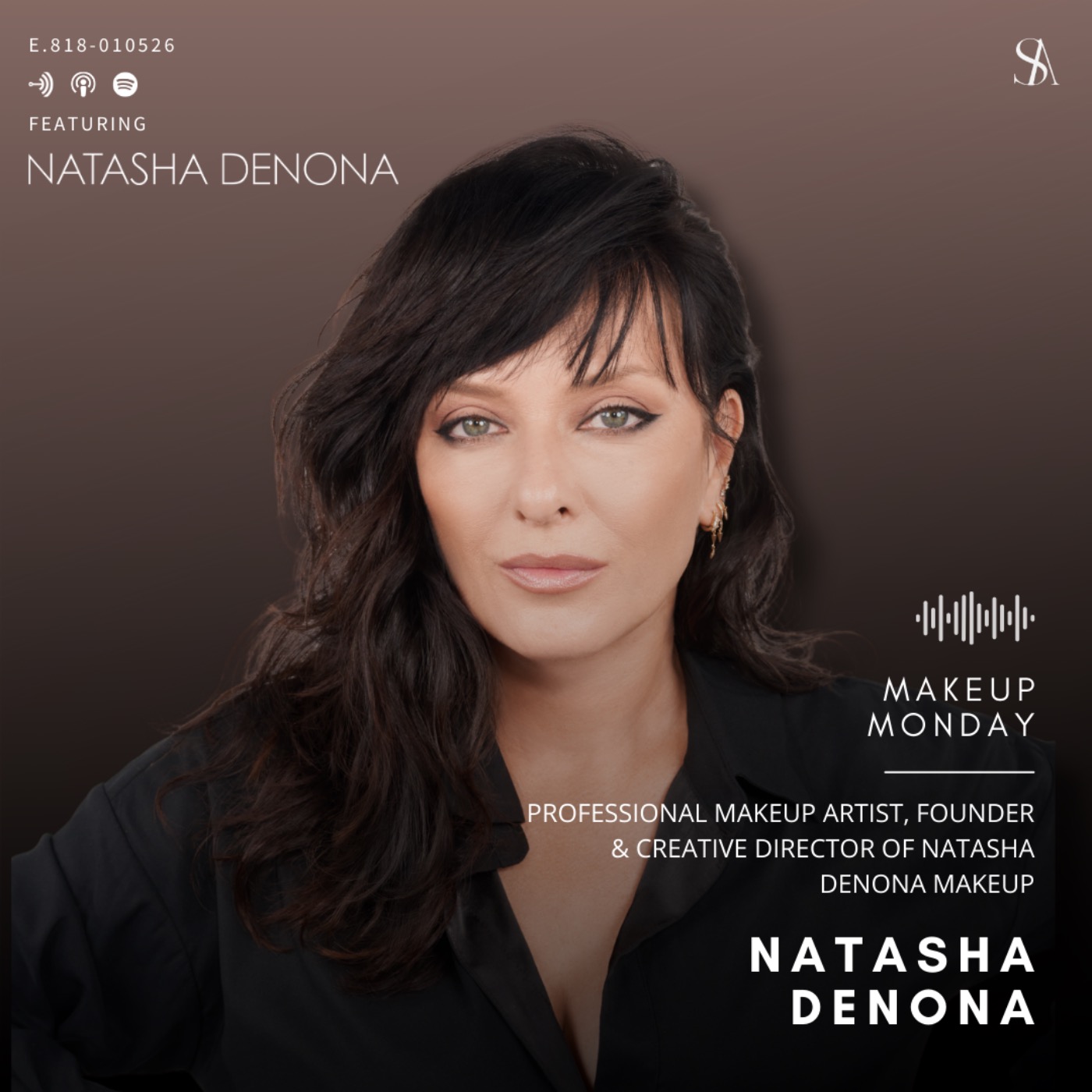
Loading summary
Transcript85 lines
- [00:00]
A
Hey, guys. Welcome back to Skin Anarchy. Our guest today needs absolutely no introduction. She is truly an icon. I have been probably her biggest fan for so long, way before I started this podcast. So this is a huge full circle moment for me. I can't tell you guys how ecstatically happy I am to be doing this interview. So without further ado, please welcome Natasha Denona. Welcome, Natasha. I'm so excited.
- [00:22]
B
Oh, my gosh. Thank you so much. What an introduction. Oh, my gosh. Thank you for having me. I'm so, so, so, so happy to chat with you today. I'm looking forward to deep dive into interesting topics and.
- [00:35]
A
Yeah, no, I'm so excited. And I. Oh, no, it's. It's an honor. That's like such an understatement. It's such an honor. And I'm just such a fan of not only obviously the amazing brand you've created, the movement you've created with that and the impact you've had on this industry for people like me, people all over the world. So without me ranting too much, I want to start with learning all about it.
- [00:57]
B
Made me cry.
- [00:58]
A
No, I'm sorry. I. I'm like, I like love bomb people, I feel like. But no, I want to. I want to learn everything. Like, tell us, like, where did the journey begin for you? I know mom was a chemist, right? So growing up, you were around like science. I mean, tell us everything.
- [01:14]
B
Okay, so my mom was a chemist, not in cosmetics, but in. In chemistry. They were experimenting in Germany with coal, which was a quite boring topic for me as a kid. But I love the environment of the lab. So I was visiting her many, many the school. We had lunch together and then I kind of went into her office and she was. She was doing three specific things over there. She was a lab chemist and they did those experiments and she was also photographing those experiments. And she developed. In a dark room. She developed the pictures back then in the 80s. It wasn't digital yet, so. And I was studying also at school photography. So this kind of. I got it from school. I got this background about photography and science from my mom's side. She was also a technical drawer, which means that she was working and collaborating with chemists that were writing their theories and writing their books. So she was also drawing. So her office was full of chemistry, science, photography, and also technical drawing. So this is kind of my world and I think that this gave me a lot. And even though she wasn't working with. In cosmetics, but when you. When you. You kind of absorb As a kid, the environment of your parents, and I saw this scientific word world, and it kind of. Even though I never, never, never ever thought I'm gonna go into science or. Or chemistry or things like that, because I was fighting with my mom at home when I was studying chemistry, but because I couldn't understand the logic. It was. But it wasn't logic like mathematics, which had some logic, and chemistry was just off logic. I couldn't get it. And I would never think that I would do something with chemists today and be myself, being myself and working with science. But it just enriches you as a kid somehow in your subconsciousness. I feel that. That it came from there. That's amazing about it. Yeah.
- [03:28]
A
No, I love what you said, because you're so right. I feel like. Yeah, just being around something like math and science, it does, like, subconsciously as a child, like, it kind of develops you in a different way. So that's really interesting. And it's. It's intriguing for me because when I look at your work across the board, like, I mean, even when you look at the. The color stories for every palette that you create, it's like, I didn't see that before you in this industry personally, I'm sure, like, people have different experiences, but for me, when I used to just dive into, like, how you put colors, it made so much sense for me. My skin tone, like, the way I would approach it. The science was almost built in as an experience for me when I was looking at it as a consumer. So I want to kind of like go there before the brand started. What was that relationship that you had with makeup or just color theory in general? Like, this world. Talk to us about that.
- [04:19]
B
Well, the world with. With color came to me through painting. I started painting when I was a teenager. I kind of found interest in Salvador Dali's. And I was reading. Yeah, I was reading so many books about his life, about his whole ideology and theory, about his vision in art. And I was a little nerd about those things. I was literally sitting at home and reading this when I was 15, and it kind of inspired me and started to draw and paint. And while I was dancing already, I was a dancer. I started only at 13 to dance, which is quite late. But the art and painting was always a part of self expression, but really from the inside, like, it helped me kind of relax and get calm. I don't know how to explain it better, but I just felt like it was a psychological therapy for me to paint. And it started from there, and then When I started modeling with 8. Around 18 years old. Oh, no, before that, I. During dance, we. You know, dancers and actors, usually they do their own makeup for stage. So this was. This was actually the fun part and everything. I did my makeup, and then I started doing makeup on other kids as well. And this was like. So I actually started with theater makeup when I'm thinking about it for the first time doing makeup. And this was very expressive because it was super big and expressive, and your eyes have to be huge for stage. And when I started modeling, that was in the early. Early. That was the end of the 80s, like, 89 90s. At that time, models used to do their own makeup. And so I started kind of understanding the difference between expressive makeup and stylish makeup and beauty. When I. When I started creating products and those constellation of colors, the color stories in my palette, that was because I was working so many years as a makeup artist in fashion. So the world of expression, of dance, maybe, and theater at the same time, also fashion. So I find kind of both of those worlds I love so much, and I find it so much fun to. To play around with hues and shades that complement perfectly together to create a whole look that you. You can. You can work on one color story on one shade that you can build a whole story around that. Only one shade, and you can make it versatile. And this is hard. It's hard to create, like, one color story that will still look, like, interesting and fun to play with.
- [07:13]
A
Yeah, no, that's. I feel like you are the queen of that at this point. Like, I mean, I. I think. Because when I first discovered your. The eyeshadow palettes are obviously iconic, but in general, it was, for me, as a consumer, very unique to see that you were doing that. It was like we were discussing before the interview, like, the camel palette, even the mini, when you look at it, it is everything you need for a beautiful brown, that nude shade. Like, everything you need is right there. And so that was so amazing to me, seeing that as a consumer, because usually I was matching. I had three different things going on, trying to find my perfect appreciate and my. So to see you do that is phenomenal in the makeup industry because there's so much that we can talk about here, you know, from the inclusivity aspect and, like, all these things, you know, is that something that you. How do you approach that? The inclusivity thing?
- [08:04]
B
You know, I think that actually comes from a different starting point. When I create a product, I think about the look. Yeah. First, and then I Imagine how that look would look in a palette, as a palette or some specific needs. For example, in complexion products, which I'm thinking about. As a makeup artist, as a consumer, what is missing, what I always dreamt of, that I never got to. To have or to be able to purchase. So these are, like, my inspirations of the products. And. And I really. I think that this is. This makes the products look a little bit different and unique, and I think that that's why also, I'm happy that you're saying that you kind of see these things in the products. And this is also, like. This makes it the most exciting when. When I see people understanding the products, why they exist, and. And that they understand it's more than just a product. It's. That's a lot.
- [09:05]
A
Yeah. No, I mean, I think that's what's always made it stand out. And in your products, like, your brand has always stood out, in my opinion, because it connects immediately with the consumer. I remember when the Bevo palette launched, and it's another amazing example. I mean, there are so many shades there that you can create any look that you want. And that's where. That's why I asked you about inclusivity. Because being in medical training at the time, for me, that purchase took me a very long way. I still have my original palette. And so I. Like, that's where I asked you. Because now I see the makeup industry is going in this direction, where there's so many products, new launches every month. But then when I look at your work, it's like, this is timeless. How do you create that timelessness in the products that you come out with? Like, what is your approach to that?
- [09:52]
B
I think that's because I'm not running after trends. I don't think that I. I never really think. I'm honestly always checking what the trends are and what probably other brands are going to do. I'm going to go in between the gaps. Like, I'm going to do something that nobody will do. I'm going to do something I think is good for always, and not only for that moment or for this year or for this season. So this is. I don't know, this is like, kind of. I see the makeup products that at least I create. I see them as evergreens, as something that you can always. Like, you're saying the Biba palette is good for always. Inclusivity is the part where what is super important for me, I mean, this is something that is one of the. Maybe the most important thing. Yeah. I don't I just cannot bear the feeling that somebody will feel excluded. I just cannot. I cannot have that. Not for me. This is horrible for me. And that's why I'm trying, truly, we're trying our best to include everyone. Yeah.
- [11:13]
A
I mean, I think you always have. I think that's what's so intriguing about the brand, is that so many brands now, and I'm sure you've seen it, the industry has evolved so much where people are demanding a broader shade range. But I think also it's important to, like, understand, like, you. You have to do this from the beginning. You can't just, like, one day hop on a bandwagon and pretend, like, yeah, we've been inclusive. And so. And I think consumers see that. So when you look at a brand like one you've created and you look at that, it's. It's inbuil from the beginning. I think that translates over years. I mean, let's talk about your. The shade range, because I. The new foundation that you launched, by the way, it's phenomenal. Huge, huge success. How is that moving from colors to foundation and, like, complexion product? How was that transition for you as an artist, coming from that science side as well?
- [12:04]
B
Yeah, so it's very challenging when you're creating a product, especially complexion, because you want to include everyone, and then you have to think, okay, but you cannot. We're an indie brand. Right. And. And for an indie brand to create 52 shades of. Of one complexion product is enormously huge. When we started, they asked me how many shades in the lab and also in the company, they showed me, how many shades do you think you're gonna make? And I'm gonna say, okay, before I'm gonna finalize the foundation. It also depends on the foundation coverage. And also, the FL foundation will adapt to different skin tones because you have sometimes formulas that are not flexible at all. It's just one shade for one specific type of person, and that's it. Like, usually thicker formulas or fuller coverages. So while I was creating the formula, I wasn't really sure, so I estimated around 40. I said, 40 is a nice number to just start thinking about. It ended up being 52. I mean, the beginning 50. And then I saw, like, two little gaps missing by demand, and I created two more. So it's 52. And this was not. It wasn't even a negotiation. It was just. I do what I think is right.
- [13:23]
A
Yeah.
- [13:24]
B
I. I don't care if it's too expensive for the company, for the brand. I think that you have to compromise sometimes when you really want to do something unique and special for the people, first of all. And then I think about if it's profitable and how profitable is going to be. It's going to be. Of course, it has to be profitable for a brand to exist. But I'm not driven by numbers. Firstly, I don't do that. And I think that this is more important. I mean, I have space to do that, so I do it. I'm not obliged to. To think differently, to do different decisions, and the people are paying for it with. With missing shades. I'm not going to do that. I cannot sleep at night when I think about those things. I just cannot do this. So I do it right, and then we're checking if we can make it and we make it happen, and then it's. You know, it makes sense.
- [14:22]
A
That makes sense. I mean, that's. I feel like it should be like. That should be like. Agree.
- [14:26]
B
I agree. Because it's not all numbers. Because at the end of the day, it's the consumer that they make the brand alive and keep it alive. You cannot think about numbers and money all the time. You cannot do that, in my opinion, because this is a world of passion and love, and people are really excited and passionate about your product. So you cannot just think about it as a secondary option. You know, like, it has to be the number one thought. And this is what it is for me. Yeah.
- [14:58]
A
No, I love that so much, and I think that's. It's so awesome to hear you say that. I feel like there's so many much that can be learned from that approach. And I think that for me, it's interesting to watch when brands, like, start to evolve. But it's more important when founders sit down and they start thinking, where am I going to take this? Where is my vision going? And that's one of the biggest questions I have for you. You've created a brand that has outlasted so many in this industry and in the best way. How has that been in terms of obviously, like, scaling the brand right, but then the creativity part of it, how do you stay creative? How do you stay sharp and staying true to what want to create? But you said you don't like trends, but kind of keeping your finger on.
- [15:40]
B
The pulse still, I think about it as, like, musicians. Okay. So a musician has a lot of hits, let's say, and how many melodies can you invent? I was thinking about that, and I'm thinking also about the palette. So. So the team is asking me for the next two, two, three years. What palettes are we going to do? It was like for a couple, for example, a couple of years ago, I was like, okay, what's going to be the next part? So I'm starting to think. And then I have some you shades that I love so much, but they didn't make it into a specific palette. Not because they're not beautiful, just they didn't fit in. So I started working with those shades and it kind of. I. I don't know how, but now, right now I'm working in the lab. When I'm in the lab in Italy, I'm just working on four different palettes at the same time. It's just insane. So I don't really know. It's kind of like when you have your concept, I have those ideas that I have also usually in the shower or when I fall asleep. So I have that. And then sometimes we have a conversation with the team, with the development team or marketing. Marketing give can give also beautiful ideas. Then random things that I see in everyday life can give me an idea or things that we wanted to do two years ago and we didn't. But. Oh, but we can do it differently today. There's so much going on all the time. Sometimes I'm just in the evening, I just have a pop up in my brain and I'm sending a message to our group and we have to talk about this tomorrow. Maybe we can do a product. And it's really exciting because these are iconic and original ideas. Let's say iconic yet, but they're original and I think that's nice and still going. So I don't know until when, but it does when you have a specific concept of. Of, let's say the high glam foundation, the high glam concealer concept. So you automatically already have a couple of further ideas for next launches or with the eyeshadows. Always something that can have a continuation in the story. So it helps as well.
- [17:47]
A
No, this is really fascinating because I, you know, another product I want to bring up and I would love to learn about this one more because I remember when you launched the Love the blush palettes. The blush and highlighter palettes. It was.
- [18:00]
B
Yeah, yeah.
- [18:02]
A
You had a bronze one and then the. The blush one.
- [18:05]
B
Yeah, the bronze tan. We had the bloom as the first and we had the love.
- [18:10]
A
Yes, Bloom was. Yeah. And then those were iconic. Nobody was doing that at the time. I feel like when I discovered that that was. I can't tell you how much you decluttered my. My Makeup with those kind of products. As somebody who never used bronzer, because I simply never learned how to use bronzer as a woman of color. Like, no one taught me. I thought bronzer was only for really pale people, you know, whatever. And so I had this misconception when I discovered those products. It taught me something. So it wasn't just like, I'm buying makeup. It was, I'm buying a tool for.
- [18:43]
B
Myself, you know, and that's actually buying a look. Yeah, because. Exactly. So when I developed these, it was not common to have these type of products on the market, because people are always thinking about what sells is always something very simple.
- [19:02]
A
Yeah.
- [19:02]
B
And I was like, when I started the brand, I felt like things have to stay user friendly. Yes. But where's the actual pigment? Where's the actual professional vision in the product? It was either this or that. There was nothing on the market that gave both with education as well. So all of my first products, especially, were all built based on the techniques as a makeup artist that I was using. And so this palette it had, it was exactly made the way I do makeup with the glow and the contour, like bronzing, contouring, highlighting, first with cream, then with topping it with powder. So it was all in those palettes. And the educational part of this was the marketing was the communication, social media. It was exactly the time where people wanted to learn how you can apply at home in a sim, simplified way, but you get those professional results. So this was the correct. Right timing, and I thought it was missing on the market. Nobody talked about education because it was kind of too complex and too much and. No, when I did my presentation to Sephora, when they invited me when we launched at 2016 with them, I was talking only about education and the formulas, and they were like, oh, my gosh, that's exactly what we want to start with talking about. So it was such a good fit and perfect timing for that. And I continue doing that because education is coming back with all the makeup artist friends.
- [20:36]
A
I'm so happy when I see that. Every time I see education taking the forefront, I love that. It's like, for artistry and for. Especially, like, if you have never played with makeup and you have no idea what to do, I mean, a product like that will revolutionize the way you do makeup. It. It changed for me, and it was like, that's where I think that's where I. I get so intrigued, because professional side of makeup and then consumer side of makeup, I feel like there's been a disconnect. For so long and it's either like you land on it or you miss it. It's never like in between. And so that's why I asked you that, because I'm like, it's, it's genius what you created. And I feel like now we're seeing it happen. Like so many brands are doing it with the cream. Cream blush and then you put a powder on top and everyone's doing it now. You were years ahead when you created this. So. Yeah, no, I want to, I want to kind of like shift focus because I want to ask you about entrepreneurship and like your journey because like I said, you created a literally a brand that's lasting through years and years of changes, trends, all these things. How has that been for you as a woman and creating this just as an entrepreneur? What were some maybe moments where it was harder, it was a hard time to get through. If you can reflect on some of that.
- [21:45]
B
For me, it was more a personal perspective of struggling with being in front of the camera and speaking because it wasn't. I didn't have any bad experiences with structures of a company or whatever it can be or whoever it can be. It's more about a personal development that where I was thinking and still today develop my products, do my looks and crazily involved in marketing and all the strategies of social media, of course, and all of those things, but also in the business, of course. But I wanted to do those things, but kind of I had to be in front of the camera as well. Today I'm enjoying it, but it was super, super hard for me because it's not in my, my personal character to all that things go around me. I don't want to be in the spotlight. I used to work as a model. I used to dance. It was more. Dancing was art, self expression. Modeling was a job and I had fun with makeup. But then being a founder and standing on, on in master classes on stages all around the world today and talking to you like, like these things. But since I have a story to tell and it's really. There's so much meaning behind it, so it's easy for me to talk about because it's true, it's honest and so it's easier for me. It's not. Nothing is like staged or fake, so it's real. And this is, this is what makes me, makes it easier for me. And I'm lucky that people love realness today. They don't. I don't have to learn how to talk. I don't have to learn what to say and all those things I just really say the authentic. In an authentic way. The original thought. And I think this is so much more. It translates social media today. This is what people are looking for, for authenticity and. And real people. Yeah. And I think this, this helps me to survive in front. In front of the camera and in the spotlight. I hope that this is what you asked.
- [24:05]
A
Yeah, no, I mean, it's amazing to hear that because I agree with you that I think Gen Z has done that. They demand authenticity. It's really cool.
- [24:14]
B
Yeah, I. I love that.
- [24:16]
A
That's interesting you say about the camera thing, because. That's right. I remember when I first discovered the brand, there wasn't. You weren't so much in front. You had. The products were there and they spoke for you and your work spoke for you. But you weren't always on camera and marketing and all that. Yeah.
- [24:34]
B
I'm telling you something about that because I always try to. I always also told to Sephora and old and always I. This is one of my most important things about the brand and the product, that the product itself has to be the star business. Like people should not purchase any products because of me. They should purchase because they really believe in the product, understand what it does and why it's existing. And if it's. If they really love it, they will get it and they will love it. And it's not about me, it's about the product. So that's why I always thought that talking about the technique, the product, the looks, this is what people. It's just. It was my vision that people will fall in love with that. Because you can never know. Just saying that people should really fall in love with the creation and not with just a face with somebody, even though I can understand that. But today I understand the connection with me together because I'm the messenger of this vision and it is my vision and it's a work with the whole team as well that comes to life. So it's like it's a whole thing and. And I'm happy that I can give that message and the communication is through me. But it's about the product and I love that.
- [25:58]
A
Yeah, no, I mean, that's. That's the thing though. Like. And I also want to ask you because there are so many brands and there's nothing wrong with it. I understand people want to be like the face of the brand and they want to kind of put their personality out there and that becomes the brand, it becomes the marketing and to each their own.
- [26:15]
B
But like it's a different concept, right?
- [26:17]
A
Exactly. But then how do you. Because you've created, like we were talking about with, like, the bloom palette, with the bronze palette. You've created literal category, altering products. How is that for you? When you watch the industry coming back to those creations and taking inspiration from that? Is it exciting for you, or. I mean, how do you look at something like that? When you see these products come up again and again?
- [26:40]
B
It's super flattering when somebody's inspired. And all of this. I get. It's. I. Maybe I'm too. I'm too humble to say that I'm humble in this. I don't. I don't even look at this. I'm analyzing myself all the time, criticizing myself all the time. You know, I'm a perfectionist, so I'm always looking at the negative side of myself. I don't even deal with thoughts about, oh, this person or this brand is inspired by my stuff. And, whoa, okay. But when I see somebody duping or trying to dupe this, maybe like this, I'm. This is not nice. You know, this is, like, not nice. But. But getting inspired is. It's flattering. It is, But I don't really have a lot of thought about those things. I'm just doing my job, and I'm enjoying it, and I'm not thinking about what I. Where I do really get emotional about as young people or people that want to start their journey as a makeup artist, as a brand, and then I'm an inspiration for them. This is something else. This. This. This touches my heart. This is nice, because you're kind of an example of the next generation or something like that. So this is nice. This is, like, really honoring.
- [27:55]
A
Yeah, I love that. I. I just want to say, as someone who can. I don't have to be humble. I'll do this for you. I've watched people do pure products, and I'm always like, okay, I remember where this comes from. Your fans know where it comes from every time. I've seen it happen, and I've seen you create, like I said, just the most iconic things. And when you watch it come up, as a fan, as a consumer, we pay attention to that. And so, like, I hope you know that that, like, it did your work stands honestly do.
- [28:26]
B
Because I'm reading all the comments, not only on our account, but everywhere I'm reading. It's just interesting to me to see how people think, their opinions and what they want, what they don't like. This is so important for me. So I do And I reply to most of the people that are leaving comments on my account. I reply to them, my team as well, but also myself in person too, because this connection has to stay real. It doesn't matter how popular you become or how big you become. You have to stay the same person, because this is the starting. This is where people started to follow you and. And love your brand. It's. It's. It's a whole package. You're gonna just leave it out. I'm not gonna disappear or not.
- [29:12]
A
I love that. I love that you take.
- [29:14]
B
I know. I get the feedback, and I'm super happy about it. Super. This is super touching.
- [29:19]
A
Awesome. I love that. No, it's. It's interesting because you brought up artistry, Right. And you brought up, like, people getting inspiration on the artistry side from your work. What is one of the most, I guess, standout moments for you as a professional artist? That. That will always be in your memory. That stands out from either maybe early stages or early days for you. That really kind of resonates.
- [29:42]
B
As an artist.
- [29:44]
A
Yeah. Like, was there ever, like, a. Was there ever, like, a moment where you were like, oh, my gosh, I'm doing what I love. I'm finally doing what I love?
- [29:51]
B
Yes. The day I started doing makeup, I was already there. Honestly. My husband convinced me to become a makeup artist because I wanted to step out a little bit out of the fashion world because I became a mom, and I just didn't want to leave my kid too much. And working in the industry is like being a lot out and waking up early in the morning before the baby wakes up and things like that. So after a couple of months, I did it anyway, and he convinced me. And the moment when I started doing makeup, and I loved makeup all my life. I was the model with the professional makeup bag coming to the fashion. This was me. And so I love makeup, first of all. And so I kind of. But he convinced me, and it made a click, and I was so, okay, I'm doing this the right way, then. I just enjoyed every single day. Every single day. I just love the artistry. It's. It's the art that I used to have in painting. I had it from then, from until now in makeup and now even creating products. So it's kind of. Here's where the science come in, comes in together with the art, and I'm just really, really having fun every single day with all the crisis and all the, you know, like, hard stuff of the company and which is. Which is normal. And I Still enjoy and love it. And. But the moment where I really had this crazy moment of, of acknowledging actually, wait, is this a dream or is this reality? Yeah, it was when with Beautylish 2016, three months before Sephora, Sephora sent out an email. Sephora wants you. And I was like, I don't know, I was like, so everything happened so fast. I was like scared a little bit because I was never in a mindset of I want to make it big, I want to make it global. I was never into that. I was more about the, the formulas and the artistry and, and yeah, so when we saw the very first window exposures at Sephora and the animations that were all around across the U.S. this was like. It's. It is unreal. It is crazy. But today, looking back, I see brands going up and down, up and down, or up and then down. And, and for us, it's kind of continue staying true to our DNA and it strengthens the brand and it becomes like this, this icon, I think. And, and people want to see more, especially now after the, the successful complexion launches that were insanely good. And so, so I kind of see, see the. We see the brand going up, up, up all the time, but not in a crazy way. It's going safely and steadily up and healthy. And this gives like a really, really good feeling. This is like pinching moments all the time.
- [33:06]
A
Yeah, I love that. No, I love it because it's interesting. Yeah, you're right. I mean, your brand has like consistently just, yeah. Grown. It just keeps growing. I. It's wonderful to see that. And, and I mean, it's interesting because I think for entrepreneurs. Now you brought up such a good point where this, that steadiness is not what people chase anymore. They chase instant gratification. I see it all the time where everyone, like, you want to be a founder now, you want to have your own brand, all these things. But what does that mean at the end of the day? Like, people don't pause to think about that. So if you were to give, I mean, I'd love to get your advice because we have a lot of people that tune in that are new entrepreneurs, especially women. What is your advice about?
- [33:48]
B
I think you should always. Yeah, so you should always think about or be staying original and true to your DNA, but at the same time not. Don't forget that the world is going forward and changing a little bit. So kind of have to emerge, you kind of have to adopt a little bit, but still staying true to your brand just kind of a combination. It's not a formula. It's like something. And. And I'm listening also. A lot from. It comes from my stomach, like, instinct. So these are things that you have to be always connected to, I believe, because when you try to do something like others do, you're losing your.
- [34:30]
A
Your.
- [34:31]
B
Your. Your signature image concept. And I think when you want to be successful for. For the long term, you have to stay true to your brand. Yeah. And innovate.
- [34:44]
A
That makes sense. And I love that because. Yeah. I mean, I think that's the main message. Nobody really thinks about these things. Sometimes you get it, and sometimes you. You just, I think, get lost.
- [34:55]
B
Yeah. But it's hard to do that because sometimes you don't feel inspired. You don't have the vision. You don't. Or you don't have the. That stomach feeling, what to do. Right. Sometimes it's leaving you alone and then you kind of wait. I have to concentrate. Wait. I need holiday. I need to relax. I need to do something to change the atmosphere, just to understand, to go back to myself. It's. It can be in. In artistry, in envision, in business. It can be in anything. But you have to stay if you want to stay successful. I believe in being original and not losing that connection with yourself. This is, I think, the. The main thing. And there are downs. It doesn't matter. It's not the. It's not just always succeeding. It's not about that. That It's. You have to accept failures. You have to accept things and learn all the time. Always take everything as your school and a lesson and. And don't really give up, because life is not always paying. Not at all. And you just have to. From when you get low, you. You have to pick yourself up and continue. You can just only grow from there. And this is something that also personally, but also in. In professional life, if you should.
- [36:12]
A
Yeah, no, I love that so much. And everything you're saying is so. It resonates so deeply. And I think there's so many people that need to hear that. I think they need. People need to hear this because there's a lot of, like, there's a lot of interest these days, especially in makeup, because people see makeup and they think, this is my place. I can express myself here, I can be myself here. And then you get lost, and then you lose a part of yourself because you've tried to fit in so much. So, yeah, I love everything you said, but. And I would love to know, like, is there something you're excited about in the industry? Right now, like, something that you're. You're seeing happen, that you're like, oh, I. I like this.
- [36:48]
B
I'm super happy about the recognition of all the makeup artist brands. I. I was waiting for that era. I was like, two years ago, one of the manufacturers was talking to me, okay, so the this and that, this and that type of brands are going down. Next one is luxury. What is the next? And I said, makeup art artist, makeup artist, brand. That was, like, two years ago. I was thinking about it has to happen, and it happens. And I'm so happy about that because we are the real professionals. And I mean, other brands are also professionals, but this is just a different perspective of that, of creating products. It's just. It comes from a. From a different experience, and I think it's a world on its own. And I'm super happy about this recognition. So finally I have a category. You know what I mean? Yeah, it was. It was influencer brands and corporates, and it was like, Natasha, no, that was.
- [37:51]
A
The big thing with your. Like, I said that when we first started was when I discovered your brand. I was like, oh, my God, this just made my life so easy. Having that as a consumer was like having a teacher with you. And that's where I feel like, yeah, I. I love that you're excited about that, because I think for consumers, it's been amazing to have all these brands that are by professional makeup artists.
- [38:11]
B
So, I mean, for me, it was always important that I wanted a brand where there is a professional person that you can trust and can explain to you how to use the product and how. Why it was made like that, for what. And which type of solutions you expect from the. From this product and a person that can really, really explain about it and. And teach you how to use it. Because we want to look good, you know, like, with makeup or at least have fun and want to know how to. When. When you see my videos that I really have a lot of millions of views, and then they're like, fun videos within beautiful added flow, and. And. And we're always thinking, like, wait, but they have to see the final. The final blend, you know, like, they have to see those little things that can help to. To realize, okay, I don't do that. It has to be fun to watch, but at the same time, it also has to educate still. So I see feedback, and people are loving those videos, and they're helping them to. To create the looks. And this. This is so satisfying. Really.
- [39:16]
A
I love it. You're such an icon. I'M just sitting here so excited. Yeah, I. I don't know. I just. I feel like it's so rare to see someone like you and. And to see what you've done and achieved and you continue to achieve. It's so rare. And I. I just feel like there's so much that can be learned here. And just like, almost like your brand is like a huge case study for anybody in entrepreneurship, I think, because it's just been so tried and true, and it's. It consistently stays that way. I said that foundation launch and the concealer launch that came out, it was like, you knock it out of the park every time. I'm like, she did it again.
- [39:52]
B
Oh, my gosh. You know what? I actually. In one of your previous questions, I forgot to talk about that. Yeah, I mean, this was one of those moments in life where I said, oh, my gosh. I made it with complexion products. That was my dream. Yeah, that was my dream. Because it's the hardest. The hardest accepted mascara, the hardest category. And this was really because. And it took me for so long to work with the chemist, because it's not only a vision, it is also. I'm super involved in the structure of the formulations. It's not only giving them a brief, and then I'm kind of, you know, checking the submissions and. And telling like this. I'm going into the raw materials that actually, I'm super happy that I have crazy access to the newest innovations and raw materials that I just invented. And I can see them, touch them, and think about what can I do with this raw material, for example. So this can give me also an inspiration of how and what type of product I want to develop. This is something that I never heard of. I know that I'm really probably might be. I'm careful here. The only one maybe in the world, because from the manufacturer side that they are the ones that are creating those raw materials, they are telling me and showing this to me personally before they even do something with that. And with this is something really unique and outstanding. And also, I'm always in search with the R D. And what are the newest raw materials that we have? Maybe we can use this maybe in the foundation, for example. We just. I didn't just add active ingredients into the formula. I use the raw materials to act like an active ingredient. And the active ingredient sometimes also is a part of the formula and all the texture. This is so different. Yeah, this you cannot copy. It's. It's. It's really unique. And everything's made from scratch. So I'm super here. I'm not so humble here. I feel like really happy and, and super proud. I can say it's hard for me to say that, but it's true. I'm so happy about those formulas because it's really, really, really, really, really hard. And, and seeing people loving them was for me, I cannot even describe that. I went on social media on, on stories. I look like I just woke up up and I saw this sold out page on Sephora with the Highland Foundation. I was like, do you remember guys, I have my team here posting that I look like, I don't know like what, you know, my hair like this and a half pajama. I just say thank you. Oh my gosh, guys, you're crazy. Thank you so much. And that was really one of the craziest moments for me and also for all of us because we're working so hard on this.
- [42:44]
A
Yeah.
- [42:44]
B
And yeah.
- [42:45]
A
So I love that you, you told me about the R D side. I mean that's like nobody talks, talks about that with makeup. Like no one discusses that. I mean there. So what is your favorite part then? About our.
- [42:55]
B
Like that's my favorite part. I love going into the actual structure. I think the, the, the conversations and the brainstorming with, with the R and D with chemists, with, with the kind of visions that I have. It's really hard to interpret something from as you imagine into something that is possible to make in chemistry. Yeah. And when you, you go, I can do this only when I understand the true structure of the ingredients within the formula that can do this, this and that and some kind of. So sometimes when I started actually working with chemists in the beginning, like 10 years ago, more than 10 years ago, we did, me and my husband, we didn't really know if I will be able to translate and to explain and to achieve in chemistry what I imagine. And the chemists themselves, they're of. How. How do you actually know those things that you're telling us? You know, I don't know how I know. It's like, it's like a. I don't know how to explain it. Something in instincts.
- [44:06]
A
Intuitive.
- [44:07]
B
It's intuitive for you probably experience as well. And my mom being maybe some little bit of talent. I don't know. I don't know because sometimes it just comes to, to you and I kind of understand what they're working with and explaining them, what to add and what to take out and all those things. So in those submissions, I'm truly a part of designing the structure or the formula that's, I think, different from most of the founders. What I know. I mean, I know it from the R Ds and from the chemists that they work differently with other brands. Sense. And I didn't know. I just do what I think, so I do what I think is right. And I know this from them. And this was. And this is my favorite part, the invention of something that doesn't exist.
- [44:56]
A
So beautiful. And the integration of science and all of that. It's like no one. This never gets talked about. Well, I don't know why color cosmetics and, like, makeup is literally beautiful. Chemistry, beautiful, how this works. And so I. That's so exciting for me to hear that you actually. You get in there and you do drive it from that lens. I mean, that's something that I think. Yeah. I haven't heard of anyone talking about that in the makeup world. I hear a lot about it on the skincare side, but from the makeup side, it's hard to find that.
- [45:26]
B
Yeah, but you know that skincare is. You know that as a teenager, I actually, when I was 12 years old, I was. I had acne. And. And this is the. The. The age where you don't want to have it and you want to look perfect. Yeah. And I had a whole line of, you know, the whole system of skin care. I don't know. I think I had four steps or something of this. I'm talking with you about 1983, like, already then.
- [45:58]
A
You're ahead of your time.
- [46:00]
B
It was evil. Shape was like a cosmetic. Right. And my mom was so angry. You're only 12 years old. Why are you putting all those things, those chemical stuff on. On yourself. But this was honestly already my passion back then. And I think that also it was interesting for me to see why this product does this and that. And you kind of. It started already there as well, together with the whole science side of my mom and the art and all of those things. And. And I always dreamt of hybrids in makeup. When I create a makeup, a color cosmetics and. And to use and combine it to involve also skin care into that. It's not. It's not. Instead of skin care, it's just a healthier color cosmetic product that you put on your skin. Because me as a dancer in the 80s, I suffered from waxy, heavy foundations. While you sweat on stage for two hours and everything goes into your skin. And the day after, I look like a strawbert in Germans. Like a little cake with a lot of you crumbles. It was horrible. The skin was so badly textured. And I was young. There was no reason for that. So when I started creating products, I always wanted skin to look healthy and to. And to feel healthy while you're wearing makeup up. And don't dry your. Don't kill your skin with bad ingredients. And that's why I think the generation of hybrids, especially in. In complexion products, is so important, and I'm going to develop into that direction a lot.
- [47:44]
A
Wow. Yeah. No, I mean, I feel like you've always been there, like, as a. Yeah, I've seen that. I think your products were, for me, they were always some of the only ones like, my skin could tolerate. I have really sensitive skin. So for me, makeup was always very, very tricky. And I never had any issues with any of your products. Like, it never broke me out. It wasn't even. Even if I slept in it. In your 20s, you sleep in your makeup, and I never had problems. So, like, it shows that you. You come from this understanding of skin health as well.
- [48:12]
B
I always say that if you have foundation on or concealer, it's better. It's healthier to be with that product on your skin than without.
- [48:20]
A
Yeah.
- [48:21]
B
Go out. And this is. I totally believe that.
- [48:26]
A
Well, this has been amazing. It has been such a full circle moment for me. I'm. I just. Thank you so much, Natasha. This is amazing.
- [48:33]
B
Thank you. It was such a fun conversation and you're so, so sweet.
- [48:37]
A
It's such an honor.
- [48:38]
B
Amazing, amazing questions. And. And this chat was just. It was perfect.
- [48:44]
A
Thank you so much.
- [48:45]
B
Thank you so much. I love it.
- [48:46]
A
It was my honor. And I can't wait for everyone to just keep discovering your products. Is there anything coming up that you can share with us? I don't know. I'm not gonna put you on the.
- [48:53]
B
Spot, but I can excite you that we are doing something super exciting in the lip category. So. And bigger things. We continue with Complexion. Yes. And we're doing really fun stuff. You're going to see everything soon.
- [49:09]
A
Oh, my God, I'm so excited.
- [49:11]
B
Yeah.
- [49:11]
A
That's so exciting. Well, awesome. I can't wait.
- [49:17]
B
Thank you so much.
- [49:18]
A
Thank you. Hey, guys. So I hope you love that episode. Please make sure to hit subscribe if you're tuning in to us on any podcast platform. We are available on so many different platforms, so wherever it is that you're tuning in, just go hit subscribe. You will be immediately notified when we publish new episodes. This way you're able to tune in to amazing insights from experts, brand founders, industry leaders, authors, all the wonderful people that we host and that that's very important for me because I love to hear from you guys and really understand what you love and what you want to hear more of. Also make sure to give us a follow on all of our social media outlets. We're available on Instagram, TikTok X, you name it, we're there. We also have a blog on Medium, so if you're a reader and you love Medium blogs, check us out on Medium. We publish some really great articles on there that do deeper dives than just what's available on the podcast and it's really a great place for all of you science geeks out there that want to learn a little bit more. We go above and beyond with our research and making sure we're bringing you information that you usually probably won't hear about in other outlets. So check us out, leave us a comment, leave us a review and we'll be back next time with another episode. Thank you.