Podcast
Slate Daily Feed
Hosted by Slate Podcasts · EN
The Slate Daily feed includes new episodes from more than 30 shows in the Slate Podcast Network. You'll get thought provoking analysis, storytelling, and commentary on everything from news and politics to arts, culture, technology, and entertainment. Discover new shows you never knew you were missing.
Hosted on Acast. See acast.com/privacy for more information.
347episodes
Episodes
Newest firstAll episodes
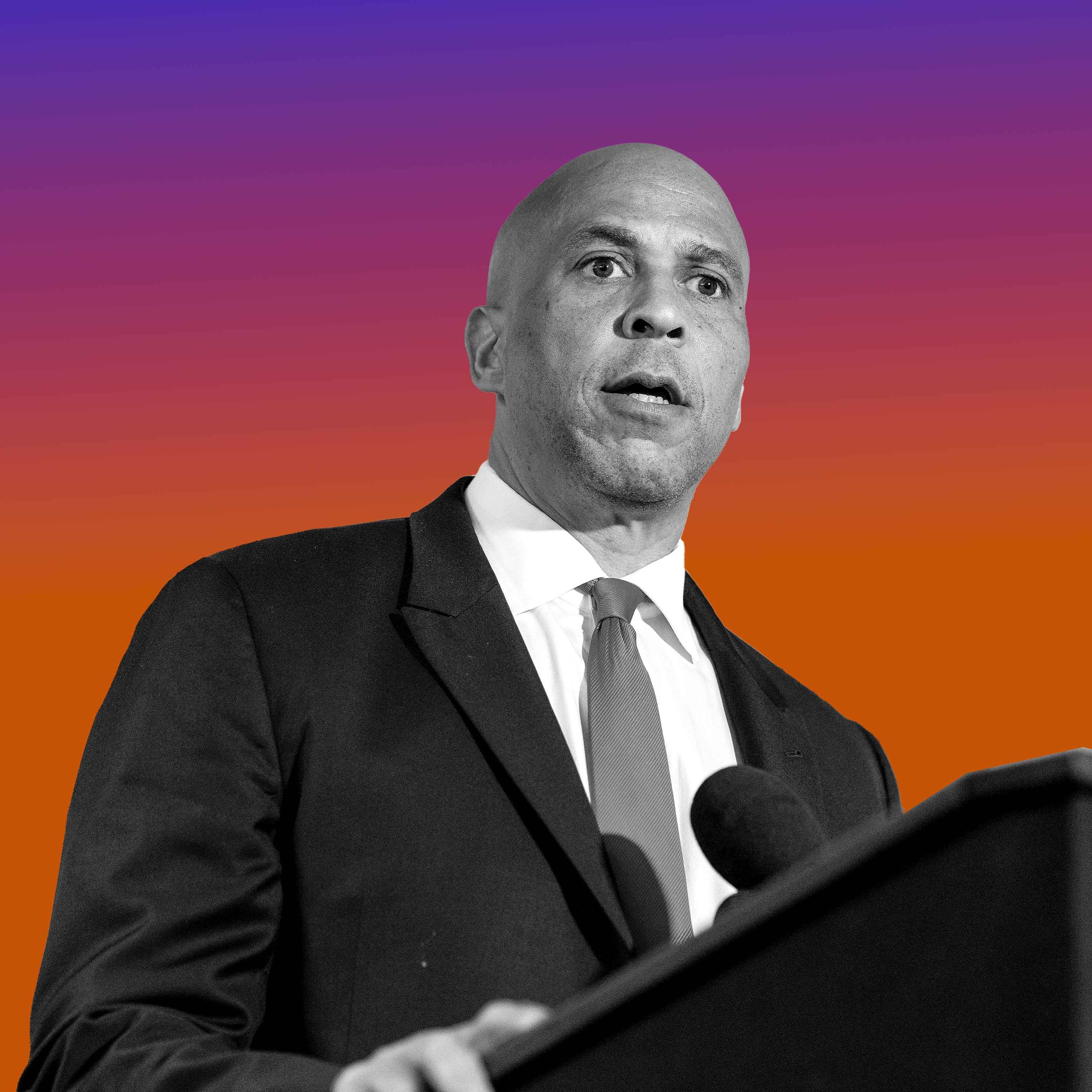
What Next - Bonus: Cory Booker on Blanche, Epstein, and 2028
Yesterday00:06:45Tap to summarizeAs part of the Senate Judiciary Committee, Senator Cory Booker had questions for Todd Blanche—and made space for Jeffrey Epstein survivors. Guest: Cory Booker, US Senator for New Jersey, member of the Senate Judiciary Committee, Foreign Relations Committee, Committee on Small Business and Entrepreneurship, and Committee on Agriculture, Nutrition, and Forestry.This episode is member-exclusive. Listen to it now by subscribing to Slate Plus. By joining, not only will you unlock exclusive episodes of What Next —you’ll also access ad-free listening across all your favorite Slate podcasts. You can subscribe directly from the What Next show page on Apple Podcasts and Spotify. Or, visit slate.com/whatnextplus to get access wherever you listen.Podcast production by Rob Gunther, Evan Campbell, Madeline Thames-Ducharme and Patrick Fort.Paige Osburn is the senior supervising producer of What Next and What Next TBD. Hosted on Acast. See acast.com/privacy for more information.
Transcribe →
What Next: TBD | Tech, power, and the future - Can We Trust the Jobs Report?
Yesterday00:32:55Tap to summarizeThe Bureau of Labor Statistics is a department for wonks, by wonks. But under the dual pressures of the changing nature of work—like the growing gig economy—and an administration that doesn’t accept bad news, should next week’s jobs report be taken with a grain of salt? Guest: Ben Casselman, chief economics correspondent for The New York Times.Want more What Next? Subscribe to Slate Plus to access ad-free listening to the whole What Next family and across all your favorite Slate podcasts. Subscribe today on Apple Podcasts by clicking “Try Free” at the top of our show page. Sign up now at slate.com/whatnextplus to get access wherever you listen.Podcast production by Rob Gunther, Evan Campbell, Madeline Thames-Ducharme and Patrick Fort.Paige Osburn is the senior supervising producer of What Next and What Next TBD. Hosted on Acast. See acast.com/privacy for more information.
Transcribe →
Political Gabfest - Unhinged Obsession
Yesterday00:50:06Tap to summarizeThis week, Emily Bazelon, John Dickerson, and David Plotz discuss the expanding Iran war and what it means for Trump that news of U.S. missile shortages is leaking from the inside, the blend of conspiracy theory and Rand Paul's personal umbrage that drove the show trial of a Senate hearing with Dr. Anthony Fauci, and various developments that brought medication abortion and FDA restrictions back to the news this week.Here are this week’s chatters: Emily: Julia Lurie for Mother Jones: Me, Myself, and IUDs John: Space Daily: Astronauts returning from six-month missions describe a persistent 'observer' sensation — the feeling of watching their own lives from a half-step outside the frame, weeks after they're back on the ground David: Jill Lawless for The Associated Press: Glen Hansard, Irish musician who won Oscar for ‘Once,’ dies in motorcycle crash; Once (2007) Trailer HD | Glen Hansard | Markéta Irglová (YouTube); RTÉ News on YouTube: 'Fairytale of New York' played at Shane MacGowan's funeral; City Cast: Your City Could Be Better (podcast); Eli Sabin for New Haven Listener chatter from Craig Kujawa in Washington, D.C.: Barbershop Harmony Society: History Made: GQ Wins World Championship; Barbershop Harmony Society: GQ - Mothers & Daughters (Maddie Zahm cover) • 2026 BHS International Quartet Champions (YouTube) For this week’s Slate Plus bonus episode, Emily, John, and David discuss the rise of the Democratic Socialists of America with guest Grace Mausser, Co-Chair of the New York City DSA. They talk about its European-style organizing model, its uneasy alliance with the Democratic Party, the primacy of canvassing and volunteering, and the art of compromise. In the latest Gabfest Reads, John Dickerson interviews Maggie Haberman and Jonathan Swan about their new book Regime Change: Inside the Imperial Presidency of Donald Trump. Drawing on extensive reporting from inside the White House, they explore how Trump’s second term differs radically from his first, from his decision-making process to the people surrounding him and his relationship with power, money, and the presidency itself. Email your chatters, questions, and comments to gabfest@slate.com. (Messages may be referenced by name unless the writer stipulates otherwise.) Podcast production by Nina Porzucki Research by Emily DittoYou can find the full Political Gabfest show pages here. Want more Political Gabfest? Join Slate Plus to unlock weekly bonus episodes. Plus, you’ll access ad-free listening across all your favorite Slate podcasts. You can subscribe directly from the Political Gabfest show page on Apple Podcasts and Spotify. Or visit slate.com/gabfestplus to get access wherever you listen. Find out more about David Plotz's monthly tours of Ft. DeRussy, the secret Civil War fort hidden in Rock Creek Park. Follow@SlateGabfest on X / https://twitter.com/SlateGabfestSlate Political Gabfest on Facebook / https://www.facebook.com/Gabfest/ Hosted on Acast. See acast.com/privacy for more information.
Transcribe →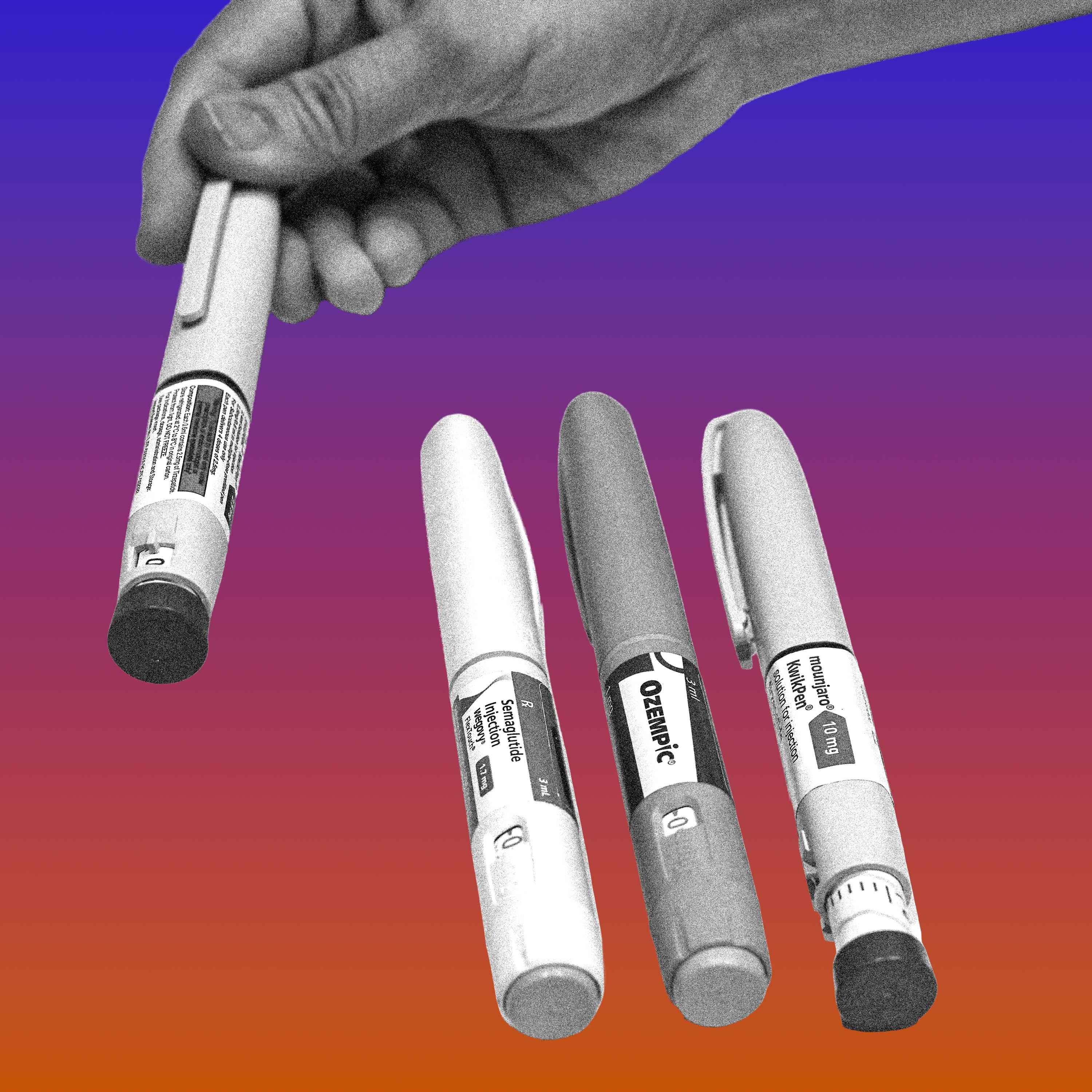
What Next - What the Hell is a Peptide?
2d ago00:26:37Tap to summarizeOn the heels of the success of GLP-1s like Ozempic, other peptide treatments are flooding the marketplace—and advertising spaces. But even as the Trump administration’s FDA discusses approving more treatments and the businesses selling them proliferate, many peptides are sitting in a legal and medical gray area. So how real - and safe - is this peptide hype?Guest: Kate Knibbs, senior writer at WIRED.Want more What Next? Subscribe to Slate Plus to access ad-free listening to the whole What Next family and across all your favorite Slate podcasts. Subscribe today on Apple Podcasts by clicking “Try Free” at the top of our show page. Sign up now at slate.com/whatnextplus to get access wherever you listen.Podcast production by Rob Gunther, Evan Campbell, Madeline Thames-Ducharme and Patrick Fort.Paige Osburn is the senior supervising producer of What Next and What Next TBD. Hosted on Acast. See acast.com/privacy for more information.
Transcribe →
Slow Burn - Decoder Ring | The Fight Over Sunlight
3d ago00:52:21Tap to summarizeThe sun has always been a hot topic. For centuries, we’ve flip-flopped over whether our health depends on soaking up its rays—or shielding ourselves from them. The current conventional wisdom is clear: Avoid sunburns at all costs, using shade, hats, long sleeves, and the highest SPF sunscreen your drugstore has to offer.But in a historical sense, that advice is pretty new. Not long ago, doctors told parents to slather babies in oil and let them roast in the afternoon sun. Tanning was once medically prescribed. Though we’ve lived under it for all of human history, we’ve never quite figured out how much sun is actually good for us. So where has the pendulum landed today? And why does it keep swinging in the first place?In this episode of Decoder Ring, Willa talks to Rowan Jacobsen, author of the new book In Defense of Sunlight: The Surprising Science of Sun Exposure, who argues that our current guidelines have gone too far in emphasizing the risks of the sun. She also speaks with Catherine Cocks, the director of the Syracuse University Press and author of Tropical Whites: The Rise of the Tourist South in the Americas, about how race drove our cultural obsession with suntanning.This episode was written by Willa Paskin and our supervising producer, Evan Chung, who also produced this episode. Decoder Ring is also produced by Max Freedman. Merritt Jacob is Senior Technical Director. Our intern is Phoebe Mulder.If you have any cultural mysteries you want us to decode, email us at DecoderRing@slate.com or leave a message on our hotline at (347) 460-7281.Get more of Decoder Ring with Slate Plus! Join for exclusive bonus episodes of Decoder Ring and ad-free listening on all your favorite Slate podcasts. Subscribe from the Decoder Ring show page on Apple Podcasts or Spotify. Or, visit slate.com/decoderplus for access wherever you listen. Hosted on Acast. See acast.com/privacy for more information.
Transcribe →
Decoder Ring - The Fight Over Sunlight
3d ago00:52:18Tap to summarizeThe sun has always been a hot topic. For centuries, we’ve flip-flopped over whether our health depends on soaking up its rays—or shielding ourselves from them. The current conventional wisdom is clear: Avoid sunburns at all costs, using shade, hats, long sleeves, and the highest SPF sunscreen your drugstore has to offer.But in a historical sense, that advice is pretty new. Not long ago, doctors told parents to slather babies in oil and let them roast in the afternoon sun. Tanning was once medically prescribed. Though we’ve lived under it for all of human history, we’ve never quite figured out how much sun is actually good for us. So where has the pendulum landed today? And why does it keep swinging in the first place?In this episode of Decoder Ring, Willa talks to Rowan Jacobsen, author of the new book In Defense of Sunlight: The Surprising Science of Sun Exposure, who argues that our current guidelines have gone too far in emphasizing the risks of the sun. She also speaks with Catherine Cocks, the director of the Syracuse University Press and author of Tropical Whites: The Rise of the Tourist South in the Americas, about how race drove our cultural obsession with suntanning.This episode was written by Willa Paskin and our supervising producer, Evan Chung, who also produced this episode. Decoder Ring is also produced by Max Freedman. Merritt Jacob is Senior Technical Director. Our intern is Phoebe Mulder.If you have any cultural mysteries you want us to decode, email us at DecoderRing@slate.com or leave a message on our hotline at (347) 460-7281.Get more of Decoder Ring with Slate Plus! Join for exclusive bonus episodes of Decoder Ring and ad-free listening on all your favorite Slate podcasts. Subscribe from the Decoder Ring show page on Apple Podcasts or Spotify. Or, visit slate.com/decoderplus for access wherever you listen. Hosted on Acast. See acast.com/privacy for more information.
Transcribe →
ICYMI - We Need To Talk About Jimothy
3d ago00:31:00Tap to summarizeIn a matter of days, Jimothy the raccoon went from a neighborhood mascot to a viral sensation. But unlike the internet animals who came before him, Jimothy has no owners, and isn’t protected by a zoo. On today’s episode, host Kate Lindsay is joined by Garbage Day researcher and editor Adam Bumas to talk about how Jimothy stole the hearts of the internet (except for Kate) and what that could mean for his future. Not only has he had to adapt to his disability in the wild, but now anyone hoping to catch a glimpse could find him, and potentially harm him in pursuit of their own viral moment. This podcast is produced by Vic Whitley-Berry, Daisy Rosario, and Kate Lindsay. Hosted on Acast. See acast.com/privacy for more information.
Transcribe →
What Next - Trump's Forever War
3d ago00:27:16Tap to summarizeThe US can’t leave Iran in charge of the Strait of Hormuz, but it can’t wrestle control away without committing ground troops—but it also can’t keep going on like this. So where does that leave everyone?Guest: Josh Keating, senior correspondent covering foreign affairs at Vox. Want more What Next? Subscribe to Slate Plus to access ad-free listening to the whole What Next family and across all your favorite Slate podcasts. Subscribe today on Apple Podcasts by clicking “Try Free” at the top of our show page. Sign up now at slate.com/whatnextplus to get access wherever you listen.Podcast production by Rob Gunther, Evan Campbell, Madeline Thames-Ducharme and Patrick Fort.Paige Osburn is the senior supervising producer of What Next and What Next TBD. Hosted on Acast. See acast.com/privacy for more information.
Transcribe →
Death, Sex & Money - How a Very Polite Danny McBride Creates Characters That Go Berserk
4d ago00:57:38Tap to summarizeThe man behind artful and goofy comedies like The Righteous Gemstones and Eastbound and Down talks about finding his people at an upstart public film program in North Carolina, crafting characters that are nothing like himself, and nurturing a community of like-minded filmmaker friends far away from Hollywood. He also discusses his new short story collection Thrilling Tales of Modern Men. Podcast production by Cameron Drews. Get more Death, Sex & Money with Slate Plus! Join for exclusive bonus episodes of DSM and ad-free listening on all your favorite Slate podcasts. Subscribe from the Death, Sex & Money show page on Apple Podcasts or Spotify. Or, visit slate.com/dsmplus to get access wherever you listen.If you’re new to the show, welcome. We’re so glad you’re here. Find us and follow us on Instagram and you can find Anna’s newsletter at annasale.substack.com. Our email address, where you can reach us with voice memos, pep talks, questions, critiques, is deathsexmoney@slate.com. Hosted on Acast. See acast.com/privacy for more information.
Transcribe →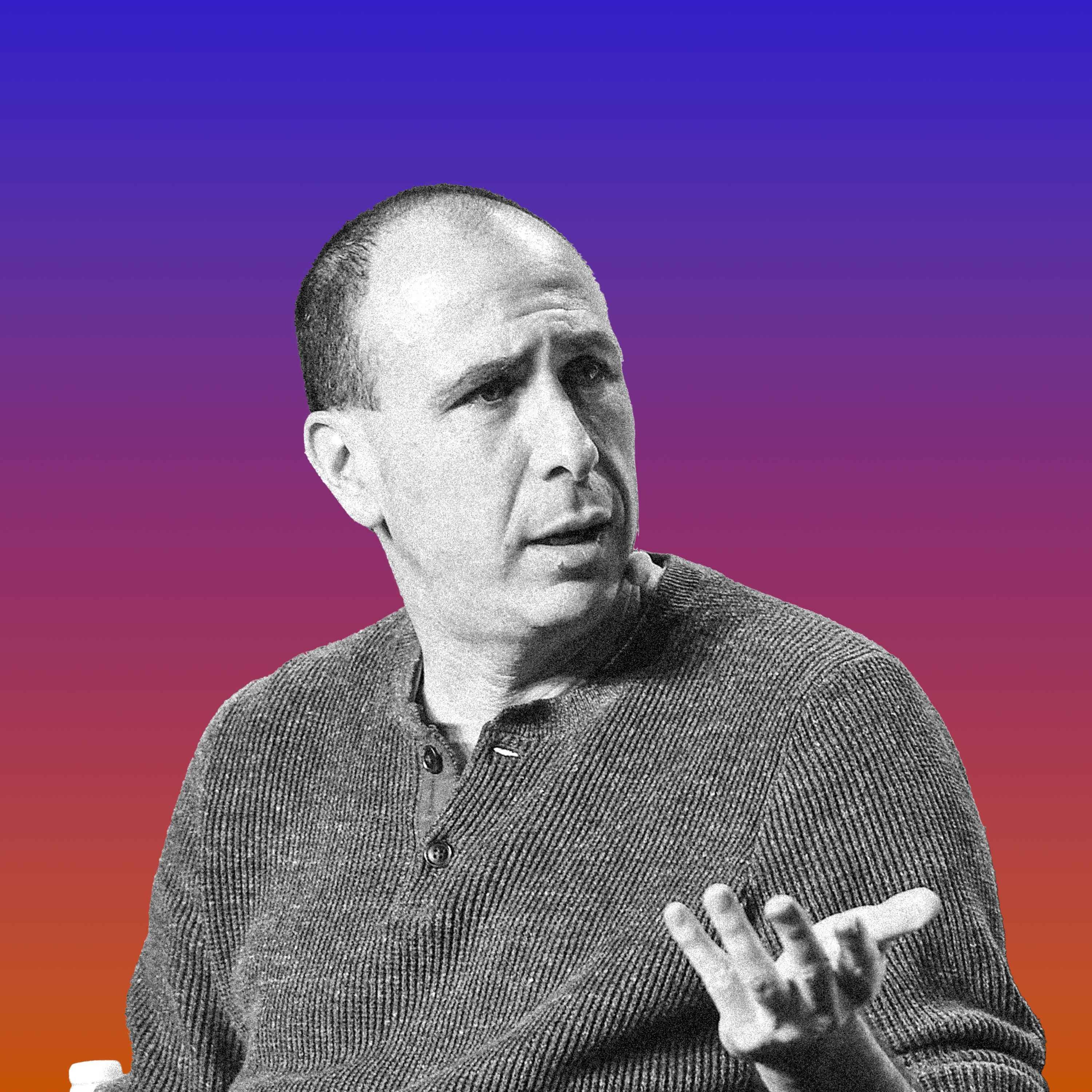
What Next - The DSA's Biggest Hater Likes One of Their Policies
4d ago00:26:33Tap to summarizeIn the wake of the success among members of the Democratic Socialists of America, The Atlantic’s Jonathan Chait has turned in a series of articles that call the group anti-democratic, against the Democratic Party, and unnecessary or even a hindrance to accomplishing policy goals like universal health care. On the other hand, he thinks DSA member Zohran Mamdani is doing a pretty good job as mayor so far. So what’s at the root of Chait’s problem with the DSA? And what policy position is he completely on board with? Guest: Jonathan Chait, staff writer at The Atlantic.Want more What Next? Subscribe to Slate Plus to access ad-free listening to the whole What Next family and across all your favorite Slate podcasts. Subscribe today on Apple Podcasts by clicking “Try Free” at the top of our show page. Sign up now at slate.com/whatnextplus to get access wherever you listen.Podcast production by Rob Gunther, Evan Campbell, Madeline Thames-Ducharme and Patrick Fort.Paige Osburn is the senior supervising producer of What Next and What Next TBD. Hosted on Acast. See acast.com/privacy for more information.
Transcribe →