Podcast
Slate News
Hosted by Slate Podcasts · EN
After the Trump administration launched a massive Immigrations and Customs Enforcement operation in Minnesota, protesters gathered to defend immigrant neighbors. Renee Nicole Good, a mother of a six year old, showed up with her wife and dog to film altercations between officers and community members. What happened next changed everything. Guest: Jon Collins, senior reporter on the Minnesota Public Radio News race, class and communities team. Want more What Next? Subscribe to Slate Plus to access ad-free listening to the whole What Next family and across all your favorite Slate podcasts. Subscribe today on Apple Podcasts by clicking “Try Free” at the top of our show page. Sign up now at slate.com/whatnextplus to get access wherever you listen. Podcast production by Ethan Oberman, Elena Schwartz, Paige Osburn, Anna Phillips, Madeline Ducharme and Rob Gunther.
Hosted on Acast. See acast.com/privacy for more information.
402episodes
Episodes
Newest firstAll episodes

What Next: TBD | Tech, power, and the future - Are Flock Cameras Watching You?
Yesterday00:27:04Tap to summarizeIn a world where everyone is carrying smartphones and setting up Ring cameras, you could be forgiven for thinking the war is over and the surveillance state won. But Flock cameras being denounced in town halls and smashed on the street have become a place for people to channel their heretofore unseen rage. Guest: Joseph Cox, reporter for 404 MediaWant more What Next TBD? Subscribe to Slate Plus to access ad-free listening to the whole What Next family and across all your favorite Slate podcasts. Subscribe today on Apple Podcasts by clicking “Try Free” at the top of our show page. Sign up now at slate.com/whatnextplus to get access wherever you listen.Podcast production by Rob Gunther, Evan Campbell, Madeline Thames-Ducharme and Patrick Fort.Paige Osburn is the senior supervising producer of What Next and What Next TBD. Hosted on Acast. See acast.com/privacy for more information.
Transcribe →
Political Gabfest - Air Faux One
Yesterday00:58:54Tap to summarizeThis week, Emily Bazelon, David Plotz, and guest host Juliette Kayyem discuss the security calculations behind Trump’s plane switch operation; the White House’s attempts to circumvent Supreme Court rulings in its continued obsession with ‘birth tourism’; and whether ‘burritogate’ reveals the extent of today’s economic anxiety or that young Americans simply aren’t learning to cook anymore. For this week’s Slate Plus bonus episode, Emily, David, and guest host Juliette Kayyem discuss whether the benefits of the Flock surveillance network are worth its tradeoffs. Flock cameras help police solve crimes, but cases of officers abusing their access to the technology for stalking raise concerns about privacy violations. In the latest Gabfest Reads, John Dickerson interviews Maggie Haberman and Jonathan Swan about their new book Regime Change: Inside the Imperial Presidency of Donald Trump. Drawing on extensive reporting from inside the White House, they explore how Trump’s second term differs radically from his first, from his decision-making process to the people surrounding him and his relationship with power, money, and the presidency itself. Email your chatters, questions, and comments to gabfest@slate.com. (Messages may be referenced by name unless the writer stipulates otherwise.) Podcast production by Jay Cockburn Research by Nora MosesYou can find the full Political Gabfest show pages here. Want more Political Gabfest? Join Slate Plus to unlock weekly bonus episodes. Plus, you’ll access ad-free listening across all your favorite Slate podcasts. You can subscribe directly from the Political Gabfest show page on Apple Podcasts and Spotify. Or visit slate.com/gabfestplus to get access wherever you listen. Find out more about David Plotz's monthly tours of Ft. DeRussy, the secret Civil War fort hidden in Rock Creek Park. Follow@SlateGabfest on X / https://twitter.com/SlateGabfestSlate Political Gabfest on Facebook / https://www.facebook.com/Gabfest/ Hosted on Acast. See acast.com/privacy for more information.
Transcribe →
What Next - Trump Cares About Vaccines. Uh-Oh.
2d ago00:27:32Tap to summarizeWhy Donald Trump’s proudly announced executive order on childhood vaccines is a move in the wrong direction—and towards a less healthy, more measle-y America.Guest: Julie Rovner, chief Washington correspondent, host of the KFF Health News weekly health policy news podcast, “What the Health?”Want more What Next? Subscribe to Slate Plus to access ad-free listening to the whole What Next family and across all your favorite Slate podcasts. Subscribe today on Apple Podcasts by clicking “Try Free” at the top of our show page. Sign up now at slate.com/whatnextplus to get access wherever you listen.Podcast production by Rob Gunther, Evan Campbell, Madeline Thames-Ducharme and Patrick Fort.Paige Osburn is the senior supervising producer of What Next and What Next TBD. Hosted on Acast. See acast.com/privacy for more information.
Transcribe →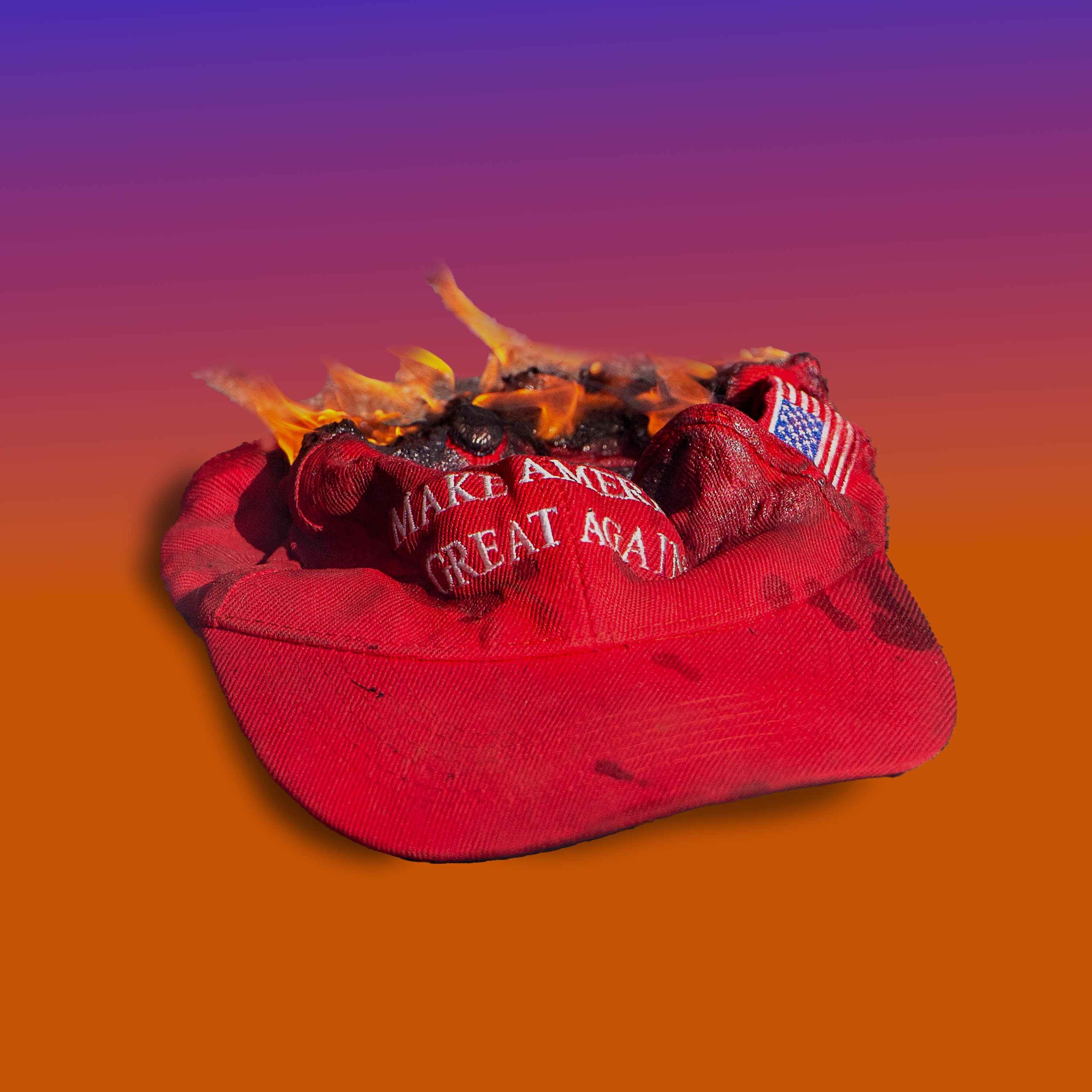
What Next - Ok, Zoomer!
3d ago00:29:12Tap to summarizeDonald Trump’s success with Gen Z men was one of the many surprises in 2024, but as the second administration has gone on, that support has been plummeting. What would it take for Democrats to win the Zoomers? Guest: Adam Mockler, host of The Adam Mockler Show podcast and YouTube channel.Want more What Next? Subscribe to Slate Plus to access ad-free listening to the whole What Next family and across all your favorite Slate podcasts. Subscribe today on Apple Podcasts by clicking “Try Free” at the top of our show page. Sign up now at slate.com/whatnextplus to get access wherever you listen.Podcast production by Rob Gunther, Evan Campbell, Madeline Thames-Ducharme and Patrick Fort.Paige Osburn is the senior supervising producer of What Next and What Next TBD. Hosted on Acast. See acast.com/privacy for more information.
Transcribe →
What Next - You Should Worry About the July Jobs Report
4d ago00:35:13Tap to summarizeAny jobs report, by necessity, is going to be vague and subject to revision, but the latest from the Bureau of Labor Statistics paints a pretty clear picture: America hasn’t added as many jobs as hoped or expected this summer, and the labor market is looking rough.Guest: Justin Wolfers, professor of public policy and economics at the University of Michigan and “deputy platypus” at Platypus Economics.Want more What Next? Subscribe to Slate Plus to access ad-free listening to the whole What Next family and across all your favorite Slate podcasts. Subscribe today on Apple Podcasts by clicking “Try Free” at the top of our show page. Sign up now at slate.com/whatnextplus to get access wherever you listen.Podcast production by Rob Gunther, Evan Campbell, Madeline Thames-Ducharme and Patrick Fort.Paige Osburn is the senior supervising producer of What Next and What Next TBD. Hosted on Acast. See acast.com/privacy for more information.
Transcribe →
What Next - What Can We Do About Abusers in Congress?
5d ago00:32:56Tap to summarizeCredible accusations of sexual assault, eventually, led to Graham Platner leaving the Maine Senate race. But Ohio Representative Max Miller is responding to his own allegations with a different tact: the Trump method of ignoring, denying, and staying in.Guest: Jill Filipovic, journalist, lawyer, and author of The H-Spot: The Feminist Pursuit of Happiness and OK Boomer, Let’s Talk: How My Generation Got Left Behind.Want more What Next? Subscribe to Slate Plus to access ad-free listening to the whole What Next family and across all your favorite Slate podcasts. Subscribe today on Apple Podcasts by clicking “Try Free” at the top of our show page. Sign up now at slate.com/whatnextplus to get access wherever you listen.Podcast production by Rob Gunther, Evan Campbell, Madeline Thames-Ducharme and Patrick Fort.Paige Osburn is the senior supervising producer of What Next and What Next TBD. Hosted on Acast. See acast.com/privacy for more information.
Transcribe →
Slate Money - The Unwanted Art Boom
1w ago00:55:02Tap to summarizeThis week: On the heels of his recent story on the glut of art that baby boomers are leaving to younger generations, Felix Salmon talks with Elizabeth Spiers and Emily Peck about why boomers like to collect things—from fine art to Pez dispensers—and why younger generations aren’t necessarily following suit. Then, the hosts look at why Scott Bessent decided to prop up the Japanese yen and what makes the move unusual. And finally, they talk about why weather apps are ruining our summer fun.In the Slate Plus episode: The House That Loopholes BuiltWant to hear that discussion and hear more Slate Money? Join Slate Plus to unlock weekly bonus episodes. Plus, you’ll access ad-free listening across all your favorite Slate podcasts. You can subscribe directly from the Slate Money show page on Apple Podcasts and Spotify. Or, visit slate.com/moneyplus to get access wherever you listen. Podcast production by Jessamine Molli. Hosted on Acast. See acast.com/privacy for more information.
Transcribe →
Amicus With Dahlia Lithwick | Law, justice, and the courts - By the People | Now It’s Your Turn
1w ago00:54:37Tap to summarizeIn the final episode—for now—of our series on reclaiming constitutional power for every American, Dahlia Lithwick and Mark Joseph Stern urge you to consider the many ways you can make constitutional meaning in your life, your community, and your profession. Joining us to imagine what that has looked like historically and what it might look like tomorrow is New York Times columnist Jamelle Bouie, our former Slate colleague who possesses an uncanny, award-winning knack for applying historical context to modern-day events. He sits down with Dahlia and Mark to give the long view of the modern Supreme Court’s monopoly on constitutional understanding; its gradual (and problematic) professionalization; his own wishlist for structural reform at the high court, and a bracing reminder that there is a tremendous amount to be done to claw back the Framers’ vision of a constitution by the people.We want to hear from you! Tell us what you’re doing in your life to assert ownership of the Constitution. What are you doing to expand fundamental freedoms to you, your loved ones, and your neighbors? Write to us at amicus@slate.com, and we might be in touch with you for a special Amicus event in September. By the People is Slate’s end-of-term project exploring the ways in which ordinary Americans have shaped the meaning of the Constitution beyond the rulings of the Supreme Court. You can read the full package of articles accompanying this series at slate.com/bythepeople.The justices publish their opinions a few dozen times a year. Dahlia and Mark share theirs every week. Slate Plus gets you all of it: Amicus ad-free with a weekly bonus segment, and no paywalls anywhere on Slate. Join now. Visit slate.com/amicusplus to get access wherever you listen.You can subscribe directly from the Amicus show page on Apple Podcasts and Spotify. Hosted on Acast. See acast.com/privacy for more information.
Transcribe →
What Next - Off the Record: Democrats Go to War (With Other Democrats)
1w ago00:07:38Tap to summarizeThe wins, the losses, the wins-that-are-so-close-are-they-REALLY-wins, and more from the primary elections this week, that left us asking, “Can we just get the midterms over with now?”Guest: Jim Newell, Slate senior politics writer.This episode is member-exclusive. Listen to it now by subscribing to Slate Plus. By joining, not only will you unlock exclusive episodes of What Next —you’ll also access ad-free listening across all your favorite Slate podcasts. You can subscribe directly from the What Next show page on Apple Podcasts and Spotify. Or, visit slate.com/whatnextplus to get access wherever you listen.Podcast production by Rob Gunther, Evan Campbell, Madeline Thames-Ducharme and Patrick Fort.Paige Osburn is the senior supervising producer of What Next and What Next TBD. Hosted on Acast. See acast.com/privacy for more information.
Transcribe →
What Next: TBD | Tech, power, and the future - Artificial Intelligence, Very Real Debt
1w ago00:32:00Tap to summarizeInvestments in—and among—artificial intelligence companies have pushed the S&P 500 to record highs. It’s also introduced a volatility to the markets that may be unprecedented. Is this growing pains or the wobble before the fall? Guest: Ed Elson, co-host of the Prof G Markets and First Time Founders podcasts.Want more What Next TBD? Subscribe to Slate Plus to access ad-free listening to the whole What Next family and across all your favorite Slate podcasts. Subscribe today on Apple Podcasts by clicking “Try Free” at the top of our show page. Sign up now at slate.com/whatnextplus to get access wherever you listen.Podcast production by Rob Gunther, Evan Campbell, Madeline Thames-Ducharme and Patrick Fort.Paige Osburn is the senior supervising producer of What Next and What Next TBD. Hosted on Acast. See acast.com/privacy for more information.
Transcribe →