Loading summary
Transcript74 lines
- [00:01]
Puia Nikman
Everywhere else. People don't like injustice, but they don't. It doesn't even occur to them that they could do something about it. They give up, they're given up, they accept injustice. But Americans, the thing that makes them Americans in my head is that they what I really resonate with, they don't take injustice easily. Like they want to do something about it. Like Americans, they have this really heightened sense of justice and sense that we could reach a solution, we could reach a better world, we could make people's lives better today. And that is just doesn't exist from my experience anywhere else. Somewhere I read of the freedom of speech.
- [00:49]
Nico Perino
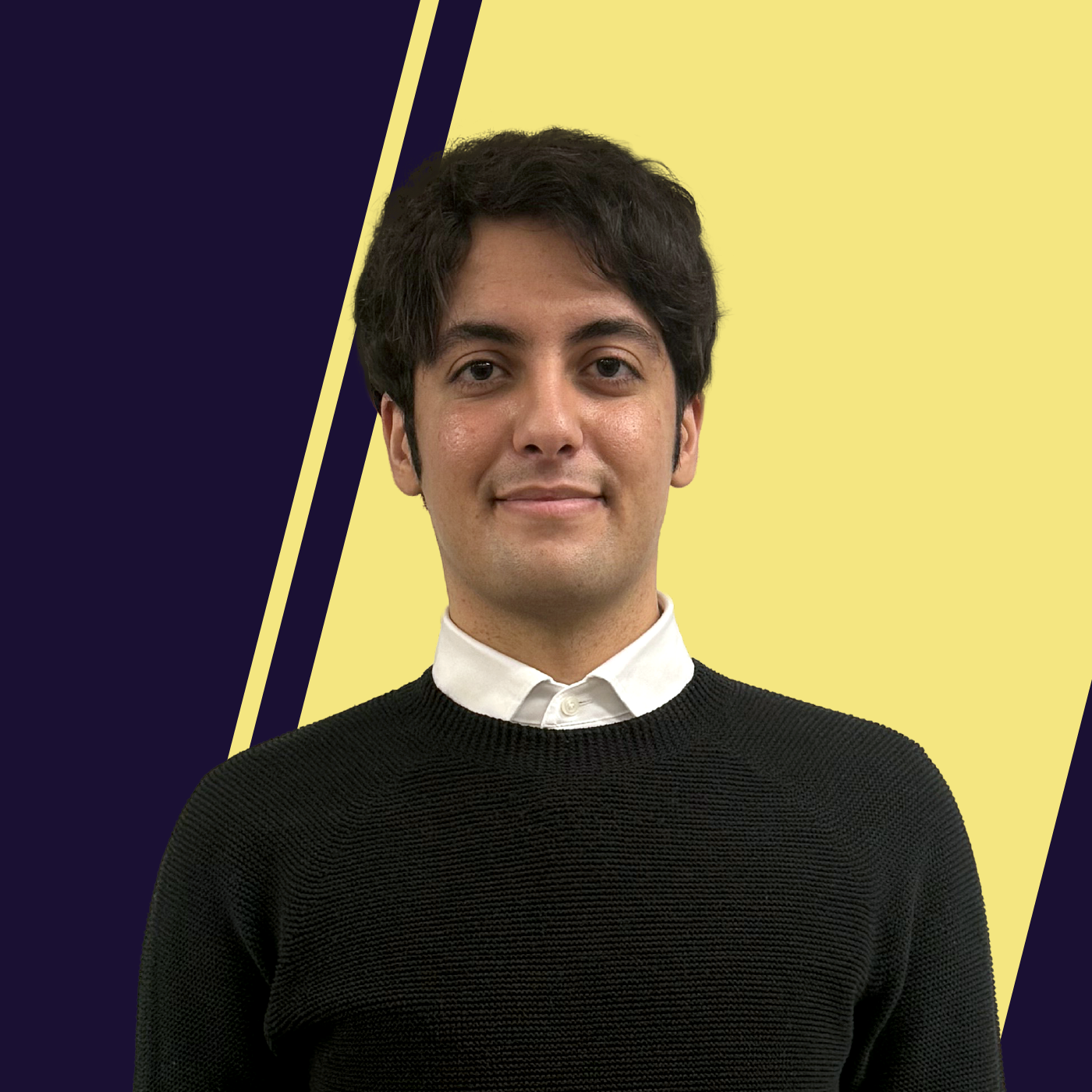
You're listening to so to Speak, the Free Speech podcast, brought to you by fire, the foundation for individual rights and expression. Welcome back to so to Speak, the Free Speech Podcast, where every other week we take an uncensored look at the world of free expression through the law, philosophy and stories that define your right to free speech. I'm your host, Nico Perino. In recent weeks, protests have erupted across Iran over economic and political frustrations. As demonstrations grew, the Iranian government responded by arresting and murdering thousands of protesters. One Iran observer told the Wall Street Journal that the government brought down the iron fist with a speed and ferocity we haven't seen before. And on January 8, authorities cut off Internet access across most of the country, leaving much of the world in the dark as to what was happening inside its borders. The crackdown seems to have worked for now. The New York Times reports a tense calm has beset the country with a large number of the security forces deployed in the streets and massive disappointment and disillusionment among Iranians. Today I am joined by Puia Nikman. He's an Iranian born writer who escaped Iran at 18 and knows firsthand what it means to live under and fight against the Iranian regime. He writes about those experiences on his substack Outliving Iran, where he examines how his experience in Iran shaped his understanding of expression, freedom and belonging. Puia, welcome onto the show.
- [02:16]
Puia Nikman
Thanks for having me, Nico.
- [02:17]
Nico Perino
So what do you know about what's happening in Iran right now?
- [02:20]
Puia Nikman
When the Internet gets reconnected, just the scale of it will be, just the brutality of it will be visible to the world. They not only machine gun young protesters on the street, they kidnap their corpses and any of the corpses that make it to the hospital. They attack the hospital, shoot the corpses or, or if they're not fully dead, shoot the wounded protesters and then take their bodies hostage. It is a type of barbarism, likes of which we haven't seen since isis.
- [03:01]
Nico Perino
And did you think the Iranian regime was always capable of this sort of barbarism?
- [03:05]
Puia Nikman
Absolutely. So to understand, Iran needs to understand that there are two levels. The government functions on two levels. One is the official government and one is the irgc. The Islamic Revolutionary Guard Corps is the name. And they are like a paramilitary group. They recruit from civilians and they teach people from a very young age how to work with guns and be brutal. And they have complete, complete reign to do whatever they want. They work and live and function outside of laws. So there is nothing that IRGC does that can be admissible in the court of law. So although the Iranian government itself says we didn't do anything, it's the irgc. It's the people who were trained since a young age to be in that type of almost like a terrorist group. It is designated as a terrorist group by the US government. They have no morals. They were recruited since a young age and they just don't feel any remorse killing someone who they think is against Islamic government.
- [04:21]
Nico Perino
That's one of the things I've always wondered about these uprisings and the paramilitary forces that often put them down is, aren't the members of the paramilitary force also members of the broader society? Don't they have the same sort of unease about the situation in the society? Wouldn't you think? They wouldn't take up arms and shoot these protesters or shoot their neighbors or shoot their, in some cases brothers and sisters. But it seems like in Iran what I'm hearing you say is correct. They have. Now we don't know all of the facts, but the reports I'm reading from New York Times, Wall Street Journal suggest there are thousands, if not tens of thousands of murdered protesters going on. So where do things stand now? I've read that there's a tense calm. Are the protests done?
- [05:14]
Puia Nikman
So you need to understand. So when I'm talking about the people who are in the IRGC bubbles and they're recruited into the group, you need to understand that they fundamentally function in a different way as, as normal people. So, and they might say, and they justify their actions based on principles of Islam and they want to bring global intifada, whatever the way they think about it in religious terms, but on a practical, functional, day to day level, they are going on the streets as if they're hunting animals. So it is a fun game for them. So the ideology, the regime teaches them that if someone is un Islamic, whatever that means, then they're fair game. They're completely fair game. Anything So a lot of the people who get hired by the morality police, I've heard of it, Iran has morality police is separate from normal police. They are posted on every street and they look at people. They sometimes go in hiding and just wait for people to. For women to show up, to push their hijab back a little bit. They would jump at them, they would run at them, put handcuffs on them, arrest them, take them to the vans. I mean, I don't want to jump too quickly to comparisons what's happening in the United States, but it's very similar to what's happening in Minnesota with ice. They, they wait for someone to speak with an accent, then they quickly jump at them and they give some sort of kick out of that. So this is how the IRGC militia, the morality police, the people in that, those bubbles, that's how they function. They. It's. It's. It's a game. It's. You just. They get a sense of pleasure out of hunting each their own people. So. Including their own sisters, for example, like the. It is. It is not true. Like, they, they see themselves as first and foremost beholden to the ideology, the regime, and to Islam and then any part of our identity. So they, they do not have a second of hesitation to shoot down a protester, because that's the way they justify it, is that anyone who's against the. The government of God is against God, so needs to be killed.
- [07:43]
Nico Perino
How do you end up with a situation like this, with a society in Iran that's as restricted as it is? Has it always been that way?
- [07:50]
Puia Nikman
No, Believe it or not, Iran was one of the freest countries outside Europe. It was the flourishing country. And Asia, one of the freest, most prosperous country in Asia. Before the revolution, it was a friend of the west, and people were free to discuss, to speak, even speak against the regime. We signed a span of couple of years, in span of 10 years, all of those achievements, those freedoms were receded and Iran became thoroughly religious dictatorship, totalitarian dictatorship, only second to North Korea, in my opinion. And in terms of like, harshness, extrajudicial killings. So how do you bring a society from that to this? And how is it that in the new generation, the people just don't choose differently? How is it that, you know, they had an Islamic experiment? How is it that when they experimented, they couldn't go back? It's. I think it was because of the censorship. So you could not even talk about an alternative to the government that Iran has. You could not even read about an alternative to Iranian Government, you could not express, you could not really criticize anyone in actual position of power. You could not even talk about another way of life than the particular version of Islam that the government is advocating for. So people are born in Iran. I mean, those who saw the days of the previous regime, of the monarchy, they have memories of better days. But people who were born in Iran, they're born without even a sense that the world could be different to them. The world was like this since day one. And that's how it just cemented itself. It's now almost 50 years since the revolution. And if. And now we have people who are mowing down protesters on the street, I thoroughly believe that if only it was allowed to talk about a different option for society, to argue for your own beliefs, to argue why what the government is doing is wrong, better people could have been swayed and not reached a level where they could shoot protesters that would have been saved earlier in their lives. But we're in a. The reason, I think the reason why this is why free speech is so important. The reason why Iran was just cemented the way it is because there was just criticism of the regime. Criticism, like even bringing change was just simply impossible. Not only impossible in practice, but just if you can even talk about it.
- [10:47]
Nico Perino
So I think it's safe to say there really is no freedom of speech in Iran if you can go to the streets and pay for it with your life.
- [11:01]
Puia Nikman
Yeah, it Nico. So Iran is a country that since day one didn't have freedom of speech. So not only freedom of speech through writing, but even freedom of speech through your own clothes. The way you clothe yourself, the way you style that you wear, is a way of speaking your beliefs, your personality. And it is not acceptable to show your personality through your clothes. Men have a little bit of more wiggle room than women, but women especially, they have to wear dark covering hijab and they cannot express what you have no sense of in Iran. Who believes what, who believes in Islam, who doesn't, who is a Muslim, who's a Christian, like everyone has to dress the same way. And that is the. There's a level of suppression of speech that it's hard to fathom.
- [12:00]
Nico Perino
Yeah, when I was growing up, you could often tell who someone was by the stores they shopped in. In a shopping mall, like the. The skaters would shop in vans, for example. And you had goths who shopped in one store, preps who shopped it another store, maybe Abercrombie and Fitch, you could kind of tell something about someone and then their identity by what they wore. But what you're saying in Iran is, you know, that wasn't a way to express oneself.
- [12:29]
Puia Nikman
For example, you cannot print anything and read it. Like I mean some people do it, but it's illegal. Every. In order for you to have the right to read something, it needs to be first checked by the censors and get the permits by the Ministry of Guidance. They want to guide the society to what to believe in, what to read, what to consume. And they have total control over the news, over the media, over the, the expressions of belief. So you cannot even to your friends, you cannot talk about certain things. Someone might hear it and they might just come one day and kidnap you. So there's not very few times that you will have a trial, whatever. It's most of the time that you just get kidnapped and tortured and there's just no record of it anywhere.
- [13:28]
Nico Perino
What's it like to live in a society like that where around any building or through any window, someone's making a deliberate attempt to watch you so that if you contravene the laws of the land, you could be thrown in jail?
- [13:46]
Puia Nikman
It is, it is, it feels lonely. It feels extremely lonely because in that type of society where it's very much touching on the issue of freedom of speech, you cannot say anything without fear of some sort of reprisal. So again, because since the system is kind of this two tiered system where there's government and judiciary and then there's irgc, militia, something that even judiciary finds okay, the IRGC doesn't find okay. So quite literally anything that you might say could be used against you and you could just disappear one day. And when I was in Iran, I left Iran in 2017. The moment I turned 18, I left Iran. Iran has changed a lot since then. We're going to talk about it in a second. But in the Iran that I was in, ordinary people took part in that as well. So it was not only the police and people were begrudgingly going with it. People, for example, I had a girlfriend of mine just came to our neighborhood just to see me and then we're going to go to coffee shop, which for that itself was a big issue, worrisome issue. What if morality police saw us together? They would ask us to produce proof of family relations. If there's no family relations, we're going to be lashed.
- [15:21]
Nico Perino
So I'm clear for our listeners, a man and a woman seen in public together, if they are not of the same family, could run afoul of the morality Police and morality laws.
- [15:31]
Puia Nikman
Yes. And they do. So this is. We're not. We weren't caught by morality police. We were a couple of times caught. But. But this particular instance talking about all of our neighbors were really happy. They were taking pictures of us and they just spread the news. Oh, do you know Puya's talking to a girl. We don't know that girl. So people. It was kind of fun and games for people to kind of like hunt I got you. You're not good person. You talk to a woman. You're un Islamic. And so there has been a lot of reports. This is my personal experience as someone who did not live in Tehran and came from lower middle class in Iran where the masses are majority of Iranians support. When I was in Iran supported the regime even if they wouldn't support regime explicitly through their actions. Basically they did the same thing that the morality police does. But ever since they have withdrawn their participation and since 2022 now walking without veil, without hijab and a series of events completely normalized. Whereas the Iran that I got out of it was unheard of that a woman would not wear a hijab. It was just unheard of. It was something like completely a different universe. But me and my friends were that way. And it felt like we were completely alone in a world of people who were bought into the regime. And ever since I left Iran, it seemed like more and more people who were like us spoke publicly with and they were, they paid for it, they were punished for it, some of them were killed for it. But society changed.
- [17:17]
Nico Perino
Before I drill down deeper into your story, I do want to ask what was the change? So you leave in 2017, you said by 2022 it had become somewhat normalized to not wear the hijab. What happened in those five years?
- [17:33]
Puia Nikman
So there was a. There was a movement against a compulsory hijab in Iran that started on Facebook in 2014. And it was pretty much an undercurrent for about eight years until the one brave woman, her name is Vida Mubahid, she removed her hijab publicly on a busy street in Tehran. And since then the movement took like. After that immediate movement took off. And when a young Iranian girl named Mahsa Amini was killed in 2022 for not wearing hijab properly in the eyes of the morality police, it was a seismic change happened in Iran. To just give you a sense of how seismic the change was, I haven't been back in Iran ever since, but I have friends there, have family there. They tell Me that ever since Iran feels much of a lighter place, much of a happier place. People are happier, people are now listening to music. Whereas, like when I was back in Iran, listening to music was like a big deal that you had to hide. And even people like to give you a sense of sweep. The change, the sweeping change that happened in Iran. My own grandfather, I think he's in 75 right now. When I remembered him, the grandfather that I remembered, he was staunchly supportive of regime. He was enforcing hijab laws by himself. So if he saw a girl that didn't cover herself to satisfaction, he would threaten to beat them on the street. So he was not a good person. And, and last time I talked to him was two years ago. My mom told a story about him that he is now going around his neighborhood defending girls who are being harassed for not wearing hijab from the people who still want to harass them, saying that they have the right to whatever they want, to wear whatever they want. It's none of your business. And when I talked to him on the phone, he said, I said, okay, congratulations. I'm so happy that you changed your mind. And he said, I never changed my mind. I was always like that. I was never supportive of the regime. Well, that's, you know, when society changes. You know, people who used to be supportive of evil, they change their position and sometimes deny. But I'm still either way happy that Iran has changed seismically. Seismic change since I left Iran. And it is now a place that is ready for freedom, ready for democracy, for secularism, and for just a healthy relationship with the rest of the world.
- [20:32]
Nico Perino
Let's talk about your background now. You write in your substack, outliving Iran. I was born into a poor, ultra religious family in the slums of North Isfahan in Iran, one of the bleakest places in the world. Tell us about your early life there.
- [20:49]
Puia Nikman
So my grandfather was a serf. Serfdom was abolished in Iran in 1960s. So you know, he and my parents came from. We were always called like star family and we lived in the slum with other really poor people. And it was, it was where religious rule was absolutely enforced by everyone and where there was also a lot of poverty. For example, we couldn't afford to eat meat ever. We had soy instead. We didn't have a tv. Eventually we got a TV and that's how my life changed. But it was a really, really poor existence.
- [21:37]
Nico Perino
Did you have any siblings?
- [21:39]
Puia Nikman
I have a 10 year old brother.
- [21:41]
Nico Perino
And what was it like growing up with him?
- [21:45]
Puia Nikman
I was 14 when he was born, so I raised him until I left Iran. This is a part of my life that is part of my soul that never has left that hole in my soul that never has revealed itself because when you raise a child for four years, you bond with them. And I had to leave Iran because I knew I couldn't survive in Iran anymore and I had to leave him behind. And I haven't seen him for eight years and it's just, I don't want to really think of. I could start crying already. But yeah, he, I mean, there are lots of problems in Iran. He is in need of medical help. There are no doctors in Iran that could help him. He sees. So it happened three years ago when he called during the Mahsa amini protest in 2022. He called me and he said he had seen a girl got shot in the head and died in front of our, our house. And he saw that through the window. And he's. And now he's. When he's going to school, there's blood everywhere on the street. And I didn't talk to him, but some of the videos of where I live and I just cannot imagine what that would do to a 10 year old child.
- [23:18]
Nico Perino
What was school like?
- [23:22]
Puia Nikman
School is in Iran, at least the schools that I attended, they're modeled after a military camp. So we have to make military formations. And the. So the rules are applied really strictly. For example, we cannot read any other material other than the approved books. But that's not really about our school. In Iran we do not have the rights to read whatever we want. So anything printed is illegal until it gets a permit by the guidance ministry. The censors have to go through it, make sure it's Islamic enough. It's not going to corrupt your soul. And through the Internet, I just didn't find anything interesting in my textbooks. So through the Internet I would print articles about science, about construction. What was one of my articles I wrote about that? I took an article about the construction of the Golden Gate Bridge. So this is school. And I got into trouble for it very, very frequently. And we were inquisitioned about our beliefs. And if our teachers didn't believe we were Muslim deep in our heart, they would expel us from the school. And I got expelled. So close to being expelled every time.
- [24:48]
Nico Perino
Is the Internet censored in Iran?
- [24:50]
Puia Nikman
Yes, it is.
- [24:51]
Nico Perino
But you were still able to access things about the west that exposed you to the West. I remember it was maybe over a decade ago that I read a book called Reading Lolita in Tehran. I don't know if you've ever read that book, but it was about some of the secret groups where people would read these Western texts that were prohibited from being read at least officially in Iran. And that always stuck with me. You know what the lengths that people would go and the risks that people would take to have the freedom to read whatever they want. In the west, we almost take it for granted that you can read whatever you want. But there are some societies where you can you write in your substack that you loved and knew everything about America. What was it about America that drew you to it?
- [25:35]
Puia Nikman
So it's the first footage of America that I saw in my life was a. In a CD that had videos of. It was from 90s that English as second language teaching books. And it was made to teach you how to order at a restaurant. So I was learning English when I was 10, started when I was 10, this is around when I was 12. And I saw it was a picture of New York in New York City. They. They would go to a restaurant and I still remember two guys, one would order hamburger, the other would order carrot juice. And they would just, you know, ate half of the hamburger, drank half of the carrot juice. And they were like, bills, please. And they paid and it left. And that was a moment where I was like, wait, they are leaving their food behind. It's like that was like we were so poor that I didn't. That I couldn't get the concept of us. Like you can even. You're so rich and you're so. There's so much prosperity that you can just leave food behind. Don't even worry about it. It's not only that whether we can afford food tomorrow or not, which is like a real problem even for rich people in Iran. But how do you know there are going to be carrots in the market in a month from now, in a week from now, you know, so it's, you know, we had a second freezer where we just froze all kinds of things because we don't know like when the food's gonna run out. And so it was. That was like the first interaction that I had. But everything really about. About my fascination with the world outside Iran started when I was 10. I bought a bootleg CD. It was the latest Pixar movie. It was Ratatouille. It was the first, first cartoon that I watched. And it was first just foreign movie that I watched. And it completely blew me away. And to this day I can attribute everything that I am to that movie. The fact that I'm here sitting with you to that movie. That movie completely shaped who I am. Violence and theft and everything, like, was really, really common in the slum that I lived in.
- [27:55]
Nico Perino
Violence and theft.
- [27:56]
Puia Nikman
Yeah. And I. You know, it was just something that everyone did and kids did, too, so I did, too. I stole. I stole from my classmates whenever I could. I stole from the shops to sneak something out with me. I don't know if I could. And I didn't see anything particularly bad about it. But in the movie. There is a movie is about a rat who ends up becoming a chef in Paris. And the rat has this conscience, the form of Chef Cousteau, that says, remy, you're not a. What are you doing? You're not a thief. You're a chef. A thief takes a chef, makes. And that was like. I started thinking in Wait. Yeah. Like rats. This entire problem is rats versus human. Rats just not only live poor and filthy, but, like, they just only take things and consume things. But humans just. The movie says, I know I'm supposed to hate humans, but there's something about them. They don't just eat food, they create things. They just look at what they do with food. There's just something deeper to them. And that was a kind of perfect analogy between the life that I was living in Iran and the life that free people live in the West.
- [29:13]
Nico Perino
And Remy, if I'm remembering the movie correctly, he wants to escape to Paris, which is the homeland of culinary excellence. And I believe that Chef Gusteau had a restaurant in Paris. In some ways, that's also comparable to you. You were in Iran and you wanted to escape to somewhere else. Remy, of course, succeeds in escaping and becoming what he wants to become. When did you ever first get the sense that you might be able to escape Iran?
- [29:47]
Puia Nikman
I always thought that after watching that movie, eventually, sometimes When I was 11, I asked my mom, so why, If. If there's such a place as Paris, why isn't everyone living in Paris? So I. I just couldn't imagine. Like, we're just. They're just so much better than us. Why aren't we just all moving there? And I, in due time, I just learned there are immigration laws, and it's extremely difficult to. To immigrate. And, you know, but I always grew up with that, with the conviction that there was just nothing really that much different between me as an Iranian person than someone in Silicon Valley or someone in Paris. It's just, you know, I happen to be spawned here in this country, and they Spawned in a better place. And it's just a matter of time before I joined them. But everyone around me, my parents, but even the better people in Iran, there was a sense of, well, it's freedom, enjoyment of life, money, Just, just, just like some base, most basic rights that we take for granted. They are. They're not made for us. They're made for the foreigner. So they're made for the freshmen. They're more made for American. And. And we were kind of born in a cast where, like a. Permanently cut off from that. So they, they knew that it would. People in the west were living a better life, including the people who were Islamists, including people who were contributing to the terrorism. They knew that that west was doing better, but they thought, looked at it as a. As through. I call it what I call the Islamic identity lens. Like, I'm a Muslim. What does any of it have to do with me? Whether it's like Silicon Valley, whether it's freedom, what does any of it have to do with me? I'm not. I'm meant to institute an Islamic caliphate. That's what I meant to do. Or maybe if they don't want to do that, I'm just meant to stay in Iran. But Ratatouille is the opposite of that. Everyone would say a rat doesn't belong in a kitchen, but eventually, even though he encountered a lot of obstacles, eventually became a chef. So I grew up always with this sense of I got what I got from a movie that whatever obstacles, I just figured it out.
- [32:09]
Nico Perino
But were you religious before seeing this movie? Did you view everything through that lens before meeting Remy and Ratatouille?
- [32:16]
Puia Nikman
I renounced religion pretty soon after watching the movie. So I think the reason why most people are religious is that you need some kind of philosophy, some kind of story of what you're supposed to do with your life.
- [32:32]
Nico Perino
What.
- [32:32]
Puia Nikman
What to make sense of the world and some kind of like, compass. That's why people gravitate towards and need religion. But Ratatouille was my compass since age of 10. Nothing else really stuck. So I just decided that I'm not a Muslim anymore. At the age of 12.
- [32:55]
Nico Perino
How did you get out?
- [32:59]
Puia Nikman
So navigating immigration laws are extremely difficult and they are nothing short of impossible for people who are poor. And so just even. I mean, there are lots of. You can Google the green card game and you can see how difficult it is to just become eligible for a green card, but forget about that just for any country, just even getting a student visa, which is the easy, easiest Way out for a young person requires at least like $30,000 in your bank account when you apply. I don't think.
- [33:40]
Nico Perino
And this is US dollars even for an Iranian?
- [33:43]
Puia Nikman
Yes. So I mean, so that'd be a lot of money. An average worker earns 10 cents an hour in Iran. So you're supposed to have $30,000 in your bank account to get the visa. And we simply didn't have that. And. I thought of giving up and I thought of simply impossible, what's the point of trying? But one of my friends, she gave me a pep talk and she said, you don't know that it's impossible until you try. So I went ahead and I asked a bunch of people who had gotten visas recently which embassy is easiest for running to get a visa. And it just sounded like the South Korean embassy was the most lenient. The American visa is the ultimate most difficult visa for anyone in the world to get. The most strict, then it comes to Europeans. And then on that list of strictness, South Korea came much later. So I knew that I had the best chance go to South Korea. So I applied for a South Korean visa, not being eligible for it on paper. And when I went to the embassy, I was anorexic little boy, 18 year old boy who's desperate to get out of Iran. I was under life threat, so I couldn't even eat that much. I was doing terribly when I was in Iran. And I showed up doors of the embassy and they said, what do you want? I'm here to apply for a visa. And they said, you're not eligible, you don't have the money, what do you want us to do? They shut the door in front of me, then I just stood there until they opened the door and took my documents from me. And probably they felt pity for me because they looked at me through the window and two weeks later I got a visa. They were not supposed to give me that visa. And the reason why that, the reason why they require $30,000 in your bank account before they give you a visa, is that how immigration system works in just developed countries generally? So it's very, very similar, similar to the United States as well, is that you do not have the right to work. So if you are coming here, then you have to have enough money to support you for however many years you're staying here because foreigners are not given the right to work. So when I left and went to Seoul, South Korea, it was amazing. It's the first. I love the city and I thought I was free finally and I learned that, oh, actually, I had only $500 in my pocket. I'm ready to go work, do whatever is necessary. I actually learned that foreigners need something called a work permit. And I thought it was like a driver's license. Just fill a form and, you know, just show who you are and then get it, get the permit. But it turns out like that is extremely difficult to get there only applies to certain people in certain categories. And I was ineligible for it, and I was turned down. So that's how it happened that at 18, when I left Iran to seek freedom, I was now free, but I was starving.
- [37:06]
Nico Perino
What did you plan to do when you got to South Korea? You were on a student visa. You say, what did you want to study? What were your passions? It sounds like you were interested in creating things. You were looking at the construction of the Golden Gate Bridge. Were you interested in science and mathematics and things of that nature?
- [37:22]
Puia Nikman
I was. Had a plethora of interest, but I was really awestrucking, you know, with regards to comfort and knowledge and morality. We here in the west work like fish and water. We don't understand how much, how much material abundance, how much moral abundance, how much abundance of knowledge that we have and how much, how better, how good we live compared to someone who was not born in an environment like this, with inheriting all the benefits from the posterity. So even the most obvious things to you, just as I used the example of the Carriage Juice, the most obvious things to you were really, really revolutionary and surprising for me. So I loved the particular. I still love Silicon Valley and all the innovation that happens there. I always found it really, really inspiring. And I always wanted to be the pioneer of a field, the human life. I think I learned from Ratsutui, and I believe now that is about creation. Just like Remy wanted to create food they don't want to steal, he wanted to make a better life, make a better world, add something to this world. So there's a scene in the movie where his father shows him. Remy's father, the rat, shows him all the. All the dead rats that humans have killed to deter him from going near humans. And he says, and Remy says, no, Dad, I don't believe you. That this is the only thing that future has in store for us. We can bring change. And I want to create things. I want to be a chef. And he walks away and goes back to the restaurant. And that kind of gave me a feel of I want to be the first person from my family, from my background, who go to just any Field. My particular interest was chemistry. I still love chemistry a lot. And be a great chemist, best that I can be. And just work in universities to push knowledge forward or work in Silicon Valley to bring the next new technology. That element of. People creating new things, bringing a better day that only existed here.
- [39:59]
Nico Perino
So you're in South Korea and you don't have money. You got $500, you can't work. It's not like going to the DMV, as you say. You can't just get a work permit. It's hard. How do you survive?
- [40:18]
Puia Nikman
I had to beg people on the street for food. I was, I was, I mean, I, I experienced, I was very poor before, but I experienced like real like crushing poverty. I do poverty that you just genuinely do not have food to eat. I don't know what to do when your stomach growls, so. And I couldn't just, you know, camp on the street and beg people for money because police might see and deport me. So I would just, on the street, approach people and ask them, hey, I'm really hungry, can you please buy me food? And that's how I survived.
- [40:55]
Nico Perino
But you eventually leave South Korea. How does that happen?
- [41:01]
Puia Nikman
So I spent a couple of months through alms and through what Alms, basically asking people for food. And my visa was expiring. I got for a few months long visa. It was not that, it was just a student visa.
- [41:19]
Nico Perino
And what year was this?
- [41:20]
Puia Nikman
This was in 2017. And you know, it is when you become so miserable that you have to approach people. I mostly approached tourists because they were safer, they wouldn't call the police on me. And my eyes were sunk in. I was thin, I looked absolutely miserable. And when you're weak like that, when you're in the depths of poverty and misery, you, you will become taken advantage of really quickly. And it turned out I realized at the time I didn't know what was going on, but I realized later that there was a prostitution market, that people who were destitute, they were selling their own bodies. And people, for example, who were living in South Korea illegally from Southeast Asian countries like Thailand, they, they. And there were people, tourists who would buy them. And it just happened that one of the people that I approached for food was a type of person who would buy young, sometimes underage boys. And I had. So he immediately said, okay, how much? I thought, you know, he wants to give me money. How much? I, I realized that, no, actually, at some point realized, actually he wants to find me. He pulled me closer to him. And this. We're Talking about almost a 50 year old man. I was 18. He pulls me closer to him, just sticks his hand under my shirt. I was just like frozen. I'm having a seizure and I just run away from him and he starts following me and then says, didn't you say you were hungry? Let's eat food. So he takes me to a restaurant. I was really afraid of the sky. And he realizes, oh, actually like he is, this person is not a prostitute. Like he realizes that the 50 year old man realizes that this person is not a prostitute. And I tell him, I don't know, I was just too naive. I was just glad to be able to talk to a person. I tell him my life story that I'm like an immigrant. I'm afraid of being deported back to Iran because my visa is expiring. I don't know what to do, I'm hungry. And he offers to buy me, like not, not for the night. Like just like says, okay, just come, come to Poland. And so he was a Polish businessman. Yeah, supposed Polish businessman. And, and he says, I, I have. And I said like, I need a visa. He said I have connections in the government. So he was like a very, very powerful Polish businessman. The hat was connections all over the government. And I just accepted this offer because I accepted this offer knowing that he was a bad person. But I thought, what do I have to lose? Like, I'm almost dying here. And when I make it to Poland, like the first thing I'm going to do is just, I'm going to escape and go to Germany, go to the Netherlands and seek asylum there. So I have an asylum case, I'm gay and I will be able to make it work. So this person cannot touch me. It turns out when I arrived in Poland, in Europe, that the asylum laws are such that Europe was back then going through a refugee crisis during 2018 and they had, they had changed the laws, changed the rules and basically seeking asylum for me was impossible. I didn't know that, but the person who had trafficked me into Europe knew that. And all right, so I, you know, I mean, I feel like we didn't cover enough yet. Like, reasons why I had to escape Iran, because it is like, I mean we see the fact and the fact that they're mowing down protesters, how evil the regime is, but that is just cherry on top of the difficulties of living in Iran, how scary it is to live in Iran. Iran is where dreams go to die. Iran is where people are just fighting for survival. Everyone is fighting for survival. There is no security. There is no, you cannot tell yourself, okay, I want to become a doctor and become a doctor in Iran. There is no way. There is no way. And so that type of life was just so grueling and so scary. And also I was. Being gay in Iran is punishable by death. So I was also afraid of that. But so I basically looked at going back to Iran as like, okay, accepting death. I was not able to live in Iran. I'm still not able to. And so I make it to Europe. The trafficker takes me to an apartment that he had rented. He says, I got this apartment for you. You can live here. Then pretty soon one day he comes, he is drunk and he says, you need to. I was a good host for you not to be a good guest. And he basically like pushes me to the bedroom and locks the door on me and tells me that if I move he'll have me deported. We're talking about, I'm not going to reveal any names because I don't want him in my life. But we're talking about like an Epstein level corruption. Like it just happened that I was 18, so it was technically, I guess it was rape, so it wasn't legal. But. But yeah, so I, you know, he knew the situation that I was in and he took advantage of that. And. It goes on for a year and a half. And the moment that I'm able to go back to Iran, I get, I get some sort of permit that allows me to travel. After a year and a half, I go back to Iran. This is 2019. And I see my parents and I see first of all my friends, how terribly they are doing. So I had a group of friends at. When you're, when you're in an environment of like complete censorship, you cannot, especially if it's a religious one. So you cannot, you cannot like talk even about your values because it will be, it will be difficult, it will be dangerous. I, through a secret online group on Telegram, I found there were a bunch of other young people my age who were into American music. And that was like, that was like a crazy thing, as if we were selling heroin online or something like that. We were always afraid or in hiding and we came out to each other like, hey, do you also listen to American music? Yes, I love American music. Have you watched American Music Awards? Yes, we have. And through that Telegram group at the age of 14, I discover other like minded people in Iran. The feeling of utter loneliness that in the environment of censorship just goes away and we bond together. So particularly it's Me and a couple of my friends who are in Tehran, I would go there to visit them and we called ourselves The Brooklyn babies.
- [49:58]
Nico Perino
BB's.
- [49:59]
Puia Nikman
Yeah, the Brooklyn Babies. And the reason for that was we just decided we just loved American culture so much that, that we just wanted to live as if we were born in Brooklyn. We just love. It was, you know, again it's really difficult for someone who was born in a free country to understand like what Brooklyn meant for us. Brooklyn is just like a normal city, but normal part of New York but. So they are the people who mean the most. Like my own brothers and sisters and, and it turns out that like most of us were gay as well. We figure find out and we're supporting each other, they perish one by one, some of them commit suicide and other could become so depressed that they're not themselves anymore. The environment, the day to day life of you waking up and you having the threat of death over your shoulders. Every time you walk on the streets you don't know whether someone's gonna tap your shoulder and put you in a van with you know, obviously no charges brought, whatever. And just suddenly you're in jail and suddenly you're tortured and a lot of them are raped as well. So it's that and also the economic hardship of daily life that just grinds you down. And I had that beloved group of friends and I lost them one by one. And when I went back to Iran in 2019, I saw how much, how far they've gone. Like they've gotten really close to depression. And I always like to this day I have kind of survivor's guilt that it just happened to be luck that I was able to escape and they weren't. You see the people who were able to immigrate here, you don't see the ones who died. And I'm one of the people who was supposed to die. But I threw some lucky stuff, coincidences, coincidences, you know. I also worked a lot for it that I was able to come here.
- [52:07]
Nico Perino
Do you go back to Poland after you returned to Iran?
- [52:12]
Puia Nikman
I think about it a lot. Yes I did, I think thought about it a lot when I was in Iran. When I went back to Iran, I learned that my father actually was promoted in the economic foundation, like shady economic foundation that was part of actually the irgc. So he was not a combatant, he was not a terrorist. He just was a CEO of a farm, the farms of the country. And he was promoted to CEO all of a sudden. I don't know what he did and we were now doing really well in Iran. Suddenly my father bought two homes, he had a car. And he said, everyone just said, you're not going, don't go back. You just get a job here. Your father can immediately give you a managerial job from the beginning. Because in Iran, how the system works is completely nepotism. So you do not apply to a job. You get appointed to a job.
- [53:07]
Nico Perino
It's not merit based.
- [53:08]
Puia Nikman
It's not merit based at all. And so everyone thought that I should stay. I thought a lot about it because, you know, the. When I was in Europe, so I was in Europe for five years. When I was in Europe, I just. The brutality of what happened to me. I was held as a slave, basically, like I was beaten as a slave. I was, I mean, later when I came here, I started reading about American slavery. I started reading the autobiography of Frederick Douglass, my personal hero. And I realized, oh, my God, like, so much of what they say was actually resonated with me. Obviously not to compare. That was like a different time. And they went under more difficult hardships than I did. But there was complete and utter ownership and complete, utter impunity. Whatever he could do, he did. And he, the 50 year old man we're talking about, he was extremely rich and powerful. He had wives and kids and he, you know, he was closeted. So he just imported a slave and he was just, you know, using me as a. As. Anyway, so it was, you know, I was beaten regularly, I was raped hundreds of times. It's just really just too difficult to even speak about.
- [54:45]
Nico Perino
How do you escape it?
- [54:47]
Puia Nikman
How I escape it is. So when I'm there, I pursue education in Europe. So when I graduate from a university, I apply to a bunch of job opportunities, a bunch of other places. And just happened that I got into the University of Texas at Austin as a researcher. So this was after four years and I was like, elated. I'm leaving all this behind. I'm not going to be a slave anymore. I'm coming to America. And this was during the Biden years where the travel ban was lifted. So there was a ban from people from Muslim countries entering the United States, which is. We have now again. Trump reinstated it. I applied for a visa and I was first time rejected for no reason. Second time, the visa officer lady said, oh, yeah, everything looks good, just come back in two weeks or something. We're gonna have your visa ready. They don't get back to me. It takes a year before they get back to me. And I learned that since they put Me on a security screening, which. Completely understandable. You know, you don't want. There were lots of bad people in Iran. You don't want a bad person to enter the country. But I don't know why it took a year, because I left Iran the moment I turned 18. The moment I could, I left Iran. And I never had any ties to any terrorist group or anything like that.
- [56:23]
Nico Perino
They might have seen that your father had a connection, albeit Taylor.
- [56:28]
Puia Nikman
Yeah. And so during that time, I am. So before I apply, I'm like, okay, I don't. This person can. I don't need this person anymore. This person cannot do anything to me anymore. So I escape from that apartment, and I'm really afraid that police is gonna come to me because he was a really powerful person. He could just bring charges against me or do whatever. He didn't. And I had only a few weeks left of my. My visa. And because in the way he trafficked me, he arranged a student visa for me. It's just for it to be temporary, so he has to be renewed every now and then. And that's how he kept his grip. And I became undocumented in Europe because I had to wait for the US Embassy to make a decision, and it took a year, and I was undocumented. And I've never been undocumented in the United States, thankfully. But I can tell you that being undocumented in the west is more difficult and more terrifying than being gay. In Iran, when you don't know any footsteps, any footsteps that you hear, you don't know whether it's the immigration police, they're going to come take you away or not. At any most. In Iran, if you're gay, if you just stay in your room, don't do anything, don't ever post anything, don't say anything, don't appear anywhere, you're going to be relatively safe. But as an undocumented person, you're never safe. At any point, they could barge in and take you away. You don't have any defense. It just functions completely different than even being charged with a crime. And you're just out. And for me, deportation was basically tantamount to execution. And so just imagine being somewhere that at any point you could just be killed and you could be sent somewhere where they would kill you. And it was a really dark time.
- [58:43]
Nico Perino
You arrive in Texas, what did that feel like?
- [58:50]
Puia Nikman
You know, I mean, it's amazing. I've ever since moved to Washington, D.C. where we are now. I.
- [58:59]
Nico Perino
And what year did you arrive in Texas?
- [59:01]
Puia Nikman
I arrived there in December 2022. So there are lots of things about America that surprised me. First thing, that was like, immediately, I had just never seen a diverse. I had seen. I had like, traveled, excuse me, traveled around Europe and I had seen, you know, places with diverse different skin colors and people from different background. But I. The harmony that people with different skin colors had in the United States was unmatched to me. It was just. There was just no sense of, like, caste or difference between or at least comparatively so from everywhere else that I've seen between people of different races. And that was. That was really. Just took me for a second to process that. But the biggest shock that I experienced with America and American people is this. So I've had a really difficult life, and I did not hide it. I told people when I was in South Korea, when I was in Europe, what I was going through. And in Europe, they would say, oh, that sucks. What is life? That is life. What can be done? I'm sorry. In South Korea, they were like, for example, I told my teacher, I had a Korean teacher and told my teacher about that. My teacher was really, really affected. She started crying. She held my hand, hugged me. She wished there was something she could do for me, and then that was it. But in America. So when I was undocumented in Europe, I got to talk to some Americans online and like, the moment, like, they hadn't even heard my full story that I was like, being abused and been taken as a slave. The moment they heard, like, the predicament that I was of being in danger of being deported back to Iran, they were like, from an ocean away. What can we do to help you? Do you need money? Like, they were immediately wanted to. So, like, everywhere else, that's how I would put it everywhere else. People don't like injustice, but they don't. It doesn't even occur to them that they could do something about it. They give up. They're given up. They accept injustice. But Americans, the thing that makes them Americans in my head is that they. Which is what I. What I really resonate with, they don't take injustice easily. Like, they want to do something about it. Like Americans, they. They have this really heightened sense of justice and sense that we could reach a solution, we could reach a better world. We could. We could make people's lives better today. And that, that is just doesn't exist from my experience, anywhere else.
- [61:52]
Nico Perino
So what do you make of the current moment then? You'd mentioned ice in Minnesota, and we're having this clash in America, right? Now over immigration, do you still feel like America is that country that when it sees injustice, it can't help but do something about it?
- [62:11]
Puia Nikman
Nico, I am here as an immigrant. I have a green card and I did everything legally and I should be safe. I never broke any laws. I was always truthful. But, you know, and I paid so much to come here. I paid with my blood. I went through the most horrific things, the most hopeless days. I had to keep myself alive for a percentage chance that I could come to the United States and live here now that I. That I'm here. There was a article published by Politico last month that from whistleblowers that the Trump administration is trying to is hatching a plan to deport 2 million people from Muslim majority countries who entered under Biden. Legal or illegal, doesn't matter. Just if you are from a Muslim majority country and you enter under Biden, you're deported. And they're working on it right now as we speak. And so it means that ICE could just come and pick me up at any moment and send me back to Iran to die.
- [63:27]
Nico Perino
As our listeners will know, FIRE is right now engaged in an effort to challenge the Trump administration's effort to deport non citizens, green card holders, visa holders, for example, for expressing their beliefs. They've very clearly done so in a number of cases. I don't know how familiar you are with that, but if you are, why do you still feel like you must speak out? Why do you feel like you must sit here with me today and tell your story?
- [64:00]
Puia Nikman
You know, the thing about being under duress, being under complete and utter, like just not having basic sense of security and I'm being afraid of speaking up is being afraid of, like not having a sense of security makes you dumb. Literally. Like, it just like when, when you have your usually wake up, you're happy, you, you have a lot of ideas, you have new ideas about your work, you have. And you go to gym, just like you're just, your life is going on and you have a happy relationship when you realize that you're under attack and any moments it all could be taken away from you, the ideas go away, the happiness goes away, you slump down, you become depressed. It's just like this literally sinks you down like an anchor. And that's how I've been feeling since early December when I read that article, that Trump administration is like, looking at the plan and at any moment they could execute the plan. And I thought, okay, I need to go in hiding. I need to keep my head down. Never talk about my story. Just close my substack for this to go away for. You know I decided that that is not the life like I paid so much to come here Nico. It was just I admired America for such a long time, long time in my life. Basically my life since I was 10. To sit down and to hide and to not want to speak up against it means that I've accepted that America is not. The idealized image that I had in.
- [65:56]
Nico Perino
My mind.
- [65:59]
Puia Nikman
Is to accept that America is not a good country, that Americans are not better than this and to accept that the world is like Iran, you know, like you can never escape it and I rather be deported back to Iran and die and speak up then live in fear for another three years or for how many ever years are left. I want to live my life to the max. I want to get this squeeze life to this last bit of juice and I am very much against being silent and I've just decided that I'm not afraid anymore. If coming on this show means I'm now more visible to ICE or than someone in Trump administration who hates me for some reason, let that be it. I think there are enough good Americans out there that will be on my side.
- [67:01]
Nico Perino
Well Puia, it's an incredible story, both tragic and inspiring, and I hope our listeners will be inspired from this conversation. To go check out your substack. It's called Outliving Iran. Going to put a link to it in the show notes. It's an ongoing writing project of yours that will continuously be updated and so I again urge people to check it out. I am Nico Perino and this podcast is recorded and edited by a rotating roster of my Fire colleagues, including Bruce Jones, Ronald Baez, Jackson Fleagle, and Scott Rogers. The podcast is produced by Emily Beeman. To learn more about so to Speak, you can subscribe to our YouTube channel or subscribe Substack page, both of which feature video versions of this conversation. And you can follow us on X by searching for the handle Free Speech Talk. Feedback can be sent to sotospeakatthefire.org again, that's sotospeakatthefire.org and if you enjoyed this episode, please leave us a review on Apple Podcasts or Spotify. They help us attract new listeners to the show. And until next time, thanks again everyone for listening and the foundation for Individual Rights and Expression Fire and the Flame logo are registered trademarks of the foundation for Individual Rights and Expression.