Podcast
The Essential Cut
Hosted by Up Left Media · EN
Cinema history is bloated. Most "must-watch" lists are just prestige taxidermy—movies people respect but nobody actually wants to watch.
The Essential Cut is an audit designed to trim the fat and build the only definitive collection: The Essential Cut Watchlist.
Every episode, hosts Ian and Michael put cinema's heavy hitters through a three-phase inspection:
- Emotional Connection: Does the film’s "pulse" still beat in 2026?
- Cinematic Importance: Which filmmakers has this movie inspired?
- Entertainment Value: Beyond the art—is it actually entertaining?
The verdict is binary. One film is Saved to the Essential Cut Watchlist. The other is Deleted forever. Welcome to The Essential Cut.
Hosted on Acast. See acast.com/privacy for more information.
37episodes
Episodes
Newest firstAll episodes
Reality Bites vs. Garden State
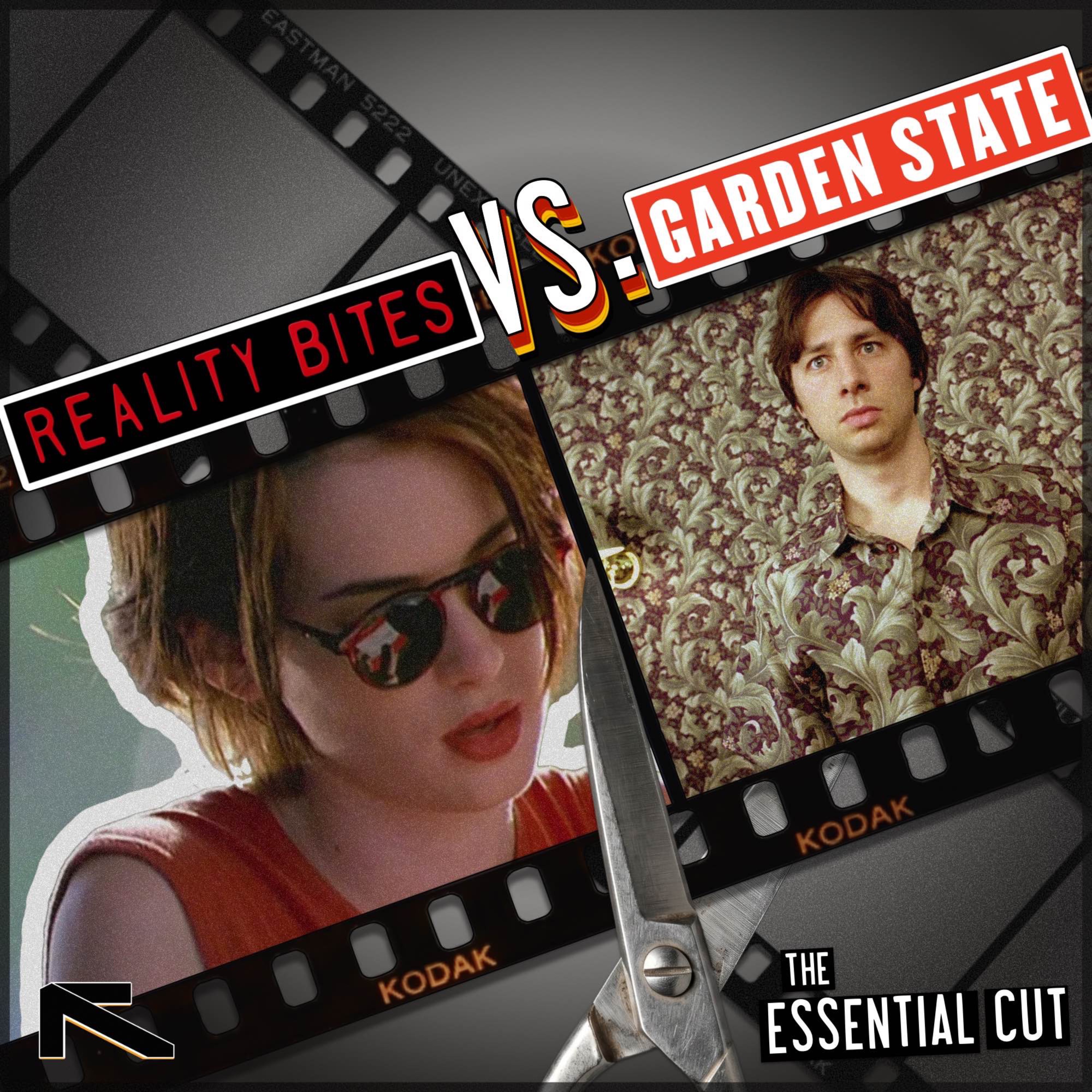
2w ago01:47:05Tap to summarizeIt’s a battle of the generations on this week’s episode of The Essential Cut! We are staging an ultimate cinematic face-off, pitting Reality Bites (1994) against Garden State (2004). The stakes are absolute: one of these era-defining films will earn a coveted spot on The Greatest Watchlist of All Time, and the other will be deleted from existence forever.Grab your oversized cardigans and your Shins records as we dive deep into the angst, the soundtracks, and the subtext of youth culture:Reality Bites & Gen X: We break down the massive cultural footprint of Winona Ryder and company, analyzing the wonderful hypocrisy of the film's "corporate rebellion." Plus, we tackle the ultimate relationship question: should Lelaina have actually gone with Michael? Or was Michael honestly way too good for all of them?Garden State & Millennials: We confront the trap of the "Manic Pixie Dream Girl" and how Natalie Portman accidentally birthed a trope that changed 2000s cinema. Is Zach Braff’s directorial debut a little too precious and "cute by half," or does it still manage to say something profoundly important about Millennial existential dread?By the end of the episode, a vote must be cast. One movie enters the pantheon; the other gets wiped from the timeline.an Up Left Media Productionupleftmedia.com Hosted on Acast. See acast.com/privacy for more information.
Transcribe →(Replay) Indiana Jones and the Last Crusade
3w ago01:06:01Tap to summarizeDon't you hate when your podcasts drop old episodes in the feed? We are rebroadcasting one of our favorite episodes from last year. Listen to it. Don't listen to it. Play it in the background while you aimlessly search for meaning in your newsfeed...an Up Left Media Productionupleftmedia.com Hosted on Acast. See acast.com/privacy for more information.
Transcribe →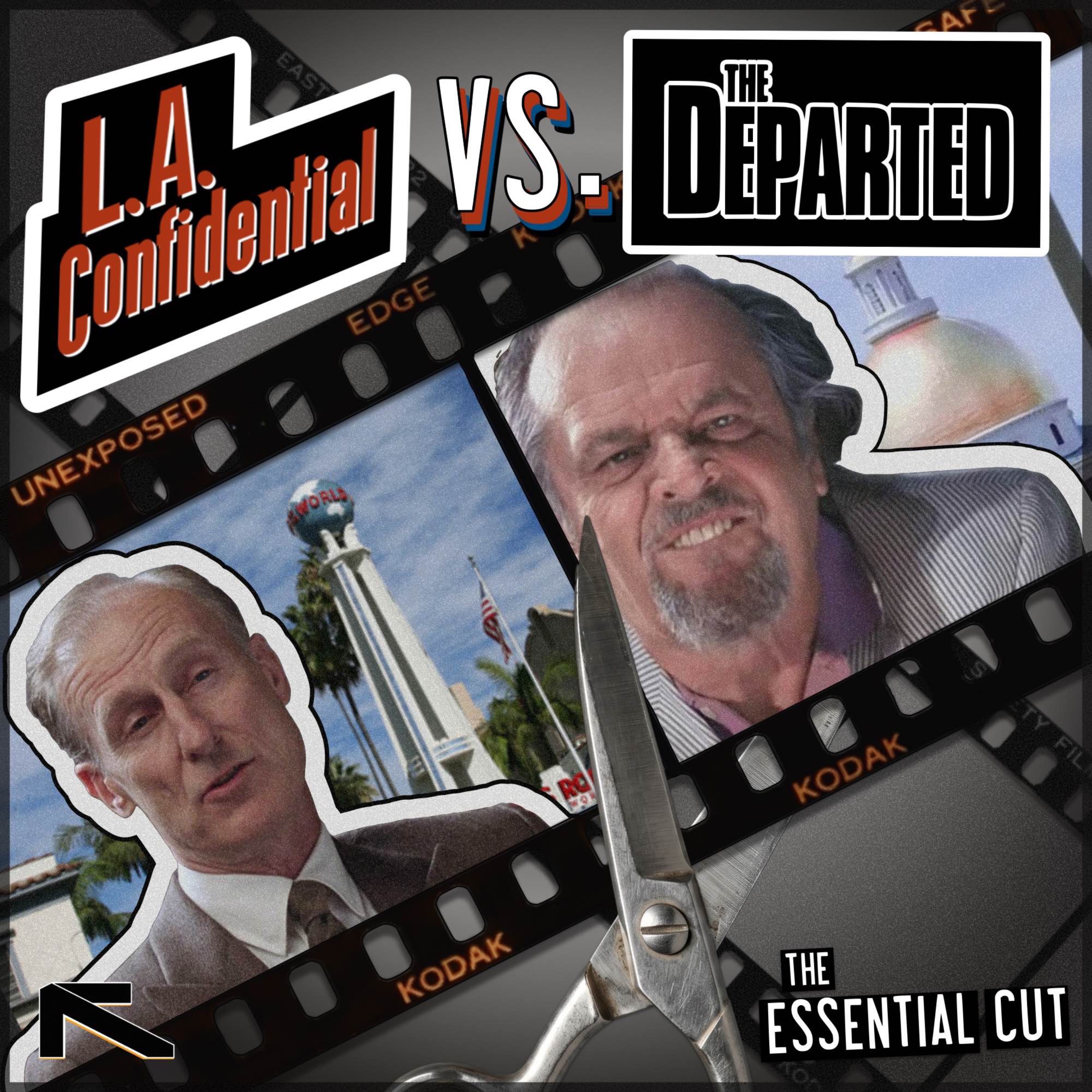
LA Confidential vs. The Departed
4w ago01:54:34Tap to summarizeThe gloves are off for our biggest episode in podcast history.In this nearly two-hour mega-debate, we are pitting two of the greatest crime epics ever made against each other for a single, coveted spot on the Greatest Watchlist of All Time: Curtis Hanson’s L.A. Confidential (1997) versus Martin Scorsese’s The Departed (2006).We don't just scratch the surface; we dive deep into the classic films, gritty histories, and legendary photography that inspired these masterpieces. We break down how Robert Frank’s seminal photography book "The Americans" directly shaped the visual DNA and cynical tone of 1950s Los Angeles in L.A. Confidential. Then, we head across the Atlantic to explore how Andrzej Wajda’s 1958 Polish masterpiece "Ashes and Diamonds" heavily influenced Scorsese's tragic, guilt-ridden framing of Boston's criminal underworld.Inside the Episode:The Global Legacy of The Departed: We trace the film's roots back to the legendary Hong Kong cinematic triumph Infernal Affairs, and look at the fascinating web of international remakes that followed it.The Duality of Hollywood: A deep-dive character study of Jack Vincennes (Kevin Spacey) and how his character perfectly embodies the glamorous, corrupt, and tragic duality of mid-century Los Angeles.Hero or Assassin? A heated, no-holds-barred clash over Staff Sergeant Sean Dignam (Mark Wahlberg). Is he the only true hero left standing, or just another compromised cop turned cold-blooded assassin?The Final Verdict: Stick around until the very end for one of the most shocking, fiercely debated, and unexpected outcomes in the history of our show.Which movie deserves immortality on the Greatest Watchlist? Grab a drink, settle in, and let us know who you think won in the comments.an Up Left Media Productionupleftmedia.com Hosted on Acast. See acast.com/privacy for more information.
Transcribe →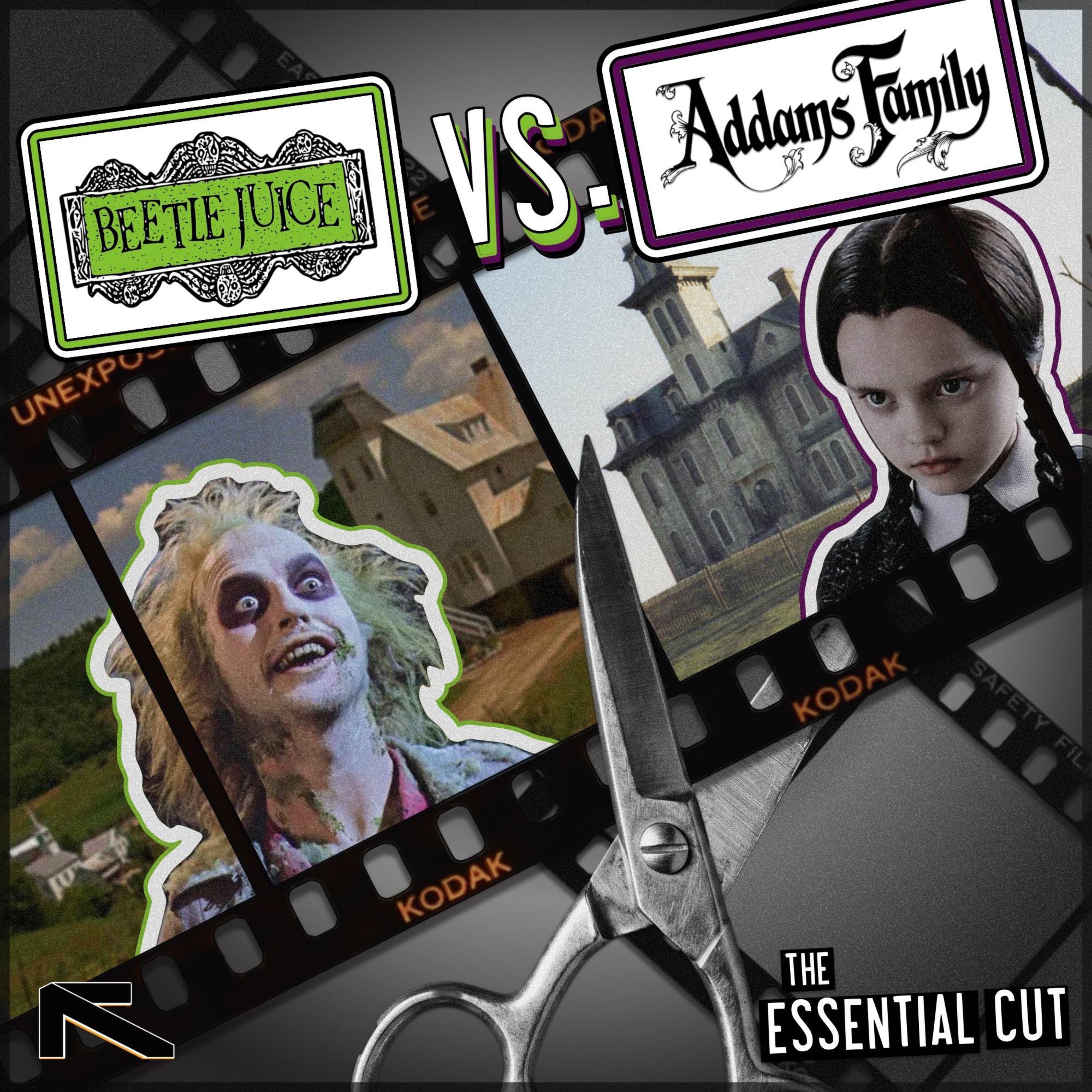
Beetlejuice vs. The Addams Family
Jun 2301:35:50Tap to summarizeWe are putting two titans of the underworld head-to-head in the ultimate battle of the spooky, kooky, and macabre. Which classic gothic comedy reigns supreme, and which one is taking a permanent spot on the greatest watchlist of all time?Tracing the Beetlejuice LineageFirst, we break down the cinematic DNA of Beetlejuice. We trace how Tim Burton’s masterpiece connects to the dark fantasy worlds of Guillermo del Toro, the whimsical afterlife of Casper, and the pitch-black comedy of Death Becomes Her. We also look at the career-defining performances from Michael Keaton, Catherine O’Hara, and Winona Ryder, while uncovering a few hidden details about the story that we completely missed when we were kids.The Addams Family and Gothic ExpressionismNext, we pivot to map out The Addams Family lineage. We go all the way back to Charles Addams' original New Yorker cartoons, analyzing how the sharp lines and dramatic shadows of German Expressionism directly influenced this family—and how that blueprint paved the way for modern animation hits like Hotel Transylvania and the Despicable Me franchise. Plus, we celebrate the absolute gold standard of movie couples—Gomez and Morticia—and the unmatched on-screen chemistry between Raul Julia and Anjelica Huston.Something Odd and The Final VerdictStick around until the end because we point out something incredibly strange about the young Alford boy that you won't be able to unsee. Finally, the gloves come off as we make our final judgments and select the movie that earns its place in The Essential Cut.an Up Left Media Productionupleftmedia.com Hosted on Acast. See acast.com/privacy for more information.
Transcribe →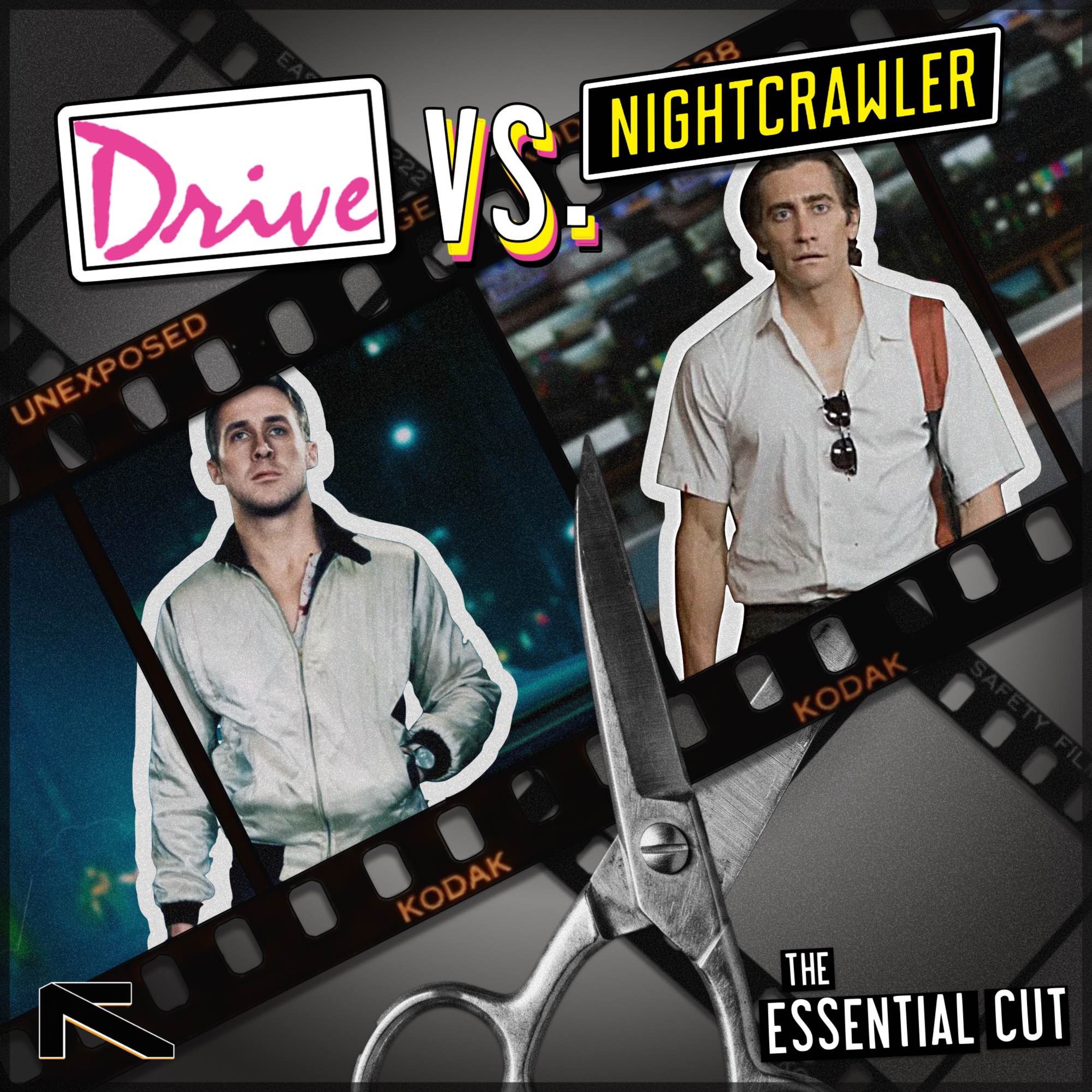
Drive vs. Nightcrawler
Jun 1601:03:50Tap to summarizeTwo masterpieces of modern neo-noir cinema. Two unhinged loners stalking the neon-lit streets of Los Angeles. In this episode of The Essential Cut, we are pitting Nicolas Winding Refn’s synth-drenched Drive (2011) against Dan Gilroy’s pitch-black thriller Nightcrawler (2014) to decide which film secures its permanent spot in cinema history.First up, we break down the immaculate aesthetic of Drive. From the iconic Kavinsky synthwave soundtrack to the satin scorpion jacket, we analyze how style becomes substance. We also ask the tough question: Is Ryan Gosling’s near-silent performance as "The Driver" a masterclass in stoicism, or does it cross the line into a forced affect? Plus, we trace the movie's cinematic DNA back to classic neo-noirs like Le Samourai and Thief, stretching all the way forward to Blade Runner 2049.Then, we shift gears into the high-speed highway hunting grounds of Nightcrawler. We dissect Jake Gyllenhaal’s horrifyingly brilliant performance as Lou Bloom—a literal coyote scavenging for human carrion on the LA 101. Is Lou Bloom a freak anomaly, or is he the ultimate product of a broken capitalist society? We dive into the dark satire of a world where a local scrapyard won't buy his stolen copper, but corporate local news is thrilled to buy his gruesome crime scene footage.Which of these LA crime thrillers reigns supreme? Hit play to find out who makes The Essential Cut.an Up Left Media Productionupleftmedia.com Hosted on Acast. See acast.com/privacy for more information.
Transcribe →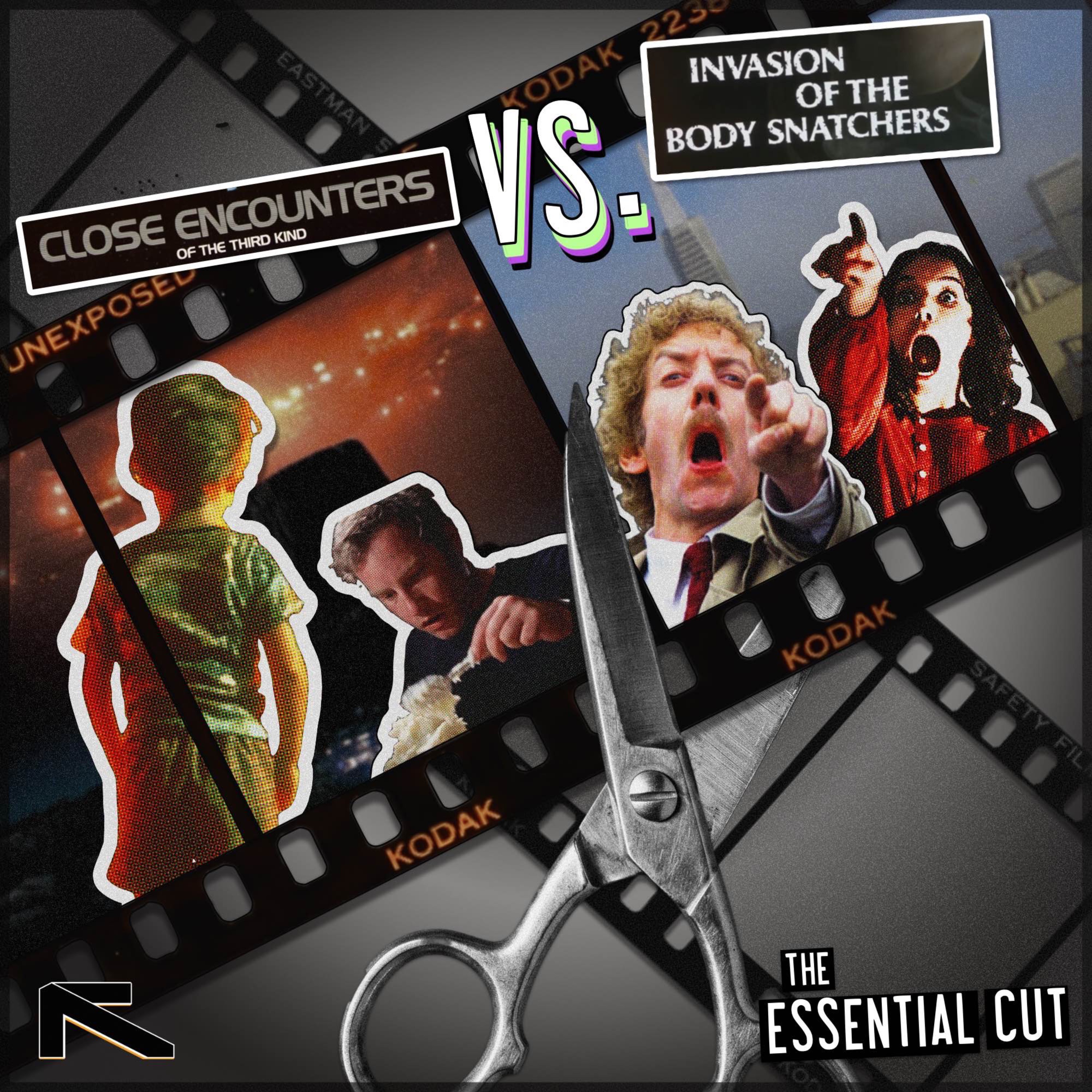
Close Encounters vs. Invasions of the Body Snatchers
Jun 901:23:48Tap to summarizeWelcome back to the chopping block. Today on The Essential Cut, Ian and Michael face an existential structural crisis on the Master Watchlist. Imagine a cinematic timeline where David Cronenberg's The Fly, Edgar Wright's The World's End, or Coralie Fargeat’s The Substance are completely erased from history. That is the terrifying reality of the Watchlist Butterfly Effect: purge the wrong 1970s sci-fi titan today, and decades of modern cinema collapse into dust.Will it be Steven Spielberg's awe-inspiring Close Encounters of the Third Kind (1977) or Philip Kaufman’s paranoid masterwork Invasion of the Body Snatchers (1978)?In This Episode, We Discuss:The Suburban Nightmare: Why Close Encounters isn't actually a space opera, but a devastating domestic drama about a working-class family crumbling under the weight of obsession.The Master's Score: A deep dive into John Williams’ absolute greatest, most experimental score—and why Ian is far too emotionally compromised to ever let this movie go.The Apathy Epidemic: The creeping dread of Invasion of the Body Snatchers, a film that taps directly into our deepest anxieties about living in a hyper-isolated, compliant society where your loved ones can be replaced overnight... and absolutely no one notices.The Spore Tree of Influence: Tracking how Kaufman engineered the DNA for modern body horror and structural comedy-thrillers alike.an Up Left Media Productionupleftmedia.com Hosted on Acast. See acast.com/privacy for more information.
Transcribe →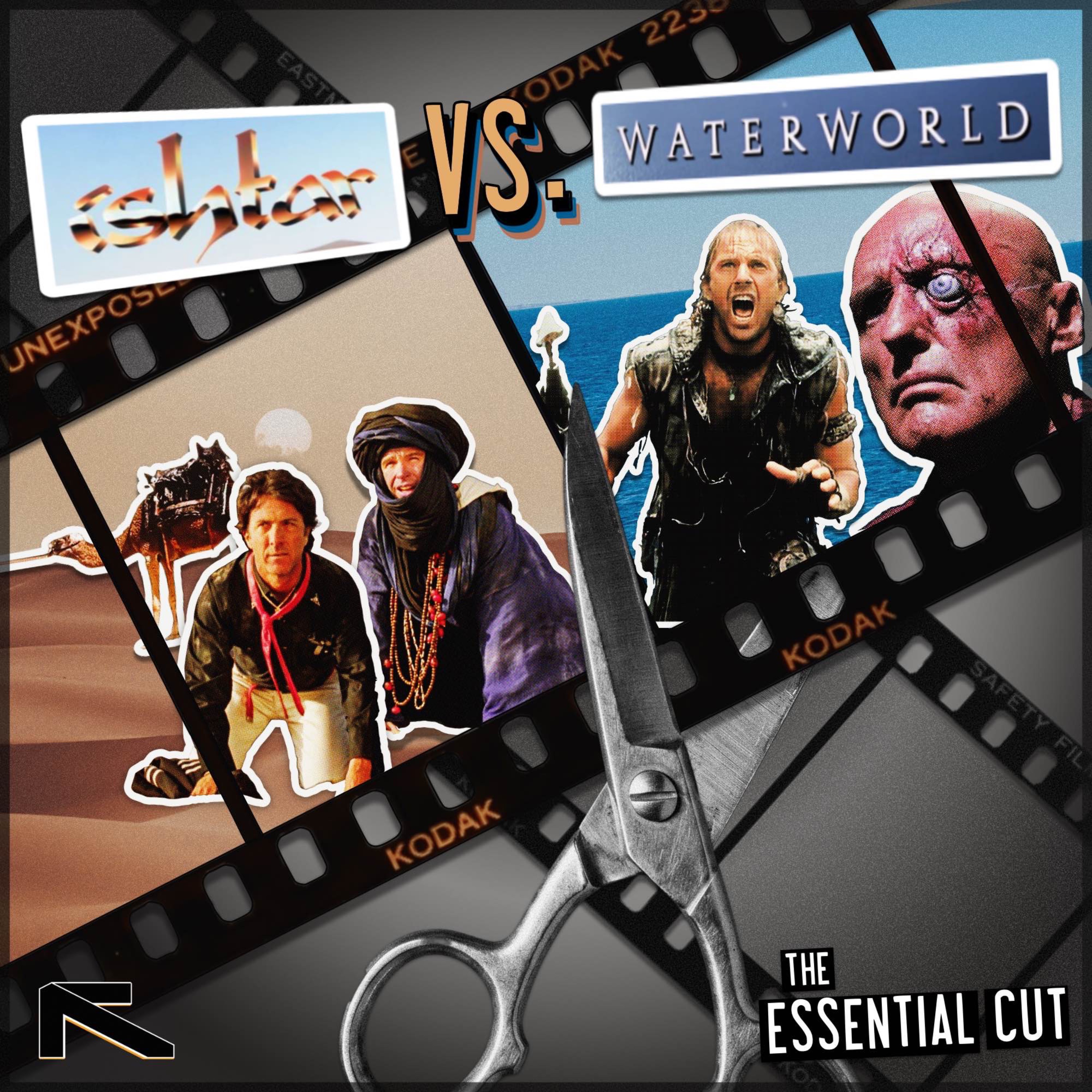
Ishtar vs. Waterworld
Jun 201:11:24Tap to summarizeIn the annals of Hollywood history, certain titles are synonymous with "disaster." This week on The Essential Cut, we’re investigating the two heavyweights of the box-office-bomb category: Elaine May’s Ishtar and Kevin Reynolds' Waterworld.How did these films get their reputations, and more importantly, did they earn them?The Case for Ishtar: We look at the bizarre tonal shift of a film that feels like two scripts mashed into one. From the hilarity of the suicide scene to the baffling plot point regarding Shirra’s "disguise," we explore why this movie is a cult favorite for masters like Martin Scorsese and Quentin Tarantino.The Case for Waterworld: The production was a nightmare, but the result is a marvel of practical filmmaking. We discuss the breathtaking scale of the atoll and the scenery-chewing brilliance of Dennis Hopper. However, we have to ask: was Kevin Costner’s "grouchy Mariner" a bridge too far for audiences?By the end of the hour, we reach a verdict. One of these films is a misunderstood gem, and the other is a cautionary tale. Grab your sunscreen and your life vest—it’s going to be a bumpy ride.an Up Left Media Productionupleftmedia.com Hosted on Acast. See acast.com/privacy for more information.
Transcribe →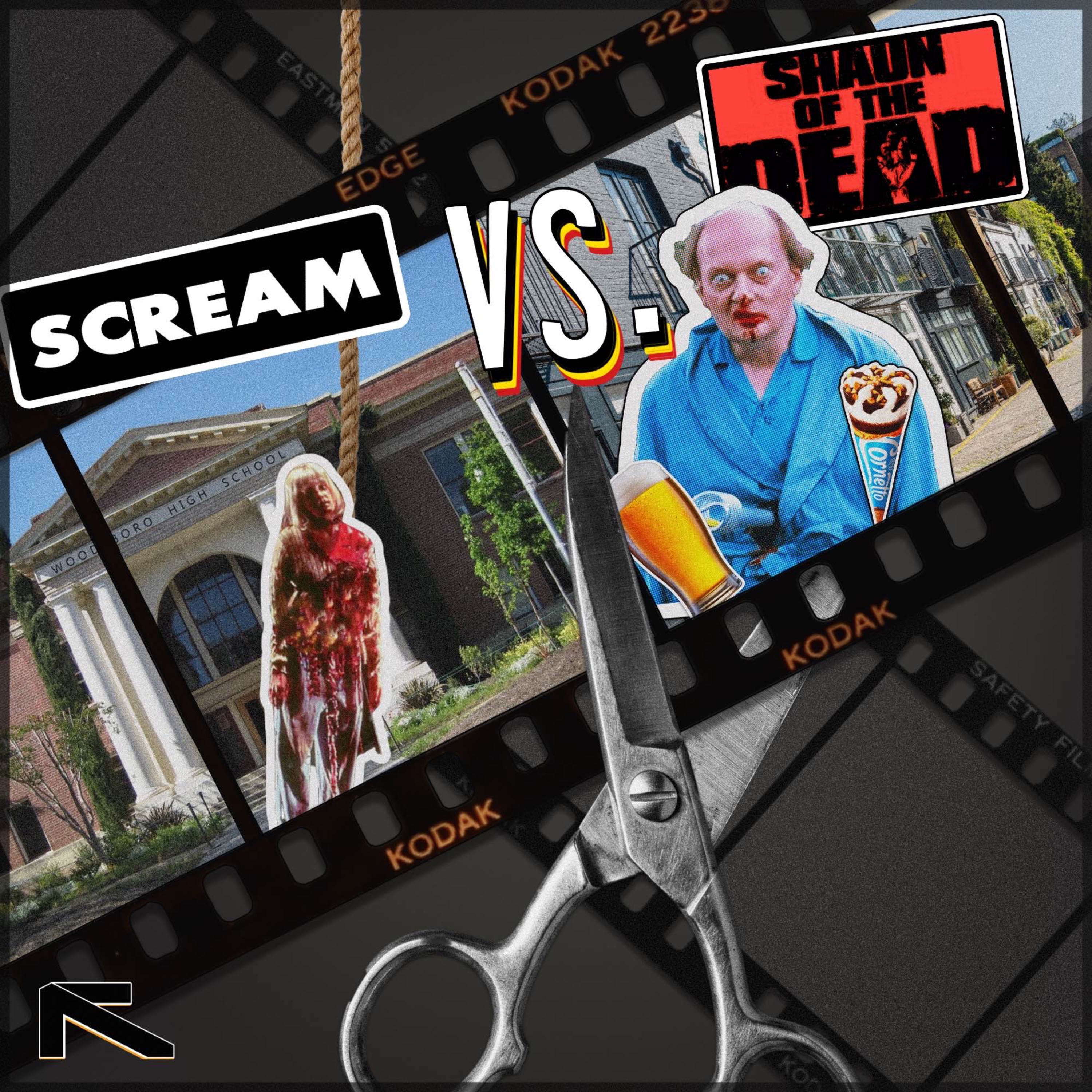
Scream vs. Shaun of the Dead
May 2601:07:51Tap to summarizeThe Choice: Hunting Knife or Cricket Bat?In this episode of The Essential Cut, Ian and Michael audit two of the most influential "genre-correctors" in history: Wes Craven’s Scream (1996) and Edgar Wright’s Shaun of the Dead (2004).We’re deconstructing the opening 12 minutes of Scream—perhaps the most perfect "hook" in horror history—and debating whether Matthew Lillard’s chaotic, unhinged energy is the secret sauce that makes the movie work. Then, we head to the Winchester to discuss how Shaun of the Dead uses the zombie apocalypse as a mirror for arrested development, where the characters are so numbed by their daily routine they don't even notice the world ending around them.The Structural Test: If we delete one, we lose the DNA of modern cinema. We track the ripples of these films through:The Scream Legacy: I Know What You Did Last Summer and the meta-deconstruction of The Cabin in the Woods.The Shaun Influence: The rhythmic action of Attack the Block and the "slacker-survival" of Zombieland.One saved the slasher. One reinvented the apocalypse. Only one survives the cut.an Up Left Media Productionupleftmedia.com Hosted on Acast. See acast.com/privacy for more information.
Transcribe →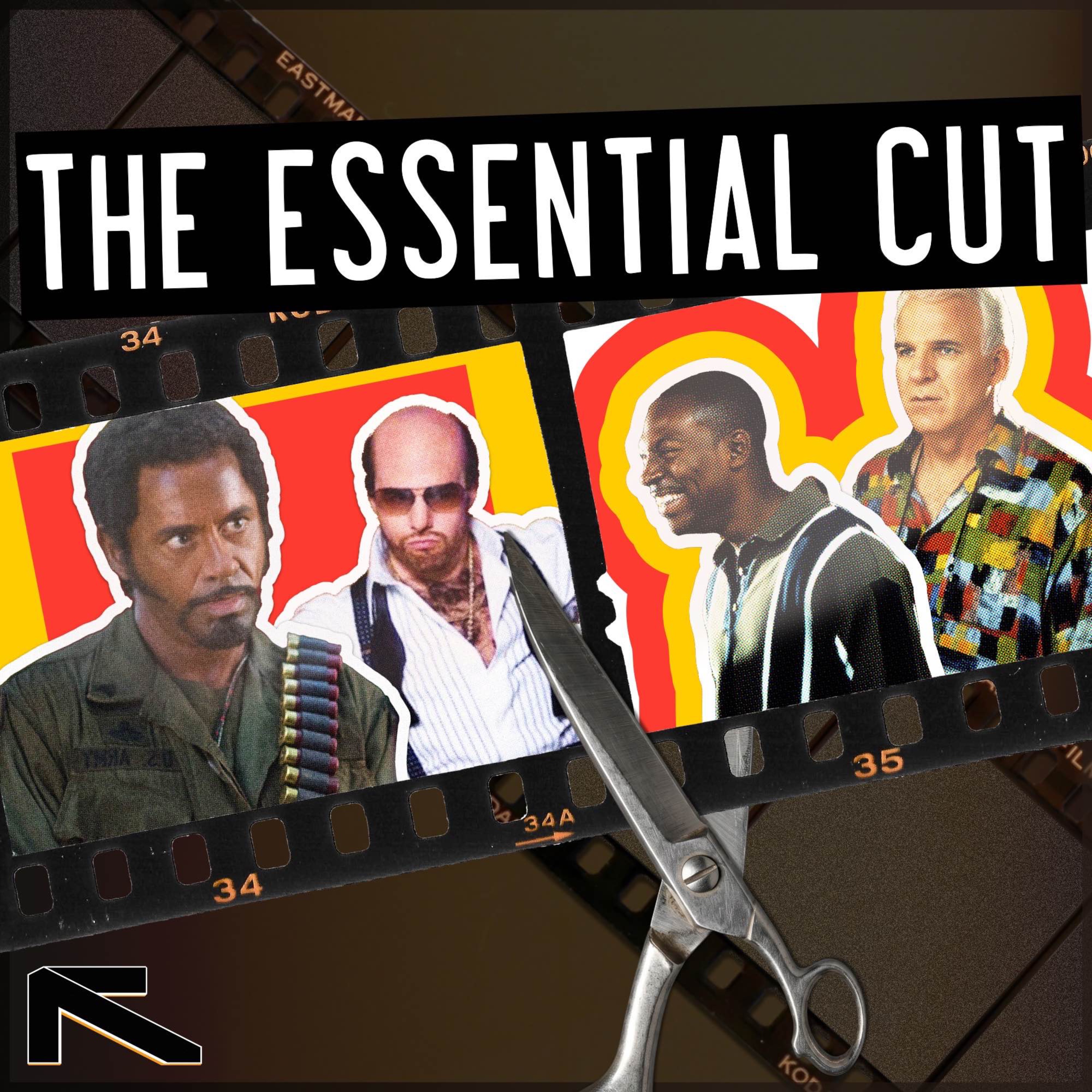
Tropic Thunder vs. Bowfinger
May 1901:10:37Tap to summarizeWhat happens to the movie industry when it stops being the hero and starts being the punchline? Today on The Essential Cut, we audit the survival of the Hollywood Satire. One film is a scorched-earth policy on the A-List; the other is a guerrilla prayer for a seat at the table. If we cut the wrong one, we lose the DNA of the modern meta-movie.The Napalm: Tropic Thunder (2008)We dissect the ultimate monument to Hollywood excess—a $92 million "up yours" to the $92 million budget.The Method Madness: We break down the "Load-Bearing Bolt" of the Actor’s Ego. From boot camps to "facial scrubs," why did Ben Stiller decide the war epic needed to be detonated from the inside?The Lazarus Effect: A deep dive into Robert Downey Jr.’s high-wire performance and the "Line of Offense" threshold of 2008.The Legacy: How this film’s napalm paved the way for the meta-chaos of This Is the End and the celebrity-deconstruction of The Unbearable Weight of Massive Talent.The Spark: Bowfinger (1999)We pivot to the "Gospel of the Hustle"—Steve Martin’s ten-year obsession with the "morally flexible" dreamer.The Celebrity Sickness: We analyze the insulated paranoia of Kit Ramsey and how the "MindHead" lifestyle represents the ultimate industrial isolation.The Murphy Masterclass: Hailing the "otherworldly" dual performance of Eddie Murphy as Kit and Jiff Ramsey—a technical feat that holds the entire "scraped" production together.The Receipts: We trace the "Bowfinger Blueprint" through the industry satires of Christopher Guest and the "Hustle" energy that fueled creators like Paul Scheer.The VerdictWe put both films through The Durability Audit. Which movie still has the "Structural Integrity" to survive 2026? We make the final choice: which film earns the permanent slot on the Master Watchlist, and which one is left on the cutting room floor?Next Time: The rules are meant to be splattered. We’re auditing the meta-horror of Scream and the "Zom-Com" survival of Shaun of the Dead.an Up Left Media Productionupleftmedia.com Hosted on Acast. See acast.com/privacy for more information.
Transcribe →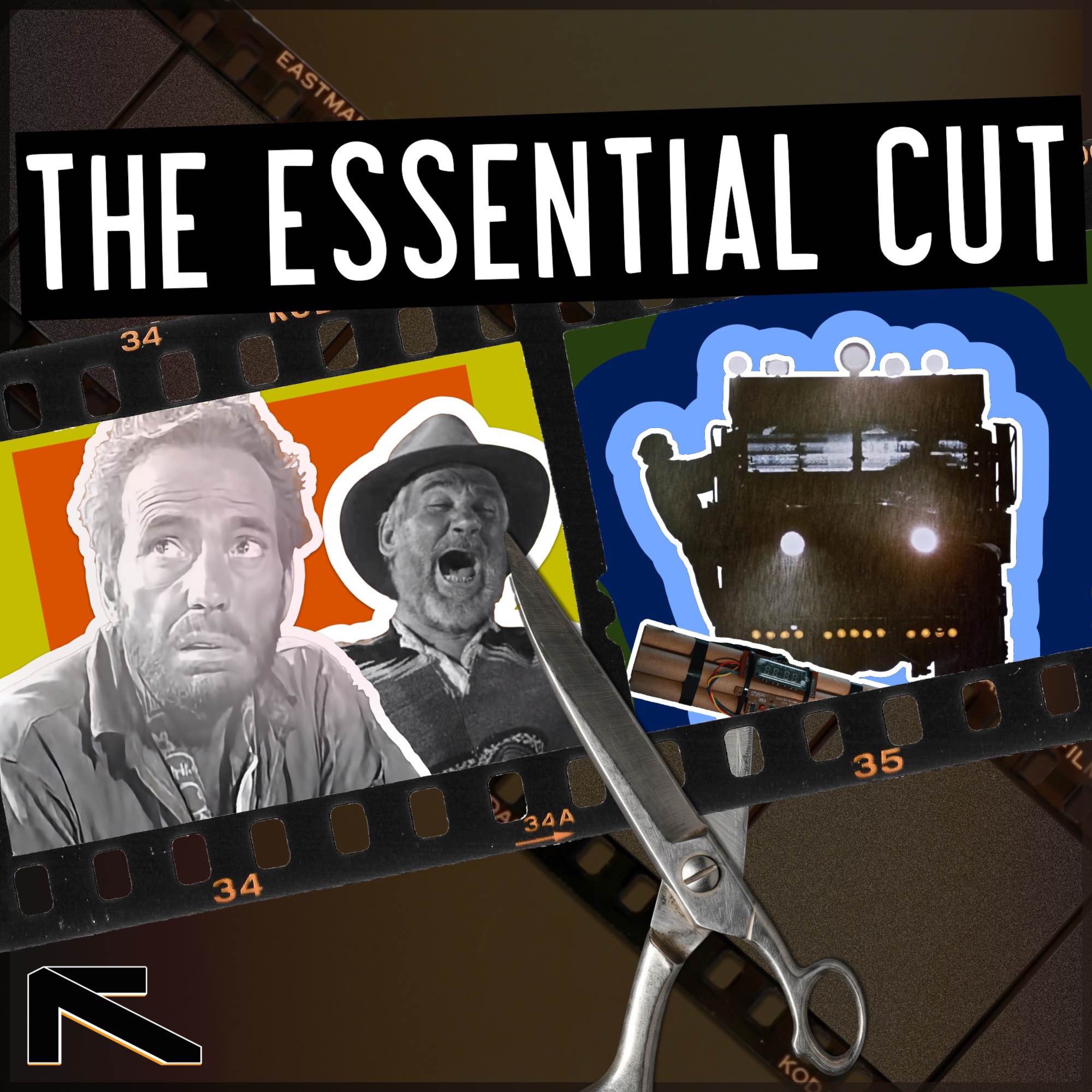
Treasure of Sierra Madre vs. Sorcerer
May 1200:53:49Tap to summarizeIn this episode of The Essential Cut, we’re heading into the jungle with two masterpieces of "Desperation Cinema." In one corner: John Huston’s 1948 epic The Treasure of the Sierra Madre, the film that defined the "gold lust" archetype and proved Humphrey Bogart could be a monster. In the other: William Friedkin’s 1977 fever nightmare Sorcerer, a movie so cursed by its own production it became a legend of cinematic obsession.Only one can stay on the Final Watchlist. We’re auditing them for Vitality (Do they still hit like a freight train?), Structural Integrity (what films did they inspire?), and the Letterboxd Consensus.The Stakes: If we lose Sierra Madre, we lose the blueprint for the modern anti-hero. If we lose Sorcerer, we lose the most visceral example of "Director as Madman" ever put to celluloid.Next Week: Show business isn't all dust storms and malaria outbreaks, it can be about decapitations and fraud too: Tropic Thunder (2008) vs. Bowfinger (1999).an Up Left Media Productionupleftmedia.com Hosted on Acast. See acast.com/privacy for more information.
Transcribe →