← Somebody Knows Something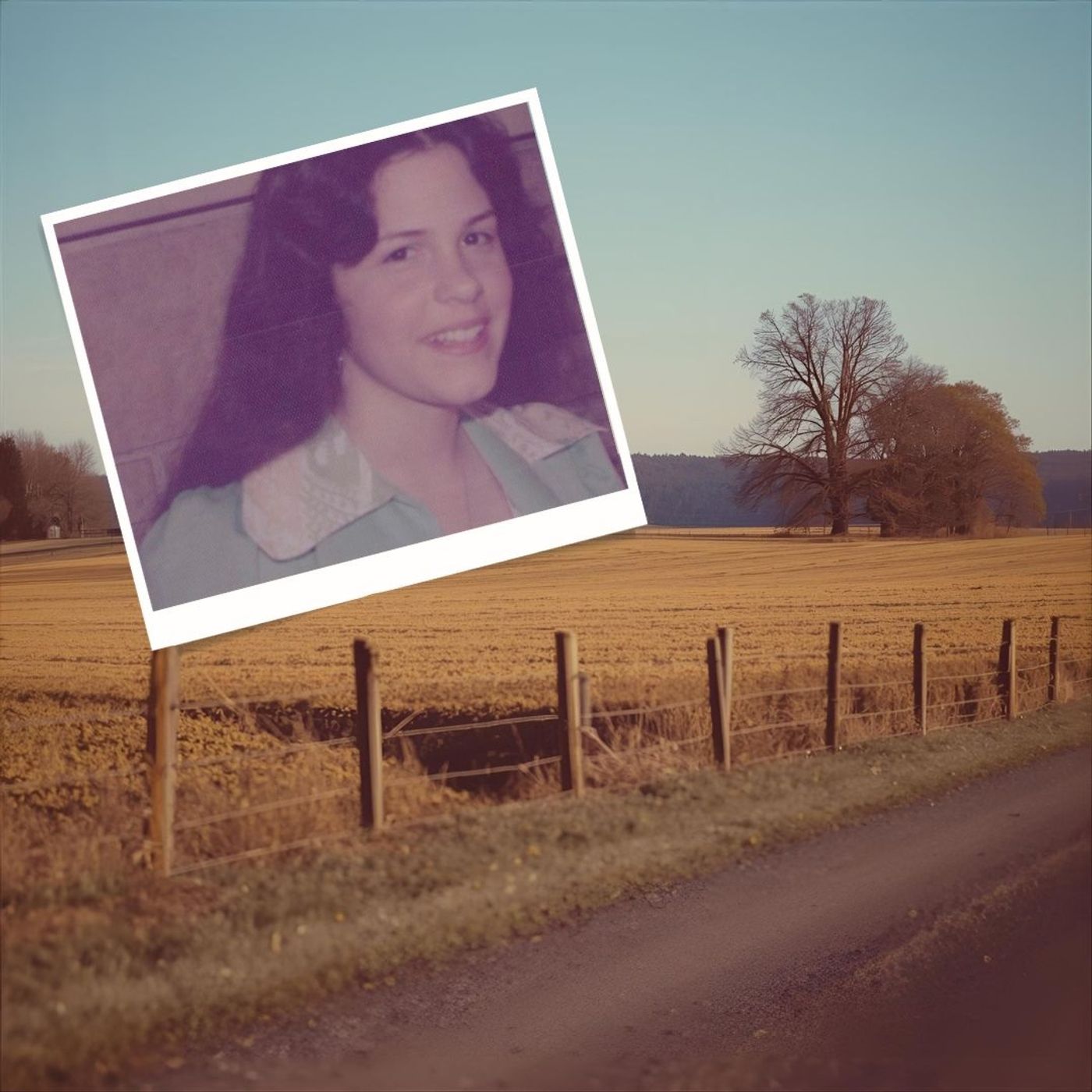
Somebody Knows Something
S2E5: Missing In Kane County (1976) – Part 2
00:45:25
Detectives Andrew Houghton and Chris Hall from the Elgin Police Department Cold Case Unit continue their investigation into the disappearance of Barbara Glueckert as they meet with retired Mount Prospect Detective Mike Nelson who worked on Barbara...
Loading summary
Transcript125 lines
- [00:00]
Detective Mike Nelson
This podcast is based on information sourced primarily from police and media reports, but certain names and other identifying details may have been changed or altered for privacy and security reasons.
- [00:15]
Detective Andrew Houghton
While the events and cases discussed are.
- [00:17]
Detective Mike Nelson
Based on real investigations, some aspects may be simplified for time and for narrative purposes. Voice actors have been used to read from statements or documents. All information presented is intended solely to inform and raise awareness.
- [00:36]
Detective Andrew Houghton
Hosts may discuss theories regarding the cases.
- [00:39]
Detective Mike Nelson
Examined in this podcast, but such discussions are not intended to and should not be considered by the listener to be legal. Conclusions all persons discussed are considered innocent until proven guilty in a court of law. Listener discretion is advised.
- [01:02]
Chief Anna Lally
This is Chief Anna Lally. Welcome to Somebody Knows Something, a podcast from the Elgin Police Department's Cold Case Unit. In this podcast, we will shed new light on cold cases in the City of Elgin by sharing untold details and by encouraging anyone with information to come forward. You will come along with real cold case detectives as they investigate active cold cases in real time and seek justice for the victims and closure for their families. We believe that the Elgin Police Department and our community can work together to bring closure to cold cases because we know that in these cases, somebody knows something.
- [01:43]
Detective Andrew Houghton
Hello and welcome to Somebody Knows Something, the Elgin Police Department Cold Case Podcast. My name is Detective Andrew Houghton and.
- [01:50]
Detective Chris Hall
I'm Detective Chris Hall.
- [01:52]
Detective Andrew Houghton
Last episode In Part one, we interviewed Barbara Glueckert's brother Bob and her niece Nicole. They told us a lot about Barbara and talked about the impact that her disappearance had on her family, her community, and even the officers involved in her case. Bob ended our episode with a plea to the public to provide as much information as you can to help try to bring Barbara home.
- [02:11]
Detective Chris Hall
In this episode, you're going to hear the story of Barbara's disappearance directly from one of the detectives who worked this case for nearly two decades. And you will hear from people who actually knew the suspect, Thomas Herlacher, including one woman who was nearly another victim of him in Elgin in the early 1970s.
- [02:39]
Detective Andrew Houghton
Last episode, we described how dedicated Mike Nelson was from the Mount Prospect Police Department when he worked on Barbara's case. According to the Glueckert family, the entire Mount Prospect Police Department, and Detective Nelson specifically, have really done everything they can on her case. Now they're even letting us discuss this and look at Barbara's case in a new attempt to try to bring her home. We want to thank the Mount Prospect Police Department, the Glueckert family, and Detective Nelson for allowing us the opportunity to tell Barbara's story.
- [03:08]
Detective Chris Hall
Barbara's brother Bob also described how much Barbara's disappearance impacted even the men who worked on the case. They had sons and daughters and knew the Gluecard family. Mount Prospect was and still is to some degree, a small town in the suburbs of Chicago. It's a town where people look out for one another and the citizens have a good working relationship with their police department. Bob had very positive things to say about the detectives who worked Barbara's case. And the family's relationship with law enforcement and Mount Prospect speaks volumes about the caliber of the department they have there.
- [03:41]
Detective Andrew Houghton
Retired Detective Mike Nelson was gracious enough to sit down with me a few months ago to discuss Karen's case and Barbara's case. We never aired any of our interviews with him because Karen's case went in a totally different direction. But back then, Detective Nelson was talking to us about both cases and he's a fountain of knowledge when it comes to Barbara's case. So we want to use this platform to help highlight that case and continue to discuss cold cases in Elgin here in the 1970s.
- [04:12]
Detective Chris Hall
Mike Nelson became a police officer in 1988. He spent over a year and a half with the Woodstock Police Department, then joined the Mount Prospect Police Department in the town where he lived his entire Life. During his 30 year career, Mike was a patrol officer, a member of the gang and tech unit, a detective, and even a school resource officer. Mike retired in 2018, but came back as a civilian to help the police police department as a management analyst until 2022 when he finally retired for good. The officers that Andrew and I have talked to about Mike speak very highly of him. They describe him as a dedicated officer who spent countless hours working for his community. And if you ask anyone in Mount Prospect about Barbara Gluecard's case, they will immediately tell you that you need to talk to Mike Nelson.
- [04:56]
Detective Andrew Houghton
Chris and I both want to say that Detective Nelson's relationship with the Glueckert family is the type of relationship that we think is crucial in these types of cases. The family knows that he cares about them and cares about the case, and he has included them in everything that he has done. The way in which he carries himself not only as an investigator but also as a human being is something that all investigators should strive for. His suggestions to Matt and I on season one for maps, lighting conditions and other investigative thoughts on Karen's case were deeply impactful and deeply helpful for us. And his perspective on working cold cases for decades is something that's really valuable to us and any other investigator that's about to embark on a cold case investig. Here's Detective Nelson introducing himself. You just want to introduce yourself?
- [05:39]
Detective Mike Nelson
Oh, yeah. I'm a retired police officer from Mount Prospect Police Department, and one of the cold cases that I worked was the Barbara Googer case. She disappeared from our town on August 21, 1976. And I'll do the best I can just to give a brief synopsis of what happened. So Barbara was walking from her home to St. Raymond's Church, which is, you know, it's in downtown Mount Prospect. And that was. She actually went to St. Raymond's but, you know, Saturday after Saturday afternoon, church was kind of like a lot of us teenagers or whatever at 14, you know, we would go to this Saturday afternoon Sarah churches, so we could get out of the way just to cover the fact that I went to school with her.
- [06:34]
Detective Andrew Houghton
Like Detective Nelson said, he actually grew up with Barbara, so this case was really personal for him. They went to school together and attended church together. And so when he got the opportunity years later to work on her case as a detective, he jumped at the opportunity to try to bring his childhood friend home.
- [06:50]
Detective Chris Hall
And a lot like Karen, you look at these missing person cases, and they just have a huge impact on all sorts of people. They impact everyone's lives. They impact the family, obviously, but also the friends and other people in the community and even the officers who work these cases.
- [07:05]
Detective Andrew Houghton
Next, Detective Nelson walked us through what happened to Barbara that Saturday evening in August of 1976.
- [07:11]
Detective Mike Nelson
So on her way to church, she gets approached by a person who identifies himself as Tom Edwards. He was driving a, you know, a big brown sedan, and he asks her if she wanted to go to a party in Des Plaines later tonight. And if she did want to go, maybe if he could have her number and call her later where maybe they could meet up. So Barbara ends up giving her her home telephone number and goes to church. So anyway, she stops at one of her friend's house, and there were, like, three other of her girlfriends that were there. And Barb tells him the story is, hey, you know this guy. You guys want to go to a party, you know, with me tonight? I met this guy on the way to church, and he said there was a party in Des Plaines. And they're like, you know, Barb, just some strange guy in a car. You can't. You can't go to a party with a guy. No, we're not interested in going at all. So Barbara's like, okay. So she starts to walk home, and on her way, she stops at another friend's house. She tells the same story hey, you know, do you want to go to a party tonight with me? I met some guy and he says there's a party in Displayings. And she's like, oh, yeah, sure, let's.
- [08:29]
Detective Andrew Houghton
Detective Nelson went on to tell us that Tom called these girls on the phone and they agreed to meet him in the parking lot of a pizza place nearby. Tom also told him about a concert out in Huntley, and he said they could go do that instead if they wanted to.
- [08:41]
Detective Mike Nelson
Probably at 7:30, the girls are waiting in the parking lot. He pulls up in the brown car and they, you know, they get in the car and they sit in the front seat and off they go. So he says, hey, did you want to go to this party in Des Plaines or the concert out in Dundee? And so they decide to go to the concert in Dundee. Well, he drives roughly a mile, stops at Central and Bussey roads, and goes into like a quick bar, like 711 there. I think it was a 7 11, it might have been Southland Liquors at the time, and picks up a couple of six packs of Michelob and gets back in the car and off they drive.
- [09:25]
Detective Chris Hall
Years later, Mike had the opportunity to interview Barbara's friends from that night. We're not going to name her in this podcast because we want to respect her privacy and because she, like Barbara, was just a young teenage girl who wanted to go out to a concert that night with a friend. Here's what Mike had to say.
- [09:40]
Detective Mike Nelson
She's not sure. She thinks they were on the tollway, you know, to go out there. And she said, yeah, it was around 9:30 or so, maybe close to 10 o' clock by the time they got out. She goes, I don't know what road we got off of back then, but as soon as we got off the tollway, he, you know, he had offered us some marijuana. We were drinking a beer. He reached under the seat and pulled out a couple of pills and gave one to Barbara and I. But we were afraid to take them. So we just sort of palm these pills in between our hands and the bottles, you know, just to kind of hide them, you know, but we didn't take them. So about 10 minutes after getting off the tollway, they drove down, you know, a road, and all of a sudden there was this concert. There were hundreds of people there.
- [10:29]
Detective Andrew Houghton
And so it's like a farm in Huntley, right?
- [10:32]
Detective Mike Nelson
Yeah, it was a farm in Huntley just off of Creutzen Road. I was. Yeah, I'll get back to that. Just to clarify. Clarify that. But so this, this concert, there were two bands there, and it was actually put on by a manufacturing concern out of Crystal Lake. It was almost like a factory, like a, you know, like a corporate party. And, you know, so there were people everywhere and the girls, Barb was kind of interested in just kind of going and, you know, listening to music. What they wanted to get away from, you know, this Tom guy, they kind of. They were just kind of creeped out by him. So they went off to the concert area and they got separated.
- [11:17]
Detective Chris Hall
Detective Nelson detailed that the party was basically packed with people. There was a big barn and a field with a stage. Two different bands were slated to play, and cars were parked up and down the road with a few hundred people enjoying the late summer weather and some live music. Tom reportedly stayed with the car, possibly to sell drugs to concertgoers. Numerous people saw him there, and police later learned that this car was a brown 1970 Buick Elektra 225.
- [11:43]
Detective Andrew Houghton
According to media reports from 1976, the two bands that were playing were Blind Billy Nelson and the Cold Winds Blues Band, followed by the Bloody Marys, who played on that farm stage late into the night. It was well above 70 degrees, even into the evening hours. And the crowd stayed and sang and danced on what should have just been another night in rural King County.
- [12:03]
Detective Chris Hall
As the concert went on, Barbara's friend eventually came back near Tom's car with the boy that she had met inside the concert. Barbara's friend and the boy went to this boy's car. And so Tom went over to the car to talk to her and the boy. That's when Tom basically found his opportunity to get Barbara alone.
- [12:27]
Detective Andrew Houghton
Tom approached Barbara's friend and the boy she was with. And when she asked Tom where Barbara was, Tom lied to her. He told her Barbara had already left with somebody else. At that point, Barbara's friend told Tom that she was not going with him. She was going to leave with this other friend. She hopped in the car and left, assuming that Barbara had already done the same thing.
- [12:46]
Detective Chris Hall
I think it's important to remind people that it was not Barbara's friend's fault that this happened. Tom by then was a 24 year old man who lied to a young girl so that he could get her friend alone. They were just two young girls who wanted to go out and listen to some live music a few days before childhood ended and high school began. But for Barbara, she would never get that opportunity to start her freshman year at Prospect High School.
- [13:12]
Detective Andrew Houghton
Shortly after her friend left, Barbara came out of the crowd looking for her. But by then she was already gone. And the only person left was Thomas Erlacher.
- [13:21]
Detective Mike Nelson
About a half hour later, witnesses that were there say that Barbara comes walking out of the crowd and she tells Tom, listen, I gotta go home. I got a curfew and I gotta go home. And it's 11:30 at night, and you're not making it back to Mount Prospect until you know, it's at least from there, it's at least an hour, you know, at least. So I gotta go home. I gotta go home right now. So she gets in the car, Tom gets in the driver's seat. He backs up on the courts of Road Road drives off towards Huntley Road. No one ever sees her again. That's it.
- [13:57]
Detective Andrew Houghton
At the time, the police only had an alias of Thomas Edwards to work with. But the Mount Prospect detectives were really good at their jobs. They quickly identified Tom Edwards as Thomas Urlacher, and they began to piece together not only Saturday night, but the next few days of his whereabouts.
- [14:12]
Detective Chris Hall
Police have an idea of a few places he may have gone and know several places that he had access to. But it seems like Erlacher killed Barbara, disposed of her body sometime between late Saturday night and sometime on Monday afternoon. And here's why.
- [14:26]
Detective Mike Nelson
On Monday, his sister wanted the Buick back. So he said, okay, so he stops at the Buick dealership, and I can't recall the name of the Buick dealership, but he stops the Buick dealership in Elgin and has the trunk lock repaired. So I have a receipt for the repair or whatever that's in evidence. And he takes the car back to his sister and kind of lose track of him then a little bit. Now, in the police reports, Urlacher shows up at Chicago sand and Gravel on 25. Now, I think it was then it became Bluff City, I think, and I don't know what it is now, but he makes an appearance Tuesday night, Tuesday evening where he buys a Suzuki 250 two stroke motorcycle and a Union Jack helmet.
- [15:25]
Detective Andrew Houghton
Thomas Erlacher was then seen several more times in the Elgin area on Wednesday and Thursday. In an odd coincidence, he then took off on his new motorcycle and drove west to the same city where Karen Shepers was born. San Francisco, California. Urlacher rented an apartment using the name and identification from a wallet that he found in a parking lot in Elgin in 1975. And he started a new life with a new name in a new city. I should add that according to Detective Nelson, on Wednesday night before he left, a witness saw Urlacher and noticed that he had a rash on his shins. I think the general speculation is that Erlacher was walking through some poison ivy or poison oak or something like that sometime between Saturday night and and Wednesday when he saw the witness. According to the American Academy of Dermatology, rashes from poison ivy and other similar plants typically appear between 4 to 48 hours after exposure. So it's just one more piece of information that could be important. And it points again towards him potentially disposing of Barbara's body in some rural area.
- [16:25]
Detective Chris Hall
Yes. Back in Illinois, Mount Prospect police had identified Thomas Urlacher as the suspect in Barbara's disappearance, and they started interviewing people and looking for Urlacher. Ultimately, they issued an arrest warrant for him with the charge of contributing to the delinquency of a minor for providing alcohol and attempting to provide drugs to Barbara and her friend. And several months had passed with no signs of Barbara or Thomas Urlacher. Then things got a little strange.
- [16:53]
Detective Mike Nelson
Just before Christmas in 1976, one of the tenants of the apartment building, named Vincent, had noticed that Tom seemed to be writing something, seemed to be writing a letter in his apartment. Obviously didn't really think anything of it. A couple nights later, there were. When Urlacher was walking back from work, he saw a couple of uniforms. He saw a couple of marked squad cars out in front of the apartment building. And he was afraid that maybe they were there for him. So he called Vince on the phone and asked him to go into my room and go into the closet. In the closet, there's an orange crate. Inside the orange crate is a letter that I've addressed to a friend of mine. Take it and burn it. And so Vincent goes into Urlacher's apartment, goes into his bedroom, goes in the closet, sees the orange crate, sees the letter, takes it. But he keeps it. He doesn't burn it.
- [17:59]
Detective Chris Hall
This guy Vince ended up reading Erlacher's letter a few days later. And the things he read in the letter frightened him enough that he got up in the middle of the night and went to a police station in San Francisco where he turned over the letter to the police. We have a copy of that full letter that Erlacher wrote, and it's over 30 pages long. In the letter, Erlacher detailed that he was in trouble because he had picked up a girl one night. And 26 pages into that letter, he wrote this.
- [18:26]
Detective Andrew Houghton
I put that girl in the ground.
- [18:27]
Detective Mike Nelson
Because I was afraid she was going.
- [18:29]
Detective Andrew Houghton
To tell the law. I made her get me off, and I didn't want to Go to jail for that. But now I'm going to jail for murder. But I don't know why I did that. I guess it was paranoia that made me do it. I'm sorry I did it.
- [18:48]
Detective Chris Hall
But I'll.
- [18:49]
Detective Andrew Houghton
Pay for my penalty when I'm found. You know, Chris, one thing that always stuck in my mind about the statement is that Urlacher doesn't refer to Barbara by her name. He basically dehumanizes her, and he just calls her, quote, that girl.
- [19:03]
Detective Chris Hall
Yeah, he never gives her the honor of calling her by her name, which is awful. She had a name, a family, friends. But he clearly didn't see her that way. Erlacher also wrote in the letter that it was his confession and he asked the recipient not to turn him in yet because he was just trying to get some money together before he surrendered to the police. This is how Erlacher ended that letter.
- [19:25]
Detective Andrew Houghton
I send my love and the truth about the whole me, Tom Erlacher. The end. What will happen now? As you can imagine, the police in San Francisco were both extremely interested in, but also extremely confused by this letter. I mean, the guy that turned it in had no clue who Tom Erlacher even was. He knew Tom under a totally different name. And no one in California had any idea what concert or girl this guy was talking about in the letter. Here's Detective Nelson detailing a little bit more about the letter and what police did with it back then.
- [20:00]
Detective Mike Nelson
The way the letter was addressed, it was crudely addressed just to his friend, and then just Wasco, Illinois. There was no. There was no actual street address or anything like that. And the detectives really didn't have much to go on. So they went through a Rand McNally map, saw that Wasco, Illinois was in Kane County. They called Kane county and asked them, does this make any sense that a guy named Tom Erlacher had picked up Gurrell and went to the concert and Kane County? They said, absolutely. That makes sense to us. So Kane county, they gave that information to the detectives of San Francisco. They verified that there was a warrant out for him. And our department said, yeah, go and get them. So they went over to the apartment the following day and knocked on the door, and he answered the door. They asked him, hey, is your name Tom Ernlocker? He said, yes. He told them they had a warrant out for him and they arrested him. Our department went out there, picked him up, and brought him back to our department, where he was interviewed. The state's attorney decided in early 77 to not proceed with the contributing charge because the grand jury was convening in Kane county on Barbara's disappearance and they did not want any conflict between the cases. The grand jury in Kane county ran from January till May of 77. However, because there was no body and the venue could not be established, grand jury just would not bring an indictment. They just couldn't. They asked, well, if we do this and he's found not guilty and six months later, a year later, you find Barbara's body, can we bring him back and charge him? And they said, no, we won't be able to do that. So after that, he ended up moving out to Oregon after that. And that's pretty much. That's pretty much the case.
- [21:53]
Detective Chris Hall
What we now know is that sometime in between 1977 or early 1978, before he moved to Oregon, Thomas Erlacher moved into the second floor apartment at 311 Level street when he moved out, Karen Shepers moved in. It's from that connection alone that we began looking into Thomas Erlacher and why we ultimately ended up getting involved with Barbara's case.
- [22:22]
Detective Andrew Houghton
Since 1976, police have considered Urlacher as the prime suspect in Barbara's case. There was even a civil lawsuit against him back in 1978 in which he was found civilly liable for Barbara's wrongful death. Even after the civil case, police continued to search for Barbara, but they were never able to find her. For his part, Thomas Erlacher basically recanted all the statements in his letter. He never admitted to killing Barbara, and he also never disclosed the whereabouts of her body. Then in 2004, Thomas Erlacher went to sell drugs to several men in Pueblo, Colorado, and he was murdered. The man who police still believe killed and disposed of Barbara's body, possibly the last man to know where it would be located, was gone.
- [23:09]
Detective Chris Hall
Over the past five decades, the Mount Prospect Police Department interviewed hundreds of people, used 50 scuba divers from nine different suburban fire departments to search area bodies of water, and ran down countless leads. The original detectives on the case even called in helicopters and 65 Green Berets to search rural King county for Barbara. But they still couldn't find her. As the years passed, Mount Prospect police utilized new technology. As it became available, detectives like Mike Nelson brought in archaeologists, historical human remains, dogs, and used ground penetrating radar and scientific specialized metal detectors and more searches for Barbara. So basically, they left no stone unturned. But sometimes cases still go cold. When Detective Nelson picked up Barbara's case as a detective, years had passed. But he had this to say about working a Cold case. And just how impactful a case like Barbara's can be on so many different people, even decades later.
- [24:09]
Detective Mike Nelson
30 years later, 35 years later, when you go to interview these people, you sort of think, well, you know, am I going to meet with someone who's going to be pretty hostile? And I found the exact opposite, that most everyone, to a man or to a woman, was really forthcoming and open and honest. And quite a number of them felt awful because they. When you're a kind and compassionate human being, you're going to go back and think that there was something that maybe you could have done to help. There were people at that concert that night, one person in particular who sobbed, just saying that all I had to do when she walked up to the car to go, all I had to do was reach out my hand and stop her. And I was close enough to do it, and I just didn't. I mean, you know, and that person is punishing themselves because there's no. Obviously, if you had known what was going to happen, you would have done something. But people still think, you know, maybe I could have. And they just didn't. And so I know we've talked before about most people when they think about these cold cases, and they. And they know that, you know, the direct family or workers, friends, you know, they're impacted by this, obviously devastated by this. When a person disappears or when something horrible has happened to someone, they do. But you can't imagine the grenade that goes off. And it affects people that really have no connection other than just proximity. Right. Just actually having to be at a particular place at a particular time. And you know, how all of us in our social interactions, no matter what you do today or tomorrow, and something horrible could happen to someone that you're really not connected to. And yet human beings are wired that way to sort of. They internalize over. Over the years, and they start to feel awful. They think that there was something that they could have done, and they wish that there was something that they could have done. And, you know, they have to carry that. You have to carry that with yourself. So I don't know. That's just something I just think it's important to talk about.
- [26:25]
Detective Andrew Houghton
Mike is right, and he's a really insightful guy. The impact that these cases have on people, even people who didn't really know Barbara that well, can be immense. Detective Nelson said something else during one of my interviews with them, and it really sat with me. We weren't recording at the time, but I want to touch on it here because it really is fitting for Barbara's case. And it's also something that we thought about with Karen's case as well. I had made the comment that people have told us that it seems like you're looking for a needle in a haystack on these old missing person cases. Mike stopped me and said, it's actually worse than that. In cases like this, especially Barbara's, Mike was looking for a needle in a haystack, but he didn't know where the haystack even was. Especially with Barbara's case, there's just so many places you look at and start to think, oh, this place or this person could be really relevant. And then you kind of just go down the rabbit hole. It's really why information from the public is so important in these cases. It can help us narrow down locations and places and people. And it's the reason we're doing this podcast in the first place, to reach out to the listeners and try to get new information.
- [27:25]
Detective Chris Hall
Yeah, 100%. It reminds me of another missing person case that we have here in Elgin. 45 year old Witteria Jones disappeared at the end of September 1983 and she's never been seen since. She was reportedly on her way to either Aurora or Joliet, but she vanished. Her case and Barbara's case are prime examples of cold cases where there are just so many places to search and that we really need help narrowing them all down.
- [27:51]
Detective Andrew Houghton
Yeah, for sure. And that's where information from the public comes in. More than likely, it's going to be someone in the public that help us close these area cold cases. It reminds me of Eloise, one of Karen's friends who we interviewed during season one. We'd asked Eloise for any advice that she might have for someone in a situation involving a cold case. And her advice was simple. She basically said, participate. If there's a chance to participate in an investigation or give information, then do it. So if there's people out there now who have information come forward, or if police approach you about this case or another case seeking information, please at least consider talking to us and you giving us information. We need your help on these cases.
- [28:35]
Detective Chris Hall
Mike also offered some really crucial advice to us. He said that investigators on these types of cases can't be afraid to look foolish. You have to look at every lead and every tip and just run it down. We both wholeheartedly agree with that sentiment, and I think that's what you guys did with Karen's case, and it's what we're trying to do on all of our active cases. As a part of this episode, we also want to talk a little bit about who Thomas Erlacher was. I know the last episode we detailed his history of sexual assaults, kidnapping, arson, weapons offenses and drugs. It just so happens that during the investigation in season one, you talk to a man named James who lived in Karen's building when she disappeared and he knew her lacquer. James's family owned the building on Lovell street, and it was James who let Erlacher live at the address back in 1978. Here's James describing Thomas Erlacher.
- [29:34]
Donna (Victim's acquaintance)
He was a very mean person and he was accused of being involved with a girl in a glutard case or whatever too. And the Groover daughter was missing and he was supposed to be picking her up to go to a bed or something like that, and she never returned. And so they were looking into that case too. So it was Tom Erlacher that was involved in that. And the last I knew, he lived in Hurland, Portland, Oregon, or whatever that is, and he has since then passed away.
- [30:19]
Detective Andrew Houghton
James went on to tell us that he suspected Urlacher of breaking into the apartment at one point after he'd moved out, and that he had a falling out with Erlacher. James said he didn't recall if Erlacher made money by selling drugs. But if you look back in the interviews conducted in the 80s with people like James wife who has since passed away, she detailed that there were drugs and young girls around the apartment building back in the 70s and 80s and a lot of them had to do with Thomas Erlacher. Plus, we know from Tom's criminal history and other statements from different people that he was certainly using, selling, and potentially even manufacturing drugs both at the Lovell street address and at other locations. I should note that in records we've read and interviews we've conducted, there's information that James actually met with the Glueckert family when there was a reward offered for Barbara's case. When I spoke with him, James did admit that he met with Barbara's father back in the 1970s, but he denied having any direct information about Barbara's whereabouts and denied that Thomas ever told him anything about Barbara or her disappearance.
- [31:21]
Detective Chris Hall
Well, Andrew, since we started this podcast, the public has provided a number of tips to both our email and our tip line on various cases. In addition to tips specifically about Karen. During season one, several women contacted us and reported that they had run ins in Elgin with men who attempted to abduct them or rape Them. In the mid to late 1970s, one woman named Donna agreed to let us record her account and use it in our episode in hopes that the information could be helpful.
- [31:47]
Detective Andrew Houghton
Donna called our tip line during season one after Matt and I mentioned Thomas Erlacher in one of our episodes. She told us that she knew Thomas Erlacher because one of her friends had dated him back in either 1972 or 1973, when she was 16 years old. Donna met Tom a few times, and one night, Tom Urlacher offered to give her a ride home. But once Donna got into his car, that's not what happened. The following is a portion of our actual police interview with Donna.
- [32:16]
Donna (Victim's acquaintance)
He just had shaggy, greasy kind of looking hair. Black, dark. You know, real dark brown black. And he just wore casual clothes, just jeans and.
- [32:27]
Interviewer
Okay, about how tall was he?
- [32:31]
Donna (Victim's acquaintance)
I don't know if he was six foot or better. I. I couldn't even imagine what. How tall he would be right now.
- [32:39]
Detective Mike Nelson
Okay.
- [32:41]
Donna (Victim's acquaintance)
A little heavy.
- [32:42]
Detective Mike Nelson
Yeah.
- [32:42]
Detective Andrew Houghton
Do you recall what type of vehicle.
- [32:44]
Donna (Victim's acquaintance)
He drove when I saw him? What I remember, it could be wrong memory, but I remember him driving this light green Rambler. Now, since then, I heard from other people that he always drove his mother's cars and she always would buy expensive cars, but, like, older ones. And so he'd be driving around a limo and he was always just driving around, scamming, picking up young girls, walking in the street.
- [33:07]
Interviewer
Yeah. And can you share any experience that you had had with him by chance?
- [33:15]
Donna (Victim's acquaintance)
Well, I'm not sure if I was at Wing park or where I was, but I was going to go home. I was talking to him and he says, I'll give you a ride. And I says, oh, okay. My parents, we lived in Century Oaks, so it was a little bit of a walk. So I took the ride. Instead of turning or keep going down McLean Boulevard, he took a left on Big Timber and took me out to the forest preserve. Rutland Forest Preserve.
- [33:40]
Interviewer
Okay, and once you guys were out there, what, if anything, happened?
- [33:45]
Donna (Victim's acquaintance)
Well, he tried to attack me and I fought back and I talked and I told him he was going to go to jail. And I talked him in to give me a ride home. I was going to try to get out the door because I saw another car there and go up to them and try to get a ride home. And he decided to peel out and take me home. I couldn't get out of the door. That's what it was. The door handle was visited with or gone.
- [34:14]
Interviewer
Okay.
- [34:14]
Donna (Victim's acquaintance)
I couldn't get out the passenger door.
- [34:16]
Interviewer
All Right. So just so I understand it correctly, he's obviously driving the vehicle. You're sitting in the front seat next to him, is that correct?
- [34:23]
Donna (Victim's acquaintance)
Yes.
- [34:24]
Interviewer
Okay. And that door handle, that was either removed or altered in some way, that was the front door handle where you couldn't get out of, right?
- [34:33]
Donna (Victim's acquaintance)
Yes, I couldn't get out, so I was going to try to climb out the window, and that's when he took off and took me back to Elgin.
- [34:39]
Interviewer
Okay, and the vehicle that you were in when this occurred, was it. Was it the light green Rambler that you described or was it a different vehicle?
- [34:47]
Donna (Victim's acquaintance)
It was the same car.
- [34:48]
Interviewer
Okay. All right. Do you recall how many doors it had by chance?
- [34:53]
Donna (Victim's acquaintance)
It was a four door, what you would consider now a big sedan, but it was, it was a smaller car back in the day.
- [35:00]
Detective Mike Nelson
Okay.
- [35:00]
Interviewer
So you described that he started to attack you. If it's okay with you and you're comfortable, would you be able to describe in a little bit more detail, like what he tried to do?
- [35:10]
Donna (Victim's acquaintance)
He pounced. He grabbed my arms. I think he was trying to kiss me. I was just fighting him off. And then I started telling him how he was going to, to go to jail if he didn't let me go. And I think I scared him.
- [35:25]
Interviewer
Okay. And you had, you had told him all those things and that you mentioned that there was another vehicle there also. And, and at that point he decided to drive back, is that right?
- [35:37]
Donna (Victim's acquaintance)
I was going to try to get a ride with that. There was a guy, he went to school with us or went with school with me, and I recognized him. I didn't know him, but I think I could have gotten a ride home. He was sitting out there with a gal. They were just on a date or whatever.
- [35:50]
Detective Mike Nelson
Okay.
- [35:51]
Interviewer
All right. So there's a, there's another vehicle with another. With a couple in it?
- [35:54]
Donna (Victim's acquaintance)
Yeah.
- [35:55]
Interviewer
Okay. Do you feel that that probably deterred what possibly could have happened by having that other vehicle there?
- [36:02]
Donna (Victim's acquaintance)
Yes, because it was. Yeah, there's somebody there and you know, who know. I don't know. I don't know if it was 72 or 73. So I'm not sure how far into this. This guy was.
- [36:12]
Detective Mike Nelson
Yeah. Okay.
- [36:15]
Interviewer
After you guys left that area, where did you guys then travel to?
- [36:20]
Donna (Victim's acquaintance)
He went back down Big Timber Road. And instead of driving further up where you could have got to my house or turning onto McLean, he just pulled a UE, landed halfway in the ditch, and he opened the car door. And I think I was yelling at him and he was yelling at me and Then he got the door open, and I got off into the ditch, and I stayed in the ditch until he drove away.
- [36:47]
Detective Mike Nelson
Yeah. Okay.
- [36:49]
Detective Andrew Houghton
On your way out, Big Timber, when you realized you were not going back to your house, was there any type of conversation or did he say anything about what was happening?
- [36:57]
Donna (Victim's acquaintance)
He just was. I. I go, you. You can't. You gotta. He wouldn't stop the car.
- [37:02]
Detective Andrew Houghton
Yeah.
- [37:02]
Donna (Victim's acquaintance)
So there was an argument. I'm not sure what the words were, but he goes, no, we're going out here, basically.
- [37:09]
Detective Mike Nelson
Okay.
- [37:10]
Donna (Victim's acquaintance)
We wouldn't stop at a stop sign because I was ready to jump out the car.
- [37:13]
Detective Mike Nelson
Yeah.
- [37:13]
Donna (Victim's acquaintance)
If I could move.
- [37:14]
Detective Mike Nelson
Yeah.
- [37:15]
Interviewer
Once you exited the vehicle and he drove off, what did you do next?
- [37:19]
Donna (Victim's acquaintance)
I walked home.
- [37:20]
Detective Mike Nelson
Okay. All right.
- [37:22]
Interviewer
And did you bring this incident to anybody's attention at the time?
- [37:26]
Donna (Victim's acquaintance)
Not a person.
- [37:27]
Detective Mike Nelson
Okay.
- [37:28]
Interviewer
And if you don't mind me asking, what was the reason for not telling anybody?
- [37:33]
Donna (Victim's acquaintance)
I. Like I said before, I think I just. I wasn't hurt.
- [37:37]
Detective Mike Nelson
Yeah.
- [37:37]
Donna (Victim's acquaintance)
I was, you know, scared, and, you know, it was upsetting. But I got home and I just figured it was okay. I mean, I was gonna. It was gonna be a big. Was gonna be a big deal.
- [37:50]
Detective Mike Nelson
Yeah.
- [37:50]
Donna (Victim's acquaintance)
If I told my dad, then he's gonna call the police, and then it's one thing after another. And at that point, if I would have thought that maybe I could have stopped him from hurting people, yeah, it would have been worth it, but I was just a stupid girl.
- [38:13]
Detective Chris Hall
We both think that. Had another car not been in the forest preserve, things certainly could have gone very differently for Donna. And Detective Nelson confirmed to us that Urlacher was known to disable the passenger side door of car cars he used, which matches Donna's statement to a T.
- [38:28]
Detective Andrew Houghton
I also want to point out that, as Donna said, she never told the police about this interaction with Tom erlacher for over 50 years. The 1970s was a different time. I spent over 10 years working heavily on sex assault cases, and even today, victims are reluctant to come forward. Now, imagine that it's three decades ago or four decades ago. The girls in these cases were young. They were treated differently by people in society and quite frankly, by people in law enforcement when they tried to report situations of sexual violence. Oftentimes, young girls feared they would get in trouble for drinking or being out late or using drugs. In Donna's case, she just didn't want to go through all the things that she knew would happen if she told somebody. So she didn't because she was just a kid.
- [39:12]
Detective Chris Hall
Donna is not the only woman to reach out to us about similar experiences here in Elgin through throughout the 1970s and 1980s. We've had several other women tell us stories like hers as well, and none of them ever told the police either. In many cases, these girls felt that they wouldn't be believed. I think law enforcement has come a long way, and through this podcast and media that Karen and her case generated, we've had a number of women like Donna come forward to provide us information. We really do appreciate them trusting us. It's that type of information that could be relevant to an active cold case here in Elgin or. Or a surrounding jurisdiction. So we encourage people to continue contacting us. We absolutely are not going to blame you for a situation like that. It was not Donna's fault that she accepted a ride from a person she thought she knew. And like Bob said in part one, it is not Barbara's fault that this happened to her. She snuck out with a friend. It's something that all of us have done in our youth. The offender in these cases is to blame, not the victim.
- [40:14]
Detective Andrew Houghton
That's right, Chris. And as law enforcement, we're here to help. If you had a similar situation happen to you in the Elgin area in the 1970s with Thomas Erlacher or with anybody else, please contact us. We're not going to judge you. And if your case ends up being in another jurisdiction, we can put you in contact with the right agency. We can also help provide social services or any other resources that you might need. Hearing your story about a place you were taken or something that someone said or a vehicle or the way someone dressed. Those could all be important to a case like Barbara's or some other area case. So please consider at least contacting us to tell us your story if you experienced something like Donna did back in the 1970s or the 1980s. Well, here in part two, you've heard from Detective Nelson and you've heard firsthand accounts of who Thomas Erlacher was. While we know that Urlacher is not linked to Karen's tragic death, he remains the only suspect in Barbara Gluecard's case, and her case is still unsolved. We know that Detective Nelson and Barbara's family just want to bring her home, but we can't do that alone. Here's what Detective Nelson wants the public to remember when it comes to cold cases like Barbara's.
- [41:31]
Detective Mike Nelson
Yeah, I think what's important is that, you know, there are still. She still has family members that are alive. And I think that it's natural for people you know, to want closure. You know, in this instance, we're fairly certain, you know, based on, you know, his own words, his confession letter, that he did what he did and that she is somewhere. It's just, I think it's just important that I think for people, even if they have a little bit of information, they think it's of no consequence, but it clearly might be because no one ever working cold cases, really, you don't really know all the evidence that you, what's going to be pertinent or what isn't. You just need to collect every piece of evidence you possibly can. You're just trying to put something together. And in this instance, we're just trying to find her and try to find her body. But just know the fact that he's, you know, and again, interviewing quite a number of people, even from the original reports, a lot of people were afraid of him. And I think it's important to know that he's, that he's not around anymore and that it's, if you do know something, it's okay to tell you. It's okay to talk. And I think for people to know that, I think that's important. It's understandable that people are afraid.
- [43:08]
Detective Chris Hall
We've said it before, changes in relationships really matter. While we can work to use new technology in cases like this, tips and information from the public are crucial. In cold cases, you just never know what tiny piece of information could be relevant and help solve a case. Someone with new information who feels safe now that Erlacher is dead or feels more comfortable providing information now that decades of time have passed might help bring Barbara home. Like Mike said, it's understandable and okay to be afraid or nervous about reaching out to law enforcement on these cases, but it's the right thing to do. One tiny detail can make all the difference.
- [43:47]
Detective Andrew Houghton
I would also add that if you have information but you want to be anonymous, we can work with that. The information you have on a case is more important than who you are. So if you know something, say something. The Glueckert family deserves an answer. In Barbara's case, they have waited long enough. Next episode, we jump ahead one year to the summer of 1977. The victim in our next case is not a 14 year old child. He's a 68 year old black man who was living in downtown Elgin. Casey D. Kyles had recently retired when he walked into an alleyway outside the Douglas Hotel on July 21, 1977. There in the darkness, less than a block from the Elgin Police Department, an unknown person stabbed him to death. Join us next episode as we review Casey's case and seek answers in another cold case homicide from the 1970s of Elgin here on Somebody Knows Something.
- [44:43]
Chief Anna Lally
If you or anyone you know has information about this case or any other cold case in Elgin, please contact the Elgin Police Department Cold case email@coldcasetipselginil.gov or the cold case tip line at 847289 cold. You can also review cold case information on the Elgin Police Department's Transparency Hub by going to elginil.gov and navigating to the Elgin Police Department's Transparency Hub, where every cold case, homicide and missing persons case is listed with photographs and information about each case.