← Somebody Knows Something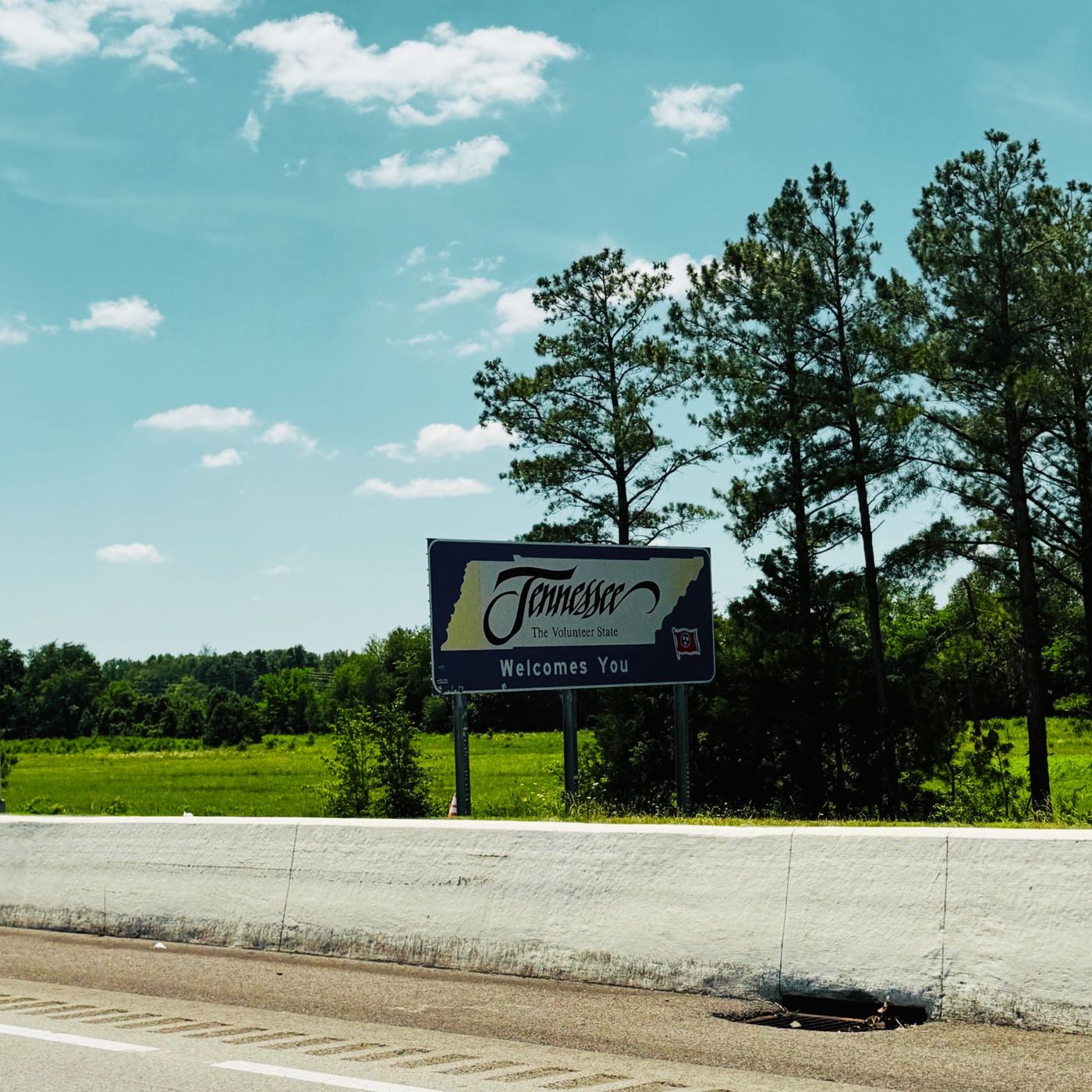
Somebody Knows Something
S3E9: Tennessee
00:18:25
The Detectives finally located some extended family for Wyteria who agreed to assist them with this case and who agreed to provide the DNA that they need for Wyteria’s investigation. For this episode, Beth, Andrew, and Chris work further on this case...
Loading summary
Transcript45 lines
- [00:00]
A
This podcast is based on information sourced primarily from police and media reports, but certain names and other identifying details may have been changed or altered for privacy and security reasons. While the events and cases discussed are based on real investigations, some aspects may be simplified for time and for narrative purposes. Voice actors have been used to read from statements or documents. All information presented is intended solely to inform and raise awareness. Hosts may discuss theories regarding the cases examined in this podcast, but such discussions are not intended to and should not be considered by the listener to be legal. Conclusions all persons discussed are considered innocent until proven guilty in a court of law. Listener discretion is advised.
- [01:02]
B
This is Chief Anna Lally. Welcome to Somebody Knows Something, a podcast from the Elgin Police Department's Cold Case Unit. In this podcast, we will shed new light on cold cases in the city of Elgin by sharing untold details and by encouraging anyone with information to come forward. You will come along with real cold case detectives as they investigate active cold cases in real time and seek justice for the victims and closure for their families. We believe that the Elgin Police Department and our community can work together to bring closure to cold cases because we know that in these cases, somebody knows something.
- [01:46]
C
Hello and welcome to Somebody Knows Something, the Elgin Police Department Cold Case Podcast. My name is Detective Andrew Houghton.
- [01:52]
D
I'm Detective Chris Hall.
- [01:53]
E
And I'm Detective Beth Steweriker.
- [01:56]
D
On our last episode, we walked our listeners through our family tree project and we discussed that we needed specific DNA for Wyteria's family, called MtDNA. We also appealed to our listeners to consider providing DNA to law enforcement to help with the enormous backlog of unidentified people in namus and to help solve cold cases.
- [02:14]
C
We ended our last episode by telling our listeners we had finally located some extended family for Whiteeria who agreed to assist us with this case and agreed to provide the DNA that we need for Whiteeria's investigation. For this episode, Beth is joining us as we work further on the case and travel to Tennessee to collect that DNA. But before we hit the road, let's talk a little bit about the last time Elgin Police worked on this case, back in 2014, and how that connects back to Whiteeria's home state of Tennessee.
- [02:48]
D
As our listeners know, Wyteria had a lot of ties to Tennessee. She was born and raised there, had her first child there, and as we recently learned, actually lived there briefly in 1976. With the nearly four month time window we have, she could be in Illinois or Tennessee or other neighboring states. So when we do our NAMUS search for her, we plan to include Tennessee and neighboring states in our search. Plus, after visiting Joliet Motor Hotel, we know that some of the tenants at that property also went to another hotel that the Zima family owned in Texas. So we now need to consider Texas and other states between Illinois and Texas as well.
- [03:26]
E
Yes, we do. And coincidentally, when we were doing our family tree research, we learned that Wyteria did have some extended family in Texas. We even spoke to some of them, but they were on her paternal side, so they didn't meet the MTDNA requirements that we have. But because we know that she had family connections in Texas, that area might be another viable option for her.
- [03:47]
C
That's true. So we obviously are going to consider Texas now for a few reasons. When we filtered NAMUS and searched to include Illinois and the states that border us, plus Texas and Tennessee, we discovered nearly 300 potential sets of unidentified remains that could be an option for our case. And thanks to Beth, as Chris said, we recently learned that Whiteeria also was living in Tennessee in 1976. But as we read the case file, we also learned that police did some additional digging there back in 2014.
- [04:12]
E
Back in 2014, the Elgin Police Department was validating Wyteria's entry into leads to assure that she was still listed as missing. Leads validations are something that we conduct annually to ensure that people in the system are updated with new information, removed when needed, and so that we make sure that the entry still exists. As you said earlier in the season, Wyteria's original leads entry had an error, so. Which wasn't discovered for months. So she actually wasn't listed in the system for nearly a year.
- [04:41]
C
When Elgin conducted our annual review for her case in 2014, officers came across some activity related to a small estate affidavit that was filed in 1997 with her name on it. Police learned that the affidavit involved her house on Hammond Avenue in Aurora. And so an officer began to look into that paperwork to determine if she had simply come home and just never been taken out of Leeds. Quite frankly, that's something that does happen. When we started this unit, we had several cases that Matt and I reviewed from the early 2000s that were listed as cold cases, but we were able to close several of them fairly quickly. We discovered that a simple typo and a name or an alias for a person meant that in one case, for example, our missing person was actually arrested in Chicago a few days after she was reported missing. So we were able to track her down and determine that she was no longer a missing person. She was simply never taken out of leads because her name was misspelled and she didn't have contact with the police again after that. It can really be something that trivial or simple. That's why annual validations and follow up is so important.
- [05:33]
D
Yes. And you guys also had another case involving a juvenile who had been listed as missing runaway as well, but that juvenile had returned home and the family just never notified the police. In that case, the missing juvenile stayed in Leeds for a number of years because he never had contact with law enforcement until you guys actually started looking into him again. So, because in 2014, police were hoping that maybe Wyteria had simply shown back up in the months or years after her disappearance as well, and that no one even bothered to notify the police. However, in order to investigate that possibility, they had to do some digging.
- [06:07]
E
The Elgin police reached out to the King County Clerk's Office, but they didn't have a record of who filed the court paperwork related to the 1997 affidavit. So police turned to the attorney on record for the case. Unfortunately, that paperwork was another dead end. Police learned that the court proceedings related to the affidavit were from 2013, and that the activity was simply Rytarya's name being removed from the deed on the family home in Aurora after her husband Waymond passed away on August 15th of that year.
- [06:35]
D
We should also add that the 2014 Elgin Police Department report also revealed that Waymond moved back to Tennessee later in life. So both he and Wyteria still had pretty strong ties to that area and. And there still is some extended family in Tennessee for them both to this day.
- [06:50]
C
During that validation process back in 2014, police also called and spoke with a family member about the deed and about Wyteria. The family member confirmed to police that Whiteeria was in fact still missing. But this family member also told police something new. According to that family member, in the years after Whiteeria's disappearance, Wayman reportedly told his children that Whiteeria had simply gone back to Tennessee. When we learned that, it made us question why Wayman would say that.
- [07:14]
E
We came to four potential conclusions for that statement. One, Wayman was simply protecting his children and concocting a story for them and the rest of the family so that they thought Wytiria was okay, even though he actually had no idea where she was. Two, Waymond knew that Wytiria went back to Tennessee in 1976, and that was what he was referencing. Three, Whiteeria actually went back to Tennessee, or four, Waymond knew she didn't go back to Tennessee, but told people that anyway for some other reason.
- [07:43]
C
Yeah, and we have to say that it certainly is possible that he was correct. Maybe she did move back to Tennessee in 1982 or 1983. But regardless, for the reason of his alleged statement to family, Tennessee becomes that much more in play when it comes to unidentified remains. And we feel that any state between Illinois and Tennessee is also an option. So again, that's why we want to take a regional approach to this case rather than a local or statewide approach when it comes to unidentified human remains. Whiteeria's investigation.
- [08:08]
D
We should add that in 2014, police didn't quit once they talked to family and reviewed information about the affidavit with Whiteeria's name on it. Elgin police also contacted the chief medical examiner for the state of Tennessee and determined that no death certificate was issued in WIA's name in that state. And we know that there isn't one here in Illinois. Police also reached out to the FBI in Tennessee to search for any records involving Witeria, but came up empty handed. Again, there were no contacts in Tennessee at all and the FBI was unable to locate any information about Wyteria.
- [08:40]
E
Unfortunately, that's where the 2014 version of this investigation grinded to a halt yet again. NAMUS did exist, but the problem was police needed something to compare to the hundreds and potentially thousands of unidentified and unclaimed remains. But in Wyteria's case, they didn't have anything. Plus, police didn't know about or start using genetic genealogy to identify people for a few more years. However, we are now in 2026 and we have access to newer technology. So we're hoping that familial DNA might just be the key to finding Wyteria Jones.
- [09:21]
D
As we alluded to the last episode, we finally have family members who are alive, meet the criteria we need and are available to meet with us for this case. So that is a huge development. Andrew, why don't you tell our listeners how we track down an extended family member and what actually happened recently in our investigation that is leading us to travel all the way to Tennessee?
- [09:41]
C
Sure. So over the course of several months, I messaged numerous people through Ancestry.com and the three of us basically started cold calling numbers for different people who we thought were potentially family members for Witeria. At first we made contact with a few promising family members, but as we spoke to them, we learned that they were either paternal relatives or researchers doing independent research on behalf of various families online. Then we got lucky. An extended maternal Relative for Wyteria returned a message that I left and spoke with me about our request. As you can imagine, this family member who asked that we not use their name initially thought our message might be a scam. But they checked us out, reviewed our website, and confirmed that we actually were who we said we were.
- [10:20]
E
Yeah, and I think that, again, having our website and information publicly available is a huge help. People can review our cases, see pictures and short bios of us, and confirm that we are legitimately who we say we are when we call or message them. I know that in many cases we've even sent text messages or online messages to try to track people down. A lot of times we will include our tip line, our email, and our website so they can review those before deciding to call back or text us.
- [10:45]
C
Yeah, and the website helps in another way, too. When this family member called, I was off duty, but I recognized the Tennessee area code that popped up on my cell phone. I immediately answered and spoke with this caller from Tennessee who believed that they were potentially related to Wyteria. After going over their background, we were able to confirm that they were a maternal relative of her. So that was a huge step. This family member also told me that they had visited our website and looked at a picture that we have listed for Wyteria. When they saw her, they said, oh, my goodness. Because a close relative of theirs looked so similar to Witteria, it literally took their breath away.
- [11:17]
D
That's the power of pictures. That is why we want to have these pictures of the victims and missing people we have listed in our case docket. When people actually see them, it makes an enormous difference. They become a real life person and not just a statistic or a name on a page. Having that picture might have been what got this relative to call us back and ultimately agree to help us in
- [11:36]
E
the case for sure. And that relative told Andrew that they absolutely wanted to help in this case. They literally didn't even know Whitey existed. They had never heard of her, but they wanted to help. And so we recently took a trip to Tennessee to meet that person who we found after months of research into waiteri's extended family tree.
- [11:54]
D
All right, we've just crossed into Tennessee over the Kentucky border here in the
- [12:00]
C
car about eight hours. And Beth is here with us as well.
- [12:04]
E
Yep, I am.
- [12:08]
C
And we're heading down to meet with one of the extended family members that we were able to locate through our family tree. So we're hoping that this person will be able to give us at least one sample of the DNA that we
- [12:19]
D
need, they're about 20 minutes or so just north of Nashville, just outside the city limits.
- [12:24]
C
So we'll be there momentarily.
- [12:34]
D
Just finished up with the family members of Wyteria, I should say the extended family members of Witeria. They were extremely gracious and very helpful.
- [12:44]
C
Yeah. Did not want to record for the podcast, which, as we've said in the past, is somewhat common sometimes in these cases. We thought we were meeting with just one person because that's who we've been coordinating with, but they were able to reach out to another family member from the area here, and that person also came and met with us. So we now have two options of our DNA. So that's really helpful. That's what we were needing in the end. So we thought we were getting one today and we got two, so that's really great.
- [13:15]
D
Yeah, I would say that this current state for this case is essential. So this is a major mile marker for Quateria's case. So happy with the results.
- [13:29]
E
We're very grateful to them for being able to help us out. And as we talked to them, they said obviously they didn't know her, but they said in the end it's family and they want to do whatever they can to help out, try to help give some closure, possibly to this case.
- [13:44]
C
Yeah, we sat and talked for fairly extended time just about the case. They wanted to know a little bit more about her and the investigation and kind of what happened. And, you know, it kind of gives you a little bit of faith in humanity again when you have somebody that says, I never knew this person even existed, but because they're family, I want to do what's right for them. And so we're gonna. We are gonna meet with you, we are gonna give you this DNA because we want her to be at rest. Just kind of what they said, you know, she deserves to be at peace if this can help, and we're obviously hoping it will, but it's just really nice to have, you know, people that come out, even met her or knew she existed, and they want to know about her. They want to want to help her. And her family can trust us. Right.
- [14:29]
E
We don't know them, they don't know us. So it's nice for them to be able to meet with us and let us into a room.
- [14:35]
C
Yeah. So we will take our DNA back today and start working on getting it uploaded into NAMUS and see if this moves forward for us. We're really hopeful that this is going to be kind of the biggest step this case has had in the last 40 plus years.
- [14:51]
D
Yep. I just have to say again that the fact that these family members helped us, even though they had never met or even knew Witeria existed, is very moving. They wanted to help because they believed that it was the right thing to do for Whiteeria. And as Beth had said, they were open enough to trust us as well. I think that one big part of us doing this podcast is that to try to continue to build that trust with the community and to signal to people that we are here to help. We want to solve these cases not just for stats or numbers to clear out a case, but because it's the right thing to do and because Wyteria deserves that. She deserves a thorough look at her case and she deserves to have someone take the time to really search and do the work to try to bring her home.
- [15:41]
E
We also hope that as we've gone through Whiteeria's story, that this case inspires other people to consider working with law enforcement by sharing cases like Wyteria's and by joining forces with groups like Gedmatch, who Andrew and Chris mentioned in our last episode. The more people who get involved and highlight cases like these on social media, the better, because there are so many cases of missing people, especially women and children who neither voice is heard. Putting cases like Wyteria's in the limelight can help her case, but it can also potentially help other cases by generating community interest and by educating people on steps that they can take to help us solve cold cases.
- [16:18]
C
With our DNA finally collected, we are now waiting for the next steps in this case, but we feel that we are much further along than when we started this investigation. We can now confidently say we are updating Witeria's case from 1982 all the way to 2026.
- [16:32]
E
We will continue to review potential leads in this case and we again ask that anyone in the public with information contact us. I think that we all feel that we have made some big strides in this case, but Whiteeria's story still isn't over.
- [16:54]
D
Next episode, we will wrap up season three by revisiting all of our theories and by recapping the entire season of this investigation. We will also be uploading the familial DNA as we collected. As we began the next chapter of this case. We are hopeful that the updates we have made, especially when it comes to DNA, will help us bring Whiteeria home. But we still need your help. So please, as we stated before, contact us with any information that you have about Wyeria or her case, you could have the missing piece of information that we need to solve this case because we know that in this case, just like all of our other cases, somebody knows something thing.
- [17:43]
B
If you or anyone you know has information about this case or any other cold case in Elgin, please contact the Elgin Police Department Cold case email@coldcasetipslginil.gov or the cold case tip line at 847289 cold. You can also review cold case information on the Elgin Police Department's cold case page at www.elgincoldcases.com, where every cold case, homicide and missing persons case is listed with photographs and information about each case.