
Podcast
SpaceTime with Stuart Gary
Hosted by Stuart Gary · EN
Join host Stuart Gary for weekly explorations into Astronomy, Space, and Science News, featuring insights from 19 years on Australian Public Radio and industry experts.
Become a supporter of this podcast: https://www.spreaker.com/podcast/spacetime-with-stuart-gary--2458531/support.
Become a supporter of this podcast: https://www.spreaker.com/podcast/spacetime-with-stuart-gary--2458531/support.
84episodes
Episodes
Newest firstAll episodes
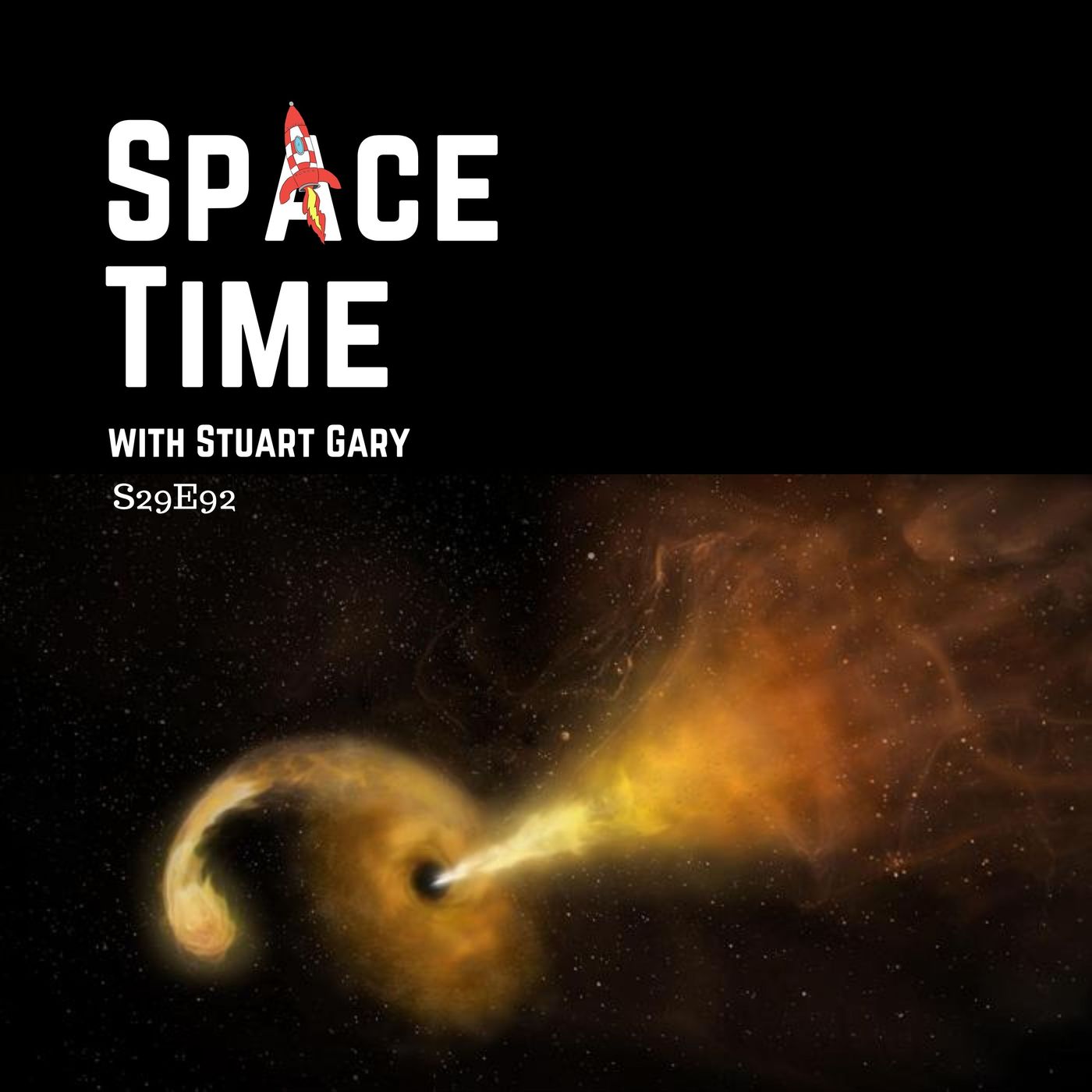
Unleashing a Wandering Black Hole and Chasing the Solar Eclipse
Yesterday00:35:03Tap to summarizeSpaceTime Series 29 Episode 92 The monster that’s been let out of its cage Astronomers have for the first time discovered a monstrous supermassive black hole wandering unseen near the edge of a galaxy. Counting down to next week’s solar eclipse Spain, Portugal, Iceland, Greenland Russia and the arctic are about to experience a total solar eclipse as the Moon’s shadow sweeps across the surface of the Earth. The Swift Space Telescope rescue mission suffers a major setback NASA’s Link mission to save the Swift Space Telescope has suffered a few problems with a sudden loss of attitude control putting the spacecraft into an uncontrollable spin. The Science Report Former Biden administration chief health advisor Anthony Fauci pleads the fifth on everything. Antimicrobial resistance in children on the rise globally. The footprints of an ancient civilisation discovered in the Amazon. Discovery of fossils of a giant mosasaur eating an ichthyosaur that ate a pterosaur. Skeptics guide to the 2026 Bent Spoon Awards. This Week’s Guests NASA WB-57 pilot Tom Parent NASA WB-57 Sensor Equipment Operator Cary Klemm Nation Wide Eclipse Ballooning Project Principal Investigator Dr Angela Des Jardins from Montana State University. Juno Principal Investigator Scott Bolton Southwest Research Institute in San Antonio Texas Juno Launch Director Omar Baez NASA Juno Mission Manager John Calvert NASA Our regular guests: Alex Zaharov-Reutt from techadvice.life Tim Mendham from Australian Skeptics And Senior science writer and Sky and Telescope magazine contributor Jonathan Nally 🌏 Get Our Exclusive NordVPN deal here ➼ www.bitesz.com/nordvpn . The discounts and bonuses are incredible! And it’s risk-free with Nord’s 30-day money-back guarantee! ✌Become a supporter of this podcast: https://www.spreaker.com/podcast/spacetime-with-stuart-gary--2458531/support.
Transcribe →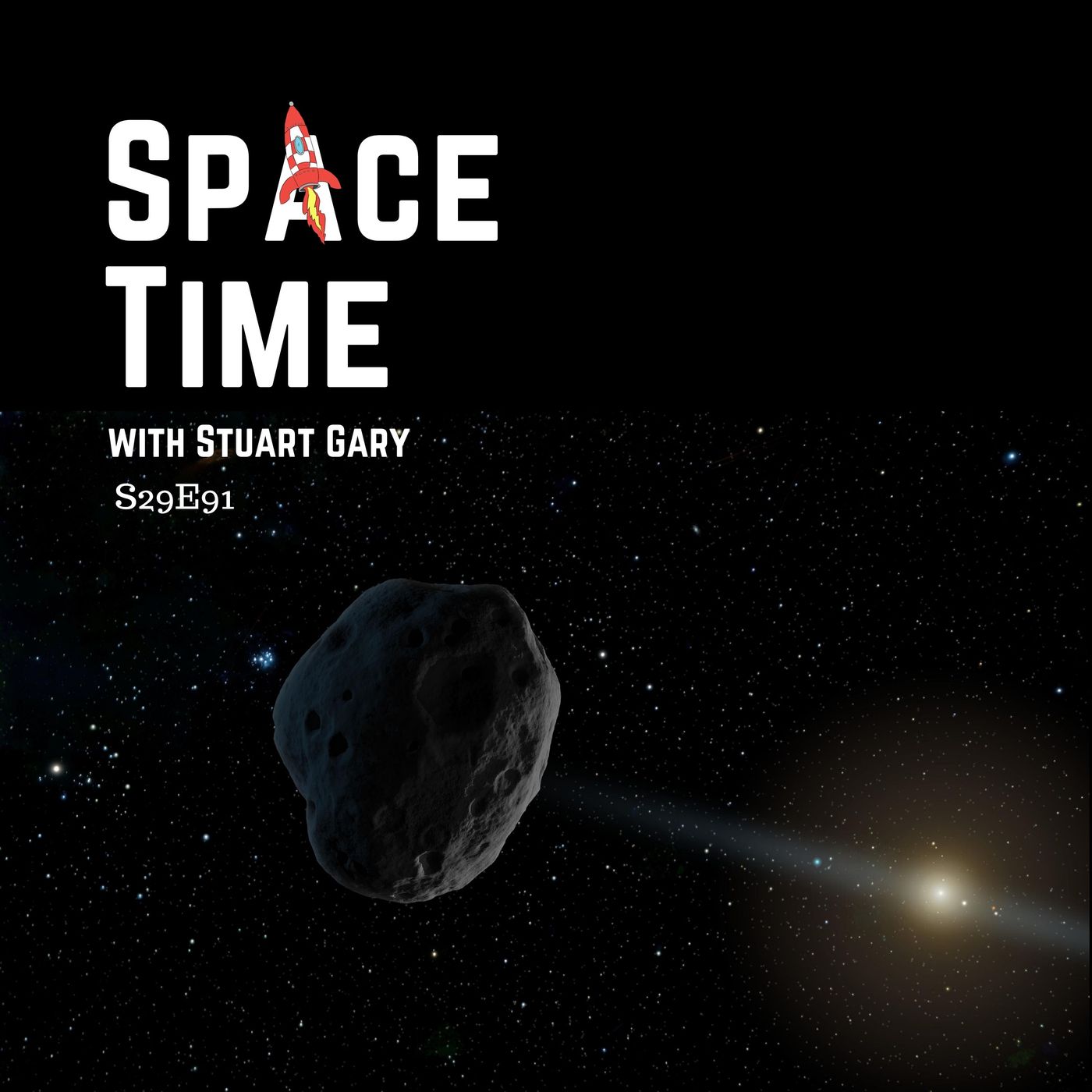
Comet Confusion and the Psyche Mission's Mars Encounter
4d ago00:23:45Tap to summarizeSponsor Link:This episode of SpaceTime is brought to you with the support of NordVPN. Now more than ever, you need a reliable VPN service to protect you online. Governments, bad actors and who knows are all trying to access your details online. Get protected by the best - NordVPN. Check out our special deal by visiting nordvpn.com/stuartgary and help support the show at the same time. Win/win!SpaceTime Series 29 Episode 91 The near-Earth asteroid that’s actually a comet Astronomers have confirmed that the near Earth Asteroid 1998 SH2 is actually a comet further blurring the lines between the two types of celestial bodies. Psyche’s gravity assist Mars Flyby NASA’s Psyche spacecraft has undertaken a successful gravity assist flyby of the red planet Mars to help slingshot the probe to its ultimate target – the strange metallic asteroid 16-Psyche. China expanding its space station As NASA looks at winding down and de-orbiting the International Space Station in 2030, Beijing has announced new plans to double the size of its Tiangong Space Station. The Science Report New clues about how the body’s nervous system senses warm and cool temperatures. Alarming pesticide levels found in the food of endangered Western Australian Carnaby's cockatoos. Scientists have discovered evidence of an ancient species of snake that lived underground. Study warns working from home may not have a significant impact on your carbon footprint. Skeptics guide to multiple Ohio Bigfoot sighting. Our regular guests: Alex Zaharov-Reutt from techadvice.life Tim Mendham from Australian SkepticsBecome a supporter of this podcast: https://www.spreaker.com/podcast/spacetime-with-stuart-gary--2458531/support.
Transcribe →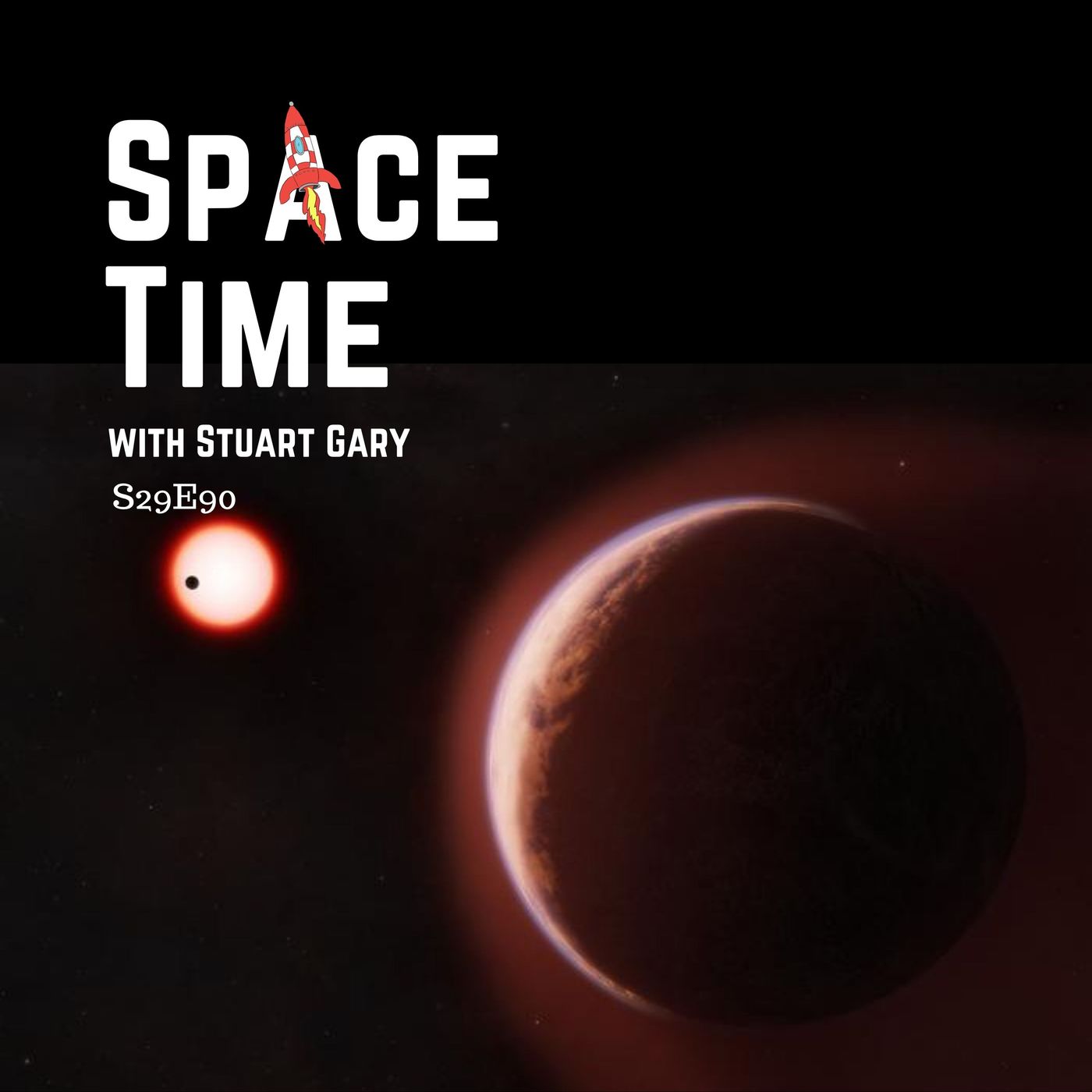
LHS 1140b and the Quest for Habitable Atmospheres: Unveiling a Super Earth
1w ago00:31:08Tap to summarizeSpaceTime Series 29 Episode 90 Discovery of an atmosphere on a planet orbiting a red dwarf Astronomers think they may have detected an atmosphere on a super-Earth exo-planet orbiting in the habitable zone of a nearby red dwarf star. How mega-dust storms and the Sun affect Martian weather A new study has found that solar storms hitting Mars at the same time as planetary wide dust storms could cause major changes in Martian weather. Approval granted for the world’s first orbital space reflector array America’s Federal Communications Commission has approved plans for the first demonstration flight of Reflect Orbital's Eärendil-1 satellite which will test the idea of reflecting sunlight back to Earth on demand. The Science Report Family socioeconomic status more important than parent smoking or drinking for kid’s future health. Ancient 3000-year-old wooden beams dating to the first Jewish temple discovered in Jerusalem. How Rottnest Island Salt Lake bacteria could make biodegradable plastic. The artery-on-a-chip technology that replicates a patient’s blood vessel structure and flow dynamics. Alex on Tech AI getting more Skynet dangerous. Our regular guests: Alex Zaharov-Reutt from techadvice.life Tim Mendham from Australian Skeptics 🌏 Get Our Exclusive NordVPN deal here ➼ www.bitesz.com/nordvpn . The discounts and bonuses are incredible! And it’s risk-free with Nord’s 30-day money-back guarantee! ✌ If you’d like to support the podcast and gain access to bonus content by becoming a SpaceTime crew member, you can do just that through The Big Bang editions on Patreon, Spotify and Apple Podcasts. Details on the Support page on our website https://www.bitesz.com/show/spacetime/support/ For more SpaceTime and show links: https://linktr.ee/biteszHQ If you love this podcast, please get someone else to listen too. Thank you…
Transcribe →
A Splashdown Success and the Asteroid That Ended the Dinosaurs
1w ago00:31:45Tap to summarizeSpaceTime Series 29 Episode 89 A lucky 13th test flight for the world’s biggest rocket The world’s largest and most powerful rocket has successfully launched on its latest test flight bringing it a step closer to NASA’s Artemis program’s aim of returning humans to the lunar surface, and eventually on to Mars and beyond. Scientists identify the asteroid that killed the dinosaurs A new study has determined that the asteroid which slammed into the Earth 66 million years ago wiping out over 75 percent of all life on the planet including all the non-avian dinosaurs was most likely a rare CO type carbonaceous chondrite. SpaceX rocket about to crash into the Moon The spent upper stage of a SpaceX Falcon 9 rocket is about to slam into the visible side of the Moon, providing scientists with a new method of pinpointing exactly where objects strike the Moon, data that could help prepare for future lunar seismic experiments. The Science Report Warnings that a third of all heart related deaths due to ultra processed foods. New data suggests fewer people in Australia are now smoking. Scientists have identified high levels of vehicle tyre dust on local Brisbane balconies. Iran continuing its nuclear weapons program in a complex deep below Pickaxe Mountain. Skeptics guide to fake news click bait. Our regular guests: Alex Zaharov-Reutt from techadvice.life Tim Mendham from Australian Skeptics 🌏 Get Our Exclusive NordVPN deal here ➼ www.bitesz.com/nordvpn . The discounts and bonuses are incredible! And it’s risk-free with Nord’s 30-day money-back guarantee! ✌ If you’d like to support the podcast and gain access to bonus content by becoming a SpaceTime crew member, you can do just that through The Big Bang editions on Patreon, Spotify and Apple Podcasts. Details on the Support page on our website https://www.bitesz.com/show/spacetime/support/
Transcribe →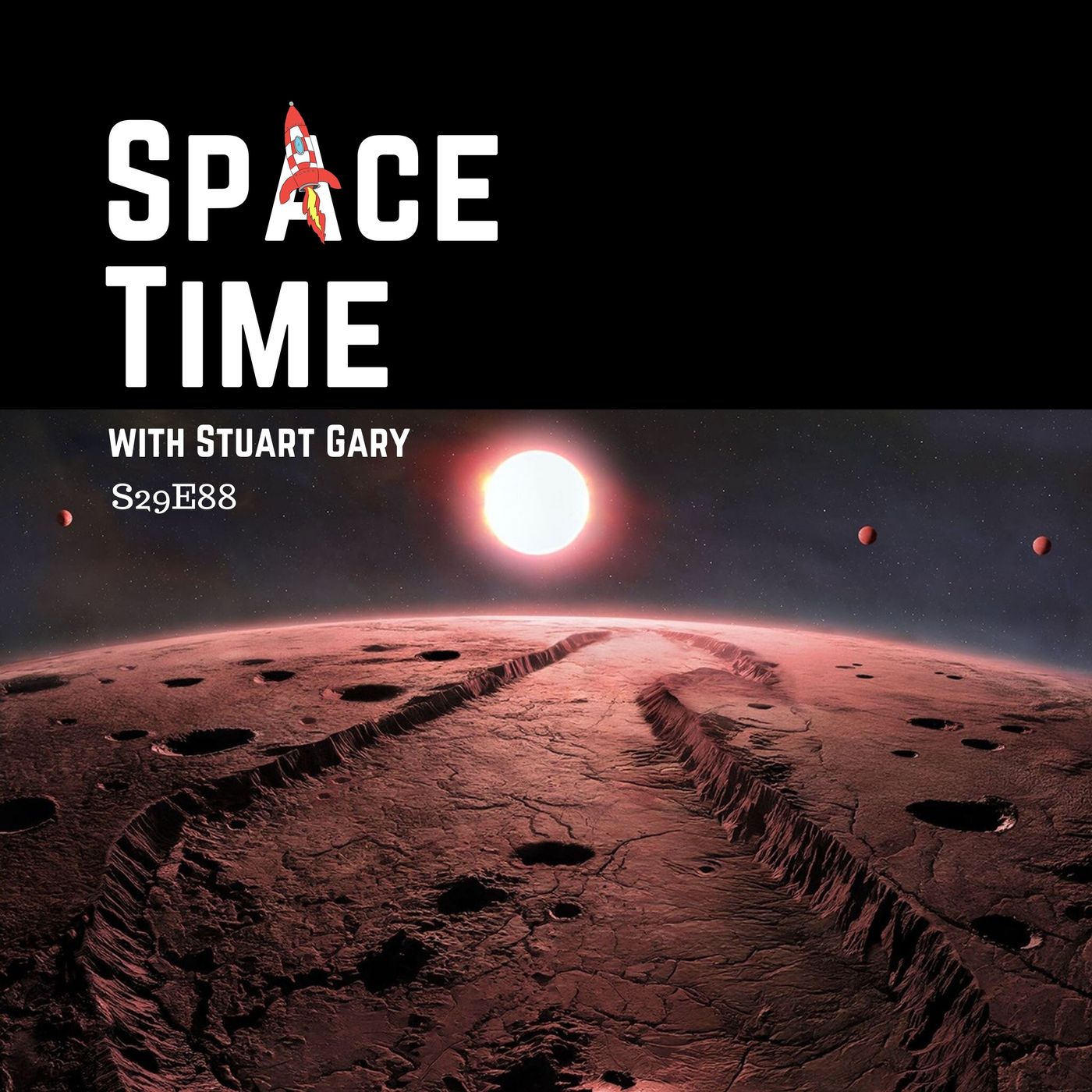
Barnard's Star and Beyond : Exploring Hellish Worlds and Australia's Space Partnerships
2w ago00:24:16Tap to summarizeSpaceTime Series 29 Episode 88 The hellish planets orbiting a nearby star Astronomers have painted the most detailed portrait yet of the planetary system orbiting Barnard’s Star – the Sun’s closest stellar neighbour after Alpha Centauri, just under six light-years away. Australia’s role in India’s manned space program India’s manned space program is moving ahead with the commissioning of a new space tracking station on Australia’s Cocos (Keeling) Islands. The latest mission to the International Space Station The Russian Soyuz MS-29 spacecraft has successfully docked with the International Space Station three hours and two orbits after launching from the Baikonur Cosmodrome in the central Asian republic of Kazakhstan. The Science Report A new study has found a link between health risks and electromagnetic fields. Wild koala given a chlamydia vaccine implant to help them survive the ever spreading disease. A quadriplegic now able to feed himself using his own hand, thanks to microchip brain implants. Study shows the last five decades of pop music has slowly shifted towards being more self-focused. Skeptics guide to the Pentagon’s latest UFO file release. Our Guests This Week: Mars Perseverance Rover Deputy Project Scientist Katy Stack Morgan NASA JPL Mars Perseverance Rover project Scientist Ken Farley NASA JPL Mars Perseverance Rover Deputy Project Manager Matt Wallace NASA JPL Mars Perseverance Rover Chief Engineer Adam Steltzner NASA JPL Mars Perseverance Rover Mobility Team Member Farah Alibay NASA JPL And our regular guests: Alex Zaharov-Reutt from techadvice.life Tim Mendham from Australian Skeptics 🌏 Get Our Exclusive NordVPN deal here ➼ www.bitesz.com/nordvpn . The discounts and bonuses are incredible! And it’s risk-free with Nord’s 30-day money-back guarantee! ✌ If you’d like to support the podcast and gain access to bonus content by becoming a SpaceTime crew member, you can do just that through The Big Bang editions on Patreon, Spotify and Apple Podcasts. Details on the Support page on our website https://www.bitesz.com/show/spacetime/support/
Transcribe →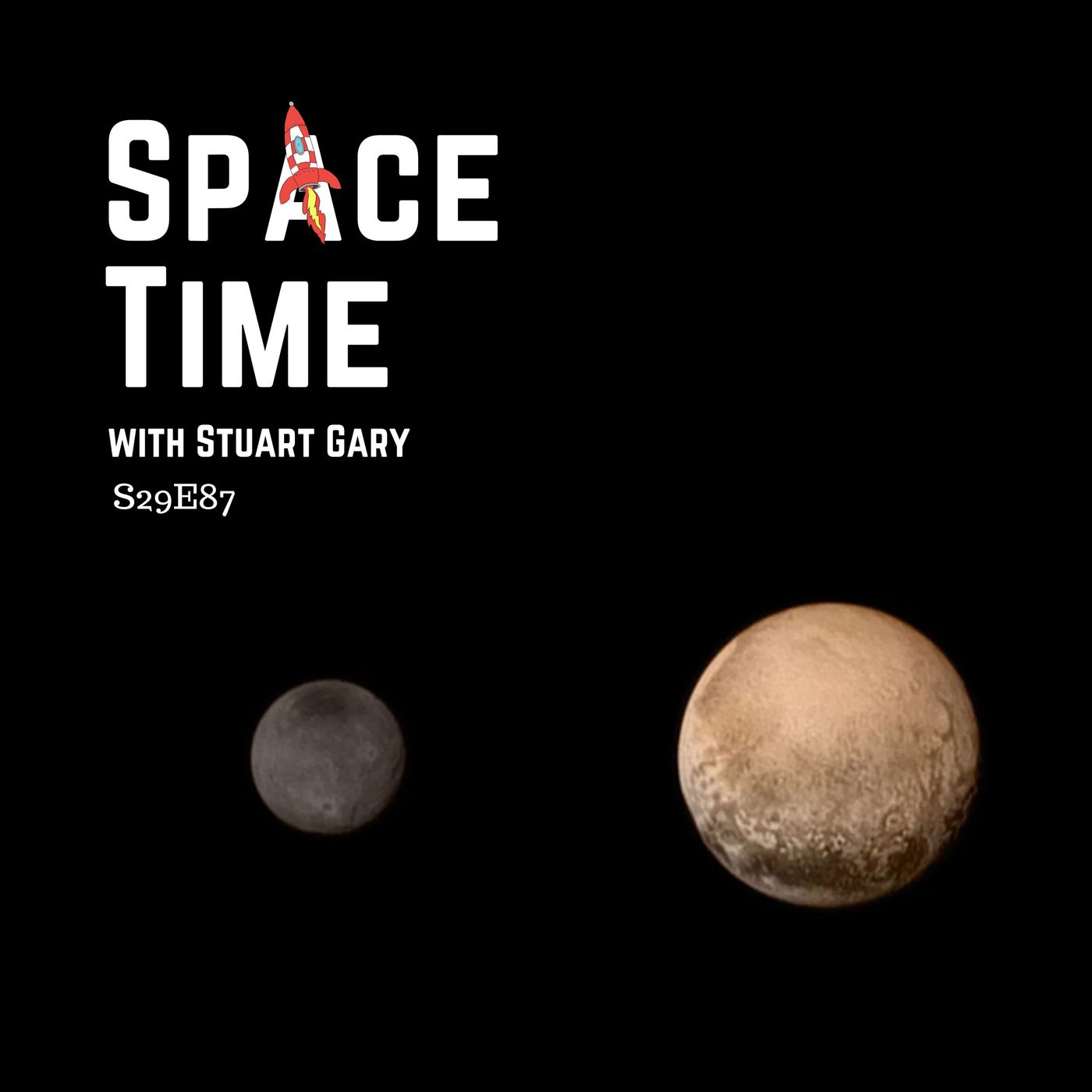
Mars, Moon, and Charon: A Cosmic Exploration of Our Celestial Neighbours
2w ago00:19:54Tap to summarizeSpaceTime Series 29 Episode 87 Ancient impacts display the red planet’s past history A new study has shown how ancient Martian rocks exposed on the rim of Jezero Crater are preserving a 3.9-billion-year-old “weather report” from the solar system’s most dynamic era. Understanding of the Moon’s regolith for human habitation Scientists have mapped out the thickness of the Moon’s regolith, the layer of loose dust and rock that covers the entire lunar surface finding it averages about six meters in the highlands and about four meters in the maria. Strange goings on Pluto’s Charon A new study has found that the rotation of Pluto’s binary partner Charon is slowing down. The Science Report Heart disease linked to nine specific molecules produced in your gut biota. A billion more people now face at least one day of extreme heat stress compared to the 1970s. Claims consuming an avocado daily, lowers the risk of heart disease in people with obesity. Just like humans, monkeys appear to dislike AI avatars that look like them, but are just a bit wrong. Alex on Tech: APPLE IOS-27 beta publicly released.Our Guests This Week: Mars Perseverance Rover Deputy Project Scientist Katy Stack Morgan NASA JPL Mars Perseverance Rover project Scientist Ken Farley NASA JPL Mars Perseverance Rover Deputy Project Manager Matt Wallace NASA JPL Mars Perseverance Rover Chief Engineer Adam Steltzner NASA JPL Mars Perseverance Rover Mobility Team Member Farah Alibay NASA JPL And our regular guests: Alex Zaharov-Reutt from techadvice.life Tim Mendham from Australian Skeptics 🌏 Get Our Exclusive NordVPN deal here ➼ www.bitesz.com/nordvpn . The discounts and bonuses are incredible! And it’s risk-free with Nord’s 30-day money-back guarantee! ✌ If you’d like to support the podcast and gain access to bonus content by becoming a SpaceTime crew member, you can do just that through The Big Bang editions on Patreon, Spotify and Apple Podcasts. Details on the Support page on our website https://www.bitesz.com/show/spacetime/support/
Transcribe →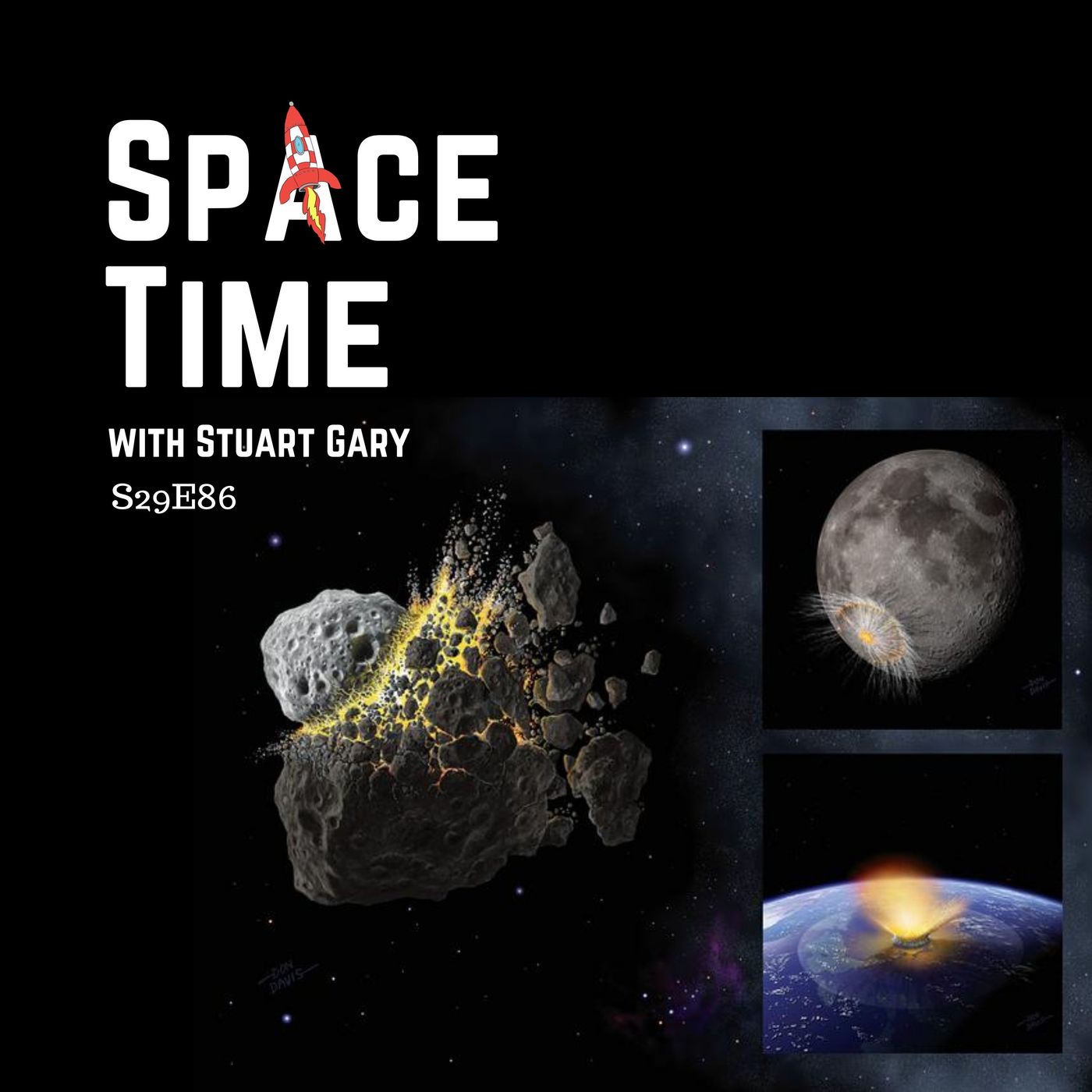
Asteroid Impacts and Alien Chemistry: Unveiling Earth's Cosmic History
2w ago00:23:00Tap to summarizeSpaceTime Series 29 Episode 86 The asteroid collision that changed life on Earth forever Astronomers have linked a massive collision in the main asteroid belt to a huge meteor bombardment in the inner solar system that may have changed life on Earth. Alien chemistry discovered in meteorite that hit New Jersey home Scientists have discovered high concentrations of salt in briny fluids that could potentially create molecules crucial to life in a meteorite that slammed into a New Jersey home in 2024. The Albanese Government’s cuts funding for astronomy research The Australian Academy of Science has condemned the Albanese Labor Government’s decision to withdraw from its association with the European Southern Observatory calling it short-sighted and warning the move will inflict lasting damage to a research and development system already facing deep structural underinvestment. The Science Report Studies show people with serious heart attacks have higher levels of micro-plastics in their blood. Warnings ChatGPT is making psychotic symptoms worse by echoing or encouraging unusual ideas. Claims koalas that once lived in Western Australia were a different species from those in the East. A new study warns your puppy may be an addict to their toys. Skeptics guide to Senator Malcolm Roberts chemtrails conspiracy theory.Our Guests This Week: Mars Perseverance Rover Deputy Project Scientist Katy Stack Morgan NASA JPL Mars Perseverance Rover project Scientist Ken Farley NASA JPL Mars Perseverance Rover Deputy Project Manager Matt Wallace NASA JPL Mars Perseverance Rover Chief Engineer Adam Steltzner NASA JPL Mars Perseverance Rover Mobility Team Member Farah Alibay NASA JPL And our regular guests: Alex Zaharov-Reutt from techadvice.life Tim Mendham from Australian Skeptics 🌏 Get Our Exclusive NordVPN deal here ➼ www.bitesz.com/nordvpn . The discounts and bonuses are incredible! And it’s risk-free with Nord’s 30-day money-back guarantee! ✌Become a supporter of this podcast: https://www.spreaker.com/podcast/spacetime-with-stuart-gary--2458531/support.
Transcribe →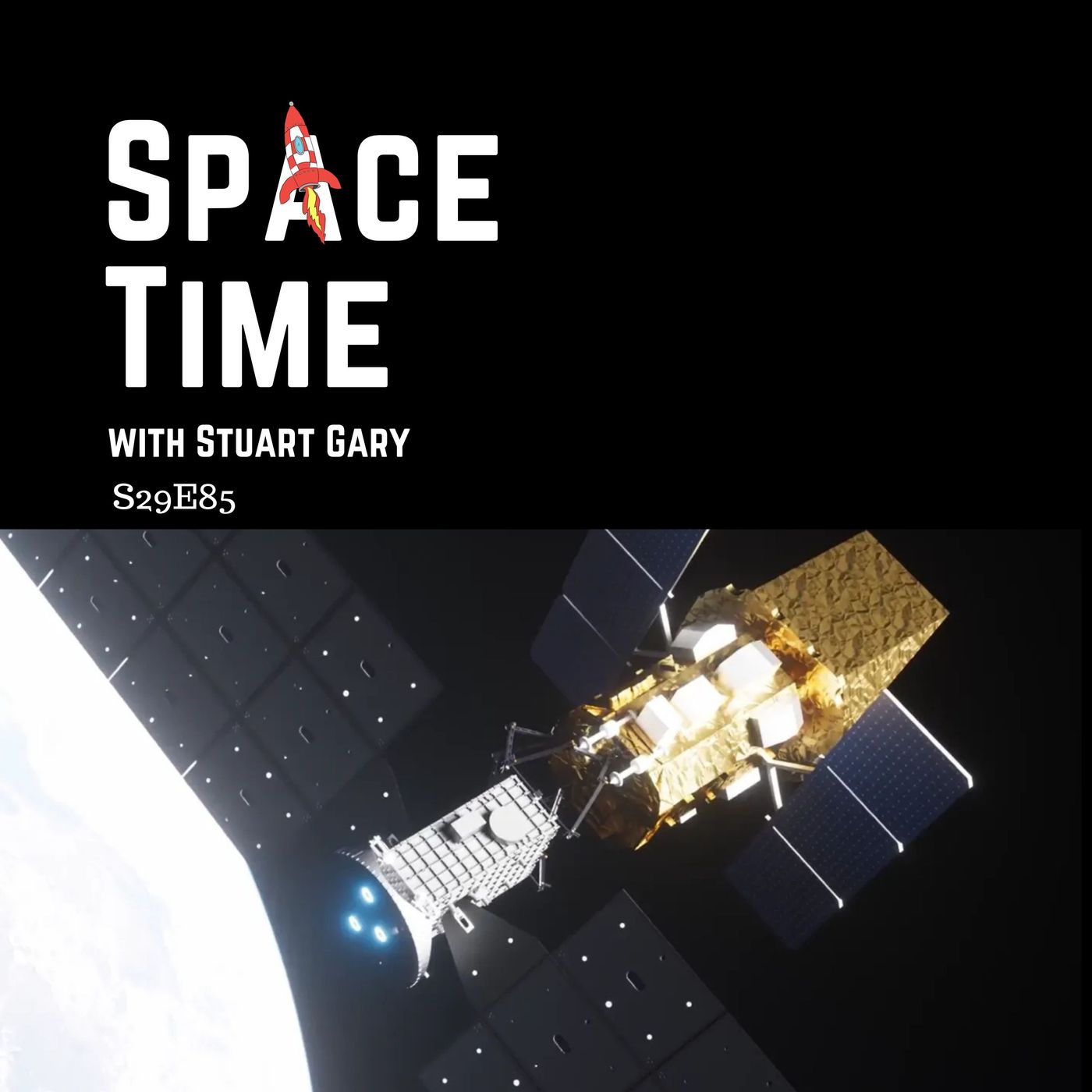
Nuclear Watchdogs: Detecting Weapons in Space and NASA's Swift Rescue Mission
3w ago00:19:23Tap to summarizeSpaceTime Series 29 Episode 85 Detecting nuclear weapons in space New modelling says small cube-sat sized spacecraft not much bigger than a fridge could be used to detect the presence of nuclear weapons on satellites in space. NASA’s rescue mission to save the Swift space telescope reaches orbit NASA’s Swift re-boost rescue mission is finally on its way to intercept the gamma ray space telescope and try to save it from its fiery fate. Stopping astronauts from wanting to kill each other on long space trips It can be tough enough getting on with family members at home or the people you have to work with – but imagine what it will be like if you’re stuck with a small group of people on a multi-year mission to Mars. The Science Report A new study indicates that people who speak more than one language seem to have younger brains. Warnings that two thirds of Australian adults and a quarter of kids are now overweight or obese. Half of all fatal electric scooter accidents in Sweden are caused by drunk riders. Great news for chocolate lovers with 4 new species discovered. Skeptics guide to the case of the missing peacock. Our Guests This Week: Professor Chris Kirkland from Curtin University NASA planetary geologist Cynthia Phillips Professor Dorothy Carter from Michigan State University And our regular guests: Alex Zaharov-Reutt from techadvice.life Tim Mendham from Australian Skeptics 🌏 Get Our Exclusive NordVPN deal here ➼ www.bitesz.com/nordvpn . The discounts and bonuses are incredible! And it’s risk-free with Nord’s 30-day money-back guarantee! ✌ If you’d like to support the podcast and gain access to bonus content by becoming a SpaceTime crew member, you can do just that through The Big Bang editions on Patreon, Spotify and Apple Podcasts. Details on the Support page on our website https://www.bitesz.com/show/spacetime/support/ For more SpaceTime and show links: https://linktr.ee/biteszHQ If you love this podcast, please get someone else to listen too. Thank you…
Transcribe →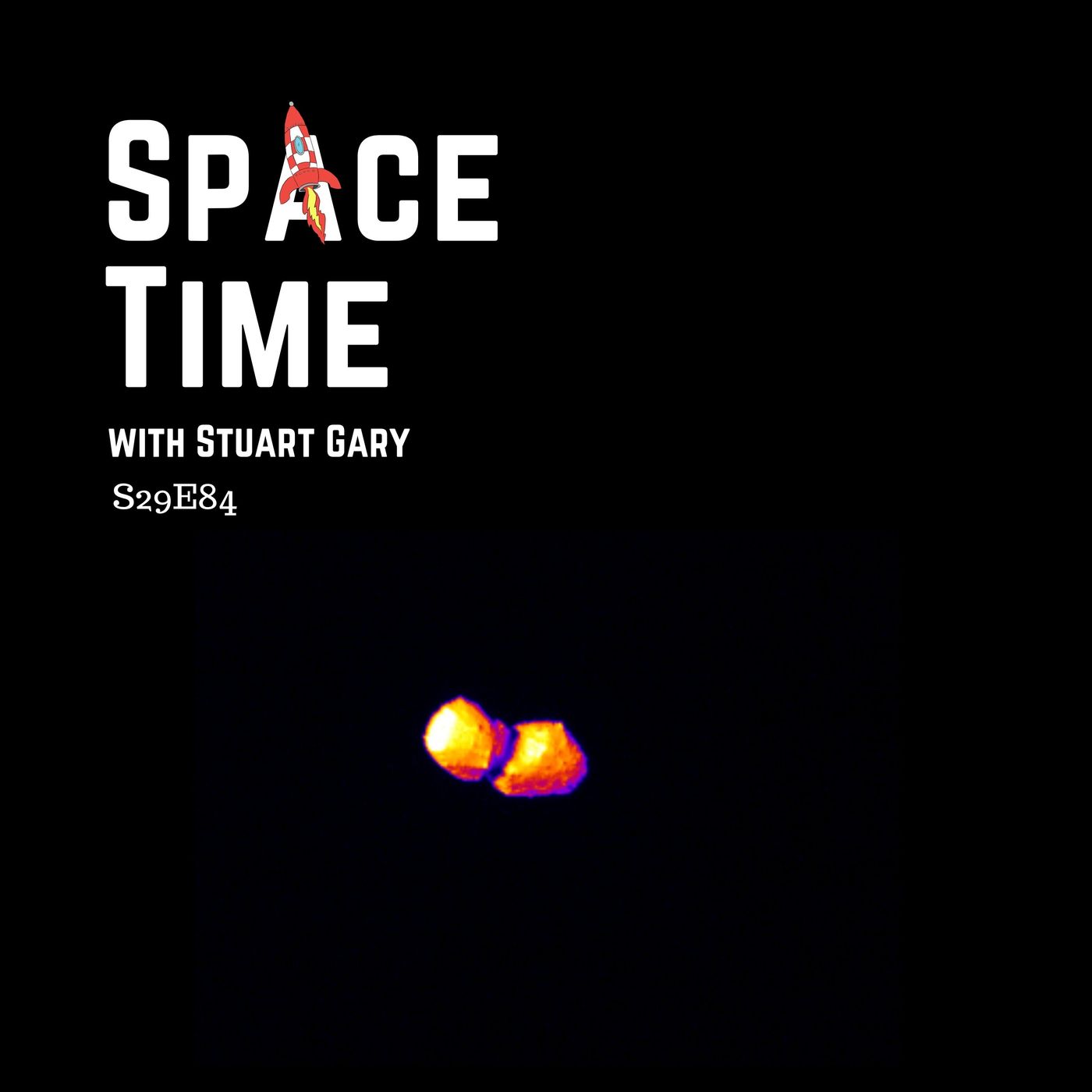
Cosmic Discoveries: Japan's Asteroid Encounter and the Life Potential of Europa
3w ago00:28:10Tap to summarizeSpaceTime Series 29 Episode 84 Japan swoops past a cosmic snowman shaped asteroid Japan’s Hayabusa2 spacecraft has just swooped past a tiny asteroid in deep space that’s shaped like a snow man. Revealing the secrets of the ice moon Europa A new study has shown that the Jovian Ice Moon Europa is reflecting radio signals in a strange unexpected way. What happens to Earth when the Sun dies A new study has provided astronomers with a glimpse of the future we’re likely to face when our Sun dies in around seven billion years from now. The Science Report Study’s show early risers have more nutritious diets than people who prefer staying up late. Australia shown to be home to a large chunk of the world's seagrasses, but is losing them rapidly. A new study claims Meta’s AI smart glasses could help people with low or no vision. Data centres found to have a far bigger carbon footprint than previously thought. Alex on Tech: Samsung Galaxy Z fold 8.Become a supporter of this podcast: https://www.spreaker.com/podcast/spacetime-with-stuart-gary--2458531/support.
Transcribe →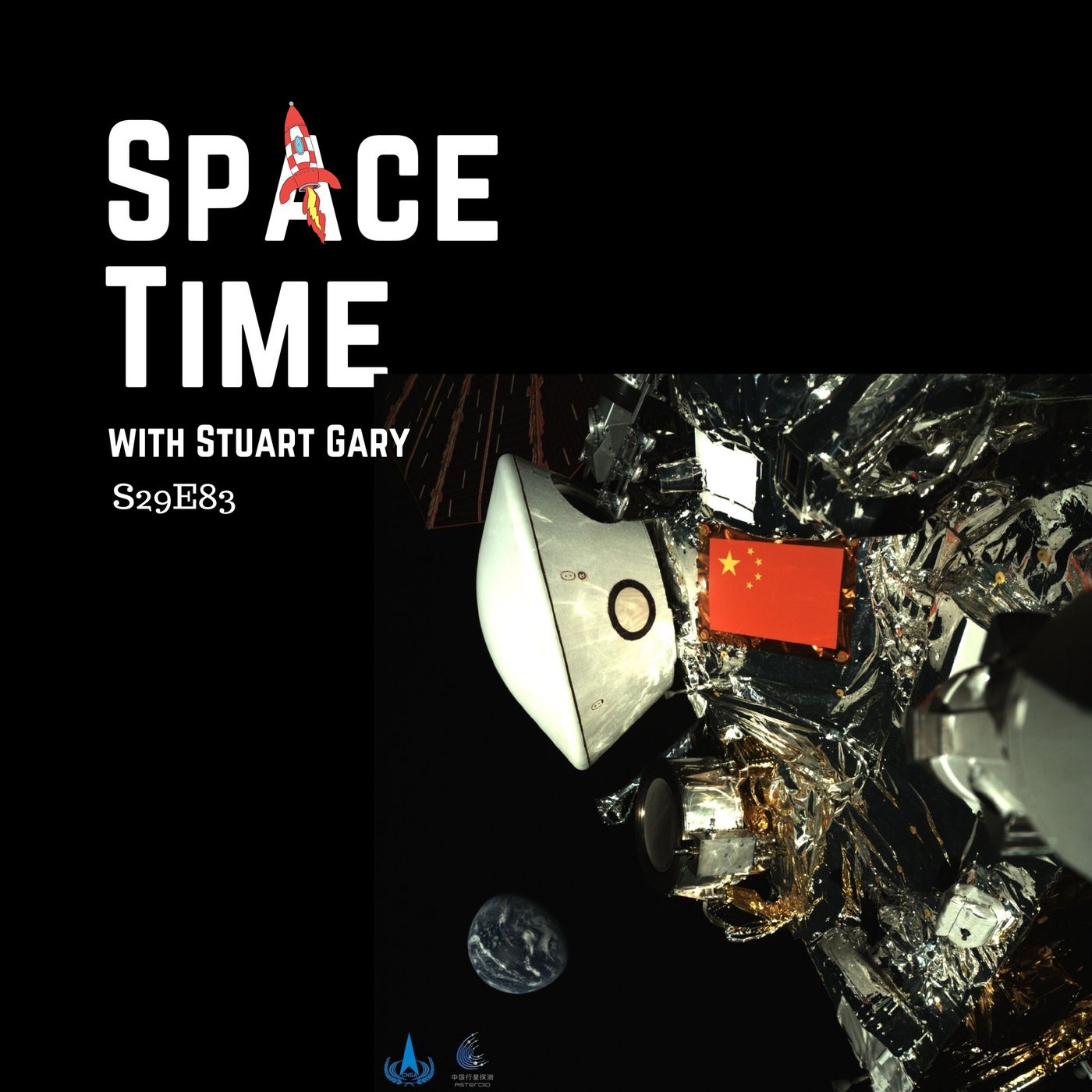
Earth's Ancient Impact Revealed: Dating the Oldest Crater and China's Cosmic Quest
3w ago00:30:50Tap to summarizeSpaceTime Series 29 Episode 83 Earth’s oldest known asteroid impact crater dated in Western Australia Scientists have determined the most precise age yet for the oldest known impact crater on Earth finding it to be some 3.024 billion years old. A Chinese spacecraft has just reached Earth’s second moon China’s Tianwen-2 spacecraft has arrived at a temporary second moon orbiting Earth -- although technically the object is a small near Earth asteroid which is orbiting in sync with the Earth around the Sun. Sea floor spreading seen in action for the first time Scientists studying a seafloor site southwest of Australia have for the first time actually captured how molten rock emerges at boundaries between the Earth’s tectonic plates. The Science Report A new vaccine with the potential to protect people from developing HIV AIDS. Warnings that losing even a small amount of sleep each night could be linked to weight gain. South Australia’s algal bloom found to be the most toxic species of its kind ever studied. China launches a nuclear capable missile across the Pacific in a clear threat to island nations. Skeptics guide to the Westall High School UFO sighting. Our Guests This Week: Professor Chris Kirkland from Curtin University NASA planetary geologist Cynthia Phillips Professor Dorothy Carter from Michigan State University And our regular guests: Alex Zaharov-Reutt from techadvice.life Tim Mendham from Australian Skeptics 🌏 Get Our Exclusive NordVPN deal here ➼ www.bitesz.com/nordvpn . The discounts and bonuses are incredible! And it’s risk-free with Nord’s 30-day money-back guarantee! ✌ If you’d like to support the podcast and gain access to bonus content by becoming a SpaceTime crew member, you can do just that through The Big Bang editions on Patreon, Spotify and Apple Podcasts. Details on the Support page on our website https://www.bitesz.com/show/spacetime/support/ For more SpaceTime and show links: https://linktr.ee/biteszHQ If you love this podcast, please get someone else to listen too. Thank you…
Transcribe →