← Stars on Suspense (Old Time Radio)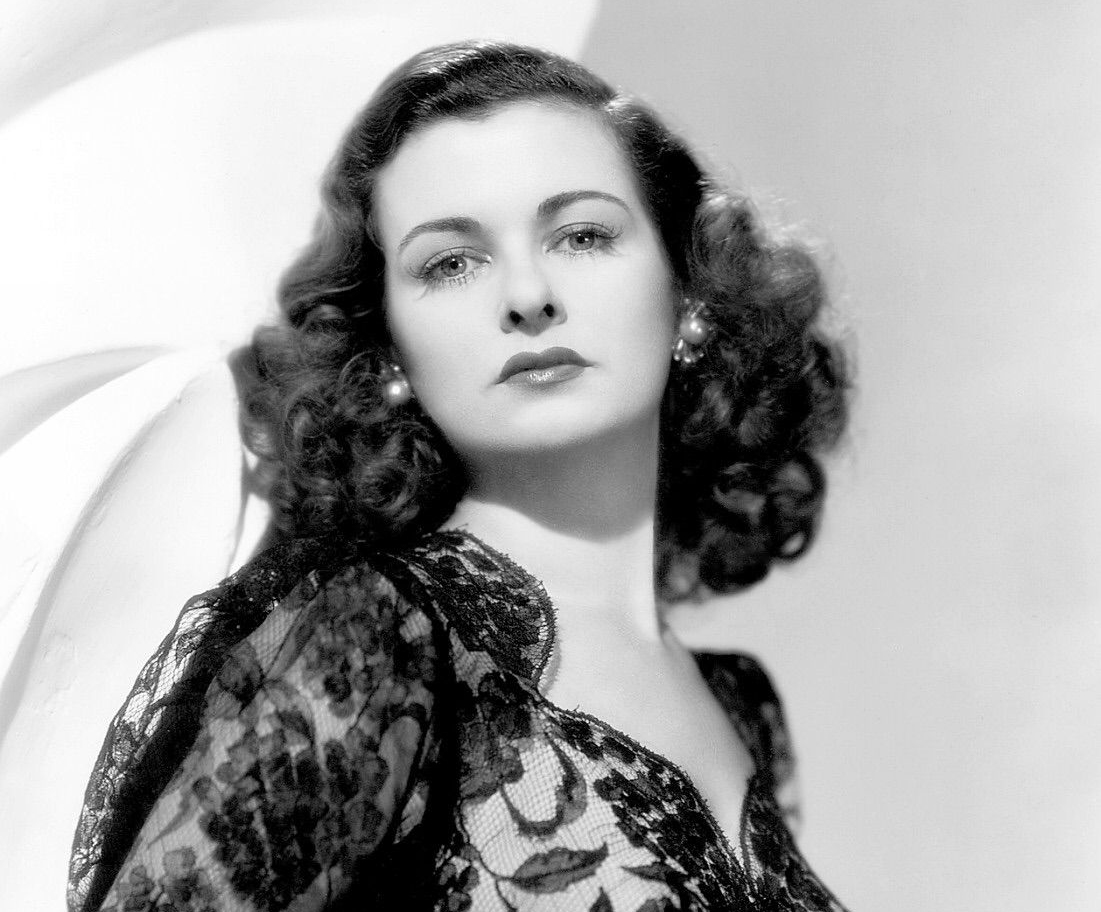
Loading summary
Transcript567 lines
- [00:00]
Walter Neff
Would you hand me that, please? Thank you. Now, let's see. Survey.
- [00:07]
Narrator
Survive.
- [00:08]
Walter Neff
Susanna. Suspect. Ah, here we are.
- [00:12]
Narrator
Suspense.
- [00:14]
Walter Neff
Meaning held in doubt, expressing doubt. The state of being uncertain, undecided or insecure. State of anxious expectation or waiting for information such as to keep one in suspense. Therefore delay acquainting him with what he is eager to know.
- [00:33]
Barton Keyes
Suspense.
- [00:51]
Fletcher Markle
Hello, and welcome to a bonus episode of Stars on Suspense. An addendum to our last show spotlighting the cast of Double Indemnity. One of the great things about old time radio recreations of classic movies is that we get the chance to hear different actors play iconic roles. It's tough to imagine anyone being better in Double indemnity than Fred McMurray, Barbara Stanwyck and Edward G. Robinson. But in the broadcast we'll hear. Today, three actors, including two other stars of classic noir dramas, get to try their hands at Walter Neff, Phyllis Dietrichson and Barton keyes. Stepping into Mr. Neff's shoes is Burt Lancaster, who was front and center in last week's episode featuring the cast of the Killers. Phyllis Dietrichson is played by Joan Bennett, who gave the screen several memorable portrayals of femmes fatale in pictures directed by Fritz Lang. And the dogged insurance detective, Barton Keyes is played by South Pacific Tony award winner Myron McCormick. The trio starred in a presentation of Double Indemnity from the Ford Theater, an hour long dramatic anthology that was born in part out of NBC's unsuccessful attempt to land the Lux Radio Theater. Interestingly, after a year on NBC, the program moved to cbs which was the home of the Lux Radio Theater. And the episode we'll hear today originally aired on CBS on October 15, 1948. I'll be back next week to kick off December with the stars of Miracle on 34th Street. But for now, sit back, relax and enjoy this alternate radio version of a big screen classic. As Burt Lancaster, Joan Bennett and Myron McCormick star in Double Indemnity.
- [02:56]
Walter Neff
AMX Los Angeles. Both AM and FM. 25 seconds before 7pm Bulova. Bulova. Watch time. Bulova invites you to see His Excellency, America's greatest watch value leader of your jewelers. 1948 watch parade. Yes, Double Indemnity is on the air tonight at 7. In just a few seconds, Burt Lancaster, Joan Bennet are the stars.
- [03:27]
Narrator
Here with the story of an explosive triangle. A man, a woman and murder. Ladies and gentlemen, tonight we bring you Mr. Burt Lancaster and Ms. Joan Bennett in James M. Kane's memorable melodrama Double Indemnity.
- [03:43]
Walter Neff
This is the Ford. The. The Ford Motor Company, builder of Ford, Mercury and Lincoln cars. Invites you to the Ford Theater. A full hour of the finest dramatic entertainment. With celebrated stars of Hollywood and Broadway. And now, to introduce tonight's program. Here is the director of the Ford Theater, Fletcher Mock.
- [04:25]
Narrator
Ladies and gentlemen, we're about to step into the brassy yellow afternoons. And nervous nights of summertime Los Angeles. To enact for you one of James Kane's best Californian thrillers. Double Dignity is a curious blend of passion, violence and justice. The kind of story that rings the.
- [04:42]
Walter Neff
Bell even more often.
- [04:43]
Narrator
Than Mr. Kane's renowned postman. And with us in the Ford Theatre tonight. To impersonate two of the most unhappily matched villains in current crime fiction. We have Miss Joan Bennett and Mr. Burt Lancaster. Ms. Bennett, an actress of great beauty and charm. Slips out of character tonight to play Phyllis. Who is beautiful and has a certain charm, but who is certainly not a lady. Mr. Lancaster also abandons his usually pleasant manner. In favor of the solemn and brooding nature. Of a gentleman named Walter Neff, who is far from gentle. And as an added dividend, you'll be hearing one of Broadway's brightest and busiest performers. Mr. Martin McCormick as Barton Keys. Ms. Bernet, Mr. Lancaster, Mr. McCormick, please to begin.
- [05:49]
Walter Neff
Office memorandum. Walter Neff to Barton Keys, Claims Manager, Los Angeles, Derek Hees. I take great pleasure in dictating this report to you. Suppose you'd call it a confession when you hear it. Well, I don't like the word confession. I just want to set you straight about something you couldn't say because it was smack up against your nose. Wait a second. I plugged this wound of mine a little tighter. Yes, I'm wounded. Yeah, that's better. Jeez, you think you're such a hot potato as a claims manager. Such a phony wolf on phony claims. Or maybe you are. But let's take a look at that, Petersen. Claim, accident and double indemnity. You were pretty good in there for a while, Keys. You said it wasn't an accident. Check. You said it was murder. Check. You thought you had a cold, didn't you? All wrapped up in tissue paper with pink ribbons around. It was perfect. Except it wasn't. Because you made one mistake. Just one little mistake. When it came to picking the killer, you picked the wrong guy. You want to know who kills Dietrichson? Well, hold tight to that cheap cigar of yours, Keys. I killed Dietrichson. Me, Wallen F. Insurance salesman, 35 years old, unmarried, no visible scarlet. Until a little while ago, that is. Yes, I killed him. I killed him for money and for a woman. And I didn't get the money, and I didn't get the woman. Pretty, isn't. All began last May. Around the end of May it was. I'd been out to Glendale. On the way back, I remembered this renewal possibility near Hawkes Fields Boulevard. So I drove over there. The house was one of those California Spanish houses everybody was nuts about. About 10 or 15. Is Mr. Dietrichson in?
- [07:55]
Phyllis Dietrichson
I'm Mrs. Dietrichson. What is it?
- [07:57]
Walter Neff
Well, how do you do, Mrs. Diedrichson? I'm Walvin S. Pacific Oil Risk. Yes, Pacific Oil Risk Insurance Company is about some renewals on the automobile insurance. I've been trying to contact your husband for the last two weeks, but he's never in his office.
- [08:08]
Phyllis Dietrichson
Is there anything I can do?
- [08:09]
Walter Neff
Well, the insurance ran out on the 15th. I'd hate to think of you having a smashed fender or something while you're not fully covered.
- [08:17]
Phyllis Dietrichson
Oh, perhaps I know what you mean. I've been taking a sunbath on the roof. I just slipped into any old thing.
- [08:23]
Walter Neff
No airplanes around, I hope. Now, about those policies, Mrs. Edekson.
- [08:28]
Phyllis Dietrichson
Why don't you come in? We'll talk in the living room. Neff is the name, is it?
- [08:32]
Walter Neff
Yeah, with two Fs.
- [08:34]
Phyllis Dietrichson
Well, suppose we sit down and you tell me about the insurance.
- [08:36]
Walter Neff
Fine.
- [08:37]
Phyllis Dietrichson
My husband never tells me anything.
- [08:39]
Walter Neff
Well, I'll tell you. Two cars. We've been handling this insurance for Mr. Deduchen for three years, and we'd hate to see the policies left. That's honey of an anklet you're wearing, Mrs. E. Dixon. As I was saying, we'd hate to see the policies lapse.
- [08:52]
Phyllis Dietrichson
I guess my husband's been too busy down at Long beach in the oil field.
- [08:55]
Walter Neff
Couldn't I catch him at home some evening for a few minutes?
- [08:57]
Phyllis Dietrichson
You're a smart insurance man, aren't you, Mr. Ness?
- [09:00]
Walter Neff
Well, I've been out 11 years, doing pretty well. Oh, worth a living.
- [09:03]
Phyllis Dietrichson
You handle just automobile insurance or all kinds?
- [09:05]
Walter Neff
All kinds.
- [09:06]
Barton Keyes
Right on down the line.
- [09:07]
Phyllis Dietrichson
Accident insurance.
- [09:08]
Walter Neff
Accident Insurance for sure, Mrs. Beatrickson. I wish you'd tell me what's engraved on that anklet you're wearing.
- [09:14]
Phyllis Dietrichson
Just my name.
- [09:15]
Walter Neff
Which is? Phyllis. Phyllis, huh? I think I like that.
- [09:19]
Phyllis Dietrichson
But you're not sure?
- [09:20]
Walter Neff
Well, I'd have to drive it around the block a couple of times.
- [09:23]
Phyllis Dietrichson
Mr. Ned, why don't you drop by tomorrow evening about 8:30? He'll be here then.
- [09:27]
Walter Neff
Who?
- [09:28]
Phyllis Dietrichson
My husband. You were anxious to talk to him, weren't you?
- [09:30]
Walter Neff
Yeah, I was, but I'm sort of getting over the idea, if you know what I mean.
- [09:35]
Phyllis Dietrichson
There's a speed limit in this state, Mr. Neff. 45 miles an hour.
- [09:38]
Walter Neff
How fast was I going, officer?
- [09:39]
Phyllis Dietrichson
I'd say around 90.
- [09:40]
Walter Neff
Suppose you get down off your motorcycle and give me a ticket.
- [09:42]
Phyllis Dietrichson
Suppose I let you off with a warning this time.
- [09:44]
Walter Neff
Suppose it doesn't take.
- [09:45]
Phyllis Dietrichson
Suppose I have to whack you over the knuckles.
- [09:48]
Walter Neff
Suppose I bust out crying and put my head on your shoulder.
- [09:51]
Phyllis Dietrichson
Suppose you try putting it on my husband's shoulder.
- [09:54]
Walter Neff
That is it. 8:30 tomorrow evening.
- [09:56]
Barton Keyes
Then.
- [09:56]
Phyllis Dietrichson
That's what I suggested.
- [09:57]
Walter Neff
Will you be here too?
- [09:59]
Phyllis Dietrichson
I guess so. I usually am.
- [10:00]
Walter Neff
Same chair, same perfume, same anklet.
- [10:04]
Phyllis Dietrichson
I wonder if I know what you.
- [10:06]
Walter Neff
You mean. I wonder if you wonder. It was a hot afternoon and I can remember the smell of honeysuckle all along the street. How could I have known that murder can sometimes smell like honeysuckle? Maybe you would have known, Keys, the minute you mentioned accident insurance. But I didn't. I felt like a minion. I went back to the office to see if there was any mail. It was the day you had that truck driver from Inglewood on the carpet. Remember keys you sent me?
- [10:40]
Barton Keyes
Hello, Warner? This is Sam Galapis from Englewood.
- [10:44]
Walter Neff
Oh, Sure, I know Mr. Galapagos. I wrote a policy on a truck. How are you, Mr. Galapis?
- [10:48]
Barton Keyes
He's so good. My truck pulled down. Yeah, he just planted his big foot on the starter and the whole thing blazed up in his face. Yes, sir. And didn't even singe his eyebrows. No, sir. Yeah. Sit down, Walter. Now look, Galapis. Every month hundreds of claims come to my desk. Some of them are phonies, and I know which ones. How do I know? Because my little man tells me.
- [11:14]
Walter Neff
Uh huh.
- [11:15]
Barton Keyes
What little man? Here, inside me. Every time one of these phonies comes along, my little man ties knots in my stomach. I can't eat. Yours was a phony clam, Galapas. I couldn't eat. So what did I do? I sent a tow car over to your garage this morning and they jacked up that burned out truck of yours. And what did they find? They found what was left of a neat pile of shaving. Shaving? What shaving? The ones you soaked with kerosene and dropped a match on. Ain't feel so good, Mr. Keith.
- [11:48]
Walter Neff
Uh huh.
- [11:50]
Barton Keyes
Here, just a minute. Find this and you'll feel fine.
- [11:54]
Walter Neff
Fine? What?
- [11:55]
Barton Keyes
It's a waiter on your claim.
- [11:56]
Walter Neff
Right Here. Give.
- [11:58]
Barton Keyes
Here, have a pen. Now you're an honest man again. Goodbye, Galapus. I ain't got no more trucks. 2,600 bucks is what that truck cost me. That's a lot. I do what I live. What's the matter, Galapus? Don't you know how to open the door? Just put your hand on the knob.
- [12:21]
Walter Neff
Turn it to the left.
- [12:23]
Barton Keyes
Now pull it towards you. That's the boy. Thank you, Mr. Keyes. Goodbye, Mr. Annette. Bye. What kind of outfit is this, anyway? Are we an insurance company or just a bunch of dim, wooded amateurs to write a policy on a mug like that?
- [12:39]
Walter Neff
Now, wait a minute, Keys. I don't rate this beef. I clipped a memo to that Galapagos application to have him thoroughly investigated before we accepted the risk.
- [12:46]
Barton Keyes
I know you did, Walter. I'm not beating at you the way the company will write anything just to get it down on the sales sheet. And I'm the guy that has to sit here up to my neck in phony claims so they won't throw more money out the window than they take at the door.
- [12:57]
Walter Neff
Okay, turn the record open. Let's hear the other side.
- [13:00]
Barton Keyes
Walter, I've had 26 years of this. Let me tell you, I'm getting just.
- [13:03]
Walter Neff
And you loved every minute of it, Keith. You love it, only you worry about it too darn much. You and that little man.
- [13:09]
Barton Keyes
That's enough from you, Walter. Get out of here before I throw my desk at you.
- [13:13]
Walter Neff
I love you, too. Back in my office, there was a phone message from Philip Dietrich. She wanted the appointment put off from Wednesday night to Thursday afternoon.
- [13:27]
Barton Keyes
Instead.
- [13:28]
Walter Neff
I tell you, I spent a lot of time the next two days thinking about Phillip and the way that ankle of hers cut into her leg.
- [13:36]
Phyllis Dietrichson
I hope you didn't mind my changing the appointment, Mr. Ness. Last night wasn't so convenient.
- [13:40]
Walter Neff
Oh, that's all right. I was. I was working on my stamp collection.
- [13:43]
Phyllis Dietrichson
I was just fixing myself some iced tea. Would you like some?
- [13:46]
Walter Neff
Yeah. Unless you got a bottle of beer, it's not working.
- [13:48]
Phyllis Dietrichson
I never know. There might be some in the ice box. Nettie. How about those renewals, Mr. Ness? I talked to my husband about it. He renewed you? He told me so. As a matter of fact, I thought he'd be here this afternoon.
- [13:59]
Walter Neff
But he's not?
- [14:00]
Phyllis Dietrichson
No. That's terrible, Nettie. Oh, I forgot. Today's the maid's day off.
- [14:09]
Barton Keyes
Well, never mind the beer.
- [14:10]
Walter Neff
I see. It'll be fine.
- [14:12]
Phyllis Dietrichson
Lemon? Sugar?
- [14:13]
Walter Neff
Fix it your way. As long as it's the maid's day off, maybe there's something I can do for you.
- [14:18]
Barton Keyes
Like.
- [14:19]
Walter Neff
Like running a vacuum cleaner. Well, I used to pedal vacuum cleaners. Not much money, but you learn a lot about life.
- [14:24]
Phyllis Dietrichson
I didn't think you'd learn it from a correspondence course. Your teeth. Thanks, Mr. Neff, I. Megan Waller, huh? Walter.
- [14:32]
Walter Neff
That's right.
- [14:32]
Phyllis Dietrichson
Tell me, Walter, on this insurance, how much commission do you make?
- [14:35]
Walter Neff
20%. Why?
- [14:37]
Phyllis Dietrichson
Oh, I thought perhaps I could throw a little more business your way.
- [14:41]
Walter Neff
I can always use it.
- [14:42]
Phyllis Dietrichson
I was thinking about my husband. I worry a lot about him down in those oil fields. It's very dangerous.
- [14:47]
Walter Neff
Not for an executive, is it?
- [14:49]
Phyllis Dietrichson
Oh, he just doesn't sit behind a desk. He's right down there with those drilling crews. It's got me worried sick.
- [14:54]
Walter Neff
You mean some dark night, a crown block, my fort?
- [14:57]
Phyllis Dietrichson
Please don't talk like that.
- [14:58]
Walter Neff
But that's the idea.
- [14:59]
Phyllis Dietrichson
Well, don't you think he ought to have accident insurance?
- [15:02]
Walter Neff
Uh huh.
- [15:02]
Phyllis Dietrichson
Well, what kind of insurance could he have?
- [15:05]
Walter Neff
Well, enough to cover doctors and hospital bills. Pay 125 a week cash benefit. And he'd raid around 50,000 capital sum.
- [15:11]
Phyllis Dietrichson
Capital sum?
- [15:12]
Barton Keyes
What's that?
- [15:13]
Walter Neff
In case he gets killed. Maybe I shouldn't have said that.
- [15:17]
Phyllis Dietrichson
I suppose you have to think of everything in your business. I want to ask you something, Walter. I get an insurance policy on my husband without bothering him at all.
- [15:28]
Walter Neff
How's that again?
- [15:29]
Phyllis Dietrichson
It would make it easier for you, too. You wouldn't even have to talk to him.
- [15:33]
Walter Neff
Well, why shouldn't he know?
- [15:34]
Phyllis Dietrichson
Because he doesn't want accident insurance. He's superstitious about it.
- [15:39]
Walter Neff
A lot of people are. That's funny, isn't it?
- [15:41]
Phyllis Dietrichson
If there was a way to get it like that, all the worry would be over. See what I mean, Walter?
- [15:45]
Walter Neff
Sure. You mean you wanted to have that policy without him knowing it. And that means without the insurance company knowing he doesn't know it. That's the setup, isn't it?
- [15:53]
Phyllis Dietrichson
Is there anything wrong with it?
- [15:54]
Walter Neff
No, I think it's lovely. And then if some dark, wet night, that crown block did fall on.
- [15:59]
Phyllis Dietrichson
What crown block?
- [16:00]
Walter Neff
Only sometimes it can't quite make it on its own. It has to have a little help.
- [16:05]
Phyllis Dietrichson
I don't know what you're talking about.
- [16:06]
Walter Neff
Of course, it doesn't have to be a crown block. It could fall out of the upstairs window. Any little thing like that, just so long as it's a morgue.
- [16:13]
Phyllis Dietrichson
John, are you crazy?
- [16:14]
Walter Neff
Not that crazy. Goodbye, Mrs. Dixon.
- [16:17]
Phyllis Dietrichson
What's the matter?
- [16:17]
Walter Neff
Look, you can't get away with it. You want to knock them off, don't you?
- [16:22]
Phyllis Dietrichson
That's a horrible thing to say.
- [16:23]
Walter Neff
Who do you think I was anyway. A guy that walked into a good looking dame's front parlor. And says, Good afternoon. I sell accident insurance on husbands. Have you got one that's been around too long. Or one you'd like to turn into a little hard cash? Just give me a smile.
- [16:36]
Phyllis Dietrichson
I'll help you collect.
- [16:38]
Walter Neff
Boy, what a dope you must think I am. I think you're right, and I think you're swell. As long as I'm not your husband.
- [16:45]
Phyllis Dietrichson
Get out of here.
- [16:46]
Walter Neff
You bet I'll get out of here, baby. I'll get out of here, but quick. I wasted a lot of time that afternoon trying to get her out of my system. I went back to my apartment. I sat there looking out of the window. Thinking she was a red hot poker I'd got my hands on. I'd better let go now before my hand got burned off. It had begun to rain outside and I watched it get dark. And I didn't even turn on the light. And right then it dawned on me that the hook was too strong. That this wasn't the end between her and me. It was only the beginning. Hello.
- [17:39]
Phyllis Dietrichson
You forgot your hat this afternoon.
- [17:42]
Walter Neff
How did you know where I live?
- [17:43]
Phyllis Dietrichson
You're in the phone book. It's raining.
- [17:47]
Walter Neff
Come in. Pe the coat off and sit down. Your husband working?
- [17:54]
Barton Keyes
Yes.
- [17:55]
Phyllis Dietrichson
He found he'd be late. It's about time you said you're glad to see me.
- [17:59]
Walter Neff
I knew you wouldn't leave it like that.
- [18:01]
Phyllis Dietrichson
Like what?
- [18:01]
Walter Neff
Sit down. Like it was this afternoon.
- [18:04]
Phyllis Dietrichson
I must have said something that gave you a terribly wrong impression. You must never think anything like that about me, Walter.
- [18:10]
Walter Neff
Okay.
- [18:10]
Phyllis Dietrichson
No, it's not okay. Not if you don't believe me.
- [18:12]
Walter Neff
What do you want me to do?
- [18:13]
Phyllis Dietrichson
I want you to be nice to me. Like the first time you came to the house.
- [18:16]
Walter Neff
It can't be like the first time. Something's happened.
- [18:20]
Phyllis Dietrichson
I know it has. It's happened to us. Maybe I oughtn't to have come.
- [18:25]
Walter Neff
Maybe I wouldn't.
- [18:26]
Phyllis Dietrichson
You want me to go?
- [18:27]
Walter Neff
No. Come here, baby. Walter. That perfume on your hair. What's the name of it?
- [18:38]
Phyllis Dietrichson
I don't know. I bought it in Ensenada.
- [18:43]
Walter Neff
You know, about six months ago. A guy slipped on a cake of soap in his bathtub. Knocked himself cold when I drowned. Only he had an accident insurance. So they had an autopsy and she didn't get away with it.
- [18:59]
Phyllis Dietrichson
Who didn't?
- [19:00]
Walter Neff
His wife. All she collected was a 3 to 10 stretch into Hatchabee.
- [19:04]
Phyllis Dietrichson
Perhaps it was worth it to her.
- [19:05]
Walter Neff
Walter.
- [19:06]
Phyllis Dietrichson
Let me go for a Second?
- [19:07]
Walter Neff
Sure. Make yourself at home.
- [19:10]
Phyllis Dietrichson
All right, dear.
- [19:10]
Barton Keyes
Water?
- [19:12]
Walter Neff
There's a wonderful view over here out the window.
- [19:14]
Phyllis Dietrichson
No, thanks. I hate looking out at the rain. You ought to have your couch re sprung.
- [19:21]
Walter Neff
You ever think of a divorce?
- [19:23]
Phyllis Dietrichson
He wouldn't give me a divorce.
- [19:24]
Walter Neff
Too much money.
- [19:25]
Phyllis Dietrichson
He hasn't got any money. Not since he went into the oil business.
- [19:28]
Walter Neff
But he had it when you married him.
- [19:30]
Phyllis Dietrichson
Yes, he had. And I wanted a home.
- [19:34]
Walter Neff
Why not move over?
- [19:36]
Phyllis Dietrichson
But that's not beyond reason. I was his wife's nurse. She was sick a long time. When she died, he was terribly broken up. I. I pitied him so.
- [19:45]
Walter Neff
And now you hate him. Yes.
- [19:47]
Phyllis Dietrichson
He's always been mean to me. Even his life insurance all goes to that daughter of his, that Lola.
- [19:52]
Walter Neff
Nothing for you at all?
- [19:53]
Phyllis Dietrichson
No. And nothing is just what I'm worth to him.
- [19:56]
Walter Neff
And so you. You lie awake in the dark and listen to him snore and get ideas.
- [20:02]
Phyllis Dietrichson
Walter, I don't want to tell him. I never did. Not even when he gets drunk and slaps my face.
- [20:08]
Walter Neff
Only sometimes you wish he were dead.
- [20:10]
Phyllis Dietrichson
Perhaps I do.
- [20:11]
Walter Neff
And you wish it was an accident. And that you had that policy for $50,000. Is that it? I'll tell you what it would be like if you had that accident policy and tried to kill him. We got a guy in our office named Pease. In three minutes he'd know it wasn't an accident. In 10 minutes you'd be sitting under the hot lights. And in a half an hour you'd be signing a name for a confession.
- [20:28]
Phyllis Dietrichson
Walter, I didn't do it. I'm not going to do it.
- [20:30]
Walter Neff
But if there's an insurance company in the picture, baby, they'll hang you just as sure as 10 dimes will buy a dollar. And I don't want you to hang, baby. Stop thinking about it. Yeah.
- [20:43]
Phyllis Dietrichson
All right.
- [20:51]
Walter Neff
So we just sat there. And she started crying softly, like rain on the window. And we didn't say anything. Maybe she'd thinking about it, but I hadn't. I couldn't. Because you know how it is. Keys. In this business, you can't sleep for trying to figure out all the tricks they could pull on you. You're like the guy behind the roulette wheel. Watching the customers to make sure they don't crook on the house. And then one evening. One evening you get to thinking how you could crook on the house yourself and do it smart. Or if you got the weed right under your hands, you figure all you need is a plant out front. A shield to put down the bets. And then suddenly. Suddenly the doorbell rings. The whole setup is right there in the room with you. Lucky, I'm not trying to whitewash myself. I fought it, only I. I guess I didn't fight it hard enough. Mistakes were $50,000 for the life of a man, too. A man who'd never done me any dirt, except he was married to a woman. He didn't and I did. And I was holding her in my arms.
- [22:00]
Phyllis Dietrichson
Will you phone me?
- [22:01]
Walter Neff
Sure, Walter.
- [22:02]
Phyllis Dietrichson
I hate him. I loathe going back to him. You believe me, don't you, Walter?
- [22:06]
Walter Neff
Sure, I believe it.
- [22:07]
Phyllis Dietrichson
I can't stand it anymore. What if they did hang me?
- [22:09]
Walter Neff
They're not gonna hang you, baby. They're not gonna hang you because I'm gonna help you do it.
- [22:14]
Phyllis Dietrichson
Do you know what you're saying?
- [22:15]
Walter Neff
Sure, I know what I'm saying. We're gonna do it. We're gonna do it right. I'm the guy that knows how.
- [22:19]
Phyllis Dietrichson
Walter, you're hurting my arm.
- [22:21]
Walter Neff
There's not going to be any slip ups. Nothing sloppy. Nothing weak. It's got to be perfect. Call me tomorrow. But enough from the house. From a booth. And watch your step every single minute. This has got to be perfect. You understand? Straight down the line.
- [22:34]
Phyllis Dietrichson
Straight down the line.
- [22:41]
Walter Neff
And that was it.
- [22:42]
Fletcher Markle
Keith.
- [22:43]
Walter Neff
The machinery had stopped. Move. Nothing could stop it.
- [23:07]
Narrator
So ends the first act in the four theater production of Double Indemnity. Starring Burt Lancaster and Joan Bennett. With Myron McCormick. Now Nelson Case.
- [23:17]
Walter Neff
For four months now, you've been seeing a new car on the road. Floating by on the highway, gliding past on the street. A sleek, shining car with a low silhouette. An air of beauty and comfort. A feeling of power and effortless ease of handling. You've seen it pass countless times. You've admired the way it hugs the the road and flows around curves and over bumps. The way it maneuvers in traffic from far away. You've recognized the distinctive airfoil grille and advanced design. And you've stopped to look closely at its smooth, modern lines. Its picture windows. Its roomy interior. Luxurious living room on wheels. The comfort and strength and beauty that are built into every detail. Yes, you know very well what car it is. Like millions of others know it. You follow it with your eyes because you find pleasure just in looking at it. And every time you see it, you know why. It's the car of the year. The 1949 Ford. And now Tone Bennett and Burt Lancaster resume the Ford Theater's presentation of Double Indemn. Well, keys. The first thing we had to do Was to fix Dietrichson up with that accident policy. I had to get him to sign an application without his knowing what he was signing. And I wanted another witness besides Phyllis to hear me give him a sales talk. I was trying to think of York with your brain's keys. Because I wanted all the answers ready. For all the questions that you were going to spring as soon as Dietrichson was dead. A couple of nights later I went to the house. Everything looked fine, except they didn't like the witness that Phyllis had brought in. It was Dietrichson's daughter, Lola. The old man was a real grouch. A nice thing.
- [25:22]
Barton Keyes
You'll tell me I need earthquake insurance and lightning insurance and hail insurance.
- [25:27]
Phyllis Dietrichson
If we bought all the insurance they could think up, we'd stay broke paying for it, wouldn't we, honey?
- [25:31]
Barton Keyes
What keeps us broke is you going out and buying five hats and a crack. Who needs a hat in California?
- [25:37]
Walter Neff
Dollar for dollar, Mr. Dedrickson. Accident insurance is the cheapest coverage that you can buy.
- [25:41]
Barton Keyes
Maybe some other time, Mr. Nair.
- [25:43]
Walter Neff
Whatever you say.
- [25:44]
Barton Keyes
Suppose we just settle about my old insurance tonight.
- [25:47]
Walter Neff
Sure. All we need on that is for you to sign the application for in your father.
- [25:51]
Phyllis Dietrichson
You're right.
- [25:52]
Walter Neff
If I.
- [25:52]
Phyllis Dietrichson
Run along now.
- [25:53]
Barton Keyes
Run along where?
- [25:54]
Walter Neff
Who is?
- [25:55]
Phyllis Dietrichson
Just Ann.
- [25:56]
Barton Keyes
And who?
- [25:57]
Phyllis Dietrichson
And Matthews.
- [25:58]
Barton Keyes
It's not that Nino Zacheni guy again, is it?
- [26:00]
Phyllis Dietrichson
Ann Matthews? I told you we were going roller skiing.
- [26:03]
Barton Keyes
Better not be that Zucchetti guy if I ever catch you with it.
- [26:08]
Phyllis Dietrichson
Good night, silly. Good night.
- [26:10]
Walter Neff
Good night, Ms. Etrixon.
- [26:12]
Phyllis Dietrichson
I'm sorry. Good night, Mr. Net.
- [26:16]
Barton Keyes
Don't you stay out late.
- [26:19]
Walter Neff
Now. You'll just sign these, Mr. Beatrickson.
- [26:22]
Barton Keyes
Sign what?
- [26:23]
Walter Neff
The application's for your auto renewal. So you'll be covered until the new policies are issued.
- [26:26]
Barton Keyes
When will that be?
- [26:27]
Walter Neff
Oh, in about a week.
- [26:28]
Barton Keyes
Just so I'm covered when I drive up north.
- [26:31]
Walter Neff
San Francisco?
- [26:32]
Barton Keyes
Palo Alto.
- [26:33]
Phyllis Dietrichson
He was a Stanford man, Mr. Neff. And he still goes to his class reunion every year.
- [26:36]
Barton Keyes
What's wrong with that? Can I have a little fun even once a year? Where do I sign?
- [26:41]
Walter Neff
The bottom line. Both copies, please.
- [26:44]
Barton Keyes
Sign twice, sir.
- [26:45]
Walter Neff
Yeah? One is the agent's copy. And I. I needed my files.
- [26:48]
Barton Keyes
Files.
- [26:49]
Walter Neff
Duplicates.
- [26:50]
Barton Keyes
Triplicates. There you are. Both signs.
- [26:54]
Walter Neff
Both.
- [27:05]
Phyllis Dietrichson
I'll walk Mr. Neff out to his car.
- [27:07]
Barton Keyes
It's right.
- [27:08]
Walter Neff
Winner.
- [27:08]
Barton Keyes
He left it. You'll get cold.
- [27:10]
Phyllis Dietrichson
I'll be all right, Walter. Was it all right?
- [27:13]
Walter Neff
Fine.
- [27:13]
Phyllis Dietrichson
He signed it, didn't he?
- [27:14]
Walter Neff
Sure did. You saw him. Listen, that Trippy said he was going to make to Palo Alto. When does he leave?
- [27:19]
Phyllis Dietrichson
End of the month.
- [27:20]
Walter Neff
He drives, huh?
- [27:21]
Phyllis Dietrichson
He always drives.
- [27:22]
Walter Neff
Well, not this time. You're going to make him take the train.
- [27:25]
Phyllis Dietrichson
Why?
- [27:25]
Walter Neff
Because it's all worked out for train. Listen, baby, there's a clause in every accident policy. A little thing called double indemnity. That means they pay double in certain kinds of accidents. The kind that almost never happen. Like for instance, if a guy is killed on a train. They pay a hundred thousand instead of 50,000.
- [27:40]
Phyllis Dietrichson
I see.
- [27:41]
Walter Neff
We're hitting it for the limit, baby. That's why it's got to be the train.
- [27:45]
Phyllis Dietrichson
It'll be the crane Walker, just the way you want it. Straight down the line.
- [27:55]
Walter Neff
Keith, you know that big market up on Los Feliz? That's the spot Phyllis and I had picked out for a meeting place. We'll sell a lot of details. If she had to know by heart. I didn't let her call me at the office. So she was to be at the market every morning about 11 o'. Clock. And I could sort of run into her any day I wanted to see her. Sort of accidentally on purpose.
- [28:18]
Phyllis Dietrichson
Water. I got to talk to.
- [28:19]
Walter Neff
Not so loud. Let me talk. First policy came through. I got it in my pocket. I got it too. Phoned down at the oil field. Thought he was paying for the auto insurance checks. Just made out to the company. So it can be for anything. But you have to send a check for the auto insurance. Open your bed, quick. I'll put the policy inside here. Can you get in the safe deposit box?
- [28:39]
Phyllis Dietrichson
Yes, we both have keys.
- [28:40]
Walter Neff
Fine, but don't put the policy in there yet. I'll take away. Okay. Now, when is he leaving on the train?
- [28:45]
Phyllis Dietrichson
That's just it. He isn't going. What I've been trying to tell you. The trip is on. Mister, could you reach me that package of baby food? That one up there.
- [28:53]
Walter Neff
Oh, sure.
- [28:53]
Phyllis Dietrichson
Hey, thanks. I don't know why they always put what I want on a cocktail.
- [28:58]
Walter Neff
Go ahead, baby.
- [28:59]
Barton Keyes
Water.
- [29:00]
Phyllis Dietrichson
He had a fall down at the oil field. Broke his leg. It's in a cab. What do we do now?
- [29:04]
Walter Neff
Nothing. We just wait.
- [29:06]
Phyllis Dietrichson
Wait for what?
- [29:06]
Walter Neff
Until he can take the train. I told you, it's got to be the train.
- [29:10]
Phyllis Dietrichson
There are other ways.
- [29:12]
Walter Neff
Maybe. Maybe. But we gotta wait.
- [29:14]
Phyllis Dietrichson
Maybe we have Walter.
- [29:16]
Walter Neff
Only.
- [29:16]
Phyllis Dietrichson
It's so tough not being able to see. It's like a war between us.
- [29:19]
Walter Neff
Okay, I better go now. They. And just remember, I'm thinking of you every minute. After that, a full week went by and I didn't see Phyllis once. I Tried to keep my mind off the whole idea. Kept telling myself that maybe those Fates they say watch over you. Had gotten together and broken his leg just to give me a way out. Then it was the 15th of June. You remember that day, Keith? You came into my office about 3 in the afternoon.
- [29:54]
Barton Keyes
Hello, Walter.
- [29:55]
Walter Neff
Oh, hello, Keith.
- [29:56]
Barton Keyes
Came from Norton's office. Semiannual sales records are out. You're a high man, Walter. Twice in a row. Congratulations. Thanks.
- [30:03]
Walter Neff
How'd you like a cheap drink? Excuse me. Sure. Why not? Speaking.
- [30:09]
Phyllis Dietrichson
I had to call you, Walter. Very urgent. Are you with somebody?
- [30:12]
Walter Neff
I am. Can I call you back, Margie?
- [30:15]
Phyllis Dietrichson
No, you can't.
- [30:15]
Walter Neff
I've only got a minute.
- [30:16]
Phyllis Dietrichson
Can't wait. Listen, he's going on the train tonight. Are you listening?
- [30:20]
Walter Neff
Go ahead, Margie. Only make it snappy, will you?
- [30:23]
Phyllis Dietrichson
He's on crutches. The doctor said he can go if he's careful. The change will do him good. Walter is just the way you want it on a train, only with crutches. It makes it that much better, doesn't it?
- [30:31]
Barton Keyes
Yeah. Yeah, that's 100% better.
- [30:34]
Phyllis Dietrichson
It's a 1015 from Glendale. I'm driving into the train. It's still the same dark street, isn't it? And the signal is still three hearts of the horn.
- [30:41]
Walter Neff
Yeah. Okay.
- [30:42]
Phyllis Dietrichson
Anything else?
- [30:43]
Walter Neff
No. Wait. What color did you pick?
- [30:46]
Phyllis Dietrichson
He'll be wearing a navy blue suit and the cast is on his left leg.
- [30:49]
Walter Neff
Huh?
- [30:50]
Barton Keyes
Yeah, that.
- [30:50]
Walter Neff
That suits me fine. This is it.
- [30:52]
Phyllis Dietrichson
W. I'm shaking like a leaf. At least straight down the line for both of us. I love you, Wolf. Goodbye.
- [31:00]
Walter Neff
Sorry. He.
- [31:01]
Barton Keyes
Margie, huh? I bet she drinks from the bottle. Well, I gotta get back to my office.
- [31:08]
Walter Neff
Yeah, sure. The plan for the murder was simple. I plant myself an alibi which would prove that I hadn't been out of the house all evening. I put on a navy blue suit just like the one Dietrichson was wearing. I go down the back stairs, walk out to the Dietrichson house. Sneak into the garage with a key that Philip had given me. And hide in the back of the car. On the way to the station. Phyllis was going to drive off somewhere onto a dark street and hunt the horn three times. When the coast was clear.
- [31:44]
Phyllis Dietrichson
Oh, walter.
- [31:51]
Walter Neff
It all went off without a hitch. From that point on, it was even simpler. I wrapped a towel and some adhesive tape around my left leg so it would look like a cast. Then I borrowed these crutches. He didn't need them anymore. Phyllis drove me to the station, helped me out of the car. I pulled My hat down over my face as we stood there on the station platform.
- [32:15]
Phyllis Dietrichson
I start as soon as the train leaves.
- [32:17]
Walter Neff
Right. When you get the refinery train off onto the dirty road. From there it's exactly 8, 10 of a mile to the dump beside the tracks. Remember?
- [32:24]
Barton Keyes
I remember.
- [32:25]
Walter Neff
And no speeding. You don't want any cops down here with a cough in the night.
- [32:28]
Barton Keyes
What?
- [32:28]
Phyllis Dietrichson
Have we been through all that? So many times.
- [32:30]
Walter Neff
When you leave the highway, turn off all your lights. I'll be back on the observation platform. I'll drop off as close to the spot as I can. Let the train pass and then dim your lights.
- [32:39]
Phyllis Dietrichson
Excuse me. I want car 9, section 11.
- [32:41]
Barton Keyes
Second car down.
- [32:42]
Narrator
Better get on here and walk through the train.
- [32:44]
Barton Keyes
We'll be leaving in a second now.
- [32:46]
Phyllis Dietrichson
Thank you. Can you make it up, honey? Yeah. Take good care of yourself with that leg.
- [32:51]
Barton Keyes
Yeah.
- [32:51]
Walter Neff
Take it easy, D. And boom.
- [32:53]
Barton Keyes
I'm all right now.
- [32:54]
Phyllis Dietrichson
I'll miss you, honey.
- [32:56]
Walter Neff
Bye. I got to my berth and I told the porter to make it up. Then I told him I was going back to the observation car for smoke. I shook him off when he wanted to help me. I got a joke. When I got out onto the observation platform. There was a guy there who wanted to talk. You know what he is? A fellow named Jackson. Evening.
- [33:24]
Barton Keyes
My name's Jackson. Going all the way to Medford? Medford, Oregon? Uh huh. I had a broken arm once. That darn cast itches something serious, doesn't it? I thought I could go crazy with mine. Looking for something, Mr. Dietrichson? Uhhuh. Bet you left something behind. I always know. My cigar case.
- [33:50]
Walter Neff
I. I guess I left it in my overcoat pocket back in section.
- [33:53]
Barton Keyes
Would you like to roll yourself a cigarette? No, no thanks.
- [33:56]
Walter Neff
I. I really prefer cigars. Maybe the porter could.
- [34:00]
Barton Keyes
I could get you cigars for you. Be glad to, Mr. D. Well, if it's.
- [34:04]
Walter Neff
It's not too much trouble. It's.
- [34:06]
Barton Keyes
Car 9, section 11. Car 9, section 11.
- [34:09]
Walter Neff
A pleasure. I saw the lights on Phyllis's car blink twice. Then I hopped off the train. I rolled over once or twice and got a little dusty, but no real damage. From that point on we had to move fast. I lost the crutches on the tracks. Then I ran to the car and Phyllis and I dragged Diedrichson over onto the tracks and left him sprawl there like a sack of empty peanuts. That's all there was to it. Nothing had slipped. Nothing. A bit overlooked. And there was nothing to give us away. And yet. Keys. After I took Phyllis home. As I was walking down the street, back apartment. Suddenly it came over me that everything would go wrong. Sounds crazy. Keys. But it's true, so help me. I couldn't hear my own footsteps. It was the walk of a dead man.
- [35:38]
Narrator
Curtain on murder. And the second act of Double Indemnity. Starring Bert Lancaster and Joan Bennett. With Myron McCormick.
- [35:44]
Walter Neff
Nelson Case. Let us talk. Gladly.
- [35:47]
Narrator
I have a question. The other day I had a chance to drive a 49 Ford in traffic. And I was amazed at how beautifully it handled.
- [35:54]
Barton Keyes
Now, why?
- [35:55]
Narrator
What's the secret of that new Ford steering?
- [35:57]
Walter Neff
Basically, it's the improvement in the geometry of the steering assembly.
- [36:01]
Narrator
The geometry?
- [36:03]
Walter Neff
You stop to think about it. The two front wheels and the steering gear form the three points of the triangle. In the 1949 Ford, that triangle has been constructed so that the driver gets the most effective steering with the least amount of effort. Technically, it's an improvement in the steering during linkage.
- [36:18]
Narrator
Well, it's certainly effective in traffic and parking. The 49er handled like a dream.
- [36:23]
Barton Keyes
Have you had it out on the highway?
- [36:24]
Narrator
No, not yet, but I intend to.
- [36:25]
Walter Neff
Well, that's where the new Ford ride really shows up. The hydrocoil springs in front and the Paraflex springs in the rear. Simply float the car over the bumps. The wheels may go up and down on rough roads, but the passengers don't.
- [36:38]
Narrator
I know that everybody says the new Ford's a smooth riding car, and they're right. And being a man who's longer, Blake. I appreciate its roominess, particularly on long drive.
- [36:48]
Walter Neff
But then, that's the basis of the design of the whole car. The 49 Ford was created for comfortable riding and easy driving. That's the important thing about it. Everybody knows how good the 1949 Ford looks. But you've got to ride in to know how good it really is.
- [37:03]
Narrator
We're in complete agreement. Thank you.
- [37:05]
Walter Neff
Mr. Case, there's one thing more.
- [37:08]
Barton Keyes
Yes?
- [37:08]
Walter Neff
Station identification. Oh, yes.
- [37:11]
Narrator
Station identification, then.
- [37:13]
Walter Neff
Following which, we'll hear the third act of Double Indemnity.
- [37:16]
Narrator
Starring Bert Lancaster and Joan Bennett.
- [37:19]
Walter Neff
This is CBS, the Columbia Broadcasting System. KNX, AM&FM, Columbia Square, Los Angeles.
- [37:45]
Narrator
This is Fletcher Markle again. Tonight's version for listening. Double Indemnity was adapted by Howard Rodman. From the motion picture script by Raymond Chandler and Billy Wilder. Radio is frequently indebted to Hollywood for its dramatic material. Recently, however, Hollywood has discovered that it can find excellent film material in radio. Mr. Burt Lancaster, for instance, is currently starring in Sorry, Wrong Numbers. Which Paramount Pictures adapted from a radio script. Mr. Lancaster, who's a busy man these days may also be seen soon in Kiss the Blood off my hands. Ms. Joan Bennett's latest vehicle is the Eagle Lion. Production Hollow triumph now for the third act of Double Indemnity.
- [38:46]
Walter Neff
Keys. That was the longest night I ever lived through. And the next day was worse when the story broke in the papers.
- [38:54]
Barton Keyes
Come on, Walter. The big boss wants to see.
- [38:56]
Walter Neff
Hello, Cheese. What is it? That the Dieterson case?
- [39:00]
Barton Keyes
That's me.
- [39:01]
Walter Neff
Is he wrong?
- [39:02]
Barton Keyes
The guy's dead. We got him insured and it's going to cost us money. That's always wrong.
- [39:06]
Walter Neff
What have you got so far?
- [39:07]
Barton Keyes
Autopsy report. No heart failure, no apoplexy. No predisposing medical cause of any kind. He died of a broken neck.
- [39:14]
Walter Neff
When is the inquest?
- [39:15]
Barton Keyes
I had it this morning. We go in here. His wife and daughter. Lady. Identification? Train people and some passengers told our Dietrich and went through to the observation car. It's all over in 45 minutes.
- [39:26]
Walter Neff
Verdict?
- [39:27]
Barton Keyes
Accidental death. Good morning, Miss Andrews. Hello.
- [39:30]
Phyllis Dietrichson
I'll tell the boss you're here. He's expecting you.
- [39:33]
Walter Neff
What did the police think?
- [39:34]
Barton Keyes
Patrickon got tangled up in his crutches and fell off the train. They're satisfied. It's not their job.
- [39:39]
Phyllis Dietrichson
You can come right in, Mr. Ness.
- [39:41]
Walter Neff
Oh, thanks.
- [39:42]
Phyllis Dietrichson
He's on the phone.
- [39:43]
Walter Neff
I believe the legal position is quite clear.
- [39:45]
Barton Keyes
Just stand by. Right. I'll call you later.
- [39:51]
Walter Neff
Come in, Mr. Keyes.
- [39:52]
Barton Keyes
You do, Mr. Neff.
- [39:53]
Walter Neff
Thanks.
- [39:54]
Barton Keyes
Sit down, Sit down.
- [39:56]
Walter Neff
Any new development?
- [39:57]
Barton Keyes
Nothing much. Beatrickson's secretary says she didn't know anything about his taking out this insurance policy.
- [40:03]
Walter Neff
I. I couldn't sell him at first. Mrs. Beatrice imposed it. He told me to think it over. And later I went down to the oil field, clothed him. He signed the application, he gave me his check.
- [40:12]
Barton Keyes
And a fine piece of sales that was, Mr. Neff. There's no sense in pushing that far off. Are we sure Dietrichson fell off a train? I don't get it.
- [40:20]
Walter Neff
You don't, Mr. Keyes. Then what do you think of this case?
- [40:24]
Barton Keyes
No opinion at all.
- [40:25]
Walter Neff
I'm surprised, Mr. Keyes.
- [40:27]
Barton Keyes
I formed a very definite opinion.
- [40:29]
Walter Neff
I think I know what happened to Deepakson. Mm.
- [40:33]
Barton Keyes
You think you know what?
- [40:35]
Walter Neff
In my opinion, it was not an accident.
- [40:38]
Barton Keyes
I think it was suicide. What do you say to that?
- [40:51]
Walter Neff
Who is it?
- [40:52]
Barton Keyes
Me, Walter.
- [40:54]
Walter Neff
Oh, hello, geese. What's in your mind?
- [40:58]
Barton Keyes
Forgive me for driving around to your apartment, Walter, but there's something wrong. Yeah? I ate dinner two hours ago. Stuck halfway. I got myself an idea and couldn't swallow. There's something wrong with that Dietrichson kid.
- [41:14]
Walter Neff
Well, what's in your mind?
- [41:15]
Barton Keyes
That broken leg. Dietrichson broke his leg.
- [41:20]
Walter Neff
What are you talking about?
- [41:21]
Barton Keyes
Talking about Dietrichson. He had accident insurance, didn't he? Then he broke his leg, didn't he?
- [41:26]
Walter Neff
For what?
- [41:27]
Barton Keyes
He didn't put in a claim. Why didn't he put in a claim?
- [41:31]
Walter Neff
Why, what the dickens are you driving at?
- [41:34]
Barton Keyes
Maybe he just didn't know he was insured. Oh, no, no, that couldn't be. You delivered the policy to him personally, didn't you Walter?
- [41:40]
Walter Neff
Sure I did. Uh huh.
- [41:43]
Barton Keyes
Got any bacarbin in the soda?
- [41:45]
Walter Neff
No, no I haven't. Maybe Norton was right. Maybe he wants suicide.
- [41:52]
Barton Keyes
No, not suicide. But not accident either.
- [41:57]
Walter Neff
Well, what else?
- [41:58]
Barton Keyes
Look, a man takes out an accident policy that's worth $100,000. If he's killed on a train. Then two weeks later he is killed on a train. And not in a train accident, mind you, but falling off an observation car. Something has been worked on us.
- [42:14]
Walter Neff
Well, such as? Such as what? Murder. Who do you suspect?
- [42:23]
Barton Keyes
I always tend to suspect the beneficiary.
- [42:26]
Walter Neff
The wife.
- [42:26]
Barton Keyes
Yeah, that wide eyed dame that didn't know anything about anything.
- [42:31]
Walter Neff
You crazy tease. She wasn't even on the train.
- [42:34]
Barton Keyes
I know she wasn't, Walter. I don't claim to know how it worked or who worked it, but I know that it was worked.
- [42:43]
Walter Neff
Well, I've got to get to a drugstore.
- [42:46]
Barton Keyes
That dinner feels like a hunk of concrete inside of me. Good night, Walter.
- [42:50]
Walter Neff
A keys. What are you going to do?
- [42:54]
Barton Keyes
I'd like to move in on Mrs. Dietrichson right now, tonight. It wasn't for boss and these striped pants ideas about company policy.
- [43:02]
Walter Neff
Only you haven't got a single thing to go on, Keith.
- [43:06]
Barton Keyes
Uh huh. Not much.
- [43:08]
Walter Neff
26 years experience.
- [43:10]
Barton Keyes
All the percentage there is in this mop of concrete in my stomach. Well, see you in the morning.
- [43:18]
Walter Neff
Good night.
- [43:21]
Phyllis Dietrichson
Walter.
- [43:22]
Barton Keyes
Huh?
- [43:22]
Walter Neff
Oh, Phyllis, did you hear?
- [43:25]
Phyllis Dietrichson
How much do you think he knows?
- [43:26]
Walter Neff
It's not what he knows, but those stinking hunches of his.
- [43:30]
Phyllis Dietrichson
But he can't prove anything, can you?
- [43:31]
Walter Neff
Not if we're careful. Not if we don't see too much of each other for a while.
- [43:35]
Phyllis Dietrichson
For how long a while?
- [43:36]
Walter Neff
Well, until this all dies down. You don't know Keyes the way I do. He'll watch you every minute from now on. Are you afraid, baby?
- [43:45]
Phyllis Dietrichson
Yes, I'm afraid. But not of keys. I'm afraid of us. It's you and me I'm afraid of, Walter.
- [43:59]
Walter Neff
It was the following day that that Lola Diedrichson came in to see me. She was plenty upset.
- [44:07]
Phyllis Dietrichson
Mr. Neff, I'm not crazy or I'm not hysterical. I'm not even crying. Only I have an awful feeling that something's wrong. I had the same feeling once before when my mother died.
- [44:23]
Walter Neff
When your mother died?
- [44:25]
Phyllis Dietrichson
We were up at Lake Arrowhead six years ago, and it was bitterly cold. My mother was very sick with pneumonia, so she had a nurse with her. But there were just the three of us in the cabin. Well, one night I got up and I went into my mother's room. She was delirious with fever. And all the bed covers were on the floor and the windows were wide open. The nurse wasn't in the room. So I ran over and I covered up my mother just as quickly as I could. And just then I heard the door open behind.
- [45:00]
Barton Keyes
The nurse.
- [45:00]
Phyllis Dietrichson
Stood there. She didn't say a word, but there was a look in her eyes I'll never forget. Two days later, my mother was dead. You know who that nurse was?
- [45:16]
Walter Neff
No. Who? Phyllis.
- [45:22]
Phyllis Dietrichson
Six months later, she married my father. I kind of talked myself out of the idea that she could have done anything like that. But now something has happened to my father, too.
- [45:33]
Walter Neff
You're not making sense, Ms. Erickson. Your father fell off a train.
- [45:36]
Phyllis Dietrichson
And two days before he fell off a train, what was Phyllis doing? She was in her room in front of a mirror, Mr. Nepp, with a black hat on. And she was pinning a black veil on it. As if she couldn't wait to see how she'd look in mourning.
- [46:02]
Walter Neff
Lola Dietrichson was going to tell her story to anybody who had listened to you. There was only one thing I could do about it. I offered to take her out that night. I wanted to cheer her up, so I took her to dinner as a little Mexican joining up street where nobody could see it. The next day, Sunday, we went for a ride down to the beach. That day she even left. I had to make sure that she wouldn't tell that stuff about Phyllis to anybody else. And I had no chance to talk to Philip. Phyllis myself. You were watching her like a hawk. He. I couldn't even phone her because I was afraid that you had wires tapped. And then you closed in on us a little more keys. You even tracked down Jackson, the guy on the observation platform. And with his help, you figured it all out to the letter. The fact that Dietrichson was never on the train in the first place. The fact that someone as closed as Dietrichson sent Jackson back for cigars, jumped off the tracks and planted Dietrichson's body On the tracks. The only thing you didn't know was that the guy who jumped off the train was me. I wasn't sure how much you did know, but that morning you asked me to come to your office. Jackson was there facing the door when I came in.
- [47:17]
Barton Keyes
Don't go away, Walter. This is Mr. Jackson.
- [47:22]
Walter Neff
Mr. Jackson.
- [47:23]
Barton Keyes
He's taking some pictures for me. Look, Mr. Jackson.
- [47:28]
Walter Neff
Here's a picture of Diedrichson.
- [47:30]
Barton Keyes
Is that the man you talked to on the train that night? No, sir, it is not. Mr. Jackson, this is Mr. N. Pleased to meet you, Mr. Neff. Daxon. I want you to stick around for a while in town. Expenses paid, of course.
- [47:46]
Walter Neff
Of course.
- [47:49]
Barton Keyes
In the cashier's office. You ever been in Oregon, Mr. Neff?
- [47:54]
Walter Neff
No, I've never been up there.
- [47:56]
Barton Keyes
Hello, Logan?
- [47:57]
Walter Neff
This is Cage.
- [47:58]
Barton Keyes
Listen, I'm sending a man named Jackson.
- [48:00]
Phyllis Dietrichson
Oh, wait a minute. Here.
- [48:02]
Barton Keyes
We'll go trout fishing. Maybe I saw you up at Climate Falls.
- [48:05]
Walter Neff
Nope. I don't fish.
- [48:06]
Barton Keyes
Take care of yourself. Never go fishing. Yeah, he's coming right down. Okay. Neff.
- [48:16]
Phyllis Dietrichson
Ness. It's the name.
- [48:18]
Barton Keyes
There's a family in Ness and Corvallis.
- [48:20]
Walter Neff
No relation.
- [48:21]
Barton Keyes
All right, Mr. Jackson. Suppose you'll go down to the cashier's office. They'll take care of your expense account. Well, bye, gentlemen. It's been a pleasure. Bye, Mr. Jackson. By there it is, Walter. Now we know that Dietrichson dame is in it. And somebody else. Pretty soon we'll know that somebody else is. He'll show.
- [48:44]
Walter Neff
He's got to show.
- [48:45]
Barton Keyes
Whether it's love or hate doesn't matter.
- [48:49]
Walter Neff
They can't keep away from each other.
- [48:51]
Barton Keyes
They may think it's twice as safe, but it's ten times as dangerous. They've committed murder. It's not like taking a trolley ride together where they can get off at different stops. They're stuck with each other. They've got to ride all the way to the end of the line. It's a one way trip, Walter. And the last stop is the cemetery.
- [49:23]
Phyllis Dietrichson
Hello, Walter. Why'd you phone me?
- [49:24]
Walter Neff
Come over here.
- [49:25]
Phyllis Dietrichson
What's the matter?
- [49:25]
Walter Neff
Everything's the matter. Jesus. Sitting back with us, not watering. Waiting for you to sue. But you're not going.
- [49:31]
Phyllis Dietrichson
Well, if he rejects my claim, I have to sue.
- [49:33]
Walter Neff
Yeah, and then he'll have you in court. And a lot of other things are going to come up. Like hers is about you and the first Mrs. Dietrichson.
- [49:39]
Phyllis Dietrichson
What about me and the first Mrs. Dietrichson?
- [49:42]
Walter Neff
The way she died. Oh, and about that black hat you were trying out before. You needed a blackout.
- [49:47]
Phyllis Dietrichson
Lola's been telling you some of her cockeyed story. She's been seeing.
- [49:50]
Walter Neff
I've been seeing her, if you want to know. So she won't yell her head off about what she knows.
- [49:54]
Phyllis Dietrichson
Oh, she's been putting on an act for you. Crying all over your shoulder, that lying little.
- [49:57]
Walter Neff
Look, all I'm telling you is you're not going to sue. It isn't the money anymore. It's our necks. We're pulling out, you understand?
- [50:05]
Phyllis Dietrichson
Because of what Keys can do. You're not fooling me, Walter. Because of Lola. What she did to her father. You're afraid she might find out someday.
- [50:12]
Walter Neff
We can't go through it, that's all.
- [50:14]
Phyllis Dietrichson
We have gone through it, Walter. The tough part is all behind us. We just have to hold on now and not go soft inside. Stick close together, the way we started out. Excuse me.
- [50:25]
Barton Keyes
Well, watch it.
- [50:27]
Phyllis Dietrichson
I loved you, Walter. And I hated him. But I wasn't going to do anything about it. Not till I met you. You planned the whole thing. I only wanted him dead.
- [50:37]
Walter Neff
And the one that fixed it so he worked it. Is that what you're telling me?
- [50:40]
Phyllis Dietrichson
We went into it together and we're coming out at the end together. It's straight down the line for both of us. You remember that?
- [50:57]
Walter Neff
I remember these. About that trolley ride you talked about in the cemetery at the end of the line. And then I got to thinking what cemeteries were for. I guess that was the first time I ever thought of Phyllis that way. Dead, I mean. And how would it be if she were dead? And then a couple of things hit me in succession. First, Lola. I saw her three or four times that week. Last time, she told me about a boyfriend she used to have. Guy she was still in love with. With him then, for some stupid reason. Like. Well, like not maybe having enough to do with herself. The night she wasn't with me, she'd been following the ex boyfriend. You ought to remember his name. Keys. You told me about him the next day.
- [51:37]
Barton Keyes
Walter, hang on to your hat. That Beaconson case is just busted wide open. The guy showed.
- [51:44]
Walter Neff
What guy?
- [51:45]
Barton Keyes
The guy who helped her do it.
- [51:47]
Walter Neff
Oh, the somebody else.
- [51:49]
Barton Keyes
What's more, she just filed suit against us.
- [51:52]
Walter Neff
What?
- [51:53]
Barton Keyes
When we get her into the courtroom, I'll tear him to pieces.
- [51:56]
Walter Neff
Both of them.
- [51:58]
Barton Keyes
Come on, Walter, I'll buy you a beer.
- [52:00]
Walter Neff
No. No, thanks, ke. I got a shave and a shoe shine. I got a date.
- [52:04]
Barton Keyes
Margie again. I still bet she drinks from a bottle.
- [52:14]
Walter Neff
I was scared stiff, Keith. Maybe you were playing Cat and mouse with me. And maybe you know all along that I was just somebody else. I had to find out, and I knew where to look. In your office. Late that night, I took a record out of your files. And I played it on the dictaphone. This same dictaphone.
- [52:32]
Barton Keyes
Memo to Mr. Norton. Confidential. Dietrich and file. With regard to your proposal to put Walter Neff under surveillance. I disagree. Absolutely no connection whatever has been established. Between WALTER Neff and Mrs. Phyllis Dietrichson.
- [52:46]
Narrator
Whereas I am now able to report.
- [52:48]
Barton Keyes
That such a connection has been at established. Between her and another man. This man has been observed to visit Mrs. Diedrichson. On several successive nights. And we have succeeded in identifying him as Juan Nino Zachetti.
- [53:09]
Phyllis Dietrichson
Hello, Walter.
- [53:10]
Walter Neff
Hello, baby.
- [53:11]
Phyllis Dietrichson
I was sitting with the lights out watching for you.
- [53:15]
Walter Neff
Anybody else in the house?
- [53:16]
Phyllis Dietrichson
Nobody.
- [53:17]
Walter Neff
Why, this is just like the first time I came here, isn't it? We're talking about automobile insurance. Only you were thinking about murder. And I was thinking about that anklet.
- [53:28]
Phyllis Dietrichson
And what are you thinking about now?
- [53:31]
Walter Neff
I'm all through thinking, baby. I just came to say goodbye. A friend of mine's got a funny theory. Says when two people commit murder. It's sort of like they were riding on a trolley car together. One can't get off without the other. They're stuck with each other. And they have to go on riding together clear to the end of the line. The last stop is the cemetery.
- [53:48]
Phyllis Dietrichson
Maybe he's got something.
- [53:50]
Walter Neff
You bet he has. Only I've got another guy to finish the ride for me.
- [53:56]
Phyllis Dietrichson
Just who are you talking about?
- [53:57]
Walter Neff
An acquaintance of yours, Mr. Zetti. Been you and this the Keddie guy all along, hasn't it?
- [54:02]
Phyllis Dietrichson
That's not true.
- [54:02]
Walter Neff
Well, it doesn't make any difference if it's true or not. Point is, Keys believes that Keddie is the one he's been looking for.
- [54:08]
Phyllis Dietrichson
Walter. Maybe I don't go for the idea. Maybe I'd rather do a little talking.
- [54:14]
Walter Neff
You know, sometimes people are where they can't talk. Under six feet of dirt, maybe. And if it was you, they'd charge that up as a game, too, wouldn't they? Sure they would.
- [54:25]
Phyllis Dietrichson
And that would make everything just lovely for you, wouldn't it?
- [54:28]
Walter Neff
That's right. And if it's got to be done before that suit of yours comes to trial. And Lola gets a chance to send off. Before they trip you up in the stand. And you start to go down and drag me with you.
- [54:38]
Phyllis Dietrichson
Maybe I had Zaghetti here so they wouldn't get a chance to trip me up. We can get the money and be together.
- [54:45]
Walter Neff
That's cute. Say it again.
- [54:48]
Phyllis Dietrichson
He came here first to ask where Lola was. I made him come back. He's a crazy sort of guy. Quick tempered. I kept hammering into him that she was with another man. So he'd go into one of his jealous ranges. And then I'd tell him where she was. He has a dust. And you know what he would have done to us, don't you, Walter?
- [55:05]
Walter Neff
Yeah. And for once I believed it. Because it's just rotten enough.
- [55:11]
Phyllis Dietrichson
We're both rotten, Walter.
- [55:13]
Walter Neff
Only you're just a little more rotten. You got me to take care of your husband for you. And you got Zucchetti to take care of Lola. Maybe take care of me too. And then somebody else would have to come along to take care of Zuccheti for you. That's the way you operate, isn't it, baby?
- [55:28]
Phyllis Dietrichson
Walter.
- [55:33]
Walter Neff
You can do better than that, can't you, baby? Better try again. Maybe if I come a little closer. How's this? Think you can do it now? Why don't you shoot again, baby? Don't tell me it's because you've been in love with me all the time.
- [55:54]
Phyllis Dietrichson
No, I never loved you, Walter. Not you or anybody else. I used you just as I was going to try and use the Kevin. That's all you ever meant to me. I could use you. Until a minute ago. When I couldn't fire that second shot. Something kept me from pulling the trigger. I never thought that could happen to me. I didn't know I cared that much. Much for you, Walter.
- [56:18]
Walter Neff
Sorry, baby, I'm not buying.
- [56:21]
Phyllis Dietrichson
I'm not asking you to buy. Just hold me close.
- [56:25]
Walter Neff
Yeah, close. Like this, Walter. Goodbye, baby. It's almost 4:30 now, Keith. It's cold. I wonder if she's still lying alone up there in that house. Or whether they found it by now. I wonder a lot of things, but they don't matter anymore.
- [57:06]
Barton Keyes
Hello, Walter.
- [57:08]
Walter Neff
Hello, Keyes. You're up pretty early, aren't you? I always wondered what you. What time you got down to that office, sir? Or did that little man of yours pull you out of bed?
- [57:20]
Barton Keyes
Janitor did. Seems you leaked a little blood on the way up here.
- [57:25]
Walter Neff
I wouldn't be surprised. I wanted to straighten you out on the Dietrichsen case.
- [57:31]
Barton Keyes
So I gather.
- [57:33]
Walter Neff
How long you been standing here?
- [57:35]
Barton Keyes
Long enough.
- [57:37]
Walter Neff
Well, now I suppose I get the big speech. One with all those $2 words in it. Now let's have it. Keys. Walter. You're all washed up. Thanks. Keys. I was short anyway.
- [57:52]
Barton Keyes
I'M going to call a doctor.
- [57:53]
Walter Neff
What for? They can lift me back to my feet in a gas chamber. Is that a. Keys? I got a different idea. Look, Keith. Suppose you went back to bed. And yet you didn't find those Dictaphone cylinders until tomorrow morning when the office opened. After that, you can work things out any way you like. Would you do that for me, Keith?
- [58:17]
Barton Keyes
Give me one good reason.
- [58:19]
Walter Neff
I need four hours to get where I'm going. Across the border.
- [58:24]
Barton Keyes
You haven't got a chance, Walter. You'll never make the border. You'll never even make the elevator.
- [58:31]
Walter Neff
Yeah? Will you watch me? Hold on, Keith. Keys.
- [58:54]
Barton Keyes
How you doing, Walter?
- [58:57]
Fletcher Markle
You know.
- [58:57]
Phyllis Dietrichson
Keys.
- [58:59]
Walter Neff
You know why you couldn't figure this one?
- [59:03]
Barton Keyes
Why?
- [59:04]
Walter Neff
Because the guy you were looking for was. Was too close. He was right across the desk from you.
- [59:12]
Barton Keyes
Closer than that, Walter.
- [59:15]
Walter Neff
Yeah? I love you, too. From the Ford Theater on Broadway, you.
- [59:53]
Barton Keyes
Have just heard Burt Lancaster and Joan.
- [59:55]
Walter Neff
Bennett with Myron McCormick in Double Indemnity.
- [59:58]
Barton Keyes
By James M. King.
- [60:00]
Walter Neff
The original musical score was composed and conducted by Cy Fuhr. The Ford Theater. A full hour of dramatic entertainment is brought to you every Friday by the Ford Motor Company, builder of Ford Mercury and Lincoln cars, Ford trucks, farm tractors and industrial engines. Now again, Fletcher Markle.
- [60:22]
Narrator
May a director identify the principals in our cast tonight. In the foreground, Phyllis Dietrichson was played, of course, by Ms. Bennett. Walter Neff was played by Mr. Lancaster. Bart Wilkeers was played by Myron McCormick.
- [60:34]
Walter Neff
Mr. Norton was Joe DeSantis.
- [60:36]
Narrator
Lola Dietrickson was Mercedes McCambridge. Mr. Jackson was played by Robert Dryden. Actively assisting were Headley, Rennie, Miriam Wolf and Ivor Francis. Now to next week. Next week on the Ford Theater, we're offering a bright American comedy about a small town girl who makes good but can't make up her mind. If she has any brains at all, they're scattered. Because she's the kind of girl who suddenly finds herself engaged to three young men. Tom, Dick and Harry. That's the name of our story. And as for our stars, we look forward warmly to the astonishingly individual Miss Lucille Ball. And with her, the individually astonishing Mr. Eddie Albert.
- [61:22]
Walter Neff
I hope you'll be with us.
- [61:24]
Narrator
Till next Friday then, until Tom, Dick and Harry with Lucille Ball and Eddie Albert. This is Fletcher Marle with a good night and thank you from all of us in the Ford Theater.
- [61:43]
Walter Neff
Double Indemnity was presented tonight with the courtesy of Paramount Pictures producers of Night Has a Thousand Eyes, starring Edward G. Robinson, John Lund and Gail Ross. Remember, October is the month of the community chest drive in your city and all over the nation. Remember that the Community Chest means many campaigns. In one, more than 12,000 red feather services receive community chest support. Remember that the need for these services is greater than ever before. Remember that everybody benefits, everybody gives. Remember to give to the community Chest.