Podcast
State of Mind with Debra Sloss
Hosted by Debra Sloss · EN
Intimate conversations about mental health and wellness with psychotherapist Debra Sloss. Guests share personal stories and hard-earned wisdom from their lived experience accompanied by expert guests sharing their professional knowledge on important mental health topics. Together we’ll explore the intricacies of being human and living well. Join us for new understandings, seeds of hope, and valuable resources. New episodes released the first Sunday of every month. Unique resource lists are posted in show notes for each episode and can be found at www.stateofmindmedia.org.
10episodes
Episodes
Newest firstAll episodes
Traumatic Brain Injury: Living and Healing (Remix)
Jul 100:58:00Tap to summarizeEpisode 92: Traumatic brain injuries can affect far more than the body. In this episode, host Debra Slossexplores how TBI can impact mental health, identity, memory, concentration, sleep and emotional well-being. Guest JoAnne Jones, author of Headstrong: Surviving a Traumatic Brain Injury, shares her experience of surviving a violent assault and adapting to life after a severe brain injury. Rehabilitation physician Dr. Jennifer Yu explains symptoms, treatment, and recovery. The episode also features an “In Your Voice” story from Jinx Deruisa about being heard, believed, and supported after brain injury.
Transcribe →
Post-Traumatic Growth: Rebuilding After Trauma
Jun 300:58:00Tap to summarizeEpisode 91: People can grow in meaningful ways after trauma. In this episode, host and psychotherapist Debra Sloss, explores the concept of Post-Traumatic Growth with Richard G. Tedeschi, PhD, one of the researchers who coined the term, and Assemblymember Gail Pellerin, who shares how losing her husband to suicide shaped her life and public service. Beginning with a moving opening story from Holocaust survivor Gitta Ryle we then explore how people make meaning after trauma, why suffering and growth can coexist, and how connection, purpose, and support can help people rebuild after profound suffering.
Transcribe →
Healing Through Cinema
Apr 2900:58:00Tap to summarizeEpisode 90: Films don’t just entertain—they can shape how we understand ourselves and our lives. In this episode, media expert Yalda T. Uhls joins host and psychotherapist Debra Sloss to explore the psychological impact of cinema, especially during childhood and adolescence. Community members share powerful stories about films like Inside Out 2 and Annie Hall that helped them better understand their emotions and relationships. Join us for a thoughtful and moving conversation about how the stories we watch can help us heal.
Transcribe →
Protect Your Sleep, Protect Your Mind: What Actually Helps You Sleep
Apr 100:58:00Tap to summarizeEpisode 89: Sleep isn’t a luxury—it’s a foundation for mental health. In this episode, behavioral sleep medicine specialist Muriel Rose and guest Allyson Makuch explore the powerful connection between sleep and emotional well-being. Allyson shares how protecting her sleep has been critical to managing Bipolar I disorder. The episode also includes listener stories about navigating sleep disruption and using mindfulness to calm the nervous system. Join us for a practical and hopeful conversation about why protecting your sleep helps protect your mind.
Transcribe →
After the Loss of a Child: Finding a Way Forward (Remix)
Feb 2500:58:00Tap to summarizeEpisode 88: Originally recorded in 2023 and re-released for its continued relevance, this episode explores how parents go on after the death of a child. Father and author Colin Campbell shares how he is living with “hope and purpose” after losing his two teenage children in a drunk-driving crash, alongside stories from parents grieving losses to suicide and overdose and insights from psychotherapist and grief specialist Kara Bowman. A tender, honest, and unexpectedly hopeful conversation about life after unimaginable loss.
Transcribe →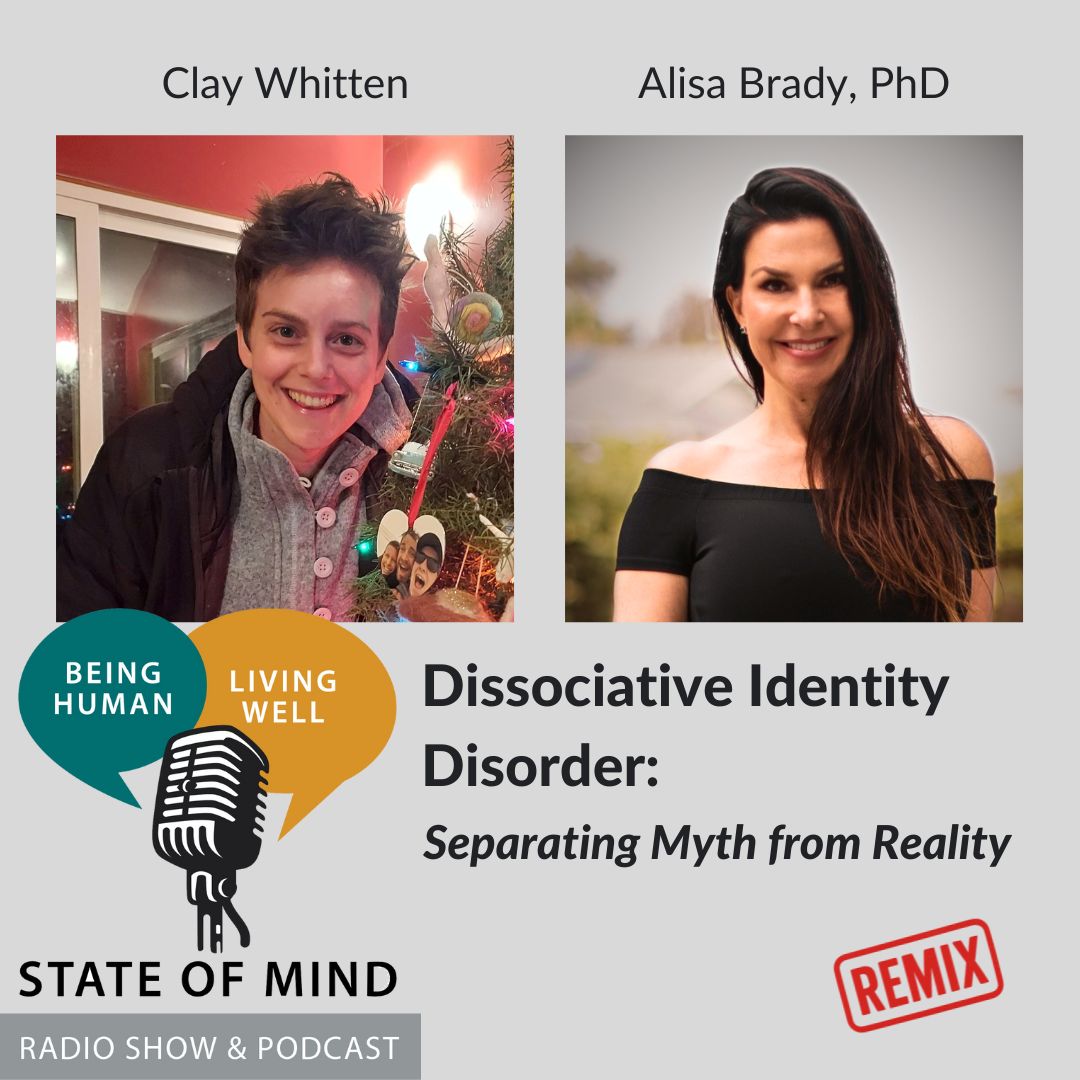
Dissociative Identity Disorder: Separating Myth from Reality (Remix)
Jan 2800:58:00Tap to summarizeEpisode 87: Dissociative Identity Disorder (DID) is one of the most misunderstood mental health diagnoses. In this remixed episode, Dr. Alisa Brady and guest Clay Whitten—who lives with DID—offer an inside look at the condition that separates myth from reality. The conversation explores how DID develops, the challenges of misdiagnosis, and how Internal Family Systems (IFS) therapy can support healing.
Transcribe →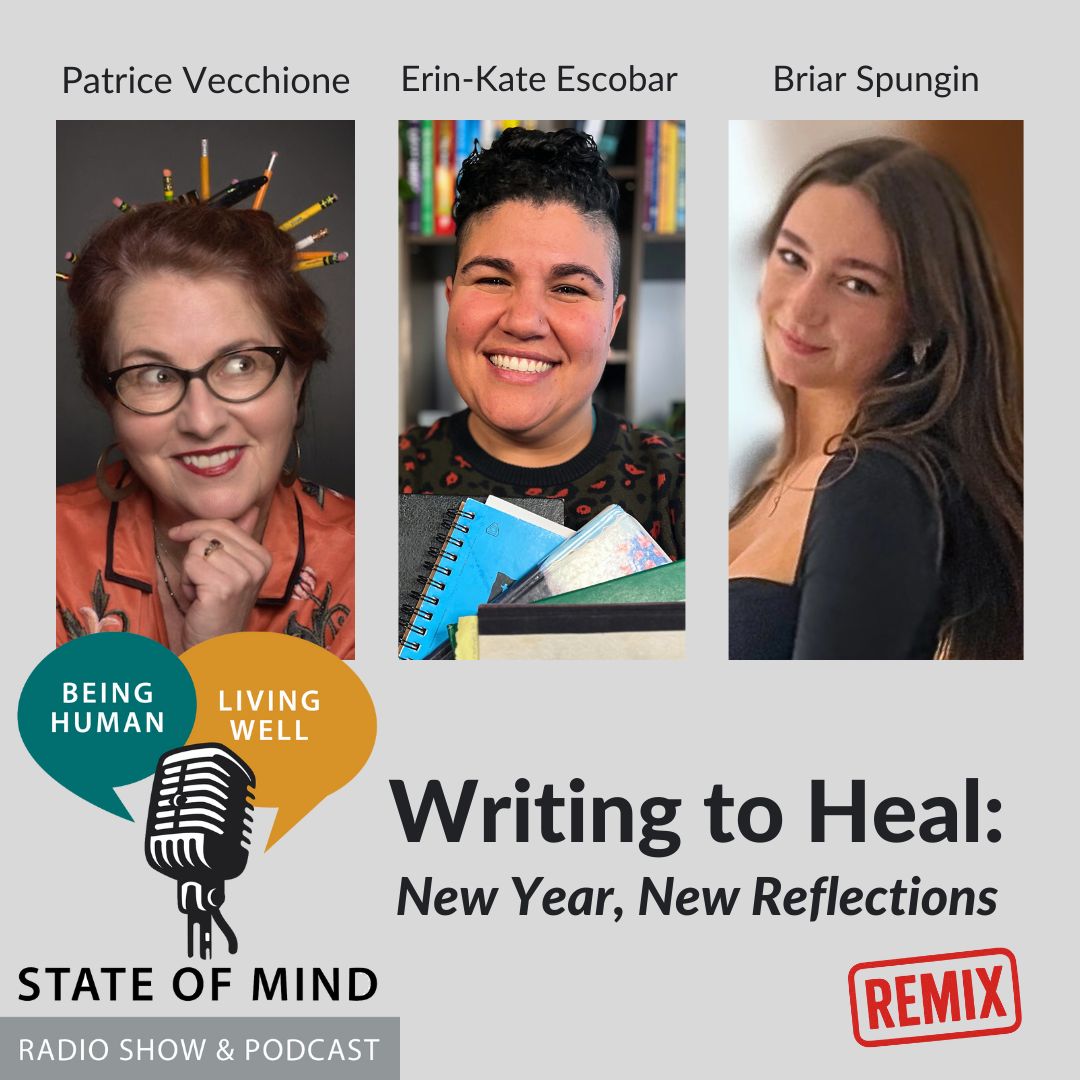
Writing to Heal: New Year, New Reflections (Remix)
Dec 3100:58:00Tap to summarizeEpisode 86: Writing can be a powerful tool for healing. This episode explores how storytelling, poetry, and journaling help people clarify emotions, process trauma, and make meaning from life experiences — both painful and joyful. It opens with a powerful Holocaust survival story that highlights writing as an act of healing, and continues with reflections on identity, resilience, and self-discovery, including a personal story about turning inward during the pandemic and finding a voice through poetry.
Transcribe →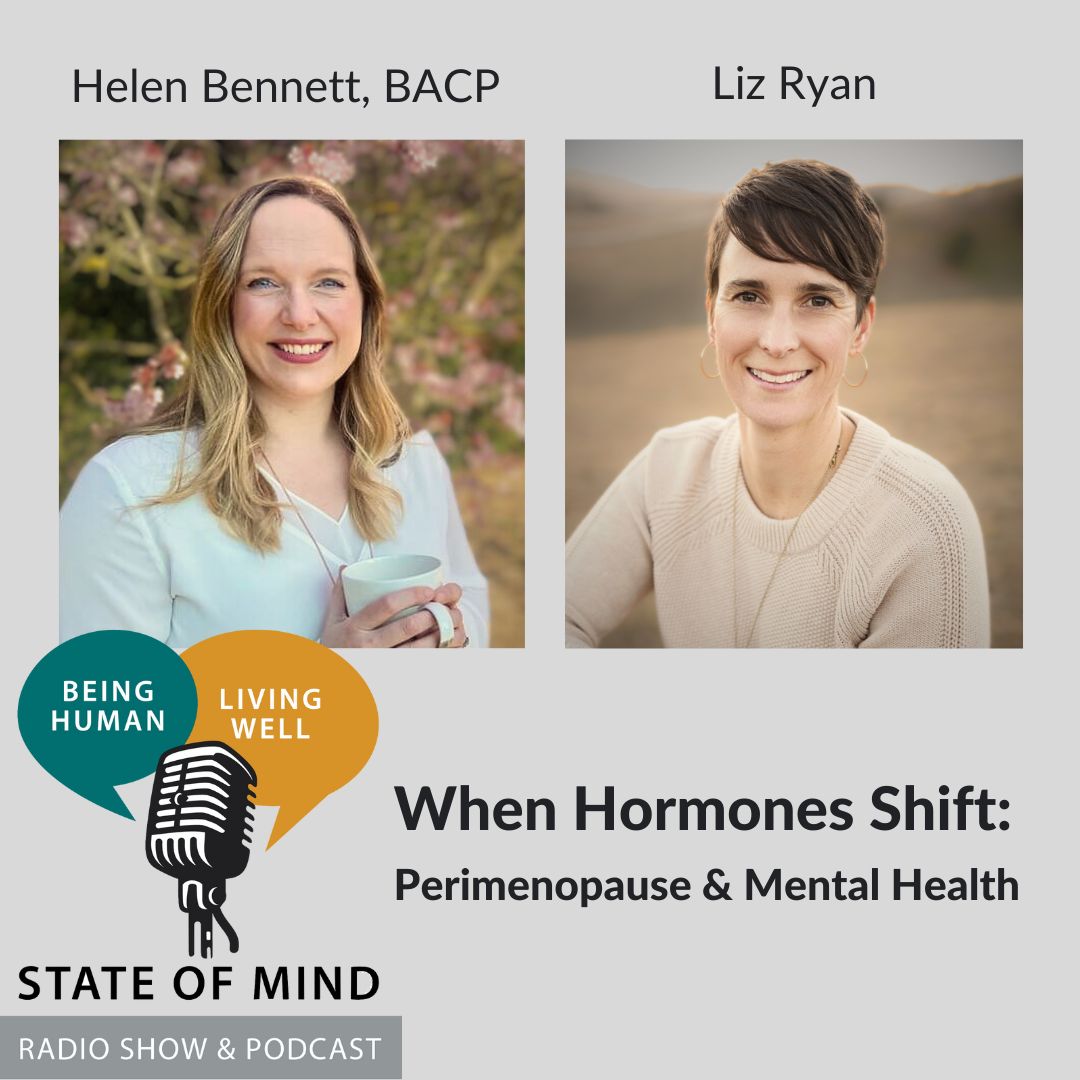
When Hormones Shift: Perimenopause and Mental Health
Dec 300:58:00Tap to summarizeEpisode 85: Hormonal changes and perimenopause can start earlier than many women expect — sometimes in the 30s — bringing shifts that deeply affect mental health. Anxiety, irritability, depression, headaches, and brain fog are common, yet often misunderstood or misdiagnosed. We’re joined by psychotherapist and hormone expert Helen Bennett, BACP, and experiencer Liz Ryan to share both clinical and personal insights into how hormonal changes impact daily life and emotional well-being. Liz’s partner, Casey, also reflects on navigating this transition together and its effects on their relationship and family. Tune in to recognize the signs, find support, and feel less alone during this transition.
Transcribe →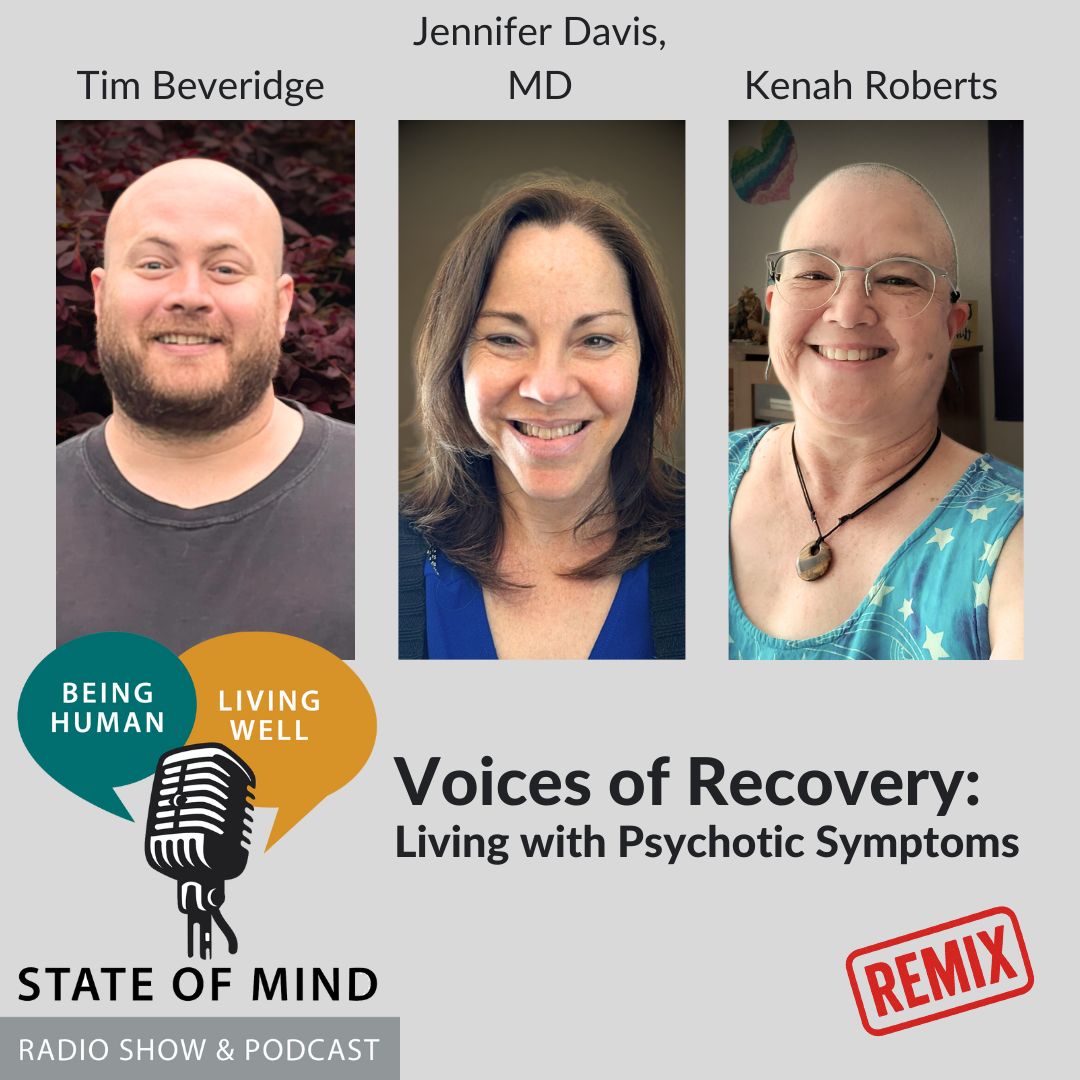
Voices of Recovery: Living with Psychotic Symptoms (Remix)
Oct 2900:58:00Tap to summarizeEpisode 84: Psychosis is more common than most realize—affecting up to 3 in 100 people in the U.S.—and early treatment not only improves recovery but also reduces negative impacts on the brain and leads to better outcomes. In this remixed episode, host Debra Sloss talks with Dr. Jennifer Davis, psychiatrist, Tim Beveridge and Kenah Roberts about understanding and recovering from psychotic symptoms. This new version also includes a heartfelt “In Your Voice” story contributed by Angela, who shares a powerful personal view of living with psychosis and finding hope in recovery.
Transcribe →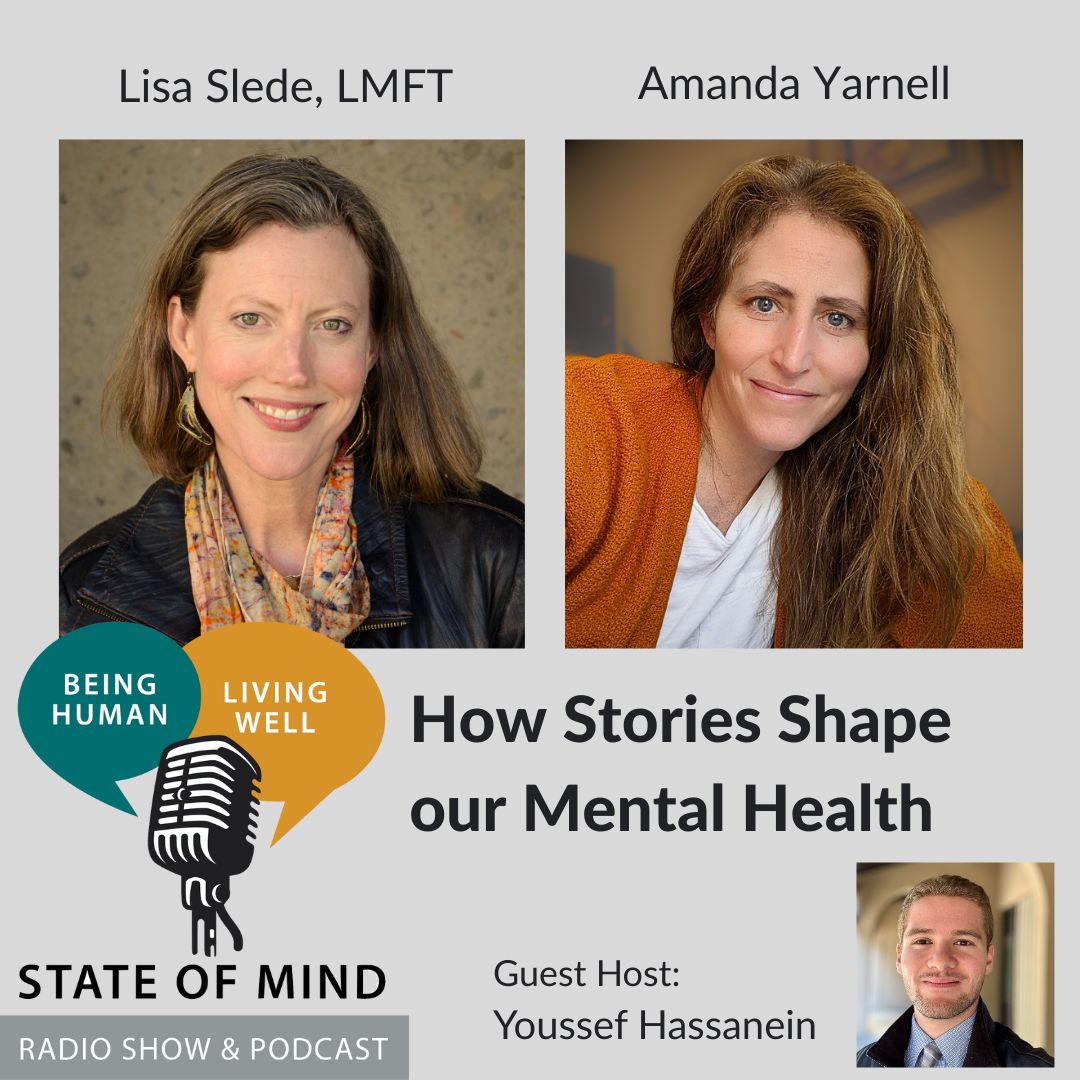
How Stories Shape Our Mental Health
Oct 100:58:00Tap to summarizeEpisode 83: Guest host Youssef Hassanein talks with therapist Lisa Slede and Harvard health communications expert Amanda Yarnell about how personal and cultural narratives can heal, connect, or mislead us. Amanda offers tips for navigating digital misinformation, and storyteller John A. Jacobs reflects on how creative expression has shaped his life. It leaves listeners with the question: What stories guide your life, and how might crafting them more intentionally support your well-being?
Transcribe →