Podcast
Studio Insights
Hosted by Provost Studio · EN
Provost Studio is a purpose-built, cross-disciplinary boutique design firm that has all of the necessary expertise to create award-winning broadcast environments, branded spaces and interior architecture.
9episodes
Episodes
Newest firstAll episodes
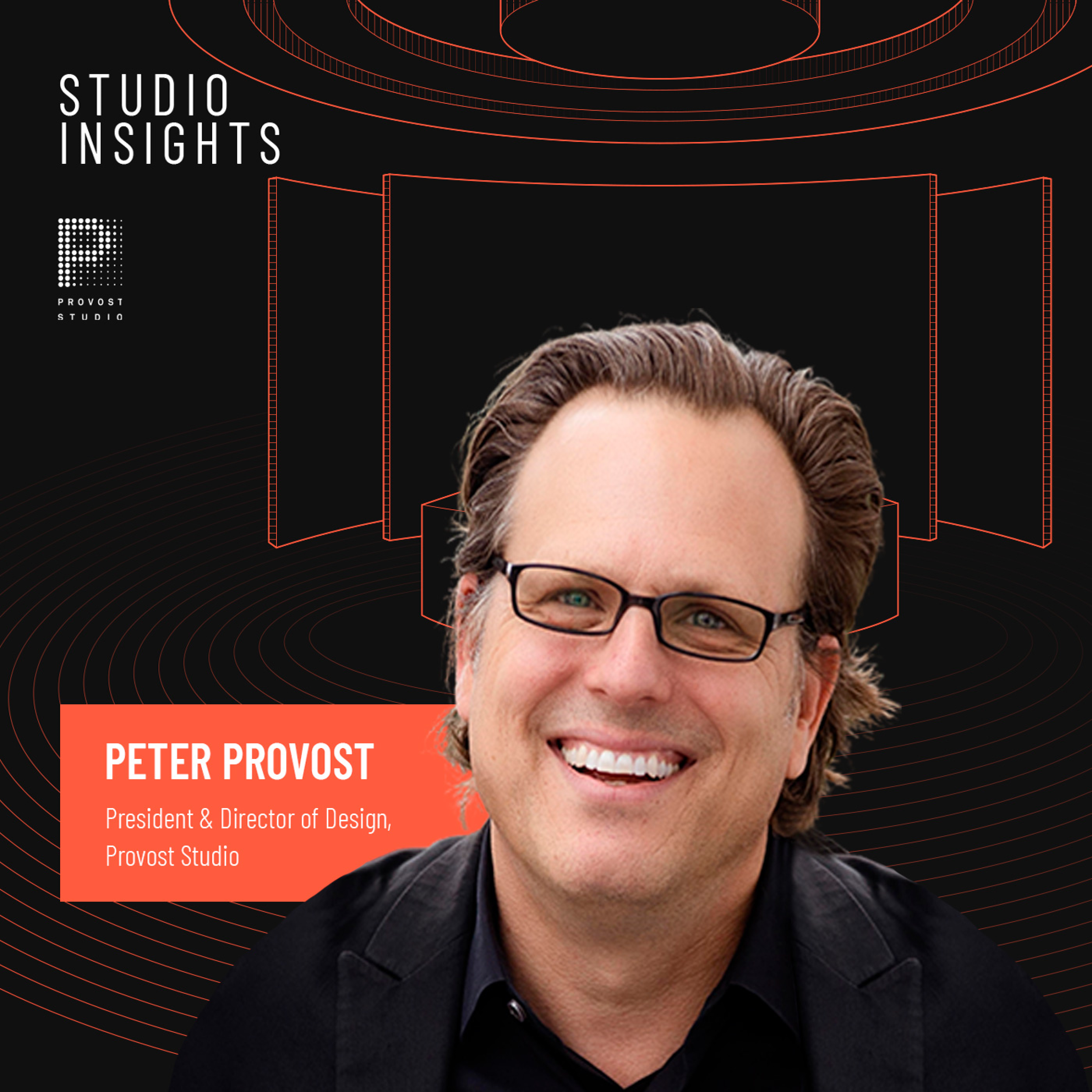
Studio Spaces in Corporate Spaces with Peter Provost
Mar 22, 202200:23:55Tap to summarizeCompanies recognize the need to produce video content to reach an audience more than ever before. Even further, the need for video content creation requires more access to production studio space. Peter Provost, President and Director of Design at Provost Studio, sees this rise of studio spaces within corporate workspaces. He spoke to Tyler Kern about why that is, and the advantages corporations and businesses can see when adding a studio into their corporate office environment.“Companies are using video to do one of two things: internal communications or external communications, or both,” Provost said. From c-suite messages to training videos internal messaging, video is now an essential part of those communications. And external communications also utilize training videos as well as thought leadership communications. There are many possibilities for companies interested in using video for communicating their message.
Transcribe →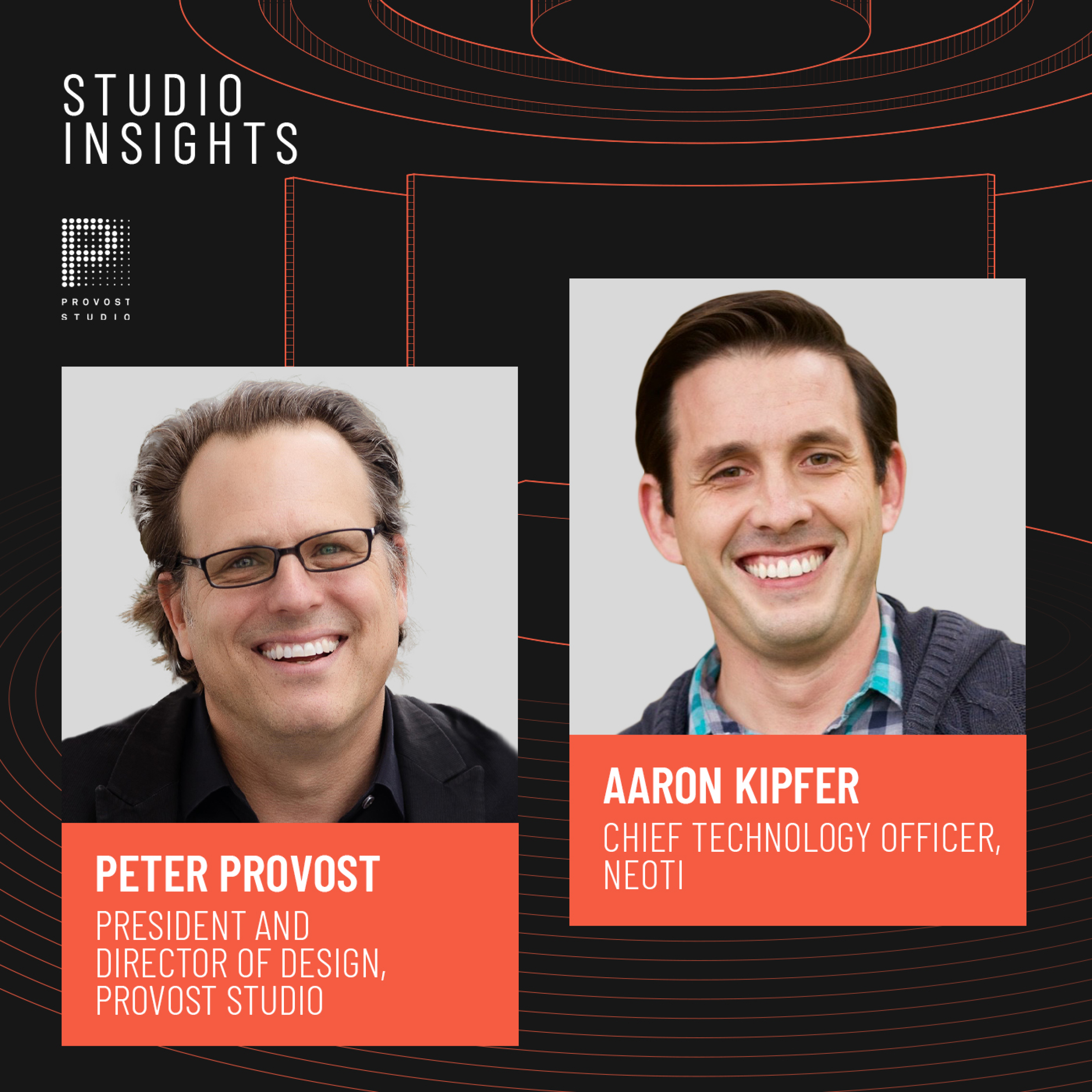
Video Walls and Post Pandemic Planning
Mar 8, 202200:28:31Tap to summarizeLED technology has significantly advanced over the years, making it easier to use and integrate, and thus causing the “boom” in demand. “LED has become so popular and so accessible in the way that it displays images, that you’re starting to get near-TV quality and direct view technology, which allows you to have much more flexibility and how you produce displays rather than just being constrained to TVs themselves,” Kepfir explained. While most consumers think that the best of the best is what they need, Kipfer explained that’s the industry’s biggest challenge — buying for what they’re using it for so as to not overspend. Both Provost and Kipfer added that their companies aren’t looking to sell clients unnecessary products; they prefer to work in a more consultative approach that’s budget-friendly, solution-oriented and will keep them coming back in the future. “What happens after the sale is the most important thing … we make sure that everybody is taken care of now to 5-10 years from now,” Kepfir said. With similar values and business strategies, Neoti and Provost Studio make the perfect partners. To learn more about the future of broadcast environments, branded spaces and interior architecture, subscribe to Provost Studio’s Studio Insights podcast.
Transcribe →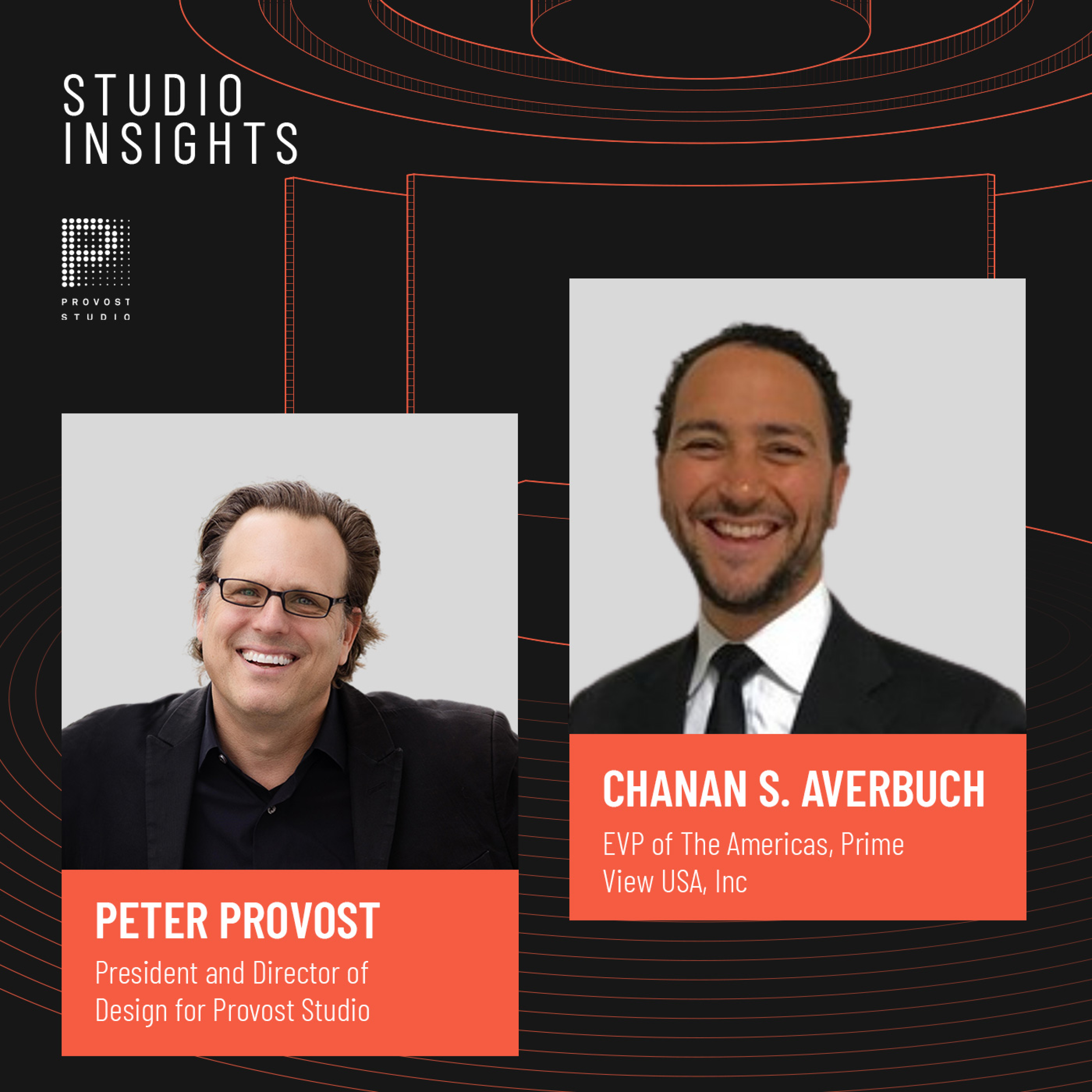
A/V Display, Fan Engagement, and Augmented Reality
Feb 22, 202200:35:45Tap to summarizePrime View USA is unique because they offer LED display technology and monitor display technology. Having both broadcast and branded environment skillsets is unique since it allows them to display content and produce it in an immersive way. Recently, sports facilities, including both professional and collegiate levels, have seen increasing use of large LED spectaculars combined with a branded environment to engage fans. Currently, E-sports and real estate are two sectors with booming A/V use. The housing market is strong, and technology is integrating with mixed branding in this sector. Hybrid experiences are becoming more crucial in the A/V industry. “Hybrid doesn’t just mean designing for a hybrid environment, hybrid means designing for fan engagement, for people who are not in the stands and somehow incorporating into the physical space, too,” he added. This will prove crucial to engaging employees in the virtual workspace. Employers also need to think about how to make the physical space attractive and convince employees to come into office at times. Looking forward, Averbuch believes AR and VR are a few years out from becoming ready for the public. Provost believes the client relationship is the most important aspect of advancements and the future of the field. “It’s really about helping the client think through beyond what you’re going to do for them and make sure that they understand what you’re going to do in the future,” he stated. Contact Averbuch on LinkedIn and follow the Studio Insights podcast on Spotify or Apple iTunes for more information about this topic.
Transcribe →
The Interconnection of Equipment and Workflow
Feb 8, 202200:19:38Tap to summarizeAs a project manager, Koniarz wears many “hats” to get the job done. “As a project manager, I can oversee it. As a technical director, I know what needs to happen. As a design manager, I can help make choices for what will work for fabrication,” he explained. With his extensive experience, navigating through the pandemic difficulties was doable, but not easy. Koniarz noted how realistic timelines are now one of the more stressing components of the planning process. For instance, a regular item like laminates now may have a six-week lead time or is even back-ordered, which is less than ideal for both the customer and business. With material availability in question, Koniarz and Provost noted that planning, expectations and being flexible are critical. However, shorter turn projects have the most pressure. “When you get with clients on a 90-day project and ideas start spinning, you need all the players in place so we can determine what we can deliver.” Provost added, “That’s why we design-build in two phases. Phase one is the concept, parameters and scope. Having Stefan in that phase helps me know if something will work before we get to phase two.”
Transcribe →
Shining A Bright Light On Studio Design
Jan 25, 202200:30:34Tap to summarizeLighting systems integration is infrastructure. “My role in the equation is to bring all those pieces and parts you need behind the scenes to make those lights work the way they need to work,” he said. Those pieces include power distribution, data distribution, structural support coupled with the control system, and lighting fixtures. Each element needs to be examined before the design. Production teams can choose a design build, which is when the design team runs from the beginning through construction to the show. Or they can choose a design bid where there are separate design and construction teams. Many choose to bid after the design is done, but there must be time to bid the job and translate design details to the construction team. This is often forgotten in decision making of bid versus build. Integrators offer “the smarts with the parts,” according to Gebbie. “You can go to a dot com, you can go to a large supply house, and you can buy a lot of these products, but you’re not getting any of the intelligence that comes with it.” Integrators mix and match brands for the best outcomes. Design teams are finding other benefits of hiring integrators. “Part of the good thing about technology and the integration of all of these things is it is starting to allow a greater control of the end product,” Gebbie explained. Ultimately, bringing experts in early helps avoid mistakes and is beneficial in the long run. Visit barbazon.com and provost-studio.com or subscribe to the Studio Insights podcast for more on this topic.
Transcribe →
Studio Acoustics & Noise Performance
Jan 13, 202200:30:00Tap to summarizeClients may accidentally forget about acoustics until something is not right. “It’s sight unseen, sound unheard, so they can get away from it, especially if the projects are driven by more aesthetic decisions,” Haas explained. However, considering acoustics in the early production stages can be a huge frustration reliever. Recruiting sound assistance early allows examination of sound section and construction before recruiting onsite help. Haas often identifies layout mismatches that negatively impact sound, such as having an industrial kitchen or cafeteria next to studio. “Because the broadcast is such a controlled moment relative to the content, we don’t want things to be distracting,” said Hass. He continued, “When we do our job well, no one notices. Because in most cases, we’re not there to wreak havoc with aesthetics or functionality of the room. We’re there to actually compliment it and make it perform that much better.” Provost agreed, adding that they exist to help clients think through gray areas. “You have to ask the question first to know what you need to do. We are here to help. We’re not here to try to convince somebody to do something they don’t need to do,” he said. To learn more about SH Acoustics, visit Shacoustics.com or their social media pages. Provost’s and Haas’s email addresses are located on the website as well.
Transcribe →
Roundtable Discussion: Broadcast Studio Project
Nov 10, 202100:35:21Tap to summarizeHow does a broadcast studio project come together? Hint: not without the collaboration of several partners working together to make state-of-the-art and art (this does not make sense; state of the art what?). Studio Insights brought together a panel of key contributors to the new FOX5 DC-WTTG Studio to learn how they did it. Peter Provost, Director of Design & President of Provost Studio; Ben Jacobson, Project Manager at Mystic Scenic Studios; Tony Siniscalco, Systems Designer/Project Manager, The Lighting Design Group; and Jim Landy, Founder, AV Design Services, LLC, discussed the challenges, opportunities, and learnings from working together on such an ambitious project.“I like to think of us as the orchestrator of it all in terms of bringing the right people on for the right jobs, Provost said. “My role as the director of design for Provost Studio is responsible for the quality and trajectory of the design, and then managing client expectations, and getting the right team together for the project. And for this job, Provost found that team in Mystic Scenic Studios, The Lighting Design Group, and AV Design Services, LLC. (not sure where the quote ends here but needs the end quote)Siniscalco credited his prior training in theatrical and venue lighting for understanding how not all lighting situations and environments are the same and the approaches and considerations needed when building a studio environment. “I’m constantly looking at not just what the lighting infrastructure is, but what’s the HVAC infrastructure. Where are the sprinkler pipes? How is the conduit run? We’re constantly looking at things in BIN models and CAD drawings, trying to make sure everything is lined up the way it ought to be.”From the studio design end, Jacob explained the best-laid plans don’t always work out, and creative solutions are needed as construction issues present themselves. And none of it happens without collaboration from all the various partners working together to make sure their part of the project fits in with the others.Mystic Scenic https://www.mysticscenic.comThe Lighting Design Grouphttps://ldg.com/AV Design Serviceshttps://www.avds.tv/
Transcribe →
Designing a Future-Ready New Studio
Sep 20, 202100:23:15Tap to summarizeProvost Studio knows there are many considerations at play when designing a new webcast studio. To better understand all that goes into designing a new studio, Provost’s Director of Design and President Peter Provost and project manager Brian Stockmaster gave host Tyler Kern all the insights.Stockmaster’s background in technical theater and 25 years in fabrication shops and project management make him the perfect person to help bring Provost Studio’s clients’ visions to reality.“Somebody like Brian, who has the level of expertise at what he does, it’s critical to making the project work,” Provost said. “It’s not all about design, all about what’s in front of the camera, because, ultimately, it’s about all the stuff that happens behind the scenery that makes it durable, last, useful and effective for the clients.”Provost and Stockmaster were quick to point out that while many clients have varying degrees of experience with video production, they may not have the expertise required to develop a studio from the ground up. For these reasons and more, Provost extolled the virtue of Stockmaster’s experience in ensuring studio projects go beyond the clients’ expectations.As for considerations when planning a studio space, Stockmaster offered some helpful insights.“Your space selection is probably the first thing we should look at,” Stockmaster said. “[Are you] converting an old conference room, or are you building a new building? Do you want it to be an open space so you can have a more newsroom feel to it? All of these have a lot of variables that we want to look at. Everything from electrical, data, structural – we want to take a look at the space as a whole from the acoustic point of view and work with our clients to choose the right space based on their needs and where they want to grow.”
Transcribe →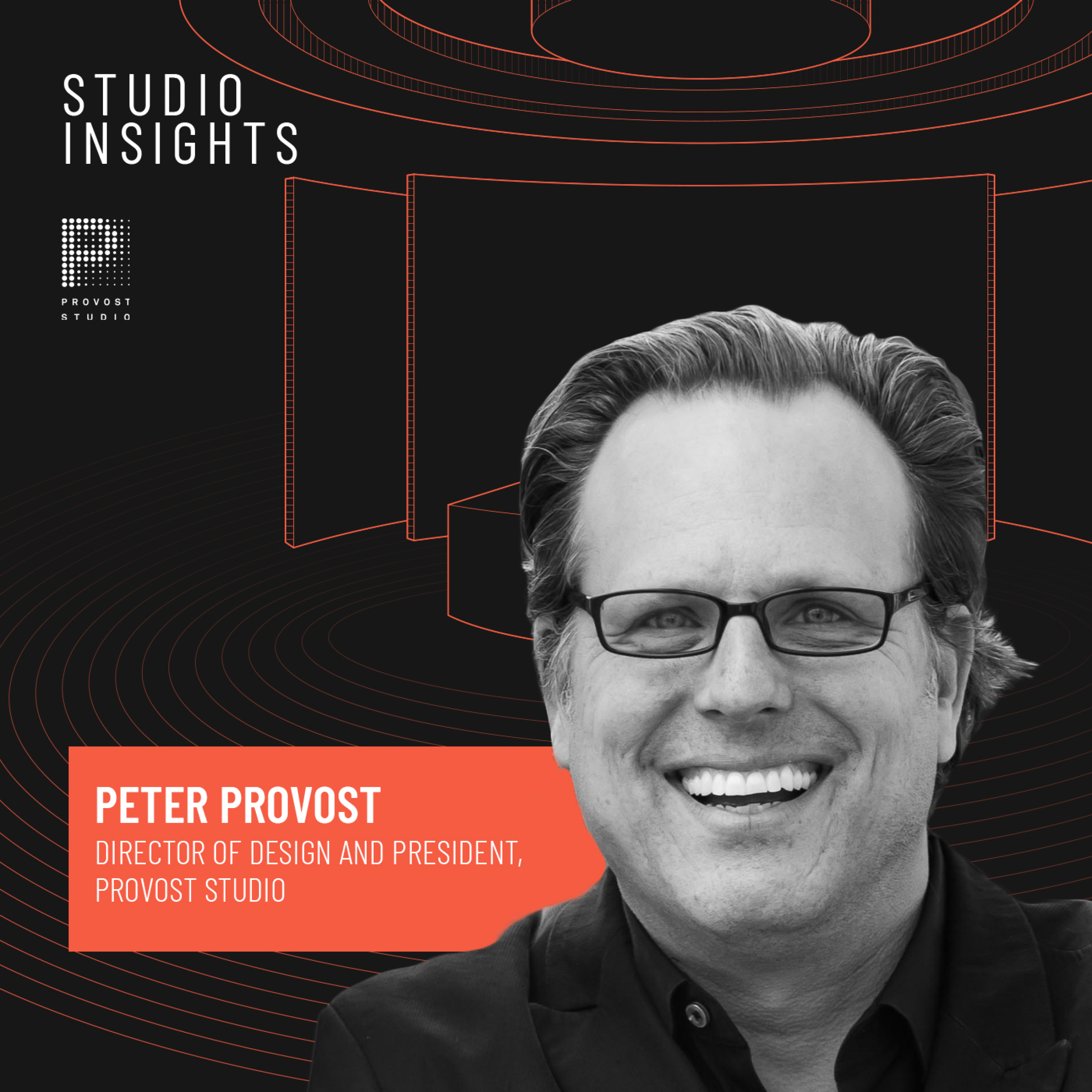
Introducing the Studio Insights Podcast
Jun 24, 202100:18:02Tap to summarizeLaunching a new podcast is exciting for any organization, and Provost Studio began its journey with the medium with an introductory episode.
Transcribe →