← Success Story with Scott D. Clary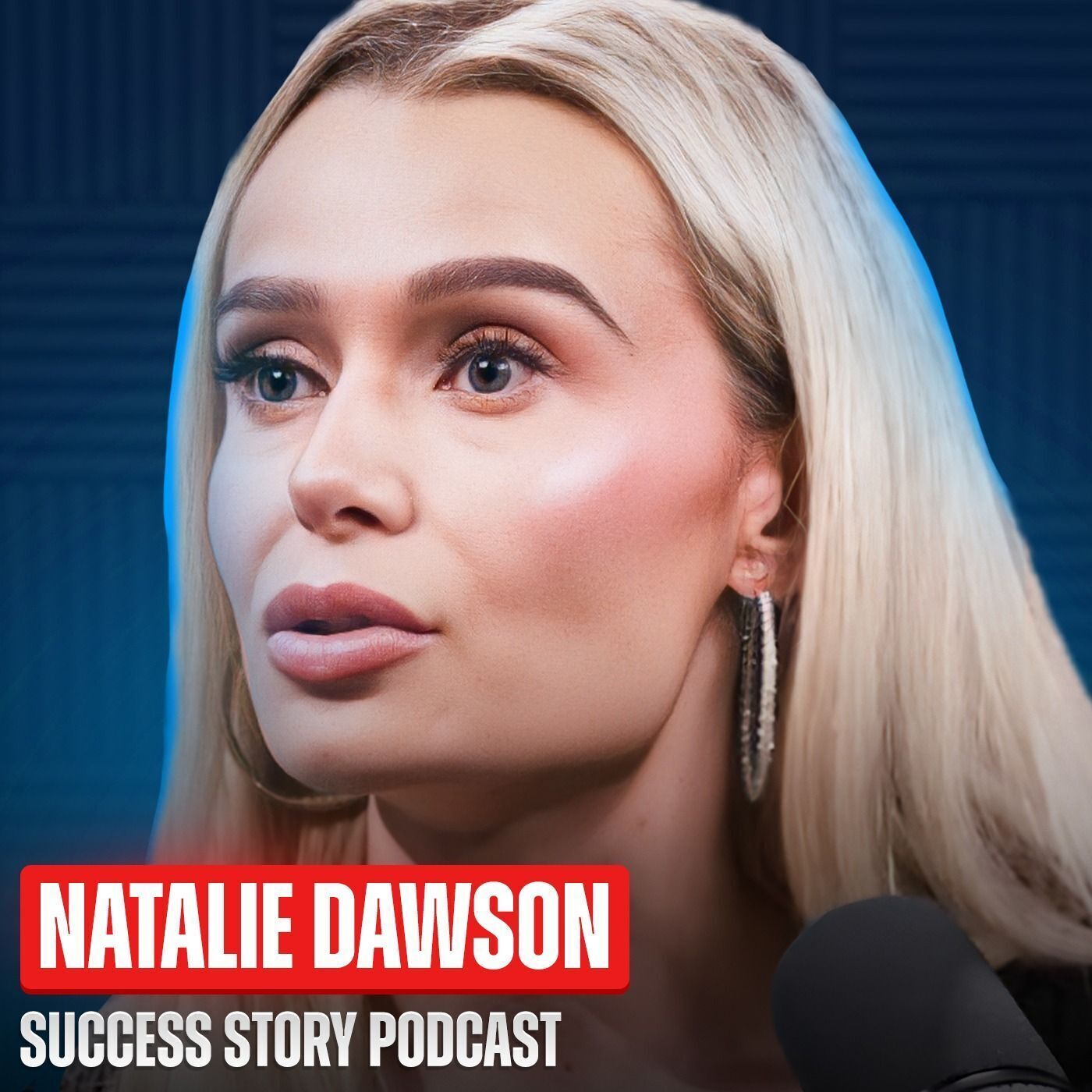
Success Story with Scott D. Clary
Lessons - Attract & Retain A-Players | Natalie Dawson - Hiring & Retention Expert (Cardone Ventures)
00:12:36
In this Lessons episode, we uncover the secrets to building a powerhouse team with hiring and retention expert Natalie Dawson. Learn how to attract top-tier talent, cultivate a workplace that keeps A-players engaged, and implement strategies that drive long-term loyalty. Plus, discover why the right hiring decisions can determine your company’s growth trajectory and overall success.
Loading summary
Transcript9 lines
- [00:00]
A
In this lessons episode, we explore why talent is the ultimate X factor in business success. Learn how to attract and retain high performers in a competitive job market. Build a workplace that fosters ambition and loyalty, and create opportunities that keep top talent invested in your vision. Plus, discover why the right hiring strategy can make or break your company's growth. So the X factor, and I agree completely. I mean, I think too many people raise money. I think that. So, yeah, if you don't know how to read a P L or even create one, like, that's a big issue. So the caveat, the takeaway is don't raise money for most businesses, build it profitably from the get go. But the X factor, like you can build SOPs, people will understand the concept of building systems and processes around what they know. Even if they're not doing it, they can do it tomorrow. The X factor is people. The X factor is always people. And I've heard this time and time again, especially post Covid. And even I don't know what the rest of the US Is like or the rest of the world, but I have friends that run businesses and I have not had to hire people in the US since COVID ended. So I've been able to hire all over the world. Pre Covid was a different story. We had people in Canada and the U.S. um, but post Covid, it's all been. It's all been all over. But I have friends who have tried to hire and they say that the talent landscape post Covid is very difficult. It's very difficult to get great people. And I. These people are not bad business leaders. But it's like the wildest stories, like somebody will be hired W2 employee and they'll negotiate a salary, and then the first week they'll say, I want more money. Like things that didn't happen in my life at least. So the X factor is always people. The first person, like that founder led business, they're making money themselves. They hire a sales rep. Maybe they're not closing as much as the founder does. So those first few hires, super important. How do you navigate the talent climate? How do you find the right person? What is your framework? Because now you have thousands of employees. So you figured it out. What is that strategy?
- [02:20]
B
I am a big believer that business is won through creating a people game. And you have to think about yourself as a founder, as an entrepreneur playing a game with finding great people. It's not just, oh, I'm gonna find one person and they're gonna solve this problem. And I'm Playing this game of checkers where it's just one piece at a time. Oh, I need a marketing person. Oh, I need a salesperson. Okay, now I'm gonna go out and recruit. It is a game that you have to play for a long period of time to help the market understand why you are the founder or the entrepreneur or the business that great people want to work with. And so first, it starts with, how are you promoting that you are a great place to work at? Are you talking about, in our business, Cardone Ventures? Are you talking about the fact that people are winning inside your company, not just your clients, but your team members? We have team members who came to work with us who were making $60,000 a year and are now making $400,000 a year. We. We've only been in business for five years. We promote those stories, but we're thinking about that when we make that initial hire of somebody who is saying, I'm making $60,000 a year. I'm applying for a job here at this compensation, but I have radical goals. So how do you find people who have radical goals but are at a starting point where the business can afford to hire that person? Most businesses cannot afford to hire somebody at $400,000. They can't afford to hire somebody who is hungry that's making $60,000. Who has the vision for their life of wanting to make 400,000, but has. Has actually no idea how to get there, because if they knew how to get there, they would already be making $400,000. We live in a free market economy. If somebody could go down the street and make that amount of money, they would go and make that amount of money. And so as a business owner, if you're playing this game of people, you're really thinking about, I need to create a brand for our organization where great talent thinks of us as a place where people come to find success and to have their success be easier with me than they would be able to find success with somebody down the street. So how are you promoting that? How are you constantly recruiting for people and posting jobs, even if you're not hiring for those roles, to tell the market that you are recruiting and you're constantly looking for great talent, and then once they come in the door, how are you exemplifying that you are actually interested in their success? I think what's made us successful in this hiring market over the last last five years, pre. Covid. Post Covid. Is you're getting an opportunity to work alongside real leaders in a. In a Non virtual work environment. We have an office here, we have an office in Scottsdale. They're seeing how I work every single day. They're seeing how Brandon works every single day. They are like rubbing shoulders with us constantly to solve the, the largest problems inside our organization. And if you take that and you apply it to a small business, we had the exact same principles five years ago as we do today. We create this that allows people who have this dream have this hope for their lives because we're marketing to them as a candidate journey. Not just a customer journey, as a candidate journey. Because we're playing this people game. And this candidate journey is telling them you can achieve your personal, professional and financial goals through working here alongside us. We've achieved our personal, professional and financial goals up to a point. So there is some success that you can follow. But we have radical goals for this organization and we are committed to growth. So once they're in the environment, in order to keep them, they have to actually see that we're really doing the actions that demonstrate that we're committed to those things. So if they saw us on vacation all the time or if they saw us not really being interested in their success, if they saw us just like half assing the work that we do with our clients, it would be a different story. But instead what they see is a team of people and leaders. Back then when we had zero employees all the way up to today, when we have hundreds of employees working on the weekends and being here before people and being here after people leave and they really are understanding what it takes to be successful. So it's the entire package of we sold the dream, we're marketing to candidates that this dream is possible here because we have this target of where this business is going in the future and we're really clear about that target. And then once they come in, they are testing and watching and seeing how serious we are. And so we have to be serious every day. And I do find that a lot of business owners really struggle with that level of seriousness and that level of commitment because they create a business around a lifestyle. And if you want a lifestyle business, that's totally fine if that's your prerogative. But you are going to lose a people game if somebody else is not actually fulfilling their side of the the.
- [06:50]
A
They're not. They're not being role models for the.
- [06:52]
B
Yeah, you're going to lose that person and somebody else is going to find the better talent because they actually want to be around people who are able to make their success Easy when you're.
- [06:59]
A
When you're trying to find that high performer. Because you're talking about all super high performers. I mean, somebody who's making 400 grand, obviously highly ambitious person. So how do you manage getting them to commit to your business while not also getting them to commit to any other side hustle, any other thing they're trying to take on? Because now everybody is trying to be their own influencer. And I mean, I have my own thoughts about. I do believe that if you hire people, like, I'm super happy. If they build a personal brand, start something on the side, I think it helps them upskill. This is my personal opinion, and there's a lot that goes into that. But for yourself, I'm curious. You know, when you hire somebody like this, there's a very high likelihood that they are either looking for the next thing, how to make more money. When you start making 400k, you're like comfortably poor at that point. So now you realize that, damn, life is good. But I'm also in Miami, so how do I make a million dollars a year? And maybe it's not with an organization, or maybe it is, but the person who makes that kind of money, I believe is inherently very entrepreneurial. I think they are somewhat entrepreneurial because they're really striving, and if they put that much energy into their own business, there's a chance that they could actually succeed as well. So how do you manage that personality type? Because everybody wants that person. But then at the same time, maybe it's easier if somebody is okay. Again, nothing wrong with how much money you make. You make 60k, make 400k, make a million, make 10, it doesn't matter. But if somebody's okay making 60k and they're not looking for the next thing and they're happy with that, then maybe it's less of a liability to the company.
- [08:34]
B
We start the conversation with our team members around their personal, professional, and financial goals. That is a process in our business. They are sitting down with their leader and saying, this is what I want to achieve. So if that person is saying, I want to be making $400,000 a year over the next three years working here, I want to then understand what does five years from now look like? Because what I know about being a business owner is it sucks most of the time and you could actually live a fantastic life working for somebody else, making more money than you would make by yourself. The stats with business do not lie. The majority of businesses do not make a lot of money. And Even if you took a high performer inside a business, it does not mean that they are going to be a high performance business owner and come with all of those challenges and all of that risk. And so when we're having these PPF conversations with the team member, if they're telling me that they want to own a business one day, I really have to get down to like, why do you want to own a business? Is it because you have to be the guy? There's that quality where some people are just like, I want to be the guy, I want to be the person. I'm like, okay, that's cool. Part of that is a little bit of ego because they have no freaking clue what they're talking about. They're making $60,000 a year. They'd never started a business before. They don't understand what those components are going to look like. And if they do think that they want to be the guy, we're probably not going to retain that person. To be honest with you, in five years, that hasn't happened for us. Our high performers have not left us. Especially the ones that started early on. The ones that are making. We have people making 400, 500, 600. The highest paid person probably makes $1.2 million a year. And it's better.
- [10:10]
A
That's a lot of money, isn't it?
- [10:12]
B
Yeah, it's good money. And going out and starting your business, there's a lot of risk where you aren't going to be able to replace that income and all of the things that go into entrepreneurship. And so for that person, we're asking that they go all in on their goals by being really focused on the set of problems that we have. If they, if we have a set of problems for somebody who is a high performer making $400,000 a year, that is not a 9 to 5 job. And we don't expect that they are going to be able to solve those problems at that compensation level in a 9 to 5 environment, because there's just more complexity than you clocking in and clocking out. That's not the mindset. So when we have that person, though, that doesn't see themselves being an employee forever, how do we create the opportunity, as Cardone ventures as any small business, to show them how they could be a future partner and build inside of what we want to create, which is a billion dollar organization. They could be the president of one of our verticals. They could be a president of our health vertical, or our H Vac vertical, or our roofing vertical, or a dental vertical and see themselves growing inside our business because we don't want to lose those people. And then they would still get the flexibility, the autonomy that they're looking for while still getting to do it with really cool people. The hardest part of starting a business is actually having to do it by yourself, and it sucks and it's painful and most people don't make it through that. So why wouldn't you want to continue to work alongside people who are always going to be pushing you and expecting more of you once you get to that level and partnering with you? Because there's more of a cushion there than you just going out and starting your own business. And this has been successful for us because it's an easy story to tell people and it's also getting them focused on what the problems are today. Instead of I'm solving these problems in my day job, but now I'm also solving these side problems and now my focus is split in two different areas. That person is going to be less good at both of those things than the person who just does go all in and focuses on the one thing in their career. Yes, they're choosing to take a gamble on the organization.
- [12:14]
A
Thanks for tuning in. If you found this valuable, don't forget to hit that subscribe button so you never miss an episode. And if you want to dive deeper into this conversation, check out the links in the description to watch the full episode. See you in the next one.