← Success Story with Scott D. Clary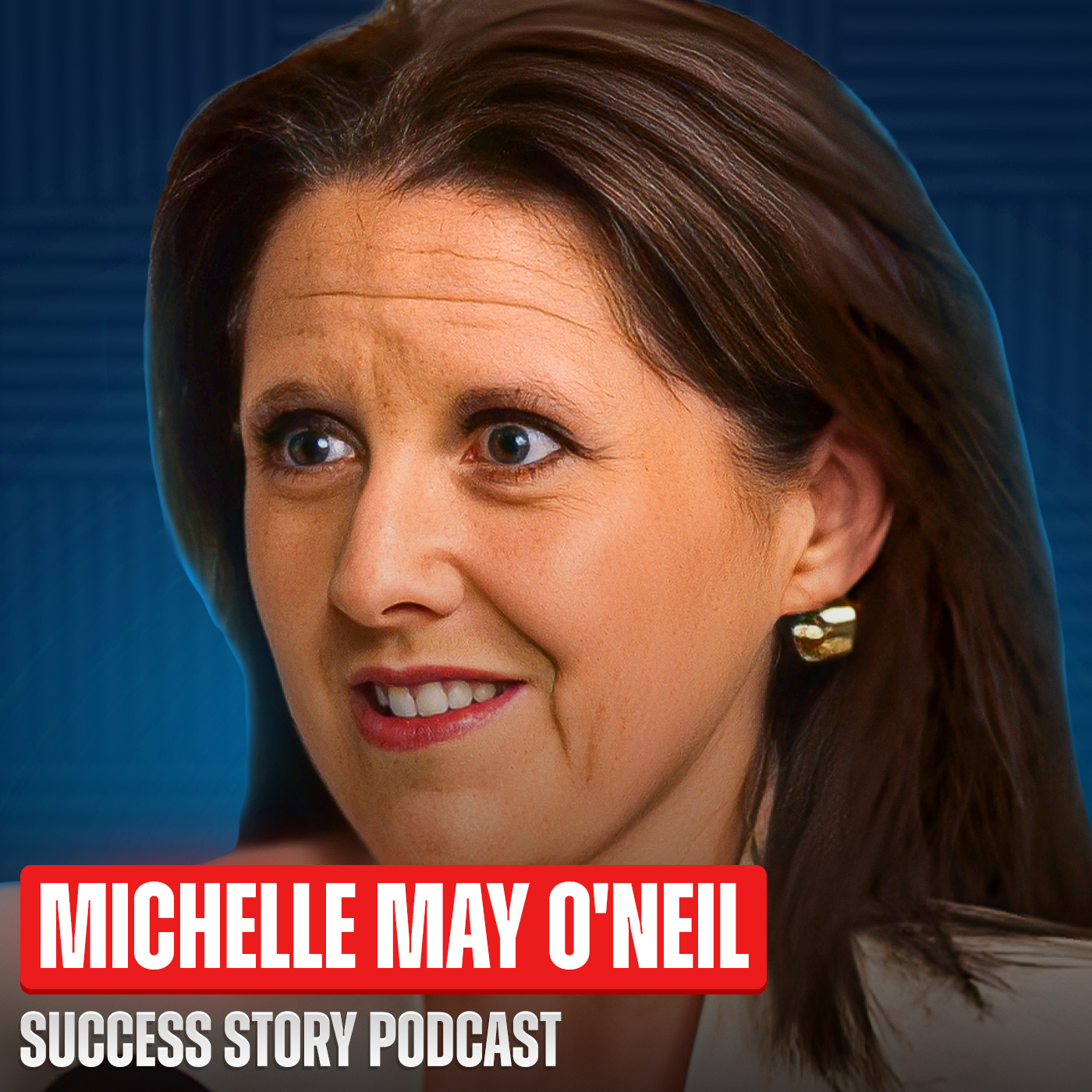
Success Story with Scott D. Clary
Lessons - The Real Reason 50% of Marriages Fail and How to Beat the Odds | Michelle May O'Neil - Relationship & Wealth Expert
00:12:31
Loading summary
Transcript17 lines
- [00:00]
A
In this lessons episode, discover why balancing relationships and business success starts with prioritization. Learn how treating family commitments with the same weight as work deadlines preserves connection. Learn why time is the ultimate measure of wealth. And learn how setting boundaries creates harmony between ambition and intimacy. I always laugh when people say they can't balance a relationship with their business. When you have somebody who built one of the biggest companies in the world, who did it just fine and who's still happily married and speaks about the importance of his wife and his relationship and his success. So that's one strategy. Always be dating, always setting time aside, what are some other ideas as you grow as a person, as your goals grow, as, as you change, assuming you're not changing for the worse, you're changing for the better, what do you, what do you see works in terms of keeping couples together as you go through this sort of journey?
- [01:02]
B
Yeah, look, it's all about prioritization. I mean, that's the bottom line. It's all about prioritization. And, and you know, the life balance is such a topic right now for people, especially women. You know, how do you balance it all? How do you have life balance? And you know, life balance is kind of like a stock portfolio. You know, when you're, when you're at work, be a hundred percent at work. When you're at home, be a hundred percent at home. And you just have to put life in buckets. You know, in your stock portfolio you're not going to have all 100% high risk stocks. You're going to have some of this and some of that and some of this and some of that. And so, you know, that's how, that's how your life should be. You can't be at work 100% of every day. You're not going to be there 24 7. I mean, now, are there going to be some times where you've got, you know, some big board meeting coming up or some big M and a thing or some big something where you've got to be there and you've got to be 100% there and it's going to take a lot of your time? Yes. Then you're going to have the thing at home or the, you know, the kids choir concert that takes priority or the two Tuesday night date night, that's priority. And you've just got to put your boundaries up around that, you know, and that deserves every bit of the same importance as the big deadline at work. And you've just got to treat it that way. And if you don't treat it that way. Then eventually that relationship will fail or the relationship with your children will fail. You know, if you don't put boundaries around what is it that's important to your child, you know, their soccer game, you know, whatever that thing is, you've got to put the same importance and the same boundaries around that thing as you do around that very important thing at work. And if you don't, then that relationship will fail. And, you know, and that's just. That's how it has to be. And. And it has to be the buckets, you know, and it just has to be a priority for you. And, you know, all that we have. All that any of us have is time. You know, we can. We can say that we have money. Money is just the barometer that we, you know, that we place here on earth with importance. But what we really have is time. And. And we, you know, how we spend our time is really our wealth. You know, that's how our children judge our wealth, and that's how our spouses judge our wealth is based on our time. So, you know, we all are given the same amount of time. That's the. That's the great equalization is our time. So, you know, the guy that owns Netflix, you know, the homeless guy on the corner, you know, we all. That's the great equalization. You know, we all have the same amount of wealth because we have the same amount of time. Beyonce has the same 24 hours in the day as you do. As I do. Like, we all are the same with the same 24 hours. And that's the equalizing factor. So, you know, so it's how you spend that time in your day. So equalize that. And that's how you say what's important to you.
- [04:35]
A
That's so such good advice. I think that this is why I like when people take risk early on in their life when they're young, because then they can afford to. They can afford to not have as much balance. They can say, I'm not dating. I'm not married yet. I don't have kids. I can put 95% of myself into my business or my career. But the issue is when that mindset doesn't just exist for a season of your life, but. But it exists in perpetuity. And that's when you get into trouble, and that's when people end up going to see you because they've maintained this imbalance for 30 years. And people, people. The sad thing about divorce and relationships that break is most people put so much energy and effort into trying to fix it for years before it ends up getting to the point where it's actually divorced. And those are painful years. They're very, very painful years. So I think that just being cognizant of where your priorities lie, where your time, everything you just said is so.
- [05:36]
B
Important, you know, I think that. I think that a lot of people spend a lot more time, you know, in the. In the catch. They spend so much time and energy trying to catch it than in to keep it.
- [05:48]
A
Why is that? Why is that?
- [05:50]
B
Yeah.
- [05:51]
A
Do you know, you have an idea?
- [05:52]
B
I think. I think the chase is more fun once you've got it. You know, it's not as much fun to try to keep it.
- [06:00]
A
That's when it's the most important.
- [06:01]
B
And that. Right. That's. I mean, that is when it's more important. But. But it's also not as much of a challenge or as much fun. But. And I think that's also maybe societal. You know, maybe we don't place as much importance or, you know, as much prioritization on, on the keeping.
- [06:20]
A
I think we should. I think. I think that. I think that, you know, maybe there's a little bit of moral, an ethical decay in society. I mean, you see it. You see the numbers in the data. I don't think it's healthy. Yeah. And I think that outside, you know, you can make an argument about why people get married or don't get married, but I think that by people not getting married and by not having families, I don't think that people are more fulfilled being single. I think that there's a lot of anxiety and depression about dating, about finances, about cost of living, about what is my life going to look like. So I don't, you know, people push back against religion and people are more secular and people sort of in some, you know, parts of the world, they push back against is. Or the nuclear family, but I don't see the mental health of people that push back against that being any better at all.
- [07:15]
B
Well, about a year ago, the surgeon general came out with a study that said that that post pandemic that we are. We are the loneliest in America that we have ever been outside post pandemic, like, coming out like we are. We are not in the pandemic anymore. Now we're lonelier, and we are lonelier than we have ever been. And we can go out and socialize and, you know, be in restaurants and everything still, but we are lonelier than we've ever been because that we don't. Somehow we are missing connection even after we can go out and reconnect with each other. And to me, that study that came out really kind of emphasized that point that somehow we are missing something about how to actually connect with each other. And that says so much just about friendships, about marriages, about like we said, businesses or relationships. I mean, just about how to just connect.
- [08:25]
A
I want to ask a couple more questions about entrepreneurship, money, relationships, because I think you have a front row view to a lot of this because you work in all the, you're like the perfect blend of person that deals with.
- [08:37]
C
All this stuff at the same time.
- [08:39]
A
So I, I'm curious if you see and the entrepreneurs you work with, are they more successful when they're with a spouse or a partner or are they more successful when they're single? Do you find there's any comm. There's any trend between those two?
- [08:56]
B
I think it just depends on the quality of the relationship. You know, if you're in a relationship that is bringing you down, then I don't think that that suits your success in the business world. I think that if you're in a relationship that is uplifting you and, and good for you as a foundation, then that helps you rise, you know, in your business. So you know me. It just so depends. I think that if you're, if your relationship at home is, is bringing you down, then you might be better off without that, you know, you, your business world might be better off if you didn't have that bringing you down. So I see a lot of my business clients, you know, they, they may be more successful after their divorce because they're not having this weight bring them down at home. That's then keeping them kind of weighted down at work. And then post divorce they then are kind of set for rising after they get divorced. And then I have other of my business clients after they get divorced, they may have a new marriage that is very good for them and sets them them up to rise. Have one client in mind who got remarried after his divorce and the new marriage just is, is got wind in his sail and he's just risen incredibly in his new marriage and has, has been very successful in his business after his new marriage.
- [10:42]
C
Thanks for tuning in. If you found this valuable, don't forget to hit that subscribe button so you never miss an episode. And if you want to dive deeper into this conversation, check out the links in the description to watch the full epis. See you in the next one.