← Success Story with Scott D. Clary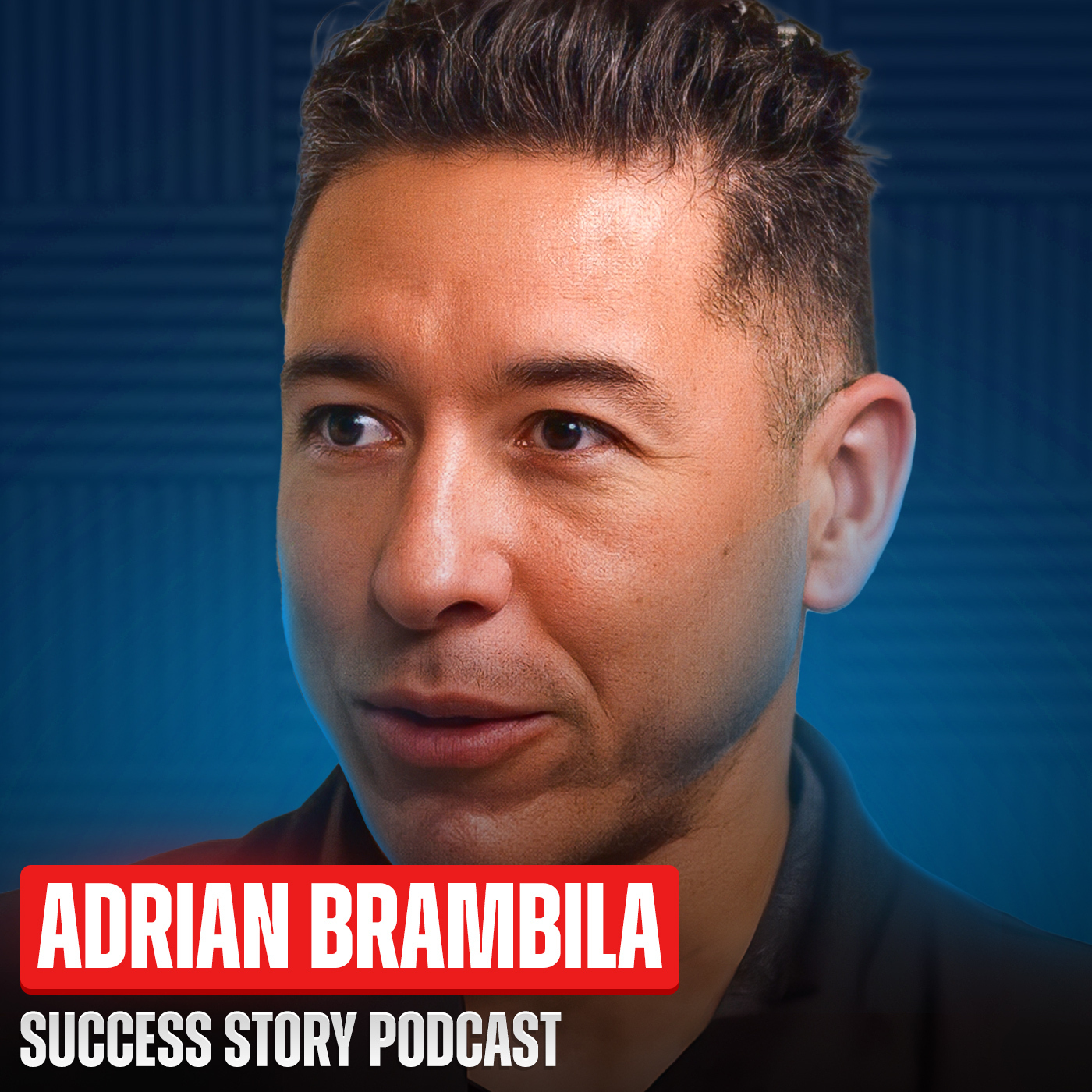
Success Story with Scott D. Clary
Lessons - The Wealth System That Transformed My Side Hustle Into a 7-Figure Empire | Adrian Brambila - Financial Freedom Expert
00:15:10
Loading summary
Transcript24 lines
- [00:00]
Scott
Prolon is a success story partner. Now long weeks and busy weekends, they can leave everybody feeling depleted and tired. We work nonstop and that's why I love Prolon's five day fasting mimicking diet. I love this company. Let me explain how it works. Basically, they have a fasting mimicking diet that rejuvenates you from the inside and out. They deliver plant based soups, snacks and drinks that keep your body in a fasting state while giving you nutrition. And when your body's in a fasting state, this triggers cellular renewal and it actually works. This is why I loved intermittent fasting for so many years. This is the magic of Prolon. And the exciting news is that they just launched a new next gen five day program. So it has all the benefits that they had before, but now they have 100% organic ingredients in their food, better taste and ready to eat meals that make the whole process easier. I've tried the original Prolon program. I felt fantastic whenever I do it. I personally cannot wait to try this new and improved version. And if you've never tried them before, you're in for a treat because the old one was great. I can't even imagine how good this new Prolon five day program's gonna be. And for a limited time, Prolon is offering Success story listeners, all you guys 15% off site wide plus a $40 bonus gift. When you subscribe to their five day program, just go to prolonlife.com Clary that's that's P-R-O-L-O-N L I F E.com Clary to get your 15% discount and your bonus gift. Prolonlife.com Clary this podcast is brought to you in part by Stash. Are you still putting off saving and investing because you'll get to it someday? Stash turns someday into today. Stash isn't just an investing app. It's a registered investment advisory that combines automated investing with with dependable financial strategies to help you reach your goals faster. They'll provide you with personalized advice on what to invest in based on your goals. Or if you just want to sit back and watch your money go to work, you can opt into their award winning expert managed portfolio that picks stocks for you. Stash has helped millions of Americans reach their financial goals and starts at just $3 per month. Don't let your savings sit around, make it work harder for you. Go to get.stash.comsuccess story and see how you can receive $25 towards your first stock purchase. And to view important disclosures that's get.stash.comsuccess Story paid non client endorsement not representative of all clients and not a guarantee Investment Advisory services offered by Stash Investments LLC and SEC Registered Investment Advisor Investing involves risks and investments may lose value. Offers subject to T's and C's. In this lessons episode, you'll dive into the deeper meaning of what it truly means to think rich far beyond just financial wealth. You learn how adopting a rich mindset rooted in abundance, ownership and internal control can transform how you approach business relationships and personal growth. It also challenges limiting beliefs and offers a powerful framework for building lasting success.
- [03:13]
Guest 1
I want to talk about just some of the lessons outside coming from the book. So when you say start thinking rich, we've gone in and out of some of those lessons already. But what does that mean to somebody who wants to read this book? What does start thinking rich mean in how they invest and how they live and how they build a business just as like a theme.
- [03:31]
Guest 2
I'm just going to say something that might be controversial, so I want to be super clear. We talk about poor people and rich people and actually has nothing to do with money. So I'm going to say poor people, rich people. Poor is a way of thinking. Rich is a way of thinking Broke is having no money. I've been broke and why I didn't stay broke is because I started to think rich. Rich people do things differently. Successful entrepreneurs do things differently. But we can just put this umbrella term that rich. Rich is something that you want to be. It's a way of, a way of thinking. There's different rules that rich people operate in that poor people don't, that they don't know about and people that are poor. Like one terrible poor mindset that people have is like rich people, in order to accumulate grow a company, you have to take advantage of other people or like in order to, to be, to make a lot of money, you have to be greedy. Or the this one bothers me so much. Like when you hear of like Warren Buffett or someone a billionaire that donates millions and millions of dollars to an amazing cause. Like a poor mindset would say, well, it's for tax purposes. Like they didn't really want it so they're dismissing like everything it takes. Like, like operating from rich rich standpoint. If you have these nasty thoughts about rich people and how, how you run your company, if this is what you think it's going to subconscious levels prevent you from growth and success. So rich is a mindset that you need to adopt. You need to think like this. And it's really switching from scarcity to buns. I know we talked about that a bunch already, but it's a way of thinking and it applies to like, I think also relationships and health and business. And it's something you want to adopt. And a lot of the times the reason why we, like most people aren't born rich. I wasn't born rich. And so we, we get these scripts on how the world works, how money works, how business works from our parents, more things we can blame our parents for. And most people don't have great examples of how to use money and what money means. Even if you are born rich on paper, you go out into the real world and you just saw your parents just, you always had stuff and money just comes and goes. So then when it comes to managing your own money or your company's money, you're almost irresponsible. Like you spend money because you don't assume responsibility. So everyone has to work through their money scripts. But how you think, like how I run my business, I also run my personal finance. The same. I'm, I'm conservative in, in this. As an entrepreneur, I think it's wild to me that I have, I, you know, understanding rich, I think just put a button on it. There's a difference between like a rich skill set and there's also like a wealth skill set. Entrepreneurs are really great. Typically those successful ones on a rich skill set, their ability to earn, create. But then when it comes to having that money stay and then also having that money make money, they're terrible at it. They're terrible at it because as an entrepreneur, we make money in the riskiest way.
- [06:24]
Scott
Yeah.
- [06:25]
Guest 2
But also we have to, we have to like get stomach muscles where that risk becomes normal and, and then we lose, we forget that actually what we're doing is very risky. It just is our baseline. So then when it comes to like.
- [06:38]
Guest 1
Investing that money, like, like money into wealth.
- [06:41]
Guest 2
Yeah.
- [06:42]
Guest 1
Are two wild things. Yeah.
- [06:44]
Guest 2
But like, I'm always very surprised when I meet entrepreneurs and they tell me what they're investing in and it's, it's so risky. Like they, and they lose it all, but it's because their baseline is so much higher. And again, a rich, A rich person, their thought is like diversification, like how they preserve their money and have it become legacy money. So again, rich way of thinking is totally different from, I would say, a poor way of thinking.
- [07:08]
Guest 1
I actually, you know, you can make a lot of money and still have a poor mindset. You can make a lot of money and still be fearful that you're going to lose it all or take high risk or, or be greedy or hate other people that made money. It's, it's tough to get out. It's tough to move from scarcity to abundance. It's tough to talk about because it seems like such like non concrete terms like scarcity. Like what does that mean? Like how do you like. Because people want to. I think when you say scarcity mindset, people like, yes, I didn't, I didn't have a lot growing up and now I'm making some money. But I still can't shake those beliefs that my, that my parents had that probably are sort of things that have been instilled in me. And I think that it's tough to talk about those two terms because people don't have a very clear way of changing their mindset from scarcity to abundance. What's the point? And I don't. Even if you don't have a, maybe you do have an idea or advice for people, but I don't know how or why some people are always so angry with money and the concept of money and making money. And people will look at somebody like they're almost like just the look at the world through this pessimistic lens. I don't know why they do, I don't know why that is. But say somebody doesn't want to look at the world that way or they want to have a healthier relationship with money. What, what's the, what's the way they achieve that? What's the, the path they can go on, the, the tactics, the framework? Because I couldn't tell someone, hey, just switch from scarcity to abundance. And you know, you, you do these five things a day and don't worry you're going to have a healthier relationship with money. I don't have that, that path but I do know that there's people that are definitely in Camp 1 and Camp 2.
- [09:02]
Guest 2
Yeah, I, there is a framework that. It's in psychology, we successful people, they have an internal locus of control. And what that means is, and this is, this is something you could put on literally right now as a framework and how you operate and think about the world. Do you believe right now that most of what's happening to you is because of you, and do you also feel or believe that you have the ability and control to change it, change your circumstance for better or for worse? That is what we define as internal locus control. I can change. I have the ability to make change. So if you are operating in a world where you have an external locus of control, then, then everything else is happening to you. You can't be, you can't create success because whoever's in, whoever's the president, or if you're at a 9 to 5, like I can't make six figures because my boss, you're, you're always pointing externally. So I think how you view the world is the first step into making sure all the tactics are executed and, and you're consistent, you have discipline, all that stuff. To me, the tactics, like, I assume most people actually know the tactics, but this internal psychology is what prevents them from consistently executing them or giving up when they get started. It's because of first how they view the world. Do you have an internal or external.
- [10:24]
Guest 1
Locus of control when you look at your own journ.
- [10:26]
Scott
Hey everyone, Scott here. I just want to take a second and say thanks for listening to the podcast over the past couple years. Obviously this wouldn't be possible without each and every one of you. I have a favor to ask, so I would love to get some more information about you and why you listen to the podcast and why you listen to the show and why you tune in every week. And I have put together a short survey and we are using this to help us sort of inform what type of content we want to create and the direction of the podcast going forward. This information is not shared with anyone else, so this is just for us internally. And I put together a link so scottdclary.com survey where you can go and you can fill in some information so we can know what kind of content you love. Also, for the first 100 people that respond to the survey, you will be entered into a draw for a hundred dollar Amazon gift card. So we'll be giving out one of those to the first people that respond. It should not take more than two minutes of your time to fill out the whole survey. It's really not that long and it will help shape the future of the podcast. So I really appreciate each and every one of you and thank you for listening. I just want to take a second and thank Cornbread Hemp for supporting today's episode. Now, Cornbread Hemp CBD gummies have been this really nice addition to my wellness toolkit. I don't use them every day, just when I want to unwind after those extra busy weeks, but they're perfect for those moments when you want to take the edge off and just find your balance, really just shut off from work and what makes them special is how Cornbread Hemp crafts them. They only use a flour of USDA organic, a chem plant. That's the best part for the purest, most potent experience. No fillers, no artificial fluff, just clean full spectrum goodness in delicious watermelon, berry and peach flavor. I keep them in my nightstand for those moments when I just need a little extra help relaxing. And I love how transparent they are too. Every batch is third party lab tested so you know exactly what you're getting. And they put together a special offer for all Success Story podcast listeners. All listeners can save 30% off their first order. Just head to cornbread hemp.com success and use code success at checkout. That's cornbreadhemp.com success code success for 30% off your first order of these amazing gummies. I have to take a second and thank Northwest Registered Agent for supporting today's episode. Now listen. I know a lot of entrepreneurs listen to this show. If you're an entrepreneur, if you're building a business, you have to listen if you want to get more. When you're launching your next big idea, Northwest Registered Agent lets you establish your entire business identity in just 10 clicks and 10 minutes. For nearly 30 years, they've been the secret weapon for entrepreneurs who want to move fast while getting expert guidance. For just $39 plus state fees, they'll handle your formation, create a custom website, and establish your local presence wherever your business takes you. As an entrepreneur myself, what I value most is their one stop business solution. You get everything from formation paperwork to custom domains to trademark registration all in one easy to use account. No more jugg. These multiple services are wasting time figuring out the legal stuff. So don't wait. Protect your privacy, build your brand and set up your business in just 10 clicks and 10 minutes. Visit northwestregisteredagent.com success and start building something amazing. Get more with Northwest registered agent@northwestregisteredagent.com success.
- [13:51]
Guest 1
What was the, what was the moment when that pivoted for you when you felt like, okay, the world is not something that happens to me, it's something that, that's something I can influence. I, I by the way, I love that concept. That's actually so one of the first interviews that I ever did when I did not know this concept and I, and I, I didn't really understand the difference between internal and external locus of control was with Anthony Scaramucci, who was ironically Trump's like direct director of communications for like 12 days or something like that. And then they got into like a fight when his first presidency and then he quit. Anyway, he's a big, he's a big finance guy. And, and I think I asked him again, this was like very early on. So these were not like refined questions. And I was like, what makes you so confident in your day to day something or what, or what makes you so sure that you, was there ever a point when you were sure you could be successful? And he's like, well, there wasn't like one point. But if I go back to, if I, if I lost everything and all I had was my apartment in Brooklyn and like the shirt on my back and no relationships, no money, he's like, I, with a hundred percent certainty could do it again. And he was describing that concept like expl, like that was what he was describing. He didn't say it, he didn't say locus of control, but he was describing that concept. And that was one of the most, that was a very eye opening lesson for him. Like, yeah, that makes a lot of sense. Like you can impact the things, you can impact your outcome. You can have agency, you can have like extreme ownership. Was there, was there a moment in your career when you felt that switch or in your life?
- [15:29]
Scott
Excuse me.
- [15:29]
Guest 2
So this is I think a blessing of growing up in my, with my, my parents. So my dad immigrated here when he was 13, which really means my grandma is the one that brought us here. My dad, my dad's dad was murdered when he was like 5 years old. So my parent, my dad and my grandma, they face like tragedy and adversity that I'll never face. And I face the worst kinds. But when I was raised, I had, I was raised with the belief that we left the bad place. It was Mexico, like, like dangerous Mexico. And we, we came to the good place, which was the usa. Now whether you agree or disagree with this, this is a mindset shift. And the, the belief that I was, that I was given was like, here in this country we can make change. We left the place where we could not. And so now it's up to us. And that's something like my parents always instills me. If I want to, I can actually make it happen. I can work hard again, work hard and sacrifice. These are, these are, these are things I had to work through. Not everything was amazing, but I never had the belief that the world or the system was rigged and we weren't going to make it. We immigrated here so we could make it. And so this is, I think I'm not an Immigrant. I was born here, but I have an immigrant mindset that I can make it here. And you don't have to be an immigrant to adopt an immigrant mindset. It, why, why do people come to the USA to try to make it happen. The American dream is still alive. Like my parents are example, I'm an example. And it's a belief set that you have. Is the, is the system perfect in America? No, but again where, where is your locus of control? Am I going to, I'm not a politician so I don't try to focus on changing the system. And right now is, is an election. You know, it was an election year and like politics are super hot and I think a lot of people waste time. If you're a politician it makes sense to spend hours and hours each day keeping up on all the policy changes and stuff. You're, if you're not again, are you happy with your circumstance? Do you believe you can make it happen? And, and here in this country we, we can make it happen. And that's why you know, people immigrant here and my family tree is like we, we, we now are the most successful we've ever been since moving here.
- [17:33]
Guest 1
You know this is something that I've thought about a lot because obviously some Canadian and I'm living through like US elections, right. And a lot of, a lot of animosity and anger and anxiety and I think that a lot of that is people focusing on the wrong thing like you mentioned. Right. I would hope that everybody in this audience because I fully believe this, it doesn't matter who is in office. You have the ability to figure out how you want your life to end up. And yeah, maybe there's, there's and it's so interesting because even growing up I think Canadians look at politics a lot differently than Americans. So Canadians, I remember growing up, my parents would vote for who was best for the municipal government and then I guess state would be, would be provincial and then federal and they weren't always politically aligned. So you could have like a left leaning municipal leader who was you know, committing to putting X amount of dollars into fixing roads and infrastructure. And then you could have a right leaning, maybe federal like, like at a federal level. And it was really about who's going to be best for our day to day life. And I think that what I've seen is I see that people skew all the way one way or all the way the other way and they just all the way down they vote one way or the other way, which I don't actually think is the right way to vote. I think you should actually vote for the people that are going to best serve you. But regardless of that, I think that, I think that most people in this audience I would hope, understand that no one's going to serve you as well as you're going to serve yourself and your own family. Doesn't matter how aligned people are, you do have to take responsibility for your own happiness while you're on this earth. And I think that it's a great and empowering and scary fundamental shift all at the same time. But when you lean into it, it's so freeing. It's so freeing because you're like, it doesn't matter who's in the White House. I'm going to figure out my business. Okay, fine, you know what? Taxes are not as great or taxes are better or whatever. I want to move to this state or that state or red state or blue state. But at the end of the day, I'm going to take accountability for. And you know what? There's a lot of, there's a lot of people that are struggling in red states, a lot of people that are struggling in blue states, a lot of people that are rich as hell in red and blue states. So I mean, at the end of the day, you can have your politics and you can have your preference for one party or the other, but your day to day life is going to be entirely dictated. Maybe 99% of it is going to be dictated by your own actions, not by the actions of the government. And I think that's a very empowering idea anyway.
- [20:14]
Guest 2
So it's true. I believe it. One of the chapters in our book is actually your political party doesn't give a shit about you.
- [20:21]
Guest 1
Oh, it's, it's worse.
- [20:22]
Guest 2
It's totally aligned. It's totally aligned. Like it doesn't matter who's in office. If they actually did have the power to control our life in full and, and some governments have in our history, their idea of what, what, how our lives should be is never what you would want. It's scary. So you, like, we live in a world today where you, you have the ability to change. And again, it comes down to internal versus external, lose control. Whatever the government does, it's not going to affect me. And that's again, I'm saying that as a mindset, not like if they, if they can or not at least in, in this free world.
- [20:55]
Guest 1
Thanks for tuning in.
- [20:56]
Scott
If you found this valuable, don't forget to hit that subscribe button. So you never miss an episode. To dive deeper into this conversation, check out the links in the description to.
- [21:05]
Guest 1
Watch the full episode.
- [21:06]
Scott
See you in the next one.