← Success Story with Scott D. Clary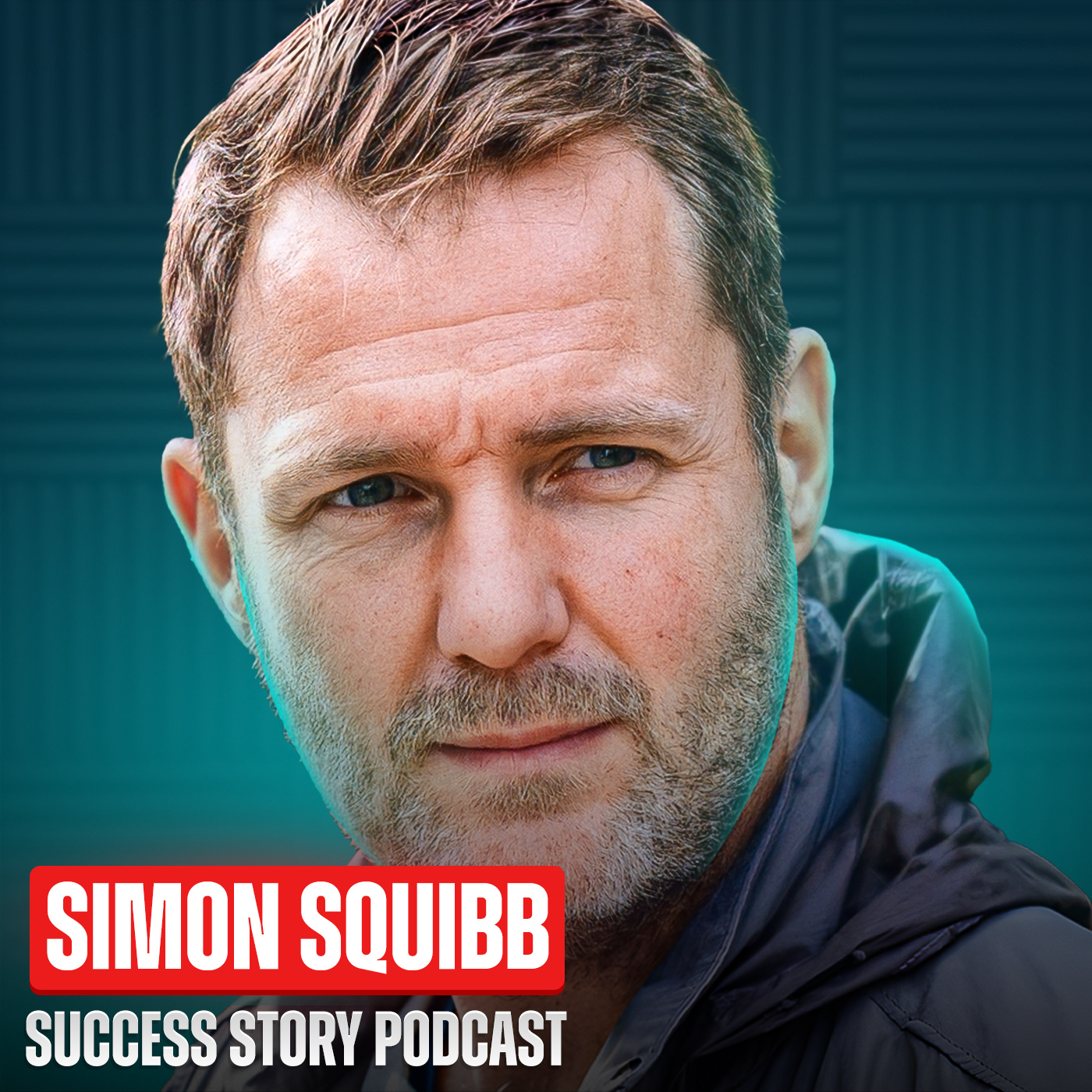
Success Story with Scott D. Clary
Simon Squibb - Founder & Investor | From Homeless Teen to Serial Entrepreneur
01:35:42
Loading summary
Transcript110 lines
- [00:00]
Scott Clary
Prolon is a success story partner. Now long weeks and busy weekends, they can leave everybody feeling depleted and tired. We work nonstop and that's why I love Prolon's five day fasting mimicking diet. I love this company. Let me explain how it works. Basically, they have a fasting mimicking diet that rejuvenates you from the inside and out. They deliver plant based soups, snacks and drinks that keep your body in a fasting state while giving you nutrition. And when your body's in a fasting state, this triggers cellular renewal and it actually works. This is why I loved intermittent fasting for so many years. This is the magic of Prolon. And the exciting news is that they just launched a new next gen five day program. So it has all the benefits that they had before, but now they have 100% organic ingredients in their food, better taste and ready to eat meals that make the whole process easier. I've tried the original Prolon program. I felt fantastic whenever I do it. I personally cannot wait to try this new and improved version. And if you've never tried them before, you're in for a treat because the old one was great. I can't even imagine how good this new Prolon five day program's gonna be. And for a limited time, Prolon is offering Success story listeners, all you guys 15% off site wide plus a $40 bonus gift. When you subscribe to their five day program, just go to prolonlife.com Clary that's that's P-R-O-L-O-N L I F E.com Clary to get your 15% discount and your bonus gift. Prolonlife.com Clary this podcast is brought to you in part by Stash. Are you still putting off saving and investing because you'll get to it someday? Stash turns someday into today. Stash isn't just an investing app. It's a registered investment advisory that combines automated investing with with dependable financial strategies to help you reach your goals faster. They'll provide you with personalized advice on what to invest in based on your goals. Or if you just want to sit back and watch your money go to work, you can opt into their award winning expert managed portfolio that picks stocks for you. Stash has helped millions of Americans reach their financial goals and starts at just $3 per month. Don't let your savings sit around, make it work harder for you. Go to get.stash.comsuccess story and see how you can receive $25 towards your first stock purchase. And to view important disclosures that's get.stash.comsuccess Story paid non client endorsement not representative of all clients and not a guarantee Investment Advisory services offered by Stash Investments LLC and SEC Registered Investment Advisor. Investing involves risks and investments may lose value. Offers subject to T's and C's when.
- [02:42]
Simon Squibb
I look back at the 15 year old me My father suddenly died of a heart attack and three weeks later I was homeless. I had bad luck, but it taught me so many important things. I was forced to become an entrepreneur and I often describe the moment. Fifteen years old, the entrepreneur muscle woke up in my brain. It started telling me how to make money, how to survive in the wilderness. Simon Squibb is on a mission to make entrepreneurship accessible to everyone. As the founder of Help bank, he aims to help 10 million people start their own business.
- [03:10]
Scott Clary
Not with gatekeeping, but by giving without.
- [03:12]
Simon Squibb
Expecting anything in return. If you're beginning and you haven't got a lot of money, but you want to get a reputation, helping someone for free can really pay dividends later. And if you're further up the system and you've made it, the best thing you can do is help others. The school system has been designed to produce a worker. Entrepreneurship isn't as hard as we're saying is. Working for someone else is hard.
- [03:30]
Scott Clary
Through his content, community and book, what's your dream?
- [03:33]
Simon Squibb
Simon challenges the way we define success.
- [03:35]
Scott Clary
And calls for a world where purpose.
- [03:37]
Simon Squibb
Beats profit and education empowers creators, not just employees. This episode is about building a world where anyone with a dream gets a real chance to chase it. Success isn't how much money you have. Success is about having time, freedom. When you're older, the only regret you'll ever have is what you didn't do, not what you did do. So I've started plenty of businesses that failed. I'm proud of the failures and I learned a lot of things when I failed. If you want to succeed, don't take advice from people whose life you don't want. Only take advice from people whose life you actually want.
- [04:19]
Scott Clary
Simon, what's your dream?
- [04:21]
Simon Squibb
Well, I ask that question every single day of other people. It's. It's a great question because I think it can give you that open answer. I. I have one goal initially, which is to fix the education system. To give people financial literacy and knowledge about how money works. To give people the ability to have more choices and just get a job to make sure people understand how sales works. Because everyone can sell. You can be an introvert or extrovert if you can Learn to sell. You can learn to be and learn to, you know, not sell time. Understand that time, of course, is the most valuable thing we've got. And I want to teach people that and I want the school system to teach people that so that their only option isn't just get a job. I think another part of my dream is to allow people to help each other easier. Kind of get back to a more positive society where we just help each other, not because we get paid, not because there's something in it for us, just because it's the right thing to do. And if we do just help each other, if, you know, the thousands of people that are listening to this podcast all helped one person today, we could change their life. And I kind of want to bring back, and it is bring back a mindset of like, we're in it together, you know, we're one tribe and we, you know, we have to help each other in any way we can and it can't always be a transaction.
- [05:37]
Scott Clary
I, I think that's such a, it's such a valid point. I feel like a lot of content outside of yours focuses on transaction, on win at all costs, on you try and extract as much value from the world and that's how you play the game. And I think that, I think that why your content has done so well is because it's a completely different message, but still a positive outcome for everyone. Was that, I know that wasn't always the case with you. I mean like, you went from being homeless at 15, you built an agency that you sold for millions. There's a, there's a long story and there's a lot of lived experience that helped you form that worldview. I don't think when you were, you know, not doing so well at 15, you thought that the world was helping you out and giving, giving back to you probably felt actually quite stressed and, and, and destitute at that point. So what was the, what was the inflection point out of all the success you've had that was most impactful or most helped form that worldview that everybody can win?
- [06:43]
Simon Squibb
Well, hindsight is a wonderful thing. And when I look back at the 15 year old me, you know, my father suddenly died of a heart attack and three weeks later I was homeless. So I, you know, I look back at that time of my life and of course it's a horrific experience to suddenly be out there in the world, have no family protection and be in that sort of situation. I think in a weird way, you know, bad luck and Good luck are still luck. And so I had bad luck, but. But it taught me so many important things. That was one of the first kind of levels, leveling up stages of my life where I couldn't get a job because I was too young. And in England you need a special number to get a job. You need to put on the application forms. And I didn't have this number because I wasn't old enough. And equally, I didn't have an address. So I couldn't get a job. And I did try, and I tried begging, but I just couldn't. I just, I wasn't able to actually get people to give me money and they just thought I was a drug addict or there's something wrong with me. Maybe I wasn't very good at it. Maybe it's a skill like anything else I didn't have. And so I was forced to become an entrepreneur. And I often described the moment at 15 years old, the entrepreneur muscle woke up in my brain almost like it was dormant. And it started talking to me. It started telling me how to make money, how to survive in the wilderness. And that was a very important moment. I mean, you asked what my pivotal moments were. That was definitely one. And then I moved to Hong Kong at 23 years old. That was another pivotal moment for me because I, I realized, you know, I'd heard about China and you know, somehow China is this evil place that, you know, the west, you know, personifies. This kind of capitalism equals. People are capitalist cap. People are communists and went to China. And I, and I met the people and I'm like, these people love their children just like we do. They eat three meals a day. They love food. You know, they, they want the best for their families just like we do. And I culturally woke up and realize that we are just one. One group of humans put into different places with different experiences. But we all are the same at the end of the day, we're the same. We all want to feed our families and be able to eat well and be housed and, and not to worry that our family are going to get sick without care. So, you know, we're basically. And that was another awakening moment for me. And so, and then when I sold my company and I was financially free, I guess that was the final stage of my awakening where I'm like, you know what? I'm old enough now to realize that it's not red versus blue and it's not you versus me, it's us. One plus one equals 11. And I think, you know, it took me 35 years until I wrote the book to kind of. I sat. When I wrote the book, I'm like, actually, what. What do I want to teach in this book? And it's the realization that everything in life tries to divide us. Politics, football teams, sports teams, everything. My whole life was about who do you support and who do I support. And I got to a stage where I'm like, actually, we're the same, and best thing we can do is just help each other.
- [09:44]
Scott Clary
I think it's. Listen, even in business. Yes. Politics, religion aside, even in business, there's such a scarcity mindset of if, if someone else wins, I can't win. And I've never believed that. I don't understand where that idea comes from.
- [09:57]
Simon Squibb
That's the opposite. I have discovered even when I've competed against companies, there's some clients, for example, I pass to my competitors, and that means that they then pass them to you for whatever reason you have conflict clients or, you know, you just don't have time to work on a particular. Your competitors can be your friends. And I, I just think that people don't realize this. We're taught to fight each other. And I don't know. You know, I don't want to get into conspiracy theories why, but there's a lot. Money plays a part in it. There's division equals having power over people. But I've realized that, that that is wrong and that we shouldn't give and take. That's what we're taught, give and take. We shouldn't take. We should give without take. And if we live with give of outtake. First of all, we don't have resentment when we help people because that's often what causes people the most amount of pain. I saw someone open the door for someone the other day, and they didn't say thank you. And they were all, don't say thank you then. And I'm just like, well, why did you bother opening the door if now you've caused yourself all that stress because that person didn't act the way you want them to act. So expectation causes pain. And so I think people will be a lot happier if they live with give without take and not give and take.
- [11:05]
Scott Clary
Yeah, it's interesting. You know, you see, an extreme example of this is when people are trying to be altruistic or trying to give charity, but they're only doing it so they can film it and post it on. On social media for clout. We live in a very interesting world. Explain, explain in like, a business context the difference between, like, going to the weeds on give without take versus give and take. Like, what does that actually mean for an entrepreneur who's thinking about starting something? How do they think about. I like that idea. What does that mean when I launch my business and go out into the world?
- [11:41]
Simon Squibb
Well, give, give and take is very normal in our heads. I'll help you if you help me. But the problem with that is every single time you do it, someone has to do it to you. So it's a transactional mindset in every part of your business life. So if, for example, and I use myself as an example, I had a creative agency called Fluid, which I would eventually sell to PricewaterhouseCooper for a lot of money. But in the early days of that business, I did a lot of projects for clients for free. And I did it not to get something back. I did it because I wanted the experience, because I wanted to understand how these businesses worked. And I did it because I could help a lot of these companies. And some of those companies went on to be really successful and then started paying me, but I didn't expect it. And so I think free, for example, is a very powerful tool in business. If you want to take out my philosophy, instead of calling it give without take, let's just call it help someone for free. And don't expect anything back. Because if you do the word of mouth, the amount of, you know, one person who loves you is going to be one of your best marketing tools. Then, you know, having 10 clients paying you, well, great. But that takes, you know, a reputation. And so if you could help someone and then. And then they promote you not because you asked them to, but because they feel that they want to, that's so powerful. So I'd start with free in a business context. And again, people say, well, people don't pay, they don't value it. That has not been my experience. People don't value it if it has no value, but if you put value into free, it has value. So I think, you know, most of the time, if you're starting out, you know, give, give, give more, you'll be surprised how much that brings you later if you're already successful. I always think, I never understand why, you know, super rich people sell courses because there's a part of you, well, you're already super rich. Let's say the property people do this a lot. I'm like, right, according to your. And you made loads of money in property, which is, you know, great. So why not just pass that knowledge on to people Then why do you need to charge a course fee? And most of the time it's because they're already really making money from the courses. You know, I think, why not just help people make the world a better place? If you're the only person who's rich, very lonely, and you will have a problem in society, frankly, we already have it. It's coming, it's close. People who are struggling, who can't make ends meet, you know, the rich are getting vilified. So, you know, people do need to, you know, give back. So if you're beginning and you haven't got a lot of money, but you want to get a reputation, helping someone for free can really pay dividends later. And if you're further up the system and you've made it, the best thing you can do is give back, put the ladder back down and help others. And that's what I mean by give without take. Don't have expectation. Don't give something with some expectation of something back.
- [14:28]
Scott Clary
You know, you mentioned something interesting. You mentioned the rich are starting to get more vilified and fully agree. And I actually think, I was listening to a podcast, I think it was Diary of a CEO and they're mentioning that of course, in the us, rich, very rich, are vilified to a degree. I think in the uk, you probably see it even more, and I notice it with people that are influential and popular and have made money. There's a lot of anger and animosity, and I'm assuming it's because life is very difficult for some people, and that's where that anger comes from. But I also think it actually ties into something that you speak about quite often, which is our education system is failing us. Because I think that if the education system does not discuss ideas like entrepreneurship or ways to, you know, without sounding cliche, break outside the matrix and figure out how to create freedom in your own life. And if you're only working a 9 to 5 and not there's anything wrong with that, but I think that a path to financial freedom is entrepreneurship. And if the education system isn't teaching that and talking about that, then I think a lot of people feel lost. They look at people that are rich, they look at people that are successful, and they don't understand the path to get there. And I think that that's the masses, and I think that that creates that discord.
- [15:44]
Simon Squibb
Well, I think it's also being weaponized by politicians. So politicians want to get elected. So what? What's popular? You know, let's Vilify the rich. So you know, in England, labor will almost look at the rich as well. Let's tax them. Well, in England they, they've done that. And a thousand entrepreneurs, millionaires have left England in the last six months and gone to Dubai and other markets. So, you know, it's not the answer. Now it doesn't mean to say that the rich don't have their part to play in fixing the problems. They definitely do. And there's definitely, definitely greed and there's definitely people that are, you know, power hu hungry and accumulating wealth for themselves. But in my experience, a lot of the wealthy people that I know are self made. I mean, from the context, I don't think self made is possible. By the way, everyone needs help to be successful. But like they work, they didn't inherit the money and they have built wealth. But I think the problem is how can you distribute that wealth? So most people, you know, they don't trust government and government is very wasteful. There's a lot of interest payments. Now most of the money goes to interest payments. The government's up in debt, so it's not getting to the people. And they're not efficient in their distribution of support for people. So wealthy people avoid tax because they feel it's wasteful to pay tax to the government. But then the other side of it is, and again, I've seen this firsthand, a lot of wealthy people I know are scared to do anything. They're scared to help because it will never be enough. And I have this a little bit. So it would have been easier for me to just retire and just, you know, take it easy on my boat and go, you know, go around the world, have a good time, you know. But I decided to step into the arena and help people. And, and weirdly, I get hate for it. You know, people, people say I should be doing more or there's people saying I haven't given them enough. You know, there's just like, and it's never ending. And you do feel like, well, is there a point to helping? Because you just get vilified for helping. And I think people that just keep quiet and spend their money on themselves and have a good holiday time and enjoy their life, play golf every day, they get kind of left alone. So there's this thing, I think, where we need to little bit turn things upside down. The best way I could explain this is like in charities we have this perception that people running charities shouldn't earn a lot of money. And I think it's Wrong. I think people that are doing good should earn more money. People that are helping society, making society better, producing things that make people's lives better should earn more money. And those that are creating, for example, financial instruments that lend money to people that can't afford it to get them into debt and cause huge, huge pain for people shouldn't be paid huge amounts of money like they are today. They should be paid less because they're causing pain to people. So I, I think there is a problem psychologically where, you know, it's almost like, and I, and I say this carefully, I feel like sometimes, you know, the, the system is designed to divide us and it means that the wealthy are scared to get involved and they want to keep their head down and keep out, you know, keep out of politics. So there's no good politicians because all the good ones are scared to be in politics. And on the other side you've got people that just don' how money works, how the system works, you know, being frankly used to fund and support political systems that don't bring them value. And, and so, so yeah, there's a problem and I, and I do think in my mind the only way to fix it is just be like, kind to each other. Like, what can you do listeners today? What can they do to help someone? And what can you do to support someone's small business? That's not going to cost you anything. Share on your stories, like their post, you know, like every single day, just think to yourself, how can I help five people somehow without it costing me money? I mean, you don't have to give money like I do. And I think if we all fought that, the world would be a better place.
- [19:26]
Scott Clary
Hey everyone, Scott here. I just want to take a second and say thanks for listening to the podcast over the past couple years. Obviously this wouldn't be possible without each and every one of you. I have a favor to ask, so I would love to get some more information about you and why you listen to the podcast and why you listen to the show and why you tune in every week. And I have put together a short survey and we are using this to help us sort of inform what type of content we want to create and the direction of the podcast going forward. This information is not shared with anyone else, so this is just for us internally and I put together a link so ScottD Clary.com survey where you can go and you can fill in some information so we can know what kind of content you love. Also, for the first 100 people that respond to the survey you will be entered into a draw for a hundred dollar Amazon gift card, so we'll be giving out one of those to the first people that respond. It should not take more than two minutes of your time to fill out the whole survey. It's really not that long and it will help you shape the future of the podcast. So I really appreciate each and every one of you and thank you for listening. I just want to take a second and thank Cornbread Hemp for supporting today's episode. Now Cornbread Hemp CBD gummies have been this really nice addition to my wellness toolkit. I don't use them every day, just when I want to unw after those extra busy weeks, but they're perfect for those moments when you want to take the edge off and just find your balance. Really just shut off from work. And what makes them special is how Cornbread Hemp crafts them. They only use the flower of USDA organic hemp plants. That's the best part for the purest, most potent experience. No fillers, no artificial fluff, just clean full spectrum goodness in delicious watermelon, berry and peach flavor. I keep them in my nightstand for those moments when I just need a little extra help relaxing. And I love how transparent they are too. Every batch is third party lab tested so you know exactly what you're getting and they put together a special offer for all Success Story podcast listeners. All listeners can save 30% off their first order. Just head to cornbreadhemp.com success and use code success at checkout. That's cornbreadhemp.com success code success for 30% off your first order of these amazing gummies. I have to take a second and thank Northwest Registered Agent for supporting today's episode. Now listen. I know a lot of entrepreneurs listen to this show if you're an entrepreneur. If you're building a business, you have to listen if you want to get more. When you're launching your next big idea, Northwest Registered Agent lets you establish your entire business identity in just 10 clicks and 10 minutes. For nearly 30 years, they've been the secret weapon for entrepreneurs who want to move fast while getting expert guidance. For just $39 plus state fees, they'll handle your formation, create a custom website and establish your local presence wherever your business takes you. As an entrepreneur myself, what I value most is their one stop business solution. You get everything from formation paperwork to custom domains to trademark registration all in one easy to use account. No more juggling all these multiple services or wasting time figuring out the legal stuff so don't wait. Protect your privacy, build your brand and set up your business in just 10 clicks and 10 minutes. Visit northwestregisteredagent.com success. And start building something amazing. Get more with Northwest registered agent@northwestregisteredagent.com success. I think so too. I've heard Mr. Beast speak about this often because he does a lot of videos where you know, he'll put, I think a well in a village or he was helping cure blindness with one of his videos and he couldn't believe the amount of hate that he was getting. And, and oh, what's the agenda and why are you doing this? And he's like, there's a million videos that I could make that are not helping people, that could just be fun and entertaining and I could make a lot of money doing that. And he says, the more you help people, the more people look at you as a target. And I think that yes, help, like saying, okay, go out into the world and be a, an altruistic good person. And, and that's, that's step one. But when you have news cycles and political parties sort of all conspiring against us to divide, what is the answer? How do we fight back? Is it education? I know you speak a lot about education. Is it revamping education? Is it being self taught about business, money, finance? Is does that help or is that irrelevant to fixing this?
- [24:03]
Simon Squibb
The problem is so complex. But I think it does start with this individual mindset which is stop thinking just about self, start thinking about how you can help others. And it could be small things and it could be holding door open for someone without an expectation. It can start there. But I think literally like not what can I do for myself, how can I get a house for myself, how can I get money for me? Because it doesn't bring you happiness and it causes society pain when tribalism becomes individualism. So, but I, I genuinely do think that a lot of this starts in school. Now in England, my son started school at three and the first thing in the school they teach, they say to you is like, oh, hello, his name's Aiden. Hello Aiden. What will you do when you grow up? Right, so, so what that does, that question instantly traps his little mind into like, oh, I don't know, doctor, lawyer, you know, and so he's got to pick something from a very young age. And I think the, the right question to ask is not what will you do when you grow up? But what problem will you solve when you grow up? Because this opens your mind up and Makes you realize, all connected. And so it's not about what you are going to do, it's about how you're going to make the world a better place for everybody. Now it might not be that you come up there and then at 3 years old with the answer, but your mind is open, it's not trapped into this singular. What are you going to do? Well, how are you going to make your life better? But what are you going to do to make the world a better place? And, and my son is now 7 and recently said to me he wants to help stop this big sick extinction, which is interesting. He's watching David Attenborough talk about it and now he's thinking about how to help humanity. And he's not talking about, you know, money and what he can get, although that will be a part of his life. I just think it does start in school. And again, the school system has been deliberately designed, let's be honest, it's been designed to produce a worker. Henry Ford and Carnegie said it. This isn't a conspiracy theory. They said it. They want people to have enough of an education that they can buy a car and go on two holidays a year, but they need them to come back on Monday at 9 o' clock. Ranking the handle in the factory. Right, so, so the, and the education system has not been updated for 100 years. We're still saying maths and not financial literacy. Maths can be done by a calculator, you know, like, and so you know, it's, it's not a conspiracy theory, it's, it's actual historic fact. This school system was not designed to help people think. Three, it was designed to get people to sit down, shut up, wear the same uniform, turn up at 9, do your job and not complain.
- [26:44]
Scott Clary
And when you go through that system, you come out on the other side, like you said, you come out a worker and then when you come out a worker, but you're a worker in a system that is candidly getting worse and worse and more difficult. If you look at the, the, the system that our parents and our grandparents came out into, they could still afford a house, they could still afford a good quality of life. So now I thought about this a lot. The same amount of work and input as a 9 to 5 worker for the majority of people is not giving us the same output that previous generations had. And now we're stressed out. And now because the system, the school is not teaching us financial literacy is not teaching us how to invest, it's not teaching us really anything that's useful. We have this huge gap of education and we don't know what to do. And then I think that's where you start to see people getting mad at the rich because they're like, you know, I don't know how to get there, but I wish I had that. But I don't know how, I don't know how to change my life. I've only ever been sort of trained and brought up in one way. Now this is interesting because, okay, you want to, you want to teach people financial literacy, you want to teach people entrepreneurship so they can, they can make money. But then I know that you've, you've spoken about this a few times and several people that have been on the show have also echoed this. If you do make a lot of money, you're also not fulfilled. Build because now you realize that money isn't everything. And there's a lot of things that people forget to focus on on the path to money. Say they do, you know, they do switch the mindset from nine to five worker to entrepreneur and then they go all in on entrepreneurship. They forget about their health, physical and mental. They forget about their relationships, they forget about everything else in their life and they wake up one day with this sum of money because they sold their company and everything else has gone to. So what would be your advice for somebody that, listen, wants to be a little bit more aggressive, wants to be a little bit more entrepreneurial, wants to make some money. But at the end of the day, how do you structure your life so that you don't wake up when you're 50 or 60 and feel completely unfulfilled with money in the bank? But everything else is gone.
- [28:55]
Simon Squibb
Well, again, it all starts with education, doesn't it? So I am 50 years old, I have a lot of money in the bank. But I think, you know, my life isn't perfect. I, I'm fit, but I could be fitter. And at points in my career I have neglected my health. But frankly, let's be honest, someone working for someone else has done the same. That's just part of my life. If I had to travel non stop for three weeks to promote my book in January, there was, I just didn't have time to exercise. So I think life's a bit like a wobbly stool. You've got to go where you, you know, wobble to stay afloat. So for example, this week I've been exercising all week. You know, I'm catching up and I'm working less and so I'm still working, because I'm always thinking, as we do when we're entrepreneurs, but. But I think that this whole kind of image that entrepreneurship is this tough, difficult thing is often perpetuated by entrepreneurs because the reality is it's harder to work for someone else, especially over the long term. You know, I am 50 now. I could stop work if I wanted. I know people the same age as me, they're lawyers, and they're having to work even more hours to cover all the costs of lifestyle inflation. So they haven't slowly built themselves out of work so they can be free. They've slowly built themselves into a harder job. Started off at 25, they're a lawyer. It's glamorous. The money's not bad. They're free and single. Then they got married, then they had kids, then they got a mortgage, then they got this, then they got that, and now they're having to work even more hours. So I think entrepreneurship is. We've got to stop peddling it so hard. I think I always say to entrepreneurs that complain to me about how hard it is, I'm like, all right, give all your equity to your staff, then none of them want to do it. If you did a survey of entrepreneurs and said, oh, I know entrepreneurship's really hard. Give all your equity to your staff, then it's over, isn't it? That's the end of it. People don't want to do it. Why? Because entrepreneurship isn't as hard as we're saying it is. Now. Don't get me wrong, working for someone else is hard. You know, going to the gym can be hard. Controlling what you eat is hard. Who said it was meant to be easy? It's part of the excitement of life, this challenge that we have. And so I don't buy into the narrative that, you know, if you're going to be an entrepreneur, you're necessarily going to be, you know, worn out and, you know, burnt out. And that's not necessarily true, of course. You need to have discipline. You need to know when to work hard and have your head down, as I've just done for my book launch in January. You need to say no to a few things for three or four days to recuperate, you know, but working for someone else, you don't get to say yes or no. Someone else does. So I would choose entrepreneurship every day of the week. It's much easier than working for someone else.
- [31:25]
Scott Clary
Lingoda is a partner of success story. Look, I'll be real with you. My French used to be solid. I learned it in school. I even had decent pronunciation. But when I booked trip to France last year, it was a total blank. I could barely order a croissant without sounding like a tourist. So I jumped into the Lingoda Sprint challenge and man, it changed everything. I take live classes late at night. After podcasting, only five students met. Facts, real teachers, real conversations. And in just two months, I went from Bonjour to holding full conversations at a Paris cafe. Confidence unlocked. Now here's the play 30 or 60 classes in 60 days and if you finish them all, you get 50% cash back. That's basically €4 or $5 per class. That's insane value. Go to try.lingoda.com success your sprint and then use my code Scott Sprint for an extra €20 off on top of their Current Deal let's get fluent FreshBooks is supporting today's episode. And if you've ever wondered how successful entrepreneurs stay on top of their finances while growing their business, the answer is FreshBooks. The numbers don't lie. Over 30 million people have chosen FreshBooks, processing more than 60 billion in invoices and saving an incredible 192 hours every year on accounting tasks. Think about it. That's nearly eight full days you could get back to focus on what really matters. Growing your business. FreshBooks is more than just accounting software. It's your all in one financial command center. Create professional estimates, track time automatically, bill clients, and capture expenses on the go. Plus, it integrates seamlessly with over 100 business tools you already use, all backed by award winning customer service. If you're ready to stop drowning in receipts and you're ready to stop chasing down payments, here's what I want you to do. Head over to freshbooks.com to start your 30 day free trial. No credit card required. And for all you success story listeners out there, I've got something special. Get an exclusive 60% off six months when you visit freshbooks.com pricing offer transform your business with freshbooks today. That's freshbooks.com pricing offer for 60% off today's episode is brought to you by Vanta. Now listen up. This matters for your business. In today's digital landscape, security isn't optional, it's essential. Without it, deal Stall Sales cycles stretch on and scaling becomes very difficult. Now. Why? Because investors, customers and partners all expect businesses to demonstrate strong security practices before they commit. If you can't prove trust, you lose opportunities. So whether you're a startup founder trying to land that first big client or an established company scaling your security program. Vanta helps businesses of all sizes prove that they're trustworthy by Automating compliance across 35 frameworks like SoC2, ISO 27001 and HIPAA. The exact certifications your prospect are demanding. Here's why you need to pay attention. Vanta gives you back precious time that you're currently wasting on compliance. Their platform automates up to 90% of the tedious compliance work. It helps you respond to those endless security questionnaires up to five times faster. And it connects you with experts to get your security program running immediately. The results speak for themselves. A recent IDC report found that Vanta customers achieve over $535,000 per year in benefits. And the platform pays for itself in just three months. So you're going to join over 10,000 global companies like Atlassian, Quora and Factory who use Vanta to manage risk and prove security in real time. And don't miss this for a limited time only my listeners can get a thousand dollars off Vanta. That's real money back in your pocket. Visit vanta.comScott right now before this offer expires. That is V A N T A dot com Scott when somebody thinks about starting their own company, me and I don't disagree with you because I also, we're very much kindred spirits. So you know, you're, you're kind of preaching to the choir. But I know a lot of people in the audience, they have a hard time especially so I'll tell you who's in this audience. So there's people that are entrepreneurs that are already on board with your messages, people that have built and sold companies. But there's a large group of people that are highly successful and they've been working in a company for 10, 20, 30 years and they feel unfulfilled and they're stressed that they haven't achieved what they could in life and entrepreneurship is probably something that has interested them but they've never taken the leap and they want to make a switch but there's so much responsibility. They have kids, they have mortgage, they have spouse. What do you recommend to those people? Should they take the jump? Should they do it and maybe find a way to de risk it? What are you doing?
- [36:12]
Simon Squibb
I know a lot of these people and you know, know I'm live right now on IG and Tick tock a couple of thousand people listening on the live. I, I know all these people. I know the different profiles and, and their problems and their issues. This is, here's the thing, I mean again, I Don't want to repeat the education systems caused a problem for those people because the education system told you that the less risky thing in life is go to university, get a good job and life will be good. Right. It's a lie sold. So you work by the hour because that's how big companies make money. They, you charge them by the hour and then they charge by the outcome. Now, if by sheer persistence and effort and a bit of luck, some of those people working in a company have managed to make some money, most people in the middle class are trapped by the middle class system. So in other words, they've got enough that they're better than most, but they haven't got enough to be free. Okay. Because success isn't how much money you have. Success is about having time, freedom to make choices that feel instinctively right for you. So my advice to the people that are stuck in this middle class trap, number one, get your cost down. You know, reduce your lifestyle so you're not trapped by it. The car that you own actually owns you, especially if it's on finance and you're paying any sort of monthly amount. Every monthly amount you're paying is the company you're working for. You're paying that monthly amount to, you're working for them. You're selling hours to pay them. Same with a mortgage and a house. Most people are living in a house way too big for them and they're trapped by this idea that a house will make them happy. And that's caught them. And I think get your cost down is probably the number one thing. The second thing that people need to do is recognize that when you're older, the only regret you'll ever have is what you didn't do, not what you did do. So I've started plenty of businesses that failed. They're good stories, they make me interesting at dinner. I'm proud of the failures and I learned a lot of things when I failed, but. But I would not trade them for all my successes. I think you need to have a sense of experience is more important than a steady, reliable life. Right. And I think people need to take risk. And I think to take risk you need to get your cost down so you don't become homeless. Right. Of course you want to make sure. But a lot of people have gone the other way. They bought a house they can't really afford and stretch themselves. They bought a car they can't really afford. They've gone onto their credit cards and gone on holidays they can't really afford. They bought clothes they can't really afford. And now they're stuck in a job they don't love and they don't have the choice. Now if someone said to me, I like my job, I choose to do it, and they're not doing it because they've got no financial choice, then that I love. But I see 99% of people are in a job they hate and they've got no choice but to do that job because they're not in control of their finances.
- [39:03]
Scott Clary
You know, you ask a lot of young entrepreneurs like, what's your dream? And I think that a lot of the people that, you know, I've watched your content absolutely love it. And some people that you interview, they have like a really good idea of what their dream is. But this, this group, this cohort of people that we're speaking about, I don't think they ask themselves that question regularly. I think they just are, again, sort of golden handcuffs to their job. They're chained to this life and this lifestyle that they've created. And I think that the question, what's your dream? Is scary because it insinuates that there could be an alternative life they could be living that is actually fulfilling to them and that they've wasted so much on time. So when you first ask yourself the question, what's your dream? If you find yourself in the situation where you're trapped and your expenses are high, you're going to go through these steps, you're going to reduce your expenses, you're going to be a little bit smarter about your money, but where do they even start? And, and I mean, like, this is, this has been like the theme with your content. This is the name of the book that you just, that you just launched and wrote. But it's a very scary question for some people. So where do they start when they ask themselves that question? What's your dream is? You know, there's different concepts like icky guy and Venn diagrams of what you're good at and what the world needs and all these different formulas for finding out your dream. Somebody's never asked themselves that question before. Where do they go?
- [40:22]
Simon Squibb
Well, if we're talking about a 40 year old who doesn't know dream and they need to find it, I would argue that they're caught in fight or flight and the creative part of their brain, which was probably very active when they were five years old, has slowly been squeezed out of them and they become very practical and they can't even think of their dre. So the only way to activate Your creative part of your brain and come up with your dream is to get out of that trap, get out of fight or flight. Now, you can do it two ways. By working your way out and financially reducing your costs, or psychologically saying to yourself in some sort of like, meditation, I am rich. I've got all the money I need now what would I do? And try to take yourself out of like, oh, I've got no money. I've got to pay the bills at the end of the month. I've got to pay the car finance. I've got to pay the electricity bill. That will not. That part of your brain, that fight or flight part of your brain will override everything. You cannot think of your dream when you're caught in that. So you've got to get out of it. And you either do it by actually financially freeing yourself or getting your brain into a relaxed state to allow you to figure out what your dream could be. Now, if you fall into another camp where you actually know your dream, you're lucky enough to know your dream, just fucking do. Do it. Do it before you're dead and do it before you have regret, because regret is the worst thing you can ever have in life. Do not have regret. You just have to do it. Jump, go. Do it now. Give yourself, you know, if you've got kids and stuff, you know, give yourself a Runway, prepare the ship, but go, because you will not be living for long. Go for it now. Worst is it's an experience. And the good news is, if you've got a good job now, now you can get a good job later, you know, go for it. Take a year try, and you'll be shocked how far you can get in a year. Give yourself that time and at least if you try and you fail, you at least won't have regret.
- [42:19]
Scott Clary
How do you know if it's the right dream, though? How do you know if you're on the right path? And this is, you know, Kevin o' Leary speaks about this a lot, right? You know, when a business idea is bad, you have to take it behind the barn and shoot it. And a lot of people don't shoot their business ideas quickly enough. And they keep on pursuing this dream they have when it's no longer serving them. And I think that that's a fear that people have too. What if I make the wrong decision? What if my dream, there's no market for it. How do you think through that? Or maybe you're a believer that any dream, if you stick with it long enough, you can make it a reality.
- [42:55]
Simon Squibb
So I think you're talking about failure here. You're talking about the fear of failure. Yeah, that's, that's really what you're talking about. And so because let's say you think you know your dream and you go out there and execute it and one of two things happen. Either it doesn't work and that's, that's just business life. Sometimes ideas don't work or it's not actually your dream. So I had that. By the way, I started a gardening company at 15 years old. That wasn't my dream, but I did need money and luckily I forced myself to start a business and I discovered that I like marketing, not gardening, by trying stuff. Now this is why I think it's so important to fix the education system. Because the younger you are, the easier this is. No doubt. Okay, if you're young, like I was 15 when I started my first company, I can start a gardening company, waste a year and go, that's not my dream. Right. So the younger you start, the more chance you have of like figuring out what it is that your dream is. Right. So I asked my 3 year old, what problem do we want to solve? It took him four years to even have a comprehension, have any sort of answer now it might be that his real dream is not to stop the sixth extinction. Right? But at least he's thinking. He starts thinking about that, maybe he'll along the way discover his real dream if that isn't actually his reality dream. Right? You've got to start young now, if you're starting older, I hope you at least know what you like doing and what you don't like doing. That's a good place to start. So if you like fishing, try to go into a business that involves fishing. You know, at least then worst case scenario, if it's not solving the world's biggest problems, you're doing something you love every day and that is successful.
- [44:45]
Scott Clary
Yeah, it's so true. I think that also I'm a big believer. I fall into the camp of if you take action, if you, if you have something you love, if you take action, I'm a big believer. If you find a way to stay with it for a long enough period of time, you will find a way to become some version of successful at it. I mean, you have to be smart, you have to learn from your failures. You have to. I mean, the resources that we have access to now are unlimited podcasts, books, YouTube videos. But if you stick with something for a long enough period of Time, you'll find a way to be successful at it. I think that the, the, the, the X factor and even like, you know, you mentioned like when you were 15 and you, you had no interest in gardening, and that was like a, in theory, if you did that for 20 years, you'd find a way to become successful at it. You'd find a way to make money. You'd find a way to build teams around you. You'd find a way to scale. So I think that a lot of this is also not jumping into something and assuming that it's going to happen in the next two to three months, finding a way to give yourself some Runway and some time.
- [45:53]
Simon Squibb
And I think, you know, it's cliche and people don't like me saying this, but, you know, it's not about filling a market gap. It's about doing something you enjoy. Because follow through is 99% of the reason most people are successful. They just kept going, you know. And I started a creative agency in Hong Kong. You know, in China, there was probably about 15,000 companies doing exactly the same as what I was doing. And the reason I became successful at it is because one, I enjoyed it and two, I followed through. You know, I stuck at it when the financial crisis after financial crisis and problem economically again and again and again, we pushed through and, you know, we were just there at the finish line, line. And so a lot of time, you know, that's why I say if you're doing something you love and people hate me saying this for some reason. No, you should pick a business where you're filling a market gap. Well, yeah, sure, if you want to make a quick buck and you hope that you can sell the company and all that, but if you actually want to build something you love, you will win if you do. And that's what that, that's the secret sauce. It's just that simple, you know. And if you do like fishing, go build a business in fishing. You know, you're like to keep going when it gets tough, tough because you enjoy it. Simple.
- [47:02]
Scott Clary
Why, why do you think people hate and get angry when you say that? Is it because, like, I don't understand, like, it just makes, it makes a lot of sense if you can find something you love. Because when the motivation runs out, by the way, when the motivation runs out, that, that you need to get started. When that runs out, you need something else to pull you through all the difficult things that are going to inevitably happen when you're an entrepreneur. And I think passion is a huge piece of. Of that. But I don't know why people get so angry.
- [47:30]
Simon Squibb
I think, you know, when I think about the people that are actually getting angry about it sometimes it's a combination of things. It's. They didn't do that, so they've got a life that doesn't involve doing what they love and then maybe they've made money. So I'm not saying you can't make money not doing what you love. I'm saying why not combine the two? So a lot of us have survival bias, right? And I'm a victim of this. Like, I survived thanks to entrepreneurship. So I believe all my heart that that's the thing that people need to learn. I happen to think I'm right and it's got nothing to do with survival bias. But we all have that. I think a lot of people, they have a life where they maybe did build a business that was in a niche and it was about making money and they did it again. I see a lot of people in the property business like this, but if you actually dig a little deep, they've had three divorces and they're not really that happy. And they've done something for 20 years, but they don't enjoy it. And they've done it because they make money and it's fundamentally made them more miserable. Again, I know a lot of people like this, so. But they had that, like, well, no survival bias. They're like, no, I built a business and I don't like this business, but I've made money out of it. And yeah, I have to overcharge nurses for rent, you know, but so what? I made money, you know, like, so you don't need to do something you love, just need to. So I think there's definitely survival bias problem. That's one type of hate that I get. I think the other type of hate is. Is really a combination of ignorance and lack of action on their side. So a lot of the time people don't. They don't think that their hobbies can be businesses. They've actually come to believe what they've been brainwashed that these are just hobbies and you can't make money out of it. Someone said to me, I want to be a dog walker. How am I going to make money out of that? Then I'm like, well, how much money do you need to make each month? Like, what is it? What is lifestyle business and what is a job? You know, like, actually you can do a dog walking business, you can do a dog grooming business, you can Do a dog product business to the people you were once dog walking for. Like, you know, what type of lifestyle do you want in that business? And if you like walking, I promise you I could come up with a business model for it. So people don't think that their hobbies can be businesses because again, they're not taught business in school. People don't put business models around their hobbies, and so they just think it's bullshit, but it's just, just ignorance, it's lack of education around how business works. So their default is to say, that's not possible. How am I going to make money? I like playing, I like watching Netflix. Someone said to me the other day in a comment, how am I going to make money out of that? I'm like, well, there needs to be a Netflix review channel. Like, what's good on Netflix? Because every time I go on Netflix, I don't know what to watch. And if it was a good YouTube channel telling me what was good and why, I'd listen to it, you know, and they're like, oh, yeah, I could do that, I guess. Yeah, yeah, you like sitting around watching Netflix. And here's a business model for you, you know, And I just, just think it's because again, school system doesn't teach you to do what you love. What it does is exactly the opposite. School system says, right, you're not very good at history. You need to double down on that. You've got a D in biology. You need to do more of biology. Right. And, and actually in the real world's completely the opposite. Right? So I, I, I am, I do not care about accounts and finance. So what do I do? I hire a great accountant in every company I start. I can read the numbers. I don't want to be bothered by them. I want to make sure we're collecting the money and we've got a cash flow problem, of course. But I don't want to be bothered with that stuff now. I could go and spend five years learning accounts like the school system told me, or I can just hire someone that loves all that stuff. And so I think that's the thing. School system, again, is at fault because it says, learn what you're not good at that. And then learning becomes painful and then you, you get put off learning.
- [51:08]
Scott Clary
Yeah, I think that you have to be so careful about the influences you surround yourself with because I don't think we realize how much resentment people have because they've built their life a certain way and they try and impose that resentment on you. And I think that that's where a lot of the bad advice comes from. I think that, and it's not even that this bad advice is meant to be malicious, but I think that if you think about parents, parents are coming from a place of we want to protect you because we only know, know how to live a certain way. And also I think there's a little bit of, not explicit, they'll never say it, but I think that if they saw, say they work a 9 to 5 and they have the most influence on you, especially when you're younger, they want you to succeed. But I think there's a little bit of resentment in their mind that they weren't able to live this life that has so much financial freedom or so much time freedom. And I think that that hurt, hurts. I think it hurts sometimes to see people do better than you. And not everybody thinks like that, obviously, but I think enough people do that. You have to be very careful who you, who you listen to and who influences you.
- [52:15]
Simon Squibb
I think, I think a lot of the time parents, they don't know what they don't know. So they will give advice. The truth is, if you want to succeed, don't take advice from people whose life you don't want want. If you take advice from your parents, look at their life and say, do you want it? Do you want it? Do you want to be paying a mortgage until you're 65 and working in a job you hate for your whole life? Only take advice from people whose life you actually want. And I would say this is true of me and of any influencer out there. If you want to be, you know, have a criminal record with a tag on your and be chased by, you know, a certain government all the time, then follow certain influencers advice. You know, if, if you've got to look at the life that that person has created based on what they're telling you is what they tell themselves and therefore that's their life. Like I am married 23 years. If you want to get with a lot of women, don't listen to me. You know, if that's your objective, then don't listen to me. You know, and, and, and I do think that you've got to look at the people giving you advice and say, right, is that life I want? Because you will have their life if you follow their advice.
- [53:27]
Scott Clary
Yeah, and I don't think people put a lot, a lot of stock into that. They just follow the loudest, they follow the loudest person on social media and then they, then they're surprised when their life starts to turn into exactly what that person said it would.
- [53:41]
Simon Squibb
Exactly, yeah.
- [53:43]
Scott Clary
When you bet on people, because I know that you invest your own money and you've invested in, I don't even like hundreds, I don't even know how many companies.
- [53:53]
Simon Squibb
Yeah, I've invested in 81 businesses.
- [53:55]
Scott Clary
81 businesses. And you've spoken to hundreds and hundreds of entrepreneurs. When you look at the traits, the personality traits that will in your mind make somebody a winner in pursuing their dreams. It's good to have a dream, but I think that there has to be a personality along with it that is going to allow them to execute against the steps that will be required to help them achieve their dream. What are the personality traits, the commonalities amongst the people that win?
- [54:24]
Simon Squibb
So there's probably three things that make a successful founder, in my opinion, that I invest in. The one that's not talked about much is of course coachability. So it's someone that can listen and learn and take criticism. I love criticism. I like feedback. How can I be better? So I started on my social media journey five years ago. Now I have 14 million followers and 400 million views a month. I've got quite good at content. But when I started out, I permanently ask for criticism. I even do it now. How can I be better? How can my YouTube videos be better? How can my education content be better? I think so. Coachability, the second element that I look for is fun. You know, like when you invest in someone, you're basically getting married. And so, you know, I've been invested in one company now nine years. So every month for nine years I've spoken to the founder and I think, I think this is something people need to recognize when they're getting into business with someone as well. You know, is it going to be fun? Business is meant to be fun. And then I think the final thing, you know, about repeating over and over again, the same thing is like the people that are really successful take it personally. You know, in business that they don't take it personally. Big mistake. You know, the most successful people take it very personally. I am not going to stop until I have fixed the education system. Even if I die, I've made a whole load of content for when I'm dead to keep this going. It's not going to stop. And so I think when you, you know, I'm going to help that 15 year old me that felt pain when they left school and didn't have help. The education system hadn't given me the tools to live in the real world. I will not stop until this problem is solved, even if it means I have to arm up my competition to do do it. And I think that that's the, that's the trait that I'm going to call it tonacity, if you like. I'm going to call it passion or purpose. But, you know, if people have a dream, then you cannot stop them. And if it's rooted in pain that gives you purpose, then people do not stop. And many businesses I've been involved in and failed, but those founders haven't stopped. And the ones that have failed and stopped are ones that never really felt pain and never really cared about the purpose us.
- [56:45]
Scott Clary
How that's, I agree with you, and I've had this conversation with several people. How does somebody, and this is why I think that people that hit rock bottom or have a chip on their shoulder actually, if they can get out of that shitty circumstance, can become great entrepreneurs. But for somebody that did not have a very, very difficult life moment, what's the, what's the wisdom to them? They're like, I don't know how to feel pain towards the problem that I'm solving. I just think it's a good problem and I'm a workhorse and I'm going to give all to, like, I'm going to give my all to it. But how do you get them to feel that pain so that they can keep going?
- [57:26]
Simon Squibb
I, I think pain is a gift. And those that haven't had pain and therefore found purpose, I, I know there's a lot of people like that. First of all, I'd say it's a disadvantage and I'm glad I've had pain. It's made me successful and it's made me more important than success. Define whatever that is for yourself. But for me, it's like time, freedom. I think it's made me feel alive. And so the pain I had when I'm 15 years old has given me this life I've got today then where I, you know, bounce out of bed in the morning, I'm like, let's go, let's solve this problem. But if you haven't got that, that, if you haven't got that pain, first of all, there is an argument that, you know, lucky you in a way. But what I would say is maybe you can tap into someone else's pain and find purpose in their pain. So, for example, I have 29 people that help me with this platform. So it's not just me with a camera like People think I have 29 people full time helping me and all of them, them care about the problem that I'm trying to solve. Now, do they have the same sense of pain? No. Do they care about the problem we're solving? Yes. Does that make them super motivated and super happy to be involved in this mission? Yes. So they've tapped into my pain and made it their pain. And that is a hack.
- [58:54]
Scott Clary
I love that. I absolutely love that. And I think that just, I mean, there's we, we. We've been speaking a lot about, you know, education systems, some entrepreneur mindset ideas, a lot of, A lot of wisdom about hiring the right people and not just hiring people that want a job for a job, but hiring people that are on the same mission and just as driven as you. And actually, one of my favorite ideas around hiring is you actually can hire people not only that are mission driven and, and aligned, but people that at a different point in their life could be entrepreneurial, but maybe it's just not their time to be entrepreneurial. And if you find that person who could be an entrepreneur but isn't interested in it right now, you bring them into your company. Plus they're aligned with that pain and that mission. That's like the a player superstar that's going to take you to the next level. And we can do a whole podcast on hiring. But I love that.
- [59:41]
Simon Squibb
Well, hiring very simple. People always tell me one of the biggest problems they have in business is managing people. And I tell something that I know to be true from hardcore experience that you don't need to manage people, you need to manage purpose. If you get purpose clear, then people will manage themselves and you hire around purpose. So I've hired people that aren't brilliant at say, social media, but they care about the purpose so much, they get good at social media. Like, some of the most successful athletes were not the best athletes at the beginning. They were just focused. So I think, you know, you want to hire people that care about your purpose and they, and then they don't need managing. The other thing about it is. And what you're talking about there, sometimes, you know, it's the intrapreneur, right? It's the person inside the company that's like. For example, I had a business partner in Fluid and she's a graphic designer. And when I met her, if you'd asked her, what are you? She would say a creative. She would say she's a designer. Right? She would not describe herself as an entrepreneur. And so I was the entrepreneur that partnered with her in that business. But honestly, once she, she had equity and the way she worked, she cared about the problem we were solving. She cared about the work.
- [60:50]
Scott Clary
Work.
- [60:51]
Simon Squibb
So she became an entrepreneur. She was already one, but I, I helped her realize she was one. And equity helps you become an entrepreneur. Owning a part of the company and then the way you work, the way you care about the problem as if it's your own, makes you an entrepreneur. So it's not for, you know, I, I'm an extrovert, I'm a marketing guy. So, you know, I'm, I'm the, the one type of entrepreneurship. There's eight different types of. But everybody listening to this is one type of entrepreneur. And yes, it might be that your accountant is not seeing themselves as an entrepreneur, but if they come into the company and they get equity and they work like you do, they are.
- [61:29]
Scott Clary
You're a big fan of giving equity, I'm assuming. Yeah, that's how outside of giving equity, I mean, we can talk about strategies for that to do it properly. Vesting properly, Cliff, period. Just to make sure that you're not giving equity to people, don't take it seriously. But outside of giving equity strategically in the business, outside of aligning the purpose, what would be one last idea that you can think of? I know you've given a lot, but one last idea you can think of just around getting people to buy into what your vision is when you're hiring them. What's the question you ask to know that if they actually care about what you're doing?
- [62:06]
Simon Squibb
Well, there's again three elements, right? So just to recap, definitely you want to have the same mission. You want to care about the same problem. That's, that's very important. Right? If you don't have that, you will have problems because they won't. If they don't care about the problem your business is solving, they won't go through the hard times with you. It's really important. And so I, I think it's hard to, you know, you can't really separate these things as different points. So it's important. And I think giving people equity, giving people ownership is not a good idea. It's a must. Must. It's a must. You cannot expect people to care about the business the way you do. If they don't have the upside that you do. It's not right. It's stupid short term thinking. Give people equity. And the final thing, I think that you know the three things there. So you know, equity and purpose. And then the final Thing that you must do, in my opinion, is understand your alignment on moral code. And so are you the same when it comes to ethics. And so I've learned this the hard way. I've had business partners that I thought were ethical and they weren't right. So you have to test for moral code alignment. What is that person willing to do that you're not willing to do? What is their rule of life? And what is your rule of life? And I'll give you an example. When I was younger, like maybe 25, 26 years old, I had a financial problem in the business. And I was speaking to Helen, my business partner at the time, and I said to her, we have enough money in the bank to pay us as founders and cover our bills, but we're going to have to delay paying our stuff. And Helen said something to me that was right and I was wrong. She said, simon, we have to pay our people first. We have to. And I'm like, well, we have to pay ourselves first. You know, put your own mask on. This is the bullshit. I told myself. She was like, no, we have an obligation to those people, Simon. We hired them. They rely on us. We have to pay them first. And so I resisted. But then I did what she said and I improved my moral code. And she was right. And so we paid those people, and we didn't have any money to pay our own rent, food for ourselves, nothing for about three weeks. And then suddenly the business got paid. It was what it was due, and we managed to get back on top and it was all fine. And thank God I listened to Helen, because if I'd broken that trust. I have employed people for the last 35 years. I have never missed the first of the month payment to anybody, ever. And millions of people will probably end up listening to this podcast. No one can ever say I didn't pay them when I said I would. Right. And that's thanks to Helen. Okay.
- [64:50]
Scott Clary
It's. It's huge.
- [64:52]
Simon Squibb
Moral code. Yeah, moral code. Alignment with the people you work with is critical because those, if you don't do it wrong. Right. They. They can corrupt you, your business and your life.
- [65:04]
Scott Clary
Yeah, that's. That's enormous. And I think that if you find somebody in the company that is not aligned with your moral code, get rid of them as soon as possible. If, if, if you've made an accidental hire, I think that that is key because that you're talking about founder down. If you hire somebody that doesn't have the same moral code as you, that is like a Virus that can spread within the company.
- [65:27]
Simon Squibb
Total, totally.
- [65:28]
Scott Clary
Yeah.
- [65:28]
Simon Squibb
And that is also the same if they don't really believe in your purpose. If they pretended to believe in your purpose. As they slowly chip away internally, we're.
- [65:36]
Scott Clary
Like, oh, this purpose is they mess with everybody. They mess with everybody in the company and then all the people that are truly aligned, they start to, they start to see it. Well, if that is allowed. What am I doing here? Yeah, well this is, they're either going to lower their standards or they're going to leave.
- [65:51]
Simon Squibb
This is the virus of what we call seven and eights. Right? The virus of seven, eight. So you know, you've got 10, 10 player, eight and nines, tens. These are people that you know, just bridge brilliant. They're happy, you're happy. You've got ones and twos within and they're not happy. They know they're not enjoying it. You're not, you know, it's not right. It's easy to everyone make a decision to leave or quit or be fired. But the 7 and 8 are the tricky ones where they, you know, you think they could be better. They, they care. Sometimes they pretend to care. You've got to watch out for those because your nines and tens leave. If 7 and 8 stay, Prolon is.
- [66:20]
Scott Clary
A success story, partner. Now long weeks and busy weekends can leave everybody feeling depressed, stressed and tired. We work non stop. And that's why I love Prolon's five day fasting mimicking diet. I absolutely love this company. Let me explain how it works. Basically, they have a fasting mimicking diet that rejuvenates you from the inside out. They deliver plant based soups, snacks and drinks to keep your body in a fasting state while giving you the nutrition you need. And when your body's in a fasting state, this triggers cellular renal renewal. And it actually works. This is why I've loved intermittent fasting for so many years. This is the magic of Prolon. And the exciting news is they just launched their next gen five day program. It has all the benefits they had before, but now they have 100 organic ingredients in all their foods. Better taste and ready to eat meals. They make the whole process easier. I tried the original Prolon program. I feel incredible whenever I do it. I personally can't wait to try this new and improved version. And if you've never tried them before, you are in for a test treat because the old one was great. I can't even imagine how good this new Prolon five day program is going to be. And for a limited time Prolon is offering Success Story listeners, you guys 15% off site wide plus a $40 bonus gift when you subscribe to their five day programs. Just go to prolonlife.comclary to get your 15% discount and your bonus gift. Prolonlife.comclary A big thank you to Indeed for supporting success Story because hiring people is one of the hardest things you're ever going to have to do. As an entrepreneur, as a founder, as somebody who's trying build a business, it's important to hire well and find the right person. But it takes so much time and it's so labor intensive because like most entrepreneurs, you have a thousand things going on and there's a good chance that you just realized your business needed to hire somebody yesterday. So how can you find that great amazing right fit candidate fast? It's easy. Just use Indeed because you don't have to waste time struggling to get your job post seen on all these other job sites. If you're using Indeed, you can just use their sponsored jobs to help you stand out and hire fast. Your post jumps right to the top of the page for relevant candidates so you can reach out to exactly who you're looking for faster and the results really speak for themselves. According to Indeed Data, Sponsored jobs posted directly on indeed have 45% more applications than non sponsored jobs. And you know what I love most about Indeed? It really just makes hiring so fast because everything is streamlined in one place. No more juggling multiple platforms or waiting weeks for the right candidate. And how fast is indeed in the minute I've been talking to you. 23 hires were made on Indeed according to Indeed Data Worldwide. There's no need to wait any longer. Speed up your hiring right now with Indeed and listeners of Success Story will get a $75 sponsored job credit. To get your jobs more visibility@inn Indeed.com clarity, terms and conditions do apply. Just go to Indeed.com clarity A huge thank you to Netsuite for supporting today's episode. Now, what does the future hold for business? If you ask nine experts, you're going to get 10 answers. Bull market Bear Market Inflation up Inflation down. Honestly, at this point you just need a crystal ball. But until we get one, over 41,000 businesses have found the next best thing. They future proofed their businesses their operations with NetSuite by Oracle, which is the number one cloud ERP. Imagine having your accounting, your financial management, your inventory, your HR all flowing together in one fluid platform. And here's what makes NetSuite different. It gives you one source of truth for your business. You get the visibility and control to make quick, confident decisions while others are guessing. You're working with real time data, data insights, forecasting. You're basically looking into the future of your business with actionable data. Whether your company earns a couple million or even hundreds of millions, NetSuite helps you respond to immediate challenges and helps you grab your biggest opportunities. And speaking of opportunities, they put together the CFO's guide to AI and machine learning at netsuite.com ScottClary this is the playbook for understanding how to use AI for your business. The guide is free. That is netsuite suite.com Scott Clary yeah, I just want, I, you know, I don't want to go into a huge, you know, completely pivot. One thing that I wanted to ask you a while back and I know you have an opinion on it and I was curious why you have this opinion on it. You speak a lot about property ownership as like, well, you speak a lot about wealth building in general, but you have views on property ownership. And I'm just curious this what are your view? Because anybody listens to this who's entrepreneurial, cares about investing and homes, cryptos, stocks, they want to become angels, whatever. They want to find a way to put their money once they make a little bit of it. But I don't think that you think that to my understanding that property is the best investment compared to some other assets. So you speak a lot about property and real estate people. Why do you bring these up repeatedly about property investment and, and ownership of homes? And is it a good investment vehicle in your opinion or not? And if not for the person who has a little bit of money, who is ambitious, who wants to figure out how to invest, what do you push them towards?
- [71:31]
Simon Squibb
So this is a very big nerve you're touching with me on this one.
- [71:35]
Scott Clary
I know, I don't understand why, but I want to know because I have.
- [71:39]
Simon Squibb
A lot to say on the subject project and it's a cancer in the system of life for humans and I'm, I'm pretty worried about it. And so it, it is a different take on the property business to most but I think if people understood the full context of what I'm trying to say here, there'd be even property owners on my side side and I can give you a download. I, I don't want to go too hardcore. I don't know if you want me to go hardcore, I can go hardcore on it. It's up to you.
- [72:16]
Scott Clary
But I'd like It, if you did, okay, It's a smart audience, go for it.
- [72:19]
Simon Squibb
Okay, so there's different elements around the property business that we need to understand, right? Let, let's start with the very basics. If you are living in a property at this moment, the moment you own the pro, you own it. Most people, 99 of people, have a mortgage. Okay? So let's, let's just hypothetically say you own it, but you actually don't, by the way, if you go look at the paperwork, the bank own it, they've let you the money to buy it. It's theirs until you pay the loan back. Okay. And so, you know, just, just keep in mind if, if, you know, if, if you're super rich, people think you're buying property. Actually, if you look at the nuance of it, if you're super rich and you can buy 400 properties, it's too much for you to manage. It's too much work you put into the stock market. It would be easy. It's very liquid. Put it in, put it out, put it easy, right? Property is not that liquid and it is a lot of maintenance. So what actually happens is rich people give the money to the bank, the bank is the intermediary to then lend you the money, right? So, and let's just be honest, let's try and agree on a few important things before I rant on about this, right? Banks are not there to help you make money, right? They're there to make money out of you. That is their objective, right? And there's nothing wrong with that, but that is their objective. So they lend you the money because they know they can make money out of you. First of all, and this depends, in different countries and different places and different people are going to have different opinions on where they are right now and how this plays out. But in the majority of cases, if the bank lends you the money to buy property, first of all, you're going to end up paying two or three times more for that property by the end of the 30 year term. So the property you're paying for a price for now, you're paying a lot more for it based on compound interest over time, right? So you're paying two or three times more for that house than you're paying for it on the day that you buy it. In addition, and we'll just. I'm going to break down the different property models, right? So before anyone starts going on at me about how there's so much money to be made in property, let me just break down the models. If you're buying a property to live in it, technically in account terms it's classed as a liability, not an asset. If you ask people the property you own, is it an asset or liability, the dumb money says is it's an asset. They don't understand how money works. It's not an asset, it's a liability. Why? Primarily because it costs you money every month and doesn't give you money. So it's not an asset. Now people will say, well, if I sell it, I'll make $200,000. I'm like, sell it then. But people can't or won't because they've got a deposit vested in it. The mortgage company will have penalties if you trust try, by the way, which gives you a little indication as to how this system is loaded against people. Right? They don't want you to pay back the loan, right? So you have a liability that you are having to maintain. And the people that have lent you the money have got a guaranteed payment and a large percentage of people will default. So they claim that back. Plus they've sold your house for three times the value and you haven't even realized it. And then you are locked in for the next 30 years to pay that amount of money. Money. Then as you have bought that house, 99% of people get stuck in that location where they bought that house and then they take all their savings and they put it into that house. So instead of investing in a business that can generate you income or investing in a business that teaches you skills to allow you to make more money later, people get stuck in a house that for the rest of their life they're going to have lifestyle inflation, get a bigger house, they're going to die in that house. Right? And the only argument argument that then people make is, okay, yeah, sure, I'm going to pay three times more for it. I'm going to get stuck in the location and not go where the opportunity is. Yes, I, I'm going to spend money on that house every month. Some shape or form, fine. But at the end of it, I'll be able to leave it to my kids. I'm like, okay, if your house is not in a trust and you die and you've got two kids, let's base it on UK law. It's very similar around the world, but let's base it on UK law law. 48% of that house goes in inheritance tax back to the government. So then you've got two kids, they get roughly 20% of that house value. In their pocket. Now they can only afford the deposit to pay the same fucking house you just spent 30 years paying off. Now those two kids can't even afford the house you had to sell so they could pay the inheritance tax that you worked your whole life to pay for. It's ignorant. People are stupid. They have not been taught this. So they think owning a home is the holy grail to a better life. It's not so that, that's one part, that's home ownership, which is the large bulk of the property market. And by the way, it causes huge inflation when people buy these houses and they think they're making money on paper, but in reality, costs of life have gone up to match. So if they sold that house and had to go and rent, all that money they're making will be sucked up by the cost. They'd have to live. Right? So no one wins in that scenario except the people that lend you the money. All right, now let's talk about another part of the property market that people love to talk about, which is buy a house and rent it out. Okay? So this is like, let's call this the only argument I could give to this. That is wealth preservation, right? So you, you, you have some money, and this is, by the way, often a middle class structure. You have a bit of money and you buy a house and now you hope that it goes up. Fingers crossed. And then you get rent to try and at least cover the mortgage. Right, Great. But you've still got something, a fracture in your mind where you have to manage this thing. Yeah. So a little bit of your brain is being taken up having to manage it. That bit of the brain that could have been building something that actually makes you money or teaches you something, now you've got to worry about like changing the locks in the front door and fixing a washing machine here and there and fixing a fence that fell down, or making sure that you're following the law so the tenant gets what they, you know, really a splinter in your mind, taking your time away. Let's just put that to one side because a lot of people won't even recognize that as a problem. And you say, right now I own a property now in England. There's a house in Shoreditch, which is zone one. That house in 2014 sold for £750,000. Last week, 20, 25. Eleven years later, it's up for sale at £625,000. It knocks lost money. And no one ever wants to talk about these houses that lose money. It's like the only people want to talk about is like when they catch a big fish, they don't want to talk about the big fish. Don't talk about the little fish. They count or no fish they caught. This house has lost money. Center of London, Shoreditch. Two bedroom flat. It's gone down in value. So someone bought that in 2014 and now they, they lose money when they sell it. All right, so let's just remove the fantasy that every house you buy is going to go up in, in value. Of course that's not true, but let's just assume it is true, right? Let's just assume you bought a house, it's gone up in value. The thing is this, this model is exactly the reason Monopoly was invented by a very clever woman who wanted to highlight. Originally she designed two monopolies. One, the Monopoly game we all know today, where we play around and one winner at the end, right? And she wanted to show what happens when you make property a thing that is a basic human need. It's a basic human need somewhere to stay that safe and warm. Basic human need into a business. And what happens is eventually like Monopoly, there's only one winner, right? And it won't be you. It will be Blackrock. It won't be you. Your kids are going to suffer because you've taken this house. House and made it a business. The original design of Monopoly, they had a second board where the land was owned by the community. Tribalism. And people could live without fear of being homeless. Right? Community driven tribalism. How we used to live. So land can't be owned by a business for yield because what ends up happening again? I'll use England as an example. I know it's the same in America, but using an example, there are nurses in this country who cannot afford to pay for rent and they cannot afford to buy a house. They're on food stamps and the. And they cannot earn more money. So, so you bought a house and you're getting maximum yield out of it. While the person will probably save your life in the emergency ward tonight, cannot, cannot even pay their rent because some property developer is getting 8% out of it. Now I'm not saying you can't make money out of it. I'm saying this is a moral code problem. We cannot make property a business. We have to understand it's a basic human need. Like electricity, water. Water should not be a business, right? Electricity was designed as a business. Now we're trapped. Buy it, right? Huge electricity bills, huge water bills, huge costs of living. That are basic needs. And by the way, if you just look at the stats, this is not conspiracy theory. Just look at the stats. In 1999 in England, there was 20,000 homeless people. In 2025, there's over 350,000. And, and this is caused by making property a business. So for me, it's not about, can you make money in property? Property maybe not guaranteed. Let's be clear, it's not guaranteed. Maybe. But is this really the way you want to live? First of all, if you do the property business, you learn nothing. You do not have any compound skills. Fit a kitchen in a new house, change the lock, charge a nurse too much for rent. All right, it's not a business. We shouldn't call it a property business. Right. The best it can be is storage of value. But even then, most successfully financially successful people don't need to buy a house to make a yield. It's an inefficient way to make a yield. So it's that, you know, I can go on, but that's the basics.
- [82:31]
Scott Clary
Yeah, listen, I, I don't disagree with you. I think that, that living should be, should be guaranteed. It, it's easy to agree with the, that idea. It's harder to figure out, out how you reinvent a system that has so much money behind it. Like Black Rock is buying single family home like this. The, the machine is enormous. So this is taking the conversation in an entirely different direction, which I actually really appreciate because I've never really had this conversation on the show before. But I don't have an easy answer if you're going to ask me, okay, Scott, do you agree with what I just said? I'd say yeah, there's a moral, there's a moral obligation for people to have housing and be able to eat. But what's the answer? That's the complicated.
- [83:18]
Simon Squibb
I think, I think the answer question starts with education. You know, it starts with like, we understand that this is what's happening, right? So if you're rich and you're buying property, this is, this is the problem you are adding to. And if the middle class is buying property, this is the problem you're adding to. And you're not putting money back into the real world economy. When you invest in a business, that business then buys products, buys supplies, hires people, money goes back into the economy. But when you invest in property, it sits in that asset. Right. It's not real world economy value. And so again, once the majority of people are educated, then we can change behavior. Okay. And I'm A capitalist. The problem is on a simplistic level, when people first hear this, they think I'm a socialist. Socialist? No, I'm not a socialist. I'm saying if you want a policeman to protect you and you want a nurse to save your life and you want a firefighter to come and put the fire out in the houses you own, then one you need to either pay them more or provide free housing or housing they can afford. You cannot have your cake and eat it. So, so pick a lane you want. No police because we can't afford them. No Fibergate because they can't afford to live and no nurse because they can't afford to even pay. In England they're paying for their park, for God's sake. I mean they can't even afford to park. If you don't want these people helping you, then carry on buying houses. If you want them to help you, then we better start making houses for these people. Now that can come from property developers. Fine, maybe that's one way they do it. Or it can come back to like government infrastructure. The problem is the system that used to fix this was government. They're all in debt, debt. Now they borrowed so much money to get elected every four years there's so much borrowed money that the interest payment alone is where all the money goes. So there's no spare money to build houses. And at one point in England anyway, the Conservative government sold all the public housing off so that, so that then they made everyone homeowners and made everyone a bit richer at that moment. Moment. But they caused a huge problem in society later because now no one can afford a home that needs it, that's on a lower salary like nurses, fiber grade and, and, and police and so, so look, I mean, you know, I, I have a basic answer which is we should build more social housing. I also have.
- [85:51]
Scott Clary
And there are countries that, there's countries that do it better by the way. There are like the thing about, I mean especially in the US and certain states, taxes are very high. Same in the uk. The uk I mean I'm actually originally Canadian, so very similar to the uk our tax bracket. But the taxes to your point are going to interest. They're not going to the social programs. There are countries that are better at social programs than uk, Canada and the US for sure that I think do subsidize housing more. But I know that some countries it's, I mean what you're dealing with in the uk I didn't realize it was that bad at all.
- [86:23]
Simon Squibb
Well, look, I mean, I, I think that this is a problem that we should at least be able to talk about again. I guess a lot of for this messaging because a lot of people are like, no properties, asset value. People get rich owning property. I'm like, okay, I didn't say you couldn't make money out of it. I'm saying it's morally right thing to do right now. When you, when you see so many people suffering, so many people homeless, and a large proportion of the reason they're in that pain is because housing is so expensive everywhere in the world.
- [86:49]
Scott Clary
Yeah. Lingoda is a partner of success story. Look, I'll be real with you. My French used to be solid. I learned it in school. I even had decent pronunciation. But when I booked trip to France last year, it was a total blank. I could barely order a croissant without sounding like a tourist. So I jumped into the Lingoda Sprint challenge and man, it changed everything. I take live classes late at night after podcasting. Only five students max. Real teachers, real conversations. And in just two months I went from bonjour to holding full conversations at a Paris cafe. Confidence unlocked. Now here's the play 30 or 60 classes. Classes in 60 days. And if you finish them all, you get 50% cash back. That's basically €4 or $5 per class. That's insane value. Go to try.lingoda.com success_ sprint and then use my code Scott Sprint for an extra €20 off on top of their current deal. Registration closes May 5th. Classes start May 12th. Let's get fluent.
- [88:01]
Simon Squibb
Craving your next action packed adventure.
- [88:03]
Scott Clary
Audible delivers thrills of every kind on your command.
- [88:06]
Simon Squibb
Like Project Hail Mary by Andy Weir.
- [88:09]
Scott Clary
Where a lone astronaut must save humanity from extinction.
- [88:12]
Simon Squibb
Narrated with stunning intensity by Ray Porter. From electrifying suspense and daring quests to spine tingling horror and romance in far.
- [88:21]
Scott Clary
Off realms, unleash your adventure aside with.
- [88:24]
Simon Squibb
Gripping titles that'll keep you guessing. Discover exclusive Audible original originals, hotly anticipated new releases and must listen bestsellers that hook you from the first minute. Because Audible knows there's no greater thrill than the one that speaks to you. Discover what lies beyond the edge of your seat. Start your free 30 day trial at.
- [88:44]
Scott Clary
Audible.Com wonderyus that's audible.com wonderyus if somebody wants to be and I and I. I also love that idea of if you are going to make money, do it through giving value. Not just extracting value from the world, give value to the world. So I think that everybody can get on board with that message. And I think that if people understood different again, it's almost like real estate and property seems to be what everybody defaults to as an investment. Probably because the banks are encouraging you to do it. It seems like the government to some degree is even encouraging you to do it. And I don't think that people see a lot of other options. They, they, they, they see other options as very high risk, even though you make a good point that property is very high risk as well. So when somebody's thinking about investing, where do you recommend they start, if not property?
- [89:36]
Simon Squibb
Well, I mean, investing as a general rule for me is about value that you can put back into the system and hopefully, yes, of course, course, bring that money back to you so you can keep putting value back into the system. So that's why I love investing in businesses. Because if I invest in a company, they create real world income. They, I invest in a company that, that, that makes rocket ships. They're hiring people, they're buying materials, they're, they're producing something that goes back into the economy. And then that business should then become, become an income stream which then brings that money back to you to allow you to do the same again. Right. So, but I think everyone will have a different, like, reason for investing. If you, if you want to make a lot of money, that's your main objective, then I think the best investment you can make is in a business of your own because you're in control of what happens if you put money into the stock market, which I am not an expert in. So, you know, I don't, I don't advise people to invest in the stock market, but I totally get why people do it. But you're investing in someone else doing the work and hoping they don't up. So if you go buy Tesla today, you better hope that Elon Musk doesn't do a tweet that annoys everybody. You know, you're basically putting all your faith in someone else. Why don't you put faith in yourself? Now if you've already made money from your own business, like I've made money from my own businesses, so now I'm investing in actually my own business again, help bank. But I'm also investing in other people's dreams. And that allows me to give them money for them to then go spend that money making their businesses work, which brings the money back into, back in, so that, that, that real world economic investment not only pays me well, sometimes I lose money. Some businesses don't work, but at least that money went into the economy. You Know, even if the business fails, there's still people that got paid. People spent money on whatever it was the business was trying to do, computers and all these things. You know, we put money into the real world economy. So even if the business fails, that money went back into the system. Right. And whereas, you know, you buy a property, it doesn't go anywhere. Anywhere sits there.
- [91:43]
Scott Clary
Yeah. Do you think that just, you know, that message that invest in yourself, invest in. In. In building a business, becoming an entrepreneur. Do you feel that anybody can become an entrepreneur?
- [91:57]
Simon Squibb
Everybody can be. I'm an entrepreneur, 100%. I don't know. I don't know what this kind of. Everyone can go work for someone, right? People can't get a job. Okay. All right. Some people get fired overnight and they lose their job. Their business collapses. You know, of course, anyone can be an entrepreneur. Of course. Like, we're incredibly smart beings. Like, it's. I just. It blows my mind that that's even a question that we actually ask ourselves. I think the real question we're asking is, what type of entrepreneur are you? Okay, some. Not. Not everyone wants to be Elon Musk. Not everyone wants to work as hard as me. I think some people could have a lifestyle, but business, I think there's absolutely nothing wrong with that. I think entrepreneurship is just a framework to monetize, ideally, what you love doing, you know, and if you love doing it, ironically, most of the time you end up making money. Right.
- [92:52]
Scott Clary
It's amazing, isn't it? Yes, 100%.
- [92:56]
Simon Squibb
It's not that complicated. And now some people don't realize I'm entrepreneurs. Like Helen I was mentioning earlier, she was a graphic designer. She didn't think she was an entrepreneur. She thought she was creative. All I did was put an equity structure around her so that her work ended up having value in equity. So all anyone needs to do is understand how equity works and how business modeling works, put it behind them, and they can be an entrepreneur. And it doesn't matter if you're a painter, you're an entrepreneur. If you're an actor, you're an entrepreneur. Entrepreneur, you know, and some of these actors now are proving they're entrepreneurs, right? They've gone from acting to, like, buying football clubs and, you know, like, it. It. If you want. If you're a sports athlete, you're an entrepreneur. Put a business model around your life. Get sponsors like Michael Jordan did, you know, build brands, own products. You know, like, it's. It's insane to me that people think that there's some that can be entrepreneurs that some they're can't. There isn't. There's some people that understand business structure and some that don't. And in my opinion the school system is deliberately not giving it to people. That's the, that's the only difference. But they, they capable of being entrepreneurs. They should be entrepreneurs.
- [94:09]
Scott Clary
I want to, I want to finish with just a few rapid fire questions to pull out some last bits of wisdom. You've given over a lot. But before, before we close this out, I want to just drop all the links, social everything so that people can connect with you. So I, I mean what's your dream? That's your book, obviously. That's sort of the theme of all your content, but that's your book. They can go get it anywhere they get books. If you have a specific link, I'll put everything in the show notes. I think you actually have it on your website as well. I was looking.
- [94:36]
Simon Squibb
What's your dream? Uk, I think, or what's your dream?
- [94:39]
Scott Clary
Perfect.
- [94:40]
Simon Squibb
I'll get that.
- [94:42]
Scott Clary
Send the links over anything you want in the show notes. Obviously if people want to follow you. Is it just at Assignment Square Channels?
- [94:49]
Simon Squibb
Just check that it's verified because there's a lot of fake accounts around. Around yet.
- [94:53]
Scott Clary
Of course, of course. Anywhere else or anything else that you wanted to, to just bring up so that the audience knows that we didn't talk about Help bank. Obviously that's another initiative you're working on. What else?
- [95:04]
Simon Squibb
Yeah, I'll just say if anyone wants to help someone and have a better life, just go on helpbank.com for four minutes each day and make a difference for four minutes to yourself. You help someone, you get oxytocin and you'll feel happier. So I'd love, I'd love more people to go on Help bank and be happier helping people and also go on there and ask, ask for help. So that, that, that's, that's important to me because it scales it beyond me helping people. This, I can only help on average two people a day. I try to help two people per day and I've done that for the last five years. But there's millions of people out there that need help. And if all the listeners to your podcast all went and helped someone on Help bank today, we can make a huge difference. So that's important to me. And yeah, buy the book if you can. I'm using the proceeds to fund people's dreams and I hope, hope the book will bring some value to your listeners. That would be amazing. I Think that that's it.
- [95:52]
Scott Clary
It will. It will. Thank you. Okay. I want to go through just a couple rapid fires just to pull out some last sort of words of wisdom from you and thank you for taking the time. I really appreciate you. I hope I, I, I hope that, I know everybody's watching on Tik Tok too. I hope they enjoy it, but I would, I would. Okay, so one thing that I like to understand because obviously not everything has been easy, but obviously, you know, you look at where you're at right now and, and people are like, oh, you know, great entrepreneur, built a massive brand, huge social following. What is one risk that you took that was absolutely terrifying at the time, but paid off?
- [96:34]
Simon Squibb
Getting married.
- [96:36]
Scott Clary
I love it. Yeah, I love it.
- [96:38]
Simon Squibb
I actually think your partner in life, you know, is probably the, one of the most important, important moments. And I don't think people spend enough time, again, understanding that person's moral code. Are you going to have fun? Are they purpose driven? I, I think I just got super lucky to find the right person who lets me dream, lets me take risk, trusts me, backs me up. And I think, you know, it's a big risk when you're young, though, to, you know, dedicate yourself to one person for the rest of your life. You know, it's very scary, but I think it's probably, probably the reason I'm successful is having the right person behind me. And it doesn't have to be your partner. Like, in my case, it's my wife. I think it's, it's, it's someone that's kind of got your back, you know, like, take a risk, invest in people, someone that's going to be there for you and support you. And I think that's the biggest risk I took. I just said, yeah, all right, we'll get married.
- [97:29]
Scott Clary
I think she asked me, I don't work there. I, I agree with you completely. Like having the, having the right person at home, if, if you have that person, you know exactly what we're talking about. If you don't, please find that person or find a group of people.
- [97:43]
Simon Squibb
If you're finding them. Yeah, invest because it's a good investment. And so, yeah, I mean, it could just be a co founder. I'm talking relationship. It could be the right co founder. You just need, no one can do it on their own. You know, this again. School, we're told, sit down and do the exam on your own. No, people that win win in teams. And so, you know, it's, It's Saturday at 5:00.00. I'm doing this podcast with you. You know, I've got my partner supporting me. She's not like, where are you? You're supposed to be making the barbecue. And do you know, it's like, he's working. I support him. This is what he wants to do. So, you know, and that's important. I couldn't do it without that. Biggest risk I took was saying, yes.
- [98:20]
Scott Clary
What would be one. One lesson that you learned that was useful, but you would not wish this lesson on anyone else because it was probably a little bit traumatic.
- [98:31]
Simon Squibb
Pain is good. Pain gives you purpose. I wish pain for everybody. And it's. But I say that to your point. I also don't want people to have pain. In a weird twist, you know, good luck and bad luck are both luck. So if you have bad luck, it can turn into good luck equally. By the way, you can have good luck that turns into bad luck. In lottery ruin, winners have good luck, and they often end up a nightmare later. Right. So I think you should lean into bad luck and realize it can be a superpower if you frame it right.
- [99:07]
Scott Clary
You've spoken about hacking your luck before. What is the easiest idea that somebody can understand so that they can hack their luck?
- [99:15]
Simon Squibb
Be born in the right location. I'm kind of joking. You know, luck.
- [99:21]
Scott Clary
I know. I'm trying to figure out what. Where you're going with this.
- [99:24]
Simon Squibb
Well, you know, 2% of your life is predetermined by where you're born. So that is one. You know, people say, the harder I work, the luckier I get. Like, where you were born, how hard did you work in the womb? You know, like, people say that like, you know, you. You worked hard in the womb to make sure you were born in a country that allows you to say what you want to say. Say, you know, I think. I think the. You know, so. But only 2% of your luck is that type of luck. 98 of your life is luck that is hackable. And it's basically three elements. One is the more risk you take, the luckier you get. Every time you take a risk, you increase your chances of luck. People don't take enough risk, so they, they, they. They are fearful of risk. The second element of that is like learning to embrace fear. So fear is an asset. So fear used to be like a lion is coming towards us. We feel it, and it makes us run faster, think differently. We survive. We beat a lion stronger and faster than us. We can beat them when we feel fear. Fear is an asset. You're Meant to feel fear, lean into it. And then the third element is like, basically, know your destination. Too many people are running around in circles, and they're not going circles somewhere. And if you know your destination, the chances of luck 10x because you know where you're going, you know what you need, you know, you need to ask of the things you need to get there. You know, you have a road map, you have a plan. And so, you know you can increase your chances of luck dramatically if you just, you know, lean into fear, take risk, and know your destination for yourself.
- [101:00]
Scott Clary
What was the highest personal price that you paid for your success? Success?
- [101:05]
Simon Squibb
Well, I mean, personal price is a difficult one. I think I've got a great life today, and I have near zero regrets. I've gone for everything.
- [101:14]
Scott Clary
It's a beautiful answer. That's a good answer if you want it to be.
- [101:17]
Simon Squibb
Yeah. But I know I'm trying to be, you know, real. And I would say, you know, I left England when I was 24, 23, 24 years old, and I left a lot of friendships behind. So I think that's one of the things, you know, you can. And I'm. I'm. I'm, frankly, I'm glad I did because I. I went and lived in a different place and I made new friends. And I think sometimes you can get stuck in the past and you can get stuck with friends you went to school with who aren't necessarily going to help you become the person you want to become. But I. I miss those school friendships, you know, like those chats about when you were 5 and what it was like. So I have actually, since I moved back to England, rekindled a lot of those relationships. But I. I think that that's quite hard. Hard, and that's quite a tough thing to do. And I think that sometimes I'm like, well, you know, would I have deeper friendships if I'd stayed in England with those people in my hometown? And, you know, that that is a strange. Not regret, but it's a strange vibe where you're like, it's definitely some sacrifice to go and experience the world and try things. I mean, anyone that's gone and left their family and lived overseas would know what I mean. It's hard, but you have to do it. I think you have to have that experience, especially seeing the world. You have to see the world and to truly understand the opportunities.
- [102:32]
Scott Clary
I think so, too. And I think that there's nothing wrong. I mean, it is hard. But I think that, listen, you're not, you're not abandoning people. You do have to, you do have to figure out what life you want. And if the people that are surrounding you at that point in your life, are they going to help you get there? I think that is important. Like, the cliches are true about, you know, you are the sum of the five people you spend the most time with. Like the, these, these things are true. I, like, I have good friends and I have, like, listen, they have great careers. They're back where I was born. And nothing wrong with any of it. But my life would be dramatically different.
- [103:04]
Simon Squibb
Yep.
- [103:05]
Scott Clary
If I had, if I had chosen to stick around.
- [103:08]
Simon Squibb
Yeah.
- [103:08]
Scott Clary
And, and not, you know, make some of the moves that I've made. Last. Last question. And I. And again, you've given so much. But I like to ask this through the lens of out of all the things you've learned in your life. Life, you can only pass on one piece of wisdom to your children. So assume the most important thing that you've ever learned, because that's all that they can learn from you. In this theoretical question, what would that, what would that piece of wisdom be and why that you want to pass on?
- [103:36]
Simon Squibb
The purpose of life is a life with purpose.