← Sunday Sitdown with Willie Geist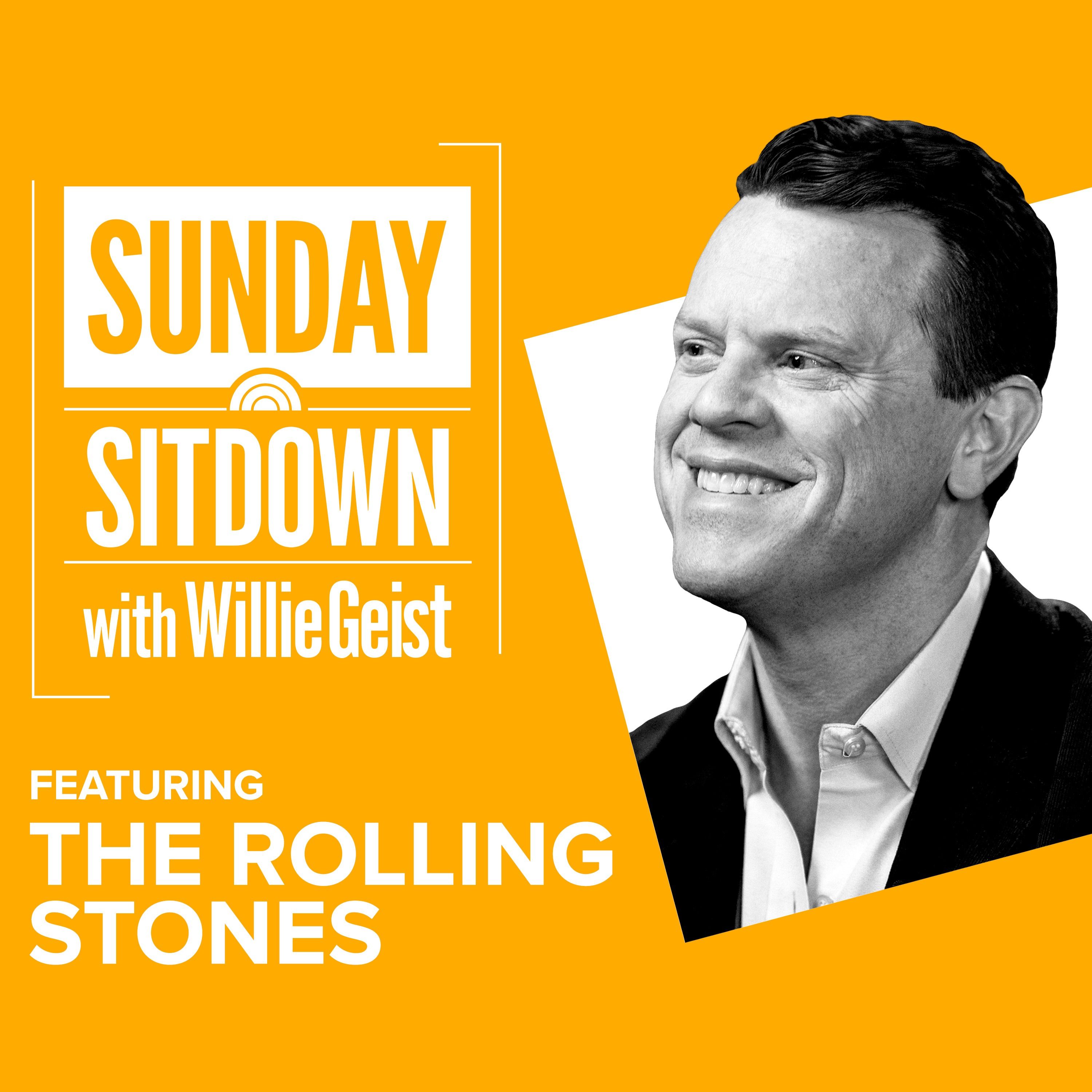
Sunday Sitdown with Willie Geist
The Rolling Stones on Lasting Legacy
00:55:46
The Rolling Stones have been making music for more than six decades and are out with a new album, Foreign Tongues, to the band's prolific catalog. Mick Jagger, Keith Richards and Ronnie Wood sat down with Willie Geist to talk about their most iconic songs, their old rivalry with The Beatles and the prospects of touring again.
Loading summary
Transcript322 lines
- [00:01]
Commercial Narrator
You know what they say. Early bird gets the ultimate vacation home. Book early and save over $120 with VRBO, because early gets you closer to the action, whether it's waves lapping at the shore or snoozing in a hammock that overlooks. Well, whatever you want it to, so you can all enjoy the payoff come summer with Vrbo's early booking deals. Rise and shine. Average savings, $141. Select homes only. Our trip up the coast was perfection. With my Sapphire preferred card, we earned three times the points on gas, online, grocery, and dining.
- [00:37]
Mick Jagger
It was amazing.
- [00:38]
Commercial Narrator
Chase Sapphire preferred the card that's preferred for a reason. Cards issued by JP Morgan, Chase bank and a member FDIC subject to credit approval terms apply.
- [00:51]
Willie Geist
Hey, guys, Willie Geist here with another episode of the Sunday Sit Down Podcast. My thanks as always for clicking and listening along. Got a special one for you this week. Over the last couple of weeks, you've heard my conversations with Mick Jagger and Keith Richards. Well, I also sat down and spoke to Rolling Stones guitarist Ronnie Wood. So we thought what we'd do here is put all three together in a special Rolling Stones Sunday Sit down podcast. The band has a new album coming out. It's called Foreign Tongues. Guys have been together, well, Mick And Keith, since 1961, when they met on the platform of a train station just outside of London. Ronnie, on the other hand, he's the new guy, only been there 50 years with the Rolling Stones playing guitar. So we talk about all of it. We talk about their history together, writing music together, what it's like to still be making music into their 80s. Ronnie is pushing 80. Mick and Keith are 82 years old. They've been at this for a long time, and they still got it a hard, driving, really good, just kind of almost a classic Rolling Stones album. We talk about their favorite albums, their favorite songs, what it's like to still be out there, and the possibility that they might hit the road and. And get back out on tour. So let's kick off a very special Sunday Sit down podcast with Mick Jagger, Keith Richards, and Ronnie Wood. Let's start it off with the frontman Mick Jagger right now on the Sunday Sit Down Podcast. Mick, thank you for doing this.
- [02:18]
Mick Jagger
Nice to see you.
- [02:19]
Willie Geist
Great to see you as well. Congratulations on the album Foreign Tongues.
- [02:23]
Mick Jagger
Thank you.
- [02:23]
Willie Geist
By my math, this is your 27th US album of original material.
- [02:28]
Mick Jagger
Okay.
- [02:29]
Willie Geist
Do you still get that thrill or those nerves or whatever the emotions are on the eve of an album release?
- [02:35]
Mick Jagger
Yeah. Yeah, you do, because you, you know, you spend a lot of time in it and your baby and. And, you know, you want other people to like it or, you know. You know that not everyone's gonna like it and they're not maybe gonna like everything, but. But, you know, they hope that it's not just, you know, oh, yeah. You know, not just, oh, yeah. Well, it's not interesting. You want them to just take notice, you know, of what you've done. And I guess, I mean, I don't really think about it like that, but everyone asked the same thing, you know, because when you make your first record, you're obviously hugely excited. I can remember that. And then. But, you know, as you say, the 27th is not quite the same, but I mean, we hadn't made an album for 18 years and then we made Hackney Diamonds. I mean, we've been. We've made a blues album. We didn't make original material. So hackney Thomas said, 18 year waiting list, you know, so we did this one, you know, it was like, not so long waiting for the next new one. So we did 10 new tracks for this album, which we record in London, and four were from the previous sessions from the Hackney diamond sessions, and one from before that. So, yeah, most of it's pretty new.
- [03:51]
Willie Geist
It does feel like you're in a bit of a groove. Hackney was only three years ago, and as you say, bigger bang was 18 years before that.
- [03:58]
Mick Jagger
Yeah.
- [03:58]
Willie Geist
Are you feeling those creative juices flowing at the moment? Yeah, yeah.
- [04:02]
Mick Jagger
I mean, I'm like. I write all the time. Really. I mean, that's the thing.
- [04:06]
Ronnie Wood
You.
- [04:07]
Mick Jagger
You don't. I mean, I think. I think you just get into a groove of writing that's good. And then, you know, working with Andy Watts, really helpful because he makes it all go so fast. There's no hanging around. And we have a plan of how we're gonna do it and how we're gonna. You know, how we're gonna do it. Like X amount of weeks. And we. We did the 10 tracks in four weeks.
- [04:30]
Willie Geist
Amazing.
- [04:31]
Mick Jagger
That's pretty quick. I mean, we used to spend months in the studio, writing in the studio, you know, like, I know you two still do this, and so we used to write in the studio and then whatever came out, you know, would be, you know, we got great things out of that. But. But these days that didn't seem to be working. So I do a lot of prep on the songs. So I prep the songs and do demos a lot of the songs. And so I know where they should go, where I think they should go. And then you hope that the band will take them somewhere much further than you've imagined. Which sometimes happens.
- [05:07]
Willie Geist
Is the process of writing songs with Keith much different than it was years back when you were doing.
- [05:13]
Mick Jagger
Yeah, I mean, there was a lot of processes of writing songs with Keith in the old days. I mean, we used to sit around with, you know, and just doodle and, you know, with a little tape recorder or actually start off with a big tape recorder. So long ago. And, you know, I write mostly lyrics and then. But I used to have to write the top lines because, you know, guitar player writers often come up with a lot of great chord sequences or little bits of melody. And, I mean, you have to fill the rest of it in. There's a lot of times a sketch. But over the years, we know we. We've written in all kinds of different ways, and we write a lot on our own, you know, so. And. And I. You know, I don't. We do a lot of this stuff, not writing. And then we got together in New York and played each other stuff that we'd written.
- [06:04]
Willie Geist
I've seen some of the videos behind the scenes making the album, some of them at the event yesterday. And if anyone's wondering if you guys still enjoy the process of making music, go watch these videos. I mean, you could be 25 years old again, the way you are together. Yeah. The way you're creative together. And honestly, watching you perform these songs and takes of songs as if you're at Wembley or something, you're dancing, you're moving around the room. Is that how you do it?
- [06:30]
Mick Jagger
Yeah. Well, when you get really rocker, you know, you don't, like, sit in an armchair doing it just because you're in the studio, no one's looking. You just get taken by it, you know, and certainly in the ballad, you know, if you've got a ballad, you know, do that. But you wouldn't do that on stage, you know, and. But if you've got a real rock, you take a. You know, use a handheld mic, you know, and. Or you. I mean, I can't keep still when I'm doing that stuff. But you gotta be on the mic.
- [07:03]
Willie Geist
We learned that a bit, didn't we? Yes. Moving the mic around.
- [07:06]
Ronnie Wood
Yeah.
- [07:06]
Keith Richards
You don't.
- [07:07]
Willie Geist
One of the really cool things about this album, among many, is some of the guests who join you.
- [07:13]
Keith Richards
Yeah.
- [07:13]
Willie Geist
Including Paul McCartney.
- [07:15]
Mick Jagger
Yeah.
- [07:15]
Keith Richards
How did that come about?
- [07:17]
Mick Jagger
Paul played on the last. On the Hackney Diamonds, and he played one. He plays one song on this, which is kind of like a melodic rap song. But he plays really. He plays really good. He's really in the groove. Very different because on the last album he played one what was a more as a punk tune. Yeah, but this is more like a soul tune kind of a groove. But he's really got ability to swap styles. I mean, he's a really good bass player.
- [07:45]
Willie Geist
Your musical relationship with Paul McCartney these days seems like you get along great and then you enjoy making music together. Has it always been that way?
- [07:54]
Mick Jagger
Yeah, he did sing with us in the 60s on a couple of tunes, him and John, and they were like. We were going through a really hard time and they were very supportive and we were making a record. It was difficult and so. But I've never written with Paul, which is kind of. I mean, I don't think he really writes with anyone else. But I mean, Andy was saying, you should write one with Paul, but we never got round to it.
- [08:22]
Willie Geist
Yeah, well, there's time. Clearly you're still finding the group. I mean, there was always this, are you Beatles? Are you Stones? All through the years, Was that just sort of a false creation from outsiders? Did you feel like rivals? I think it was good.
- [08:34]
Mick Jagger
I think it was an element of truth in it and. But I think there was a lot of element of PR in it too.
- [08:42]
Willie Geist
Right.
- [08:42]
Mick Jagger
But it was also London, Liverpool, so it's a bit like la, New York, you know, I mean, not that Liverpool's like la.
- [08:52]
Willie Geist
Slightly different, not really.
- [08:55]
Mick Jagger
But yeah, there was that. Obviously that was a good talking point for press to get onto.
- [09:02]
Willie Geist
Do you have a song on this album that you are most excited to play for people? Is there one? You go, okay, I can't wait to get out and play it for a crowd.
- [09:13]
Mick Jagger
Jealous Lover. I'd like to sing that. Yeah, you know, I mean, there's a lot of them. Mr. Charm, I'd like to do that one live. I really look toward doing that one live.
- [09:26]
Ronnie Wood
Yeah.
- [09:27]
Willie Geist
Rough and Twisted tune. Yeah.
- [09:29]
Mick Jagger
Rough and Twisted could be good.
- [09:30]
Willie Geist
Yeah, yeah, yeah, yeah. So that raises the question, is there a chance you guys will get out and play these for crowds, go on tour?
- [09:37]
Mick Jagger
Well, I'd love to. You know, I really want to, and I'm ready to go, but I don't think we're gonna do shows this year. But hopefully we'll do shows in next year.
- [09:48]
Willie Geist
You'll be back out on the road. Okay. Your fans will be very excited to hear that. Very excited to hear that. It seems to me, just listening to this, that this is classic Stones, this album. And by that I just mean it's just great blues inspired rhythm guitar. Your voice sounds great.
- [10:05]
Mick Jagger
Thank you.
- [10:06]
Willie Geist
Does it feel like a classic Stones album?
- [10:08]
Keith Richards
I don't.
- [10:09]
Mick Jagger
Yeah, I don't really know. I mean, it has a lot of styles on it, you know, in a way. And I think that's what's a good thing about the Rolling Stones. And I said this yesterday, but the Stones, you think of them as a classic rock band and everything, but in reality, there's very little classic rock on the album.
- [10:31]
Willie Geist
Really?
- [10:31]
Mick Jagger
Yeah, a lot of it is, is. Is. There's, you know, there's dance tunes, there's like country music, there's ballads, there's blues, you know, So I think that when you say it's a classic Stones album, to me that means that's like one of the best ones. Right. You know what I mean?
- [10:52]
Willie Geist
Right.
- [10:52]
Mick Jagger
Is it one of the best ones? I think you have to give it time, you know, even. I don't know, at this point, you know, you have to take a step back from it and say that was, you know, that in itself was a. Was, you know, that was one of your best albums or it was. Had good things. I mean, a lot of stuff you look back on and you go, you know, first of all, there's some Rolling Stones albums that have eight tracks. I mean, you only had eight tracks. I mean, you Only record 20 tracks in 10 days. You know, you had eight tracks and you were like 30 years old. Come on, what are you doing? And you know, and then, and then out of those eight tracks, you look back at it, you go, well, you know, I like three of them, but I don't really like all of them. Yeah, you know, and, and, but that at the time, obviously you like them all. So I don't know what to say,
- [11:43]
Willie Geist
I guess by classic, I just mean it sounds like your best stuff.
- [11:46]
Mick Jagger
Yeah, well, that's what you hope. You hope that everyone. You hope that every track has got something for everyone. And not everyone's taste is that kind of. This kind of style or not everyone's taste is that song. And so, you know, that's why you've got, you know, 14 tracks.
- [12:01]
Willie Geist
So we talking about classic albums. I was thinking about your run of about three and a half years from 68, starting with Beggars Banquet to 72, I guess with Exile, those four albums.
- [12:14]
Mick Jagger
Yeah, those. Those were really good albums. And, and, and probably nearly all of the tracks have got something to say. You know, nearly every track's got something to say. There's no fillers in things. I mean, these Days, things are not quite the same. You've got to remember that. I mean, we all talk about albums and we talk about album covers, but very few people, including myself, really listen to a whole album anymore.
- [12:38]
Willie Geist
Right.
- [12:39]
Mick Jagger
Of course there are people that do, but they're a minority. So you. You really pick and choose. I mean, we always did that. We played the opening track of an album, play two tracks, and then, okay, I'll play something else. Or you play if you really love this artist, you. But. But now, you know, most of. Most of the time you listen to things online, you know, and. And so you pick and choose. And if you'd like a new album of someone, you. You play the first couple of tracks and that's enough. And if you really like those, then you might. I might. That's my. What I do is I dig into it later and I go on. Okay. I let the album play and I put the album on, not the track online. And I listen to the album playing. I discover things.
- [13:21]
Willie Geist
Yeah.
- [13:21]
Mick Jagger
You know, that one doesn't like. Bang. No. You know, Ah, no. And then. Then you find something that really interesting that you wouldn't have found, you know, maybe. So it's a different way of discovery, I think.
- [13:34]
Willie Geist
Or sometimes one grows on you that you didn't like initially, and then.
- [13:37]
Mick Jagger
Exactly.
- [13:37]
Willie Geist
It's on a new meaning as you listen to it more. So there's a parlor game among Stones fans about the Desert Island Stones album. I just listed a group of them. Okay. Do you have a favorite Rolling Stones album?
- [13:53]
Mick Jagger
I mean, I. I mean, I think Sticky Fingers is really good. I think Beggars Banquet is really good. I think Hackney Diamonds is pretty good, too.
- [14:04]
Willie Geist
How about a song? If there's one song that you could look back and.
- [14:07]
Mick Jagger
One song. There's like hundreds of songs.
- [14:09]
Willie Geist
I understand. But if there's one that you say that is us at our best, that song.
- [14:15]
Mick Jagger
I mean, there's so many different styles. I mean, you, you. You're running the gamut of sympathy with the devil. You know, start me up, Angie, Honky chomp, women. All these are great, but they're all very different. You know, one's a samba, one's a ballad, one's a rock. You know what? You know, that's what I like about so many stars. That's why it's hard to pick one. And that's why I don't mind Stones being like classic rock. But they. In my mind, they're really not. They're not that. Because they're not playing. There's no album with the Rolling Stones, where you hear 12 rock tunes in a row, there isn't one.
- [14:53]
Willie Geist
Yeah, and they're all blues songs at the end.
- [14:55]
Mick Jagger
Yeah, there's always blues songs. Yes, there's always blues songs. And everything is very blues tinged, you know, So a lot of rock bands, obviously a lot of rock bands are blues, blues inspired, you know, so we're the. We're the only one. But there are a lot of indie bands that. That I really like, but they're not very blue blues inspired. But you can. You can like them and everything. But everything that the Stones do is blues inspired. So the rock numbers come out with that, you know, that. The samba song comes out with that, you know, nearly all. And even the ballads come out with that. So, you know, it's in. Our first love was blues and everything. And we have this huge debt to black music, you know, that we always acknowledged. And so we're inspired by that initially. And obviously we want to take it into our own styles and create our own changes in that and create our own music. But we're always in debt to that. And I think you can hear it
- [16:02]
Willie Geist
in every song, whether you intended it or not to. You've elevated so many blues artists just by talking about them sometimes, certainly playing with them. Has that been a gratifying byproduct of your work?
- [16:14]
Mick Jagger
Well, I mean, we owe this huge debt to those people. You know, first of all, we love them just as fans. And before we were blues players or even even thought about it being a blues. I never thought about actually being a blues player when I was 13. You know, it wasn't what, you know, it wasn't what white kids from the suburbs did. You became like you were more like Buddy Holly or something. But I mean that all those people were also influenced by the blues as well. So you didn't think of yourself like that. But then, yeah, then you start to see those people live, you start to meet them, you know, and. And then eventually, amazingly, you start playing with them. And so this whole. This whole thing, you know, which start. You start as a fan and then you end up playing with these people, which is an amazing thing. And you learn an awful lot.
- [17:07]
Willie Geist
And it's been that way, as you say, since you were a child, basically.
- [17:10]
Mick Jagger
Yeah.
- [17:11]
Willie Geist
Thinking of the moment you and Keith had that now famous meeting on the train platform in Dartford.
- [17:16]
Mick Jagger
But even before that and when we were playing, both Keith and I were, and many other people that we still are around were interested in that kind of music from when we were like 13 years old. And we would play mostly acoustic. We would buy acoustic blues albums. You know, they would be on the television. They would do tours of England and see them on the television. That's how you're first. What your first influences came from that. And so we were always very interested in that. And gospel, too. There's a lot of gospel music came through England. You know, Sister Rosetta Tharp, these kind of. Mahalia Jackson, these kind of. They were often on television. And as there was only two television stations, you watched them. You know, you were kind of a captive audience and you watched them. And so I think these were very influential on our early. All of our early musical upbringing.
- [18:16]
Willie Geist
How extraordinary to have a Muddy Waters record under your arm as a kid riding the train and then to walk in one day to Chess Records.
- [18:24]
Mick Jagger
Yeah.
- [18:24]
Willie Geist
And play with Muddy Waters. That's to be surreal, right?
- [18:27]
Mick Jagger
It's kind of surreal. It is surreal. And. And it wasn't a very long gap.
- [18:32]
Willie Geist
Right.
- [18:32]
Mick Jagger
In reality, in years, we're not talking that many years until you met all these people and. And, you know, met them all. And we're under all kinds of weird circumstances. When we were doing a promotion, Hollywood promotion, singles show with Go Go Dancers, and Howlin Wolf came, you know, I mean. I mean. And we got him on the show and Howlin Wolf came in it. You know, they'd never had anything but just teen, you know, songs. And then Howlin Wolf was there, and Howlin Wolf brought with him this famous old blues singer called Sun House who goes back to. This is back to the 30s. It goes back to the Robert Johnson with the Crossroads the Blues.
- [19:17]
Willie Geist
Yeah, yeah.
- [19:18]
Mick Jagger
This is like really, you know, and I met Son House and, you know, I never thought I would meet him. And, you know, it's just in. In a Hollywood studio, it's just very odd. It's just very odd.
- [19:30]
Ronnie Wood
Sure.
- [19:31]
Mick Jagger
Yeah.
- [19:31]
Willie Geist
But you've had that kind of impact too, that I grew up on your music and I learned about those guys because you played with them or talked about.
- [19:38]
Mick Jagger
Yeah, well, that's a cool idea. I mean, that's good. You know, I mean, you got a lot. And then after that, you had a whole lot of intermingling of influences. And so that, you know, everyone was. We don't forget that we also had the huge amount of influence of soul music in gospel music and the Tama Motown being so popular. And that was the intro into soul music for a lot of people. Like the Beatles. Yes. You know, I think the Beatles were influenced by Tamla Motown.
- [20:14]
Willie Geist
Yes.
- [20:15]
Mick Jagger
And they used to do covers of Tamla Motown and a show which we never. We never did that, you know, because we were supposedly a blues band, but they used to do covers. And then. And then the thing after that, that leads you into the more kind of like slightly unknown, and that leads you to James Brown and so on and so on, which we always admire.
- [20:35]
Willie Geist
I was just telling you backstage here that one of the last times we saw each other was on the set of the James Brown movie, and the late, great Chadwick Bosnian was there. But even that to be able to help to bring to life the movie about James Brown.
- [20:46]
Mick Jagger
Yeah, well, that was great. You know, and Chad was such. You know, that was Chad's second movie.
- [20:52]
Keith Richards
Right.
- [20:52]
Mick Jagger
Cause he did the biopic. Did two biopics on the trots. He did Jackie Rob's. Jackie Rob's. Yeah, and then he did the James Brown movie, and he was so great in that. And he really channeled James Brown perfectly. I thought what was also fun in that period was doing the documentary on James Brown because with all these musicians talking about him in this very tongue in cheek way, this type of sort of skating over some of the, you know, telling the stories about how bad he was. I mean, bad in whatever way he wants to say bad, but telling him about him, you know, his strange behavior or how he behaved if you stepped out of line and all this and.
- [21:43]
Willie Geist
Right.
- [21:45]
Mick Jagger
But yeah, that was a fun documentary to make.
- [21:48]
Willie Geist
Yeah, that was. And the film was beautiful, too, with Chadwick. Before I let you go, Mick, you were talking about the state of music and how we all listen to singles, which is very true. I'm curious, are there contemporary artists that people might be surprised you're a fan of? Is there someone on the charts right now? Oh, he or she's cool.
- [22:08]
Mick Jagger
No. Okay. I like a lot of, you know, this is a lot of pop music, really, you know, But I mean, the way I consume it is like anyone, you know, I'm not, like, necessarily a huge fan and listen to everything that everyone does, you know, that maybe, you know, I'm a huge Bob Dylan fan. So I listen to Bob Dylan a lot, but, you know, with pop music, I just. It's more like grazing a lot. It's a lot of grazing. And you just put that playlist on and you hear what's happening this week or last week, and, you know, and something hits you and you go, ah, you know, and my son said to me, oh, Zara Larson's having a big comeback. And I said, well, she never went away from Me, I mean, I said I like to since ruin my life, you know, so. And I said, why not? I was like, just what I like. And that's when I'm in that mood. That's what I like.
- [22:59]
Willie Geist
Right. So you still are tuned in, you know, what's going on in you.
- [23:02]
Mick Jagger
I don't know everything that's going on. But what I'm saying is the way I consume pop music is. It's the way I consume candy, you know, it's like sometimes I have a binge of it, you know, and I'm binge on that chocolate, whatever. And then I've had enough and I have a little break from it, you know, and then I don't know what's going on, you know. Right. I've lost touch for three weeks. I don't know what the hits of the last three weeks are.
- [23:32]
Keith Richards
Right.
- [23:33]
Mick Jagger
And then I go back in again.
- [23:34]
Willie Geist
Right. You know, that's probably a good way to do it. A little sampler.
- [23:37]
Mick Jagger
Yeah, it's a sampler. And then I go back to listen to Robert Johnson, you know, and I go, wow, he's still amazing. Yeah. I've heard things. I thought I'd heard everything in there, but it's still something. I just heard the way he sang that.
- [23:50]
Willie Geist
A century later, you're still hearing something new.
- [23:52]
Mick Jagger
It's a century later.
- [23:53]
Willie Geist
Yeah.
- [23:54]
Mick Jagger
Is it? Totally.
- [23:55]
Keith Richards
Yeah.
- [23:55]
Mick Jagger
To think of it like that, it
- [23:56]
Willie Geist
doesn't seem, Mick, that you're slowing down at all. When I listen to this new album, do you expect to continue to put out music every couple of years?
- [24:05]
Mick Jagger
I think I have a lot more songs to write, so, you know. You know, I wrote a lot of stuff and I hope to be writing more. So. Yeah, I don't want to slow down, particularly. I don't feel like slowing down. I mean, I don't see why I should, but I. I think when you do, songwriters are weird thing because you just. Once you. You need time to get going and once you get going, it starts to come, you know, you don't get frustrated the first few days. You're not going to write necessarily going to write anything, you know, that's amazing. And then like fifth day you start writing, things start coming, you know, and when we do, like I was. I was playing the piano and I had this. I just came to a drum machine and I was doing this song, Jealous Lover. And I just started it. I just started. I just got the chorus. I was singing Jealous Lover and the phone rang and. All right, it was Andy. I said, andy, hang on a minute. I'm right in the middle of doing this chorus and the player's way he says, that's great, that's great. Carry on. Don't stop. I'm hanging up. Don't stop. Call me when you finished it. That's Andy. So that bumps me up a bit, you know.
- [25:19]
Willie Geist
A look inside the process. We will take as much music as you can possibly put out. Mick, thank you so much and congratulations. Hey, guys, thanks for listening to the Sunday Sit down podcast. Stick around to hear from Keith Richards right after the break.
- [25:34]
Commercial Narrator
Getting enough protein in the morning isn't easy. You want something that fits your routine and tastes good. That's where Silk Protein comes in. It's a new plant based protein milk with 13 grams of complete plant protein plus 3 grams of fiber and 50% less sugar than dairy milk. Pour a glass, blend it into a smoothie or add it to your coffee for the road. Silk Protein helps provide the nutrients you want more of with a great taste. Shop now for Silk Protein at a store near you. Good morning, students. Soccer teaches us teamwork, leadership, geometry, art, physics, and a lifetime of lessons we can take with us long after we leave the field. That's why bank of America and US Soccer are committed to helping bring soccer to every school. Soccer is officially in session. Raise your hand to help bring soccer to schools@bofa.com socceratschools Ryan Reynolds here from
- [26:32]
Willie Geist
Mint Mobile with a message for everyone. Paying big wireless way too much. Please, for the love of everything good in this world, stop with Mint. You can get premium wireless for just $15 a month.
- [26:42]
Keith Richards
Of course, if you enjoy overpaying.
- [26:44]
Mick Jagger
No judgments.
- [26:45]
Willie Geist
But that's weird.
- [26:46]
Keith Richards
Okay, one judgment. Anyway, give it a try@mintmobile.com Switch upfront
- [26:53]
Commercial Narrator
payment of $45 for 3 month plan equivalent to $15 per month. Required intro rate first, then full price plan options available. Taxes and fees extra. See full terms@mintmobile.com welcome back.
- [27:03]
Willie Geist
Now my conversation with Keith Richards. Keith Richards. I just had to say that out loud. I'm so happy to meet you.
- [27:11]
Keith Richards
Hey, pleasure.
- [27:12]
Willie Geist
Thank you for doing this.
- [27:13]
Keith Richards
Yeah.
- [27:13]
Willie Geist
We were just talking about the new album Foreign Tongues.
- [27:16]
Keith Richards
Yeah.
- [27:17]
Willie Geist
Which sounds to me like just another a great Rolling Stones album. It's blues, great driven rock and roll. Does it feel that way to you?
- [27:26]
Keith Richards
It did. And I'm really glad that it sort of feels the same way to you. Yeah. Because it is. It is what it is. It's a Stones album and they're on a roll at the moment. You know, since Hackney Diamonds, they've got a. They're picking up the force. But anyway, it was great fun to make Andrew. What is a is a. Is a kick up the butt, let's put it that way. And also Nick was coming out with a lot of material. We still had a lot of material left over from Hackney Diamonds and it was in a way a continuation of that record, except us getting to know each other, or at least Andrew Bella. And you're just tweaking things here and there. And also for me, Steve Jordan and Daryl Jones, which is the Stones rhythm section now, they're on this together and I was really happy to get them in the groove.
- [28:27]
Willie Geist
Yeah. Steve Jordan, who is one of the all time great drummers, right. Comes in on the untimely passing of your dear friend Charlie. Is it still a little odd though, to look back and see that Charlie's not there?
- [28:39]
Keith Richards
Yeah, this is black the only surprise. But yeah, otherwise, you know, Charlie and Steve are so close and Steve knows Charlie's love and feel that we can play with it. Sometimes he fools me. I do think it's Charlie Watts behind me. And he's not necessarily trying to do it. It's just a sort of natural feel, you know, this is what we like, you know.
- [29:08]
Willie Geist
It does feel like you're on a roll, Keith, which is you guys hadn't put out a new original album in many years. Almost 20 years. And then comes Hackney and then now, just three years later, here we go
- [29:18]
Keith Richards
again, full of surprises.
- [29:21]
Willie Geist
Does it feel like you're on a roll at the moment?
- [29:24]
Keith Richards
At the moment, yes, it does. You know, I mean, recording is a strange thing, you know, sometimes nothing is happening or there's a lot happening, but it's not the right time to put it, you know, you never know. There's all many variables about let's put a record out. And at the same time, record companies are putting out all reissues and everything. Well, you know, we're not going to fight ourselves, so.
- [29:52]
Ronnie Wood
So.
- [29:54]
Keith Richards
But I'm amazed that we pulled it off and I'm very happy. So this is like, yeah, this is a fresh here we come again sort of thing.
- [30:03]
Willie Geist
Well, we're happy you are. Here you come again is the process of writing music with your old friend Mick and making a record. Is it much different now than it was all those years ago? Or does it feel like there's still a fundamental relationship that makes the music?
- [30:19]
Keith Richards
We do it in the old days. I mean, obviously we were on the road together. We were writing all of that early stuff, you know, in holiday Holiday Inns, you know, come on, we got a deadline. And. And now we write separately in part, and then sort of pull everything together and say, you know, well, what do you got?
- [30:41]
Willie Geist
You know?
- [30:42]
Keith Richards
Yeah, show me your wares. And, I mean, try and work it out like that, you know, and it's at the same. You know, when you have a new producer. Andrew was hearing stuff from out of the can that we hadn't. You know, we sort of overlooked all our. And this still has to be used, which was very interesting. And, you know, there's some. So there's a sort of continuity about it. You know, it was kind of nice. You know, there's Charlie's on a couple of tracks.
- [31:15]
Willie Geist
Yes.
- [31:15]
Keith Richards
You know, there's a sort of fairly seamless.
- [31:20]
Willie Geist
You have some recorded drums from Charlie about five years ago, before he passed on this record, which is a very cool touch. Do you still, Keith, get the joy that you've always gotten out of making music, which is sitting in a room maybe with your acoustic guitar and working something out?
- [31:37]
Keith Richards
You know, I think that's the most constant thing I can say yes out of, you know. Yeah, music is. It's better than jail. But, you know, you can put yourself in there and music will do for you whatever you can put into it and find out. I mean, I sit there sometimes and I have no idea. I never sit down and say, I'm going to write a song. I just pick up an instrument and play Buddy Holly or something and then wait, and then suddenly, somewhere out of something. Hold on. That's an interesting change. And it sort of starts from little things like that, you know. Then you say, I've got to follow that sequence a little more, and then a phrase comes into play, and then that's writing songs.
- [32:38]
Willie Geist
That's amazing. It'll just come to you.
- [32:40]
Keith Richards
Yeah, that's the way I expect. Yeah.
- [32:42]
Ronnie Wood
Yeah, right.
- [32:43]
Keith Richards
I never chase it. It's too. It's too hard work.
- [32:47]
Willie Geist
Do you play every day, Keith? Do you sit with your guitar every day?
- [32:50]
Keith Richards
No, I wouldn't say every day, but just about. I always have acoustic guitar. You know, it's on my couch. And. Yeah, I keep my hand indefinitely. You know, you have to, really.
- [33:03]
Willie Geist
Is this how some of the great riffs you've played over the years? Whether it's Satisfaction or Start Me up or all those, you know. Is that how those have come to you, just playing?
- [33:11]
Ronnie Wood
Yeah.
- [33:12]
Keith Richards
Just sitting around on the couch and, you know, with an acoustic guitar, and then you say, hey, guys, like this one. And if it's a Yay. Then we take it, you know. But, yeah, it's quite a little, you know, private little thing in a way. And sometimes you call up Mick and say, I've got this riff, but I've only got half of it. What have you got? Maybe you can fill in the other half. And so we kind of work like that, you know.
- [33:41]
Willie Geist
Yeah. The partnership that has worked for, I don't know, 60 some years, right?
- [33:46]
Keith Richards
Yeah.
- [33:46]
Willie Geist
Through thick and thin
- [33:49]
Keith Richards
since the sand pit.
- [33:53]
Willie Geist
Do you ever think back, Keith? I don't know if you're sentimental about these things, but I was thinking about this fateful meeting that you and Mick had, famously, in 1961, on the train platform in Dartford, right. And he's got the records under his arm and it's Muddy Waters and Chuck Berry and you say, that's my guy. Do you ever. Now, all these years later, when you've sold out every stadium on the face of the earth and you're one of the greatest bands of all time, do you ever stop and go, look how far we've come?
- [34:20]
Keith Richards
I was afraid of British Rail,
- [34:25]
Ronnie Wood
but
- [34:28]
Keith Richards
the fact that he just got in the same carriage that day, Dartford railway station, is a shrine to me.
- [34:37]
Willie Geist
There is a plaque there, Keith. I don't know if you know that.
- [34:39]
Keith Richards
I heard, yeah, yeah, yeah, yeah. I don't go back there. I don't want to cause disturbance.
- [34:46]
Willie Geist
Well, it's now a historic landmark where you and Mick got together. But do you stop and think about, look how far we've come?
- [34:52]
Keith Richards
I. You know, sometimes somebody's mentioned it to you and you go. And it does get in your. Right in your face. And you're my God, I can't believe. And. And then there's another part of you having done it so long that you sort of. You put the old man actor, and I say, oh, you know, it's the way it is. But there is somewhere in between, there is a wonder about it. Yeah.
- [35:16]
Willie Geist
How do you explain, Keith, the longevity of this band, where you talk to
- [35:21]
Mick Jagger
my daughter, we can talk about your
- [35:24]
Willie Geist
longevity, but the band's longevity, that in 2026 you can put out this album, Foreign Tongues, and have it sound as good as ever? Your guitars and Mick's voice and everybody. It's right there. How do you explain that?
- [35:39]
Keith Richards
I wish I would ask somebody else that. I can't explain it. I would just say that there's a very, very strong bond between Mick and I that goes even beyond, in a way that we're aware of. And I think that might be Something to do with it. And then we have just been so fortunate in working with the right cats, you know, from Charlie, what's it. And Ronnie, you know, now I have Ronnie, you know, I mean, we've. We've always drawn the. The best guys to us. And. And I tell you what, sometimes it's like a pleasure. You start to step, I say, I gotta step up. This guy, right?
- [36:20]
Ronnie Wood
Yeah.
- [36:21]
Keith Richards
Right. So it sort of keeps you on your toes and, you know, which isn't
- [36:25]
Willie Geist
bad, you know, when you play with the best, you've got to keep up sometimes. Isn't that right?
- [36:28]
Keith Richards
Yeah. When you demand the best. Yeah.
- [36:32]
Willie Geist
You talked longevity. You have this funny line you say at the shows sometimes. You say, it's good to be here. It's good to be anywhere. Right, Right. I think people look at your life and they go, wow, he is still doing it at this point. What is your secret?
- [36:48]
Keith Richards
If. If there was a secret, first off, I wouldn't tell anybody. And I mean, I don't know. I mean, it's as simple as that. I just keep going. I feel good as long as I got something to do, you know, Especially with these boys at the moment. They're really keeping me on my toes. And, you know, I mean, I've even lost some weight.
- [37:12]
Willie Geist
Looking good.
- [37:13]
Keith Richards
Yeah.
- [37:14]
Willie Geist
Do you still get the thrill when you go out on stage and maybe play that opening riff of Start Me up or Satisfaction and the crowd, as they have for all these years, goes wild? You still feel that?
- [37:26]
Keith Richards
Yeah. Yeah. You feel it. I mean, you feel it through the crowd, you know, even, you know, and. And suddenly it's amplified by, you know, fifty hundred thousand people emotions, you know, it is. And I mean, basically, that's why you do it, you know, Just love to get on stage and kick some ass.
- [37:50]
Willie Geist
Is there a. I know this is a difficult question. I was just talking to Nick about this. Is there a song when you get out there and play, you go, yeah, this is the one. This is us at our best.
- [38:02]
Keith Richards
Oh, I know there are thousands is really tough.
- [38:05]
Willie Geist
I know it's too many and they're all different, but do you.
- [38:07]
Keith Richards
You know. But sometimes. And I wake up and suddenly ask myself that question. I say, midnight rambling.
- [38:14]
Willie Geist
I'm with you on that, by the way.
- [38:16]
Keith Richards
Just. I don't know why it always says this is the expression. This is what it's all about. It might be not the best song in the world, I don't know. But it's the Rolling Stones at their best.
- [38:29]
Willie Geist
It's a great tune, isn't it? It's a great tune. And Mick ends it by saying, I stick my knife right down your throat, baby, and it hurts.
- [38:36]
Keith Richards
You can't go wrong with material like this. And we're out.
- [38:42]
Willie Geist
Another game I was playing with Mick was there's this idea of the sort of desert island, the great Rolling Stones album. People say, Let It Bleed or Exile. It depends, you know, which area you like the best, maybe. Or tattoo you one of those. Do you have a favorite Rolling Stones album?
- [39:04]
Keith Richards
I can't cut them up like that. No. I'd go along with it because there's so much stuff from different times. And I mean. I mean, there are the obvious ones. Becker's Banquet. I mean, do I have to. If I have to pick, could I pick, you know, any of that stuff? Could I pick this one? You know, But I mean, at the moment it's not tried and tested, so I can't throw this one into the mix, but I couldn't pick one. And then Exile on Main street was, wow. Like, I mean, this is a tough one, pal.
- [39:45]
Willie Geist
Yeah. And then there's the story, the making of these records. Exile, famously, you guys in France, which is so different from the process for this album when, as you've talked about, you know, it was about what, four weeks of this little room together. But it does seem like watching just some behind the scenes footage of you guys working together. The joy of being in that room together and making cool songs is still there for all of you.
- [40:12]
Keith Richards
Yeah, there is some footage.
- [40:14]
Willie Geist
Yeah.
- [40:14]
Ronnie Wood
Yeah.
- [40:15]
Keith Richards
And yeah. Because I think they filmed the whole sessions without even knowing. So I've seen. It is funny. It is.
- [40:25]
Ronnie Wood
Yeah.
- [40:25]
Keith Richards
Because half the time he's making jokes and going, oh, my God, I screwed up. And then, you know, then there's the music and stuff. And it's just the process of putting something together. And I'm also. Because we were working with Stevie Wynwood. Yes. You know, which he's made an all English band, at least the front mine. And yeah. Which was a real pleasure. And because Stevie. I first met Stevie when he was about 15 or 16, and he had a huge hit called Give Me Some Loving, I'm a Man and Keep on and all produced by Jimmy Miller, who later was the same guy that produced our stuff, you know.
- [41:15]
Ronnie Wood
Right.
- [41:16]
Keith Richards
And so that was our connection. I hardly ever seen him since, you know, so it was really. He was on stage, I remember, and threw some fish in the piano or something because it was a. Last night, some bizarre story, you know. Anyway. Never forgot it. Yeah. So that was really great to have Stevie join in. Yeah.
- [41:37]
Willie Geist
The fact that you guys have kept your. That blues bass sound all these years, has that been important to you? I mean, you've gone through in the 80s, there was a little disco sound occasionally with the times, but at the end of the day, you've been a blues band.
- [41:51]
Keith Richards
You don't think about that. You know, it's. It's in and. Yeah, this is the way it goes.
- [41:56]
Willie Geist
Right, right. That's just. Yeah, that's just it.
- [41:59]
Keith Richards
That's built in.
- [42:01]
Willie Geist
But I think for as popular as you guys are, to carry on that blues legacy and to let people know Muddy Waters and Chuck Berry from rock and roll, that in some ways you're carrying that legacy.
- [42:12]
Keith Richards
Everything that you listen to now and listened to before, there is something about the blues which is, like, beautifully consistent and has something more than just the obvious or the blues. There is a musical thread through it and through popular music. Even when it's not an obvious blues, you could hear the blues in it.
- [42:37]
Willie Geist
That's right. That's right. It's the foundation of the whole thing.
- [42:40]
Keith Richards
Yeah. It's the great American gift, man.
- [42:42]
Ronnie Wood
Yes.
- [42:43]
Willie Geist
Would you, Keith, like to get back out on the road and play some of these songs when you guys are ready?
- [42:48]
Keith Richards
I'd love to. I. I don't think it's going to happen this year.
- [42:54]
Willie Geist
Yeah.
- [42:54]
Keith Richards
But I. We're working this record, you know, and. But basically the road, or working this, you know, working live again is absolutely, I think, you know, on the plans probably next year.
- [43:10]
Willie Geist
Great. Okay.
- [43:12]
Mick Jagger
All right.
- [43:12]
Keith Richards
Well, we've got millions of years.
- [43:14]
Willie Geist
Exactly. Exactly. I mean, I. I don't sense any reason or any inclination from you guys to step away. You're still going full speed at this point.
- [43:27]
Keith Richards
You.
- [43:28]
Willie Geist
You gonna keep going like this?
- [43:29]
Keith Richards
Sure, of course. What else? Now am I gonna change?
- [43:34]
Willie Geist
Well, we certainly hope you do, man.
- [43:36]
Keith Richards
Thank you. Nice to talk to you, man. Thanks.
- [43:38]
Willie Geist
I appreciate it. Stick around to hear from Ronnie Wood right after a quick break.
- [43:45]
Commercial Narrator
Wasn't that delicious? So good.
- [43:47]
Willie Geist
Your bill, ladies.
- [43:48]
Commercial Narrator
I got it. No, I got it. Seriously. I. I assisted first. Oh, don't be silly. You don't be silly.
- [43:56]
Willie Geist
People with the Wells Fargo Active Cash credit card prefer to pay because they earn unlimited 2% cash rewards on purchases.
- [44:03]
Commercial Narrator
Okay. Rock, paper, scissors for it.
- [44:05]
Mick Jagger
Rock, paper, scissors.
- [44:06]
Ronnie Wood
Shoot.
- [44:07]
Willie Geist
No. The Wells Fargo ActiveCash credit card. Visit Wells Fargo.comActiveCash terms apply. Finding the music you love shouldn't be hard. That's why Pandora makes it easy to explore all your favorites and discover New artists and genres you'll love. Enjoy a personalized listening experience simply by selecting any song or album and we'll make a station crafted just for you. Best of all, you can listen for free, download Pandora on the Apple App Store or Google Play and start hearing the soundtrack to your life.
- [44:39]
Mick Jagger
In the red corner, the undisputed, undefeated weed Whacker guy, champion of hurling grass, Agreement howling everywhere.
- [44:47]
Ronnie Wood
And in the blue corner, the challenger,
- [44:50]
Mick Jagger
extra strength Hadaday eye drops that work all day to prevent the release of
- [44:56]
Willie Geist
histamines that cause itchy allergy eyes.
- [44:59]
Mick Jagger
And the winner by knockout is Haliday Halliday. Bring it on.
- [45:08]
Willie Geist
Welcome back now, my conversation with Ronnie Wood. Thanks for doing this, Ronnie. It's great to meet you.
- [45:15]
Ronnie Wood
My pleasure.
- [45:15]
Willie Geist
Been a fan for a long time. It's funny, when people talk about you, they say, he's the new guy. He's only been here 50 years in the Stones,
- [45:26]
Ronnie Wood
it's been a longer friend.
- [45:29]
Willie Geist
This album is extraordinary. We were just talking about it. Foreign Tongues. When you heard you're getting the band together again just a couple years after Hackney Diamonds, does that excite you, that energy, that creative energy to get back into it with the boys?
- [45:43]
Ronnie Wood
It's how it should be, you know, not too much time gone by before we start creating again. You know, I knew there was a lot in the pipes, you know, in the works and, you know, it always is, you know, and it's great to just tap that and it's healthy to let it come out more often than leaving it 10 years between albums, you know. Right, so that's where Andrew Watt came in hand, you know, to kick us the necessary parts to, you know, to get us into action and make all this happen. Yeah, because otherwise it's all talk, you know, you sit around and go, you know, we cut a demo and go, right, let's do a demo of this one now, and do a demo. And then you start piling up, right? And if you haven't got anyone to say, come on, you know, let's put this together and finish it, you know, then it's just years go by. And that's how it happens, that you did a pile up of material and when you listen to it again, it's kind of aged and kind of. Yeah, are you sure? So there's no time for that. You've got to jump on it and catch the spontaneity.
- [46:54]
Willie Geist
Yeah, because before, as you say, before Hackney, it had been almost 20 years since you've done an original album of new music. And that's A long time for you guys to go, isn't it?
- [47:04]
Ronnie Wood
The only compensating thing to it was that we'd been touring more and more and more, you know, every two years kind of thing, which was pretty good, you know, I love that. But, yes, we solved the studio saga
- [47:23]
Willie Geist
now, yes, there's Andrew Watt. I don't know if everyone appreciates whatever his magic is. He's a young guy who's worked with just about everybody. He did Hackney with you guys?
- [47:34]
Ronnie Wood
Well, Paul McCartney told me about him at dinner one night, because I said, we need someone to kick us in the shape like Jimmy Miller used to do. Right before my time. But I used to love what they did and I love the regularity of the albums, you know. And then that subsided and Paul said, why don't you give Andrew a try? He's this young kid I've been working with. He said, no harm in it, you know, if it doesn't work, you haven't lost anything. I said, right. And so I said, I'm going to tell Mick. So the next day I asked Mick what he was going to do. He said, well, I got a list of people to produce and the top of the list was Andrew Watt. And I thought, this must be in the air, you know, something must be, you know, drifting around in the. In the.
- [48:30]
Willie Geist
In the atmosphere.
- [48:31]
Ronnie Wood
Yeah, lovely.
- [48:32]
Willie Geist
What is it about him that makes him so good at what he does? Because you've worked with so many producers, what's special about him?
- [48:38]
Ronnie Wood
Well, he makes you jump to it and he can back up what he says by being able to play and sing and, you know, each instrument you play, a little bit of piano or a little bit of guitar or it. You know, he knows my guitar. He thinks he knows it. He thinks he's teaching me my own parts, but it's so great and his enthusiasm is fabulous. He plays a bit of bass, too, you know, a bit of harmony, background vocals together. But the great thing is participating and creating.
- [49:14]
Mick Jagger
Yeah.
- [49:15]
Willie Geist
Do you still get the thrill, the joy that you've always had when a new album is about to be given to the world? I mean, you've done so many of them.
- [49:24]
Ronnie Wood
I've seen gifted to the world months
- [49:26]
Keith Richards
ago,
- [49:28]
Ronnie Wood
July, before it can come out.
- [49:30]
Willie Geist
That's true. So is it still exciting to. On the eve of this moment?
- [49:35]
Ronnie Wood
Yeah, very exciting, yeah.
- [49:37]
Willie Geist
Yeah, it's. And it's a beautiful album. It's. It's so well done, your role in the band. I mean, I would joke that you're the new guy, but you Joined, I think officially in 76. We started playing with him in 75.
- [49:49]
Ronnie Wood
Is that 74, my first album? 73. Right, right. But the. The flatbed truck was 75, you know, down Fifth Avenue.
- [50:00]
Willie Geist
Right, right.
- [50:01]
Ronnie Wood
That was my official kind of announcement.
- [50:03]
Willie Geist
And so I'm just thinking for you, you are in a great band. Faces with Rod. The phone call to join the Rolling Stones, what did that feel like?
- [50:12]
Ronnie Wood
Well, it was always on the cards because I'd known them over the years.
- [50:15]
Willie Geist
Yeah.
- [50:15]
Ronnie Wood
And they always used to say to me, well, we see it then. And I said, yeah, sooner than you think, you know. And it always came. I was in the right place, you know, I was in Hyde park when Brian died and Mick Taylor was taking over. And I bumped into Mick and Charlie there and they said, hey, great to see you, you know, what are you doing? And I said, well, look, I've come to watch you guys, you know. And they said, look at all these people. Oh my God, you know, we going to do it. Oh, we gotta go. We'll see you soon. I said, yeah, sooner than you think. And then the next thing was, I was there when Mick Taylor said to each other he was leaving the band and Mick said to me, what am I gonna do? And I said. And he said, would you join? I said, I thought you'd never ask. Yeah, it was great. The fate involved with what was meant to be, you know.
- [51:10]
Willie Geist
And how do you view your role in the band? Because to hear Mick and Keith talk about it, there is no Rolling Stones without you. Which is.
- [51:19]
Ronnie Wood
Well, I take their ideas through the ceiling, you know, and. Yeah, by my solos and my creativity
- [51:28]
Willie Geist
and my push, you know, and there's something about the. You and Keith playing guitar together. What is that? Magic? How do you explain that?
- [51:36]
Ronnie Wood
Yeah, the weaving, the ancient form of weaving.
- [51:39]
Willie Geist
Yeah, yeah.
- [51:40]
Ronnie Wood
It's an unspoken guitar language that we just exchange and we don't over analyze it, but something magic happens there and we go, okay. May it continue.
- [51:56]
Willie Geist
The thrill, I was saying, of new album coming out. What about the thrill of playing live with the Rolling Stones, walking out onto the stage?
- [52:06]
Ronnie Wood
Yeah, the biggest buzz ever, you know. Yeah, but that won't happen this year. You know, we want to work though, but really have to wait till next year.
- [52:15]
Willie Geist
Yeah, that's what the guys were saying too. Maybe next year. Get this one out, let it get out.
- [52:20]
Ronnie Wood
We definitely want to play and tour
- [52:21]
Willie Geist
around a little bit.
- [52:22]
Ronnie Wood
Right. That's another whole thing is setting up a tour and getting the dates and the availabilities and picking where you want to go. But, you know, we thought we'd do one thing at a time. We, you know, get this album up and running and going through its changes.
- [52:39]
Willie Geist
You know, there's one of the beautiful parts about the new album is that we get some of the drums from Charlie recorded in 2021 before his passing.
- [52:50]
Ronnie Wood
It's so respectful. I'm so lucky that we have some tracks in the bag with Charlie playing. And for some reason, we managed to get Charlie in the studio quite a lot before he became ill. And we were just turning out lots of demos, and I went over to France, a mixer. I've got all these ideas, you know, can we just put them in demo form in a studio? So I played along with Charlie, all these ideas, and like, on the Hackney Diamonds, we use one. And hit me in the head on Foreign Tongues.
- [53:36]
Willie Geist
Yeah.
- [53:36]
Ronnie Wood
It's just nice that Steve Jordan, you know, was handed the bat on with Charlie's blessing. You know, he said, anything happens to me, make sure Steve takes my place. Because he's got that kit, you know?
- [53:51]
Willie Geist
Yeah, he does.
- [53:51]
Ronnie Wood
Explosive kit.
- [53:53]
Willie Geist
Yes. Steve's incredible. But is it still odd sometimes for you to be playing and turn around and not see Charlie there? Do you still feel him in the
- [54:00]
Keith Richards
room a little bit?
- [54:01]
Ronnie Wood
Well, we feel him, yeah. Because Steve makes that happen. You know, he continually playing with respect, what Charlie played. Charlie was like a firework display in his approach. And Jordan is like a bomb going off the edge. Yeah. It's like, wow, you get blown sideways five feet, you know, but that's what we like. Yeah.
- [54:25]
Willie Geist
I can tell you guys still have, after all these years, so much fun making music together. I was saying at this event in Brooklyn, the launch party, I was watching as, you know, Mick would be giving an answer to a question, and you and Keith, like schoolboys in the back of the class, are giggling and hitting each other and laughing. I mean, you still love being around the guys, don't you?
- [54:46]
Ronnie Wood
Oh, yeah. Cause it's like the schoolyard unleashed. When we get back together, it doesn't matter how long we've been apart, years can go by, we don't have to speak or anything. But when we're back together, it's like no time has passed. And the humor and the interaction and the, you know, the talent just goes through the roof. Yeah.
- [55:08]
Willie Geist
And that's gotta be good for creativity when you're in a small room making a record together, to have that kind of easy rapport with each other.
- [55:15]
Ronnie Wood
And then in between times, I get my paintings, you know, something I Can do on my own. And I get really. Sometimes I forget to take my jacket off. I get so possessed with an idea, you know, I have to get it down on canvas and then I step back and I go, christ, I haven't even taken my coat off yet. It's like five hours later.
- [55:33]
Keith Richards
Wow.
- [55:34]
Willie Geist
Yeah, I was gonna ask you about that. What is the genesis of your talent but also your fascination with painting? When did that start for you?
- [55:43]
Ronnie Wood
It started when I was a little lad, because my older brothers were artists and musicians. So if they played, I would play. If they painted, I would paint. And right from a young age, I remember four years old, you know, jamming with them and stuff. My first. First gig was rolling newspaper on a tape recording and making it sound like fire, you know. And then I played the washboard on stage with them at the age of seven.
- [56:13]
Mick Jagger
Wow.
- [56:13]
Ronnie Wood
In their skiffle band, you know.
- [56:15]
Keith Richards
Wow.
- [56:16]
Ronnie Wood
And that's when I first got butterflies going on stage and I thought, yeah, this is a good job. Like John Lennon. This a good job.
- [56:25]
Willie Geist
And then the applause after the performance felt pretty good, too. You want to feel that again, right? The. Speaking of applause, I'm curious, from your point of view, when you go play a show, what is the song that you play that either fires up the crowd the most or that fires you up or fires you up together?
- [56:43]
Ronnie Wood
It depends. If you mean rehearsal, no.
- [56:46]
Willie Geist
At a show at Wembley, you walk out there, what's the song? And you know it's coming. You said, this is about to explode.
- [56:52]
Ronnie Wood
Well, if you're talking about explosions, it's street fighting, man. You know, the opening riff and the engaging beat, you know, it's unrefusable. It draws. Draws you. Draws her heart to it in the music, you know, the fundamental depth of the music.
- [57:20]
Willie Geist
Yes. The longevity of your band. I was talking to Keith about this a little bit earlier is extraordinary. The fact that at this point, 60 some odd years since the Stones were born, that you're putting out this quality music that sounds like an album that could be from 1968 or something like that, has that same energy behind it. How do you explain that? How do this longevity of the Rolling Stones.
- [57:47]
Ronnie Wood
The only way I can explain it is to say that it's what we do. You know, it's just in our blood. We can't help it. You know, it's. And we can't have any other talk but to carry on and create. You know, we don't even. Everything else is a foreign tongue to us.
- [58:05]
Willie Geist
You know, there's no reason to even consider retirement or anything like that, is there?
- [58:12]
Ronnie Wood
As long as you're retirement. What's that?
- [58:13]
Willie Geist
You know, what would you do anyway?
- [58:15]
Ronnie Wood
Right?
- [58:15]
Willie Geist
Well, you'd paint, I guess I would
- [58:16]
Ronnie Wood
paint and play in my retirement.
- [58:18]
Willie Geist
Right.
- [58:19]
Ronnie Wood
May as well take it to the people.
- [58:21]
Mick Jagger
Exactly.
- [58:22]
Willie Geist
Let the people see it.
- [58:23]
Ronnie Wood
Yeah.
- [58:23]
Willie Geist
Well, this is a spectacular album. Congratulations. It's been fun to talk to you guys today, and you don't need me to say it, but good success on the record. Congrats.
- [58:32]
Ronnie Wood
Yeah, thanks so much.
- [58:33]
Willie Geist
Good to see you, man. My big thanks to the Stones, Mick Jagger, Keith Richards and Ronnie Wood for great conversations. Their new album, foreign Tongues, is out on July 10th. And of course, you can hear their full catalog of legendary music wherever you get yours. And my big thanks to all of you for listening again this week. If you want to hear more of my conversations with our guests every week, be sure to click follow so you never miss an episode. And don't forget to tune in to Sunday Today every weekend on NBC to see these interviews with your own two eyes. I'm Willie Geist. We'll see you right back here next week on the Sunday Sit down podcast.
- [59:21]
Commercial Narrator
Our trip up the coast was perfection. With my Sapphire Preferred card, we earned three times the points on gas, online grocery and dining.
- [59:28]
Mick Jagger
It was amazing.
- [59:29]
Commercial Narrator
Chase Sapphire preferred the card that's preferred for a reason. Cards issued by JPMorgan Chase bank and a member FDIC subject to credit approval terms apply.