← Sweet Bobby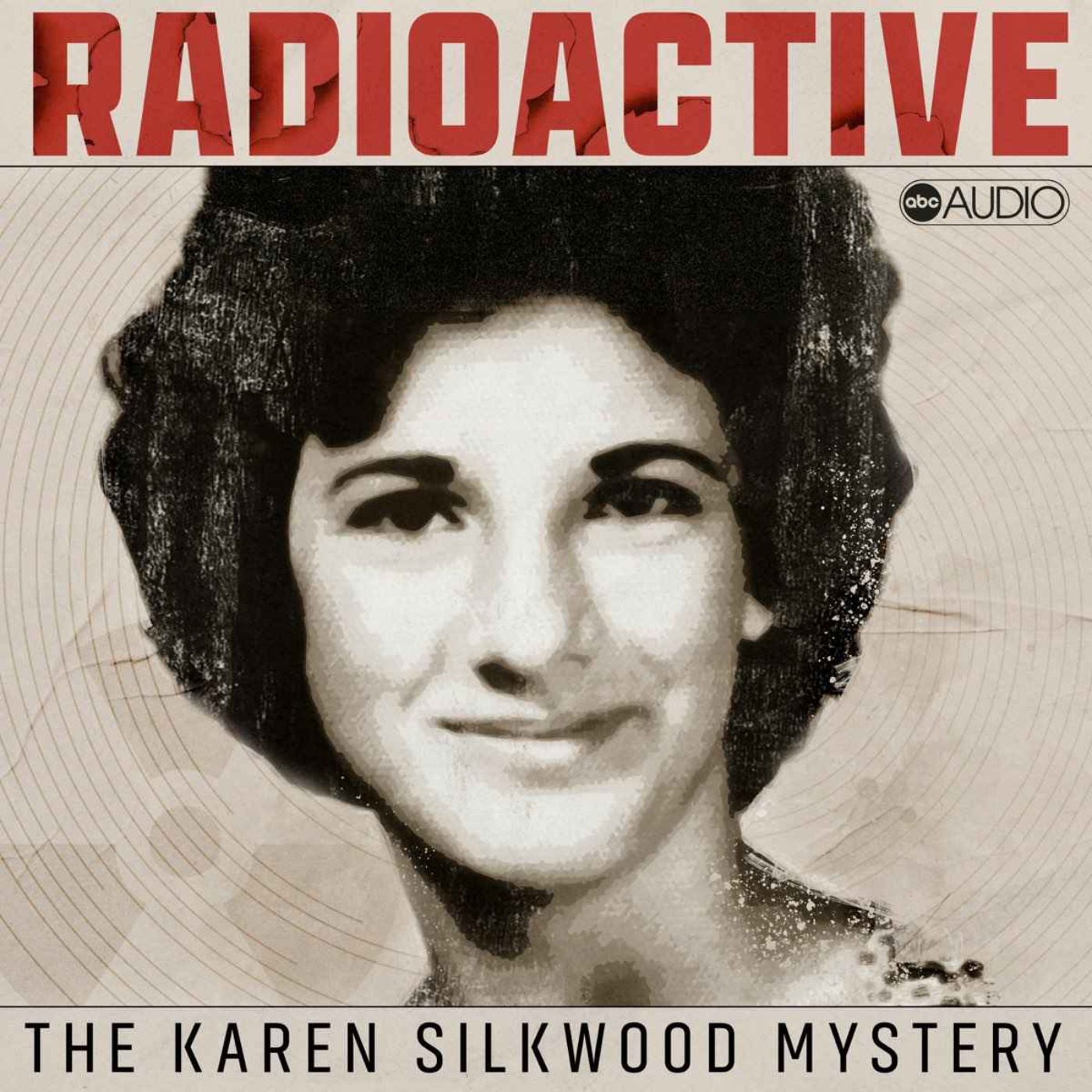
Loading summary
Transcript193 lines
- [00:00]
Bobby Sands
Thank you for listening to Sweet Bobby. This podcast has been on an incredible journey since we released it back in 2021. And since then, I've gone on to investigate a whole range of other stories. There's hoaxed about one of the most serious conspiracies in the UK and my search for the people behind it. Who trolled Amber, which digs into the bot campaign against Amber heard during the celebrity trial of the century, which Johnny Depp. And this autumn, I released Elon's Spies, all about the private investigators used by one of the most powerful men on the planet, Elon Musk. So if you liked what you heard with Sweet Bobby and you want to try another of my investigative podcasts, just search for Tortoise Investigates. That's Tortoise Investigates. It's the home of all our best investigations, all in one place.
- [01:01]
Unknown Host
Hey, listeners, we're sharing something special this week. It's an episode from a new podcast, Radioactive the Karen Silkwood Mystery. It details the death of a 28 year old whistleblower, which, still 50 years after it occurred, haunts Oklahoma and the US as a nation. In 1974, a young Plutonian plant worker, Karen Silkwood, was en route to meet a New York Times reporter when she died in a fatal car crash. She'd agreed to deliver sensitive documents that were never found. Two reporters who covered the story spent years trying to piece together what many in Oklahoma speculate. Karen Silkwood may have died for what she knew. Now hear newly discovered investigative tapes, deathbed revelations, and long awaited interviews re examining what happened that night. The story still resonates. Nuclear secrets, threats to the powerful, and why the truth stubbornly refuses to stay buried. Here comes the episode. You can listen to more episodes of Radioactive wherever you get your podcasts.
- [02:14]
Bobby Sands
Last year, my buddy Mike and I found ourselves inside a giant warehouse with hundreds of big wooden storage containers stacked floor to ceiling.
- [02:25]
Mike Petcher
It felt like a scene from an Indiana Jones movie. You know, the one where the government stores the lost ark in a massive warehouse filled with crates where it'll never be found.
- [02:37]
Bobby Sands
Well, we were definitely searching for lost treasure, hoping one of these storage containers would hold the key to a 50 year old mystery. Okay, it's coming out.
- [02:50]
Mike Petcher
We pulled out box after box, each one sealed with layers of thick packing tape.
- [02:56]
Bobby Sands
There were boxes of toys and old family photo albums and a somewhat creepy ventriloquist dummy. Let me get this out of the way. I can't see what it says. And then. Mike, you found it.
- [03:10]
Mike Petcher
What?
- [03:11]
Bobby Sands
Silkwood Storage.
- [03:13]
Mike Petcher
The very last box in the very Back corner.
- [03:16]
Bobby Sands
Biggest Dallas. Holy cow. I got goosebumps on the outside. In black Sharpie. Was the name Silkwood? Yeah, it's all here. Holy Mac.
- [03:33]
Mike Petcher
This is what we'd been looking for. Hoping for cassette tapes recorded in the 1970s. Interviews a private investigator had made looking into a mysterious death.
- [03:45]
Bobby Sands
The death of Karen Silkwood. Karen died in a single car crash off a dark, empty Oklahoma Highway. Exactly 50 years ago this November. She was on her way to meet a New York Times journalist. Reportedly to hand over documents she'd secretly been collecting at her job at a nuclear facility.
- [04:12]
Mike Petcher
But she never made it to that meeting.
- [04:15]
Bobby Sands
On the way, Karen fell asleep at the wheel. Possibly under the influence of drugs. Drove off the highway, crashed into a ditch and died.
- [04:24]
Mike Petcher
Or at least that's the official story. We've never believed it, not for one second. From ABC Audio, this is radioactive. The Karen Silkwood Mystery. Episode one the Tapes.
- [04:41]
Bobby Sands
I'm Bobby Sands.
- [04:43]
Mike Petcher
And I'm Mike Petcher.
- [04:44]
Bobby Sands
We're two old gray guys who've been in this journalism game a very, very long time. Mike and I met as young reporters at competing Oklahoma news outlets. We were both on the scene of a hostage situation back in 1973. Bullets were whizzing past our heads. I dove off the end of a flatbed trailer and what does this crazy character do? He stood there holding a microphone in the air, trying to catch the sound of the bullets flying by. I said to myself, that's a guy I gotta get hooked up with. And we've been buddies ever since.
- [05:22]
Mike Petcher
By 1974, Bobby and I were working in the same newsroom, KTOK Commercial Radio in Oklahoma City. We wrote news copy on typewriters. And stories came in from across the country on the AP wire machine. When breaking news hit, the alarm on the Teletype machine would go off.
- [05:43]
Bobby Sands
That summer, reporting came through that KTOK newsroom about a 28 year old union organizer making noise about safety conditions at a local nuclear facility.
- [05:55]
Mike Petcher
Karen Silkwood was a lab analyst at a nuclear fuel production plant. It made the plutonium fuel rods to power a new kind of nuclear reactor. Part of a multi million dollar experiment to supercharge nuclear energy. And when she began to notice unsafe working conditions, leaks, spills, co workers getting contaminated with radioactive material. Over and over again she spoke up, tried to change things, make them better.
- [06:28]
Bobby Sands
Karen was a rank and file worker. One of only a few women who worked in that plant. And yet here she was, standing up to her employer, Kerr McGee, an atomic energy giant.
- [06:42]
Mike Petcher
Karen became nuclear energy's first whistleblower Though the term whistleblower was just starting to be used. This was at a time when the idea of someone inside of a big corporation exposing alleged misdeeds was shocking.
- [07:00]
Bobby Sands
And so when news of Karen's death broke in November of 74, when that bell dinged on the wire, I paid really close attention.
- [07:09]
Mike Petcher
We would have loved to investigate Karen's death, but Bobby and I were too young and too green then to dive headfirst into such a complex story. There was mystery and controversy swirling all around it.
- [07:26]
Bobby Sands
Over the years. We kept a close eye on the Silkwood case, and for a time, so did the rest of the country. For much of the next half hour.
- [07:34]
Mike Petcher
I'd like to look with you at.
- [07:36]
Bobby Sands
A real life whodunit.
- [07:37]
Unknown Commentator
Karen Silkwood, a young woman who tried to expose the dangers at a plutonium plant in Oklahoma.
- [07:43]
Mike Petcher
He died in a car crash on the way to deliver documents allegedly about.
- [07:47]
Bobby Sands
Safety abuses at the plant. Tour reported.
- [07:49]
Unknown Commentator
The official reports don't reveal that Karen Silkwood was a person caught up in a power struggle. Bluntly stated, she was spying on her employer.
- [07:58]
Mike Petcher
There was an investigation by the Oklahoma Highway Patrol, an FBI investigation, a civil lawsuit, several appeals, a congressional hearing, and two appearances before the Supreme Court of the United States. Did I miss anything, Bobby?
- [08:15]
Bobby Sands
Well, there were also investigations by several news outlets. And Karen's story got lots more attention in 1983 with the release of the Hollywood movie Silkwood, based on her life. Meryl Streep starred as Karen, actually got Streep an Oscar nomination.
- [08:34]
Mike Petcher
They're killing me.
- [08:36]
Linda Silkwood Vincent
They're trying to kill me. They want me to stop what I'm doing.
- [08:39]
Mike Petcher
In the real life version of Silkwood, Karen became an icon for the labor movement, the women's movement, and the nascent anti nukes movement with vigils for Karen years after her death. Karen Silkwood, today we thank you.
- [08:56]
Bobby Sands
We honor your memory. We will try to make that truth known as you did. We will not forget you. Mike and I held on to Silkwood over the years as we covered countless other stories.
- [09:07]
Mike Petcher
Investigations into grisly murders, Storm chasing through tornado alley.
- [09:13]
Bobby Sands
I was standing outside a home that.
- [09:14]
Mike Petcher
Was just completely flat and the car.
- [09:17]
Bobby Sands
Is on its roof. There was war reporting overseas and the Oklahoma City bombing which shook our home state and the country. We covered that for NBC.
- [09:27]
Mike Petcher
Oklahoma City INS consider themselves halfway from anywhere. This morning. They were right in the middle of hell.
- [09:33]
Bobby Sands
And then a couple of years ago, we decided to try and pick back up with Silkwood, do the job we would have loved to have taken on. As cub reporters 50 years ago.
- [09:44]
Mike Petcher
Because it didn't feel like any of the many investigations in the 70s and 80s had gotten it right. None of them were able to once and for all disprove the highway patrol's official narrative of a single car crash. It appeared at the scene and from.
- [10:02]
Bobby Sands
The physical evidence at the scene that.
- [10:04]
Michael Meadows
She ran off the road by herself.
- [10:09]
Bobby Sands
To us, there seemed to be more to Karen's story. And we weren't the only ones who suspected it. It's a widely held belief Karen Sookwood died for what she knew. So what had Karen uncovered? Who had she upset? Why did her car hit that concrete wall? Was there a second vehicle involved?
- [10:34]
Mike Petcher
We just can't seem to shake the idea that justice hasn't come for Karen yet. But maybe it will.
- [10:41]
Bobby Sands
There are fewer and fewer people alive to share what they know from the night Karen died. Many of the people who worked with Karen in the plant are dead.
- [10:52]
Mike Petcher
Plus, even 50 years later, some people are still reluctant to talk about what happened. Hello?
- [11:01]
Bobby Sands
Yes, ma'am. My name is Bob Sands. I'm a producer. I produce documentaries. Have you got just a moment to chat with me?
- [11:09]
Linda Silkwood Vincent
What is it about?
- [11:10]
Bobby Sands
It's about the death of Karen Silkwood.
- [11:13]
Mike Petcher
It's not anything I can talk about.
- [11:15]
Linda Silkwood Vincent
I've sworn to secrecy is not anything I can talk about.
- [11:19]
Bobby Sands
Well, see, this is the kind of stuff I want to sit down and talk with you about on camera. Sir, I don't want to go on camera.
- [11:26]
Mike Petcher
I'm not going to testify to anything too long ago, but we've got some new leads. Like something Bobby's been holding onto for decades. Decades?
- [11:36]
Bobby Sands
In the mid-90s, about 20 years after Karen's death, I was handed a secret tape with the instruction I could not reveal its contents until certain people named in the tapes died. Well, that time has come. We'll hear what an investigator was trying to shed light on decades ago and what he came up against.
- [11:56]
Unknown Commentator
He did advise me that this could become very dangerous. And that my life could possibly be.
- [12:04]
Michael Meadows
In danger if we got deeply involved in this.
- [12:08]
Mike Petcher
And we found people brave enough to talk. People who can shed light on who Karen was and what she was learning about the place where she worked.
- [12:18]
Bobby Sands
And people with clues that could possibly help solve the puzzle of her death. People who've been holding on to the old investigative tapes we dug out of storage. And even physical evidence from the night she died. In one case, an accident investigator saved a crucial piece of Karen's wrecked car, Even making sure to pass it on to his daughter. On his deathbed with the idea that someday someone could figure out what really happened to Karen. That someday someone would come looking for it.
- [12:54]
Mike Petcher
Well, here we come. So, 9:08. And this is where your mother, Karen Silkwood, lived. Wow, you've been here before?
- [13:14]
Michael Meadows
Not since I was 4 years old.
- [13:16]
Mike Petcher
Michael Meadows was just 5 years old when his mother, Karen Silkwood, died. We met outside the apartment where Karen spent her final months. It's a plain red brick, one story building broken up into a few apartments, each with a front door opening onto a small shared lawn. So what do you remember anything about when you came here when you were a kid?
- [13:40]
Michael Meadows
So over the years, I've described a breakfast at a kitchen island bar piece where one side is the kitchen, one side were two bar stools. And I can remember my older sister and I having breakfast, just cereal of some sort at that bar.
- [13:55]
Bobby Sands
Michael doesn't remember much about his mom. He has a few fragmented memories, that breakfast. A trip to the zoo, maybe a trip to the state fair. Though he's not sure about that last one. Looking at Karen's old apartment makes him feel like some of those memories he's been grasping for could be unlocked. If he could only see through the apartment's brick walls and 50 years into.
- [14:20]
Michael Meadows
The past, then and I would. Can't see inside, but it's tempting to want to go peek in the window and see if anything flashes or if I remember anything from that long ago.
- [14:31]
Mike Petcher
Instead of memories of his mom, Michael's got black and white photos, newspaper clippings, police reports. If he tries to picture his mom or imagine what she was like, the image in his head is actually Meryl Streep's portrayal of Karen in the 1983 movie Silkwood.
- [14:51]
Michael Meadows
That movie came out when I was 14, 15 years old. I didn't understand how Hollywood worked. So, you know, Meryl was Karen in my head. Jokingly, my daughters refer to Meryl affectionately as Grandma. Hollywood played such a key role in how we view everything. So I kind of drew myself to think so that's who she was.
- [15:16]
Bobby Sands
Michael is a former Marine, and four years ago he started his own investigation into how his mom died, how her car smashed into that concrete culvert wall. And he shares a suspicion other people have.
- [15:30]
Michael Meadows
Was it a single car accident? Did she simply fall asleep at the wheel? Or did she. Was she forced off of the road and struggling to get back on and not seeing the concrete culvert in the dark in front of her, smashing into it and ending her life? There's never been A definitive answer. Both sides told a very different story that night of what happened. And as her son, I would like to have a definitive answer of what really took place.
- [16:00]
Mike Petcher
You know, in my mind, just thinking about you. You're a former Marine, and it sounds like you're a marine on a mission.
- [16:10]
Bobby Sands
Right.
- [16:12]
Michael Meadows
With his hands tied, which, you know, I'll take what I can get, but I don't know that I'm going to have all of the tools I need for this particular mission.
- [16:23]
Mike Petcher
Why are your hands tied? How are they tied? What ties them?
- [16:28]
Michael Meadows
The fact that there's still so many people afraid to tell what they know or what they've heard. It's amazing to me that 50 years later, a company that barely even exists, if it does exist at all, still has that kind of control or that kind of intimidation.
- [16:43]
Mike Petcher
The company, the one Karen worked for, was Kerr McGee, named for its powerful leaders, Robert Kerr and Dean McGee in Oklahoma.
- [16:52]
Michael Meadows
Kerr McGee was Oklahoma. You know, they. They. I mean, you can't go downtown and not step on their streets. There's the Dean McGee, the Robert Kerr boulevards intersectioning down by the courthouse. So, I mean, Kerr McGee helped build.
- [17:05]
Bobby Sands
Oklahoma back in the early 1970s. Kermagee was a Goliath in Oklahoma and in America's oil and gas industry. But if Kermagee was Goliath, Karen never set out to be David, though she certainly became one.
- [17:21]
Mike Petcher
She took the job at the nuclear plant because she needed a job, and the company was one of the biggest employers in the area. But also, Karen loved science.
- [17:36]
Linda Silkwood Vincent
She was the only girl in her chemistry class, which was kind of, back then, was unusual.
- [17:43]
Bobby Sands
That's Linda Silkwood Vincent, Karen's youngest sister.
- [17:47]
Linda Silkwood Vincent
Girls didn't take chemistry class. You know, you took homemaking and those kind of things. You were going to be a housewife that she was like. I say she was the only girl in her chemistry class, so.
- [18:00]
Bobby Sands
So she had dreams.
- [18:03]
Linda Silkwood Vincent
She planned on doing something with her life. You know, it just took a little detour for a little while.
- [18:10]
Mike Petcher
And that was a guy. Yeah.
- [18:13]
Bobby Sands
We met Linda and Karen's other sister, Rosemary Silkwood Smith, at Rosemary's home, 30 minutes east of Houston. We wanted to get a better picture of who Karen was as a young woman before she turned into the fearless whistleblower.
- [18:28]
Mike Petcher
We know Rosemary and Linda treated us to cookies and coffee, and we reminisced about their big sister. Karen was six years older than Rosemary and 13 years older than Linda, and boy, did Karen take to that role of big sister.
- [18:44]
Linda Silkwood Vincent
When Linda was born, that was like her baby, she was so tickled. She was very affectionate. She's a very loving and caring person.
- [18:58]
Bobby Sands
Karen took care of people. She would help friends with their schoolwork and volunteered as a candy striper at the hospital. But Karen also liked living on the edge a little bit. She was gutsy.
- [19:12]
Linda Silkwood Vincent
Football stadium was across the street and we used to climb that tree and get on the roof and watched the football game.
- [19:23]
Bobby Sands
And she taught you how to drive?
- [19:26]
Linda Silkwood Vincent
Yes, in a 64 Volkswagen Bug with the 4 on the floor.
- [19:36]
Bobby Sands
How old were you?
- [19:37]
Linda Silkwood Vincent
12.
- [19:40]
Mike Petcher
And later in life, Karen raced cars and was pretty good at it, too, in her white Honda Civic.
- [19:46]
Linda Silkwood Vincent
She had told me that she had raced and won that trophy, and I said, you're racing your little car.
- [20:00]
Mike Petcher
Karen got a scholarship for college, but dropped out against her parents wishes to marry Bill Meadows, an oil pipeline worker and motorcycle lover that she'd met a year earlier.
- [20:12]
Bobby Sands
Well, Mary isn't quite right with her being 19 and Bill only 18. No one would legally marry them without their parents permission.
- [20:22]
Mike Petcher
But the two teenagers were headstrong and determined it became a common law marriage.
- [20:28]
Bobby Sands
Karen's son Michael says his mom was stubborn. For better or worse, she'd get into heated debates with her father in law. Michael says other people would have been intimidated to challenge this big, accomplished, headstrong Navy vet. Not Karen.
- [20:45]
Michael Meadows
He's like, yeah, you know, everybody else would get up and leave the room because they thought we were legitimately mad at each other. He said she just believed what she believed and I believed I believe and neither one would back down. So I always found that interesting where I get my stubbornness from, although my father's got it too. So I get it from both sides of the family.
- [21:02]
Bobby Sands
In the early days, life with Bill was exciting. Bill Meadows talked about those early days in an A and e documentary from 2001 called Karen Silkwood A Life on the Line. We used to go down to Lake Dallas and jump off of the railroad trestle into the lake, which was about 40, 50ft high.
- [21:20]
Unknown Commentator
She kept doing that. The last time she did, she was, I think, seven months pregnant with Christie.
- [21:24]
Mike Petcher
Christie was the couple's first child. Two years after Christy, they had Michael. Then a year later, another daughter, Dawn. By the time Karen was 24, she had three babies to take care of. Like lots of people in oil country, the couple moved around a lot in those first few years, but landed in Duncan, Oklahoma.
- [21:47]
Bobby Sands
Bill Meadows told us that in his marriage to Karen, when things were good, they were very good, and when they were bad, they were very Bad.
- [21:57]
Mike Petcher
Karen's sisters also remember highs and lows.
- [22:02]
Linda Silkwood Vincent
She tried to come home more than once. The first time, Bill came and got her, and the second time he brought his dad with him. And she went back with him then, and then she just decided that was going to be her life.
- [22:27]
Mike Petcher
We reached out to Bill Meadows through his daughter dawn, who is his caretaker. He didn't dispute going to get Karen when she left, and he said he did bring his father with him the second time.
- [22:41]
Bobby Sands
To her sisters, Karen seemed resigned to stay in the marriage. But then she found out about something else.
- [22:49]
Linda Silkwood Vincent
She found out that he was having an affair.
- [22:53]
Mike Petcher
After that, Karen decided she had to leave, and she decided to leave the kids with Bill because she knew his.
- [23:02]
Linda Silkwood Vincent
Family could provide for them better, take better care of them. He was never going to let her win at that.
- [23:12]
Mike Petcher
In August 1972, Karen moved out. She gave Bill an uncontested divorce. Her children were 5, 3, and almost 2 years old.
- [23:24]
Bobby Sands
A mother giving up custody of her kids was really unusual in the early 1970s. And it's something that after Karen's death, would be used against her to try and paint her as a bad mother and a bad person. Rosemary and Linda say Karen absolutely loved her children.
- [23:44]
Linda Silkwood Vincent
Her eyes would just shine when she was around the kids, and she truly loved her children.
- [23:52]
Mike Petcher
Michael says he doesn't hold his mother's leaving against her. He only saw her a few times in the 18 months after the divorce and before she died. But he feels like she fought for him and his sisters. For him, what's hard has been missing the chance to know his mom for himself, not someone else's version of her.
- [24:15]
Michael Meadows
It's odd because sometimes I get overwhelmed with emotions and I don't have anything to tie that to because, again, mom was gone when I was really young. She was out of the picture when I was really young. And I'm like, just need a second. I think it's about what I missed, you know, like, what the could haves. What could have been affects me more than actual sadness of losing her, because I don't have again, I don't have any memories of us together. So I don't. It's not like, gosh, I missed that, and, gosh, I missed that. It's.
- [24:58]
Bobby Sands
Take your time. It's okay.
- [25:04]
Michael Meadows
My heart knows there's a hole there.
- [25:08]
Bobby Sands
A hole he's trying to fill by learning all he can about the woman who never got to raise him, about her life and her death.
- [25:19]
Michael Meadows
Nobody came forward and said, hey, we did it. Nobody admitted wrongdoing I mean it was swept under the rug. So for the family, the reason we're still talking about it, the reason I'm still talking about it is because I would love for, in my lifetime, I would like to know what happened. You know, I don't, I don't expect at this point in time, 50 years later for there to be a perp walk, somebody in handcuffs saying I did it. That's, that's not what we're looking for. We just want to know if anybody out there knows what happened. What happened.
- [25:50]
Bobby Sands
That's precisely what we've been trying to figure out.
- [25:54]
Mike Petcher
So we're returning to the people who have the best chance of knowing. The ones still alive, who still hold part of Karen Silkwood's story. Just like Karen's son Michael, Steve Wotka has been gathering pieces of the Silkwood puzzle too.
- [26:23]
Unknown Commentator
Okay, so here, this is my FBI investigation documents. Everything's in cryological order.
- [26:30]
Mike Petcher
Steve met Karen in the early 1970s. He was a young staffer working for the labor union that represented Karen and other workers at the plant. The Oil, Chemical and Atomic Workers union or the ocaw. Back then his hair was black and wavy and he had a thick walrus style mustache.
- [26:52]
Bobby Sands
So very 70s of him. These days. Steve's got a head of white hair and a full gray beard. He recently retired from his career as an attorney advocating for people with work related cancer. He's now spending his retirement in a small New Jersey beach town trying to figure out what happened to Karen Silkwood 50 years ago. Filing freedom of information requests with federal agencies. Pouring over decades old legal documents and files with ink that's faded but still legible.
- [27:26]
Unknown Commentator
So there's 599 file items. That's just FBI.
- [27:34]
Bobby Sands
Steve also has the only recordings we've been able to find of Karen's voice.
- [27:40]
Unknown Commentator
Okay, now talking to Karen Silkwood. And Today is Monday, October 7th. All right, now what about this getting to these kids, joking about getting hot.
- [27:52]
Linda Silkwood Vincent
We've got 18 and 19 year old boys, you know, in 20 and 21, I mean and they don't, they didn't have a schooling so they don't understand what radiation is. They don't understand Steve. They don't understand.
- [28:11]
Mike Petcher
Steve held onto these recordings for 50 years and at this point he's replayed the call so many times he basically has it memorized.
- [28:21]
Unknown Commentator
She says this plant is essentially being operated by a bunch of kids, 18 and 19 year old kids, kids that were hired off of the local farms who didn't know anything. About radioactive materials and what's going to happen to them as they grow up and this material is inside of them.
- [28:48]
Bobby Sands
At the time of this call, Karen was still learning about the effects of repeated exposure to radioactive materials.
- [28:55]
Linda Silkwood Vincent
Steve, this going on every day. So it accumulates, doesn't it?
- [29:00]
Bobby Sands
Sure as hell does. She was concerned that she and her co workers didn't get enough information or training at the plant, especially about how. How plutonium could accumulate in the body over time. You'll hear a lot more from these tapes in the next episode.
- [29:17]
Mike Petcher
Karen actually only knew Steve for seven weeks. The last seven weeks of her life. She was in Oklahoma. He was in D.C. working at the OCAW's office there. But they got to know each other pretty well.
- [29:32]
Unknown Commentator
She was strong. I mean, she knew she was on the right side of things. And what was going on in the plant was wrong. And I think that gave her her strength.
- [29:43]
Bobby Sands
Though brief, those seven weeks would wind up changing the course of both of their lives. It all started with Karen's concerns about the plant. She claimed things there were sloppy and unsafe At Kermagee's nuclear facility in Crescent, Oklahoma. Plutonium, the stuff she and other assembly line workers were handling, has a half life of up to 20,000 years. Getting contaminated with that stuff can have major health consequences.
- [30:13]
Unknown Commentator
The belief is that that intense radiation that goes on essentially for the rest of the person's life causes lung cancer. So the handling of plutonium is supposed to be very strict. There's supposed to be essentially no contact whatsoever with this material. There's always supposed to be a barrier between the worker and plutonium. And what was going on in this plant was that barrier was being breached on a daily basis.
- [30:55]
Mike Petcher
Then Karen and a coworker raised some even bigger concerns about wrongdoing at the plant, that important quality control reports were being falsified. Concerns that, if true, meant the health and safety of a lot more people was at risk, well beyond people who worked at the plant.
- [31:17]
Bobby Sands
But a claim like that, they'd need evidence, company documents.
- [31:22]
Unknown Commentator
And Karen said, I'll do it. I'll pull it together. And we say to her, well, okay, report back to me, but keep it your profile low or non existent. No one should know that you're doing this.
- [31:40]
Bobby Sands
No one should know. So Karen went back to Oklahoma and started quietly looking for evidence. She told Steve over the phone that things were coming together and she'd be able to prove it. So he began looking for an investigative reporter. That's where legendary New York Times reporter David Burnham came in.
- [32:02]
Mike Petcher
They called me up and said, you ought to go to Oklahoma and meet this woman who has good information on a scandal going there where the Kermagee, which was the company that owned a lot of nuclear processing plants, was messing up. David Burnham passed away In October of 2024, just a few months after this interview. In the late 60s, early 70s, Burnham uncovered police corruption in the NYPD and then reported on Congress and federal agencies like the one overseeing Karen's job as an atomic worker.
- [32:47]
Bobby Sands
When the union tried to get Burnham in arrested in the story, at first he didn't bite.
- [32:53]
Mike Petcher
It was not quite on my beat and I said, no, thank you. And the bureau chief undid that answer and said, you're going out to Oklahoma City.
- [33:04]
Bobby Sands
So there it was. Burnham was going to OKC.
- [33:09]
Mike Petcher
Karen was set to meet Steve and Burnham on November 13, 1974 at 8:00 in the evening at the Northwest Holiday Inn in Oklahoma City. The plan was she turn over the evidence to burn him documents she'd been secretly collecting and he'd expose Kermagee to the whole country. When Steve asked Karen if she was reluctant or hesitant in any way, she was clear.
- [33:36]
Unknown Commentator
She said, I'll be ready.
- [33:38]
Bobby Sands
Karen was going to blow the whistle on this energy giant. Her life was going to change and everything around her was going to change. But none of that happened.
- [33:50]
Mike Petcher
Instead, here's what we know from that night.
- [33:57]
Bobby Sands
From around 5:30 to 7:00pm Karen was at a union meeting at the Hub Cafe, a greasy spoon in Crescent, not far from the plant. She drank an iced tea and aside from making a brief presentation to her fellow plant workers, she didn't say much. That night, a friend and fellow Kermagee plant worker Gene Young spotted Karen at the meeting, leafing through a stack of documents.
- [34:25]
Linda Silkwood Vincent
She sat right over the table by herself. Then she kept flipping through the papers.
- [34:29]
Mike Petcher
You know, this is from a 1980 interview for a documentary about Karen. Jean told the filmmakers that she talked with Karen right before she left the Hub Cafe.
- [34:41]
Linda Silkwood Vincent
I asked her how she felt and you know, that's the first time I'd ever noticed Karen a bit nervous. You know, we stood right there in the Hub and we talked and she told me, she said, I've got everything together. And she did. I swear to God, in front of God, you know, she had it.
- [35:00]
Mike Petcher
Jean also gave a sworn affidavit about that night, about how Karen had a manila folder with her about an inch thick, full of papers. She said some of them were typewritten pages, others were heavier, like photographs.
- [35:15]
Bobby Sands
Then Karen left and got into her 1973 white Honda Civic to drive the 30 miles to meet Steve and Burnham who were waiting for her at the hotel. With her boyfriend Drew Stevens, she headed.
- [35:31]
Mike Petcher
South toward Oklahoma City on State Highway 74. It was a road Karen knew well. She traveled it nearly every day to get to and from work. A narrow two lane roadway with steep shoulders and prairie on either side. On that night, Highway 74 was dark and empty.
- [35:52]
Bobby Sands
Karen was seven miles from Crescent when her Honda Civic went from the right lane of the highway across to the left and off the road onto the grass along the road's shoulder.
- [36:05]
Mike Petcher
Her car drove into a ditch and smashed head on into the concrete retaining wall of a culvert. Basically a big wide drainage channel running under the road.
- [36:16]
Bobby Sands
Law enforcement estimated that the moment of impact happened around 7:30 that night. The collision crumpled the front end of Karen's small two door Honda, making the windshield fly out and leaving the vehicle sitting on its left side in the red mud of the ditch.
- [36:36]
Mike Petcher
In pictures, the front end of the car looks like a crushed tin can.
- [36:42]
Bobby Sands
Karen Silkwood didn't have a chance.
- [36:45]
Mike Petcher
The highway patrol was notified of the accident at about 8pm and when the trooper arrived at around 8:15, he noted that Karen's legs were broken. She had dried blood on her face and she appeared to be dead. At around 8:30 an ambulance arrived at the scene. They transferred Karen to Logan County Hospital. She was pronounced dead on arrival around 9pm she was 28 years old.
- [37:23]
Bobby Sands
When Karen didn't show up for the meeting in Oklahoma City, Steve Watka, David Burnham, the New York Times reporter Andrew Stevens, Karen's boyfriend, started to get nervous.
- [37:35]
Unknown Commentator
So we were there at the Holiday Inn and we were waiting and waiting.
- [37:41]
Bobby Sands
It's ours and waiting.
- [37:44]
Mike Petcher
And we got more and more worried about that. Karen should have showed up by 8 o'clock. By 9 Steve decided to check on her.
- [37:53]
Unknown Commentator
And I said something's wrong. So I ended up making phone calls.
- [37:58]
Bobby Sands
And finally Steve reached one of Karen's fellow union leaders.
- [38:02]
Unknown Commentator
He says to me, Steve, I just learned that she was killed in this auto accident. And Drew is like sitting as close to me as you are. And I had to turn him and say, I got it, you know, she's dead.
- [38:17]
Mike Petcher
First there was grief, primarily for Drew.
- [38:20]
Unknown Commentator
He was devastated and he cried. He cried immediately.
- [38:27]
Mike Petcher
Then there was action.
- [38:29]
Bobby Sands
The union guy, the reporter, the boyfriend, they all had this one impulse to go to Karen.
- [38:36]
Unknown Commentator
We all climbed in Burnham's car and we drove up the highway. And I don't know how it is that we found this, but we actually found the site.
- [38:46]
Bobby Sands
But by that point, Karen and the wrecked Honda, the entire accident scene had been cleaned up.
- [38:53]
Unknown Commentator
Nobody was there at that time. We're walking around in the dark. It was cold and windy. And we found her paycheck. I found her paycheck in the mud.
- [39:06]
Mike Petcher
He found Karen's paycheck, her Kermagee paycheck in the mud.
- [39:13]
Bobby Sands
Decades later, Steve still wonders, what if he and Burnham had gone to Karen that night instead of having her come to them?
- [39:23]
Unknown Commentator
There's no question that the night of November 13, 1974, she should have stayed right there in Crescent, and Burnham and I should have gone up there, found someplace up there, and just talk to her there and not have put her at the vulnerability of driving down the highway. There's no question about that.
- [39:51]
Bobby Sands
That small decision, it haunts him.
- [39:54]
Unknown Commentator
We just didn't perceive the danger.
- [39:59]
Bobby Sands
By the time Steve, Drew and Burnham arrived at the scene of Karen's crash, just about every trace of her had vanished. Everything except that paycheck in the mud.
- [40:12]
Mike Petcher
Karen gone.
- [40:13]
Bobby Sands
The car gone.
- [40:16]
Mike Petcher
And crucially, those documents, the one she was supposed to deliver to Steve and Burnham gone.
- [40:26]
Bobby Sands
What exactly was Karen uncovering about Kermagee? What secrets could those documents have held? That's next time.
- [40:41]
Mike Petcher
Radioactive the Karen Silkwood Mystery is a production of ABC Audio in collaboration with Standing Bear Entertainment. I'm Mike Boettcher. My co host Bob Sands and I served as consulting producers on this podcast along with Brent Donas. Thanks to the ABC News investigative unit and investigative producer Jenny Wagnon. Courts chief investigative reporter Josh Margolin, reporter producer Sasha Pesnik and associate producer Alexandra Myers. This podcast was written and produced by Vika Aronson. Nancy Rosenbaum was our senior producer. Tracy Samuelson was our story editor, associate producer and fact checker Audrey Mostek. Story consultant Chris Donovan, supervising producer Sasha Azelanian. Original music by soundboard mixing by Rick Kwan. Arielle Chester was our social media producer. Special thanks to Liz Alessi, Katie Dindoss, Cindy Galley and the University of Oklahoma's Gaylord College of Journalism. Josh Cohan is ABC Audio's director of podcast programming. Laura Mayer is our executive producer.