← Sword and Scale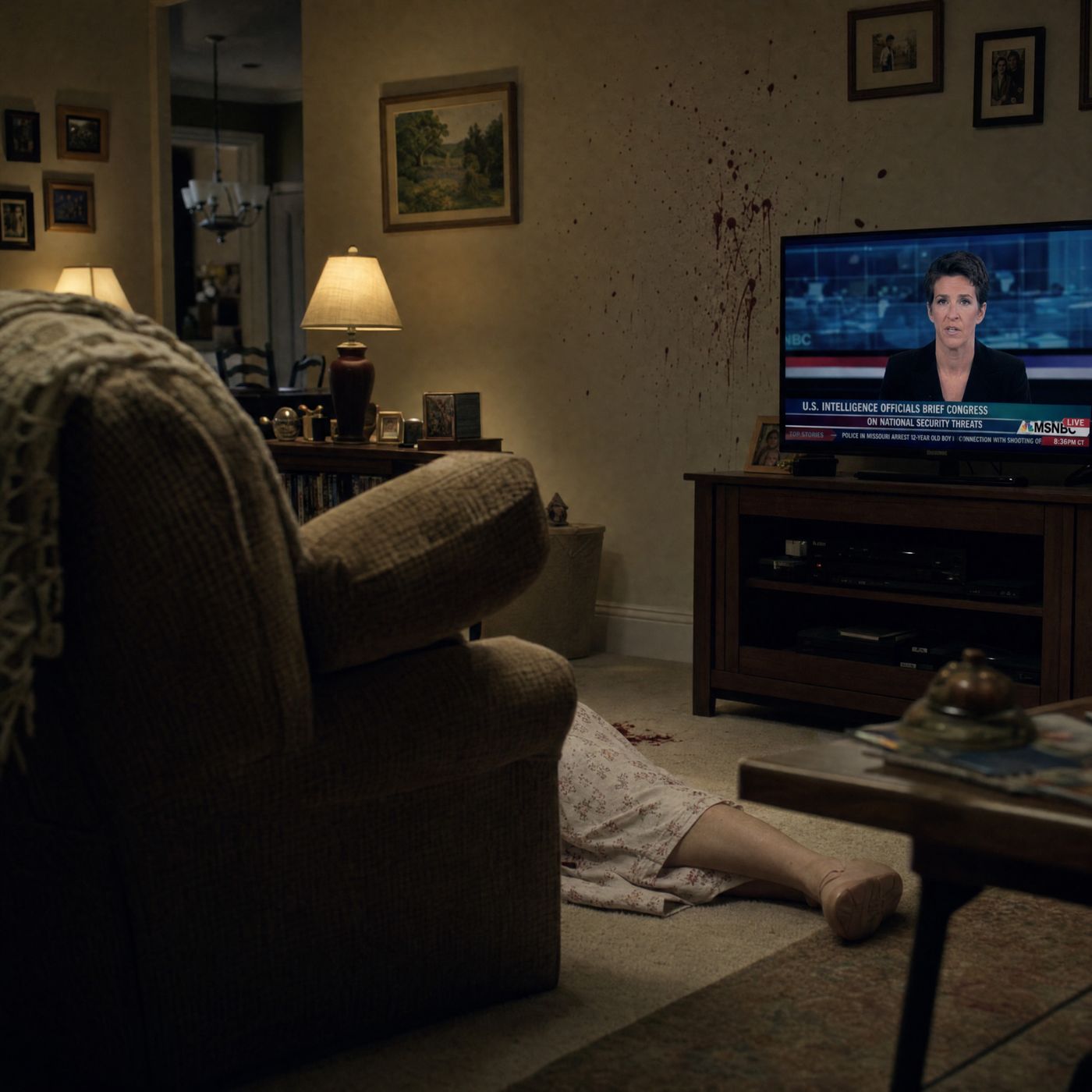
Sword and Scale
Episode 363
01:17:45
A quiet evening in Washington City, Utah, ended in gunfire inside the Bailey family home. Gail and Joseph Bailey were executed. Their son and daughter-in-law barely escaped through a window. What followed was a sprawling manhunt through the desert...
Loading summary
Transcript316 lines
- [00:00]
Ryan Seacrest
Hello, it is Ryan. And I was on a flight the other day playing one of my favorite social spin slot games on chumbacasino.com I looked over the person sitting next to me and you know what they were doing? They were also playing Chumba Casino. Everybody's loving having fun with it. Chumba Casino is home to hundreds of casino style games that you can play for free anytime, anywhere. So sign up now@chumbacasino.com to claim your free welcome bonus. That's chumbacasino.com and live the Chumbalife sponsored by Chumba Casino.
- [00:26]
911 Dispatcher
No purchase necessary VGW Group void where prohibited by law. 21/ terms and conditions apply.
- [00:31]
Narrator (Mike)
Sword and Scale contains adult themes and violence and is not intended for all audiences. Listener discretion is advised.
- [00:43]
Corey Bailey
All I know is I heard shooting upstairs and then my mother yelling and screaming.
- [00:52]
Narrator (Mike)
I want to say I have to thank you guys. Some of you are so nice. You really are. I had mentioned something briefly about an illness that I suffered over the last couple of years, and so many of you reached out and said, you know, you were praying for me, that you hoped I got better, that you were curious about what it was. I don't want to put certain parts of my life out there in the public. Just. It's just not a good idea. But I do want to thank all of you for the kind words. You know, I was really thinking about maybe this being the last season of Sword and Scale ever, because we're kind of in a transitional period and a lot of the audiences dropped off probably due to some of the politics of some of the themes we cover here. But I took a couple weeks to just clear my mind, and
- [01:50]
Mia's Boyfriend
I don't
- [01:50]
Narrator (Mike)
think I'm going to do that. I don't think I can do that. The show is now firmly part of me, and we're just going to keep making it better. Police move through a developing Utah complex in full tactical gear, their rifles up in place, shields forward, boots scraping over dirt and construction dust. Their eyes dart back and forth past fresh block walls, unfinished houses, open lots and weeds tall enough to perhaps hide someone, someone named Mia Bailey. They've been looking for her since the previous evening through a dry creek bed, near River Road, under bridges and around a golf course. They're searching with drones, a helicopter and a canine dog tracking through the dark. SWAT teams are poised. Officers have gone house to house, asking neighbors what they saw, whether they know Mia and whether they have any idea where she might have gone. By morning, the search has shifted into this new subdivision where officers have to clear backyards, check unsecured houses, and try to keep residents out of the line of fire from above. The scene is all angles and movement. Patrol cars blocking new streets, officers posted at corners. Other deputies move alongside yards and unfinished walls, all of them watching the same rough field behind the homes. Mia is armed and she's desperate. Police believe she has already killed two people. This is the Stern George Police Department. We have you surrounded.
- [04:01]
Corey Bailey
Come out with your hands up.
- [04:04]
Detective John Doe
Maria.
- [04:04]
Narrator (Mike)
This is the St. George Police Department.
- [04:06]
Corey Bailey
If you come out with your hands up and comply, you will not be injured again. Come out of your hands up. You were under arrest.
- [04:15]
Narrator (Mike)
This is a new neighborhood. In a way, it seems post apocalyptic or dystopian. The sun is glaring, bullhorns blaring, but the landscape is barren and dry.
- [04:30]
Courtney Sinagra
My name is Courtney Sinagra. I'm a deputy Washington county attorney. I'm a prosecutor, and I'm also our office's public information officer. And I was involved in the Mia Bailey case from the night of the incident. Any of the experiences that I share are my own personal experiences, my own personal opinions, and not necessarily reflective of the Washington County Attorney's office. This is a nice neighborhood in our county. More affluent, in fact. One of our top attorneys lived just across the street from the scene. And so she came out, she was gardening. She's like trimming her rose bushes. And all these cop cars are there responding.
- [05:22]
Narrator (Mike)
Behind the houses, the land opens into a rough dirt field dotted with dry brush and tumbleweeds. In places, the weeds are high enough to hide a person. Officers move car to car, wall to wall, trying to hold a perimeter around it. Some of the homes have residents, and some are still under construction. Every open door, every backyard, every unfinished garage is another place Mia could be hiding. No one wants to be that officer who accidentally walks past her. They clear what they can, they watch their angles, and they call out warnings. They talk over the radio about crossfire. The helicopter overhead is noisy, making it hard to hear each other. Then finally, someone gets eyes on her.
- [06:13]
Corey Bailey
Should I tell her we have the helicopter and we can see her and to comply? Hold on, hold on.
- [06:22]
Ryan Seacrest
Going to be us.
- [06:23]
Corey Bailey
LT. She's 30 yards out from here. Yeah, on the ground under a berm.
- [06:27]
Detective John Doe
Okay,
- [06:31]
Corey Bailey
Mia, we can see you on the ground laying down. We need you to put your hands up, stand up. Nothing in your hands. And comply with officer command. Walk towards the headlights.
- [06:45]
Narrator (Mike)
She's low to the ground, hidden under a patch of dried weeds about 15ft from a tall block wall. In one hand. She has a handgun. Most of the time, she keeps it pressed to her temple. From an upstairs window, officers watch the scene. Below them, Mia in the dirt, the gun at her head, rifles pointed in her direction. Negotiators trying to reach her from the other side of the wall.
- [07:13]
Officer Tyler
Mia, this is Tyler with the St. George PD. Can you hear me?
- [07:19]
Interviewer / Detective
Mark?
- [07:20]
Narrator (Mike)
Units are in the field.
- [07:21]
Interviewer / Detective
Close enough. Conversation.
- [07:25]
Officer Tyler
I can't hear.
- [07:26]
Narrator (Mike)
Turn your radio off.
- [07:29]
Officer Tyler
Mia, this is Tyler with the St. George PD. Can you hear me? Okay, Mia, I'm here to talk to you. I'm here to help you through this. I know that you're going through a rough time right now, and that's okay. I'm here to help you out. We want to definitely come to a peaceful resolve. We don't want you to get hurt. We don't want any of us to get hurt.
- [07:51]
Narrator (Mike)
Making contact isn't easy. Mia is hidden behind a wall. Officers are spread out around the field, and a drone overhead is drowning out her voice.
- [08:02]
Officer Tyler
Okay, Mia, we want to help you. We don't want you to do anything to yourself. We don't want you to do anything to us. So we want to come up with a plan on how we can help you. Okay? Mia, I heard that. You said okay, but I couldn't hear the rest. I need you to. Need you to put the weapon down and put your hands up in the air so we can know that we can talk safely, okay?
- [08:28]
Corey Bailey
Can't do that.
- [08:30]
Officer Tyler
Okay. Why can't you do that, Mia?
- [08:33]
Narrator (Mike)
The whole neighborhood is on lockdown. Tensions are high, and this is a volatile situation. Mia shouts something about her last hope and then makes it clear she doesn't want to talk to the police. She wants someone else. They always want someone else.
- [08:53]
Interviewer / Detective
I need to contact the prosecutor.
- [08:55]
Family Member / Attorney
Let's talk to the prosecutor.
- [08:56]
Officer Tyler
You said that you. You want to talk to the prosecutor? Okay, Mia, we can help you talk to a prosecutor. We can help you talk to an attorney. But obviously, in this situation where you're at right now, they're not going to come out to where we're at because it's. It's not safe.
- [09:16]
Narrator (Mike)
Once the officer has positioned himself and can hear better, he realizes that Mia is shouting about a last chance and a nuclear option. It was clear they were dealing with someone who was desperate. The officers in that field weren't starting from zero. They were negotiating with a killer, trying to keep her alive and make sure no one else in the proximity or broader community would be hurt. But before police ever found Mia in that field, her Phone had already called 911. Not because she had called for help but because she'd thrown it from her car and the phone thought it had crashed.
- [09:54]
911 Dispatcher
Hello? Can you hear me?
- [09:55]
Narrator (Mike)
This is 911.
- [09:57]
Neighbor / Witness
The owner of this iPhone was in
- [09:59]
911 Dispatcher
a severe car crash and is not responding to their phone.
- [10:03]
Narrator (Mike)
Almost at the same time another call came in from the neighborhood that Mia had just fled.
- [10:09]
Corey Bailey
911.
- [10:09]
911 Dispatcher
What is the address of the emergency?
- [10:11]
Neighbor / Witness
My neighbor just came running down the
- [10:13]
Narrator (Mike)
road yelling call 911 for gunshots.
- [10:17]
Neighbor / Witness
And there's a yellow Kia pole that
- [10:19]
Narrator (Mike)
just drove away from their house. I don't know what's going on.
- [10:24]
Neighbor / Witness
Go in the house.
- [10:25]
Narrator (Mike)
Go in our house.
- [10:26]
Neighbor / Witness
Run inside.
- [10:27]
911 Dispatcher
Grab a towel.
- [10:28]
Neighbor / Witness
Go in the house.
- [10:29]
911 Dispatcher
They just drove up the street. Okay.
- [10:32]
Narrator (Mike)
I'm not even sure where my neighbors went. They just came screaming yelling that.
- [10:36]
911 Dispatcher
And then if we're getting other calls
- [10:40]
Narrator (Mike)
about it as well. But I don't know what happened.
- [10:43]
911 Dispatcher
He tried to come in our front door.
- [10:45]
Neighbor / Witness
But it was long.
- [10:45]
911 Dispatcher
Can you hear me?
- [10:47]
Narrator (Mike)
The neighbor told dispatch what they heard from outside. Gunshots. Panic and a yellowkia soul leaving the area. But there was another call coming directly from the survivors and they were able to tell dispatch exactly what they had lived through.
- [11:04]
Neighbor / Witness
911. What is the address of the emergency?
- [11:07]
911 Dispatcher
I need an officer to 1039 East Chinook Drive. There's gunshots.
- [11:13]
Neighbor / Witness
Okay. Is somebody shot?
- [11:15]
911 Dispatcher
I think so.
- [11:16]
Neighbor / Witness
You think somebody is shot?
- [11:19]
911 Dispatcher
Yes.
- [11:19]
Neighbor / Witness
Can you see the person?
- [11:21]
911 Dispatcher
No.
- [11:23]
Neighbor / Witness
Okay. Did you hear gunshots?
- [11:25]
911 Dispatcher
Yes.
- [11:29]
Neighbor / Witness
Okay. It looks like we've gotten a couple other calls about this and we're getting help on the way right now. Can you see anything that's going on?
- [11:41]
911 Dispatcher
No. We just ran from the house.
- [11:43]
Neighbor / Witness
Okay.
- [11:49]
911 Dispatcher
Too. Please.
- [11:50]
Neighbor / Witness
We've got help on the way right now. Okay. I want you to stay on the line with me and let me know what you hear and what you see. Okay. Don't do anything that you feel like puts you in danger. Was something spot at your house?
- [12:04]
911 Dispatcher
Yes. I think my parents were shot upstairs.
- [12:06]
Neighbor / Witness
You think your parents were shot upstairs?
- [12:09]
911 Dispatcher
Yeah.
- [12:10]
Neighbor / Witness
Okay. Have you been upstairs to check?
- [12:13]
911 Dispatcher
No. I just ran.
- [12:16]
Neighbor / Witness
Did someone come into your house to shoot?
- [12:19]
911 Dispatcher
Yes. We were downstairs and I started hearing gunshots and screaming upstairs.
- [12:25]
Neighbor / Witness
Okay. Were you able to hear anybody upstairs? Just gunshots and screaming. Okay.
- [12:33]
Narrator (Mike)
But it wasn't over. After the gun was fired upstairs. The caller heard footsteps pounding on each step as the shooter headed towards the basement. Corey and his wife had no choice but to flee out the window even as shots were being fired through the door. And after making it to the neighbor's house. They had no idea what condition their parents were in. Were they alive or were they dead?
- [12:59]
Neighbor / Witness
We do have officers in a loose perimeter in the area. That's their biggest priority before sending medical units in to help your parents. Okay. It's just to make sure that the scene is safe. But as soon as they secured the scene, medical will go in to help your parents. Okay? Okay.
- [13:19]
Narrator (Mike)
That's definitely not what you want to be told after hearing multiple gunshots, screaming, and then silence from upstairs when you know your parents were up there going about their evening routine. Routine. You don't want to hear anything but sirens and emergency personnel not. We have to clear the scene first. It might take a while. By the time Deputy attorney Courtney Sinagra arrived, the house wasn't just the scene of an emergency. It was a bloody crime scene.
- [13:48]
Courtney Sinagra
Our office has what's called a death phone. And by law in Utah, anytime there's an unattended death in the jurisdiction, a county attorney needs to be notified. And so I was working late at our office. Actually, it was like 8pm I was a brand new prosecutor. I've been working about six or eight months. And two of our other attorneys were also there. And one of them had the on call phone and came down and said, hey, there was a double homicide. Do you want to go on scene? So of course I was like, yes. I mean, I was hesitant. I was like, oh, can I handle this? This sounds gruesome, but I did want that experience for my job. And so the three of us went over to be on scene.
- [14:42]
Narrator (Mike)
The chaos had passed by the time Courtney arrived. Mia's brother Corey and his wife were safe at the neighbor's house. Officers were at the scene and were also tracking the killer. But an eerie calmness now filled the Bailey home. The ordinary details were still sitting exactly where Gail and Joseph Bailey had left them.
- [15:05]
Courtney Sinagra
But something that stood out to me, where it did feel just very eerie, is when you walked in. The first thing I noticed was we walked into the hallway and there was the living room. And MSNBC was on, on the tv. And there, there's two dead bodies in the living room area. Joseph was actually down the hallway, but Gail was in the living room. And I just thought, wow, these people were just having a normal night. They're watching the news.
- [15:36]
Narrator (Mike)
That's the kind of image you can't shake from your brain. Not just the stark faces of death, but the reminder that they were just alive just a minute ago. The television is still on, still filling the room. With disembodied voices. But nobody's listening anymore. The furniture is still in place, seats cooling where a body had just sat. It was an ordinary evening, the kind we all picture because it's the kind we all live every day. You're just sitting at home half watching the news, thinking there will be a tomorrow. And suddenly there isn't.
- [16:19]
Courtney Sinagra
When I did see Joseph, he was laying face up and there was a little. A little bit of blood coming from his head. What I remember most is his glasses were split in two. He had worn like split spectacles. And it was clean shots to his forehead, right where his glasses had been. But the mom was just off the sofa. I don't know if she was sitting down. I don't know if she had stood up. But she was found face front, near the sofa, shot in the back of the head.
- [16:54]
Narrator (Mike)
But Mia didn't stop with just her parents. She was out for blood. And there was more blood to shed in the basement where her brother's family was staying.
- [17:04]
Courtney Sinagra
Then we went downstairs and there were children's toys everywhere in this downstairs living room area. Little kids toys. And that gave me the chills. Because what if these kids, who were Mia's nieces and nephews, had been home
- [17:29]
Narrator (Mike)
by the time investigators finished walking through the house? They know what Mia did, but they just can't imagine why a daughter would come home and turn on her own family like a wounded coyote. And this is a story that can only be told by Mia. If you've been sitting on a business idea, Shopify makes it easy to turn it into something real. Kind of like one of our monsters. Here at Tornscale, we use Shopify for our storefront, where listeners can browse our merch and check out without a bunch of friction. That matters because once someone decides they want something, you don't want to stand in their way. You don't want to make it complicated. And payment processes can be complicated. Shopify checkout helps more customers complete their purchase. And returning customers can checkout with their details already saved. That gives us more time to focus on creating, promoting and growing instead of wrestling with the technical side. See what you can build@shopify.com swordandscale with Shopify, nothing stands between your idea and a real business. So go make one. Start your free trial@shopify.com swordandscale Again, that's shopify.com sword and scale.
- [19:10]
Ryan Seacrest
Looking for a little Hollywood style fun? Check out Ryan Seacrest's 10k ways, exclusively at Chumba Casino. There's 10,000 ways to play Get Spinning for free@chumbac casino.com no purchase necessary vgw
- [19:22]
Narrator (Mike)
group void we're prohibited by law cts and cs21 plus sponsored by chumba casino. By this point. It is the night of June 18, 2024, in Washington City, Utah. Investigators are on a manhunt for 28 year old Mia Bailey. On the evening of June 18, 2024, she stormed into the family home and executed both of her parents. When she heard her brother's voice in the basement, she went for him and his wife, too. Thankfully, they escaped through a bedroom window before the bullets could reach them. And when investigators walked through the house afterwards, the horror wasn't only upstairs. Downstairs, where Mia's nieces and nephews might have been, children's toys were still scattered across the room. Police could clearly make out what happened at the scene. And besides, casings were left behind. Mia, however, had vanished into the dark in a yellow keya. Armed and desperate. The question would follow them through the night. From the quiet, blood stained house in Washington City to the streets of nearby St. George, the Chase would come to a head in a half built neighborhood on the edge of town where Mia would finally be found in a patch of weeds with a gun to her head. Before the standoff ended, before Mia was brought into the interview room, investigators were already working backwards. While officers in St George tried to keep her alive, other investigators were calling the people who had seen her, heard from her, or knew what had been happening in the days and hours before the shooting. They were trying to build a picture of Mia before the field, before the gun, before the house. And one of the first pieces of that picture came from someone Mia had only recently started dating. And even in that short time, he had already seen signs that Mia was not okay.
- [21:35]
Corey Bailey
How did you meet Mia?
- [21:37]
Mia's Boyfriend
I met her at Howie's, the place where I work, maybe like a week and a half ago.
- [21:42]
911 Dispatcher
Okay.
- [21:42]
Mia's Boyfriend
And she just seemed nice. I asked her if she had Facebook. She said yes. And then that's kind of how we. How we got to know each other.
- [21:53]
Corey Bailey
So you've only known her for a
- [21:54]
Family Member / Attorney
week and a half?
- [21:55]
911 Dispatcher
Yeah.
- [21:56]
Neighbor / Witness
Yeah.
- [21:56]
Mia's Boyfriend
I can tell that she wanted to progress things fast, you know?
- [22:00]
Corey Bailey
Yeah. Are you guys boyfriend and girlfriend or what? Were you just starting dating?
- [22:05]
Mia's Boyfriend
Yeah, just kind of starting.
- [22:07]
Detective John Doe
Okay.
- [22:07]
Corey Bailey
But nothing was official?
- [22:08]
Mia's Boyfriend
No.
- [22:09]
Family Member / Attorney
Okay.
- [22:09]
911 Dispatcher
Well, although she put on her Facebook
- [22:11]
Narrator (Mike)
that he was her boyfriend.
- [22:12]
Mia's Boyfriend
Yeah. That surprised me.
- [22:13]
Narrator (Mike)
And I said to court, how did you feel about that?
- [22:16]
911 Dispatcher
You know, because he hadn't even known her, so she.
- [22:21]
Corey Bailey
She Made that decision on her own.
- [22:22]
Dr. Steven Levine
Okay.
- [22:24]
Mia's Boyfriend
Yeah. I just got out of a relationship before, and that was heartbroken over. So I wasn't looking to jump into anything right away.
- [22:32]
Narrator (Mike)
A week and a half isn't very long, but it was long enough for him to notice two things. Mia wanted the relationship to move faster than he did, and underneath that, something was off.
- [22:46]
Mia's Boyfriend
Yeah. I just started to get to know her, like, a couple weeks ago. Okay. I don't know her very well. Okay. I think I know that she was kind of depressed, and I could tell that she told me she used to cut herself. And as far as where she is, I really don't know.
- [23:08]
Narrator (Mike)
He didn't view her depression or even her fast pace as a red flag, though. They were starting out as friends and even had plans that evening.
- [23:17]
Corey Bailey
When was the last time you talked to her?
- [23:18]
Mia's Boyfriend
Yesterday. Ralph. I. Well, this morning when I texted her, we were gonna arrange, like, you know, like a game date night, and that's. She said she had to get her. Her stuff at, I guess, her family's home, and that's the best I heard from her. She's like, be sure to. I said, be sure to tell me what other games you have. I like Morgans. And she said she has to grab it, you know, there. And then I said, bring her a game just to be funny. And then that's the last I heard from her.
- [23:57]
Mia Bailey
Right there.
- [23:59]
Narrator (Mike)
That was a version of Mia. He knew that morning. It was someone making date night plans and talking about board games. Someone who was normal. It was true. Mia was in the middle of moving out of one place into another and away from the people who had been letting her stay with them.
- [24:20]
Mia's Boyfriend
She said she was in the process of moving, but I don't.
- [24:23]
Corey Bailey
Are you aware of her renting, like, any u. Haul trucks or anything like that?
- [24:27]
Mia's Boyfriend
No.
- [24:28]
Corey Bailey
Okay.
- [24:29]
Interviewer / Detective
Did she say where she was moving to?
- [24:31]
Mia's Boyfriend
She said she was applied at a few different places. She said she tried Jewel Plaza, and then she said it fell through, and then I don't. I don't know why they denied her, but that's all I. That's all I know.
- [24:44]
Dr. Levine (continued)
Okay.
- [24:45]
Corey Bailey
Do you know of any other friends she has. If you ever hung out with any other friends with her or anything like that?
- [24:51]
Mia's Boyfriend
I've seen her with her cousin, and that's. That's all I've seen her with. She seems.
- [24:55]
Corey Bailey
Do you know who her cousin is?
- [24:56]
Mia's Boyfriend
Yeah. Jay. Jay J A Y.
- [25:01]
Narrator (Mike)
The cousin was Jay. And the house Mia had been staying in belonged to Jay's mother, Mia's aunt. Jenny. So investigators called Jenny next. She had seen Mia that afternoon just hours before the first 911 calls came in.
- [25:19]
Detective John Doe
Hello? Hello? Hello, this is Jenny. Yeah, hey Jenny, this is Detective John Doe with the Washington City Police Department. Yeah, hey sir, you got a second I can talk with you?
- [25:30]
Jenny (Mia's Aunt)
Put your belt on. Yeah, go ahead.
- [25:32]
Detective John Doe
I'm trying. I'm here at on scene trying to gather some more information.
- [25:37]
Jenny (Mia's Aunt)
Okay.
- [25:38]
Detective John Doe
And so I just wanted to kind of talk with you real quick and see when the last time you talked with mia was.
- [25:43]
Jenny (Mia's Aunt)
And 5:47.
- [25:47]
Narrator (Mike)
5:47. That was almost exactly one hour before Mia shot her parents. Surely aunt Jenny would have some clues.
- [25:57]
Jenny (Mia's Aunt)
I called her because her mother had called my mom, our mom. And they have not had a great relationship. And after mom talked with my sister, I called Mia because she been in the house earlier to pick up her things out of the garage just to move them into a storage area.
- [26:17]
Detective John Doe
Out of your house or this house? Up here from your house or this house here?
- [26:23]
Jenny (Mia's Aunt)
No, from my house. She came to our house in Islands because she's been storing her things there. Some of her things.
- [26:28]
Detective John Doe
Okay.
- [26:29]
Jenny (Mia's Aunt)
So she texted me earlier in the day and said I'm gonna come by and get my things. And I said that's fine, but you're welcome to leave them here. And she said no, I want an air conditioned unit. And I said okay, because whatever. So she showed up and. I don't know what time do you think it was? 4:30, about 4 o'. Clock. And got her stuff. My husband was in the garage with her. She was fine.
- [26:55]
Detective John Doe
Okay, so nothing? She wasn't acting super crazy or upset? Anything that would make you concerned that something like this was going to happen?
- [27:03]
Jenny (Mia's Aunt)
No. Rick said in the garage she seemed perfectly normal. Thank him. Calm.
- [27:11]
Neighbor / Witness
I mean,
- [27:13]
Jenny (Mia's Aunt)
no idea where she got
- [27:14]
Narrator (Mike)
a gun when Jenny said Mia was fine, but fine can actually be a complicated word. Fine for the moment, fine for the hour. What exactly does fine mean? Are you fine? Am I fine? I don't know. Because only weeks earlier Mia definitely didn't seem fine.
- [27:35]
Jenny (Mia's Aunt)
I know she's at times heard voices. That was kind of new to me. Three weeks ago. Whether that was happening in the last few days, I don't know. If they had a run in, I have no idea.
- [27:47]
Detective John Doe
So you say Mia's been hearing voices?
- [27:52]
Jenny (Mia's Aunt)
I don't know. A couple weeks ago she was. And she went into the hospital to get her meds fixed around and she came out. But she's always been very docile around us.
- [28:06]
Narrator (Mike)
Aunt Jenny's call gave Investigators. The only version of Mia she knew calm enough to move her things, familiar enough with the family to sound docile, but unstable enough that she had recently checked herself into a hospital due to hearing voices. Then another witness came forward. This was someone with no family history, no context, and no reason to read danger into what she saw. But danger isn't what grabbed her attention. Something else did.
- [28:38]
911 Dispatcher
My husband and I were at the. The old St. George Temple. Okay. We just finished some ceilings, and we were coming down to the first floor. And when you enter that temple, before you go, you know, to the front desk to the left, there's a. They call it a family room, like a waiting room in there, okay? And so when we were coming out, that girl came out of the family waiting room and was starting to exit the temple, okay? And I was behind her. And when I first saw her, I thought, oh, my gosh, she had a. This skirt on that was about, like, 4 inches above her knee, and it was, like, shooting out like a ballerina skirt, you know?
- [29:30]
Mia's Boyfriend
Okay.
- [29:31]
911 Dispatcher
But she had tall cowgirl boots on at the same time. It just got my attention. You know, I thought, okay, but you. I thought, it's probably a family member that's waiting. You know, maybe somebody got married or something. And so as we exited the temple, this thought came to my mind. Show her the love of the savior, right? And because it's somebody's daughter, you want them to know, you know, they're different.
- [29:56]
Mia Bailey
But.
- [29:58]
911 Dispatcher
So I said, hey, young lady, I love those cowgirl boots. I had a ranch for 30 years, and I noticed any really cute cowgirl bot always. And she turned around and she said, why, thank you. I said, but I have to admit, I'm older now, and I can't wear what we used to call. And I said, the letter S. S Kickers. Because it kills my toes.
- [30:30]
Narrator (Mike)
It was the kind of trivial conversation that people forget five minutes later. A compliment, a quick laugh. Nothing that sounded like a warning, Nothing that sounded like someone was about to snap, about to flip out and destroy the lives closest to them in a matter of hours, until she realized that what she was seeing wasn't really what she was seeing.
- [30:55]
911 Dispatcher
So she raised her leg to show me, you know, just had a little tiny square at the end of these white boots. And she says, well, you just have to learn to get them to fit a certain way. And when she did that, I. In my mind, I thought, this is guy.
- [31:17]
Narrator (Mike)
Oh, right.
- [31:19]
911 Dispatcher
Then I knew with hairy legs and Guy's legs, and, you know, she was taller than me. I'm 5 foot 8. She was tall, taller, but. And then I just realized his voice. I mean it wasn't like a low voice, but it was different. And anyway, I said. I said, well, they are really cute boots. And so. So we started walking and said, well, you have enjoy this beautiful day. Because it was cooler that day, right? I said, enjoy this beautiful day.
- [31:56]
Narrator (Mike)
They both went their separate ways and this lady thought nothing of it until she turned on the news that night and saw a manhunt. Or should I say a woman hunt. That sounds stupid.
- [32:10]
911 Dispatcher
He told me that I should call and let you guys know what happened when I talked to that guy. Okay. Which I thought was a girl on it was Tuesday around 3pm okay. My son also told me you should remain anonymous because you don't ever want that guy to have your name.
- [32:35]
Detective John Doe
Okay?
- [32:37]
Narrator (Mike)
Back in the field, negotiators keep Mia talking. The conversation goes on for almost an hour. She asks for a prosecutor and talks about wanting the death penalty. She asks what kind of deal can be made. But eventually the lead detective gets her to agree to a surrender plan. Mia puts the gun down, keeps her hands visible and walks towards the tactical team. Officers take her into custody and no one else is hurt. Mia finally gets the conversation she's been asking for. She is taken to an interview room with detectives and a prosecutor to explain.
- [33:19]
Interviewer / Detective
I'm not so much curious as far as what happened, but I'm kind of curious. Kind of what led up to it?
- [33:26]
Mia Bailey
Well, let's see a whole bunch of this backlash from community. I can't go anywhere, can't go on walks without people saying trap to heartbreaker to a bunch of nasty other stuff.
- [33:45]
Narrator (Mike)
Mia, born Colin Bailey, was obviously leaving out the kindness of the woman from the St. George Temple who complimented her boots and treated Mia like the woman she wanted to be.
- [33:58]
Mia Bailey
Let's see, being homeless after my family's abuse several times and being 20 grand in debt, what does that come from? Well, it comes from our loans because my brother's. This comes from credit cards. It's expensive to be a single woman and trans atoprada.
- [34:28]
Interviewer / Detective
So okay, so what kind of exp. And like I said, I'm not. I don't know all beings announceable. But what kind of expenses do you have doing that?
- [34:36]
Mia Bailey
Well, it's like $512 a month just doing the trail stuff. So that's like getting laser treatments and medications.
- [34:48]
Narrator (Mike)
It was getting expensive being the woman she wanted to be. That is laser treatments for hair removal, hormone replacement therapy, who knows what else. As for homelessness. Mia's cousin kicked her out because he was afraid she was crazy. She made an allegation saying a neighbor pointed a gun at her. Emotions apparently escalated and Mia said her cousin just didn't understand. That allegation, by the way, wasn't verified. We brought in Dr. Steven Levine, a psychiatrist in the Cleveland, Ohio area, to talk about gender dysphoria, mental illness and surgery as a last hope. Dr. Levine is also a professor at Case Western University. He's known for his thesis that gender dysphoria is usually caused by psychological issues that should be treated as such rather than with gender affirming care. Dr. Levine was among the earliest in his field to recognize the need for research in this area. In 1974, he co founded a gender identity clinic through Case Western Reserve University school of medicine. Dr. Levine has obviously had a lot of pushback given his research in the field and his unwillingness to bend to the current politics surrounding this ever changing issue.
- [36:11]
Dr. Steven Levine
The social cultural shift has to do with the human need to reinterpret how to live one's life, how to combine the male and female interests that all of us have into, into a way of being a man and woman. So we are redefining the ways of being a man and woman. But the Internet has led to a lot of young people who are having distress in their lives thinking that the problem, the cause of their distress is not the ordinary psychiatric causes of distress, of family dysfunction and personal difficulties, but it's due to the fact that they didn't understand that they were a trans person. And some authority figure, some process on the Internet seems to have influenced young people dramatically into thinking that maybe they're trans. And so adolescents are now experimenting a great deal with differences in orientation and differences in gender expression.
- [37:20]
Narrator (Mike)
When someone is already depressed, isolated, autistic, suicidal, or desperate, the Internet can sometimes hand them a simple this is why you hurt. You are trans. But for Levine, this is not the same as a stable transgender person living an ordinary life. That person, he says, is not a psychiatric patient. The real concern is when the identity is tied to serious suffering, when the person isn't just saying, this is who I am, but I can't survive unless my body changes. Mia was a perfect example of someone who not only had pre existing mental health conditions, but her desperation became dangerous. And the detective wanted to know how she got to that point.
- [38:16]
Mia Bailey
What led up to it was, well, I got a call from my social worker from the hospital and like apparently kind of broken hipaa in a way, they Shared the details at the hospital. But the worst one was all was my mother contacting them to say no on the surgery.
- [38:39]
Interviewer / Detective
And, well, so your mother contacted the hospital?
- [38:44]
Mia Bailey
Yep. And so I knew I could probably appeal it with just if that, but she wouldn't to say I was very furious. And I asked her, like, I don't want to hear expl, you know, excuses. I want to hear like, you know, explanation and I'm sorry and I'll do something, something about it. Anyway, she can't say sorry to save her life.
- [39:10]
Narrator (Mike)
Apparently, whether Mia meant it this way or not, this was a literal statement. Her resentment was palpable. Her mother was dead by Mia's own hand. Because her mother wouldn't say sorry, Mia felt like she was holding on by a thread. During the standoff, she repeatedly shouted, this was my last hope, meaning the final surgery to remove her male genitalia. And she placed all the blame on her parents, especially her mother. So you might be thinking, oh, those mean parents that unwoke mom who ruined her child's life. But according to everyone except Mia, the family was as supportive as they could be.
- [39:56]
Courtney Sinagra
The surgery was cancelled, but our impression was that it was not canceled because her parents were simply not supportive of her transitioning or her being transgender or how she chose to identify, but because they were concerned more broadly about her mental health. From what I understood, her family was very supportive of her and her decision to, to transition. And she also struggled with other other diagnoses and I'm not a medical expert, so I don't want to get into those, but I believe that they were supportive of her in those as well. There was a prior protective order where I think the family just at one point just had to act to protect themselves because they, they felt that she was a danger and a threat to them. But I think that was a last resort. I do think they tried to support her as much as they could.
- [40:57]
Narrator (Mike)
Mia didn't just suffer from gender dysphoria. She had a host of other mental health disorders and diagnoses ranging from ADHD to autism to potential schizophrenia. So her parents didn't feel like it was wise to go ahead with such a serious and life altering surgery because the fact was this was not going to cure her mental illness and it may just make it worse. Dr. Levine says this is often the danger when somebody is already carrying serious depression, anxiety instability, or other psychiatric issues. Surgery might change the body without touching the deeper source of suffering. His evidence comes from a recent Finnish study. If you want to look that up
- [41:48]
Dr. Levine (continued)
so we have some evidence that even the permanent care for the vast majority of people, 2/3 in this case, do not stall their unhappiness. You see, the unhappiness is usually presented as suicidality, depression, anxiety, sometimes drug addiction, sometimes suicidal thoughts. So we realized that among the majority of people who are seeking a trans solution to their unhappiness, the majority of those people may still be unhappy after they make all these changes to their body. And so people like me are saying to people, before they have these kind of medical interventions, let's pay attention to what is troubling you. What is the source of your depression, anxiety, your eating disorders, whatever, whatever the situation is, and let's pay attention to that. You're in charge of your gender, not me. I'm not trying to change your gender. What I'm trying to do is improve your mental health. And that doesn't have to do with gender. And that has to do with these overrun symptoms of self harm, suicidality, depression, anxiety, eating disorders, and sometimes drug dependence.
- [43:10]
Narrator (Mike)
For Mia, every aspect of her mental suffering was blamed on being in the wrong body. But you know that old chicken and egg analogy which came first. Mia thought that everyone was against her. Her parents didn't support her, and she was bullied by the community at large.
- [43:28]
Courtney Sinagra
I would say that Mia probably subjectively felt bullied and harassed, but I couldn't. I don't have all the facts. I don't know her life story. From what I observed, I don't know that the objective harassment was to the degree that maybe she believed.
- [43:50]
Narrator (Mike)
Dr. Levine says there's another layer to all of this. Beyond diagnosis, beyond treatment. There is the social question. How do the people around someone respond when that person's identity changes? We gave him an analogy. Is it like an agitated schizophrenic, for example, who might try to convince you that you're under immediate attack based on his own delusion? Do you go along with it just to be safe? And is it kindness to use the name and pronoun someone wants you to use, or is it an obligation? And what happens when people feel pushed to accept something they don't believe is true?
- [44:33]
Dr. Levine (continued)
That's a political question. That's a self manners question. If I think I am some other gender, some atypical gender, and I prefer to be called they rather than he or she, do I have the right to impose upon you my sense of reality that I'm a they? Even though you who don't have gender dysphoria or trans identity, you have learned all the days in your life that they is a plural and this is a see other person. And that's the wrong language. So the question is, if I consider myself to be something that offends your sense of reality, do I have a right to demand that you conform to my sense of reality? And so that's the social debate that's going on. The only thing I could say about that is that when one transitions either in a binary or non binary fashion, your sense of reality is different than the common person. And, and so this is the price that one pays for being a trans or either a gender diverse person, we can use that phrase. The price that these people have to pay is that their sense of reality is different than the majority of human beings that they interact with it.
- [46:10]
Narrator (Mike)
Mia was upset because her surgery had been scheduled for September 9th. And she managed to move it up to July 9th. That would have been two weeks from the time of the murders. But remember, Mia had just checked herself into a psychiatric hospital. She knew she wasn't stable. But in the interview, Mia was vague about the hospitalization. She claimed it was more or less a prerequisite that her mom had made for them to feel okay about her getting the surgery. Mia reluctantly agreed to that and to some therapy if and only if her parents would help her go through with the sex change. But something went wrong. The hospital only kept her for three days. Beyond admitting ADHD and autism, she was vague about her other issues, like psychosis.
- [47:04]
Interviewer / Detective
Have you been diagnosed with schizophrenia?
- [47:05]
Mia Bailey
No, that's what I just go to the hospital for.
- [47:09]
Interviewer / Detective
So as far as any permanent illness diagnosis, you'd never have anything like full
- [47:13]
Mia Bailey
on diagnosed with one was like they were diagnosed. But I knew what it saw that day. The guy was right in there. I know what he said, but nobody believed me. I can't remember. It's something to do with like seeing auditory illusions.
- [47:34]
Narrator (Mike)
Oh, gotcha.
- [47:35]
Interviewer / Detective
Auditory, like hallucinations or something like that?
- [47:37]
Mia Bailey
Yeah, something like that. It's not quite schizophrenia.
- [47:40]
Narrator (Mike)
Okay, so some form of psychosis. Regardless, one topic the detective wanted to clear up was premeditation. You could tell in the interview that Mia was pretty lucid. That has to do with being oriented to person, place and time. Do they know who they are? Do they know where they are? And do they know what time it is? Mia seemed very oriented and grounded. She knew exactly what she did and why.
- [48:14]
Interviewer / Detective
If you could go back to yesterday, would you change the outcome with your mom and dad?
- [48:18]
Mia Bailey
I don't think there's any way of changing their minds. That no if they change their mind, which I know they're not because they're so narcissistic, I mean, it would be played out completely differently. Their answer was on them. They had their chance.
- [48:36]
Interviewer / Detective
When they changed their answer to no, that was pretty much solidified their outcome.
- [48:40]
Mia Bailey
Yeah.
- [48:41]
Interviewer / Detective
At least in your mind.
- [48:43]
Mia Bailey
Yeah. You know, basically it's no, we won't do anything about it. No, we won't apologizing and all this stuff. So, I mean, this was like my one last attempt after so many times. But I tried. I mean, I gave him so many chances. All my family, my friends, and I can't even count. And I just did it to myself. I just, you know, destroyed myself by giving him too many chances. And that was enough.
- [49:15]
Corey Bailey
Did you say anything to your mom
- [49:16]
Narrator (Mike)
when you walked in, though?
- [49:17]
Interviewer / Detective
No, I was wondering. That was actually a question I had. Because if you. If that was. So you walked through the door, see your mom, there was no option for her to be able to say, okay, yeah, I'll change my mind.
- [49:31]
Mia Bailey
No, I knew if I knew, if I hesitated, went to sleep, I would have done it. And then I would just regret my
- [49:39]
Mia's Boyfriend
life more and more and more.
- [49:40]
Mia Bailey
I'd get more angrier. And then it wouldn't be just my mom and dad.
- [49:45]
Interviewer / Detective
So that decision was made to not have any conversation when you walked through the door?
- [49:49]
Mia Bailey
No decision made. The kill. Yeah, my decision was done. Like this is. I'm done with this crap.
- [49:57]
Interviewer / Detective
Yeah, that makes sense.
- [49:59]
Narrator (Mike)
Are you seeing a pattern yet? Mia's parents were the narcissists, not her. She gave them every chance. Except the one that mattered most, of course. The one that might have kept her from pulling the trigger on them. The detective asked, did your mom have any last words? The answer was no, because Mia didn't give her a chance. And the next thing she remembered was her dad walking down the hall towards the living room, asking what was going on. So she took him out, too. It was all about Mia and all about what Mia wanted. And she had absolutely no remorse.
- [50:42]
Interviewer / Detective
And so I just want to. I just. I want to just clarify as far as any remorse that you have.
- [50:49]
Mia Bailey
Well, I. The remorse was I didn't want to become the monster that they made me to be. I really wanted to be good. I really did. But like I said, that was a last resort of last draw.
- [51:09]
Narrator (Mike)
She says I didn't want to become the monster they made me to be. It goes without saying, but I'm going to say it anyway, cuz. I'm Mike. Hi, nice to meet you. No one can make you a monster. You see, there's this thing called choices. It's part of a greater thing called personal responsibility. Should I send that out for you libtards out there? Yeah, yeah, yeah, leave it in the comments. Try to get me banned, whatever. Fuck off. But if you're honest with yourself about the very obvious pattern we keep seeing over and over again, a pattern of always looking outwards, blaming others whenever anything goes wrong. Mia's only remorseful feelings were still about what others had done to her. They made her into a monster and she regretted that. Which by the way, I'd hate to be one of those trans surgeons who now has a perpetual target on their back because they made non reversible changes to multiple human beings, many of which are unstable and have a perspective of blaming outwards. Some of them might change their mind in a few years and well fuck around and find out, I guess. At another point when Mia was questioned again about whether there was anything else they should know, she turned the whole conversation on its head.
- [52:40]
Mia Bailey
I can tell you why I could have done a lot better and I knew all the way ahead of time, but still would have got better. I could have put a silencer on it. I could have cleaned the rounds.
- [52:51]
Narrator (Mike)
So is that gun allow for a silencer?
- [52:54]
Mia Bailey
Yeah, you're probably gonna extend it or threaded barrel on it.
- [52:57]
Dr. Steven Levine
Yeah.
- [52:58]
911 Dispatcher
Oh really?
- [52:59]
Dr. Steven Levine
Yeah.
- [52:59]
Mia Bailey
And I could have, you know, like I said, clean the rounds, pick up the rounds. I could tell you how I skipped you guys gaze all last night. It's really hella.
- [53:13]
Interviewer / Detective
I would be more than happy to have how you dodged our canine guy last night in that subdivision by where that where the golf course is.
- [53:22]
Narrator (Mike)
Not to state the obvious or anything but she's laughing. I mean he's laughing. Sorry Mia. You don't deserve my respect.
- [53:32]
911 Dispatcher
Yeah.
- [53:32]
Interviewer / Detective
So when you pass over that wall
- [53:34]
Mia Bailey
last night, bush is hopping over fences and that it's taking breaks and then this is endurance and then you got to watch the helicopters and they're on all that stuff so. And they're waiting for backup. So it's, it's taking on the main route. You're taking a bunch of different routes off road all the time. Sometimes main road just to find where you're at and then off road again and hopping through. I am so sorry. Sorry to all the people and plants probably destroyed on accident or rocks destroyed
- [54:09]
Interviewer / Detective
their planters and their shrubbery.
- [54:11]
Mia Bailey
Yeah. I was like, I'm sorry. I don't want to be here for a moment more. I don't want anything yours or you know, and it's like I apologize but drops up there won't let me quite yet. The only reason you guys caught me is because it was daytime and I saw your guys drums up there by the people there. And I was gonna wait till nighttime and then go to do that fun dance again. And then I get to sportsman my house to get me one bullet.
- [54:47]
Narrator (Mike)
Nothing like having a chuckle with police about hiding from helicopters after you've murdered your parents. What a cunt. Mia said the surgery was her last hope and that was taken from her. She said she was trying to get one more bullet to use on herself. But in the standoff, she already had options. She was the one holding the gun. She had armed officers around her. She'd already talked about the death penalty and specified wanting a firing squad. But according to the police summary about the negotiation, Mia also said she could have killed herself and didn't because then they would have won. Instead, she wanted to take everyone down with her. And when detectives asked if there was anything else they should know, Mia didn't talk about mom or dad. She talked about how much better she could have done it. Remorse shows up in the interview, but it never seems to land on her parents. She shows more concern for strangers who passed by for damage that she may have caused, to shrubbery, for the mechanics of the chase, anything other than her own family.
- [56:05]
Courtney Sinagra
In her interview, when she started to talk about how she was able to evade the police for so long so she was not remorseful. She was bragging about how well her plan worked. And that was very telling and something we definitely considered when we discussed whether or not we should seek the death penalty.
- [56:29]
Narrator (Mike)
Before prosecutors could decide whether to seek death, there were other voices they had to hear. Gail and Joseph Bailey were gone. One son barely escaped, and the rest of the Bailey sons still had to decide what they wanted the state to do with their youngest brother, Colin, the one who had murdered their parents because he wanted to be a woman. If you've been sitting on a business idea, Shopify makes it easy to turn it into something real. Kind of like one of our monsters. Here at Tornscale, we use Shopify for our storefront, where listeners can browse our merch and check out without a bunch of friction. That matters, because once someone decides they want something, you don't want to stand in their way. You don't want to make it complicated. And payment processes can be complicated. Shopify checkout helps more customers complete their purchase, and returning customers can checkout with their details already saved. That Gives us more time to focus on creating, promoting and growing instead of wrestling with the technical side. See what you can build@shopify.com swordandscale with Shopify, nothing stands between your idea and a real business. So go make one. Start your free trial at shopify.com swordandscale Again, that's shopify.com Sword and Scale.
- [58:17]
Ryan Seacrest
Hello, it is Ryan and I was on a flight the other day playing one of my favorite social spin slot games on jumbacasino.com I looked over the person sitting next to me and you know what they were doing? They were also playing Chumba Casino. Everybody's loving having fun fun with it. Chumba Casino is home to hundreds of casino style games that you can play for free, anytime, anywhere. So sign up now@chumbacasino.com to claim your free welcome bonus. That's chumbacasino.com and live the Chumba life.
- [58:41]
Narrator (Mike)
Sponsored by Chumba Casino.
- [58:42]
911 Dispatcher
No purchase necessary VGW Group void We're prohibited by law 21/ terms and conditions apply.
- [59:02]
Narrator (Mike)
28 year old Colin Bailey, the youngest of four boys, believed he was special. Not special like artistically gifted or mathematically brilliant special like I was born with a dick and I think I should have a vagina and that's my whole personality. Colin legally changed his name to make MIA to match what he thought his gender should be. Mia was newly homeless, living in storage units, relatives, houses and hotel rooms in Washington County, Utah. On June 18, 2024, she intruded into her parents home in Washington City. Despite a restraining order against her, she gave no opportunity for discussion. She pulled out her 9 millimeter and opened fire. When she heard noises in the basement, she shot at her brother and sister in law through a locked door. She then went back upstairs to finish off her dying mother. Her father was already dead.
- [60:03]
Interviewer / Detective
So when you walked through, she's sitting in the chair. You fired the first round at her
- [60:06]
Mia Bailey
point of the gun. She moved up from the chair.
- [60:08]
Interviewer / Detective
From the chair, yeah. So then you shot and then what then as far as that, how did you, how did you approach your mom from that point?
- [60:15]
Mia Bailey
I just shot her. And then I saw my dad and he came out and I shot her.
- [60:20]
Interviewer / Detective
So you're basically just moving along and shooting at your mom until she went down. And then your dad comes out.
- [60:25]
Mia Bailey
Yeah, and I go downstairs, shoot one round down because I was gonna do what my brother interfering and go back upstairs and do one more round on dad just in case mom gets shot. A bunch. Yes, a bunch. I do remember actually Coming up just in case because she heard her like bleeding quite a bit like choking. So I went to shoot her again.
- [60:51]
Mia's Boyfriend
Okay.
- [60:53]
Interviewer / Detective
Do you remember standing up close to her? Do you remember?
- [60:55]
Mia Bailey
It was about six feet away.
- [60:57]
Interviewer / Detective
So never any closer than six feet.
- [60:59]
Detective John Doe
No.
- [61:00]
911 Dispatcher
Okay.
- [61:01]
Interviewer / Detective
And then dad comes around. What's up? What's going on?
- [61:04]
Neighbor / Witness
Yep.
- [61:04]
Mia Bailey
And I aimed it right at his head and it was instant. He just fell backwards.
- [61:08]
Interviewer / Detective
So you shot him and then. So just one around with that?
- [61:11]
Mia Bailey
Yep. And then I. And then you went downstairs, shot one round down there.
- [61:15]
Interviewer / Detective
Do you remember where you shot that
- [61:17]
Mia Bailey
round downstairs in middle left top door.
- [61:20]
Interviewer / Detective
Middle of the.
- [61:21]
Narrator (Mike)
Of the door?
- [61:22]
Mia Bailey
Yeah, a little bit middle, but towards the left.
- [61:25]
Interviewer / Detective
Was the door closed?
- [61:26]
Mia Bailey
It was. It was locked.
- [61:27]
Interviewer / Detective
Could you hear. Could you hear him inside?
- [61:29]
Mia Bailey
Yeah, in barged the door stuff. And I just like fuck him. He's not my main target.
- [61:35]
Interviewer / Detective
So what was the realm for that?
- [61:39]
Mia Bailey
A message.
- [61:40]
Interviewer / Detective
Just a message.
- [61:41]
Mia Bailey
More so. Yeah.
- [61:43]
Interviewer / Detective
What would it be like if you
- [61:44]
Corey Bailey
would have hit him?
- [61:46]
Mia Bailey
Well, it's an asshole.
- [61:49]
Narrator (Mike)
That's just a little glimpse into what the world would be like if we all just decided to shoot everyone who we thought was an asshole. A lot of people would be dead. That's why we have morals. That's why we have self restraint and laws. Mia was arrested the next morning after an hours long manhunt and taken to an interview room where she told detectives that the sex change surgery had been her last hope and losing it was the final straw. But Utah is one of 27 states that employs the death penalty and the prosecutors still had to decide whether Mia Bailey should live or die. During the interview with detectives, Mia was calm and oriented. She never shed a tear and never showed remorse for ending the lives of her parents. Her brother Corey was there and lived to tell about it.
- [62:40]
Corey Bailey
So Corey, I know this is hardest thing you've ever done, right. I need you to tell me what happened today. So me and my wife were downstairs, watched the show. My mom was upstairs arguing with my grandma about some family drama or whatever. But apparently it pissed off my brother. He's schizophrenic. He's been going through a lot of issues lately and trans transitioning. But he's. He's been having a lot more issues lately. But you know what? They were talking about bits and pieces. Arguing about money and getting help, taking care of him. Okay.
- [63:27]
Mia's Boyfriend
Okay.
- [63:28]
Corey Bailey
Apparently he was supposed to do some surgery or something. I have. I haven't been keeping up on what's going on with him too much. But he got canceled and he thinks it was their fault.
- [63:37]
Courtney Sinagra
Fault.
- [63:38]
Detective John Doe
So.
- [63:39]
Corey Bailey
And this is the first time he's been to the house in a minute or. Yeah. We have a protective order against him.
- [63:47]
Mia's Boyfriend
Okay.
- [63:48]
Corey Bailey
Me and my wife.
- [63:49]
Dr. Levine (continued)
Okay.
- [63:50]
Corey Bailey
Is that include that house? Yes.
- [63:52]
911 Dispatcher
Okay.
- [63:54]
Corey Bailey
Because the house, me, my wife, and my kids.
- [63:57]
911 Dispatcher
Okay.
- [63:58]
Corey Bailey
All, you know, as I heard shooting upstairs and. And then my mother yelling and screaming. And then I locked the door to our room, and I started opening the window, and I tried. Got her out and got myself out. By the time we were climbing out the window, he was pounding on my door, trying to open it. Then I heard gunshots at my door.
- [64:21]
Narrator (Mike)
Take a minute to just ask yourself, honestly, would your brain work that fast? Because some people run towards action, some people panic, and then some people panic so hard that they can't make a decision at all. Corey had seconds to figure out what was happening, move, and make the right choice before Mia reached the door. At this point, Mia isn't in custody yet, and the shooting has just occurred less than 30 minutes before. The Bailey family still doesn't even have the worst answer yet. Corey knows what he heard. He knows his parents were upstairs. He knows he and Amanda barely got out. But he doesn't know if his parents are still alive, and neither do his brothers.
- [65:10]
Corey Bailey
This is my brother. I just called him. Does he. Does he know where. Does your brother who did this know where he lives?
- [65:18]
Narrator (Mike)
Can you please tell me?
- [65:19]
911 Dispatcher
It's my parents.
- [65:20]
Corey Bailey
What's going on with my parents? Want to have a seat, man? Gonna have a seat, like,
- [65:28]
Family Member / Attorney
here.
- [65:28]
Mia's Boyfriend
Hold on.
- [65:30]
Neighbor / Witness
Okay.
- [65:31]
Corey Bailey
I. I'm sorry to be the one to tell you. I don't think they're. They're deceased. Both.
- [65:36]
Neighbor / Witness
Okay.
- [65:37]
Corey Bailey
This is my brother. I know. And that's the reason I put him on.
- [65:40]
Dr. Levine (continued)
On mute.
- [65:41]
Corey Bailey
I'm gonna let you deal with that, okay? Do you need something right now? I mean, we have a victim's advocate we can call out for you. I. I don't even know where to begin with this. Oh, I know. Until he's found, I don't know where to go that will be safe at this point.
- [65:55]
Narrator (Mike)
Cory, how long ago did this happen?
- [65:58]
Corey Bailey
Like 20 minutes ago.
- [66:01]
Narrator (Mike)
For Corey, the shock is still immediate. The fear has barely worn off, and the adrenaline is still in his body. The grief is only beginning to catch up, but the legal process moves a hell of a lot slower. Mia confessed that night. In fact, she detailed exactly what she did and why. But she didn't immediately plead for more than a year. Prosecutors weighed what kind of case this was, not just whether Mia Was guilty. Was this straightforward, or were mitigating factors strong enough to take the death penalty off the table?
- [66:41]
Courtney Sinagra
In Utah, we as prosecutors have a small time frame to decide whether or not to seek the death penalty. We have to declare it at the outset. Some of the factors that we have to consider are past cases where we sought the death penalty. And the facts of the cases need to be similar. So we looked at the two recent, two most recent cases, which again, we don't have very many murders, so we don't have a lot to compare it to. But the cases that we did seek the death penalty on, they involved like a torture aspect. We felt this case was different in that these were quick, clean shots, especially with Joseph, who was shot in the head, that there wasn't that. That torturous aspect. On the flip side, we did consider this to be premeditated. It was planned out. She had been practicing, and that that's an aggravating factor that would incline us to seek the death penalty. A lot of our discussion focused on mental health issues, and ultimately we decided not to seek the death penalty because of, one, the mental health issues, and two, the fact that in her interview, she said she wanted the death penalty. And we felt like giving her that. What she wanted was the wrong thing to do. We shouldn't. We didn't want to reward her decision to murder her parents. In fact, she made a motion later on in court asking the judge to impose the death penalty against the advice of her defense attorney. But that's not her decision to make. That's a prosecuting decision and a judge's decision.
- [68:32]
Narrator (Mike)
It was still all about Mia. She wanted to skip the part of due process that says the judge and jury of your peers get to decide your fate. Mia already got to decide who lived and died because she didn't get her way. And now she wanted the easy way out and she wanted it now. But that's just not how it works. And this is the part Mia never seemed to be able to understand. A diagnosis might explain suffering and instability, but it doesn't turn murder into self defense. Mia had grievances and a whole list of people she thought had failed her. In Mia's version of the story, she was still the victim. Not her mom, not her dad, not her brothers or her nephews or nieces. Just Mia. That's the ugly logic of narcissistic violence. The pain always points inwards, the blame outwards, and the people who get hurt are treated just like obstacles, not human beings. Mia Bailey was not just someone with Gender dysphoria. She was a person who made narcissistic and violent choices that ended lives. And none of her explanations changed what prosecutors were looking at. Two dead parents, a brother and a sister in law who barely escaped target practice, a gun, a confession, and a defendant who talked about death like it was one more thing she could control.
- [70:13]
Courtney Sinagra
Not going for the death penalty was of course controversial, but I do believe based on the factors that we have to abide by, it was the right decision and the mental health issues. One of the challenges as a prosecutor is working with victims and working with victims families, especially in a situation where one family member has victimized the rest of their family. So the defendant is a family member of the victim, which is what we have here. And Mia had three brothers and all of them wanted different things out of this. So some were seeking more of like punitive measures and others were seeking more of mercy and saying that their parents wouldn't want Mia to be punished so harshly for these crimes. So as a prosecutor, we have to take into account the victims and what they want, but we also have a responsibility to the community and we have to take in to account the community as well. So trying to find where to land on the justice versus mercy scale was difficult for our team. Aggravated murder carries a minimum of 25 years per count. So we had two aggravated murders, one for Joseph, one for Gail, each with a sentence of 25 to life. One of the decisions that we had to make was whether to pursue those sentences concurrently so that they would run at the same time and Mia could potentially be out of prison in 25 years or to ask them to be ran consecutively. So that means stacked on top of each other. So mia would serve 25 years for the murder of Joseph, and then 25 years minimum for the murder of Gail, potentially longer up to life, meaning that that would be a minimum of 50 years. We chose, and it wasn't necessarily an easy decision, but because we did want to be respectful of the family and of the mental health circumstances. But we chose to pursue consecutive sentences. I do think at the end of the day we did get the family to see where we were coming from and agree with consecutive sentencing. But it was a challenge to get there. And the reason we went consecutive is because we as an office viewed that as two separate lives, two separate people that needed justice. And so we wanted each victim to be represented.
- [72:56]
Narrator (Mike)
Mea confessed in the interview room. But it wasn't until a year later, after she passed a competency evaluation, that prosecutors offered a plea on November 6, Mia Bailey changed her plea from not guilty to guilty but mentally ill. And on December 19th, she returned to court for sentencing.
- [73:18]
Interviewer / Detective
Spalian case 241501193. To the charge of aggravated murder, a first degree felony, or hereby sentenced to serve 25 years to life. Count two, aggravated murder, first degree felony, or hereby sentenced to serve 25 years to life. Count three, aggravated assault, a third degree felony. You are hereby sentenced to serve zero to five years. Always at the Utah State Prison to run consecutive one with the other.
- [73:51]
Narrator (Mike)
And at sentencing, the focus finally moved away from Mia and her selfishness, her surgery and her blame back to the people she left behind, her brothers.
- [74:03]
Family Member / Attorney
Your Honor, we sit before this court as the children, grandchildren, sister, brother, mother, extended family and friends. The majority of the remaining family that hasn't spoken today of Joseph Blue Bailey and Gail Bailey, two real people whose lives were defined not by how they died, but how they lived. We also stand here as a family. To Mia, that dual reality is not something we choose, but is something that we must carry honestly. Our father, Joseph Blue Bailey, spent most of his working life as a maritime engineer on tugboats. He was gone for months at a time doing physically demanding and often dangerous work so his family would be stable and secure. He believed in responsibility, not excuses. Our mother, Gail, was a homemaker, but advocacy was her life's work. She spent years navigating schools, doctors and systems that resisted accommodation, particularly when it came to mental illness. She did that work without a title, without pay, and without recognition because her children mattered more than anything else. Long before most people understood what autism or schizophrenia meant, she was fighting school systems, attending IEP meetings, researching, calling, pushing and insisting that her child not be written off because she was difficult or complicated. The consequences we are asking for are not rooted in hatred or revenge. They are rooted in responsibility, safety, and the reality that you required structure and treatment to survive. What happened cannot be undone. But pretending you are someone you were never capable of being does not serve justice, and it does not honor our parents.
- [76:08]
Narrator (Mike)
I cannot imagine what this family has gone through. And to be honest, I can't imagine what someone who legitimately thinks they were born in the wrong body feels like. Either must be awful, always needing external validation to feel normal. That's gotta be hell. And unfortunately, I have to say this because there's a lot of really ignorant people out there. But just because you consider yourself trans doesn't mean you're a homicidal maniac. I've interacted with plenty of trans people Some even in this industry that are perfectly normal, nice, and a pleasure to be around. Shout out Annie Orion from who are these podcasts? But let's stop pretending like wanting to cut your dick off doesn't mean you're not fucked up. Guess what? We're all fucked up. We all have issues, we all have trauma. We're all doing the best we can. You're free to make whatever decisions you want to make yourself. Okay enough to carry on. And unless you're a complete bag of shit, you'll address people by how they want to be addressed with the same politeness you would use if you had mispronounced their name. I don't have a problem with any of that. I don't think anyone I know has a problem with that. The problem comes when you start amplifying your so called solution. You start normalizing it. Get every media talking head to perpetuate your dick removal miracle cure in movies, tv, social media. You get dumb celebrities to chant your mantras and create a social contagion that envelops the most vulnerable, those with severe psychological issues and literal, confused children who already feel out of place not due to sex, but to that magical awkward age where we all feel like social rejects and are doing just about anything to feel special, to feel normal. Then you start attacking anyone who gets in your way. That's where the problem is. When you stop asking if they'll address you by your pronouns and you start demanding that they do. You start demanding that the collective pool of government money funded by all of our tax dollars pays for it for you to have your little cure. And then you demonize, threaten and cancel anyone that says otherwise. That is where the problem is. Mia Bailey wanted the world to validate her identity, her pain, and her version of reality. But the law doesn't exist to affirm delusion, excuse narcissism, or turn grievance into permission to kill. No name change, no diagnosis, no surgery, and no amount of suffering could change what this was. Two parents executed in cold blood, a brother nearly killed, and a family torn apart and forced to carry the cost of Mia's self obsession. Mia Bailey doesn't deserve my or anyone else's politeness, so I will not address it by its pronouns. And if you're listening and you have a problem with that, well, you can suck my dick because I still have one. It is not a woman. It is not a man. It is a monster. And it will be about 88 years old when it finally gets out of prison. Well, I can't wait to see what my redneck buddies think of this one. Us being all ignant and sis and whatnot here in Texas. I'm really looking forward to the comments over at sword and scale.com so head on over there. And leave one. Would you mind? Would you Stay safe, guys.
- [80:44]
911 Dispatcher
Sam.
- [81:16]
Ryan Seacrest
Ryan, Seacrest here. So every great barbecue takes a little patience. And while the food does its thing, you can enjoy a little Chumba Casino. The Perfect Recipe. Chamba Casino. Always good to have you back. No purchase necessary.
- [81:28]
Narrator (Mike)
VGW Group void or prohibited by law. CT&CS21+ Sponsored by Chumba Casino.