← Takin' A Walk - Music History with Buzz Knight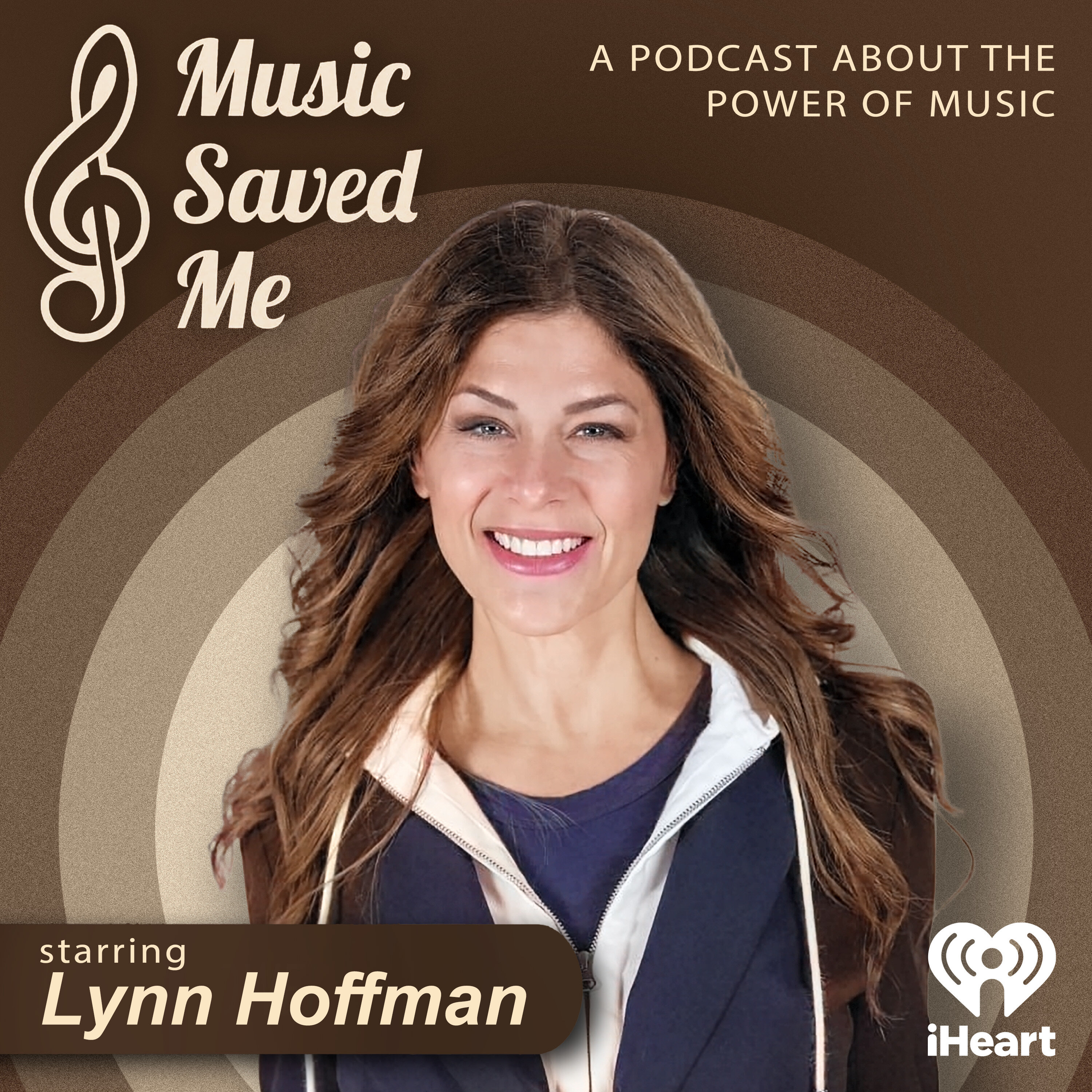
Takin' A Walk - Music History with Buzz Knight
Classic Music Saved Me Replay with Country Music Singer-Songwriter Walker Hayes
00:10:32
Loading summary
Transcript12 lines
- [00:01]
Lynne Hoffman
Music Saved Me.
- [00:02]
Walker Hayes
As a child, my earliest memories of music were, was the Waffle House jukebox. I remember being, you know, small enough to reach up to my dad's pockets and reach in and try to find some change. Now as particular type of music? No, as a kid I wasn't just, it wasn't one genre, it was just basically all music.
- [00:24]
Lynne Hoffman
Welcome to the Music Saved Me podcast. I'm your host Lynne Hoffman, and on this episode we have a member of the country music community who has met life's challenges head on, most certainly with the help of the healing force of music. Walker Hayes is an American country pop singer and songwriter and he shares his story on Music Saved Me. Welcome to the show. Who are you?
- [00:49]
Walker Hayes
Hi, well, I'm Walker Hayes and happy to be here. And I'm here to talk about how important the gift of music is to me as just an outside source of therapy, but also just a therapeutic, creative way to express myself.
- [01:08]
Lynne Hoffman
Were you a fan of specific musicians that you connected with early on?
- [01:14]
Walker Hayes
You know, as a, as a child, my earliest memories of music were, was the Waffle House jukebox. And you know, I would, I remember being, you know, small enough to reach up to my dad's pockets and reach in and try to find some change in the pocket where he kept his keys and his quarters, you know, in, and you know, I'd beg him for a quarter. Now, as particular type of music, not as a kid, I wasn't just, it wasn't one genre, it was just basically all music. I do remember I used a lot of those quarters to play Willie Nelson's on the Road Again. For some reason, that was a, that was a favorite for me. But early on I picked up the love of music from my father. He was a, he was a music minister. But it wasn't just, it wasn't just church music, you know, at our house, it was all types of, you know, music being played and, you know, him singing and in the car, you know, and things like that. So I just, I got a, I had a well rounded, you know, musical education at an, at an early age thanks to him. But you know, before there was ever a thought of, I'd love to do this as a, as an occupation, as a career first, it just was a healthy, healthy love of music. It was an escape for me as far as I can remember. I mean, I self realized, it was a self realization that I loved music. No one had to, no one had to say, hey, you need to give music a try. You know, it just was in me. My father was a retired music minister. He sold real estate, but that was his first job for his first 25 or so years out of college. And so he would. We would be in line at Cracker Barrel, paying our bill, and he would just bust out in song. And I honestly. I was like, I don't know this guy. I don't know who that is. You know, I was so embarrassed, and I was more. More of a shy. Took me a while, you know, I had stage fright. But I would say, without a doubt, my. My dad was the first person to ever hear me and. And encourage me to do it, you know, outside my bedroom, you know, to. To sing in front of people. I had a music teacher named Mr. Powell who put me in a play that I didn't really want to be in. So between him, they kind of nudged me, you know, on the stage. And once I did the things that they encouraged me to do, I just fell in love with it. I mean, my dad. I'll never forget the first gig I ever played guitar in a bar. He called me on his cell phone. It was from a place called the Yacht Club in Mobile off Dip. And it's just this little bar on Mobile Bay. And he called me and said, hey, I asked the bar manager, Trudy, if you could play on Friday. And I was. Because Honestly, I was 20 something, I was about to get married, and I honestly said. I said, dad, I'll do this. He had heard me in the living room, and he was like, it's hard to believe your dad. You're like your dad, if your dad says you're good, whatever he's supposed to say, I'm good. So, yeah, I'm not sure I trusted him, but I said, I will do this gig if you'll quit doing that. Quit pushing me out of my comfort zone. And I played that gig. And that was. That was the thing. I mean, that's. That's when I called Laney and I said, you know, let's get out of Mobile. Let's. Let's move to Nashville. I want to. I want to try this, you know, for real. So it's all his fault.
- [05:02]
Lynne Hoffman
Thank you, dad. Speaking of, you have a song called Briefcase, which is a narrative about life and work and regrets. Can you talk a little bit about what that song means to you?
- [05:16]
Walker Hayes
Yeah. What a great. Holy cow. I'm. I wouldn't have known, honestly, how to talk about all these great things you're talking about. And unless you mentioned that song, that's a great example of what music means to me. I wrote that song about two months before my dad died. We were losing him. He had Parkinson's. This was two years ago and two years ago, March 22nd. And I was, you know, as a son would do, as. As you're, you know, kind of seeing your hero wither away, you know, you begin to start thinking of regrets. You know, you think. You start thinking, you know, have I told my father how I really feel about him, you know, now? And also at my age, you know, my dad and I's relationship has gone through a lot of phases as briefcase describ. You know, as a kid, I was not a fan of my father. I felt like I competed with his job for him. And, you know, there were nights where I'd be playing ball games, and all I could think about at the game was, you know, why my dad here? And that frustrated me. And so that briefcase, I didn't like it. But expressing that emotion, it was like a. A priceless therapy session, you know, to sit down and write, hey, dad. I didn't really get it as a child. As I grew older and began to have kids, I began to understand what you were juggling all that you were up against as a father. And now I appreciate the job you did. And. And I basically admitted to my father that as a child, I didn't want to be like him. But now, if anyone says that I remind them of my father, it is. It is a proud, proud moment for me, and I'm honored that they would look at me and say that. That I resemble him in any way, whether it's the way I look, walk, talk, father, anything. And so, yeah, I mean that again, that the writing, the creation of that song walked me through one of the most difficult things I'll ever endure, you know, as a human, which is watching my hero basically disintegrate, you know, go from the strongest man I knew to being reminded that we were all. We are all human, and eventually our bodies fail us. And I. And I watched him leave this earth. I mean, I was sitting by his side singing a hymn on a guitar when he breathed his last breath. And I guarantee you, my sister was there with me. And I'm sure I played briefcase that day, you know, just. Just sitting in his room. So you. When you talk about. I don't know how else to say music means a lot to me, you know, or that music has been more so the arm of God around me, and in some of my deepest, darkest times of need for peace and hope and comfort in this world.
- [08:35]
Lynne Hoffman
Wow, that is so powerful. Thank you for sharing that. You know, your music deals with love and loss and anger. Do you visualize members of your fan base that may be going through something in their life?
- [08:49]
Walker Hayes
I guess I kind of have this out of body visualization of somebody listening to the song alone in their car, you know, and I really want them to hear the song in the beginning, but kind of leave where they're not listening to me anymore. They're not imagining me as an artist singing it. I would like them to go to a place in their own life and almost forget they're listening to me and them think of their own experiences and they're like, yeah. I try to visualize, you know, my fans being moved, you know, to a moment that. That might be kind of a moment where they were injured or, you know, make them think of somebody they love or cut through the pleasantries and get to the heart of where someone is, you know, when they're just sitting on the highway, you know, alone.
- [09:55]
Lynne Hoffman
Walker, thank you so much for being an artist that is so transparent in your trials and tribulations. And thanks for being here on music saved me.
- [10:05]
Walker Hayes
Thank you. I appreciate it. I wish I could say I'm just a nice guy and I love to help people, but selfishly, in creating these things, it's just very helpful to me, you know, I mean, that's how I. That's how I open up my heart and get some stuff out and share. So it's very helpful for me, but I appreciate it.