← Takin' A Walk - Music History with Buzz Knight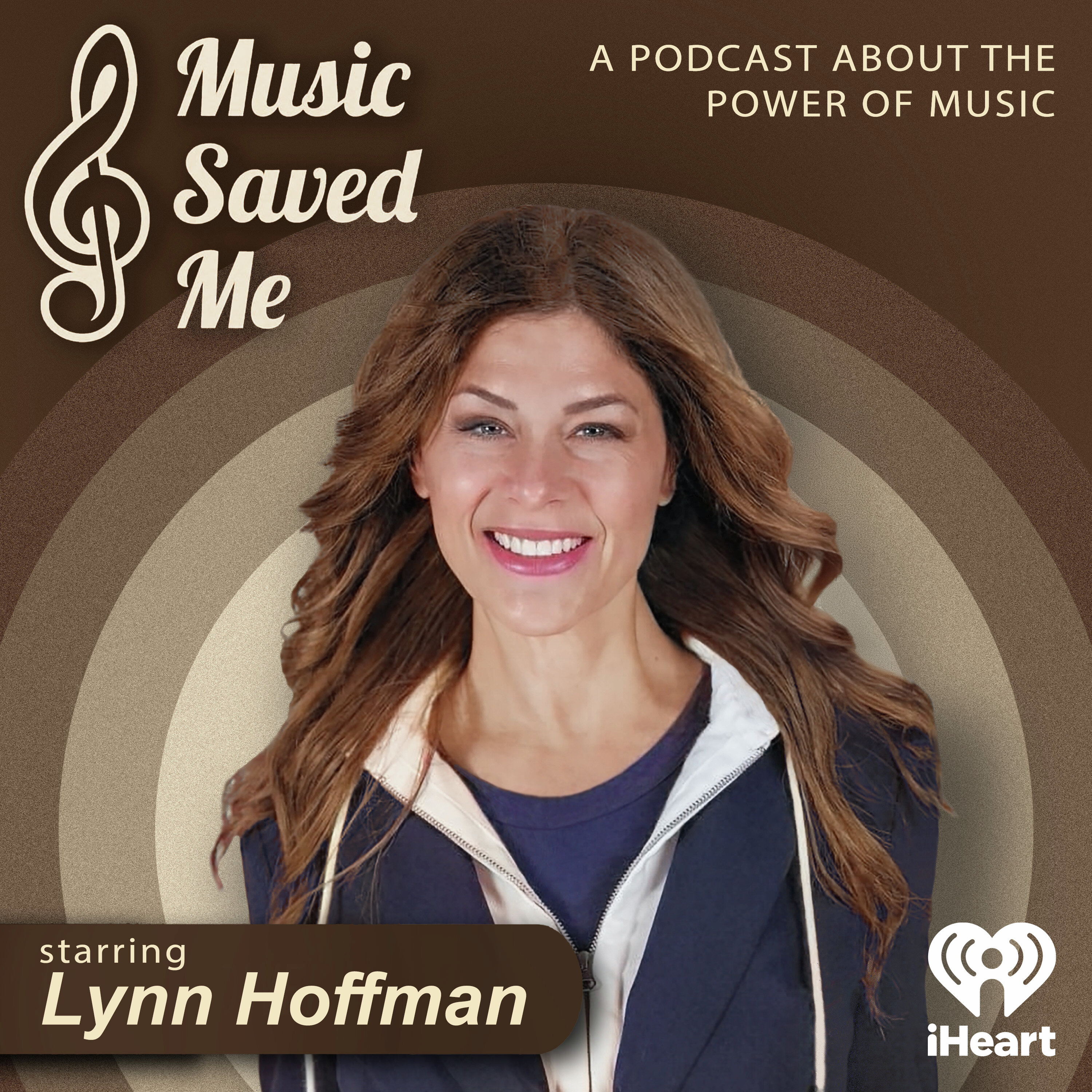
Takin' A Walk - Music History with Buzz Knight
Classic Music Saved Me Replay with Singer-Songwriter Daniela Cotton
00:23:46
Loading summary
Transcript37 lines
- [00:01]
Bobby Bones
Calling all Yellowstone fans, let's go to work. Join Bobby Bones on the official Yellowstone Podcast for exclusive cast interviews, behind the scenes insights, and a deep dive into the themes that have made Yellowstone a cultural phenomenon.
- [00:18]
Danelia Cotton
Our family legacy is this ranch and our protector of my life.
- [00:22]
Bobby Bones
Listen to the official Yellowstone Podcast now on the iHeartRadio app, Apple Podcasts or wherever you get your podcasts.
- [00:31]
Questlove
Hey, everybody, what's up? This is Questlove, and every year we do special programming in February for Black History Month. Now it's especially important this year as we gear up for some new conversations. So the team and I compiled some clips from the show that are worth revisiting. In part one of the celebration of Black History Month, we're listening back to Moments with Chris Rock, Solange Prodigy, Ben Vereen, Jennifer Lewis, Angela Rye and Gina Yashore. Listen to Questlove supreme on the iHeartRadio app, Apple Podcasts or wherever you get your podcasts.
- [01:05]
Jon Stewart
Jon Stewart is back at the Daily show and he's bringing his signature wit and insight straight to your ears with the Daily Show Ears Edition podcast. Dive into John's unique take on the biggest topics in politics, entertainment, sports and more. Joined by the sharp voices of the show's correspondents and contributors, and with extended interviews and exclusive weekly headline roundups, this podcast gives you content you won't find anywhere else. Ready to laugh and stay informed? Listen on the iHeartRadio app, Apple Podcasts, or wherever you get your podcasts.
- [01:43]
Colleen Witt
Are you hungry? Colleen Witt here. And Eating While Broke is back for season four every Thursday on the Black Effect Podcast Network. This season we've got a legendary lineup serving up Broke dish and even better stories. On the menu we have Tony Baker, Nick Cannon, Melissa Ford, October London and Carrie Harper. Howie turning Big Macs into big moves. Catch Eating While Broke every Thursday on the Black Effect Podcast Network. IHeartRadio app, Apple Podcast. Wherever you get your favorite shows, come hungry for season four.
- [02:15]
Lynne Hoffman
Music Saved Me.
- [02:17]
Danelia Cotton
There are times a song will come to me so fast I can't write. And that, that's what we know. We call it the Song Gods. And you write and like when somebody says talk to you, like, no, no, no, no, no, that note, I'll never get it back. It's like if it's given to you, you have to stop and serve it or you forget it.
- [02:32]
Lynne Hoffman
I'm Lynne Hoffman and welcome to the Music Saved Me podcast, the podcast that delves deep into the power of music. Now, if you love this podcast, please spread the word. Thank you so much and share this episode with others, if you don't mind. We also work with a very proud supporters of an organization called Musicians on Call. And all the wonderful great work they do that showcases the power of music. Our guest today, Danelia Cotton, an award winning musician, singer, songwriter, known for her trademark gritty, rich and soulful blues and rockin Americana. And she also has some new music out that we're gonna talk about. But she's also an artist who deeply knows firsthand about the power of music. Danelia, welcome to Music Saved me.
- [03:21]
Danelia Cotton
Thank you, thank you, thank you so much for having me.
- [03:24]
Lynne Hoffman
It's so great to have you. I wanna start off with a quote from Guitar World about you because I just think that it really gets to the heart of why we're together today. Danelia Cotton, this is. Let's start with a quote. Danelia Cotton has not had it easy, but lucky for us, she channels her pain and suffering into kick ass musical creations that we can all enjoy. I can't agree more with that quote. And my first question, we have so much to talk about in so little time. But my first question is, how did your journey as a kid, cancer survivor, shape you as an artist and as a person?
- [04:03]
Danelia Cotton
I think the fact that I had it late in life and that I first didn't understand the severity of it, like the doctor even said, this is the good cancer. I was like, what cancer is good? But he's like, I can remove your thyroid and then it's gone. And the chances of most people who have thyroid cancer is that it never comes back. So I still have two appointments a year where they check my blood and we monitor that kind of thing. But it's been good for me. That operation gave me another octave, which was not that, which was very unexpected. But I've always worked with a throat coach. The first time I went on tour, I believe it was an Italy tour. And it was like six days in this Mercedes Benz driving around, which seems like, oh, that's so awesome. It was deep and I just sang, sang, sang, and then drank red wine and sang and talked and came back with like a scab, scabs on my vocal cords which weren't nodes, but I was like, whoa. It had never happened. So when I went to a odorologist here in New York, Rosemary Deloitte, who I love, who's done like Adele and what have you, she recommended a vocal coach who I have seen ever since and been with for over two decades. And I, you know, my advice to everybody there is that just like an Athlete. And you have coaches and you have spring training. You're. Your voice is a muscle. And so having somebody teach you how to use it in the correct manner, like, we can all have natural ability. But I was an actress, but I went to school. And you take that natural ability and you apply it to whatever method. Stanislavski, you know, like, it's. We can all have natural ability of anything. Sports, vocal, whatever. But you. You need that person to help you sort of develop it and help it and shape it, you know, so that changed the way that I san just her. And when I got done with the procedure, I went back to her. And then we discovered that I had some more range in there that might have been blocked by whatever, wherever the cancer was, which was a bonus. And I think more and more, even after that, I really adhere to the correct way of singing because I believe it's just my Buddha kind of way. We're here to serve others. And so a lot of times when you sing, it isn't about you getting off. A lot of times you sing technically to get them off. And it's me taking my story and giving it to them and them finding their way in it and figuring out whatever it is that they want to do. And sometimes that has to be very technical. I tend to like to be able to go back into it, but doesn't always happen that way. And it's. When it's for the audience you technically sing so that they get it and they go where they go. And you don't always get that side. You get the. You get the thrill of knowing that you moved them.
- [07:04]
Colleen Witt
Yeah.
- [07:05]
Lynne Hoffman
So, wow. Experiencing that hard enough. I mean, let alone the fact that nobody ever talks about cancer, you know, it's. It's like this. It's like mental health and cancer. You don't discuss it, but how do we learn and how can we, you know, get past? And speaking of that, having faced a similar situation, racism. I mean, cancer is hard enough, but at a young age, it can be very painful and terribly confusing, especially when you're growing up. And it can also kind of bring you to a crossroads in your life. You know, do I go one way or the other? You know, am I going to be stronger or weaker? How. How did that experience lead you to music to help process what you were dealing with?
- [07:51]
Danelia Cotton
Well, I mean, cancer came later, but when I first started to run marathons, which I did to raise money for cancer awareness, because my husband's father's brother was one of the four guys that did Woodstock and We called him Jock, but his name was John Roberts. And I ran the first marathon because he died of leukemia. And then I kept running for cancer and now my other half is living with mantle cell lymphoma, which is incurable. So it is in our house. Like this year I will tackle at 55. I tackled two marathons, now I'm about to do three in Chicago. I'll be. I mean, I know they don't like you to say it, but I'll be 57. But they are. I'm doing Chicago, Savannah and then Texas. And I run because it helps me not think about everything because we had such a journey to get to this place with this little girl that we had at 50. And I just felt like the world, everything was great. And then bam. Really karma, what did I do? And here's cancer re entering my life again and the love of my life. But like running and raising money and awareness has saved me. I found Neil Young running. I found a lot of artists running just listening because I put my little doctor Beats in and I run and I work through whatever it is from that day. I just get through it all because I don't really. I live incredibly healthy even, you know, since the cancer. I don't drink, I don't smoke. So it's very. I just. The running really helps and I don't know, I find somewhere in that rhythm and the music and everything when I go walk back into my house and greet my 6 year old or my other half who's usually in a good mood, but he is a legal aid defender for and he deals only in the murders, so that can be heavy in our house. And then he has his thing. So if I don't come in in a good place, I can tend to set the tone for the entire house. So it is kind of good that I'm pretty balanced at this point because I think he's got so much on his shoulders. And she's just a little girl and so she's just going to be whatever she's going to be. And so I'm sort of like I have to come in and always balance it out. Probably was not my strength early in my life, but now I've learned how to do it. And music, you know, that's another place I can go to just siphon whatever it is or recycle whatever pain I'm having into something that somebody inevitably comes up to me and says something. Even the last performance, a painter, I was going to quit and I realized I have some of her Art on my walls that she was, you know, inspired by me, I'm inspired by her. And somehow I touched her, she touched me. And that's kind of what you live for, those moments. So, yeah, so it's. I mean, there's just so much. But everything has shaped me. You know, cancer remains a huge part of my life because until they find a cure for what he has, it is what it is. But I don't think about it every day. And, you know, I just wake up because the fact is all of us could walk out the door. And I have 103 year old grandmother who is alive and all five generations of my family are alive. And so she'll tell you some stories. Yeah, yeah. I mean, it led to the newest project, which is a tribute to Charley Pride, which is another genre I never thought I'd go into. But my grandfather, where I was raised, like, my first album was called Small White Town. Was a small town. Yeah. And it was primarily occupied by not my color. But that's how I found music. I mean, people are like, how did a girl looks like you? They expect me to sing R and B or something. And I walked out with rock and I said I wanted to have blonde hair and blue eyes, and I didn't. And I heard rock and it sounded how it sounded, exactly how I felt. Boom. It was Love at first Sight or First List, first bar. And I was like, oh, that's how I feel. And there I was. So it was, you know, it wasn't that I wasn't, you know, exposed to Stevie Wonder songs and the Key of Life, but not a lot of the music that most kids who were raised in a more black neighborhood. I was, you know, exposed to Jonathan Winters and Bonnie Raitt and, you know, early Chaka Khan. And my brother was listening to Todd Rundgrent and, you know, Foreigner and Zeppelin. I mean, it was just. There was. And then my aunts were backup singers and she had like a Dan Fogelbulg album. Everything around me was intense. And then college. I studied with a jazz trumpet player who made me like. He's like, Holy Grail is the Johnny Hartman John Coltrane album. So I was luckily around a lot and I didn't feel that I had to define myself by one particular thing. So it doesn't. It's not odd to me that I would do this next project. You know, a song is a song, you know, it's gonna be what it's gonna be. And all music is sort of in some way, inevitably influenced by another Genre, So I don't know. It's kind of a long answer to that. Good.
- [13:43]
Lynne Hoffman
You covered a lot of stuff there. And what I was my next. Do you believe that there is a healing power in music? And if you do, can you help me pinpoint it? Because is it. It's words, it's melody, it's vibration. I mean, there. There are so many things that happen because of it. Have you been able to figure out.
- [14:05]
Danelia Cotton
What it exactly is that. No, no, it's. It's just like being in a black church and the choir starts and there's one person standing up, and everybody gets like, oh. And they feel the spirit. You can't really pinpoint it. But, I mean, even biblically, music, singing, that gift is one of the highest that you can be blessed with. And so for me, oh, yeah, it's where you can go. It is a place to go and live when reality is either overwhelming or too intense. It's a place to hide. It's a place to revel in. It's a place to dance in. It's a place to sort of be whatever it is you want to be. And it can take you to a high place, it can take you to a low place. But, I mean, music is literally. It transports on many levels, and in many ways, it can make people. I mean, in religions, it's always inspirational. In churches and synagogues and what have you. I mean, it is a serious tool. It is a high. It is a. It's a deep thing. So I think I feel blessed to be blessed with, you know, whatever it is. And there are times a song will come to me so fast I can't write. And that. That's when we, you know, we. We call it the Song Gods. And you write and, like, when somebody says talk to you, like, no, no, no, no, no, no. Because if I forget that note, I'll never get it back. It's like, if it's given to you, you have to stop and serve it or you'd forget it. It's like the phone. The best thing about I Could be somewhere, and you sing the melody. Keith Ridgers, the famous story about him having the tape recorder next to his bed, and he sang I can't, but, you know, get no satisfaction was somewhere in there on one of the tapes. And then he hit it the next day, and it was there because it was right next to his bed. So it could come to you at any time. It definitely feels like a gift. And sometimes you were like, I wrote that. And, you know, so it does feel that way, but it's definitely. I go there. I mean, music was everything for me as a kid. It helped me get out. It helped me not have to be in my reality or anything dark. It helped me fly when I couldn't. So, yeah, I have immense respect for it.
- [16:27]
Lynne Hoffman
You come from a huge music state, New Jersey. There's so much that you were surrounded by pretty much everything and also a place that you had to work hard and you know, things that influenced you when you were younger came from probably what you grew up around. Which seems to me that you were able to really, you know, work your way through it, through music. I'm curious, was it Led Zeppelin that you were the first huge fan of?
- [16:58]
Danelia Cotton
I mean, I liked the one rock group where I heard the song and I was like. And you think it. Sometimes it would be like the most skilled singer was I heard. I remember listening, driving upstate and Ruby Tuesday came on. On a tape. And I don't know, like I wasn't. It was like I was in a trance and it's Mick Jagger. So it's, you know, which is my sort of issue today with singing. It isn't about runs and. Or as my niece would say, don't say that. Okay, so I take that back. A person with one octave can do so much. It's what you do with it. It's telling the story. And so it isn't so much a technical thing. It's a thing which I hope we don't lose that some older artists have. That's just extraordinary. I was lucky early in my career to go out with a lot of people. But I remember going to see. Going to a conc in Colorado and there was KEBMO and there was all these people performing and Joe Cocker got up and it was like, it's. Maybe he's got one octave. He was. I never sat down. I was.
- [18:15]
Lynne Hoffman
He looked.
- [18:15]
Danelia Cotton
First of all, he was so intense. I thought he was going to just combust and blow up. It was so much energy. It was like nothing I have ever seen. And it was. I'll never forget it. And that is like. That's what you do. That's what you do. And so he connected. It was just. It was a power like nothing else. So it isn't. It's just. It is what it is. I mean, Taylor Swift doesn't do one run and she's, you know, she's captivating, you know, billion people. So it's. Some people have the thing. They tell the story, they connect. It's the Thing just like, whatever it is. And I think if you get far from that, then you've lost the art of what it is to do what we do. And the beautiful thing that we can do with what we do. And I think it's the calling of those who do it. And that is. It's far more than skill, and it's much more than that. It's telling a story. It's like, inspiring the human spirit. It's healing the human spirit. It's a lot. It's a lot.
- [19:20]
Lynne Hoffman
When did you first realize that your music affected people in a way that you probably didn't expect?
- [19:27]
Danelia Cotton
I mean, touring and you finally get in front of big audiences, and you're like, whoa. And they sing your song back. It's deep. But I think the first time was an artist who came up to me early in my first tour and said she couldn't paint, and she put on Shame, a song on my first album, and then she painted, and I didn't even know what to say. Like, she was choked up, I was choked up. And I was just like, wow. Like, you know, or. And then it just started. Along the way, somebody pulls you aside and tells you how something made them realize something and they made the change, or it just. Yeah, it had a profound effect in a moment in their life that enabled them to either break a cycle or something. And that's where you're like, whoa. And then as an artist, that it pushes you to really take a look at what you're writing and the stories that you're telling. And the way I craft a song now is much different. I don't do it as, like. Not that I ever did it carelessly, but I sort of just said, oh, that's good. Now I think about the art of it and the power of what it can do and what you want to say and what I want to say. And if I only get one last song, what would I say? Or how do I want the person listening to it to feel? And that's it. That's kind of where I go now. Yeah.
- [20:52]
Lynne Hoffman
Well, keeping on that. And we'll wrap it up with this last question. What allows you. I always compare it to birthing a child, but when you're putting your music out there for people to judge, it's not an easy thing. And anyone who thinks it is doesn't understand. And so being as difficult as it is, what allows you to be so transparent with your stories and sharing with people and putting it out there each time you do it? It's Kind of a risk.
- [21:23]
Danelia Cotton
It is, but. But it's important to me to be able to tell a story and for it to be moving. So I'm careful about what I choose, which I said early in an interview with npr, which I learned actually from acting. I don't go into moments that I can't safely get in and out of. And so if I haven't made peace with it, there's no way for me to put it out there. And when an artist makes the mistake of writing something that is really not something that they've dealt with, you can see it. You don't know what it is, but it makes you uncomfortable. It is. I think. So I choose moments that I have had and worked and moved through, and then this is that story, and I can go in and out of there in a way that is powerful and valuable for the listener. At least that's what I think that. I mean, that's kind of a rule of thumb for me. And, you know, that you have to be. And if I can't move safely in and out of it, then it's going to have an effect that you can't explain and you don't like it. So I just try to. Yeah. And I just. I can only speak from where I know a moment that I've moved through and that has done something or changed me, and that's all. And I hope that you can get what it did for me or that I can show you this thing that I figured out to. So. Yeah, but I think clearly about songs and, you know, you put yourself out there. It's. You hope when people don't like it, you just let it go. In the beginning, it was a little bit different, but, you know, I did acting. So you get how many times people tell you you're not right for the part. So I was kind of used to that part. And this just. I don't know. I. I've been lucky so far. Once or twice, somebody said something where I was like, ooh, ouch. But, you know, everybody's entitled to their opinion. But, yeah, I definitely try to choose things that I've made peace with. Whether it was big or small.
- [23:19]
Lynne Hoffman
It's in your DNA, isn't it? Like, you're tough. You can't handle it.
- [23:22]
Danelia Cotton
I mean, Springsteen, we're all talking about. Yeah, it's like we're all trying to get out. I mean, we love Jersey, but we want to get out of Jersey, but we want to, you know, see the world, but we're still. But Jersey made us who we are, kind of. It's. Yeah, there's a lot. It's a lot.
- [23:40]
Lynne Hoffman
That exact quote you said came out of the mouth of one blondie, also from New Jersey. You want to go out and see the world? Where can people find you and what. Tell us about your tour, your most.
- [23:54]
Danelia Cotton
Current tour, so you can find me. Danelia Cotton is such a rare name that. At Danelia Cotton, at Instagram, @TikTok, Danilia Cotton website, it's all Danilia Cotton. But I will be in Nashville next month during the Americana Fest and I'm going to be one of the people headlining at Papapalooza, which is kind of awesome, during the Americana Fest that Saturday. And I will be at Stephen Talkhouse out here back in the hamptons on the 26th. Beautiful. The Hamptons. Beautiful. Like in the fall. I'm trying to think that that's kind of what I know so far. The EP is about to drop on the 29th, and it is country, but it's definitely Danilia. It's me sort of once again going into another genre. And I like country. They tell stories and it's. I don't know that I can get into. So that's great. And, you know, the only thing I say is that this is a new age of we have, you know, in this country, an older group is what was considered old, is sort of now running the country. And so I hope for women and for young girls, I took the long route. I went to college. You know, I've had a career, I had some time, I built a family. And I'm just now sort of hitting a peak at this age, which means that, you know, you take care of yourself. It's different. We have different tools and different ways to take care of us now so we could go longer and you can live your life and you can do some of those things that you didn't have. There's no rush to the finish line. Just take care of yourself and you can do it. You can go there. I like that.
- [25:38]
Lynne Hoffman
Well, Danelia Cotton, you are truly inspiring with your story, your music, and everything going on with you. I wish you nothing but the best in your future. And it seems to me that you're on to great things and continue on that path and please come back and see us again. Thank you for being on music. Save me.
- [25:58]
Danelia Cotton
No. Thank you so much. Thank you.
- [26:02]
Bobby Bones
Calling all Yellowstone fans, let's go to work. Join Bobby Bones on the official Yellowstone podcast for exclusive cast interviews, behind the scenes insights, and a deep dive into the themes that have made Yellowstone a cultural phenomenon.
- [26:19]
Danelia Cotton
Our family legacy is this ranch, my.
- [26:21]
Bobby Bones
Protector of my life. Listen to the official Yellowstone Podcast podcast Now on the iHeartRadio app, Apple Podcasts or wherever you get your podcasts.
- [26:31]
Questlove
Hey everybody, what's up? This is Questlove, and every year we do special programming in February for Black History Month. Now it's especially important this year as we gear up for some new conversations. So the team and I compiled some clips from the show that are worth revisiting. In Part one of the celebration of Black History Month, we're listening back to Moments with Chris Rock, Solange Prodigy, Ben Vereen, Jennifer Lewis, Angela Rye and Gina Yashore. Listen to Questlove supreme on the iHeartRadio app, Apple Podcasts or wherever you get your podcasts.
- [27:06]
Jon Stewart
Jon Stewart is back at the Daily show and he's bringing his signature wit and insight straight to your ears with the Daily Show Ears Edition podcast. Dive into John's unique take on the biggest topics in podcast politics, entertainment, sports and more. Joined by the sharp voices of the show's correspondence and contributors, and with extended interviews and exclusive weekly headline roundups, this podcast gives you content you won't find anywhere else. Ready to laugh and stay informed? Listen on the iHeartRadio app, Apple Podcasts or wherever you get your podcasts.
- [27:44]
Colleen Witt
Are you hungry? Colleen Witt here and Eating While Broke is back for Season four every Thursday on the Black Effect Podcast Network. This season we've got a legendary lineup serving up broke dishes and even better stories on the menu. We have Tony Baker, Nick Cannon, Melissa Ford, October London and Carrie Harper Howey turning Big Macs into big moves. Catch Eating While Broke every Thursday on the Black Effect Podcast Network, iHeartRadio app Apple Podcasts. Wherever you get your favorite shows come hung for Season four.