← Takin' A Walk - Music History with Buzz Knight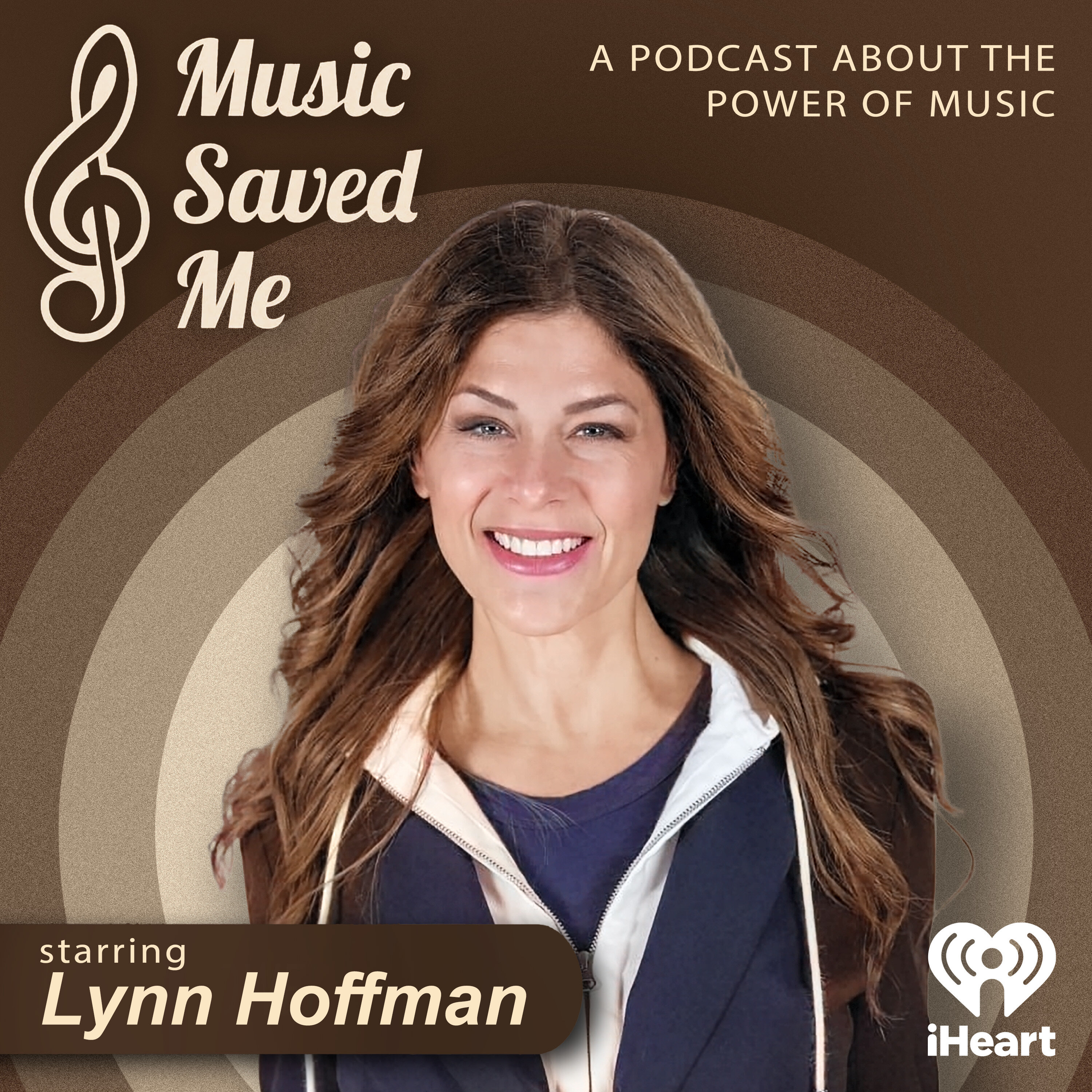
Takin' A Walk - Music History with Buzz Knight
Classic Music Saved Me with Pat Monahan from Train
00:14:17
Loading summary
Transcript47 lines
- [00:00]
Lynne Hoffman
This is an iHeart podcast.
- [00:06]
Washable Sofas Advertiser
Let's be real. Life happens, kids spill, pets shed and accidents are inevitable. Find a sofa that can keep up@washablesofas.com Starting at just $699, our sofas are fully machine washable inside and out so you can say goodbye to stains and hello to worry free living. Made with liquid and stain resistant fabrics, they're kid proof, pet friendly and built for everyday life. Plus, changeable fabric covers let you refresh your sofa whenever you want. Need flexibility? Our modular design lets you rearrange your sofa anytime to fit your space, whether it's a growing family room or a cozy apartment. Plus, they're earth friendly and trusted by over 200,000 happy customers. It's time to upgrade to a stress free mess proof sofa. Visit washablesofas.com today and save that's washable. Washablesofas.com offers are subject to change and certain restrictions may apply.
- [01:06]
Lowe's Advertiser
Lowes knows that no matter your paint project, saving is at the top of your list. That's why when you shop today you can buy one get one free. Select Valspar and HGTV Home by Sherwin Williams one Coat Coverage Interior paints via rebate Shop these deals in store or online today at Lowe's we help you save. Selection varies by location while supplies last. Discount taken at time of purchase. See Sales Associate for details. Offer valid 821 through 9 3.
- [01:35]
Pat Monahan
Music Saved Me When He Stole Sister came Out There was a family with a highly autistic child who was eight years old and had not spoken one word in his lifetime. The parents were in the kitchen and the television was on in the other room and obviously that video for hey Soul Sister was on and they heard something that they've never heard before and walked in and their son was singing to hey Soul Sister. The first thing that they ever heard this 8 year old do was sing that song.
- [02:06]
Lynne Hoffman
I'm Lynne Hoffman and this is the Music Saved Me podcast. The podcast where we get to explore the healing powers of music with some of the biggest names in music. And we also love being supporters of Musicians on Call, which is a wonderful charity that does tremendous work using the healing power of music to make a difference for so many today. Our guest is the leader of the multi Grammy winning band and an old pal from train, Pat Monahan. Pat, it is so great to have you on Music Saved Me. I think it's been a minute since I've seen you and I actually still have the Train bottle of wine here that I have not Drunk yet. So very special occasion for me today.
- [02:48]
Pat Monahan
Great. It is for me too. Thank you.
- [02:50]
Lynne Hoffman
Welcome to the show. Not sure when the last time we spoke was, but today it's specifically about music and how it can heal. And I'm curious, do you believe that music has healing powers?
- [03:06]
Pat Monahan
Yes. I've received emails many times that music has done wonderful things for people that I've been a part of. And I'm very grateful for those emails and conversations that I've had. One particular was when hey Soul Sister came out. There was a family with a highly autistic child who was eight years old and had not spoken one word in his lifetime. And the parents were in the kitchen and the television was on in the other room. And obviously that video for Haeso Sister was on and they heard something that they've never heard before and walked in and their son was singing to hey Soul Sister. The first thing that they ever heard this 8 year old do was sing that song. So there's got to be something in music that stimulates our brains and hearts to shift or change or progress, whatever it is. But I definitely believe in it. I know music has saved my life many times.
- [04:15]
Lynne Hoffman
Can you give us one example?
- [04:19]
Pat Monahan
Well, I grew up in Erie, Pennsylvania and music was a thing that separated me from my peers, that I tried sports, to do that, to be exceptional at it, and that didn't work. And academics certainly didn't work and there weren't many other choices. So I would just sing to everybody in class and it was usually Led Zeppelin songs. And then from there I became a singer in a Led Zeppelin cover ban and well, then I ended up moving to Los Angeles and San Francisco to start train.
- [04:56]
Lynne Hoffman
Well, you have a very strong connection with your fans. They're called Trainiacs. I've met quite a few of them in my day and I want to know what it means to you when you hear from your fans about their lives and their challenges and their loss.
- [05:11]
Pat Monahan
Well, I mean, you know, it means as much as it would mean if a close friend told you because these people have been with me for, you know, 30 years. So we've become very close friends. We email each other and sometimes talk on the phone and other times we meet on a cruise every other year, which is really a great way to connect with them and for them to connect with us.
- [05:36]
Lynne Hoffman
There's this trend for artists to be transparent about their lives. For example, we've had Jelly Roll. We've also heard similar stories from Brent Smith from Shinedown. I wonder you've Always been an open book about your life through your music. I want to say how difficult, but is it even difficult for you to share what's happening in your life with people through your music?
- [05:59]
Pat Monahan
You know, I share what feels like it wouldn't be a burden for people. You know, when I do have struggles, I don't really look to train fans for sympathy or comfort. However, I will share similar stories that people are sharing with me, but I don't feel like in a position of being a successful singer in a rock band, it's hard for people to go, aw, well, isn't that so bad that that happened to you? When people are really struggling with big stuff, if share something with me, I will share a similar story if. If it feels appropriate. But otherwise, you know, I. I keep my. My woes to myself.
- [06:55]
Lynne Hoffman
Your song Drops of Jupiter, it's one of the greatest songs of all time, if I may say, and it's a very personal song to you. It's. It's about your mom passing. Can you tell us about how you created that, how you were able to make that and put it out there for people to. To hear?
- [07:12]
Pat Monahan
We recorded an album called Something More and delivered it to Columbia Records, and they didn't think we had a first single. I was emotionally not in the mood because I. I lost my mother just recently and now I don't have a single for this record company. And one night I went to sleep and probably was asleep for 10 minutes and woke up with all the lyrics and melodies in my head as though my mother had delivered me the message. This is what it's like when you go to the other side. You can swim through the planets and come back with drops of Jupiter in your hair and don't worry about me. So then with the looking for yourself out there, that was the emotional part of it for me. That was like, it's. It somehow had to translate into a love story. And so that was the little bit of something I gave to the song that maybe my mother didn't deliver.
- [08:17]
Lynne Hoffman
Were you surprised at how huge that song was and how it connected with so many people?
- [08:23]
Pat Monahan
There's no reason for that song to become a hit. It's the same thing as any other song that was big for us. Like, even Meet Virginia was a quirky little song and. And then a song with a ukulele and, you know, Drops of Jupiter was like 4 minutes and 20 seconds or something at a time. And there were, you know, two and a half minute songs on the radio.
- [08:44]
Lynne Hoffman
So that's so true.
- [08:46]
Pat Monahan
It was pretty interesting that it happened.
- [08:49]
Lynne Hoffman
It was a big deal. You had a charity that you work with, your charity house in San Francisco. Can you tell us about that and what that work means to you?
- [09:00]
Pat Monahan
Yeah, it's a place called Family House that houses low income families with very sick kids that are being treated at UCSF Hospital. Most of them are brain tumors, eye tumors, things with the head that UCSF Hospital is very specialized in. So when we started making wine about 12 years ago, we decided that it should be a reasonably priced bottle of wine from the Bay Area, whether it was Napa or East Bay or somewhere, so that train fans could get a taste of where we're from. In the meantime, proceeds from those sales would go to Family House. And then every time that another charity event happens, we. We just give them the money for that as well. It's just. It's an incredible program that has saved people's lives and dignity for many years.
- [10:03]
Lynne Hoffman
It's amazing. That's. It's. It's really exciting to hear about things that other people do to help those and. But it also, it's, you know, when you have that power and that platform to use it for good things, and it's just. It's a special thing, I think.
- [10:20]
Lowe's Advertiser
Yeah.
- [10:20]
Pat Monahan
It was obvious at the time that it was time to give back to the Bay Area for all they've done for us. So it was a pretty easy choice.
- [10:28]
Lynne Hoffman
You had vocal surgery in the past, which is shocking to me because I. I didn't realize that until I read about it. You love what you're creating and the impact that it has. What was it like for you going through that surgery? I mean, did you think that you were going to be able to still make music?
- [10:44]
Pat Monahan
Well, that's the, you know, that's an example of things I don't share with train fans or anybody. I think I recently mentioned that to someone and here we are talking about it.
- [10:56]
Lynne Hoffman
Oh, forgive me. I'm sorry. I had no idea.
- [10:59]
Pat Monahan
No, it's okay. It is what it is. I'm the one who said it. But, you know, it's been, you know, five or more years now. At the time, it was, you know, the scariest thing that you can imagine. And right prior to that, I was playing golf in a Pro AM in Pebble beach, and I was with a guy who was also a singer and told him I was about to fly to San Francisco after the Pro Am to have vocal cord surgery where they actually removed scar tissue from both folds of my vocal cords because I couldn't There were times I couldn't sing at all.
- [11:38]
Lynne Hoffman
Wow.
- [11:40]
Pat Monahan
And he said, man, that's like Tom Brady getting his right arm worked on. And I was like, that's not really what I was hoping you'd say, but that even scared me more. But anyway, when I came out of it, and the doctor's name is Clark Rosen, and he's originally practiced in Pittsburgh, Pennsylvania. And when I met him, I just had a real connection to him, and he did an incredible job. And here I am, able to sing, in many cases, better than I ever have. There are things I can't do anymore, but for the most part, I can do it all.
- [12:15]
Lynne Hoffman
That's pretty amazing. I do voice work for my secondary job, and I couldn't even imagine if someone said that I had to go have that done, I'd be petrified. Did you listen to any particular music to get you through it or your own?
- [12:30]
Pat Monahan
Well, you know, music is such an interesting thing. Music wasn't going to be what was going to, like, pull me out of being scared, because listening to people sing, it's just like, I want to keep.
- [12:48]
Lynne Hoffman
Being able to do that.
- [12:50]
Pat Monahan
So there's that. It was more of, you know, just communicating with the people that I needed to about knowing that it was the right thing for me to do at the right time. But then shortly after, music was everything because I had to, you know, teach myself to sing in a different way because I didn't want to end up having to be back there doing the same thing. So I think singing those Led Zeppelin songs put me in more jeopardy than. I mean, that's why Robert Plant doesn't do it anymore.
- [13:23]
Lynne Hoffman
Makes sense.
- [13:24]
Pat Monahan
He's probably like, what are you doing, kid?
- [13:26]
Lynne Hoffman
That look on your face. Well, in closing, how would you like your music to be remembered in terms of the good that it spreads in the world?
- [13:36]
Pat Monahan
Well, that's a. That's a big answer, because I'd like it to be remembered. And, you know, unfortunately, I'm a fan of comedy, and I just saw a Ricky Jarvis special that was incredible. And he was like, none of us will be remembered. Like, it's just a matter of time. So, you know, quit being an asshole. And he's right. So I think for the short time that we'll be here on the planet and for however many years after, I just think that music is supposed to have hope. I always did. I remember writing the first few songs I ever wrote, and it was at a time of grunge music, and so people were like, this sucks. Like, it's like it's so cushy and but for me it was like, I don't know man. I think people need to have hope somewhere. So Calling All Angels was at a time where I was really at odds with myself. We were successful, but I was incredibly unhappy and I found an incredible therapist and she told me that we are divided between angels and traitors and I had to call my angels and I was like, consider it stolen. Those are the things that gave me hope and I feel like that was the message I was supposed to deliver. So hope is underrated and really helps.
- [15:11]
Lynne Hoffman
Do you think writing music also is sort of a therapeutic?
- [15:15]
Pat Monahan
Oh yeah, 100%. Like it's if I didn't have the ability to write music then I would be a mess because it really helps a lot.
- [15:25]
Lynne Hoffman
I hope a lot of people hear that and try it out. It's pretty. Yeah, it's pretty incredible. Even if you're not writing a song, just writing in general, getting your thoughts out of your head. Well, thank you Pat. It was so good to see you. Congratulations on all the continued success with the band and thank you for joining us on Music Saved Me and and for the joy that your music brings to so many.
- [15:48]
Pat Monahan
Well, thank you.
- [15:49]
Lynne Hoffman
Thank you. You too.
- [15:53]
Washable Sofas Advertiser
There's nothing like sinking into luxury. @washablesofas.com you'll find the Annabe sofa which combines ultimate comfort and design at an affordable price. And get this, it's the only sofa that's fully machine washable from top to bottom. Starting at only $699, the stain resistant performance fabric, slipcovers and cloud like frame duvet can go straight into your wash. Perfect for anyone with kids, pets or anyone who loves an easy to clean spotless sofa. With a modular design and changeable slipcovers, you can customize your sofa to fit any space and style. Whether you need a single chair, loveseat or a luxuriously large sectional, Annabe has you covered. Visit washablesofas.com to upgrade your home. Right now you can shop up to 60% off store wide with a 30 day money back guarantee. Shop now@washablesofas.com Add a little to your life. Offers are subject to change and certain restrictions may apply.
- [16:52]
Hello Toothpaste Advertiser
Does Friendly have a taste? If it does, it's probably like hello's Peppermint Flavored Anti Plaque and Whitening Toothpaste. Brush away plaque, show tartar who's boss and remove surface stains to naturally whiten. Hello's thoughtful and flavor Forward products make brushing your teeth feel like a confetti filled bathroom dance party. So say hello to hello with the always cruelty free, never tested on animals toothpaste that's made to spread smiles. Visit helloproducts.com and let hello add some everyday yay into your life.
- [17:25]
Lynne Hoffman
This is an iHeart podcast.