← Takin' A Walk - Music History with Buzz Knight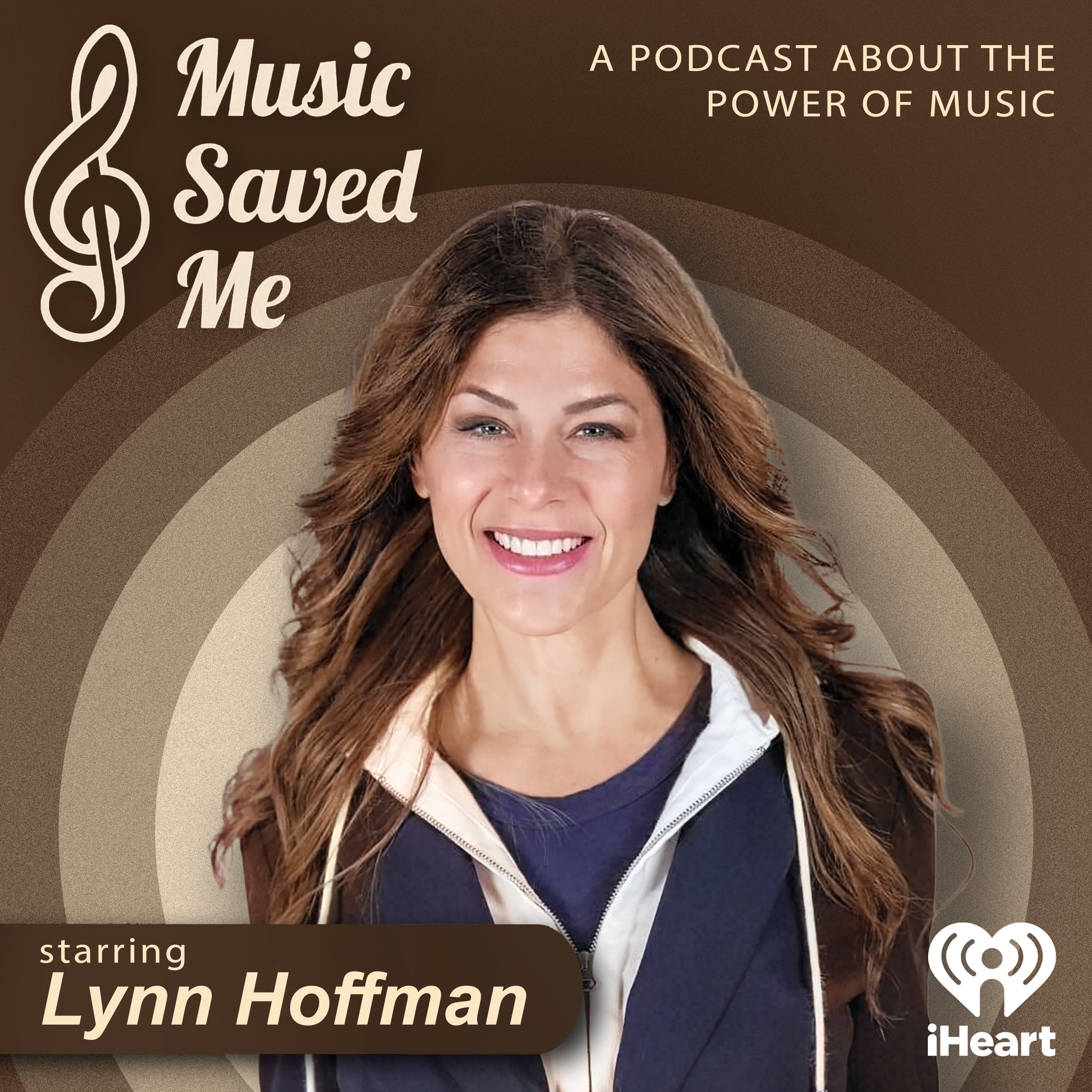
Takin' A Walk - Music History with Buzz Knight
Classic Music Saved Me with the CEO of Musicians on Call Pete Griffin
00:25:40
Loading summary
Transcript55 lines
- [00:00]
Claude
This is an iHeart podcast. Millions of people have turned to Claude, the AI assistant from Anthropic because it just feels different. Where other AIs often sound a little robotic, Clawd has been designed with special research that informs its character, meaning that Claude just gets it when it comes to empathy and emotional intelligence. That's why Claude has become the if you know, you know choice for dating advice, career coaching, gathering your thoughts for those important life decisions, and more. Give Claude a try for free at Claude.com that's C-L-A-U--E.com and let us know how you feel the difference.
- [00:44]
Pete Griffin
At Holmes.com, we do whatever it takes to get you the in depth info on local schools you won't find anywhere else. Things like student teacher ratio, test scores and school programs. And sometimes that requires attending school recitals. So many recitals. That's my son. Isn't he terrific? Yeah, a real prodigy.
- [01:08]
Matt Rogers
Homestock.
- [01:09]
Pete Griffin
Com We've done your homework.
- [01:12]
Matt Rogers
This is Matt Rogers and Bowen Yang from Las Culturistas with Matt Rogers and Bowen Yang. JBL Tour Pro 3 earbuds are for those who don't conform to the standard. Yeah, I mean if you want to get into some touchscreen technology, how about the Smart charging case Clear sound? These are not standard things. You're only going to get them with the JBL Tour Pro 3, baby. And I love the sound of JBL and goes these earbuds are packed with innovation because you can't stand out by following others. Touchscreen Smart Charging case for one touch control, instant EQ customization, True adaptive noise canceling and the one of a kind audio transmitter which can plug and play with everything from game consoles to in flight entertainment. What more could you want? First doesn't follow. Grab a pair@jbl.com this message comes from Greenlight.
- [02:00]
Lynne Hoffman
Ready to start talking to your kids about financial literacy? Meet Greenlight, the debit card and money app that teaches kids and teens how to earn, save, spend wisely and invest with your guardrails in place. With Greenlight you can send money to kids quickly, set up chores, automate allowance, and keep an eye on what your kids are spending with real time notifications. Join millions of parents and kids building healthy financial habits together on Greenlight. Get started risk free@greenlight.com iheart you're a hustler.
- [02:29]
Jennifer Lopez
You get things done, but you don't always do things for yourself. With JLO Beauty, it takes just a few minutes a day to look like facials are a regular part of your routine. JLo Beauty's Fresh and Flawless Skincare Kit includes six skincare products that work as hard as you do. They'll hustle to brighten, firm and hydrate your complexion morning and night. This skincare kit is a one and done solution that is clinically proven to visibly tighten and lift for instant and long lasting results. Cleanse, treat, moisturize, protect. The fresh and flawless Skincare Kit does it all. See why the kit's a Bestseller today? Visit jlobeauty.com Deluxe and get an extra 25% off your first shipment plus free gifts with code Deluxe. If you're not satisfied, return the bottles within 60 days for your money back. See the website for details. That's jlobeauty.com Deluxe to get that JLO.
- [03:21]
Pete Griffin
Globlow Music Saved Me I think that's one of the interesting things about music is it's so ever present in our lives that we almost take it for granted. But there's so much research out there that shows that the reason it's so present is because it really is helping us heal.
- [03:38]
Bowen Yang
I'm Lynne Hoffman and welcome to another episode of the Music Saved Me podcast. The podcast that explores the healing powers of music. If you love this podcast, please share it with your friends. Thank you so much. Also, if you, if you like us, you're really gonna love Taking a Walk. The podcast hosted by my good friend Buzz Knight. It's also about music and the history of music and he has some great guests on, so you definitely wanna check that out. Today I get to speak with Pete Griffin, the president and CEO of Musicians on Call. This tremendous organization nationally supports patients by exposing them to the healing powers of music. We are proud supporters of Musicians on Call and we welcome you, Pete Griffin, to Music Sa so much for being here. It's a pleasure to have you and to talk to you.
- [04:26]
Pete Griffin
Yeah, no, Lynn, it's great to be on here and talking with you and I love listening to the the podcast myself. There's so many great stories that you all have shared and the connections that these great artists have, the healing and so it's, it's right up the alley of what we do. And so I'm grateful for the support of the podcast and I love, love listening to it.
- [04:45]
Bowen Yang
Thank you so much. Well, you know, a lot of people who work with your organization have also come on this show to talk about the great work that you do. So it's nice to have the man himself come to the table and share with us exactly all the incredible things that you do. But first, I want to ask you in the beginning, what was the point in your life that really connected you so deeply to music that you would want to create an organization like this?
- [05:08]
Pete Griffin
Yeah, it was one of those things I would say that didn't. There wasn't a moment I would. That I would reflect on. It was more. I eventually came to a realization of how many times in my life music was something that was by my side for something good or something bad, and that it really was the soundtrack. And, you know, not to be, you know, too spot on with it, but like, it was a soundtrack to my life. It was the good moments, the bad moments. It was always there. And, you know, I realized that over time as I started to reflect on it, but then as I dug into it more and more, I was seeing that it wasn't just a feeling. It wasn't just one of those things that by chance, music was beside me and others during these times. But there was a lot of science and research that went into why that was the case and that it wasn't just something that was happening, but is something that we were looking for, that I was looking for to help me get through tough times. And I think that's one of the interesting things about music, is it's so ever present in our lives that we almost take it for granted. But there's so much research, doctor, that shows that the reason it's so present is because it really is helping us heal. It really is, you know, helping us bring back memories when we're feeling down or making us feel happy or even, you know, in a scientific way, helping our bodies heal and deal with stress and pain and everything else. So for me, I don't know that I could reflect on one specific moment, but it really was something that, in hindsight, I realized it's been by my side literally since day one. My earliest memories are being three years old, I think. And I say three or four years old because actually we moved homes just after I was that age, and I can remember those moments. So I know it had to be that age because we were still in the home that I'm thinking of, and we'd be singing Kenny Rogers songs or Dolly Parton or Willie Nelson. And just some of my earliest memories have to do with music.
- [07:21]
Bowen Yang
It's incredible that you can remember that far back. I think maybe I can get to maybe six or seven, but three is impressive.
- [07:28]
Pete Griffin
I think it had to be three or four, because I remember in the living room. And this is actually funny. My mom would play a Willie Nelson record and she would have us hold our nose and sing it. So we had kind of a nasally sound like Willie Nelson. So I'm sure she got a kick out of it, but that's why I remember it so specifically.
- [07:51]
Bowen Yang
You know, it's interesting, throughout all of the interviews that we've done here on the show, there is definitely a very strong through line of most everyone I've talked to, musicians, artists alike, that hearken back to what their parents exposed them to musically that stuck with them in some way, shape or form.
- [08:10]
Pete Griffin
I mean, honestly, like, I, you know, a lot of my memories as a kid, you know, were just us very, like, humbly sitting on the floor with the record player and listening to these songs and learning the words, and maybe my folks, like, explaining behind them. You know, my mom was very much like a folk Woodstock, you know, era person growing up, so she had a lot of connection to those types of songs. And it was just. It was like education, entertainment and fun all wrapped up into one.
- [08:45]
Bowen Yang
That's right. And then eventually you would end up starting your career. I think you had mentioned at MTV Networks, is that correct?
- [08:52]
Pete Griffin
Yeah, it was. It was right after college, and I was, you know, I interned at Sony Music, at the record label, and then I was able to get a job at MTV, which in. In 2000 was like, man, that was the dream job. I mean, that was the biggest. It was the biggest company in the world, the biggest media brand in the world, the most recognized brand in the world. I mean, it was everything back then. And so to be able to work at that company was a real dream. And I, you know, I spent the, you know, the better part of a decade there afterwards. And so I really got to be a part of MTV during its. Its peak era. And as part of that, really got exposed to some of the best and brightest people I've ever worked with and really be part of something that was, you know, socially significant and really brought music to people, you know, in a way that at that time was just unrivaled.
- [09:47]
Bowen Yang
Now, did that have anything to do with why you decided, or was it part of your journey that led you to musicians on call?
- [09:54]
Pete Griffin
It was. I mean, there's a longer story, I guess, to how that happened, but I think, you know, to guess I'd be more specific about it. You know, I loved working at mtv. It was. It was an opportunity of a lifetime. I worked with some of the best people, and it was truly, like, an amazing moment for me in every way, personally, professionally, and all that. But one of the things I realized as I. As I got older is that a lot of my really desire to work at MTV to begin with had to do with the fact that I actually, you know, was bullied a lot as a kid. And that I think I realized as I got older afterwards that it was like, a lot of the decisions I made was really trying to seem cool or to have a great job or to show people that I made it or I was worth it or those types of things. And even though it worked out well for me at mtv, because I really did love it, the motivation, I think, was very different in hindsight as to why I wanted to do those things. But as I got older, I realized that that feeling of coolness was fading quickly. And even though I was at a place that was fantastic and cool and everyone loved, I really found myself unhappy. And it took a while to figure it out, But I think once I did, I realized that, you know, what? I needed to stop doing things to prove myself to other people, but actually needed to focus on the things that really made me happy at my core. And what I realized is, in the little time I had outside of work, what I was doing was I was volunteering in New York City. I was volunteering on human rights campaigns. I was volunteering at the Museum of Natural History. I was volunteering at a shelter. I was doing all these things. And I was like, that was really what was bringing me joy in life. And so I said to myself, gosh, why am I not doing that full time? Why is that the thing I do on the side? And actually went into work, and I resigned. And I said, listen, I can't do this anymore. I explained why, and then three months later, MTV hired me back. But to this time, work on MTV on social causes and to manage the social cause work on mtv. And. And basically, the message was, listen, you did a great job in marketing and advertising and helping to get people to buy the products that were on our network. Maybe you can use those skills to help our audience actually get involved in these social causes that are affecting their life. And so that was really the moment that I kind of transitioned into this philanthropic mindset full time. And I had a couple other stops along the way before Musicians on Call. But then once I came to Musicians on call in 2014, it was just like this mental homecoming where I felt like, gosh, all the things that I enjoyed and loved and cared about were all, you know, in one place in the work that we do here at Musicians On Call. So it really. I know that was a bit of a long winded answer, but that's kind of the story of how I ended up here.
- [13:10]
Bowen Yang
No, it wasn't long. And it's fascinating. And interestingly enough, I'm a fellow bullied child as well with something to prove, so I completely understand. I think my thing was more. Not that it's about me, but it was more about whatever I did. I had to achieve it to the highest level. But that does become very unfulfilling after a while, because once you get there, what's next? On that note, tell our audience about the mission of Musicians on Call and just all about all the great stuff you do, because it really is. It's like some of the best work you can do on the planet, I think.
- [13:46]
Pete Griffin
Yeah. I mean, and I could tell you how it started. The origin story really started back in the early 90s. We have two co founders, Michael Salman and Vivek Tiwari. And the two of them had had loved ones that were hospitalized and ended up passing. And they really were affected by it. And both of them worked in the music industry and they wanted to do something that really leveraged their relationships in music to help people. And so they got some musicians together and brought them to Memorial Sloan Kettering in New York City where their loved ones had been treated. And they put on a concert in the lobby for caregivers and patients and their family members. And they had. The first artist was actually Wynton Marsalis, great jazz musician. And it was amazing. And they ended up doing it a couple more times and had these great lobby performances and everyone would come down and fill the lobby. And it was just this really transformative experience for everyone listening to this great music in the hospital. During one of the visits, a nurse came up to them and said, listen, this is all fantastic, but there's a lot of patients that are up in their beds that we can't bring down here. Is there any way you'd bring a musician to play in their room at their bedside? And that was really the idea that started Musicians on Call. We officially started in 1999, but our mission is that we bring music to the bedside of patients, their family members and caregivers. So you're really not going to see us in the lobby. What we're doing is we're bringing musicians that are literally going room to room and playing these one on one performances for patients. And that could be any type of patient. I mean, we play for kids, adults, veterans, people in hospice care, seniors, people that are having surgery, people that are battling cancer, you name it. We play for every type of person. We go to the. We have partnerships with hospitals all across the country, and we try to get to them every single week with musicians. And the hospital tells us, you know, where to go and what rooms to visit. And then our. Our volunteers literally go room to room and play for people. And it really is a. A transformative experience. I think it's easy, as I describe it, to understand what we do, but when you actually see it happen, um, you realize, like, gosh, this is. This is a game changer. This is really changing people's lives and changing people's day in a way that, that medicine can't. It's. It's really healing their souls and healing their minds on top of the physical benefits of it. So it's. It's really amazing. And gosh, we've. I just feel so lucky to be part of a group of a team and a group of people and volunteers that get to do this every day.
- [16:35]
Bowen Yang
It is. It's a very special thing. And music. Well, we just had on, I believe he was a neuroscientist or he studied neuroscience, but there is actual evidence that that is actually healing. I mean, physiologically, things are connecting in the brain. And it's true. It's not just some. Well, you hear music, you get happy. It really does affect us, as you. You have witnessed. Could you share too, with us some of the experiences you've had that stand out to you as far as what you're describing?
- [17:09]
Pete Griffin
Yeah, I mean, you know, again, you can only imagine that I've got a thousand. A thousand stories to share, and I'll try to, you know, think of some that are. That are more recent. There's just so many. I really, you know, as I was reflecting on 2024, there was just so many great moments we had, but one of my favorites was we got to go to a couple hospitals with Noah Khan, who is absolutely crushing it, you know, as a. As a musician and is well loved. And I think he gets a lot of respect and love from the people that listen to his music because he's very, like, forthcoming and honest about mental health and health and all these things. And people just have such a great bond and connection to him. So we were in a hospital. I want to say it was in Denver and. Or maybe it was. It was actually. Was it in Denver? I think it was in Denver, but we were in a hospital with him and he was going room to room, and it was just absolutely Unbelievable. The reaction that people had to him. It was actually one of the biggest, like, rock star reactions I've ever seen in a hospital. I think, because his music is so healing, that the connection that I think people had to his music was very, like, tangible in a hospital setting. But we went into this. This young girl's room, and I can share a little bit of detail about her because she consented us to share that. Otherwise, I couldn't. But she was a teenage girl who's in the hospital. He goes into a room, and she just bursts out in tears. He is her favorite artist in the world, and she's in there battling something, and he comes in there and sits next to her and just starts taking song requests for her. And it's like, can you imagine what it would be like to have your favorite artist in the world sitting next to you while you're going through a really hard time and them asking you, what do you want me to play next? And so he did, and they sang together, and she sang along with them, and I think he did, like, two or three songs for her. And then we walked out of the room. And for me, I see that all the time. I really do. And it's beautiful. And every time, it's beautiful. And I feel so privileged to be able to be part of that moment, but I see it often. And so as we're walking out of the room and getting ready to go to the next room, I think he walked in the next room, and one of the caregivers came out to me or grabbed me in the hallway and said, gosh, you know, you're not going to believe how special that was for that girl. And I said to her, yeah, I know. I was. You know, I was like, I know. We're so happy to be able to do this. Not that I gave her, like, a generic answer, but I was just very like, yeah, I mean, we're happy to be able to do this. I'm grateful that we were here today. And she's like, no, you don't understand. Like, this. This girl, like, not only is that her favorite artist, but about two hours ago, she received a diagnosis that she probably wasn't going to survive. And you sit there and you're like, oh, it just. It breaks your heart, number one. But then number two, you think about the fact that, like, you were there for what will unfortunately, and probably be the greatest moment of her life. And, you know, the artists that are so generous to spend their time and create music that people connect with are able to Provide a happy moment for people that are literally going through the worst time of their entire life. And while she was, you know, crying and singing with him, she was also laughing and smiling and having joy. And if you think about that, it's like, in even the darkest moment of her life, that music and that artist were able to bring her joy. And it just changes you when you experience stuff like that, but it also motivates you to just want to do so much of it and do more of it. And from a business perspective, I just think of moments like that, oh, my God, like, how do we reach more people? How do we get to more places? Like, we have to do more of this, because if we can create more moments like that, then it's all worth it. And so that's a recent moment that I think really stuck in my mind.
- [21:22]
Bowen Yang
It's just. It sums it all up so beautifully without summing it up, because it's just one of so many stories you've actually performed. I believe I saw it on the website for over a million people.
- [21:37]
Pete Griffin
Yeah, we're approaching 1.3 million people that we've played for through these performances. And honestly, in one sense, I'm proud of that, for sure. I mean, I think that probably makes us the largest, most impactful music charity in the entire world. In the other sense, there's over 30 million people that are hospitalized every year in just the United States. So we're the biggest in the world, probably, and we're just barely scratching the surface of it. And so I think, in that sense, it's also very motivating that, like, we've got to figure out how we could do more of this. And we are, but it's what keeps us energized and keeps us going. It's like, we're proud of what we've been able to do, but we also know, like, goodness, we can. There's a lot more people that can benefit from what we do. And let's think differently about how we do it so that we can reach more people.
- [22:35]
Bowen Yang
Yeah, we need to clone more Pete Griffins. But speaking of people who want to be involved, we loved our previous guest, Sam Hollander. Just amazing writer who's pretty. He's written how many hit songs in his lifetime, and he's still so young. It's incredible and the stories that he's told. But he also plays an important role with musicians on call. Can you tell us a little bit about what Sam does with the organization?
- [23:02]
Pete Griffin
Yeah, I mean, listen, Sam. Sam's a genius. I Love that guy. He is actually one of our board members.
- [23:09]
Bowen Yang
He could be a comedian too, by the way. Naturally, not just a musician, but a comedian, writer.
- [23:16]
Pete Griffin
He's a funny guy for sure. We. I actually met Sam, gosh, it was probably, it's almost 20 years ago, which is crazy, when he was working on one of my best friend's band's album and so they were recording with him and I've stayed in touch with him through the years, but. But he's been involved with us for a number of years and the way that he helps us is just fantastic. He's put together, you know, concerts for us. You know, he put together a concert for caregivers for us where we. We do like a free concert for just for caregivers so that we could get them together and thank them for all they do for us and just the way for us to show gratitude to caregivers. And he's like, yeah, I'll bring some, you know, artist friends of mine to perform at it. Well, that's great. The only thing is when Sam brings his artist friends, you know, he brought Train and he brought Johnny Resnick from Goo Goo Dolls and he brought, I mean, you know, the guys from OAR and the Bengals and I mean, you have a whole lineup. And I was like, oh my gosh, this is insane. But that's like the people that he rolls with because he's such a well respected songwriter. But the thing that I really loved that we've done recently, Sam, is last year we had these two young girls that were. That are cancer survivors that we are working with an organization called Hyundai Hope on Wheels. And these two girls are ambassadors for that organization that really does a lot of work in pediatric cancer research. Anyway, we got these girls together with Sam and this amazing songwriter and artist, Jax, who has a huge following on social media and is just a really genius, I think, songwriter and performer. But they got them all in a room and they actually wrote an original song with these two little girls about their experience battling cancer. And so they use their songwriting skills to help these girls really, you know, share what the experience was like, the highs and the lows and the challenges. And honestly, the, the. The resulting song was so good, it's like radio quality. Like you could play it on Iheart and people would think like, it's just a great. It's just a great song.
- [25:30]
Bowen Yang
Can they hear it now if they go online?
- [25:32]
Pete Griffin
Yeah. Oh yeah, it's online now.
- [25:34]
Bowen Yang
What's it called? Do you know? Sorry, I got you right on the Spot now.
- [25:38]
Pete Griffin
Yeah, I know. Hope Lights the Way. Hope Lights the Way is the name of it, but, yeah, I think it's on all the streaming platforms and everything now, but it's fantastic. But anyway, so you think about a guy that's written so many number one songs for artists and that he's able to take the time to spend. I mean, it was a day. It was a full day with these little girls to help them share their story. And it just. It's just wonderful that there's people like that that will share their talents to help people heal through music.
- [26:09]
Bowen Yang
It sounds like Sam is expanding the role that Musicians on Call plays, which is exciting because you're looking at ways to expand it to a larger audience, always, which is obviously key when you're helping people and you want to do good in the world. So that's pretty exciting stuff. I could talk to you all day. Is there any other thing that you wanted to impart on our listeners about what you do about Musicians on Call? If there's any way that anyone listening now has a way of helping you expand your footprint in the world or to get involved in some way?
- [26:46]
Pete Griffin
Yeah, for sure. And actually, this is one of the most important parts of it all, which is we need volunteers. We need volunteers all across the country to do our program. Now, the very cool thing about this is that we have two types of volunteers that go into the hospital every day. We have our volunteer musicians, which, you know, on any given day could be someone, you know, super famous, or it could be a incredibly talented local professional musician. But then we also have what we call volunteer guides. And these are non musicians. These are typically people that are either music lovers or just really want to give back to their community. And these people get trained at a specific hospital in their community, and they're the ones that take the musician room to room. So they kind of act as a moderator for the visit. So a guide might check in with the nursing station, they might say, here's the rooms to go to. And then they would lead the musician around, and they would knock on the door and say, hey, I'm Pete from Musicians on Call. Would you like to hear a song today? Engage with the patient, and then if they say yes, then bring the musician in. So it's a really cool thing because there's not a lot of music charities, whereas a non musician, you could actually be really intimately involved. So if you love music, if you're listening to this podcast, obviously you're right in the sweet spot of the type of people we would want involved with us. There's opportunities in communities all across the country. All you have to do is go to our website, musiciansoncall.org volunteer and the entire onboarding and training process to volunteer with us happens online. So it's super easy. You know, just go online and we'd love to have people as part of this amazing work that we're doing.
- [28:31]
Bowen Yang
Pete Griffin, musicians on call. Thank you for everything you're doing and thank you so much for being on Music saved me and it was wonderful to meet you and I look forward to working with you in the future.
- [28:41]
Pete Griffin
Yeah, Lynn, it's such a pleasure. Your voice in itself soothes me when I listen to this program and so you've got some healing powers yourself. But it's a pleasure to be on and I'm grateful for the work that you and Buzz are doing to really shine a light on the power of music and healing. So thank you for that.
- [29:02]
Buzz Knight
Every business has an ambition. PayPal open is the platform designed to help you grow into yours with business loans so you can expand and access to hundreds of millions of PayPal customers worldwide. And your customers can pay all the ways they want with PayPal, Venmo, pay later and all major cards so you can focus on scaling up when it's time to get growing. There's one platform for all business PayPal open grow today at paypalopen.com loans subject to approval in available locations.
- [29:33]
Pete Griffin
Here at the Almond Joy Factory, where.
- [29:35]
Matt Rogers
Tropical vibes abound, we use soft, fresh.
- [29:38]
Pete Griffin
Tasting coconut, the crunchiest almonds, and delicious chocolate candy. Ah, but do you know what our most important ingredient is? Sometimes you feel like a nut, sometimes you don't. Almond Joy's got nuts and something even way better than that. Yes, Almond Joy is made with almonds and Johor.
- [30:02]
Matt Rogers
Hey, it's me, Ear Heart. Mind if I pick the next song? Listen. Even though we're eating better, people who've had one heart attack are at higher risk of another. But Repatha Evolocumab plus a statin lowers LDL C, our bad cholesterol and our heart attack risk. So let's talk to our doctor about Repatha.
- [30:21]
Buzz Knight
Do not take Repatha if you're allergic to it. Serious allergic reactions can occur. Get medical help right away if you have trouble breathing or swallowing, swelling of the face, lips, tongue, throat or arms. Common side effects include runny nose, sore throat, common cold symptoms, flu or flu like symptoms, back pain, high blood sugar and redness, pain or bruising at the injection site. View the important safety information in our banner. Listen to your heart. Ask your doctor about Repatha.
- [30:47]
Ear Heart
You're great at protecting your own personal information. You probably even use things like two factor authentication, strong passwords and a vpn. But as much as you try to be in control of how your information is protected, there are lots of places that also have it and they might not be as careful as you are. That's why LifeLock monitors millions of data points every second for identity threats. If your identity is stolen, a LifeLock US based restoration specialist will help solve identity theft issues on your behalf, guaranteed or your money back. Plus, all LifeLock plans are backed by the million dollar protection package, meaning LifeLock will reimburse you up to the limits of your plan if you lose money due to identity theft. You might not be able to control how others handle your personal information, but you can help protect it with LifeLock. Save up to 40% your first year. Call 1-800-LIFELOCK and use promo code IHEART or go to lifelock.com iheart for 40% off. Terms apply.
- [31:46]
Matt Rogers
Made from plants and sizzles on a grill.
- [31:49]
Buzz Knight
Impossible.
- [31:50]
Matt Rogers
Feels virtuous and tastes reckless.
- [31:54]
Buzz Knight
Impossible.
- [31:56]
Matt Rogers
Easy to pick up and hard to put down.
- [31:59]
Buzz Knight
Impossible.
- [32:00]
Matt Rogers
Yeah it is. Burgers, hot dogs and chicken. Everything you want from meat. Without the stuff you don't all flavor, no trade offs.
- [32:09]
Bowen Yang
It's impossible.
- [32:10]
Matt Rogers
Purchase Impossible products at your local grocery store today.
- [32:16]
Claude
This is an iHeart podcast.