← Takin' A Walk - Music History with Buzz Knight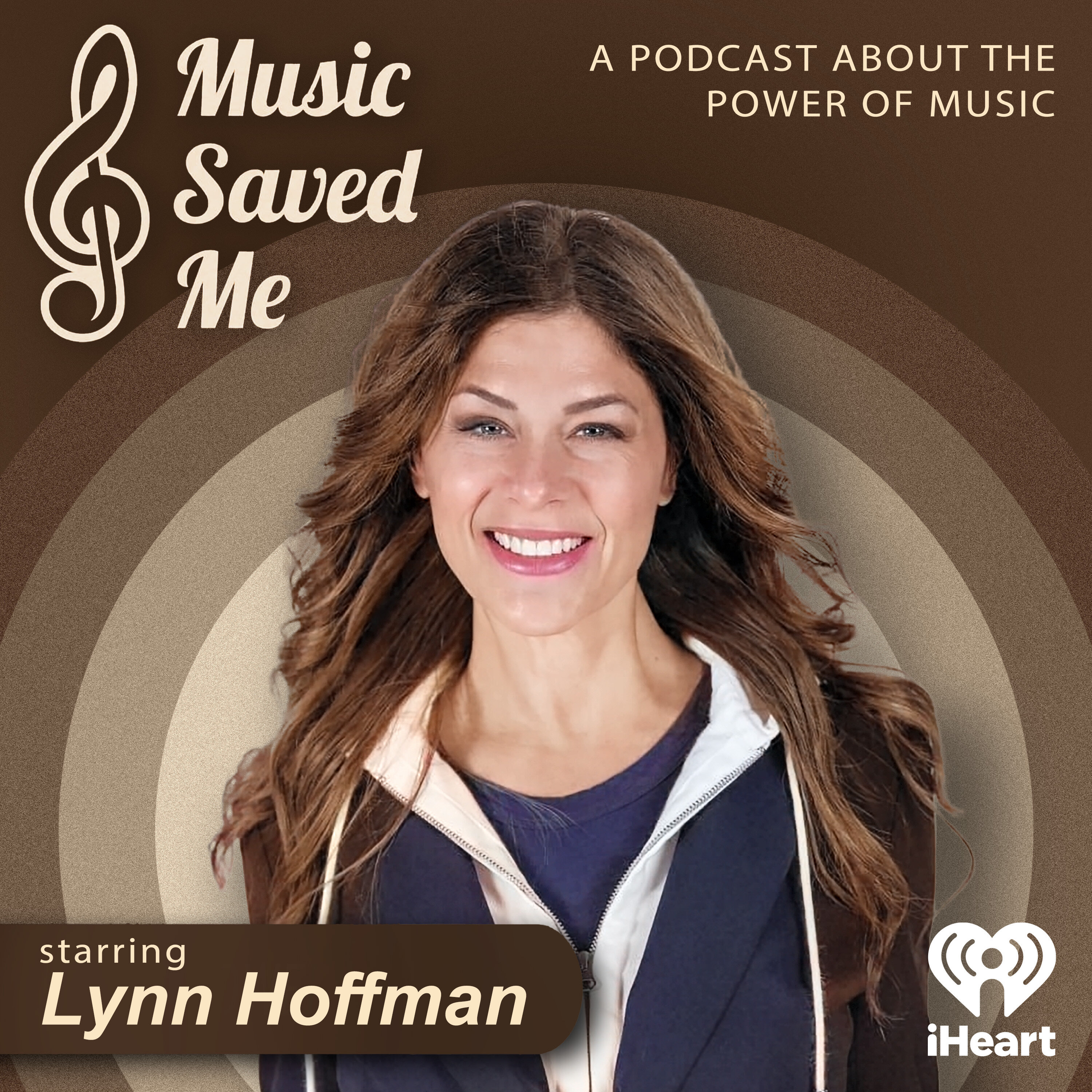
Takin' A Walk - Music History with Buzz Knight
Classic Music Saved with Darryl "DMC" McDaniels
01:05:18
Loading summary
Transcript194 lines
- [00:00]
Daryl McDaniels
This is an iHeart podcast.
- [00:05]
Lynne Hoffman
There's nothing like sinking into luxury. At washablesofas.com you'll find the Annabe sofa which combines ultimate comfort and design at an affordable price. And get this, it's the only sofa that's fully machine washable from top to bottom. Starting at only $699. The stain resistant performance fabric slipcovers and and cloud like frame duvet can go straight into your wash. Perfect for anyone with kids, pets or anyone who loves an easy to clean spotless sofa. With a modular design and changeable slipcovers, you can customize your sofa to fit any space and style. Whether you need a single chair, loveseat or a luxuriously large sectional, Annabe has you covered. Visit washablesofas.com to upgrade your home. Right now you can shop up to 60% off store wide with a 30 day money back guarantee. Shop now@washablesofas.com Add a little to your life. Offers are subject to change and certain restrictions may apply this season.
- [01:06]
Daryl McDaniels
Let your shoes do the talking. Designer Shoe Warehouse is packed with fresh styles that speak to your whole vibe without saying a word. From cool sneakers that look good with everything to easy sandals you'll want to wear on repeat, DSW has you covered. Find a shoe for every heel from the brands you love like Birkenstock, Nike, Adidas, New Balance and more. Head to your DSW store or visit dsw.com today with a detailed agent directory you won't find anywhere else. Homes.com is the only place to find the in depth info home shoppers want very in depth info. Looking for a listing agent's contact info? We've got it. The agent with the most sales in your price range. Easy specialized agents with all the up to date info on your dream neighborhood. We'll know them. A Pisces who enjoys long walks on the beach. You've got other sites for that. Homes.com We've done your homework. There's a time and a place for a filet of fish, but breakfast is for sausage biscuits. McDonald's breakfast comes first.
- [02:20]
Lynne Hoffman
This message is sponsored by Greenlight. With school out, summer is the perfect.
- [02:24]
Time to teach our kids real world.
- [02:26]
Money skills they'll use forever. Greenlight is a debit card and the.
- [02:29]
Number one family finance and safety app used by millions of families. Helping kids kids learn how to save.
- [02:34]
Invest and spend wisely.
- [02:36]
Parents can send their kids money and.
- [02:38]
Track their spending and saving while kids.
- [02:40]
Build money, confidence and skills in fun ways.
- [02:43]
Start your risk free Greenlight trial today@greenlight.com iheart that's greenlight.com iheart Music saved me.
- [02:52]
Daryl McDaniels
Alcoholic, suicidal, metaphysical spiritual wreck who was thinking of killing himself already, but then finds out that he's adopted. Oh, let's not forget this. During that time, Jam Master Jen gets shot and killed. And then my father died. So I was dealing with all of that. But it was the music or the music. I look at it like this. The music had healed me already.
- [03:13]
Lynne Hoffman
I'm Lynne Hoffman and welcome to the Music Saved Me podcast. The podcast where we get to talk in depth to up and coming artists and musicians, as well as some of the biggest names in the business about the healing powers of music. On this episode, you are in for a huge treat. I'm so excited to welcome one of the very biggest names in music in the world. In fact, his band, Run DMC is credited as being the greatest hip hop band of all time by MTV and the Beatles of rap. It's like I have a Beatle here. I like to refer to him not only as the goat, but also as a dear old friend who is one of the most giving humans that I've ever met on the planet and in the music industry. Daryl McDaniels, DMC. Welcome to Music Saved Me.
- [03:58]
Daryl McDaniels
Thanks for having me.
- [03:59]
Lynne Hoffman
It's so great to have you here.
- [04:00]
Daryl McDaniels
I know it's true.
- [04:02]
Lynne Hoffman
Would it be fair to say that music saved you?
- [04:06]
Daryl McDaniels
Okay, I hit you with the big.
- [04:08]
Lynne Hoffman
One right up front, right?
- [04:09]
Daryl McDaniels
Right. Yes, yes, I could say that, but I wouldn't have said that because the actual moment it saved me came later on in my life.
- [04:22]
Lynne Hoffman
Can you.
- [04:23]
Daryl McDaniels
But I can say music saved me from having to figure out what I was going to do for a career.
- [04:32]
Lynne Hoffman
That's right. Growing up.
- [04:32]
Daryl McDaniels
And it literally saved my life after that. After I got into the career of music, it saved my life. But in the beginning, I was in St. John's University. I went to St. John's for business management only because my best friend, Douglas Hayes shout out to Butter. We shot him out on Rockbox when Rungles Butter. Love now. But me and Butter, we was together since kindergarten. So from kindergarten to 12th grade, it was me and him. If you saw Butter, you saw me. If you saw me, you saw butter. So in 12th grade at rice High School, all boys Catholic High school in Harlem, the guidance counselor gives you the life papers and says, pick a career, pick a college. I didn't know what I wanted to do. All I cared about was comic books.
- [05:27]
Lynne Hoffman
That's right.
- [05:28]
Daryl McDaniels
And I was just good in School. And I was like, doug, what do I pick? He said, hold on. Pick Business management. Okay? And pick St. John's University. So I did that. And then, first day of St. John's University, I get up to the campus. Snow, Butter. Snow. Doug. So I go to the pay phone, I put the money in, and I call him. He sleep. I'm like, doug, what's up? It's the first day of school because we've been together first day of school for 12 years. He goes, hold on. I ain't got no classes. I'll see you later. Hangs up on me. So now anxiety and fear and confusion and abandonment and alienation just hit me. And I turn around, I'm looking at the big campus of St. John's University. I was just, like, totally overwhelmed. So I went to the orientation class, and then I didn't go to my classes that I had that day. I went back to Hollis, went to the pool hall, and I brought 40 ounces of Old English. And I sat there saying, oh, my God, I gotta grow up. I gotta get my life together, this and that. So that was a journey. That was a big, big journey. A lot of emotional issues that I didn't know would later on explode in my life. But fortunately, the reason why I say it saved me and Butter was a class of 82 at Rice High School. So June of 82, I graduated from Rice High School. August of 82, my friend Joseph Simmons, who I went to St. Pascal Baylon elementary School with, he calls me, says, dee, remember what? Four years ago when I said, if I ever make a record, I'm putting you in my group? I'm like, yeah, grab your rhyme book. We're going in the studio. So in August 82, we went and we made a demo for two songs called it's like that and the B side. Because remember was no albums back then, hip hop records were like discos. It was singles. And the B side was sucker of Seas. So now I'm into the second semester at St. John's University, realizing I hate business management. I don't like accounting. What am I going to do with myself? We had recorded the demo Aug. 82. So now Joseph Simmons called me again. My brother Russell, he got us a record deal. We're going to be on this label called Profile Records. Hooray. And he hangs up. Oh, my God. So that kind of was the saving moment. That music first threw me a life raft.
- [08:12]
Lynne Hoffman
It sure did. And then later on, cutting through quite a bit of your life and career, because I don't know a lot of artists that put out their first album and it sells a million copies, and then they have to do another album and then it does even better. Usually it's the other way around. And then every one, you keep going up the ladder, right?
- [08:33]
Daryl McDaniels
We had a three. I kind of look at that early part of our career as the career of Cream.
- [08:40]
Lynne Hoffman
It was like trifecta.
- [08:42]
Daryl McDaniels
Yeah, we put the first album out and we put the first album out in a world where, okay, we like these hip hop singles. And this was it. There's no way anybody in this universe wants to hear a whole album full of this hip hop rap stuff. So we put out the self titled Run DMC sold 500,000 copies and went gold. And we got on MTV.
- [09:08]
Lynne Hoffman
Yeah, you did.
- [09:09]
Daryl McDaniels
So then that was 84. Then in 85, when they were saying, okay, we'll give you all that too, but there's no way you're gonna be around. Hip hop's a fad. It's gonna die like disco. What are you gonna be doing next year? So I got offended. I was like, I'm not just doing this. I'm not gonna be the King of rock. So then we did an album. We had the balls and the guts to do an album called King of Rock. And we put that out and then it went platinum. And then we did a video with Larry Bud Melman from the David Letterman show at the front door of a rock and roll hal that didn't exist yet, telling us we're not allowed to come in here. And then look, now, the Rockwell hall of Fame Museum. Everybody's like, why is rap in there? All of that was prophetic. So that was 84, run DMC. 85, king of rock. Then in 86, we hooked up with Aerosmith. Of course, Walk this Way did Walk this Way. Did a song about our sneakers. I don't play no basketball, and I got a sneaker deal just like Michael Jordan. Write this stuff.
- [10:16]
Lynne Hoffman
You can't.
- [10:16]
Daryl McDaniels
It's crazy. So, whoa. Well, music did a lot, but it definitely saved my. Saved me by giving me a career. And then we'll get into later on where forget careers. Saved my life.
- [10:31]
Lynne Hoffman
Yeah, it sure did. Well, before we go there, I want to bring up something that you just said about 50 years of hip hop. Well, you didn't say it, but I'm saying it. Last year, celebrated 50 years. And it was supposed to be a flash in the pan. They were telling you, right?
- [10:45]
Daryl McDaniels
I thought it would have one sentence.
- [10:47]
Lynne Hoffman
You had. You had everything to do with it. You run Jason. You did it all. I mean, you took something that was underground and you made it right.
- [10:57]
Daryl McDaniels
Right on Adidas. I say what Run DMC did, We took the beat from the street and put it on tv. We didn't create it, but we. We were the face. People say if you look up hip hop in a dictionary, encyclopedia or online now, you see a picture of me running Jay. No words, just me running Jay. Like that. Yeah, like that's. We definitely did that.
- [11:21]
Lynne Hoffman
That's the answer.
- [11:22]
Daryl McDaniels
Yeah, we definitely did that.
- [11:24]
Lynne Hoffman
When were you first exposed to music as a kid growing up? Do you remember?
- [11:29]
Daryl McDaniels
Yes, I definitely remember. I probably was. Let me see. It was after kindergarten when I started paying attention, probably six or seven years old. It was AM radio, a lot of AM stations, but it was all segregated or separated. You had the white station, you had the black AM stations. WWRL had all of these wor, all of these different, but it was separate. But the thing that was, the exposure to it, that made me catch the cold or the flu. The thing that made me catch it was 77 WABC in New York City. FM, Dan Ingram.
- [12:11]
Lynne Hoffman
Oh, yeah.
- [12:12]
Daryl McDaniels
Harry Harrison. That's the soundtrack of my life. That's when I started paying attention to music. Because before that, for me, prior to that, prior to 77 WABC, it was comic books, the old black and white Godzilla movies.
- [12:28]
Lynne Hoffman
Oh, my God.
- [12:29]
Daryl McDaniels
The old black, white 1930s horror. Lorne Chaney, Bela Lugosi, Boris Kohler. Those are the best movies ever made in the history of cinema.
- [12:40]
Lynne Hoffman
Do you watch Svengood?
- [12:42]
Daryl McDaniels
Yeah, I love Svengool. You love it?
- [12:44]
Lynne Hoffman
Every Saturday night.
- [12:45]
Daryl McDaniels
I can't believe it. And the Abbott and Costello's On Sunday, Meet the Wolfman. So that was my life. But 77 WABC made me pay attention to music because prior to that, Al Green, I was never in the soap music. Al Green, Marvin Gaye, Aretha Franklin, all those people. That was my mother and father's music. That's because they were cool. Like, they're always cool. Rest in peace. But that was. I'm a kid, so I didn't have a music that was mine. But when 77 WABC came along, you know, you had the black station playing Sly James Brown and Jackson 5. You had the white stations playing Crosby, Stills Young and Ass. The Beatles in the stones. 77, we played all together. So you would hear Crosby, Stills Young and Nasty, and you would hear Sly Family Stone. You would hear Elton John and Bob Dylan, and you would hear James Brown and all that. But I started paying attention to 77 WABC. Because when the rock songs came on like Zeppelin and all that and Neil Young and stuff like that, the beats and the guitars was harder.
- [13:57]
Lynne Hoffman
Yeah.
- [13:58]
Daryl McDaniels
Than the R and B and the soul music. So I'm in the comic books. I was like, oh, these drums are crazy. So I remember one of the first songs that caught my attention. Of course, two songs, the Beatles, Let It Be. But only because I went to Catholic school. So there's a line in there, and I didn't learn this till later. There's a line in there when Paul McCartney says a mother Mary comes to me. So I'm a kid, something. Oh, the Virgin Mary. Like I'm listening to the stories telling. Later on I found out his mother was named Mary. But my whole life, until I probably was 20 something years old when I read something in Paul McCarty's mother's name, Mary for my whole life. But I'm only paying attention to Let it Be. Cause I'm a Catholic school kid. That was connected and it was a beautiful song. So I was like, wow. I mean it was so vigil. He's laying there and Mother Mary. He saw the Virgin Mary commencement. But the other song that I always would stop playing, whatever it was to do was Doobie Brothers, Black Water.
- [15:04]
Lynne Hoffman
Oh my gosh.
- [15:05]
Daryl McDaniels
Hearing that on the radio, it was just something either.
- [15:11]
Lynne Hoffman
Ethereal.
- [15:12]
Daryl McDaniels
Yes. Ethereal, tangible.
- [15:14]
Lynne Hoffman
You could like touch it or you could.
- [15:15]
Daryl McDaniels
Yeah, it was just. It just did something. But those were 77 WABC changed my life. Touched my life.
- [15:23]
Lynne Hoffman
It did. And what do you think it is about music that affects us emotionally?
- [15:30]
Daryl McDaniels
Well, in the beginning it was for me, which is storytelling because I'm comic book.
- [15:34]
Lynne Hoffman
So the story.
- [15:34]
Daryl McDaniels
So Heron. Yeah. Harry Chapin, Jim Croce. Bad. Bad. Leroy Brown bad. And they even had a video for it. They had an animated video back then for that. They did, yeah. Yeah. I never saw that, but it was just. It was definitely the storytelling.
- [15:52]
Lynne Hoffman
Yeah.
- [15:52]
Daryl McDaniels
From. Oh, Fogarty. John Fogarty, Credence. Like, oh my. I can name them all them songs. Knights and White Sutton. It was just. There was just something because I guess soul was so familiar to me because my mother in law was playing it. So I was hearing Esau. It was harmonicas. It was just. It was different, but it was storytelling. It definitely was a storytelling because most, most of them, you know, Marvin Gaye was the soul. Sex, love man. Yeah. You know what I'm saying? Which was cool. But the storytelling, like a Fogarty looking out my back door and you know, Harry Chapin's Katsina it was just. It was a storyteller.
- [16:34]
Lynne Hoffman
It was.
- [16:35]
Daryl McDaniels
It was about life. So it made the. And I knew these guys were famous, but it made them seem so normal, like relatable content, Right? Relatable.
- [16:47]
Lynne Hoffman
Is that what gave you the inspiration to be, I mean, to be so relatable? Because when I listened to Run DMC when I was, you know, freshman in high school, it was everything to me. Was Your first record, 1988.
- [17:00]
Daryl McDaniels
Right? To be relatable.
- [17:01]
Lynne Hoffman
And it was like my friends.
- [17:03]
Daryl McDaniels
Right? Yeah, that's a great. That's a great analogy. No, yeah, no, it's great that you noticed that. Because in the beginning, most of the hip hop. Hip hop was considered black ghetto music, and rightfully so, because it was all about the conditions in the ghetto. Sure, it was the message. But even if you go back, every record was a message. It was dark and depressing. I'm a happy kid with comic books and I go to school and I got both parents in my house. So me, Hip hop is about keeping it real. So it's funny you said it. I can't come and talk about broken glass everywhere. I got both parents in my house. They pay for me and my brother to go to Catholic school. My father didn't have a Fleetwood or El Dorado, but he had the poor man's Cadillac. The Buick Electra, 225. Remember those? So I had a good life. You know, Run used to say, d, it ain't Christmas in your house or Christmas, it's Christmas in your house every day. Because I had very, very loving parents. So me coming into hip hop, I'm like, I can't rhyme like Melly Mel. And I'm about. I live in Queens, I got a fence around my house and my father mows the lawn. We got a. We got a. My dad waters the lawn and mows it. So for me, I was like, when not come, I gotta come. I gotta be like Dylan. I just gotta tell the story of. I'm DMC in the place to be. I'll go to St. John's University. Well, everybody was rhyming about gangs and sticks. I'm rhyming about that. But those people related to them, the people in the Bronx and Manhattan because they knew that this really existed. So I think I kind of broke the mold with hip hop. Because even in the dark, scary, destructive, death ridden ghetto, there was kids playing hopscotch, there was girls playing double duck, there was kids reading comic books and drawing. So it pisses me off that when you say the Street. Everybody always associates the street with negativity, but that's because of the media and how it's played. When you say the street pimps and drugs and gang bangers, that's true, but what about every kid's chewing bubble gum? When I came along, I said, fogarty and Dylan and John and Paul, they would write stories about what the mothers and the fathers and the bakers and the milkman was doing. So I said, I'm gonna do that.
- [19:27]
Lynne Hoffman
And you never talked down to anyone either. You just, in a way, Run DMC led by example, right?
- [19:33]
Daryl McDaniels
Exactly. You wasn't wrong for selling drugs, you wasn't wrong for being a gang. But we gave you all the alternatives that she was overlooking. That's beautiful. So it was a very visual thing. And that's why you said you even a white girl, you could relate to it when.
- [19:48]
Lynne Hoffman
Oh, I related beyond.
- [19:49]
Daryl McDaniels
Cause those things are present in everybody's relationship.
- [19:53]
Lynne Hoffman
It was everything I was doing. That was the Christmas time in Hollis, Queens, and Mom's cooking chicken and collard greens.
- [19:59]
Daryl McDaniels
And even if you wasn't celebrating Christmas, what do people from all cultures do on festive occasions? Like right now, I can't go to the mall because Jewish people, Muslim people, Asian people, they scream my lyric at me.
- [20:15]
Lynne Hoffman
Oh, they.
- [20:16]
Daryl McDaniels
I'm talking about a Jewish family. A dmc. Yes. Christian. Guess what we're going home to listen to. Well, we're lighting up the north, you know what I'm saying? Because they can relate to the essence of what Run DMC was presenting. So I definitely got that from John and Paul and Neil Young and all those cats.
- [20:35]
Lynne Hoffman
When you're young, starting out, it's difficult to be. Well, you expressing yourself through your music as artists, how important is it to be yourself?
- [20:50]
Daryl McDaniels
No, it's very important. Now, I never thought this would happen with hip hop. With pop music, there's the thing where you can get person and you write the music for it. You choreograph them. This. And like, what I'm trying to say is. No, dis. I never thought this would happen in hip hop. Because hip hop, you know, the whole Drake thing about ghostwriting and stuff like that. Yeah, that's allowed now in hip hop because we're in the music business, Right. But with or without the music business is hip hop. So I'm talking from that point. But what I'm trying to say is Britney Spears is phenomenal, but she needs somebody to write it. Choreographic clover, the stylist and all that. Cheryl Crowe, on the other hand, don't even need electricity. You give her an acoustic guitar, she'll sit on a stage in front of 3,000 people, and you will be entertained. So for us coming, hip hop was all about authenticity. So the reason why Run DMC was respected, the reason why Will Smith was respected, Slick Rick, was we didn't try to reach and be something that we weren't. We were able to, like Nirvana said, come as you are, so you have to have integrity. But over the years in hip hop, there's a lot of people that didn't gang bang who throwing up gang signs. But that's only because of this. Anything that is sacred, holy to a culture or people will get diluted, polluted, used, abused, and destroyed once it's commercialized. Anything. And not just me. Anything. So for Run dmc, we took it a responsibility to keep it two Turntables, microphones, and legit. You can come rhyme about your drugs and all of that. And even the guys that did live that life, there was another rule. I'm gonna do this record about my gun and my drugs. But my very next record, which will be my single in hot rotation on the radio every 15 minutes like music does, will be me, the guy who just told you I sh and sold drugs saying not to do what I'm doing.
- [23:09]
Lynne Hoffman
Right.
- [23:10]
Daryl McDaniels
That's lacking now because now you're in the business. They want to see what's working, get rid of that stuff. We don't care about lies. We don't care about what's going on in society. We only worried about this bottom line. So Run Run dmc. Like Ice T said, Run dmc. Yo, Run DMC made positivity gangster.
- [23:29]
Lynne Hoffman
Yes, you did.
- [23:30]
Daryl McDaniels
We went to the top and was standing there like, what, all of y'? All? Without. Well, I mean, we cursed on about two records.
- [23:36]
Lynne Hoffman
Barely. Barely.
- [23:37]
Daryl McDaniels
You know what? I'm.
- [23:38]
Lynne Hoffman
We didn't shoot.
- [23:39]
Daryl McDaniels
We didn't disrespect women. And LL is another guy who did it too. He never called a lady out of their name. He lifted women up. He never used the B and the H word. You know what I'm saying? So that's power.
- [23:53]
Lynne Hoffman
Power is getting on stage with 100,000 people at live Aid with all these rock bands saying, you're the king of rock.
- [24:00]
Daryl McDaniels
Yeah. Really?
- [24:01]
Lynne Hoffman
Were you scared?
- [24:03]
Daryl McDaniels
Yeah. He didn't want to do it. That's the funny joke. Cause we got to call. We aren't told. We good right now. We get a call, we gotta to fill in the RFK said, who's on the Black South? Nope. Nope. What are y' all trying to do? Nope. Y' all trying to get us here? No. Me and Running, we literally. Me and Run tried to play Sick. We did a lot of stuff the kids would do. We wanted to play Sick. And y' all ain't sick, motherfuckers. Get your ass over. Get on Sick. You had to wrestle in the label. Get on stage. It was. We didn't want to go, but I didn't hear. Find this out till years later, too. They were having a meeting, about to line up, and Phil and Bill Graham, the great promoter producer, you know who he is, Legend says, yeah, Run dmc. And in the meeting, and there's people there that verified this. A lot of people. Why do you want them on this for? They're not even going to be here in five years. Hip hop's a fad. Like that whole thing. I forgot who told me it. Abyss said, yeah, I was in the room. Bill Graham said, if Run DMC is not on this, I'm pulling out. Wow. Wow. Bill, he. I'd say he did, because, you know, he. He's the who. He knows when something is something. Yeah, yeah, yeah. You know what I'm saying? And he was like, this ain't disco. This is something. I don't know. Even if he didn't know what it is, he knew it was something that he's. He saw this before in Frisco, you know what I'm saying? I can fill more. He said, no. Bill Graham says, if Run Dipsey's not on this, I'm pulling out. And I was like, what? What? Wow. That's. Wow.
- [25:43]
Lynne Hoffman
It's amazing what you find out all the years later when you talk to people and. And you hear the stories and the nervousness.
- [25:49]
Daryl McDaniels
We just. Our thing was, we don't know what's going on. Let's just go out there and do what we do. So if you go on YouTube right now, you can see the performance. Here's where everything goes wrong. When Jay's doing the beginning, the needle keeps jumping. See, it's different with the band. With the band, you get the drama and this and that. Yeah, we get up. When we showed up there, the stage crew was like, okay, where's the instruments? And we have the turntables. So the guys that knew about what Run DMC was doing, they thought it was funny. But I'm talking about the hardcore rock religious monks of hip hop was like, y' all playing goddamn records. Like, it was. They was disgusted about it. So they set the turntables up for us. Here you go. Go do your thing. But when we came off stage, the same guy said with Satan was like, oh, yeah, hell, yo. That was crazy, J.D. like, it's crazy.
- [26:47]
Lynne Hoffman
It was. I mean, just the reach that you realized you had at that moment worldwide.
- [26:51]
Daryl McDaniels
I know. And when they announced us, I mean, people said, oh, they did it. That's why it was 80, 20, 80,000 of those people was like, yeah, we know these guys. Even know them. Or this is cool. But you still have the 20. Boom.
- [27:06]
Lynne Hoffman
Did you even hear him?
- [27:07]
Daryl McDaniels
Whoa. No, I heard him. Oh, man. But everybody. A lot of people was like, no, D, I was there. They wasn't doing that. Like, a lot of people was. People in Philly came to see Run DMC be part of this, which was cool.
- [27:22]
Lynne Hoffman
Do you believe music has healing powers?
- [27:25]
Daryl McDaniels
Yes, I do. 100. It's clinically proven.
- [27:31]
Lynne Hoffman
Tell me how you feel that it?
- [27:34]
Daryl McDaniels
I work with this organization called Hip hop Public Health. Dr. Williams, I can't pronounce his name, but Dr. Williams, huge hip hop guy. They use music as therapy for kids, for adults and everything. People with memory loss, people with brain problems, people with comas and concussions, they use music too. You play a song, the person that didn't move or flinch will start moving their head or tapping their foot, or people would Speech things. You got to learn to speak all over again. Don't give them phonics. Put a song on. I gotta start singing. So it definitely has. Because it's. Music is the vibration of life. 100%. 100%.
- [28:28]
Lynne Hoffman
When it got late later in your career, and you were talking about it earlier, about how the management would start telling you, oh, after all the situation, what to do and how to do it. And now you have to change.
- [28:39]
Daryl McDaniels
You do it and you're just doing it. And everything that somebody will want in the music business is happening. But once it start happening, people that don't understand the business, no, the life and the joy and the data, they're not coming from where you are. So you're getting charted, you're getting on the radio, you're touring and you're making money. People around you start saying, you need to chart, you need to get on the radio, you need to tour, you need to make money. That's when I started going, I need to. So now, just because they saying that, I'm getting scared. Oh, my God, what if I let people down? So then. And then all of that comes in anxiety and stress. And then I said, if I need to do it, what you have to start thinking, what if I can't? So then I started reaching for something outside of my body to give me strength, which was the alcohol to help me deal with those emotions and feelings.
- [29:42]
Lynne Hoffman
Yeah, and they also tried to make you play music that you didn't even wanna play.
- [29:46]
Daryl McDaniels
Yeah, gangsta rap is big and stuff like that. And nothing against Jay. Rest in peace. But remember, new Jack Swain got big.
- [29:55]
Lynne Hoffman
Yes, yes, yes.
- [29:56]
Daryl McDaniels
I talk about this in my book. Jay won and Jay was the guy, the new style. You know, Jay, he was the, how you say, the current. He was the flavor. So anything Chess. The gold chain Jay. I never brought a gold chain in my life. Jay brought me my dookie world, but I didn't want one. So Jay was like, yo, we gotta do these new jackets. And they were all right records. And I did them knowing it wasn't for me though.
- [30:25]
Lynne Hoffman
Right.
- [30:25]
Daryl McDaniels
I didn't know the reality of doing something to please others. And it will kill you.
- [30:32]
Lynne Hoffman
It almost did, didn't it?
- [30:35]
Daryl McDaniels
Yes, because I started drinking myself to death. My therapist was telling me what you should have did is sit down and say, no. Yes. No, no. Come back to me when you all get yourself your system. I'll be fine. But I didn't.
- [30:52]
Lynne Hoffman
No, you didn't. And that would probably bring you around to the next time that music saved you. We'll be right back with more of the Music Saved Me podcast. And by the way, if you like this podcast, you are going to love our companion podcast called Taking a Walk. It's hosted by my dear friend Buzz Knight and you can find it wherever you get your podcasts.
- [31:14]
Let's be real. Life happens. Kids spill, pets shed and accidents are inevitable. Find a sofa that can keep up@washablesofas.com Starting at just $699, our sofas are fully machine washable inside and out so you can say goodbye to stains and hello to worry free living. Made with liquid and stain resistant fabrics, they're kid proof, pet friendly and built for everyday life. Plus, changeable fabric cover let you refresh your sofa whenever you want. Need flexibility? Our modular design lets you rearrange your sofa anytime to fit your space, whether it's a growing family room or a cozy apartment. Plus, they're earth friendly and trusted by over 200,000 happy customers. It's time to upgrade to a stress free mess proof sofa. Visit washablesofas.com today and save. That's washablesofas.com offers are subject to change and certain restrictions may apply@homes.com.
- [32:16]
Daryl McDaniels
We do whatever it takes to get.
- [32:18]
Lynne Hoffman
You the in depth info on local.
- [32:20]
Daryl McDaniels
Schools you won't find anywhere else. Things like student teacher ratio, test scores and school programs. And sometimes that requires attending school recitals. So many recitals. That's my son. Isn't he terrific? Yeah, a real prodigy. Homes.com we've done your homework.
- [32:43]
Lynne Hoffman
Now I'd like to introduce you to Meaningful Beauty, the famed skincare brand created by iconic supermodel Cindy Crawford. It's her secret to absolutely gorgeous skin. Meaningful Beauty makes powerful and effective skin care simple and it's loved by millions of women. It's formulated for all ages and all skin tones and types and it's designed to work as a complete, complete skin care system, leaving your skin feeling soft, smooth and nourished. I recommend starting with Cindy's full regimen which contains all five of her best selling products including the Amazing Youth Activating Melon Serum. This next generation serum has the power of melon leaf stem cell technology. Its melon leaf stem cells encapsulated for freshness and released onto the skin to support a visible reduction in the appearance of wrinkles. With thousands of glowing five star reviews, why not give it a try? Subscribe today and you can get the Amazing Meaningful Beauty system for just $49.95. That includes our introductory five piece system, free gifts, free shipping and a 60 day money back guarantee. All that available@meaningfulbeauty.com My favorite thing about.
- [33:45]
Daryl McDaniels
Shipt since I signed up for Target Circle360 no price markups when I order same day delivery from tons of local stores, only a handful of alcohol retailers and items don't count. I won't lie, I've had too much fun being like Markups on groceries not in my fridge. Markups on pet food not from my dog. Markups on tools, electronics, home goods, meds not in my house. Anyway. It's awesome. Order now@shipt.com 360trees apply.
- [34:14]
Lynne Hoffman
Travel smarter, not Harder at America's Best Value Inn by Sonesta with convenient locations from coast to coast and value packed comfort at every turn. And when you a Sonesta Travel Pass member, staying at America's Best Value Inn means earning points toward free nights, upgrades and more. Go to sonesta.com to book your stay and unlock their best rates with Sonesta Travel Pass here today, Rome tomorrow. Join now@sinesta.com Terms and conditions apply.
- [34:47]
Welcome back to the Music Saved Me podcast. The podcast where we discuss the healing powers of of music with some of the biggest names in music as well as up and comers. I remember you told me a story the first time, maybe the second time I met you. I think it was VH1. And we sat on a couch and it was all very professional, right? And you told me a story and my jaw hit the floor. I think it was around the time you. You went to search for your birth mom, right? And that was.
- [35:16]
Daryl McDaniels
Right. That was a. I was an alcoholic, suicidal, metaphysical wreck. But here's a funny joke. It came all of came at a good time. All through the 80s, everything we just talked about. In the 90s, hip hop had changed. We were still running DMC, but you had Tupac, Biggie, NWA, Slick Rick, Naughty By Nature, Child Corps, De La Soul. We could still run DMC, but we wasn't participating as much. But then in 1993, one of the guys who were inspired by us, Pete Rock. Pete Rock, Seal, Smooth. They reminisce over me.
- [35:51]
Lynne Hoffman
Oh, didn't he do that? King of Rock.
- [35:53]
Daryl McDaniels
He produced down with the King.
- [35:54]
Lynne Hoffman
Down with the king. That's right.
- [35:55]
Daryl McDaniels
93, he produces down with the King. This is funny. He produces down with the King. Oh, this is even deeper. Everybody, people say Run DMC brought Aerosmith back by doing Walk this Way over with him. So the same thing that we did For Aerosmith in 86, Pete Rock did for us in 93 when he did down with the King for us. Him and CL did our first verses off of Sucker MCs. Down with the Team, put us back on the chart, back on the radio, back on MTV with the video and back on the road. So here we are, we're back again. Soon as that happened to me, I woke up the next day wanting to kill myself. They know why just all of this happened. We're back on a roll, back on mtv, back on the chart, back tour. And now we're touring. And everybody from De La Soul to Naughty My Nature and Tribe Called Quest, they're saying they're only where they're at because of us. So now we're back in. We're the OGs. We're back in with them. And, you know, in the 80s, it was getting the 80s payday. Now in the 90s, we're getting a 90s payday. Yeah. Which is, you know what I'm saying? Which is now. Now these rappers is getting 250 and up. So now we're back into that and we're back on mtv, back on the chart, back touring. And I just woke up the next day, the day after the video. I Went King. Video dropped on mtv, Eazy. E was in it, Redman was in it. Onyx. It was crazy. I woke up the next morning wanting to kill myself, not knowing why. It was just all that happened was, what's this? And something in my spirit said, something's missing. And I couldn't put my hand on it. I was like, okay, let me look at my Life. I'm Daryl McDaniels from OLIS, Queens, New York. Byford and Banner's my mother. Alfred's my brother. Run's my friend. You remember the rhyme? Son of Byford, brother of Al Banner's. My mother Runs, my pal. It's McDaniel's, not McDonald's. These rhymes are Darrell's. Those burgers are Ronalds. I ran down my family tree. My mother, my father, my brother and me. Okay? And then Jake joins the group. We put out one single, put out another single, and then the album's first album set. First to go gold, first to go platinum, first on the COVID Rollerstone. First with the sneaker deals, first with the big toys, first with the dope movie. Everything that hip hop is doing, they say it's because of me running there. Me running, Jay. But why am I feeling. And I had no idea what it was. So I'm walking around in this haze. But it didn't end there, because the adoption thing came, because I'm feeling this void. And it got uncomfortable not knowing what to numc, the mighty king of rock, not knowing what to do. So my stupid brain goes, I don't want to live with this anymore. So now I'm thinking of killing myself. How crazy is that? But then I go, hold up. If I die tomorrow, people know the music. I got the albums, they got the videos, but they don't know who Darrell is. So just in case I kill myself, I want to write a book, and I want to start the book. Hey, world. I'm Darryl McDaniels from the groundbreaking rap group Run DMC. You know me. First to go gold, first to go platinum, first to go, all of that stuff. But I'm really just Darryl McDaniels. I'm from Hollis, Queens, New York. I was born 5-31-19, he said. Then I just realized, oh, I know my birthday, but I don't know no details about it. So just to make it more interesting for the reader, I called my mother up. Now, looking back, I should have called Mom. I'm feeling I'm sick. But, you know, the stigma.
- [39:40]
Lynne Hoffman
Yeah.
- [39:41]
Daryl McDaniels
Don't want to be trouble to nobody. Plus, I'm supposed to be strong. I'm a black man rapper, you know what I'm saying? So I called my mother up and instead of saying, and she's my mother, she was. Would have. She was a nurse, she would have known what to do. But I let me skip past her. I just go, mom, I'm writing this book, and just to make it more interesting for the reader, I want to know three things. How much did I weigh? She told me what time I was born. She told me what hospital. She told me, I love you, son. I love you, too. I'm hung up. So now at this point in my life, I'm an alcoholic, suicidal, metaphysical, spiritual wreck with a void inside them that don't know what's going on. On. An hour goes by, she calls back with my father, hey, son. Hey, dad. They go, we have something else to tell you. Now I'm thinking they're going to go, well, when you was born, there was a power outage in the hospital and we gave birth to you by candlelight, Something like that. No, they didn't hit me with that. It was like this, we have something else to tell you. And I go, what? You was a month old when we brought you home, and you're adopted, but we love you by clicking. So imagine me dealing with all this stuff that I was dealing with.
- [40:46]
Lynne Hoffman
They had no idea what you were dealing with.
- [40:48]
Daryl McDaniels
Right? They didn't know. But what happened was when I asked those questions, my mother hung up and ran on my father, Byford, he's about to write a book and he's asking questions. So this thing they hid from me my whole life, don't ever tell him he's a straight A student. Don't ever tell him he's on an autumn row. Don't ever tell him he made it to St. John's University. My brother, who's there, biological, said, d, don't you know, after all this came out, don't you know, if you never asked that question, they would have never told me. But she goes to my father, he's about to shit, we gotta tell him. So they call me back. Now, they could have did it better, but you gotta understand, in the 60s, 60s and 70s, you know, I heard they didn't even have the book that they give to the parents. And you tell them yourself it was something that you hide. Don't tell them.
- [41:32]
Lynne Hoffman
Oh, yeah, yeah, yeah.
- [41:34]
Daryl McDaniels
So they call me back and they're like, he was a month old when we brought you home and you're adopted. So that just Crushed me with more. Now I really killed myself. Now the killer thing about that is from 1990-90 to this revelation of finding out that I was adopted. I gotta go back some. I had acute pancreatitis in 1990 because I was drinking a case of Old English today. And the reason why that is significant is a lot of harmful behaviors in everybody's community is celebrated. The guy that could take 20 shots, nobody stops it at number five and says what's wrong? The girl sleeping with every the guy, the normal guy is fighting and beating everybody up in the neighborhood. He's just beating everybody's ass. Nobody stops him and said, who's abusing you or who's beating you? So I'm going to stuff that has been existing for eons. But so from 90 I was drinking a case link.
- [42:43]
Lynne Hoffman
Wow.
- [42:44]
Daryl McDaniels
Not 140 and a case 12. I was so alcoholic I put a refrigerator in the back of my truck. No, you didn't have to stop at the deli. So caught up with me. In 1990 I had acute pancreatitis. The doctor says to me d when they. When they I was in the hospital for like a month and a half. When they discharged me, doctor just said, son, you have two choices in life. You can drink and die or not drink and live. So I was good. But now you're a month old. Yeah. When we brought you. So imagine this. I didn't know where. I didn't know about therapy. I didn't know there's agencies. And so I went right back to the thing that I knew, the self medication. So I started drinking again. So I'm drinking and drinking and drinking and drinking and drinking. Getting depressed, depressed, depressed, depressed, depressed. So that was my life went down with the King out. I was a functional alcoholic. Getting depressed, depressed, depressed. So then what manifests emotionally? Well, what's going on emotionally will manifest itself physically. So down at the King I we back on the road touring. By the sixth show, my voice leaves just bye bye bye. So my alcoholic depressed man who just found out that he was adopted, who's back on the charts with a powerhouse song. Back out there doing what I was doing in the 80s with this void and all this mental stuff going on, not doing anything about it. The alcohol is not helping. I felt good when I was drunk, but not realizing when the highway down the problem set. So then my voice says bye, I'm leaving. So now I go, I can't rhyme no more. Thinking that's the only reason I was put here to be. But because my voice is gone. I think that I have no reason to be here now. So now I'm making a decision. I gotta kill myself. Because I can't. And now I'm thinking, even without a voice, I can still live a productive, wonderful life, but in this depressed state. So now I'm going to kill myself. So we come home from Europe and this is going to be funny. You want a good Jersey story? I was living in Jersey at the time. So all of this has happened to me, Lynn. The pancreatitis, now the adoption thing. My voice is going and I'm still around. And I'm still. I shut down. Have. It was better that I was on the road struggling than sitting at cuz I might have really killed myself. But Running Jay was like, d, we'll help you. We gotta get this check. So now, without a voice, I still gotta perform cuz I but. And not cuz I needed to. I don't want to let Running Jay down, right? So I'm out there like this and they're doing overdubs. They playing the vocal versions of the record. So imagine how that felt.
- [45:51]
Lynne Hoffman
Oh, wow.
- [45:53]
Daryl McDaniels
Imagine being at a Montrose jazz festival and can't run, but I got to go out there and act happy. That was killer. So long story short, real quickly, this is. This is going to be funny to everybody. So we coming home from Europe, we go to Europe and my travel agent calls. Now, this is going to be funny because you, you, everybody in here travels. It could have been anything. It could have been like some traumatic event. Could have been an earthquake, a tornado. For my, my. My travel agent calls me and this is funny. Shelly d', Annunzio, she's scared to tell me this. She said, Daryl. Huh? What? I don't know how to tell you this. What is a cellular? There's no flights into Newark. You gotta go to jfk. When she tells me that, I go, I'm definitely killing myself now that Suzanne. Cause you don't want to go to jfk. True story, Lynn. That little thing out of all it could be. I'm already. I'm an alcoholic pancreas. She go. And she's scared to tell me this. I. You gotta go to jfk. There's no other. No click. And in my mind, when I get home, I'm killing myself. What? Cause that's how bad it was. But people can understand when I go to jfk. So that was God's message to me. Yes, it's that bad.
- [47:28]
Lynne Hoffman
It's time.
- [47:29]
Daryl McDaniels
So I get to jfk, I'M thinking, am I gonna drink. Oh, no. Am I gonna drink the poison? Am I gonna shoot myself? Am I gonna hang myself? That's what I'm.
- [47:38]
Lynne Hoffman
You were thinking about this time.
- [47:41]
Daryl McDaniels
There was times, and I gotta be honest, there was times where I said, I'm gonna take a gun and go to the mall and kill people. Whoa, whoa. True. Because you're gonna. I was there. Yeah. That's how bad I was. So I get to jfk, and it's a guy standing there with the sign, real professional. That's me. Of course. How many bag? Got two bags. So I'm pissed with all the other stuff. That's really more important to be worrying about, Daryl. But that was just to sum. To sum it all up. So we get in the car and we're leaving jfk. And the drivers. I'm hearing, you know, on the passenger. I'm on the passenger side in the back, and the driver's in the front. And, you know, you got the rear view render. So I'm like this. But I feel so something. And I look up into the mirror, and it was a dry. He was looking at me because he can't believe DMC's back there. But every time I would look up, he would turn his head, and he did it like two times. We coming out of jfk, there's like three lights. So I said, when we get to the last night, I'm going to be looking in the mirror. When he turns to look at me, we going to hit eye to eye. So we hit eye to eye. Boom, boom, boom, boom. And in that moment, he's driving, and he just turns to me. I said, doc, please don't tell nobody this, man, your music saved me. It got me through the roughest times in my life. I had the worst parents ever. And every time my knucklehead parents do do something to me, I would go into my bedroom with my raisin Hell cassette tape, and that thing would make me feel that I was in heaven. So I'm like. And then he goes, can y' all get an autograph? And I'm like, I'll take a picture with you. So he opened it now, right? He's open. He's like, oh, really cool. So we're driving. He said, just make sure you don't tell my boy. So we're driving. And because I'm dmc, we're in New York City. He goes, could I turn the radio on now? The last thing I wanted to hear was any music, right? I can't speak. I Can't perform. The last thing I wanted to hear was any hip hop music because I can't do the thing that I'm really good at no more. So I say, yeah, you could turn it off. He turns it to Hot 97 station and busters on and Slick Rick is on. I say, yo, turn it to any. And he's surprised. Turn it to anything except that. So he turns it to light fm. And at the time he turns to light and all I hear was this piano and this angelic voice going in the arms of an angel. Fly away in the dark cold hold Sarah McLachlan. Angel is on. And at that moment in that car, some in me says, you know how you talk? Like right now I was talking to him. Yeah, when you talk to yourself, you hear yourself talking. I was that possible. So now, as long as you don't answer yourself right, that voice says, daryl, life may be fucked up, but if something this beautiful exists, it's good to be alive.
- [50:46]
Lynne Hoffman
Wow.
- [50:47]
Daryl McDaniels
So from that day on, all I did was listen to Sam McLachlan cleanse angel. I go home to my wife and remember it was in the movie City of Angels with Nicolas Cage, Meg Ryan, right? Yeah, I think so. Remember that movie? It was on that st. So I go, honey, did you hear that record? And she said, yeah, that's in the movie. So for Christmas, she buys me the soundtrack of that album.
- [51:13]
Lynne Hoffman
It's a sign.
- [51:14]
Daryl McDaniels
Yeah. And then she goes out and buys me all the Sarah McLaughlin's album. So first like that. But she had no idea what was going on with me. I'm listening to that record because of what it did to me in a car. So for one whole year, all I listened to was Sam McLaughlin. And it's funny, when I finally went to therapy and rehab, my therapist said, do you have a lot of willpower? Because even through all of the pancreatitis, through all the 40s, and when I started drinking again because of the adoption revelation, I was still going to the gym. But now when I look back, I'm like, I would go to the gym some mornings and I'd be on the treadmill and everybody would be on that side of the gym. And I'm trying to figure there's a deed of alcohol is coming out your pores. You probably smell like fucking garbage. Long story short. So anyway you're like, everyone's always coming to me and now everybody's saying, hey, but they ain't coming over there. Because I was drinking from five in the morning, morning to five in the morning.
- [52:14]
Lynne Hoffman
Wow. And you look amazing. You wouldn't even know to know you.
- [52:19]
Daryl McDaniels
So for one whole year, I'm listening to Sarah McLaughlin, Eric, who's here with me right now, him and Tracy Miller, who you spoke to, they know something's wrong, keep them busy. So they're trying to keep you busy. Eric gets tickets to go to Clive Davis Grammy party. He comes to me and he says, d, we're going to cover. This is me, Clive Davis. I can't rhyme no more, right? The music, this and that. I tell Eric this. All I want to do is sit in my room and listen to Sarah McLaughlin. So Eric goes, and you got to understand, this is funny too. He goes, he got two tickets, right? He looks at me, he couldn't get three, but he got two for dmc. He said, I worked really hard to get these tickets. And it was funny, Lynn. I remember the way he said that to me. I just looked at him and in my mind I'm crazy now. This fool probably done sold his soul to the devil just to go to Clive Davis grammy. So I'm going. Not for me, for him.
- [53:22]
Lynne Hoffman
That's how you are, that's how.
- [53:23]
Daryl McDaniels
Yeah. So I said, okay, we gonna go, whatever. So we go to Clive Davis Grammy party. And I'm telling him I'm only staying one hour. And he's doing the management thing because he thinks he's going to get me to do the red carpet. Just and that. So we get there. First of all, we get there, the door is a mile away. It's no way we get into that door. But Eric's funny. He just said, d, I know you don't want to do it. Just wear your hat, okay? So I walk up to Clyde baby's Grammys part the big bounces for the size of Snoop Dogg's mountains. Sees the hat way in the back. Just. True story. All right, everybody move to the. They parted. And Eric smiling because he was smart. We walk. I'm walking past. My joke is I saw God, Jesus and Moses. And I'm like, hey, God. Hey, Jesus. I'm getting in about the way. So we get in and Eric goes, yo, go do the red carpet. This is. I say. And he could tell you, oh, D, you was mean. I said, I only came here for you. I'm sitting right here by this door and I'm. I'm leaving in one hour. And he's trying to do the management thing. I start going, 59, 58, doing my count. So he just walks away, hands and ears. So I'M sitting there. Busta Rhyme comes in. Oh my God. Giving me love, yo. And Busta makes an announcement, ladies and gentlemen. They didn't just change music, they changed everything. They changed fashion and style. So Busta walks away. I was like. The last person I wanted to see was Buster. You know what I'm saying? Then I always say this, and this is true though. Busta comes in and then Stevie Wonder comes in, but he didn't see me. What I mean by that is Stevie Wonder comes in, but he didn't see me. Cause his boys saw me hold up. His boy Stevie's just being Stevie. His boy boy sees me and takes Stevie. True story. He sees me sitting in my depressed. And his boy sees me and he goes, stevie, DMC wants to meet you. That's real funny. The guy tells that. So he brings Stevie over. Stevie, yo, you cats. And starts telling how much. Stevie wonders, telling me how much he loves running emc. But I'm still not at the point where these. This is good to be alive. Or if you never rhyme again, you touch. Alicia Keys comes in. Hey, I know Russell, I know Kimora, I know Running the family and kids. I never got to meet you. And she said, it's honor to meet you, D. Boom, boom. And she walks away. Then I'm sitting there, can't wait to go back to my room just to put in to walk me. And I had a CD of it. Put angel back on. Who walks in? Sarah McLaughlin. Oh, now what happens? I start sweating. What do I do? This and that. And the voice again. Do you just get up and go tell her what her music did for you. So I walk over to Sarah, she sees. Cause I got the hat on.
- [56:20]
Lynne Hoffman
Yeah, yeah, yeah.
- [56:21]
Daryl McDaniels
Run DMC is trick you to rock a rhyme. Rock and rock. Sarah was amazing. She was like, yeah, she was like, rock, Yo, I love you guys and this and that. I said, Ms. McLaughlin, I just want to tell you the name of the song is Angel. You sound like Angel. People say angel, but you're not an angel to me. You're God. And I go into. I listen to your record every day for 24 hours for the last. So when I finish, she's looking at me like, yeah, slowly trying to move around your ass, right? But then she says this, she says, thank you, this is powerful. For this music saved me. She goes, she looks at it. I hit her with that. I was going to kill her. And she says, thank you for telling me that, Daryl. Because that's what music is supposed to do. Shakes my hand and walks away. Wow. Wow. Now, what's crazy is I had never experienced that because the closest I got to it was the guy in the car telling me di. The worst part of music saved me. A guy. It never happened to me, but it did. It was happening to me. It was through all of that. And then she told me that and I was like, oh, wow. So it gets crazier. Then. I got no voice. But when she tells me that, that the Daryl thing, oh my God, I gotta do something. Because now I'm thinking there's probably a billion adopted kids like me who have these same feelings and emotions. I gotta do something that's gonna help those people who feel like I feel the same way Sarah's record did for me. So this is mind blow. So I said, 77 WABC. There was this record by this guy named Harry Chapman called Cats in a Crazy. It was a song about a father who had no time for the kids. Child is born Just the other day Came into the world in the usual way but the cats in the cradle and the silver spoon and the drums drop. It was so hip hop to me. So I said, I know what I'm gonna do. I'm gonna take Cats. This is crazy, but crazy is beautiful. I'm gonna take Cats in a Cradle and I'm gonna write a rap about how good my parents were to me. Cause Cats in a Cradle is about parents that did before. But I didn't have time. I said, I'll talk about Byford and Banner, what they did to me. Then the light bulb comes on and I'm going to get that lady who just Sarah McLachlan to do the chorus for me. So then I call Eric. Eric said, what's going on, D? What's up? I'm going to do Cats in the Cradle. I'm writing my rhyme and he's like, you got to find Sarah McLachlan for me. What's this about? Don't worry, just find her. So about six days go by, I'm at dinner with my son and my wife and Eric calls me, D, Sarah's going to call you. Sarah's gonna call you. Pick up the phone. So she calls me And I go, Ms. McLaughlin, remember when I met you and I told you what music did to me? Yeah, yeah, yeah. Well, I just found out that I was adopted and I want to do this record. Boom, boom. So we do the record. But here's the killer thing. When I fly, I told Sarah, I'm gonna fly you to New York City to Work at the Hit Factory. She says, no, you could come to my house. So I go to Vancouver. We in the studio. So what happened was I hear her record. I'm struggling going through this. I go to a party that I didn't want to go to, and I get to meet her this and that, finding out that I was adopted and all that stuff. She tells me this. She says, d, there's something I need to tell you. And I go, what? She goes, I was adopted too, and I did not know that. So when I heard her record, I didn't know she was adopted too. No, think about.
- [59:48]
Lynne Hoffman
That's amazing.
- [59:49]
Daryl McDaniels
So she. The fear, the vibrations in the music. So we do the record. The record comes out. Well, we do the record. And then I meet in another adopted person. And then another adopted person goes, dee, aren't you curious of meeting your birth parents? And I go, nope, you know the record. Son of Byford, brother of Al, Christmas time in Hollis Queens. Whatever, whatever, whatever, whatever. Listen that. But deep down inside, I didn't want to know. So they let it go for about seven meetings with other adoptive people and stuff like that. And then I go, yes, I definitely want to know. So I knew in order for me to go find my birth parents, I had to be of sound mind. So I said, okay. The revelation of me finding out that I was adopted, the whole Sarah thing, gave me the. The confidence and courage, say, you know what? And people was telling me this for the longest, that you need to go to rehab. So I went into rehab, and in Sierra Tucson in Arizona. I go into Sierra Tucson in Arizona. And when I walked in, I'll never forget the day the intake room that got the 10 characteristics of an addictive personality. So I look at the blackboard and I'm like. And I say, wow. I'm all of them. And then everybody in the room starts clapping and I'm like, what are you doing that for? You're on your way to healing because now you're admitting. So I went to Sierra Tucson for one whole month, got sober, came out the adopted lady, Sheila Jaffe, who is a casting director in la. She cast Sopranos and Entourage.
- [61:31]
Lynne Hoffman
Did you do a charity with her?
- [61:33]
Daryl McDaniels
Yes, yes. We started Felix Organization. But long story short, when I came out, Sheila connected me to the private eye for the adopted guy. And the reason why I say that just this private eye lady that does private eye work only for adoptees, because we have so much trouble finding that. So long story short, the private eye for the adopted guy finds my birth mother.
- [61:58]
Lynne Hoffman
Wow.
- [61:58]
Daryl McDaniels
It took two weeks to find. I found my birth mother, two brothers and her sister that I didn't know that I had, and everything turned out great because of Sarah McLachlan's Angel Song.
- [62:11]
Lynne Hoffman
That's amazing. What an amazing story.
- [62:13]
Daryl McDaniels
How crazy is it?
- [62:14]
Lynne Hoffman
It's crazy. And I met you right after that happened, and you would never.
- [62:19]
Daryl McDaniels
I said, this guy.
- [62:20]
Lynne Hoffman
There's no way.
- [62:21]
Daryl McDaniels
Yeah, that's crazy. Wow. Alcoholic, suicidal, metaphysical spiritual wreck who was thinking of killing himself already, but then finds out that he's adopted. Oh, and let's not forget this. During that time, Chair Master J gets shot and killed. And then my father died. So I was dealing with all of that, but it was the music. I don't think a pill would have did it. I don't think the therapy became good because my therapist just basically said, the therapist doesn't help you. I was like, then why do you come? The therapist is a decoy so you could do two things. And I realized this in therapy. Therapy, you say stuff to yourself that you said to yourself but you didn't listen to or stuff that you need to tell yourself, but you can't look at yourself in the mirror. So you need another person. So you can say this. Not thinking you're talking to you, but it's not going. They don't need it. They're looking at you like they're just writing on. You need to be there. Right? So hold up.
- [63:19]
Lynne Hoffman
A music.
- [63:22]
Daryl McDaniels
Was the catalyst or the. The music. I look at it like this. The music had healed me already, so I didn't have to go. Go through. I didn't have to use anything outside of my foreign substance. I didn't need no anxiety pills. I didn't need it. You know, some people do because of chemical things going on, but my thing was all emotional. So I was diagnosed. When they let me out of Sierra Tucson, I was diagnosed with suppressed emotions. That was my diagnosis. I said, what's that about? They said, here's what happened. They asked me this. Well, one of the first questions that when I got into Sierra Tucson, my doctor, I was 35. So he probably was like 46, a white guy with the white cloak and the pad and everything. The first question he asked me was, D. During your career with Run dmc, did anybody do anything to make you upset? So I'm sitting here and I'm deflected. I go, no. I'll never forget this day. This is the first day. I was in rehab for 30 days. The first day. That was one of the questions after I went through the intake room. He goes, did anybody ever do anything during your career around the seat and make you upset? I go, I'm sitting there. No, I never forget this. He stands up, right? And he starts unbuttoning his white cloak. So I'm thinking, where's he gonna put my axes up? But he only did that to break the ice. He takes off his coat cloak, and he got on the AC DC shirts that I always wear. And I think he did, just to get real, he won you over. And he put it down, right? He put it down. He put the bed, and he took his glasses off and he sat down closer to me, and he looked me in my eye and he said, you're a goddamn liar. And when he said that, yeah, man, in 1984, Joe did this. I would. Had all the rememories of stuff when people did stuff that I didn't like, but I didn't speak up. Instead of speaking up and not disengage or expressing my opinion, my feeling. And he was like, you got to express your feelings. They'll get over it. They do it all day around you. But instead of doing it, I would do this. So I got diagnosed with suppressed emotions coming out there. He said, d, every time you had an opportunity to save yourself, See, it took the music to save me to save yourself. You reneged on that opportunity and let the alcohol. And he said that was killing you. He said, you should have said, look, guys, this is just New Jack City. Now. I don't have nothing against New Jack music, but it's not for me. And to this day, Lynn, we got a song called Pause, and there's a video. And I'm in the Pause video with a green and purple only to please Jay. A green and purple single suit doing the Bobby Brown running man. No, I'm. I'm sober now. And I'm showing that every time I see this video and hear that song and see those images, it's the worst feeling ever. But the rehab had helped me. But I was diagnosed with suppressed emotions.
- [66:28]
Lynne Hoffman
Wow.
- [66:29]
Daryl McDaniels
And I was also. I didn't have to shoot myself, paying myself a job, drink the poison. I was subconsciously killing myself. Because my subconscious was saying, you're not supposed to drink alcohol because you have pancreatitis. So I went back, and this is. I would eventually kill myself. And I'll never forget my wife. And one thing, guys, I gotta say about women, Listen up, men. The truth, they know you're lying. When I started drinking again, my excuse to my wife was Pick up. I'm drinking to celebrate the newfound part of my identity. The fact that I. Because when I found out that I was adopted, the void was filled. I'm Daryl McDaniels hottest Queens, New York son of by Fred, and I'm adopted. So that filled it. But that didn't deal with the emotions and the issues and stuff like that. So I told my wife, I'm drinking to celebrate this newfound rival revelation. And I'll never forget my wife Zuri. She says this to me. This was. I don't think no psychologist book has this or anything. Sigmund Freud or whatever his name is. I said, I'm drinking to celebrate this newfound part of mine. She said, motherfucker, you. I'll never forget this. You are drinking because you can't emotionally handle the fact that your ass is adopted. And she was right. Because I was hurt that my mother and father didn't tell me. Tell me.
- [67:55]
Lynne Hoffman
But you didn't address it ever.
- [67:56]
Daryl McDaniels
And I didn't address it. So here's another funny thing. When my mother and father told me that he was a month old when we brought you home and you're adopted. After that, they called up all my aunts and uncles during as a kid. Christmas, Thanksgiving, New Year's, promotions, birthday parties. Everybody always came to Daryl McDaniel's house. We're going to miss McDonald's. Daniels. The next day, after my mother tells me, I get a call from Robin. I get a call from Donnie. I get a call from all my cousins who are younger than me. They say, dee, man, we so glad your mother told you that we've been holding that secret in all my cousin. Yes. They said this is what would happen. Kids, it's Fourth of July. We're going to the McDaniels House Cookout. Come to the living room. It's Christmas. Come to deliver on Thanksgiving. Oh, it's Alfred Darrell's brother's birthday. It's Ms. McDaniels promotion. Come deliver, living room. What's the rule, kids? Nobody let Daryl know he's adopted. They all held their secret in. So I had that feeling in me all the time. I had a lot of healing to do. Even though the traumatic revelation was the thing that I thought was going to kill me, it was the music that allowed me to get to a place where I could go into therapy and not be. There's a. There's a thing I always say about when we're going through, whether it's sexual abuse, anorexia, gambling, whatever it is. The problem with the mental health issues. Stigma exists because if we don't remove the guilt and shame, you don't remove the pain of the situation.
- [69:45]
Lynne Hoffman
Yep.
- [69:46]
Daryl McDaniels
So guilt and shame allows stigma to remain. And also in my case, if you don't admit how you feel, whether good or bad, you never healed.
- [69:55]
Lynne Hoffman
Right.
- [69:55]
Daryl McDaniels
But it took the music to get me to that place, to realize, oh, I'm not the only adopted kid. I'm not the only alcoholic. Just so many people don't do anything. So I took the music. What is music? It's universal. It breaks down. Steven Tyler shows what music does. I've been to South Sudan, which was crazy, but beautiful. Yeah, South Sudan, a war zone. They love Naughty by Nature and Public Enemy and Slick Rick. You would never guests. I've been to Russia and Ukraine in the same tour. Now those two countries are fighting. Here's the power of music. To this day, I can go to somewhere I've never been. And this has been going on since 86. When I went to South Sudan, when I went to Venezuela, when I went to Russia, and when I went to Ukraine, people always come to me and say this. DMC, don't you know in 1996 when Steven Tyler took that mic stand and knocked down the walls that were separating y' all in the video, it didn't just happen in the video. It really happened in the world.
- [70:57]
Lynne Hoffman
It sure did.
- [70:59]
Daryl McDaniels
So all of the stuff people have told me, all of the stuff that people tell me now, I can relate to that because it happened to me with that angel record.
- [71:10]
Lynne Hoffman
Hey, thanks so much for listening to this powerful episode of Music Saved me with Daryl McDaniels. Keep an eye out for part two. Part two I surprised Darrell with a rising artist on Glass Note Records who happened to be on the podcast a few months ago. And when he told me he was a huge fan of Run DMC and they were a major influence on him, well, I just had to introduce the two. Please come back and join me at part two on Music Saved Me with Darryl McDaniels coming up soon. Thanks so much for listening.
- [71:41]
Every day has a to do list, but adding Enjoy Belveda to yours can help you knock out the rest of of it. Belveda Breakfast Biscuits are a tasty and.
- [71:50]
Convenient breakfast option when paired with low fat yogurt and fruit that provide steady.
- [71:55]
Energy all morning while Belvita Energy Snack.
- [71:58]
Bites give you the perfect mid morning refuel.
- [72:00]
Best part? They both taste great, so make the most out of your morning with a bite of Belvita. Pick up a pack of Belvita at your local store today. Every business has an ambition. PayPal open is the platform designed to help you grow into yours with business loans so you can expand and access to hundreds of millions of PayPal customers worldwide. And your customers can pay all the ways they want with PayPal, Venmo, pay later and all major cards so you can focus on scaling up when it's time to get growing. There's one platform for all business PayPal open grow today at paypalopen.com loans subject to approval in available locations.
- [72:43]
Daryl McDaniels
We got one play. Everything we work for comes down to Quick question Speaking of workouts, how would you rate your athletic program? Bro, we're in the middle of the state championship. Oh, so like a B then? Dude, get out of our huddle. Well, at homes.com, we leave it all on the field to get you detailed information on local schools. Off the field. Off the field.
- [73:03]
Lynne Hoffman
Copy.
- [73:04]
Daryl McDaniels
All right. Go sports. How'd he even get in here? Holmes.com Bingo. We've done your homework.
- [73:11]
Lynne Hoffman
It's Wednesday night after a long day, and the last thing you want to do is cook dinner from scratch.
- [73:16]
Daryl McDaniels
Scratch.
- [73:17]
Lynne Hoffman
But you still want a satisfying, tasty meal without the guilt. Enter your freezer's sidekick caulifower. From thin and crispy cauliflower crust pizzas to all natural white meat chicken tenders and more, Cauliflower is gluten free, always satisfies every craving, and is ready in minutes. Cauliflower is available in freezer aisles nationwide. Visit eatcolipower.com where to buy to find a store near you from the executive.
- [73:42]
Producers of Outlander I know what it is to be parted from your true Comes a new Outlander story.
- [73:48]
Daryl McDaniels
Blood of my Blood I'm Brian Frazer.
- [73:51]
Lynne Hoffman
My father detested Darius. If you don't go to him, it'll haunt you forever. Series Premiere August 8th I'll find a way out. I swear it.
- [74:00]
Only on Starz in the Stars app.
- [74:03]
Daryl McDaniels
What if you never find her? I will.
- [74:06]
Lynne Hoffman
The Home of Outlander.
- [74:10]
Daryl McDaniels
This is an iHeart podcast.