← Takin' A Walk - Music History with Buzz Knight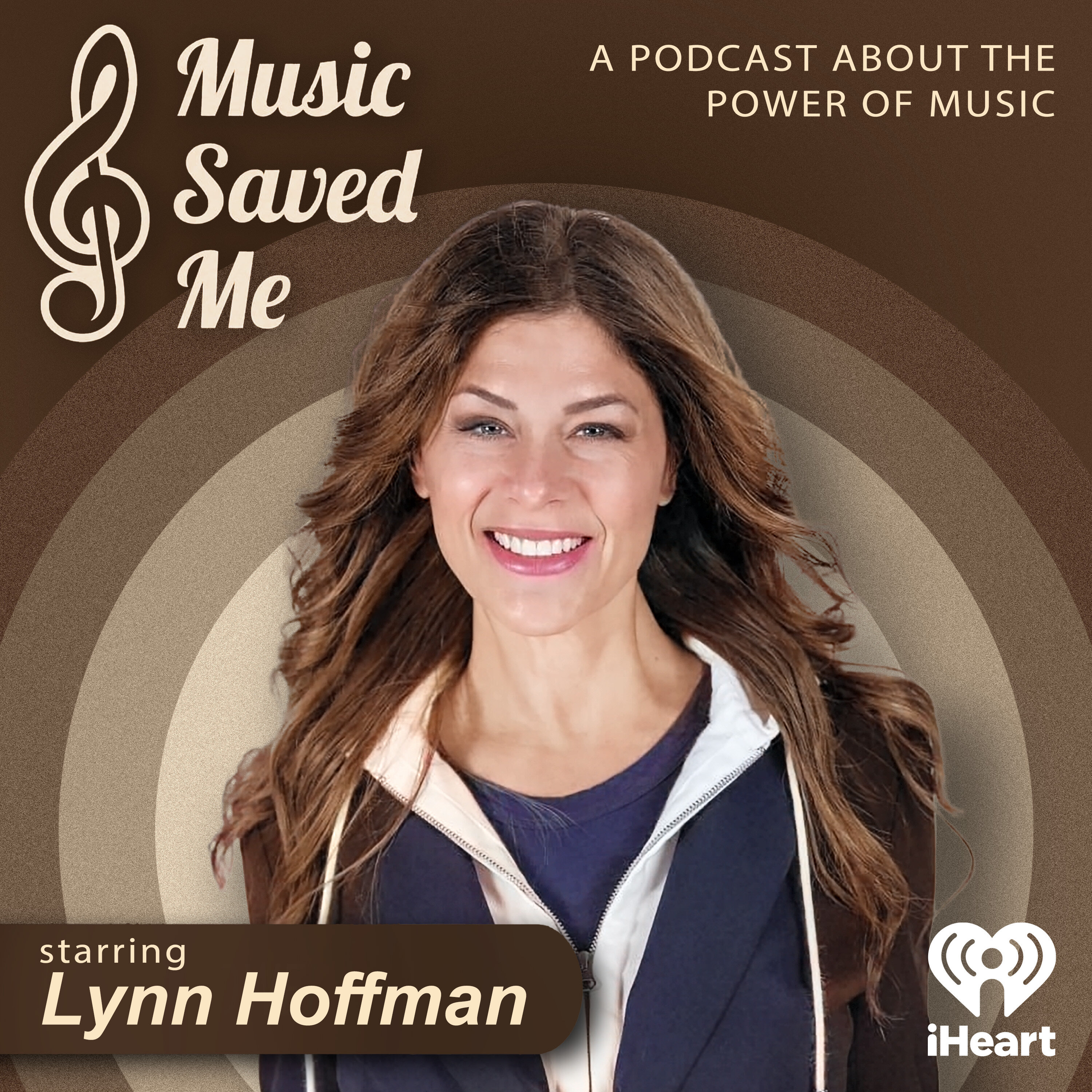
Takin' A Walk - Music History with Buzz Knight
Classic Replay Music Saved Me with Sam Hollander
00:36:28
Loading summary
Transcript105 lines
- [00:00]
Sam Hollander
This is an iHeart podcast.
- [00:05]
Washable Sofas Advertiser
Time for a sofa upgrade. Visit washablesofas.com and discover Annabe where designer style meets budget friendly prices. With sofas starting at $699, Annabe brings you the ultimate in furniture innovation with a modular design that allows you to rearrange your space effortlessly. Perfect for both small and large spaces, Anime is the only machine washable sofa inside and out. Say goodbye to stains and messes with liquid and stain resistant fabrics that cleaning easy liquid simply slides right off. Designed for custom comfort, our high resilience foam lets you choose between a sink in feel or a supportive memory foam blend. Plus our pet friendly stain resistant fabrics ensure your sofa stays beautiful for years. Don't compromise quality for price. Visit washablesofas.com to upgrade your living space today with no risk returns and a 30 day money back guarantee. Get up to 60% off plus free shipping and free returns. Shop now at washablesofas.com Offers are subject to change and certain restrictions may apply.
- [01:06]
Spin Quest Advertiser
Forget whatever plans you have this weekend because you're staying at home and playing on Spin Quest and there's never been a better time to sign up than right now. New users get $30 coin packs for just $10. All the table games you love with hundreds of slot games and real cash Prizes. That's at spinquest.com S P I N Q U-S-T.com Spin Quest is a free.
- [01:29]
Sam Hollander
To play social casino void where prohibited.
- [01:31]
Spin Quest Advertiser (continued)
Visit spinquest.com for more details.
- [01:37]
IBM Advertiser
So your AI agents, they make the team that uses them more productive, right? But if they aren't connected to other agents or your data or your existing workflows, how productive can they really make your teams? Any business can add AI agents. IBM connects your agents across your company to change how you do business. Let's create smarter business. IBM.
- [02:05]
Matt Rogers
This is Matt Rogers and Bowen Yang from Las Culturistas with Matt Rogers and Bowen Yang. JBL Tour Pro 3 earbuds are for those who don't conform to the standard. Yeah, I mean if you want to get into some touchscreen technology, how about the smart charging case? Clear sound? These are not standard things. You're only going to get them with the JBL Tour Pro 3, baby. And I love the sound of JB Owen goes. These earbuds are packed with innovation because you can't stand out Touchscreen Smart charging case for one touch control, instant EQ customization, True adaptive noise canceling and the one of a kind audio transmitter which can plug and play with everything from game consoles to in flight entertainment. What more could you want? First doesn't follow. Grab a pair@jbl.com you know what your.
- [02:52]
iHeartRadio Advertiser
Customers are doing right this second? The exact same thing. You are listening to me. Which, let's be honest, is kind of flattering. But my point Is, ads on iHeartRadio actually get heard in the car, at the gym, on the couch, while people are walking their dogs.
- [03:07]
Sam Hollander
Who's a good boy? Who's a good boy? You're a good boy. That's right, dude. You're a good.
- [03:11]
iHeartRadio Advertiser
So why not make the next ad about you? Get started today. Call 844-844-IHEART or go to iheartadvertising.com that's 844-844-iheart or iheartadvertising.com Music saved me.
- [03:23]
Sam Hollander
I tell kids all the time, whenever I meet a kid, you know, they say, oh, how do I get into this business? Blah, blah. I say the same thing. It's like, look, if you ever wake morning and you have a strange fascination with, you know, arugula, and you think to yourself, God, I could market the world's greatest arugula. I could make a strain that's like hybrid arugula or something, and every Whole Foods and Trader Joe's will be all over it. Go make your damn arugula because this is brutal.
- [03:47]
Lynne Hoffman
I'm Lynne Hoffman, and welcome to the Music Saved Me podcast. The podcast where we explore the power of music to heal and help anyone in need. On this episode, a brilliant songwriter, producer, and musician who has worked with an incredible, dare I say almost unbelievable, roster of stars from just about every musical genre, ranging from Panic at the Disco, One Direction, Katy Perry, Billy Idol, Weezer, Blues Traveler, Macklemore Trane, Ringo Starr. I could probably keep going and then the podcast would be over and he wouldn't even be able to talk. He's also a massive supporter of the incredible organization known as Musicians on Call, which we are as well. Welcome, Sam Hollander. Welcome to Music Saved Me.
- [04:36]
Sam Hollander
Hey, apologize in advance for any barking dogs or sneezing, but that's okay. Pollen count. The pollen count is not working in my favorite this hour, but I do believe in the potential of Zyrtec, so let's go with it.
- [04:47]
Lynne Hoffman
And greatness, which you are. All right, well, let's just jump right in.
- [04:51]
Sam Hollander
Okay.
- [04:52]
Lynne Hoffman
Sam, do you believe music and songs have supernatural healing powers for those with mental, physical, or, say, emotional problems?
- [05:01]
Sam Hollander
Oh, absolutely. You know, I've always used music as a form of catharsis for myself. Both my own art and also, you know, as a fan growing up. I mean, you know, as a child, I always felt misunderstood, as we all do in those years. And so music was this. Sort of the soundtrack to the unrequited for me. Right. So whatever was spiraling in my psyche, up and down and up and down, music was the one thing that elevated me. And, you know, I think one of the. What really attracts me to music. As a songwriter, one thing I really dig is the notion that I can provide sort of uplifting, sort of aspirational stuff that I really write for myself, because I'm just trying to stitch any broken mechanisms inside myself, you know? But at the same time, I do think that if it. If it reacts and I've, you know, maybe altered someone's day. The split is bit. It's the greatest job in the world, you know?
- [05:58]
Lynne Hoffman
Absolutely. Is there a specific litmus test or. For example, when you're writing or producing a song and you're arranging the music, is there a place where you can tell that you're going to evoke a certain emotion in someone? Is that the secret sauce? Is there a secret sauce?
- [06:17]
Sam Hollander
Yeah. I think there's some sort of galvanic response that happens. Right. The songs that I think, at least in my life, that have raised their hands and sort of done something and maybe actualized in any shape or form, I would say I always knew that there was something there. I don't think I've ever really been surprised. And it's sort of hard to articulate what the special sauce is. You're just. There's a feeling in the room when the melody and the lyric sort of twist their way around a chord and it just hits and you feel that emotive moment. I remember this kid named Banners from London via Canada or Canada via London. There we go. And, you know, he came to the studio and we wrote a song called Someone to youo Is Me. His name is Michaels. Me, Michael and Grant Michaels. Strange. But what was so interesting about it is I knew by the time we landed the chorus that the song was special and it had the deck stacked against it was one of those songs. This was not gonna be a layup, new artist, no real backstory to date, blah, blah, blah. But there was something about it that just. You could just feel emotively that this was gonna just, you know, elevate someone's daily experience. And that's what we do, you know? I don't write a lot of dark stuff because, truthfully, the world is as complex and messy as it is, I don't think I need to be another voice sort of harping on that. I'd rather just try to, you know, uplift a little bit of. Yeah, a little bit of positive energy out there even. I like the sweet and sour and sometimes I get my little jabs and my little, you know, I'm a Steely Dan guy. Right. So I grew up listening to Donald Fagan with all the. Yes. With all the, you know, with all the little, know the little jabs that he, he was able to work into songs that were jazzy, but yet the core were so dark and sort of interesting and funny. I like humor in my music, but at the same time it's gotta, you know, I wanted to, at the end of the day, I wanted to, you know, stay somewhat aspirational or something to that effect.
- [08:15]
Lynne Hoffman
Well, you know, interesting. Speaking of that, what, what would go through your mind during those moments when something that you were involved with so intimately to create impact, someone in, in such a pot in a positive way or an emotional way?
- [08:31]
Sam Hollander
Well, when like people slide into my DMs, as the. They dip in youth says, and they dip into my dms, it's invariably a really beautiful note and it's very sweet and it's somebody who was affected and they sort of tell, they, you know, they give a narrative and they tell me how it affected them and it's, it's incredible. Like, you know, there are many jobs that, you know, there are all these incredible job and vocations that bring tons of joy to people. And it's just nice to know that music can be one of them. You know, the music can sort of affect the psyche in that way. And, you know, so I'm always very moved, to be absolutely honest with you. It's very, it's humbling and it's, you know, it just, it makes me want to get up and write another one, you know.
- [09:17]
Lynne Hoffman
In what way do you, do you feel that music gives people hope? And have you ever personally used music to help yourself through a difficult time?
- [09:27]
Sam Hollander
Lynn? I. Did you see what I look like? Right?
- [09:29]
Lynne Hoffman
So it was an uphill handsome guy.
- [09:31]
Sam Hollander
No, it was uphill battle from birth. And I will tell you, you know, you're a comedian too. In the 80s, in my formative years, I, you know, I think I modeled myself, Esther, sort of a, a slightly more muscle bound version of John Cryer as Ducky, you know, and I had the pork pie hats and I had fedoras and I had all these things and I was a strange character. You know who I think if I were to find myself through four years of high school beyond academically challenged, I would say it was just one unrequited relationship after another. And music got me through it. Like I said, music was the. It answered the questions. I felt like every lyricist before me sort of paved a path. And I would listen to the torture of Morrissey or Robert Smith or I would listen to the playfulness of Tribe Called Questa de La Soul. And R.E.M. was my favorite band of all. And I didn't even know what he was saying, but it just. I liked the word play and it sounded interesting, but I would play almost. It was almost like Jenga lyrically. Right. So is that what it is where you. What's the one where you. Mad Libs. Mad Libs. It's almost like Mad Libs, right where I would take Stipes lyrics. I had no idea what he was saying, so I would just figure out and just guess. And to me, they were all torture. Bob Mould. Who? Skirdu was probably my favorite lyricist in high school. It was probably between Fagan and Mould, and I think both. They were great. They were great. They were great at chronicling the teen experience and sort of growing up and coming of age in cities and things like that. And you know, it. So I would say, you know, that got me through. And I. Whenever I meet somebody who is sort of is so embedded in my mental playlist. I fanboy at such a level because I just can't believe that these people paved the way. And I'm just lucky to have hitched on the bandwagon. It's awesome. The best.
- [11:27]
Lynne Hoffman
So what do you think the world would look like without music? I know that's a big question.
- [11:35]
Sam Hollander
What do the kids call them? NPCs. You know, not like non playing character, whatever. It's a video game term about being very basic. The world would be very basic. It's like, it's the color and it's the colorful characters and, you know, look, music to me was the original short form content. Right. It was just three minutes of perfection. I was never a Prague guy. Right. Because Prague came along. I'm like, wait, These songs are 25 minutes long, you know?
- [11:59]
Lynne Hoffman
Yeah.
- [11:59]
Sam Hollander
I don't want anything to do with this. Let's. Let's whack it down and make it, you know, 2 minutes and 40 seconds of joy. But I don't. I just. I can't envision it because it's been embedded in my DNA since I was three when I, you know, I was listening to Blossom Deary records with my mom. She was a big Blossom Deary fan. And we would sit and listen to these, like, vocal jazz records. I was three or four and I just loved what was going on melodically. Gateway to Magic by Pilot, you know, better known as the Ozempic song. Now, it' obviously, that's where people really. It's really caught on a magical single. But that was the first single I ever dug and I grew up on all this KTL stuff. And then that morphed into all these genres and they're all, you know, I just can't imagine life without them. I mean, you know, the first thing I do when I get in the car is turn on Serious. The first thing I do, you know, or Z100 with my man Maxwell. Shout out My man Maxwell. He gave me a hug. He's a very sweet guy. Very sweet fellow.
- [12:59]
Lynne Hoffman
When you were younger or older.
- [13:01]
Sam Hollander
Oh, no, like four days ago. I ended up.
- [13:04]
Lynne Hoffman
Are you sure you're not also a comedian on the side?
- [13:07]
Sam Hollander
No, stop that.
- [13:08]
Lynne Hoffman
Is that a part of writing, is that you have really good timing no matter what?
- [13:11]
Sam Hollander
It's not me, it's the decongestant.
- [13:14]
Lynne Hoffman
Oh, all right. That's right. It's the Zyrtec. How did you first become associated with the fine folks at Musicians on Call? And if you wouldn't mind indulging us on what it was like witnessing firsthand being involved with him.
- [13:32]
Sam Hollander
Well, it's funny, I go back to the early days of the organization because started by Vivek Tiwari and Michael Solomon, who are people I've known socially since we were all in our 20s together, mid-20s. I remember when they launched, and it's a very kooky story. I love their mission. I support it completely, but I wasn't necessarily involved. Boots on on the ground. And then when my father was in his last days, he was at Mount Sinai in the cancer ward. And I went to visit him one day and I heard an acoustic guitar in the next room and I peeked around the corner and there was a man who was easily an octogenarian, to put it mildly. Strummy acoustic. And he looked like one of these old Greenwich Village folk cats that you see in documentaries, you know, and he was playing for a woman who had to be nine something. And. And when he finished, he walked down the hall and I said, you know, I'm so sorry to bother you, but what's your story? Are you related or whatever? And he said, no. He said, I'm with the charity Musicians on Call. And I had chills because I really felt that that moment had just been completely placed there from some weird divine spirit. It just didn't make. It just was so one. It was. It was a one in a million moment. So I instantly got involved and I got on the advisory board, and I'm on the board of directors. And look, you know, we visited patients with my Christmas band, the Band of Merrymake, and we performed at hospitals on both coasts. We wrote original songs with kids. And it's. It's the heaviest work I've ever done. Nothing competes with it. It's. It's a labor of love. And there, you know, when you talk about how music impacts people, it's the most powerful thing in the world. You can see it just manages stress and alleviating pain and improving blood pressure and all these. It's just scientific information. You just know it. It's true. Music, you know, is therapeutic. And so to play a role in that is. It's incredible. Absolutely incredible. I absolutely adore the organization. And top to bottom, also probably the nicest people I've ever worked with in any capacity. If record labels had the energy of moc, it'd be a better world.
- [15:43]
Lynne Hoffman
We love them and we're so grateful that they're a part of our world, because it just makes me feel like, although I can't do what you do, at least I can talk about it and spread the word.
- [15:55]
Sam Hollander
Look, Lynn, the truth is no one really needs to see me perform. Right. It's like my charm is behind a curtain, but if my words. And, you know, we can sing Christmas songs and do things like that, and if I can help with awareness and I can get my friends to play a Christmas show, et cetera, it's really. I don't know, I feel like I'm. I feel like I'm. I'm doing. I'm doing the right thing.
- [16:18]
Lynne Hoffman
Yeah, you are.
- [16:20]
Sam Hollander
I'm paying something forward that, you know, I'm proud. It's great.
- [16:24]
Lynne Hoffman
Besides the fact learning that you were babysat for a short amount of time by Andy Warhol, which obviously is a story for another time, I also read that your uncle was a famous American poet and literary critic named John Hollander. And I read that you once said that you didn't often connect with him when you were growing up. And it seems strange to me because you would think writing would be hereditary and that everyone would just automatically know having an uncle like that. Did you ever connect with him? And if so, Was music the Connector? Eventually?
- [16:57]
Sam Hollander
No, it was Yankee baseball, but.
- [17:00]
Lynne Hoffman
Oh, interesting.
- [17:02]
Sam Hollander
You know, John was a, you know, I came from a very strange family picture, sort of the royal Tannenbaums or something to that effect where, you know, my dad was an incredible modern dancer with Jose limone, professional at 18, and then went back to school, architect with Philip Johnson, did all this mid century modern stuff. And then a professor for the rest of his life. My mom working with Warhol and writing for Interview magazine. She's the first and I believe only female sports writer ever for Interview magazine because in the midst of some sort of psychotic breakdown, she said, I want to write about sports and the psychology behind sports because I just don't get this. And I think Andy was puzzled, but let her run with it. So that was neat. And you know, everyone in my family had real, we all had artistic bents of different sorts, you know. And you know, with John, I mean John was, you know, my parents were so heady, my uncle was so heady and it sometimes hard to connect with them because like I said, I was so massively ADHD in a time of the 80s when we didn't know what that was, was. So you were just deemed a colossal screw up. And what happens with that? Of course, it's a self defeating prophecy, right. You start to believe I become it. I manifested. You want to screw up, I'll be a screw up. So graduated the bottom of my high school, three colleges and two semesters, which I still believe is very hard to pull off. Yeah, that's a flex, you know, and I just, it was, it was so, it would, it was very hard to connect aesthetic level with these people who were just so beyond me at that age. But as time went on, I think, you know, I really like, I think I earned some real respect in my family. And you know, I think the number one thing was my tenacity. You know, I just, I wanted it so bad. I wanted to write songs that, that entered some semblance of a zeitgeist, right. I just wanted to hear a song in a movie or hear it in a stadium or hear it on the radio because I was completely raised on radio Z100. So I just wanted to hear these, I wanted to hear these song. And that was I think the one redeeming character trait that I have because some stink. But one I would say is I'm really, I do put the work in and I'm very passionate about my art and I think in my family I think that's pretty respected. So it was neat.
- [19:14]
Lynne Hoffman
And didn't someone from the Eagles call him up and he needed to consult with you about it?
- [19:19]
Matt Rogers
Yeah.
- [19:19]
Sam Hollander
In the last years of my life, my uncle got an email from Don Henley and Don Henley had set one of his poems to music and they put it on the Freezes over record, I believe.
- [19:30]
Lynne Hoffman
Oh, that little record?
- [19:32]
Sam Hollander
Yeah, yeah. Is that whatever. Whatever the Walmart was in 2007, and, you know, the record did 2, 3 million copies. Whatever. I had never. I was just about to have my first hit with the Gym Class Heroes, and I'm finally, like feeling like I've done it. And my uncle, who at that time was in his 80s, is on a bigger record and had never written out a record before. So, you know, it's. You know, I. I equate the music business with waking up every single morning, walking outside. Picture you're on 7th Avenue south, any downtown, you walk outside of your building, you get hit by a cab every single day for 30 years. And every single day you have to wake up and dust yourself off and go create art, because that's what it's like. The fear I have when I wake up in the morning of just looking at emails for something falling through or something being rejected, et cetera. It's. It can really do a damage to your morale. So I would say, yeah, I'm proudest of the fact that I can still get up every single day. And now, you know, I'm geriatric, but I still got it.
- [20:42]
Lynne Hoffman
Let's not go that far. We're born in the same.
- [20:46]
Sam Hollander
1989.
- [20:49]
Lynne Hoffman
Well, you put together a book called. Well, I love the title of your book. 21 hit wonder, flopping My Way to the Top of the Charts, Adventures and Songwriting. Can you explain a little bit about what one would read when they open the pages of the book?
- [21:04]
Sam Hollander
I can. I can. You know, I wrote this book because, first of all, it was completing what I felt at the beginning. On the onset, I felt like I was completing my dad's journey. There was a part. There was. There was a hole in his life where he. To me at least, which then I resolved towards the end of the book. But, you know, he began writing a book when I was seven and he never finished it. Forty years later, he passed and he would just come back to it and then put it down, and it was nothing that I could ever stitch together. And it gutted me, to be absolutely honest with you. I was absolutely crushed because he was this brilliant man. I felt like the world never really got to know the Extent of his genius. That's why I started, because I felt for my daughter. I have one kid, and she's musical, and I felt she should really understand a little bit of the. The family backstory and also what hard work is and more appropriately, what failure is. Because when you read the names of the people I've collaborated with or some of these songs, it's very moving for me. But it all happened after the age of 35. And up to 35, I'm bankrupting every label in the business with flop after flop after flop. And that gets lost. And what happens in what I've learned about entertainment, it's funny. Come tight with Chuck D. And Great Guy, Public Enemy. And Chuck D, he knows more than anybody. The industry just buries carcasses of failure. We don't talk about these things. So whenever I read a puff piece and like Chuck, Chuck really reads entertainment books, which I thought was fascinating, because I do too. And I've always felt like maybe I'm limiting myself, but there's nothing about 1870s Prague that I can get through. My ADHD is that severe, Lyn. So I have to get through these entertainment homes. And one thing I'd say is they're all a humble brag. Every book I read is a humble brag. That tends to be a couple of moments of duress and failure. Maybe one you overcame one thing, and then suddenly it's like, oh, and surprise. And then let's spike the ball for the next 250 pages. And what I wanted to do was really harp on all these records that I made. I mean, the first six albums that I produced for artists didn't get released. One came out. The six came out in September 11, 2001, and ended a career right there. But I ruined so many people's careers. And the truth is, I really played a massive role in it in terms of just. And what I excavate these projects and talk about my role. It's not. I'm not blaming people or blaming the arts of the labels or anything. It's really, you know, judgment calls that I made and missed on. And that's what I wanted to write about. Make it just give people a little bit of a manual on how do you survive something where the deck is stacked against you every day of the week for decades. And that's what I did.
- [24:09]
Washable Sofas Advertiser
That's incredible.
- [24:10]
Sam Hollander
I just felt like. I felt like, you know, in this new generation of kids who are gonna have to compete with AI, which is going to take such a chunk out of the Marketplace and, you know, and, and the fact that the democratization of music, everybody has the tools to make their music, everyone has a recording studio in their. Think about that. When I was a kid, Neil Minsky lived in Pound Ridge and he had a four track and he was the coolest kid in the world. He had a four track. I'd never seen anything like it. Like no one had gear, you know, now everybody can do it on their laptop. It's built in. GarageBand comes to the laptop. You know, these kids are working on logic at the age of 8, 9. So it's so competitive now. And then you have to hit the algorithm of TikTok and all these other things to even be heard. So we're in. These are truly crazy days. So the one thing is I just wanted to sort of give a little bit of a blueprint for anybody who's like me out there, who is still struggling to figure out and just understand that it will happen. But you have to stick it out and you gotta, you really do have to put the work in.
- [25:09]
Lynne Hoffman
So true and so lost today on Just About Everyone. So definitely welcome, welcome information and if they're willing to put in the time to listen. But many artists I've interviewed through the years have said that they wrote, wrote the hit song that they really got well known for. They wrote for themselves, arranged for themselves what they liked, what they wanted to hear, and then were shocked to find that it actually resonated with so many people. Is that still something that happens today, do you think?
- [25:40]
Sam Hollander
Well, truthfully, I'm shape shifting with every artist that I collaborate with because I'm trying to avoid instilling my will on them. Instead, I'm trying my best to be a coach, a guide. You know, I'm trying to get them over the top and work. Yes. And work from there and just sort of try to figure out where they're at in the process. You know, I work with some people who are incredibly lyrical and so they don't need me in that end of it. And that's really my specialty is, is I'm pretty, I'm pretty quick with a pen. But then, you know what? Then, then I instantly read the Room and I shift over to where the melodies sit and making sure the melodies are working and blah, blah, blah, blah. Making sure that's conceptually tight. Other writers aren't particularly lyrical or I'm getting them on a day that they're just burnt out. They have nothing, but they want to give it a go. And I'm coming in the room with two or three completely finished, fleshed out ideas before I even sit down with them. And I sing them to the artist because, you know, I'm going to shoot my shot any way I can. And that's landed some really successful songs, too. There's no rhyme or reason to it, but the one thing I would say is these songs aren't written for me necessarily. There's inside jokes, sure, you know, High Hopes, Panic of the Disco, you know, those verses are. I wrote the verses on that song and there's great co writers on that song across the board. Everybody did a great job. But, you know, I wrote the verses and the verses in that song were in my head. I made a through line between a dialogue that I had with my mom when I was very young. And then the second verse is me sort of giving my same interpretation of that dialogue to my daughter as she was coming up. And so it's. I tried to connect the generational divide because they never really got to know each other. My mom passed, my daughter was so young. So I thought this was a way to sort of, you know, bring them together forever. And that's what. Why I wrote that. So it's always pretty heavy for me. And even though you hear it, it's sort of like this bombastic sort of, you know, bouncy number at the core of it. I'd like to think there's a lot of heart because the message is very real. So.
- [27:45]
Lynne Hoffman
Well, I have to know what went through your mind when you weren't going to write necessarily a song with Ringo Starr, a Beatle, but you were going to pitch being a co writer with him? How does one even feel when they're ringing the doorbell at Ringo Starr's house and you have to go in and make a pitch that he's gonna work with you?
- [28:07]
Sam Hollander
Okay, so what goes through your head? Well, I'd love to tell you that there was a high degree of intimidation, but the strangest attribute I have beyond tenacity is. And I think this. This is formed when I'm a kid with being around Warhol and these worlds and, you know, and spending my, you know, working with Carol king in my 20s, who really mentored me and helped me out, and now Rogers and Paul Williams and all these people who are these incredible beacons for me and sort of just guided my journey. I. I'm rarely intimidated, and I think that's probably my greatest skill. It doesn't really matter who I walk in a room with, but I'm hard to shake and I always say I'm sort of like something that crawls on your shower curtain, try to wash it down. But it just, it just doesn't. Doesn't happen. I sort of stick. I stick it out. So I would say with Ringo, I'd be excited, sure, massively excited. Everything, you know, I mean, chills. But the flip side was very focused. And he grilled me. He grilled me. And he was tough and he's very snarky, very funny, so witty. He's. He's an incredible guy.
- [29:17]
Lynne Hoffman
And was your heart beating out of your chest or. You were fine. You were, you were.
- [29:22]
Sam Hollander
I was okay. I was okay. I. I was more starstruck by you, Lynn.
- [29:26]
Lynne Hoffman
Oh, come on.
- [29:27]
Sam Hollander
So, you know, ringo is so 2023. But I know I. I have to tell you, I. I had a very measured take on it. I was excited. But the flip side was I was really hyper focused on having a song with Ringo because I had done songs with Mike Love and the Beach Boys, sing them live. And I have to say, to be able to say I did something in the orbit of the Beach Boys and the Beatles, I'll take it. Yeah, you know, pretty cool. And so it was really about dialing it in. And, you know, since then, I think I've done five songs. The Ringo, something like that, and it's always a blast. And he is this, this beautiful fella who is in better physical shape than I am. And it's heartbreaking to watch because he's like bouncing up and down while I'm sort of slump. Slumped in the chair.
- [30:13]
Lynne Hoffman
Drooling.
- [30:15]
Sam Hollander
Yeah, a little bit.
- [30:15]
Lynne Hoffman
Bueller. Bueller.
- [30:19]
Sam Hollander
Bueller. The guy's super talented.
- [30:24]
Lynne Hoffman
Well, spanning your successful career, which is, Is pretty amazing. Is there one kismet moment that stands out to you the most? Working with someone and if you could share what that is. I know you get that probably a lot, but in the song making process.
- [30:40]
Sam Hollander
That you work well, I think the song that I. It's the song that I have a weird, very, very, very deep emotional connection to is Hand Clap by Fitz and the Tantrums. And it's truly rooted in the fact of tenacity. You know, I was a huge fan of the EP when they first dropped their first ep, and I thought Money Grabber was the coolest thing ever. And, you know, I googled them, I googled Fitz, and I realized we were born a couple months apart. And just like us, like, our generational connection was so deep. And I could tell that he was referencing, you know, abc. When Smokey sings Like, all these, you know, all these records of the time, you know? And I felt like if I ever had a chance to get in a room with him, I would hit it out of the park. And it took seven years between meeting him the first time to finally getting a session, and I had to work angles. And I have to say, my buddy Kevin Griffin, one of my best friends, who's better than Ezra, he made the connection, he said, because Fitz sang on our Band of Merrymakers Christmas record. And within five minutes with Fitz, I knew I was gonna write a hit. I felt it. I felt like we would write something very special together because just there was such a shared affinity, but yet there were slight. There were just slight divergent paths musically that I felt would be great. Like, he's more of a pop guy. I would say I'm more of, like, a disco or soul guy. And so we met in the middle and fused this strange song together. And it's a very strange song, but it's. That one means the most to me because I really, like. I fought for it and. I don't know, for some reason, I think it just lives on more than the rest of my stuff. It feels like the one that I hear it every day, and that's pretty.
- [32:26]
Lynne Hoffman
What are you most proud of, Sam, regarding your music and your legacy?
- [32:31]
Sam Hollander
I'm proudest of the fact that I was able to spend my life making noise and there were so few other lanes for me as a human, and I didn't have any other interests. You know, I tell kids all the time whenever I meet a kid, you know, and they say, oh, how do I get into this business? Blah, blah, I say the same thing. It's like, look, if you ever wake up one morning and you have a strange fascination with, you know, arugula, and you think to yourself, God, I could market the world's greatest arugula. I could make a strain that's like hybrid arugula or something, and every. Whole Foods and Trader Joe's will be all over it. Go make your damn arugula. Because this is brutal. And to do this with your life is. There's a level of masochism that people could never understand. And so the fact that I survived thus far and I've been doing it this long, and I. I still am excited every single day. I wake up and I'm like this weird, stunted man child. I'm like, every day I just wake up and there's an idea, and it's sort of emanating. I'm trying to figure out how to get it out of my head. And it's a puzzle. And these are like these strange puzzles. And I go for tons of walks in my town. People see me walking everywhere and it's a little bit of an odd visual, but you know, truly I'm in my head all day long just trying to crack a puzzle and put it down on paper. And if it never sees the light of day, it's fine, but I have to get it out. And the fact that I was given the luxury to do this for this many years is. It's incredible.
- [34:04]
Lynne Hoffman
What would you tell someone? One piece of advice. Of all the great advice and sage wisdom that you've accumulated in this.
- [34:14]
Sam Hollander
I'll tell you, I was blessed. I'm sure you were too. I can hear in your voice. I was blessed with support, supportive parents, right? I had parents and an infrastructure around me of people who were cheering for me as a human. And I was encouraged to color outside the lines. And I just feel like a lot of people who pack it in early don't have that support system. And it can be as simple as finishing a song and playing it for your friends and they diss it and. Or they just look away unenthusiast used, and it's soul crushing, right? Or you tell your parents you want to get it into the music business, entertainment industry, and the look of horror on their faces because they don't understand how you won't be homeless. You know, the one thing I would say is if I could do it, anybody can do it. And I started out with minimal skills, like a creative kid with very suspect skills. And I put in the 10,000 hours, the Gladwellian hours. And I just kept going and going and going and harnessing and changing and changing the way I approached my work and changing genres and trying to find out where I fit into the musical landscape. And I believe anybody can do it. I just think you have to silence negative voices and just have a singular focus on the fact that you. You might just be great at something and you gotta. You gotta play it through.
- [35:45]
Lynne Hoffman
So choose optimism that will. That will get you through any. Most everything, basically.
- [35:51]
Sam Hollander
Yeah. It's like I don't wanna sound like an Up With People record, but it's. It's just choose. I'm such a glass half empty person with everybody. Everything, right? In terms of. I'm watching the Knicks last night and I'm thinking to myself, there's zero way they win this game. I'm just exasperated. I'm about to turn the channel and they had one of the greatest comebacks I've ever seen. I've always been that guy. I'm very negative. I think it's like very Jewish, self deprecating and just sort of having just self aware enough to know that the movie usually ends bad. The flip side is suppress that with your art. With your art. Believe that you can do it and you can that.
- [36:27]
Lynne Hoffman
I've never heard that spin that you just put on that. That was just amazing. Because I'm thinking to myself, where is this going? I mean, if he's negative, which I totally. I mean, this is the plight of my daily routine. It's just. Can you just see the positive side of it? I do, but with everything else, pure optimism, everything that you want to know and learn, it's like 100% optimistic.
- [36:51]
Sam Hollander
I mean, I'm just also. Another thing that's really important is stay in your generation. I think about my mom, who was probably the sharpest cat I ever knew. My mom was freakishly bright. But my mom had a fascination with Victorian era, you know, England. And I really think she wanted to live in Victorian era England. And I think she was crestfallen that that wasn't going to happen. And she was very late to the Internet. Right. She was very late to cell phones and all these things before she passed. You know, I've always, I, I understood it and I got it. But the flip side was my tech is I'm going to stay up on things and I want to be on top of it. I'm taking an AI class this summer just to understand how people think and how it's going to impact, you know, creativity, etc. Because I just, I don't, I don't want to feel irrelevant. You know, I want to know that there are ways to implement tools and make great art as it evolves. And I think AI in our lifetime outside of the Internet is the craziest thing we've ever encountered. I don't. I think there are people who just don't understand what we're about to see. And I'm sure there's a lot of negative with it, but there is some positive too.
- [38:03]
Lynne Hoffman
So just on that note, can I ask you one more question? Because I know I'm already overstaying my welcome. The Beatles McCartney putting out the new song with Lennon on it. Through the advances of AI. How did you feel about that? Just curious.
- [38:18]
Sam Hollander
Once again, you know, I'm not a purist. I feel like, you know, I've heard a lot of songs recently of older artists who I feel like are using a to, you know, come up with something new and sort of reinvigorated. I can kind of hear through it sometimes. And you know, what if it brings people joy? Who am I to. Who am I to rip it down? It's like, you know, I just. I just think it's crazy that we have these, you know, these. The abilities to do this and the software I've been messing around with. It's insane. I enter in lyric pro prompts and very detailed lyric sheets and what comes out might be better than my melodic writing and.
- [39:01]
Lynne Hoffman
Scary, right?
- [39:02]
Sam Hollander
It eats me a little bit. But the flip side is I'm like, well, that's pretty good. All right, so. And I can learn from now. Yeah, exactly. Oh, six seconds. It was great. So it's evolving at a speed of. I've never seen anything like it, but that doesn't mean it's a negative. To me, it just feels like, you know, utilize it as a strength. People were scared, you know, know, drummers were scared of drum machines. Well, you know what, people still record drummers. We've seen all of this and sure, this is crazier and the capabilities are endless, but I don't know, learn. Learn from it. Don't hide.
- [39:37]
Lynne Hoffman
Good advice. Very good advice.
- [39:39]
Sam Hollander
Thanks, Sam.
- [39:40]
Lynne Hoffman
Thank you so much.
- [39:41]
Sam Hollander
Thank you.
- [39:42]
Lynne Hoffman
I seriously. And.
- [39:43]
Sam Hollander
And anything you need, I'm here. But hit me up, okay?
- [39:45]
Lynne Hoffman
Feel better.
- [39:46]
Sam Hollander
Thank you.
- [39:50]
Spin Quest Advertiser (continued)
Pro drivers live for race day. But for small business owners, every day is race day. That's why going pro with Lenovo Pro matters. One on one advice. IT solutions and customized hardware powered by Intel Core Ultra processors. Keep your business on the right track. Business goes pro with Lenovo Pro. Sign up for free@lenovo.com pro.
- [40:20]
Washable Sofas Advertiser
Tired of spills and stains on your sofa? WashablesOfAs.com has your back. Featuring the Annabe Collection. The only designer sofa that's machine washable inside and out. Where designer quality meets budget friendly prices. That's right. Sofas start at just $699. Enjoy a no risk experience experience with pet friendly stain resistant and changeable slipcovers made with performance fabrics. Experience cloud like comfort with high resilience foam that's hypoallergenic and never needs fluffing. The sturdy steel frame ensures longevity and the modular pieces can be rearranged anytime. Check out washablesofas.com and get up to 60% off your Anna Bay sofa backed by a 30 day satisfaction guarantee. If you're not out absolutely in love, send it back for a full refund. No return, shipping or restocking fees. Every penny back. Upgrade now@washablesofas.com Offers are subject to change and certain restrictions may apply.
- [41:20]
Thursday Night Football Advertiser
Thursday Night Football is on and it's only on Prime Video.
- [41:24]
Spin Quest Advertiser
A game of inches.
- [41:26]
Thursday Night Football Advertiser
This week it's an AFC clash as the Baltimore Ravens meet the Miami Dolphins.
- [41:30]
Sam Hollander
Can you get to the end zone? Yes.
- [41:32]
Thursday Night Football Advertiser
Coverage begins at 7pm Eastern with football's best party, TNF tonight presented by Verizon. Not a Prime member? Not a problem. Simply sign up for a 30 day free trial. It's the Ravens and Dolphins Thursday at 7pm Eastern, only on Prime Video. Restrictions apply. See Amazon.comamazonprime for details.
- [41:51]
Lynne Hoffman
What kind of man would let this happen to his family?
- [41:56]
Sam Hollander
Inspired by shocking actual events I'm working.
- [41:59]
Washable Sofas Advertiser
On, the story about the Murdochs. Their abuses of power are playing out in real time.
- [42:04]
Sam Hollander
Starring Academy Award winner Patricia Arquette and Jason Clark. It's only cheating if you get caught. Hulu Original Series Murdoch Death in the Family New episodes Wednesdays on Hulu and Hulu on Disney plus for bundle subscribers. Terms apply.
- [42:22]
Spin Quest Advertiser
Forget everything you had planned for this weekend because you you are sitting on your couch and winning from the comfort of your own home. I'm here with Spinquest where you can play hundreds of slot games, all the table games you love, and you could even win real cash prizes. New users $30 coin packs are on sale for 10 at spinquest.com SpinQuest is.
- [42:44]
Sam Hollander
A free to play social casino void where prohibited.
- [42:46]
Spin Quest Advertiser (continued)
Visit spinquest.com for more details.
- [42:51]
Sam Hollander
This is an iHeart podcast.