← Takin' A Walk - Music History with Buzz Knight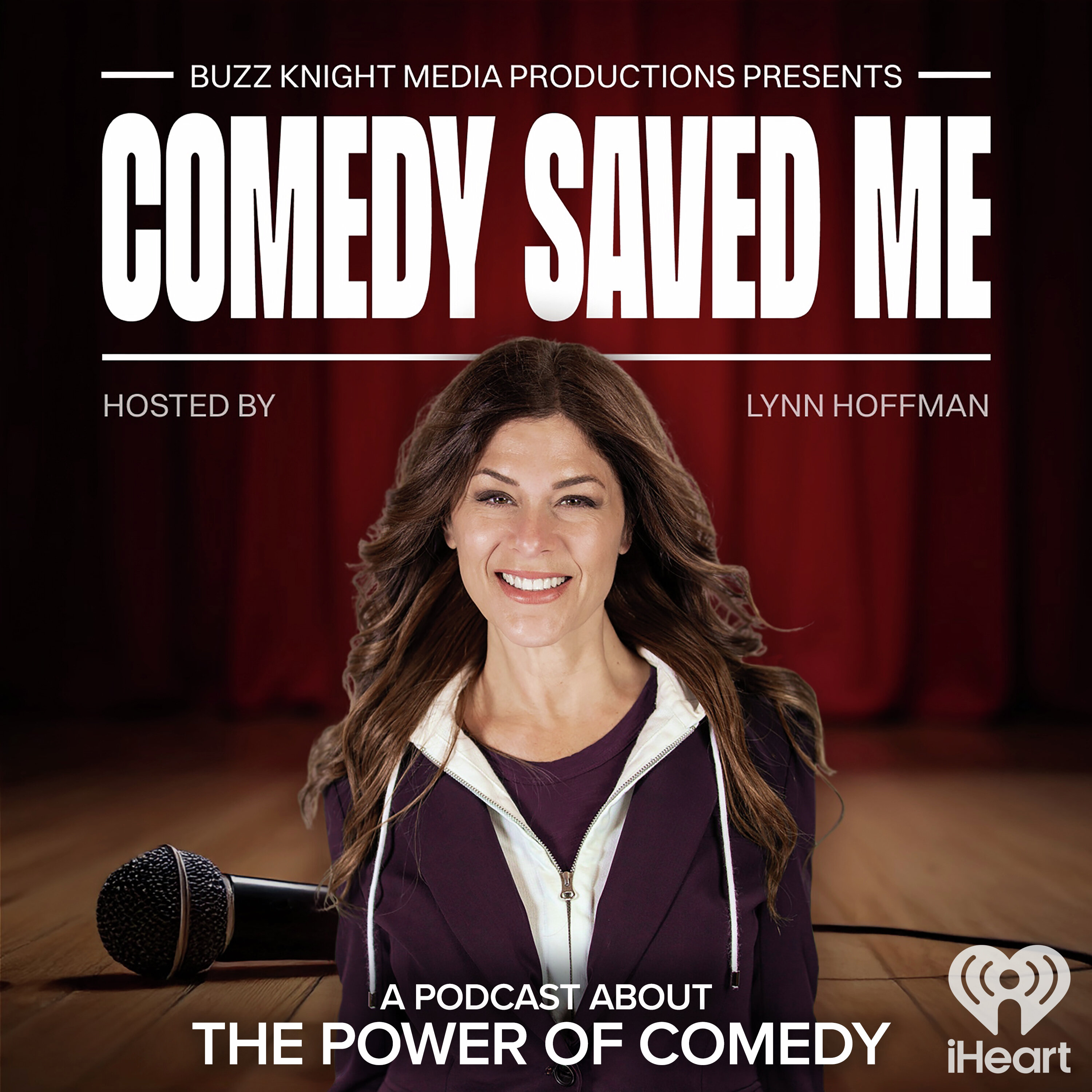
Takin' A Walk - Music History with Buzz Knight
"Comedy Saved Me with Jimmy Tingle-Finding Humor for Humanity"
00:28:00
Loading summary
Transcript103 lines
- [00:00]
Lynne Hoffman
This is an iHeart podcast.
- [00:04]
Jimmy Tingle
And here's Heather with the weather.
- [00:06]
Lynne Hoffman
Well, it's beautiful out there. Sunny and 75, almost a little chilly in the shade. Now let's get a read on the inside of your car. It is hot. You've only been parked a short time and it's already 99 degrees in there. Let's not leave children in the backseat while running errands. It only takes a few minutes for their body temperatures to rise and that could be fatal.
- [00:29]
Jimmy Tingle
Cars get hot fast and can be deadly. Never leave a child in a car. A message from NHTSA and the Ad Council. I'm Dr. Joy Hardin Bradford, host of the Therapy for Black Girls podcast. I know how overwhelming it can feel if flying makes you anxious. In session 418 of the Therapy for Black Girls podcast, Dr. Angela Neal Barnett and I discuss flight anxiety.
- [00:50]
Lynne Hoffman
What is non normal is to allow it to prevent you from doing the thing that you want to do, the things that you were meant to do.
- [00:59]
Jimmy Tingle
Listen to Therapy for Black Girls on the iHeartRadio app, Apple Podcasts or wherever you get your podcast.
- [01:06]
Lynne Hoffman
So what happened at Chappaquiddick? Well, it really depends on who you talk to.
- [01:09]
Jimmy Tingle
There are many versions of what happened in 1969 when a young Ted Kennedy drove a car into a pond and left a woman behind to drown.
- [01:19]
Lynne Hoffman
Chappaquiddick is a story of a tragic death and how the Kennedy machine took control.
- [01:24]
Jimmy Tingle
Every week we go behind the headlines and beyond the Dr. Of America's royal family.
- [01:28]
Lynne Hoffman
Listen to United States of Kennedy on the iHeartRadio app, Apple Podcasts or wherever.
- [01:33]
Jimmy Tingle
You get your podcast.
- [01:41]
Lynne Hoffman
Comedy Saved Me.
- [01:42]
Jimmy Tingle
And so when you watch a great comic on stage, you might be seeing them in this video, in Netflix or whatever. That bit that they're doing has taken, you know, usually a year plus to develop.
- [01:55]
Lynne Hoffman
Welcome to another episode of the Comedy Saved podcast. I'm your host, Lynne Hoffman. And lucky me. Today we are thrilled to welcome renowned comedian, political satirist. Is it satirist or satirist? Not sure. And social commentator Jimmy Tingle. Now, with a career spanning stand up television, radio and film, Jimmy is known for his sharp wit, insightful humor and heartfelt storytelling. From his appearances on everything from oh, 60 Minutes to the Tonight show to his colleague to his acclaimed one man shows and activism, Jimmy's unique comedic voice has inspired and uplifted audiences nationwide. And in this episode we'll explore how comedy has shaped his life, provided resilience through challenges and become a tool for social change. Jimmy Tingle, the man, the myth the legend is here with us today on Comedy. Save me. Welcome to the show. It's so great to have you here.
- [02:55]
Jimmy Tingle
So great to be here. Lynn, thanks so much for having me.
- [02:58]
Lynne Hoffman
Well, thank you for being had. I know I don't have a lot of time with you, so I want to start off with what first drew you to comedy. Was it a television show? Was it an album you listened to? What was it?
- [03:12]
Jimmy Tingle
Oh, boy, probably the funniest stuff that we heard as kids. We watched the Honeymooners with the whole family, you know, back with Jackie Gleason and Aunt Connie and the June Taylor dances. That was a great show on Sunday nights, you know, that, you know, as I get older, more things like, oh, the movie Lenny, about Lenny Bruce. But Dustin Hoffman was really influential. Saturday Night Live when it first came on the air, you know, in the early 70s and you know, watching the Tonight show with Johnny and the people that he would have on, especially in college, we had. We'd sit around the dorms and we'd watch like on a Saturday Night Live. And then of course, the Tonight show with Johnny and guests that they would have on. We just had a blast watching it. It was, you know, it was inspiring. And. Yeah. So what really got me into it though is when the. A comedy club opened up in my hometown, in my neighborhood in Cambridge, it was called the Ding Ho. It was a Chinese restaurant slash comedy club. And it opened up in Cambridge and was like two blocks from my house and they were having an open mic night. And one of my friends from high school, Lenny Clark, also a comedian, he was hosting an open mic night on Wednesday nights. And I was interested in performing, but I didn't play an instrument really. I didn't sing. But comedy was something that you could do just by basically talking and telling stories and jokes and stuff. So that was really my first intro into it. The open mic nights back in 79, 80. Yeah, that's when I first started. Wow.
- [05:01]
Lynne Hoffman
And it didn't take you long too. I mean, what 88 was, you end up on the, on the Carson show, which is the pinnacle at that time. What I. But I need to know before that happened, when did you realize it was more than just making people laugh? Did you know that there was healing things involved there going on?
- [05:19]
Jimmy Tingle
Well, I knew that, you know, there were people like George, Colin and people like Richard Pryor. Of course there were people, big influences on everybody. And like I said, Lenny Bruce and you know, Mort Saul, those folks who are using comedy, laughing. In the 60s and 70s, there was more Social commentary, along with just the standup component, you know, so. And my friend Barry Cremens worked at the Dingho as well. He was the booker and the founder of the Dingho, and he was doing political humor. And I, I was just about what was going on in the news, so I knew that it could be effective. Yeah, there was a track record of people who admitted had used it effectively, from Will Rogers to Mark Twain to, like I said, prior and Colin and Lenny Bruce and Mort Saul and all those folks, and of course the skits on Saturday Night Live, you know, all of those were talking about really what was going on in the, in the society at the time. And it was just. It was funny and it was fun to. When I went to college, I stud sociology, political science, history, you know, so it was fun to approach the comedy with that kind of a background and that kind of an insight because that, because that's what I was studying in school and that's what I'm supposed to be learning about, which I was very interested in. And it kind of just translated into. Not always, but eventually it just evolved into more social commentary and along with the laughs.
- [06:58]
Lynne Hoffman
Yeah, you know, it's funny you say that about college because I studied, you know, journalism and broadcasting, but for some reason I felt like I need to know how to talk to people. So I took. My secondary was abnormal psychology, and I, like, had no idea how well that would help me in my life moving forward.
- [07:17]
Jimmy Tingle
You're in the right field.
- [07:20]
Lynne Hoffman
Can you share or remember a moment when comedy helped you through a difficult time in your life? Does any one time stand out to you?
- [07:29]
Jimmy Tingle
Yeah, I mean, well, we worked in bars and, you know, I was a heavy drinker. And a friend of mine said, if you ever quit drinking, you know, you could do really well, you could do well in comedy. And, you know, that was very attractive to me, the idea of actually being successful in this field. But as you know, and as you know, it's. It's very difficult to fulfill your potential as a comic or an actor or any field if you're a really heavy drinker at a young age. It just is. It just is in the way. And so it was in the way for me, it was screwing up a lot of things in my life. So that was the biggest thing. But when, when he put. He connected, this guy connected my comedy career to quitting drinking, that was like. That was like the magic bullet that really got my attention and, and helped me to. It helped motivate me to, to really try very hard to Quit drinking, which I was able to do. So that was really, really good with the help of a lot of other people and, you know, the higher power and everything else, not just me, but. So that was. The Comedy was a real game changer like that.
- [08:39]
Lynne Hoffman
Because in respect, that's like an epiphany moment when someone says that to you. How did you react initially? Were you offended?
- [08:48]
Jimmy Tingle
I was so encouraged. No, I was encouraged. I was encouraged because it's a very depressing substance. If you drink every day for an extended period of time, you can't help but hungover all the time. And hungover, I guess, is a form of depression. So it was just. It was kind of a darker time. Even though I loved performing and being in the clubs and the camaraderie and all the people that were around and the audiences, that was a blast. But the hangovers were a killer, you know, and. Yeah, and so it was like this reason. It was a really strong reason, a strong motivation to try to make a real solid effort to get sober. And so that's the path I went down. And it's worked for the last 35 years. So it was. But without the comedy, I don't know if I would have got that incentive. You know what I mean? I don't know if something else would have caught my attention maybe, but maybe not. So it was definitely a game changer.
- [09:52]
Lynne Hoffman
Sounds like a great combination between a mentor, someone who's gonna just say it, straight shooter like it is. And what you love to do was like, that perfect storm that. That moment.
- [10:03]
Jimmy Tingle
Well, he was a comic also. He was a comic, and he said, you know, I'm in the business. And, you know, you're, You're, You're. You're good. You could be really good, you know, if you. So that was. That was a big thing.
- [10:14]
Lynne Hoffman
In what ways do you think humor can help people cope with. With adversity or trauma? I mean, we're in the middle of a horrible mental health crisis of epic proportions today. How do you think that?
- [10:26]
Jimmy Tingle
Well, I don't know if comedy alone can. I don't know if comedy alone can help people. I'm sure puts you in a better mood, that's for sure. I think if people were doing comedy around mental health issues in maybe facilities or hospitals or to two people who were, you know, had those issues, then they. Maybe somebody who had their own mental health issues, you know, was doing comedy around those issues, that can definitely help. I mean, there's a comic friend of mine, Gary Gullman, who, you know, had severe depression and talks about it on stage and did a one person show about it called the Great Depress. It's a great special. But he addresses depression on stage and I know that thousands of people have reached out to him about that issue and their personal challenges with that. So in that sense it can help. It can, because you're communicating with people for comedy, you're communicating with people. But the laughter itself, it's gotta be more than laughter. It's gotta be the follow up and the work that is involved, whether it's getting sober or whatever it is, you know, mental health issues or getting help, you know. But it can be a motivator because it's fun, it's fun to listen to, it's fun to laugh at and it's fun to know that you're not alone.
- [11:56]
Lynne Hoffman
Right there. Right there. It's fun to know you're not alone. I mean, that's huge.
- [12:02]
Jimmy Tingle
Yeah. And because it's obviously a communication medium, you're telling people and he was doing that part of his story. I do some of that in my shows and people respond because like you said, it's a national epidemic, the mental health issue and so is the, the addiction and the, you know, whether it's alcohol or drugs or whatever it is, you know. We'll be right back with more of the comedy Save Me podcast.
- [12:34]
Lynne Hoffman
Tired of spills and stains on your sofa? WashablesOfAs.com has your back. Featuring the Annabe collection, the only designer sofa that's machine washable inside and out. Where designer quality meets budget friendly prices. That's right, sofas start at just $699. Enjoy a no risk experience with pet friendly stain resistant and changeable slipcovers made with performance fabrics. Experience cloud like comfort with high resilience foam that's hypoallergenic and never needs fluffing. The sturdy steel frame ensures longevity and the modular pieces can be rearranged anytime. Check out washablesofas.com and get up to 60% off your Anna Bay sofa backed by a 30 day satisfaction guarantee. If you're not absolutely in love, send it back for a full refund. No return shipping or restocking fees. Every penny back Upgrade now@washablesofas.com Offers are subject to change and certain restrictions may apply.
- [13:34]
Jimmy Tingle
What's up, guys? Welcome to Agusto Papa, the go to spot for everything. Musica Mexicana. We're proud Mexican Americans who live and breathe this music. We started this podcast to share and discuss our views on musica Mexicana Whether you like Peso Pluma, Los Alres del Barranco, Ariel Camacho, or Ivan Cornejo, when you get in your feels, then this.
- [13:52]
Lynne Hoffman
Podcast is for you.
- [13:54]
Jimmy Tingle
We deep dive into music reviews. First of all, my show last year, everything was a 10 out of 10. Fashion and lifestyle inspired by the roots of Musica Mexicana, the craziest controversies and Cheesemans. I don't have nothing against Puerto. I know, and I don't think Jo should be mad at me. Song and artist comparison competition in the scene. There is competition, there is sides to this, there's special Pluma, Double P and there's J O P Street Mob. I think at the end of the day, it's business, it's all competition. And of course, our personal stories and opinions along the way. This isn't just a podcast. It's a movement for fans who live Musica Mexicana every single day. Listen to Augusto Papa as part of the Michael Tura Podcast Network on the iHeartRadio app, Apple Podcasts, or wherever you get your podcast.
- [14:36]
Lynne Hoffman
Hi everyone, it's Janae, AKA Cheekies from Cheekies and Chill Podcast, and I'm launching an all new mini podcast series called Sincerely Janae. Sure, I'm a singer, author, businesswoman and podcaster, but at the end of the day, I am human and that's why I'm sharing my ups and downs with you guys. Hi guys. I was sitting here recording episodes of Dear Cheekies and Cheekies and Chill and I just had to take a timeout and purge my thoughts and feelings here on Sincerely Janae because I've been so emotional lately, you guys, whether I'm in my feels, I've just had a breakthrough with my therapist, or I've just had a really deep conversation with my siblings, or I'm in glam getting ready for an award show. I'm sharing my most intimate thoughts with you on the podcast. You guys know I always keep it real with you guys, but this time I'm taking it to the next level. Listen to Cheekies and chill on the iHeartRadio app, Apple Podcasts, or wherever you get your podcasts.
- [15:35]
Jimmy Tingle
We all know, right? Genius is evenly distributed.
- [15:38]
Lynne Hoffman
Opportunity is not.
- [15:40]
Jimmy Tingle
It's Black Business Month and black tech green money is tapping in. I'm Will Lucas, spotlighting black founders, investors and innovators building the future one idea at a time. Let's talk legacy, tech and generational wealth. I don't think any person of any gender, race, ethnicity should alter who they are, especially on an intellectual level or a talent level. To make someone else feel comfortable just because they are the majority in this situation and they need employment. So for me, I'm always going to be honest in saying that we need to be unapologetically ourselves. If that makes me a vocal CEO and people consider that rocking the boat, so be it. To hear this and more on the power of black innovation and ownership, listen to black tech Green money from the Black Effect Podcast Network on the iHeartRadio app, Apple Podcasts or wherever you get your podcast. I always had to be so good. No one could ignore me, carve my path with data and drive. But some people only see who I am on paper. The paper ceiling, the limitations from degree screens to stereotypes that are holding back over 70 million stars workers skilled through alternative routes rather than a bachelor's degree. It's time for skills to speak for themselves. Find resources for breaking through barriers@taylorpaperceiling.org brought to you by Opportunity at Work and the Ad Council. Welcome back to the Comedy Saved Me podcast.
- [17:05]
Lynne Hoffman
I want to talk to you a bit about your craft and your process. I want to say a few years back, maybe in the 2000s, what do they call them, the Aughts now or something? Yeah, the early 2000s, I was fortunate enough to know someone who took me to Joan Rivers at the cutting room, where I found out when I got there was this little room in the back where she would test out all her material and she would just put these big, like, she'd write her jokes and throw them on the floor so she could see them on the stage floor while she walked. I had no idea that's what I was going to see. What is your process about writing new material and testing it out on your audiences, especially if you're dealing with things, you know, of a serious or political topics where you really have to be extra creative?
- [17:51]
Jimmy Tingle
Well, I wish I was as organized as Joan Rivers and I have little place to go with big. It's, it's really trial and error. You know, you get an idea, you write it down. Sometimes it's just in your head and you present it to people. And my process is basically, I'm much more of an oral. I don't, you know, some folks write it down in every word and it's perfect and they memorize it. And I, again, I'm just, I've never been that disciplined and that organized to. To write it down to that extent, although I'm a big fan of people who do. And it's good to hear that, that Joan was doing that. But I. I write a set list and I have ideas, and I present them to a live audience. And the thing is, you don't know really if something's going to work until you do it. Yeah, that's the only way to tell it. Sounds great on paper, right? It sounds good on paper, but it depends on, you know, how the audience reacts and also having a safe place to do it, having places that you can do it. Because you have to fail. You have to fail. And that's part of the process in terms of just presenting new material, and that's that no one likes to fail. Nobody likes to be in front of a bunch of people with a great idea, go, and they do it in nothing. And it's like. It's embarrassing.
- [19:14]
Lynne Hoffman
Has that happened to you?
- [19:15]
Jimmy Tingle
But it's part of the process.
- [19:17]
Lynne Hoffman
Has that happened to you? And. And if it has.
- [19:19]
Jimmy Tingle
Oh, yeah.
- [19:19]
Lynne Hoffman
How do. How do you handle that with an audience?
- [19:22]
Jimmy Tingle
You just keep going.
- [19:23]
Lynne Hoffman
Really?
- [19:24]
Jimmy Tingle
Yeah. Yeah. You keep going. I. These days, I record most of my sets, and I can listen to them and see what worked and what didn't.
- [19:33]
Lynne Hoffman
Yeah.
- [19:34]
Jimmy Tingle
And, you know, it's got. I've gotten much better and much more disciplined as of. You know, evolved as a comic. But in the early days, you know, the. Nobody was. Video. Video and everything, and nobody had. Not everybody had a, you know, a phone with a. You know, you couldn't just record yourself in your phone, so it was much more memory. That's how it basically was for me, a notebook. Trying to memorize it and remembering how the audience reacted. That's really how it was in the early days for me, anyway. But I would record some of my sets, not all of them, but. But, you know, enough to. Enough to remember how they worked and if they didn't work.
- [20:16]
Lynne Hoffman
Yeah. And did you ever have an issue with an audience member or anyone that you had to kind of handle live in the room? I'm just curious how you would deal with that.
- [20:25]
Jimmy Tingle
Oh, yeah. I mean, some people are better than others. Some people talk to the audience and, you know, want to solicit back and forth, and that was never my style. I just go up there and go, this is what I've been thinking about. Boom. And just do it. And occasionally people get upset or talk back or whatever. I tend to ignore them more than engage with them, honestly. You know, it's not. It's not my style. I don't want to. I'm not. Nobody's there to hear that person. They're here to say what I got to say. And My comedy. And so that's what I stick to, pretty much.
- [21:02]
Lynne Hoffman
That's incredible. First of all, the fact that you don't write them down and that it's from memory is amazing to me.
- [21:08]
Jimmy Tingle
Well, you know, I write a set list like, this is what I'm going to do here. This one I'm going to do here. This one.
- [21:14]
Lynne Hoffman
Like bullet points.
- [21:16]
Jimmy Tingle
Yeah, bullet points. Exactly, exactly. And. And then. And do the bits. And a lot of them are tried and true, and you know they're going to work because you've done them a hundred times. Other ones are new. And the only way to work it is to just keep saying it and doing it. And then you listen to the tape and we change word here, change the setup there. So much of it is how you say it. When you say in the show, you know, what you open with, what you close with, which lines are the funniest, how it builds. I mean, there's a lot that goes into it. And so when you watch a great comic on stage, you might be seeing them in this video in Netflix or whatever. That bit that they're doing has taken, you know, usually a year plus to develop. And the only way to do it is over and over and over again.
- [22:05]
Lynne Hoffman
Yeah. Is there anything you're working on right now that you want to test out on me? I don't know.
- [22:11]
Jimmy Tingle
Why?
- [22:11]
Lynne Hoffman
I just wanted to ask you that. I want to be the first to hear something.
- [22:17]
Jimmy Tingle
Not really.
- [22:18]
Lynne Hoffman
No.
- [22:19]
Jimmy Tingle
I don't have anything right now.
- [22:20]
Lynne Hoffman
I just threw you on the screen.
- [22:22]
Jimmy Tingle
Thank you for asking.
- [22:23]
Lynne Hoffman
I've been told that I'm a good audience. So when the urge strikes, call me anytime. I'm a good audience.
- [22:29]
Jimmy Tingle
Okay.
- [22:29]
Lynne Hoffman
In what ways do you see comedy as a force for social good and activism? Because I do know that I saw, and I'm pretty sure I saw this, that you literally ran for lieutenant governor of Massachusetts.
- [22:43]
Jimmy Tingle
Yes.
- [22:43]
Lynne Hoffman
Which I think is amazing in and of itself.
- [22:47]
Jimmy Tingle
Yeah. Well, thank you. And I did. And the reason is because going back to entertainment, entertainment like what Jon Stewart did with. With the firefighters and getting them the treatment and the healthcare that they deserved, the people who were injured because of the chemicals. Right. And getting that and bringing that before Congress and all the hard work that went into that was the result of the hard work behind the scenes. It wasn't the result of the jokes, necessarily, but his career as a comic and the platform that he has allows him to draw attention to these issues. But the real change is the people in Congress writing the bills and enacting them and Motivating people and getting people on board to actually change the law. So it's a combination of both. The reason I ran for lieutenant governor, one of the biggest reasons, was around the substance abuse issue in Massachusetts. And I know that comedy can do a certain amount again, give you the platform, tell the jokes, reach the 200 people in front of you or how many people are watching on television. But the real work is in the legislature and in the public. You know, the public awareness and the pressure on the legislature and the pressure on the politicians, and that's where the real change comes. Whatever the issue is, you can have cultural awareness through comedy and cultural awareness through entertainment, but entertainment by itself is just a means to a larger end if you're trying to use it for those ends. For example, I started an organization, a social enterprise called humor for humanity. And our mission statement is humor for humanity more than entertainment. Raising spirits, funds and awareness for nonprofits, charities, and social causes. Our mission is your mission. Humor for humanity, Humor and helping, humor and healing, humor and hope. Ha ha ha. And because of this organization, what I do is I love comedy. I try to use, not every night, but a lot of the time I'm using, I'm doing fundraisers basically for nonprofits, and I emcee and I perform, and I can do the auctions and help raise money. And we've raised a lot of money over the last 10, 15 years for organizations. So it's not the comedy. The comedy is one component of the fundraiser, but the fundraiser and the nonprofit that's doing the work, whether it's around child development or substance abuse or rehabs or treatment centers or any of that type of thing, it's the people on the ground doing the work, in the trenches that are really changing things. But the comedy is a great gift and a great entree into that in terms of an entertaining component to draw attention to that particular issue and that particular non profit. So that's been a lot of fun doing that.
- [25:58]
Lynne Hoffman
What better way? Did you enjoy the process at all? Or was it. Was it more grueling than you thought it would be? Even though you bring such. Yeah, yeah.
- [26:08]
Jimmy Tingle
Oh, the process is pretty grueling. Did I enjoy it? I loved meeting the people. I loved, you know, being on the stump. I don't know if I enjoyed it as much as I enjoyed doing the humor for humanity, because the humor for humanity, I just have more freedom. There's direct. There's the direct effect with the nonprofits. And if they raise $100,000, it's a big Deal. Especially the smaller ones. Some of the events we've done have raised a lot of money for large hospitals. They've raised a million where I was the MC and the auctioneer, but. But most of them are on the smaller end of, you know, moderate nonprofits. And they have. They don't. Their budgets aren't huge. So $50,000 here and $100,000 there or $20,000 here. That's a big deal. And it helps them. So. And that's what I like to do.
- [27:07]
Lynne Hoffman
Well, I think it's amazing, and I also think it's so selfless of you to have had the cajones to do it to begin with. Like, you know, I really. I really applaud your efforts on that. And I think it's amazing because basically, at the core, you just want to help others, and I think that's such an amazing thing.
- [27:26]
Jimmy Tingle
Yeah, but running for office is like, that's. That's a job. And my. In the Human for Humanity is a job too. Yeah, I mean, you know, it's. It's part of my business. It's what I do. But it serves the most purposes, like public servants. You know, people get paid for running for. Well, if you get elected, you get a salary. And same thing with Humor for humanity. But it's where your passion is. That's how people come up with material. Usually what are they passionate about? And that's what you see them talking about on stage or on tv. You know, what are they passionate about? What motivates you to write material or come up with this or even want to be in public talking about it?
- [28:08]
Lynne Hoffman
Well, speaking of passion, looking back, now that you have a little bit of a hindsight, how. How would you say comedy has changed you as a person or shaped you as a person?
- [28:20]
Jimmy Tingle
Well, it gives you a great sense of. It's empowering. It's empowering to think of something, have an idea and present it to people, and you get an immediate reaction. And you're like, that was a good idea. Oh, all these people like that. I want to do that again. And so it builds. It can. The more you do it and the more successful you become, it builds confidence. It builds a sense of that you can do things. You're not powerless in the world. You have a voice, People listen, people enjoy it. You can make a living at it. And so in that respect, it's been pretty amazing because I never thought I would be doing this when I was growing up. It wasn't as common as it is now, you know? Yeah.
- [29:11]
Lynne Hoffman
So well, everyone has a studio at their house now.
- [29:15]
Jimmy Tingle
Exactly, exactly. So, but it's, I mean, I was able to go back to school, I was able to run for office, I was able to do a lot of different things in my life, travel all over the world. It broadens your perspective. You meet new people, you know, get to live in New York and LA at different times and travel. And so it's broadened my perspective of the world tremendously, especially trying to keep up with politics and what's going on in the world. It's kind of like your job, you know, your second job.
- [29:49]
Lynne Hoffman
How does that feel to you, though, when you've made a difference in someone else's life?
- [29:55]
Jimmy Tingle
Oh, it's great. It's a great feeling. It's a great feeling. You know, I was on the, I did a show last night and one of the things is, I have my own political opinions and I'm on the Democratic side of the aisle, generally speaking. That's. I've been a lifelong Democrat, But I say in the audience, I say to the Trump supporters, I said, you guys won, let's see what happens. And I tell a story about how to react after your side of the aisle loses. And my friends, I have friends that are Trumpers. That's what they like, and that's who they voted for. And I said, how am I going to react to these guys? I said, how about just saying congratulations? So when I saw them, I just said, hey, man, you guys, you won. Congratulations. On two occasions, this guy lit up, he goes, jimmy, thank you, I appreciate it. And I kind of relationship went to a different level because he felt heard, he felt respected and he felt like it's like having a good game, a hard fought, you know, basketball game or sporting events.
- [31:07]
Lynne Hoffman
Red Sox, Yankees.
- [31:08]
Jimmy Tingle
Yeah, you shake hands and you, you know, good game, man, you guys won. You got three hits. Good for you. I mean, that's how it was. And I did that on a couple of occasions. It was just, it put the relationship on a different level. So it's not a big thing and it's not even so much of a comedy thing, but you're affecting somebody, the way you act off stage as well as on stage, and that's really effective. And of course, when you do something that changes people or helps them with whatever it is, the mental illness issues or the recovery issues, or raising money for their charity or their school or we did one for the school down the street and they raised a lot of money. They were thrilled. They were thrilled. It was a relatively small Nonprofit. And they were just ecstatic over it. And it wasn't even millions of dollars. It was a fair amount of money for that school and it meant a lot to them. And it's like you're actually putting your ideas and your actions where you're. I mean, you're putting your actions where your ideas are and where your values are. Comedy's allowed me to do that, whether it's the jokes or off stage or in the service of the performance. For something other than yourself, purely.
- [32:29]
Lynne Hoffman
Wow. Jimmy Tingle leading by example, literally and figuratively. I love all that you are doing and I love that you stopped by to share that with us because I think it's important. Your angle on life in general is such a great and unique take that people need to hear more of it, I think.
- [32:49]
Jimmy Tingle
Well, thank you. That's very kind of you to say, Lynn. I appreciate it.
- [32:54]
Lynne Hoffman
Thank you. And before I let you go though, real quick, are there any projects that you're working on besides what we discussed and what's next where people can see you, all that fun stuff?
- [33:03]
Jimmy Tingle
Sure. Well, I have a film out. It's called Jimmy Tingle the Radical. Why would a comedian run for office? It's on my way website, jimmy tingle.com so people can watch that for free, ladies and gentlemen, for free. And on my website. I have all my show dates coming up. I'm going to be a Martha's Vineyard in Nantucket in August and Couture center for the Arts on August 2 and. And shows in September and all through the rest of the year. So Jimmy Tingle.com you can follow me on Instagram at Jimmy Tingle Humor. Got some funny clips up there I think you'll get a big kick out of. And but thanks again for having me, Lynn. And they can always find me there. And sign up on my newsletter and I'll keep you in in touch and informed about what we're doing.
- [33:49]
Lynne Hoffman
Yeah. Find out why he got the last name Tingle.
- [33:52]
Jimmy Tingle
That is my real name.
- [33:54]
Lynne Hoffman
It's awesome. Thank you so much for being on comedy stage. Thank you.
- [34:02]
Jimmy Tingle
I always had to be so good. No one could ignore me. Carve my path with data and drive. But some people only see who I am on paper. The paper ceiling the limitations from degree screens to stereotypes that are holding back over 70 million stars. Workers skilled through alternative routes rather than a bachelor's degree. It's time for skills to speak for themselves. Find resources for breaking through barriers at Tailor paper brought to you by Opportunity at work and the Ad Council. I'm Dr. Joy Hardin Bradford host of the Therapy for Black Girls podcast. I know how overwhelming it can feel if flying makes you anxious. In session 418 of the Therapy for Black Girls podcast, Dr. Angela Neil Barnett and I discuss flight anxiety.
- [34:47]
Lynne Hoffman
What is not normal is to allow it to prevent you from doing the things that you want to do, the things that you were meant to to do. Listen to Therapy for Black Girls on.
- [34:57]
Jimmy Tingle
The iHeartRadio app, Apple Podcasts, or wherever you get your podcast.
- [35:02]
Lynne Hoffman
Our iHeartradio Music Festival, presented by Capital.
- [35:05]
Jimmy Tingle
One, is coming back to Las Vegas Vegas, September 19th and 20th on your feet, streaming live only on Hulu. Ladies and gentlemen, Brian Adams, Ed Sheeran, Fade Chlorilla, Jelly Roll, Sean Fogarty, Lil Wayne, LL Cool J, Mariah Carey, Maroon 5, Sammy Hagar, Tate McCrae, the Offspring, Tim McGraw. Tickets are on sale now at AXS.com get your tickets today. AXS.com it's black business month, and Money and wealth podcast with John Hope Bryant is tapping in. I'm breaking down how to build wealth, create opportunities, and move from surviving to thriving. It's time to talk about ownership, equity, and everything in between. Black and brown communities have historically been lasting long. Let me just say this AI is moving faster than civil rights legislation ever did. Listen to Money and Wealth from the Black Effect podcast network on iHeartRadio app, Apple Podcasts, or wherever you get your podcasts.
- [36:04]
Lynne Hoffman
So what happened at Chappaquiddick? Well, it really depends on who you talk to.
- [36:08]
Jimmy Tingle
There are many versions of what happened in 1969 when a young Ted Kennedy drove a car into a pond and left a woman behind to drown.
- [36:17]
Lynne Hoffman
Chappaquiddick is a story of a tragic death and how the Kennedy machine took control.
- [36:23]
Jimmy Tingle
Every week we go behind the headlines and beyond the drama of America's royal family.
- [36:27]
Lynne Hoffman
Listen to United States of Kennedy on the iHeartRadio app, Apple Podcasts, or wherever.
- [36:32]
Jimmy Tingle
You get your podcasts.
- [36:37]
Lynne Hoffman
This is an iHeart podcast.