← Takin' A Walk - Music History with Buzz Knight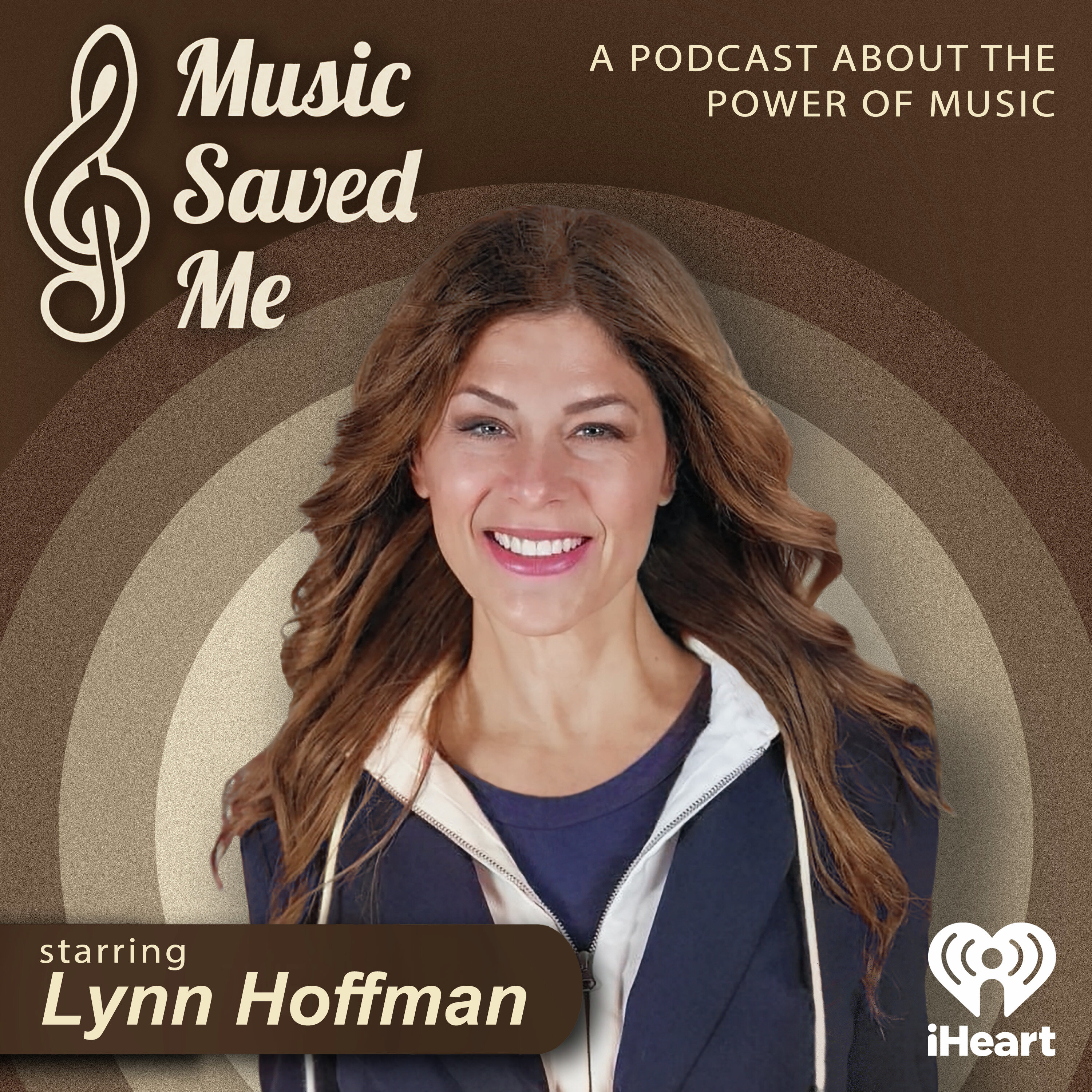
Loading summary
Transcript127 lines
- [00:01]
Bobby Bones
Calling all Yellowstone fans.
- [00:03]
Beth Nielsen Chapman
Let's go to work.
- [00:05]
Bobby Bones
Join Bobby Bones on the Official Yellowstone Podcast for exclusive cast interviews, behind the scenes insights, and a deep dive into the themes that have made Yellowstone a cultural phenomenon.
- [00:18]
Beth Nielsen Chapman
Our family legacy is this ranch and our protector of my life.
- [00:22]
Bobby Bones
Listen to the Official Yellowstone Podcast now on the iHeartRadio app, Apple Podcasts, or wherever you get your podcasts.
- [00:31]
NHTSA Representative
Snakes, Zombies, Sharks, Heights. Speaking in public. The list of fears is endless. But while you're clutching your blanket in the dark, wondering if that sound in the hall was actually a footstep, the real danger is in your hand when you're behind the wheel. And while you might think a great white shark is scary, what's really terrifying and even deadly is distracted driving. Eyes forward. Don't drive distracted. Brought to you by NHTSA and the.
- [00:58]
Alec Baldwin
AD Council hey, it's Alec Baldwin. This past season on my podcast, here's the thing. I spoke with more actors, musicians, policymakers, and so many other fascinating people like writer and actor Dan Aykroyd.
- [01:16]
Jack McBrayer
I love writing more than anything. You're left alone, you know, you do three hours in the morning, you write three hours in the afternoon. Go pick up a kid from school and write at night, and after nine hours you come out with seven pages and then you're moving on.
- [01:29]
Alec Baldwin
And actor and comedian Jack McBrayer the.
- [01:32]
Collaborating Artist
Most important aspect is the collaboration with people that I like, I trust are talented. That has been the most amazing gift to me about this crazy business that we've chosen. Meeting these people who have such diverse talents and you're able to create something together.
- [01:50]
Alec Baldwin
Listen to here's the thing on the iHeartRadio app, Apple Podcasts, or wherever you.
- [01:56]
Eric Zimmer
Get your podcasts, you don't need another podcast. You've got too many already. But if you're looking for one that actually changes something, a way to take control of the chaos and find meaning, well, then maybe the one you feed is for you. I'm Eric Zimmer and I bring real conversations with real people to help you feed. The best part of your no hype, no fluff, just wisdom that works. Listen to the one you feed on the iHeartRadio app, Apple Podcasts, or wherever you get your podcasts.
- [02:31]
Lynne Hoffman
Music saved me.
- [02:32]
Beth Nielsen Chapman
I trust that there's a collaboration going on that's beyond the wisdom that I have in the moment that I'm writing something down. And so often I will write a song not even realizing that I'm writing it for something that's gonna happen in the future. It's Happened so many times that I totally TR that when I'm writing something and I'm just following it kind of blindly, like, I wonder why that word popped into my head. I write it all down because there's something bigger than me that I can draw from.
- [03:02]
Lynne Hoffman
I'm Lynne Hoffman, and welcome to the Music Save Me podcast, the show where we highlight one of the greatest joys imaginable, the healing power of music. I talk with musicians of all different types who all talk about their personal stories and about their experience with the healing power of music. And on this episode, I get to talk to a musician who truly understands how music saves us. Beth Nielsen Chapman is a musician, a singer songwriter, who has truly embraced musical diversity. Welcome, Beth Nielsen Chapman, to Music Saved Me. Your story so epitomizes what Music Saved Me podcast is all about, and we're so grateful to have you with us today.
- [03:44]
Beth Nielsen Chapman
Thank you for having me. And I love the title of your podcast. It got me right away. I'm like, oh, that's my what I preach.
- [03:50]
Lynne Hoffman
We got you and we reeled you in. Took a little while, but we got you here. I'm so grateful. My first question to you is, when was the first moment in your life when you knew that music moved you and it would be your life calling?
- [04:07]
Beth Nielsen Chapman
Oh, boy. There's probably several of those. But I remember being kind of my pilot light came on around songs when I was probably 11 or 12, when I was playing with a friend, and we were. I was over at her house and in the kitchen radio. I heard Penny Lane for the first time, and it was just shocking to me. It just. We were jumping on the bed and I was like. And I, like, got. Got off the bed and went wandering into the kitchen, stood in front of the radio and just was, like, mesmerized by that joy, you know, Penny Lane. Da da da da da da da da da da. You know, And I just. And then, I mean, before that, I had been listening parents, you know, records. And I remember when Tijuana Brass and the Lonely Bull came out, and I was like, five years old, I was going, you know, these, like, records that I would just get in my head and I'd go around singing them. So I wasn't really thinking, oh, I'm going to do this for a living, until way later than that. But I always felt just ignited by music. And as I got older and, you know, and as a teenager and I started listening to all the singer songwriters of the 70s, and, you know, it just became a complete and total Necessary part of life to get through the stuff.
- [05:26]
Lynne Hoffman
Yes. From a very early age, I will have to say this and you know, maybe people might disagree, but I think the 70s were like the pinnacle of music. Artists were together in the studio, looking at each other and yeah, it was pretty amazing. Do you recall a, an experience or a concert experience that first connected you with like maybe your favorite artist?
- [05:52]
Beth Nielsen Chapman
You know, I didn't go to tons of concerts for some reason. I remember seeing Joni Mitchell, but I was up in the nosebleed seats and you know, could barely see her and it was just all echo up there. But I mean, as I came into the music business more, I mean, I played in all kinds of different bands and stuff and just, you know, was just eating, drinking and sleeping music 24 7. I signed my first publishing and record deal when I was 15 and my dad had to co sign it. We were living in Alabama, my dad was in the Air Force, so we moved around all through my childhood, but we'd ended up in Alabama. And I remember begging him, oh, this guy has a studio and he's going to get me a record deal. And my dad was like, you know, you got to finish high school first. I'm like, yeah, but I mean, you know, so he got a lawyer, but he got a cattle lawyer. And you know, the guy just did, you know, he read the thing was like, yeah, it looks like she doesn't have to pay any money, so I guess it's okay. You know, like I should have had like I always tell people get a music attorney because it's totally different. So, you know, but my first inkling of it being valuable was a couple of years later when that contract got sold to a, to a real publishing company in Nashville, EMI. And, and they paid him like, you know, 12, $15,000 for my 50 songs. They paid the guy that had signed me to the slave contract that didn't. That wasn't fair. And, and I just went, wow, this stuff is really valuable. And I still to this day, you know, when I'm talking to young songwriters who are struggling because, you know, if you're just a songwriter, it's kind of hard to make a living right now. And I say, but don't worry, your, your work is generating way more than what the trickle down that we're getting. It's just a temporary glitch in the system. It'll get sorted out later. But know that the value of your work is that you're creating something that moves people and shifts their paradigm. And if they need to cry sometimes it'll help them cry. And if they need to laugh, it'll help them laugh. It's really powerful stuff. Songs are really powerful little pieces of medicine that are out in the world, that are healing people all day long, you know, whether it's making you just feel better or literally getting those tears to come to the surface that are stuck, you know, And I'm just amazed by it every day, you know, I'm amazed by it. And I'm so grateful that I get to do it for, you know, for a living.
- [08:19]
Lynne Hoffman
It's so true. And such great advice that you give about how it trickles down later. Not to. Not to worry about it. It's almost like that adage, yeah, well.
- [08:27]
Beth Nielsen Chapman
I mean, you want. People want to do it as they're living because they want to just wake up every day and write songs and get paid enough to live and that. That's more rare right now because it's just a different time in the music business. And there's. It's sort of like the music business moved into a new house and. But the plumbing from the old house is all that the songwriters got, and they're all stuck in the basement. That's kind of what's happening. But that's not forever, you know. And. And what I tell young writers who go, well, what's the point of writing? I said, the point of writing is your. Your body of work. You're 20 something now. Get going, start writing your songs. Write your whole life. So when you're in your 70s, you've covered that cave wall with what you experienced. If somebody comes in and sees your cave wall 2000 years after you died, they're going to know how you felt. And that's very valuable. It's valuable to you first and foremost, and it's valuable to anyone who comes in contact with what your expression is, because anybody can participate in this amazing, magical thing, this gift that we have. Creativity is not something you have. There are not people that are more creative than other people. There's no such thing as that. Creativity is something you're in. It's like saying, I am oxygen. No, I'm breathing oxygen. I'm using oxygen. Oxygen is keeping me alive. Creativity is like that. Creativity is all around us. It's this sort of collective wisdom of thought and energy and shifts and weather. I mean, there's so much information in opening to getting comfortable, not knowing what you're doing. When you're writing or painting or whatever creative thing you're doing, you're Entering into a place of what's next? I don't know. Sounds like maybe this or it could be that. And then there, the song will form itself. It will come to you. It will say, here's what I am. Figure me out. And that's such an exciting journey to take. And I take it every time I write a song. And when I've written the songs that have healed me, like after my first husband died in 1994, I wrote a whole album of songs about loss. And. But probably the big song from that collection is sand and Water. And it's a song, you know, that I wrote to get myself through the feeling of what do I do next. I didn't write it to save the world. I didn't write it for the woman who would write to me 20 years later and say, I just heard this song. I lost my husband or I lost my child, and it's just helped me cry. You know, all the people who benefited from that song, I'm so grateful for, but I wrote it for 100% selfish reasons, which I always want. My writers, I'm like, write for selfish reasons because you're healing yourself. It's kind of like put the oxygen mask on yourself before you try to help somebody else. Because you need to, you need to work through that yourself. And in the working through it. And as we create, we create things from all of the emotions of life. We put these little pieces of art that are medicinal out into the world and they go off and they, they get found and we have no control over it and it's none of our business really, but I'm grateful for it.
- [11:36]
Lynne Hoffman
Well, you're boy.
- [11:37]
Beth Nielsen Chapman
That was a long answer. Sorry.
- [11:38]
Lynne Hoffman
No, I mean, I was gonna say podcasts can end now. I mean that's.
- [11:42]
Beth Nielsen Chapman
We're done.
- [11:43]
Lynne Hoffman
Drop the mic. But you mentioned the road kind of builds itself in front of you if you make it for you and you talk about the medicinal healing powers. And of course your song continues to inspire sand and water in international audiences. But can you share the story of the song, of how you were moved by. I'm sorry, can you share with us how you were moved by the impact of that song? Because it was pretty massive. It still is.
- [12:13]
Beth Nielsen Chapman
Yeah. I mean, even the way that it came about, my first husband had. When he was first diagnosed, he was given six weeks to live and our son was about 12 years old and it was just crushing, you know, and he decided pretty early on that he was not going to let somebody put a sell by date on his head that's the way he put it. So he just said, give me what you got, the strongest stuff you got. And he was able to tolerate pretty hefty chemotherapy and got well enough to actually get a bone marrow transplant, which, you know, if he had been able to sustain not having the cancer come back a little bit longer, it would have given him another five or 10 years. He had a very rare form of lymphoma, but it wasn't meant to be. And he did have the bone marrow transplant, and then it came back within three months. So the second time, he had six weeks to live. He literally had six. You know, it was like they said, okay, but this time it's more than likely. So in that transition he went through towards trying to live and working so hard to try to live, to learning to die. I mean, he shared that with so many friends, and so much richness of life was all swirling around us during that time, even though it was also very heartbreaking. And I just remember after he passed, I mean, one of our dear friends is Rodney Crowell, a great singer, a great songwriter, producer. And he, you know, he and Ernest evidently had a little chat where they, you know, I think Ernest said something like, hey, listen, she's gonna put the guitar in the closet because she's gonna think she can't be a single mom and a songwriter, touring artist. So just give her about a month and just call her up and just go over there and tell her you're coming over to write a song. And I promise you, her. Her ego will outweigh her grief. And it worked perfectly because I was like, oh, my God, Rodney. Rodney's coming over. And I got. And got. Got my guitar out, and I just. I better get something started, you know, because he was one of my heroes.
- [14:07]
Lynne Hoffman
Did you know that he had told him that beforehand?
- [14:10]
Beth Nielsen Chapman
No, I didn't know that. No. I just knew that. He called me up out of the blue and said, hey, I'm gonna come over and let's. Let's get together and write. I was like. So I had this thing float out of me, like, pretty much perfectly written. Although I recorded it kind of and just bloom, you know, in 20 minutes. And when he came over, I thought, it's not finished. I mean, in fact, I don't even know what it's talking about. And it had this line in it that said, solid stone is just sand and water and a million years gone by, which I didn't think made any sense at all. Goosebumps. And I just. But it was like I Was like, going right over my head. I wrote it down, but I didn't know what it meant. And I remember playing him the song, thinking, well, you know, we can work on it. It's not really finished. And he's like, just play it for me. And I played it for me. He goes, that's finished. And don't touch it like that. You may not touch that. That's perfect. And I'm like, yeah, I'm not sure it makes any sense. He goes, no, you will find out. You know, two weeks from now, you're gonna. You're gonna suddenly realize what that line means. Just trust me. So I. And it did take me about a week to go, wait, that's a really. That line is about transformation, you know, and in fact, on the album cover, there's insight. In the insert, I'm standing in front of a boulder that's just massive. And grief is like this boulder that's set in front of you, and the universe is telling you, you can't go over it, you can't go around it. You can't go under it. You have to go right through the middle of it. And you're like, how am I supposed to do that? You know? And the only way you could do it is if it were to dissolve back into sand and water. Well, when I wrote that song, I didn't have any inkling of what that was saying. And so I trust that there's a collaboration going on that's beyond the wisdom that I have in the moment that I'm writing something down. And so often I will write a song not even realizing that I'm writing it for something that's going to happen in the future. It's happened so many times that I totally trust that when I'm writing something and I'm just following it kind of blindly, like, I wonder why that word popped into my head. I. I write it all down because there's something bigger than me that I can draw from, that teaches me as I write the song. And that's, to me, the most healing part of it for me, besides having people tell me that it helped them. That's very healing for me, too.
- [16:28]
Lynne Hoffman
I bet. And, you know, a statistic I happened to read not long ago said that only 1% of all of us actually write down our goals.
- [16:38]
Beth Nielsen Chapman
Yeah.
- [16:39]
Lynne Hoffman
So I can't even imagine if you write down your goals and then they say if you write them down, then they're meant to happen. They will. They may not happen right away. And it's the same Thing with writing songs which are medicinal, I have to know, do you know what it is about music? Is it the words? Is it the vibration? Is it the sound? Have you figured out what exactly it is that is so healing for us?
- [17:04]
Beth Nielsen Chapman
That's a really great question. Because people think, oh, it's the lyrics that made me cry or it's the melody that made me cry. And I think it can be both or either. But I think the most powerful music and the most healing music combines the two. And when I teach songwriting, I often. One of the exercises that I give my students is to go to the grocery store or go whenever you're out and about. Your job is to put your antenna up and. And listen to other people talking and listen to what's happening around you. Listen to this. The. The melody of speech. So people don't realize that what melody you put on the words changes the meaning. So if I say, what time are you coming over? Da da da da da da da da. That's very staccato and it's got an insistence and it's impatient. And it's like, I told you this three times and now I'm going to ask you one more time. There's a whole movie, the melody of what time are you coming over? Right. There's a whole movie in how I said it, not just what I said. That's why texting can be so disastrous, because you're, you're writing and nobody knows the melody of what you're saying or the tone. Or the tone, right? Well, the melody and the tone to me are the same thing. But if you say, what time are you coming over? So that melody where you go, you coming over? That's like, come on over, baby, you know, so there's a whole other movie. So how you use the melody and the words together is what really propels. Now in the sand and Water song. There was this song organized itself. I just kind of like Waylon Jennings used to say, I didn't write it, I just wrote it down. It just went right through me. And when you go through tremendous trauma or, you know, deep sadness, you're. You're much more open to this, to, you know, to the access to this creative flow, this river that's winding around us all the time that we can tap into. And, you know, the, the. The melody was like all alone. I dunno. All alone I sat and cried all alone. It has this repetition. It's almost like, you know, if you ever go to a great massage therapist, they don't just Crunch into the inner part of your shoulder. They start lightly, then they go a little deeper, then they go a little deeper. And so that even the melody of that song. I watch audiences where there's always a couple of tough customers, you know, that are just like not gonna cry. And then you get to this point and then they cry, you know, and it's fascinating because the song has a healing quality that organized itself. I don't claim having figured it out. I. I just notice it on the back end, like looking back going, wow, that's amazing. You know.
- [19:53]
Lynne Hoffman
Well, there's all these sayings that you don't really realize until you get older. Hindsight is always 2020 and you can go back and look and you know, there's. There's a pattern. And so when you speak, you speak with conviction and knowledge because you had that history which, you know, it's always like this little light. Oh, now I know why they say that or why that song said that, or, you know, yeah, it's.
- [20:17]
Beth Nielsen Chapman
I did a. I did a thing. I don't know. I don't know if you've ever listened to the Moth, which is a radio show that tells stories. People tell stories from all over the world. It's amazing. So I wrote that down on the moth. If you put my name in, you'll see a couple. You'll see two times that I've done the Moth. One where I was talking about a song called Seven Shades of Blue, which was written at the same time as the sand and Water song. And it's a 12 minute story. I can't tell you now, but it's a really fascinating story about how I wrote half of it, you know, way ahead of time, before my husband was even diagnosed. But it's all about going through this loss. And he loved this song and he tried to get me to finish it. I finished it the last week of his life. He made me write the third verse from his deathbed. He's like, where's my song? And I'm like, geez, I've been a little busy. Like my, my life's been a little crazy anyway. There's a whole story about it and it's a really interesting perspective. It's kind of similar to what we're talking about. But, you know, I've learned to trust that songs are kind of glimpses into the future. Sometimes when I'm writing something and I just feel compelled to put a certain kind of line in there, but I'm not sure why. I don't know why I Want it to rhyme with that word. I get into kind of a very loose state of openness, and I write down all the weird things that come through. Like, if I'm writing with somebody, they go, why are you writing that down? That's not right. And I'm like, I know, but it's on the way to something. It's got a thing, you know? And in fact, a great example of that is I was writing this Kiss, which was a huge hit for Faith Hill. Put my son through college. I wrote that with Annie Roboff and Robin Lerner. And we were. We'd written the first verse and this kind of channel thing, and then this great chorus, and we had this. This kiss. This kiss. And then we had to write the second verse. And if you've written a really good song, it satisfies. Right at the end of the first chorus, you've like. You've got. The whole song's really in the first half. Then you have to come up with the second half and say something fresh. But it has to relate to the first half. But it's got to be different. And we just couldn't get started. We were like, can't get the second verse. What are we going to say? We don't want to repeat the same thing. And. And then they were like, well, you know, I don't know. And then I said, well, all I know to do is just start at the beginning and just sing up to it and just see what flies out of our mouth. And we turned on the tape recorder and we're like. Then we get all the way to the end, and we go, this kiss, this kiss. Unstoppable. This kiss, this kiss. And then I went, cleopatra was a snowflake. They were like, what? I know. Isn't that weird? Cleopatra was a snowflake. That's crazy. And they were like, yeah, no, Cleopatra was not a snowflake. And we are not putting that in our song. And I'm like, oh, I know, I know, I know. But there's a reason I blurted that out, because why would I say that? That's so random, you know? And they were like, we're going to lunch.
- [23:05]
Lynne Hoffman
But what happened?
- [23:06]
Beth Nielsen Chapman
They're like, bye. Bye. They left me there for, like, a half an hour. And they came back. I was still going, cleopatra had a snowflake. Cleopatra and Cleopatra and the snowflake. I'm like, I couldn't make it work. And Annie got right up in my face, and she said, beth, we're not putting Disney characters in our song. And I went, oh, wait, Disney, hold on. It's not Cleopatra. She wasn't Disney. It's Cinderella. And it's not a snowflake. It's Snow White. Cinderella said to Snow White, how does love get so off course? And that. Then we were blasting off and writing that second verse, which is about Cinderella talking to Snow White, going, what is this love thing? It's just such a pain in the butt, you know, which, this was so funny, you know, Cleopatra. So Cinderella said to Snow White, how does love get so. So. Of course. Oh, all I wanted was a white knight with a good heart, soft touch, fast horse, ride me off into the sunset Baby, I'm forever yours. I mean, I love that second verse. If somebody said, how did you come up with that? I'm saying, how I came up with that. I got a big clue from the. From. From the ether of the other side of creative wisdom. You know, it's waiting to write songs through us. But you have to be able to handle the Cleopatra was a snowflake weird part and go, wow.
- [24:27]
Lynne Hoffman
You know, and not be upset when someone may not love the idea. Be strong in your conviction and listen to your instinct.
- [24:34]
Beth Nielsen Chapman
Well, I mean, I was about to cave. I mean, not every one of those crazy lines ends up being a thing. But what's really weird is one of my students recently sent me a link on Amazon and there were tons of snowflakes with Cleopatra on them. I was like, what, around that time? No, just now.
- [24:52]
Lynne Hoffman
Oh, just.
- [24:53]
Beth Nielsen Chapman
It's like there's like all these, like, Christmas ornaments with Cleopatra.
- [24:57]
Lynne Hoffman
Anyway, I smell a new hit coming.
- [24:59]
Beth Nielsen Chapman
I know. It's too crazy. Maybe, Maybe I can justify that line. But the songs. But the song, even like that, you know, a song that. The power of that song is the joy of. Of getting kissed correctly. I mean that just as a specific. What are we going to write about? You know, what does it feel like to get kissed? Right. Which is the thing. Yes. These little pieces of being a human is to me, what songs are about. From loss to joy to craziness. And, you know, they're all, all healing.
- [25:30]
Lynne Hoffman
We'll be right back with more of the Music Saved Me podcast. And by the way, if you like this podcast, you are gonna love our companion podcast called Taking a Walk. It's hosted by my dear friend Buzz Knight. And you can find it wherever you get your podcasts.
- [25:46]
Beth Nielsen Chapman
The more you listen to your kids, the closer you'll be. Find resources to help you support your.
- [25:52]
Dr. Laurie Santos
Kids and their emotional, well, being at.
- [25:55]
Beth Nielsen Chapman
Sounditouttogether.Org that's sounditouttogether.org brought to you by.
- [26:00]
Dr. Laurie Santos
The Ad Council and Pivotal.
- [26:02]
Beth Nielsen Chapman
Everyone's forgotten who runs this valley.
- [26:04]
Alec Baldwin
Time to remind them.
- [26:06]
Bobby Bones
Yellowstone fans, step into the Yellowstone universe.
- [26:10]
Beth Nielsen Chapman
Our family legacy is this ranch and I'm a protector of my life.
- [26:15]
Bobby Bones
Hosted by Bobby Bones, the official Yellowstone Podcast takes you deeper into the franchise that's captivated millions worldwide. Action explore untold behind the scenes stories, exclusive cast interviews and in depth discussions about the themes and legacy of Yellowstone.
- [26:34]
Alec Baldwin
You know, the first students to settle.
- [26:35]
Beth Nielsen Chapman
This valley fighting was all they knew.
- [26:39]
Bobby Bones
Whether you're a longtime fan or new to the ranch, welcome to the Yellowstone. Bobby Bones has everything you need to stay connected to the Yellowstone phenomenon.
- [26:49]
Dr. Laurie Santos
I look forward to it.
- [26:50]
Bobby Bones
Listen to the official Yellowstone Podcast now on the iHeartRadio app, Apple Podcasts or wherever you get your podcasts.
- [26:59]
Beth Nielsen Chapman
Let's go to work.
- [27:02]
Dr. Laurie Santos
I'm Dr. Laurie Santos and to welcome the new year, my podcast the Happiness Lab is releasing a series of happiness how to guides to help in 2025. I'll distill the wisdom of world class experts into easy to digest actionable tips.
- [27:15]
Lynne Hoffman
It's about never feeling good enough. I feel like I'm always failing.
- [27:20]
Dr. Laurie Santos
You'll learn how to handle relationships, how to be inspiring and how to find your purpose.
- [27:24]
Beth Nielsen Chapman
We make it this big pie in the sky thing and then of course we're all frustrated because no one knows.
- [27:30]
Collaborating Artist
How to get there.
- [27:31]
Dr. Laurie Santos
Struggling with tough emotions. We have a how to guide. Worried that you're not enough. We got you self obsessed and want to get over yourself. There's a guide for that too.
- [27:41]
Beth Nielsen Chapman
The ability to approach somebody and make them experience desire for you in minutes or even hours is a rare and rather unnecessary skill. Historically speaking.
- [27:52]
Dr. Laurie Santos
The Happiness Lab's how to season starts January 1st. Listen on the iHeartRadio app, Apple Podcasts or wherever you get your podcasts.
- [28:01]
Alec Baldwin
Hey, it's Alec Baldwin. This season on my podcast, here's the thing. I speak with musician, photographer and philanthrop Julian Lennon.
- [28:10]
Julian Lennon
One of the really important things that happened to me in my relationship with photography and the images was that I would have people write to me. People that couldn't financially afford to travel the world or go anywhere, couldn't or were disabled and couldn't travel the world or go anywhere. And what they had all said to me is that you bring these stories to us, you bring the truth, you bring life to us of cultures that we would never necessarily know anything about. Photography really does allow me to do that. Have empathy for people on the other side of the world that you'll never, ever meet, but you'll at least have some understanding of what their life is and what they went through or are still going through.
- [28:51]
Alec Baldwin
Listen to the new season of here's the thing on the iHeartRadio app, Apple Podcasts, or wherever you get your podcasts.
- [29:02]
Lynne Hoffman
Welcome back to the Music Saved Me podcast. The podcast where we discuss the healing powers of music with some of the biggest names in music, as well as up and comers. Being a cancer survivor yourself, losing your first husband to cancer, and having these moments that you still persevered through, beyond persevered. Can you share how the experience impacted your life in songwriting? How were you able to get through such difficult personal times?
- [29:37]
Beth Nielsen Chapman
Well, I mean, giving, you know, writing my way through it, literally. I mean, sometimes I wouldn't. I mean, when Ernest finally passed away, I was immediately into like, I have to be a single mom. I have to take care of my son. I can't just fall apart and cry. So I didn't cry for, like a year. And when I went into the studio to start recording, I started falling apart, which made it very hard to record because I was like, you know, so grief has its own timeline. We really can't tell it when it's going to hit us, you know? And going through, like, six years after Ernest died, I ended up making a record called Deeper Still. In the last day of mixing, literally, I found out I had stage two breast cancer. What was amazing is that every song on that album sounded as if I wrote it after I went through breast cancer. There were songs about resilience and staying positive. And, like, so many songs, it was crazy. But one song in particular. And first of all, I was terrified for my son, who is now going off to college. I had to tell him before he went to college that when you see me at Thanksgiving, I'm not gonna have any hair. And then trying to convince him that I'm gonna be okay, you know, but I didn't know I was gonna be okay. I was terrified that I wasn't gonna be okay. And he was so amazing. He was like. I remember telling him, and I was sitting on the couch, and I was just like, you know, I just don't want to have this conversation. But he knew something was up. He could tell something was going on. And I remember him pulling me and putting my head on his chest and saying, you're going to be okay, Mom. You're going to be okay. And I just, like, you know, and I was okay. And actually seeing me get well and us going through that journey together helped us both heal a lot through the. Through the grief of losing his dad. But one of the songs I wrote two years before that was called Every December Sky. And I remember when I was writing it, thinking, is this kind of an additional song about losing my husband? Because it kind of felt like I could be singing about that, but I wasn't sure. I just loved the song. And song is about resilience. And I was sitting on the couch, and in the wintertime, all the leaves had come off the trees, and all my hair had fallen out kind of simultaneously. And I was looking out the window, and it was a freezing day, and I was really at a low point, and I started just singing the song in my head. Like, it came on, like, a radio station. And it's a song that says, every December sky must lose its faith in leaves and dream of the spring inside the trees how heavy the empty heart how light the heart that's full Sometimes I have to trust what I can't know. And I realized, wait, that's like, I needed to hear that, you know? And it's about believing that you're going to get through this scary time and knowing there's spring inside the trees and it's going to be spring again, and you're going to be okay. And it gave me such a sense of connection, and, you know, there's. I mean, there's no way that you can get. Go through cancer and not, at some point, feel like God has abandoned me. I mean, I had that feeling come and go, you know, and I'd pray and I'd like, oh. But I felt abandoned. Like, my own body abandoned. Like, why didn't my. Why did my body malfunction? You know, and all that. And that song really centered me back into a sense of calmness and assurance that I was being taken care of, that no matter what happened, I was going to be taken care. Everybody I loved was going to be okay. And I just calmed me down, you know? And the power of that song to me is very personal. But I know that when I play that song, it's like one that I get requests for a lot, because people just identify with that sense of, you know, as freezing as it is, bad as it is right now, you know, there's always a place where hope is residing and growing and blooming again.
- [33:37]
Lynne Hoffman
You were writing your own medicine.
- [33:39]
Beth Nielsen Chapman
Yeah.
- [33:40]
Lynne Hoffman
Your own prescription.
- [33:41]
Beth Nielsen Chapman
I was literally. I was literally.
- [33:43]
Lynne Hoffman
I mean, you knew on yourself. Forgive me.
- [33:46]
Beth Nielsen Chapman
I'm sorry. Yeah. And I didn't. You know, the fact that I wrote it for myself and I knew that's exactly what had happened was kind of like a reassurance that something bigger than myself was. Was keeping track and watching over me, you know.
- [34:01]
Lynne Hoffman
And was that from your history of music in general?
- [34:06]
Beth Nielsen Chapman
I mean, I've done it over and over again, but I didn't realize I was doing it until I got to that point. Like, I did it with several of the songs on the sand and Water album, which I wrote prior to my husband even finding out he had cancer. I was already writing half of that album. And, you know, so I've just learned to understand that there's a very magical mystery thing going on here. And we are, you know, some of us are more aware of it than others, but even if you're not aware of it, it's still doing its magic. It's just magical, you know. And another amazing, amazing thing, because, you know, I've loved teaching, and I've always taught people, anybody can. Can access this thing with a little bit of help and some tricks that I like to teach, you know, how to show up and how to experience this creative flow. And I thought, you know, all of a sudden, like, in 2009, for about three months, I stopped being able to write. And I just couldn't figure out what was going on. I would sit down and I'd have melodies. I could get melodies, but I couldn't get the lyrics to come. And I'd never had that problem. And I was absolutely depressed. At a certain point, I was thinking, gosh, you know, maybe there is a muse, and it just wanders off and you don't have it anymore. And I've been selling this bill of goods to people. All these years. I was just having amused, and now I don't. And, you know, I just was so perplexing and. And I remember waking up one morning during that time with this really weird, kind of like a Tibetan bowl in my head, you know, longing, couldn't hear pitch. I had to go do a big show on the weekend. I just call. I called my oncologist, because I didn't even know who to call. I'm like, I've got this weird thing. And he, you know, turned me over to a neurologist, and they did an mri. And I remember him coming around the corner and saying, so have you had any trouble with language? And I'm like, well, I haven't been able to write lyrics for about four months, which has been really upsetting, you know, and he goes, oh, yeah, you wouldn't be able to write lyrics with this thing. I'm like, what thing? And he goes, well, you have a brain tumor. I'm like, no, can't have a brain tumor. That's not possible, because my husband died of cancer, and then I had cancer, so I'm kind of done. I'm not really up for anything, you know. I shouldn't have anything like a brain tumor right now, you know? I was like, wait a minute. And he's like. And it's pressing against the left frontal lobe, which is your language center. So we're kind of surprised you can talk. And I'm like, really? He goes, yeah, it's going to have to come out. And it would definitely encroach on your ability to write lyrics. And I was so relieved that there was a reason that I was like, oh, my God, this is great. He goes, did you hear the part about where you have a brain tumor? But it's so great. It's, like, amazing. And I remember just thinking, okay, I'm gonna get on the other side of this thing, and I'm not gonna have to never write the song again. And, I mean, that was one of the big benefits of it, although it was terrifying. But everything went great. It was early enough. And anyway, as I got back into the world and I'm coming through this anesthesia, and I'm having this weird, dreamy vision of these camels going over sand dunes, and I'm thinking, what? And I realized, they're not camels. They're actually syllables. And then I realized, wait, that's the third verse to the song I've been trying to finish for, like, four months that I've been sitting there banging my head into nothing, you know?
- [37:38]
Collaborating Artist
Wow.
- [37:38]
Beth Nielsen Chapman
And my mom goes, are you okay, honey? What do you need? She was, like, standing over me. I'm like, get a pencil.
- [37:46]
Lynne Hoffman
Wait, you're saying anesthesia. When you came out of surgery, you said, get a pencil. You knew right then.
- [37:51]
Beth Nielsen Chapman
Yes, I was coming out of anesthesia. And I was having the third verse to one of the songs that had been really driving me nuts that I'd been trying to finish. And what it showed me was that all that work I was doing, showing up and trying to write lyrics, they were getting written, but they were kind of lining up down the hallway. Couldn't get through the portal because the. Because this thing was in the way.
- [38:14]
Lynne Hoffman
Wow.
- [38:15]
Beth Nielsen Chapman
And. And it showed me that creative flow and creativity never stops. And. And the fast, you know, the quickness that I finished everything with was. It's almost like I was just getting the mail. Like when you go on vacation and you come home and then there's a ton of mail. It was like that, you know, it was just like, okay, so there is this thing we have access to, and, you know, people say, my God, you've gone through this stuff. And, you know. But. Yeah, but every. Every part of it has just been amazing to look back and say, and then there's that, you know.
- [38:48]
Lynne Hoffman
Sure.
- [38:49]
Beth Nielsen Chapman
And I think creativity and art and the beauty of art and music and all the ways that we manifest stuff through our grief and through our happiness and through our everything, you know, that's the great gift we have to give each other, and we use it to get better.
- [39:08]
Lynne Hoffman
I think I couldn't agree with you more. I feel like, you know, you're not only. You're magical, like, you're a seer, or I should call you Beth Nielsen Chapman Nostradamus. It's like.
- [39:25]
Beth Nielsen Chapman
But really, I'm just. I'm just wandering around, bumping into things. And then I have a lot of words that.
- [39:31]
Lynne Hoffman
Well, a lot going on, though, too, that you've been able to maneuver around in your life, to still show up and smile and put out such great energy and such beautiful music to help others. What is it like when you see. You talked earlier about there's always a couple stragglers in the audience that you haven't quite got there yet, but then you see that happen. How do. How does that make you feel when you get those people to see what you're putting out there?
- [40:01]
Beth Nielsen Chapman
Well, I'm really not trying to get anybody to do anything. That's part of the. To me, that's part of the practice of being a performer and singing. In fact, I teach a whole singing thing, which is called vocal presence. And I'm not a proponent of over singing. I like. I like to speak on pitch and rhythm. I don't really like to get to calisthenics, you know, like, oh, you know. And I feel like, for instance, a song like sand and Water, the less you try to sing it with any drama, the more powerful it is because everybody's in a different place. And there. There will be people who listen to that song and really appreciate it, who don't cry. You know, not everybody cries, but people who have pushed grief down that sometimes will just go, oh, you know, like, that'll. That'll do it. And I feel like I'm the messenger and my job is not to overly amp the message Just let it be what it is. It's powerful enough as a thing to hear. It doesn't need me to put a catch in my voice or try to show you how sad it is. I sing it almost neutrally because I'm honoring the power of the song to deliver itself, whole thing. And, you know, in 2022, believe it or not, my second husband, Bob, who I married in 2011, I met him four years after Ernest died. And then it took until. That was, like, 1998. Took until 2011 for us to get married. We had a wonderful journey together. And he passed away in 2022. He had leukemia. And I remember when I first met him, and he was trying to get me to go out with him, and I was like, yeah, I'm not really. You know, it's like, I don't think so. And he was like, I promise you, I will let you die first. That was like a running joke with us. And so when he got leukemia, he's like, don't worry. I got this. We're gonna get rid of it. It was actually one of the more curable kinds, and it kept coming back. And ultimately, he passed away. And, you know, he was so. He was so brilliant, and he was so funny. The last couple of weeks, you know, we were similarly to Ernest, you know, like a kind of going towards death with a kind of a staying. Staying present with it, you know, like, laughing about it, crying about it, being in that place, not. Not acting like it's not real, but also living every single moment together that we could, you know, and. And learning. I mean, I learned so much from both of those experiences about how to live. And I remember Bob saying, you cannot, because I had all these shows booked for 2023, and he was December in 2022 when he died. And he said, please don't cancel your tour next year. And I'm like, yeah, you know, I don't know how entertaining I'm gonna be after my second husband dies of cancer. I mean, how am I gonna. You know? And, you know, just to give you a sense of his sense of humor, he said, well, I think you should do it. I think you should just. What else are you gonna do? You know, you're not gonna sit around and cry, like, go out there, do your song, do sand and water. You know, let people just share it with them. You know, people. Your people will understand. They'll appreciate. I thought. I couldn't see how that would work. And then I had this one big show coming up in Nashville at the Franklin Theater. And it was the first one I would have had to cancel. He goes, just tell me, just promise me you'll do that one show. And at this time, you know, he didn't know if he'd still be here when the show happened, but he passed away four days before the show. And then I felt like, okay. And I got Rodney Crowell, my old friend, to come and be my stand in in case I lost my nerve. And, and I put a little note on the, all the seats and I told the audience, okay, here's the deal. And I explained, my husband just passed away. He really wanted me to do the show. I have no idea whether I can do this show, but I'm going to give it a shot. And it was just the most powerful, amazing, loving thing to be surrounded. I mean, it makes me cry. By these, by this group of people that came and they, some of them didn't have any idea they were going to see this show. You know, they thought they were going to come hear me do this kiss and all my songs. And it was doing sand and water and having my son come up and sing the harmony with me and you know, it just made me realize this is what I should be doing. And whether I'm crying through it or laughing through it, this is what I'm supposed to be doing. And I didn't cancel a single show. And it was really, you know, an amazing journey to, to take my sort of active grief out into the world. And you know, I mean, I laugh and you know, we, I don't actually cry on stage, but most of the audience gets a chance to go woo, you know, and I didn't really set out to be any kind of musical missionary by any, by any stretch. And when you say, oh, you're magical, I don't think I'm magical. I think it's magical. I think all of this is magical. And some of us are able to go, yes, it is. I can feel it because I'm aware, I'm aware of it. And others maybe don't so much put it in that terms, but I don't think anybody is unable to access the magic. It's just a matter of whether you have, have a way of doing, you know, like you learn to do it or you start to see it. It's all around us all the time. Yes.
- [45:23]
Lynne Hoffman
And we need to tap into it more. Speaking of all of this, it's just mind boggling what you just said to me.
- [45:30]
Beth Nielsen Chapman
I, I know it is mind boggling.
- [45:32]
Lynne Hoffman
It's. You're Just a mere mortal. And yet the way that you speak about how you're living your life through all of this potential tragedy or, you know, a life of just depression. How. What advice for those listening right now who may be going through something and they're hearing you, and they still hear a smile in your voice and can.
- [45:51]
Beth Nielsen Chapman
Imagine, like, it's still fun. There's still funny stuff.
- [45:54]
Lynne Hoffman
Well, sure.
- [45:55]
Beth Nielsen Chapman
Of the saddest things.
- [45:56]
Lynne Hoffman
Yeah, I've been trying to.
- [45:58]
Beth Nielsen Chapman
I forgot to. I forgot to actually tell you the. One of the things I was going to finish and I. And I forgot to do it was when I was having these conversations with Bob about whether or not I should do the show. I said, look, you know, you've been to my shows, Bob. I mean, I talk about. I sing my songs and kind of do this chronicle of my life. I talk about losing Earnest. I talk about going through breast cancer. I sing a song about that. Talk about my brain tumor. I sing a song about that. How am I gonna add another husband who died of cancer? How does that. You know, and he's a psychologist, and he's like, very good point. Let me think about that. Okay. And he comes back to me and goes, I think you should drop the brain tumor. Jesus, give me a break. You know? So he was from New Jersey, so, I mean, he. New York, so.
- [46:46]
Lynne Hoffman
Wow.
- [46:46]
Beth Nielsen Chapman
It's not always funny. It's not. But, you know, there is a deep joy that I feel and a deep gratefulness. You know, like I say, having gone through chemo and all my hair fell out, and I was terribly upset at the time. But you know what? Now that I'm. I have, like. There's no such thing as a bad hair day ever. Any hair is a good hair day. Any hair at all, I'll tell you.
- [47:08]
Lynne Hoffman
And you have beautiful hair by the.
- [47:10]
Beth Nielsen Chapman
Oh, it's kind of a mess today, but. Yeah, but I mean, I just feel like when you have the perspective of the parameters of life experience, part of what I think you have to. Well, for me, I will only speak for myself. I mean, I have to acknowledge it and look at it. I can't try to evade the feelings of sadness. When a feeling of sadness comes up, I say, thank you. And this sucks, but. Okay, thank you. I'm gonna. And it's a wave, all of its waves, and it's not gonna be there. The thing about the worst part of grief, especially if you're really, really raw with it, is when you're in one of those waves of grief, you think it's Never gonna end. This is how I'm gonna feel for the rest of my life. And it's intolerable. And then it resolves. And then you have to remember that was a wave. It had a beginning, a middle, and an end. And there will be another one, and it will also lead back into joy. That's the only way that I can express it.
- [48:10]
Lynne Hoffman
Well, it's a beautiful expression, and I'm so grateful. It's taken me a while to get you here.
- [48:17]
Beth Nielsen Chapman
I know. It's been crazy, isn't it? I'm so glad we finally got to do this.
- [48:21]
Lynne Hoffman
Me, too. And to meet you in person and just. You're just such a shining light, and just keep inspiring and keep doing what you're doing. I have one last question for you, because this just hit me. Why do you continue to do what you do every day in terms of sharing and teaching? And there's got to be a reason.
- [48:45]
Beth Nielsen Chapman
I think it's, you know, one of my drugs of choice. Okay, is the drug of feeling someone else kind of get their pilot light relit if they've lost it or if they're. If they've never had it lit. That. That, to me, is such a feeling of. I feel so grateful to be able to be a part of that. It's. You know, there's something about feeling like you're. I don't know, maybe it's just feeling like you're being useful to someone else. And not everybody has the same reaction to anything. And I think one of the things I've learned is I can't have no control over whether or not anything I say or do is going to help them. Maybe they're not in a place where they're ready to hear what I have to say or what. What it is. But the music goes on all by itself. It's like I write a song and it goes out in the world, and it's got its own little power source, and somebody tells somebody to go listen to that song, and then they write me, you know? And, I mean, it's just. It's like finding out you win the lottery in little. Little lotteries all the time when that happens, because I didn't write the song too much. In fact, if you try to write a song to help other people, it usually sounds very flat. And I tell my songwriting students all the time, I want you to write selfishly, I want you to write to help you get out of the cage of whatever you're. You know, and that's what makes it really powerful, you know, just telling, telling me about you. Don't try to tell me. Don't try to fix me. Just tell me how you got fixed within yourself. I don't know. It just has evolved as something that I'm very drawn to and the world is full of so much stuff that we have to struggle against.
- [50:33]
Lynne Hoffman
Well, you may have been a part of it, you may have been selfish in writing, but in your life, you are selfless for sharing all of it. And we're so grateful that you came to share.
- [50:44]
Beth Nielsen Chapman
I love sharing it as you can tell it.
- [50:46]
Lynne Hoffman
Yes, I feel the same way. I feel like I'm infringing on someone else's time right now. So I don't want to. I could talk to you all day long, Beth, but thank you so much for sharing your story and I. And I hope that it brings some joy to whoever was listening to us speak today because you're just amazing. And thank you.
- [51:06]
Beth Nielsen Chapman
Thank you so much.
- [51:07]
Lynne Hoffman
And please check in again.
- [51:08]
Beth Nielsen Chapman
I will. And thank you for this podcast. I'm going to go listen to all the other ones now. Oh, I love that.
- [51:13]
Lynne Hoffman
I don't think anyone will be as good as this one. Oh, well, thanks, Beth.
- [51:20]
Beth Nielsen Chapman
Thank you.
- [51:24]
Bobby Bones
Calling all Yellowstone fans, let's go to work. Join Bobby Bones on the official Yellowstone Podcast for exclusive cast interviews, behind the scenes insights, and a deep dive into the themes that have made Yellowstone a cultural phenomenon.
- [51:41]
Beth Nielsen Chapman
Our family legacy is this ranch I protect. I live my life.
- [51:45]
Bobby Bones
Listen to the official Yellowstone podcast Now on the iHeartRadio app, Apple Podcasts, or wherever you get your podcasts.
- [51:54]
NHTSA Representative
Snakes, zombies, sharks, heights. Speaking in public, the list of fears is endless. But while you're clutching your blanket in the dark, wondering if that sound in the hall was actually a footstep step, the real danger is in your hand when you're behind the wheel. And while you might think a great white shark is scary, what's really terrifying and even deadly is distracted driving. Eyes forward. Don't drive distracted. Brought to you by NHTSA and the Ad Council.
- [52:24]
Alec Baldwin
Hey, it's Alec Baldwin. This past season on my podcast, here's the thing. I spoke with more actors, musicians, policymakers, and so many other fascinating people like writer and actor Dan Aykroyd.
- [52:39]
Jack McBrayer
I love writing more than anything. You're left alone. You know, you do three hours in the morning, you write three hours in the afternoon. Go pick up a kid from school and write at night. And after nine hours, you come out with seven pages and then you're moving on.
- [52:52]
Alec Baldwin
And actor and comedian Jack McBrayer the.
- [52:56]
Collaborating Artist
Most important aspect is the collaboration with people that I like, I trust are talented. That has been the most amazing gift to me about this crazy business that we've chosen. Meeting these people who have such diverse talents and you're able to create something together.
- [53:13]
Alec Baldwin
Listen to here's the thing on the iHeartRadio app, Apple Podcasts, or wherever you get your podcasts.
- [53:22]
Eric Zimmer
You don't need another podcast. You've got too many already. But if you're looking for one that actually changes something, a way to take control of the chaos and find meaning, well, then maybe the one you feed is for you. I'm Eric Zimmer and I bring real conversations with real people to help you feed the best part of yourself. No hype, no fluff, just wisdom. That works. Listen to the one you feed on the iHeartRadio app, Apple Podcasts, or wherever you get your podcasts.