← Takin' A Walk - Music History with Buzz Knight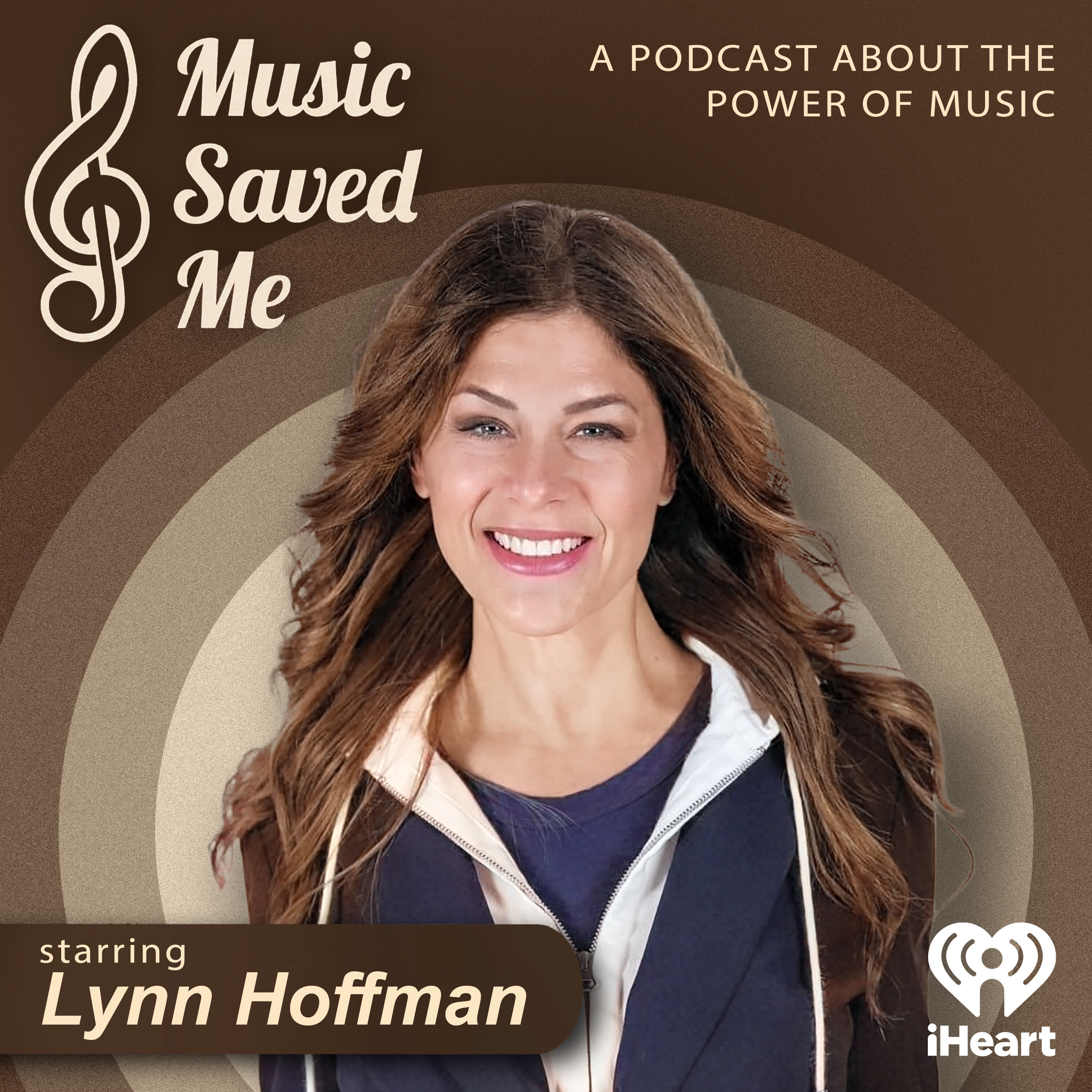
Takin' A Walk - Music History with Buzz Knight
Raine Maida from Our Lady Peace:: Transforming Pain into Healing Through Music and Emotional Resilience
00:31:40
Loading summary
Transcript137 lines
- [00:00]
Lynne Hoffman
Music Saved Me. I'm Lynne Hoffman, and today on Music Saved Me, we are sitting down with Rain Maida, the voice behind Our Lady Peace, and a man who spent three decades turning pain into poetry, anxiety into anthems, and personal struggle into songs that have saved countless others. From the raw intensity of Naveed to becoming one of Canada's most passionate advocates for change. Rainn hasn't just survived the music industry. He's used music to survive, period. But before we jump in with Rainn, if you're loving these conversations about music and how it heals and rescues and transforms lives, first, thank you so much. And second, would you do us a favor and open up the Apple podcast app and leave us a five star rating and review? It would be so awesome. It takes like 30 seconds and it helps us reach more people who need to hear these stories. And I'm serious when I say that your review could be the reason that someone, even just one person, discovers the song or the story that saves them. And that's why we're doing this. All right, buckle up. Get ready for the wonderfully honest, beautifully vulnerable, and maybe a little clumsy, because that's where the real magic happens. Rain Maida. He's here. And he's next on Music Save Me. Don't go anywhere.
- [01:20]
Tide Advertiser
This is an iHeart podcast. Guaranteed Human. Did you know Tide has been upgraded to provide an even better clean in cold water. Tide is specifically designed to fight any stain you throw at it, even in cold butter. Yep. Chocolate ice cream. Sure thing. Barbecue sauce. Tide's got you covered. You don't need to use warm water. Additionally, Tide pods let you confidently fight tough stains with new coldzyme technology. Just remember, if it's gotta be clean, it's gotta be Tide.
- [01:54]
IBM Advertiser
So let me get this straight. Your company has data here, there and everywhere, but your AI can't use the data because it's here, there and everywhere? Seems like something's missing. Every business has unique data. IBM helps your AI access your data wherever it lives. To change how you do business, let's create smarter business IBM.
- [02:22]
Sprite Advertiser
The holidays are already in full swing. The lights are up. You got good people, good food and good vibes. And there to help keep that energy going is Sprite Winter spice Cranberry with that crisp cranberry flavor with a smooth winter spice twist. It's the drink that livens up game nights, gift exchanges, or just catching up in the kitchen with a burst of holiday flavor. It's a seasonal favorite, but it's only here for a limited time, so grab it While you can Sprite Winter spice Cranberry Sprite, obey your thirst.
- [02:54]
TJ Maxx / Unrivaled Basketball Advertiser
Making the holidays magical for everyone on your list.
- [02:57]
Tide Advertiser
It's no small feat, but with TJ Maxx, your magic multiplies with quality finds. Arriving daily through Christmas Eve, you'll save.
- [03:05]
TJ Maxx / Unrivaled Basketball Advertiser
On luxe cashmere, the latest tech toys and more.
- [03:09]
Tide Advertiser
So you can check off every name on your list and treat yourself to.
- [03:13]
Rainn Maida
A holiday look that'll turn heads.
- [03:15]
TJ Maxx / Unrivaled Basketball Advertiser
Now you know where to go to make all that holiday magic.
- [03:18]
Lynne Hoffman
It's T. T.J. maxx.
- [03:19]
Tide Advertiser
Of course, it's shaping up to be a very magical holiday season Two of.
- [03:24]
TJ Maxx / Unrivaled Basketball Advertiser
Unrivaled basketball is here, and the talent is unreal. The best women's players on the planet are running it back with even bigger moments and bigger stakes. Don't miss as Paige Beckers, Nafiza Collier, Kelsey Plumb, Brianna Stewart and more take the court and redefine the game. This isn't your regular season. This is unrivaled, where the pace is faster, the energy is higher, and every athlete shines. Unrivaled basketball. Season 2, sponsored by Samsung Galaxy, tips off January 5 on TNT, TruTV and HBO. Max.
- [03:56]
Lynne Hoffman
Music saved me. Growing up in Western Ontario, what was your first meaningful connection to music? And was there a specific, like, aha moment when you realized that music could be more than just entertainment and fun?
- [04:10]
Rainn Maida
Yeah, I mean, that's a great question. I. It's funny, like, my first concert ever was van Halen in 1984, on that 1984 tour. And it was wild. Like, it was. I got hot. You know, it was the first time I'd been to a rock and roll concert like that in an arena. You know, there was a lot of pot smoking going on. So I got like, secondary high. The show was phenomenal. Like, David Lee Roth had his knives and he's jumping around on stage. It was. It was so entertaining that I walked away. I was like, oh, my goodness, I never knew. I never knew V. And Van Halen was kind of that kind of band. But then about, I think about six weeks later, I saw Peter Gabriel and it was so different. You know, it was like this. It was as musical, but it was. It wasn't entertainment. It was. I don't. And I don't want to say it was serious, but he spoke about, like, Amnesty International and he spoke about Greenpeace, and he talked about just things that really mattered to him personally. And with, like, this really amazing global view that it really made this difference to me in terms of there is entertainment which is Amazing, because I love Van Halen, but there also was this more kind of like, consciousness towards music that could, could. Not that it was preachy, but it, it was like you could have this platform as well that went beyond music. And so that was kind of like a aha moment for me, for sure.
- [05:41]
Lynne Hoffman
Yeah. I, I actually didn't ever see him back then, but more recently, he did the show in the round, Peter Gabriel. And that was, like, incredible. He's, he makes you think, like you said.
- [05:53]
Rainn Maida
Yeah, yeah, he's just like. Yeah, he's just this figure that really transformed me in whatever. The two and a half hours that he played. I walked out of there, literally. Like, I walked out of Van Halen, like, with a smile on my face.
- [06:06]
Lynne Hoffman
Contact high.
- [06:07]
Rainn Maida
Yeah, contact high. And, and, and the show was incredible. But with Peter Gabriel, I felt like, oh, I think I found some purpose.
- [06:15]
Lynne Hoffman
That's cool. That's a great story, because a lot of people would explain more something they heard at their home or watched on tv, but you were actually there. It hit you when you were at a show before our lady piece took off. What, what were you going through personally that made music feel like a lifeline rather than maybe just a passion of yours?
- [06:34]
Rainn Maida
Yeah, I mean, I, I, I, I don't know if I've ever told this story. My wife and I have a book coming out, and I, I tell it in, in the book where I just. My parents had gotten divorced and I was sent away to school, and I hated the school, and I was really struggling, but I had, I had all these CDs with me, and it was Peter Gabriel and it was Springsteen and it was the Stones and Neil Young and Rush exit stage left and, and just, you know, a box of CDs. So at night I was able to, like, just dive into music. And it was like early U2 and REM and I just. That became my religion. And it really, it really became something was like, we all love those bands and those records, but the idea of the lyric for me and a bunch of those artists became, Became religion and really started to make me feel like, you know what this is, Because I always loved creative writing growing up, but I wasn't gonna, like, be a poet. And I want, you know, I know, didn't know if I was going to be a writer, but listening to those lyrics, I felt like, okay, this is, this is something where I can direct, like, my feelings and my emotions, express myself. And music felt like, wow, this could be, like, a viable thing where I could really tell my story. Which was interesting.
- [07:53]
Lynne Hoffman
Yeah. And it could be a slippery slope as well, because if you do what you love for a living, there's that fine line you walk of like ruining the love of it, you know, because it's work.
- [08:07]
Rainn Maida
Yeah, yeah, I know. I agree. You're right. You're right for sure.
- [08:11]
Lynne Hoffman
Not taking anything away from it, but it was always the worry. I think everyone I know who was in music, they were always concerned that if they made it their full time job, that they would hate it and it would ruin it for them. My brother being one of them and so talented. I used to always try to get him. Ah, come on. You could do this. But I understand that.
- [08:31]
Rainn Maida
Yeah. I mean, that's interesting. I would just say one thing, Lynn. For me, it was like when I finally tapped into it, I don't think there was anything else I could do. Like, I think that became. It was such a pull to me in terms of this is like. And, you know, and not to be cliche, but it was like saving me. So I just felt like that was. That was the. That was the. The path that was going to be my journey, like successful or not. I was going to go down that path.
- [08:57]
Lynne Hoffman
Yeah. It spoke to you, Your stage name, Rain. Your real name is Mike, but it became your identity.
- [09:03]
Rainn Maida
Yeah. My full name is Michael Rain Anthony Mehta.
- [09:06]
Lynne Hoffman
Oh.
- [09:06]
Rainn Maida
So I, Yeah, I chose Rain just because it was like this. It was that period in my life felt like. And I know tons of people's parents get divorced, but it felt like it had this profound effect on me. And then being away from everything that it was just like I really transitioned into, not an adult, but more of an artist in. In the sense of like that whole thing I described in terms of finding this deep connection with music and then really deciding. And I'll straight up, like, against a lot of people's wishes, I got kicked out of that school because of music. You know, I don't think my dad today still thinks I'm going into like the family business, God bless him.
- [09:48]
Lynne Hoffman
But he's still thinking, one day you're gonna change.
- [09:51]
Rainn Maida
Yeah. Yeah.
- [09:52]
Lynne Hoffman
That's so funny.
- [09:53]
Rainn Maida
But it's. It's one of those things where, yeah, it really allowed me to, like, okay, put a seriousness of what I'm doing and saying, hey, like, I am. I am transformed. And so that was part of the whole journey.
- [10:05]
Lynne Hoffman
Did it make it easier for you to express yourself?
- [10:08]
Rainn Maida
I think so.
- [10:09]
Lynne Hoffman
Being kind of open and stuff?
- [10:10]
Rainn Maida
Yeah, yeah, yeah. I think like that it was kind of. It sounds like I almost Sound corny, but it felt like this rebirth. Because before that, like most teenagers, we're all struggling to figure out what our purpose is and what we're going to do. But that period for me was. It was just profound. And like I said, I just went all in on every front.
- [10:32]
Lynne Hoffman
Yeah, I feel like you and I are right around the same age, too, because all the song. All the albums you mentioned, and you were in your. I think, in 94 when you released Naveed. You were in your early 20s, and I was as well. Was there something that you were trying to work out or, you know, escape from when you wrote some of those early songs?
- [10:50]
Rainn Maida
Yeah, you know, some of those songs really came back from, like, my late years in high school and my first years, and I was in college in Toronto while we were forming the band. So it was really like. It was. It was about that whole time period, you know, it was about that kind of, like, transformation that I was going through. Definitely, you know, songs like Starseed, Transcendental meditation, Trying to find myself through these. Through these different modes of, like, not. I don't want to say escape in, like, a terrible way, but. But really there was some sort of escape there. And I studied martial arts growing up as well, so a lot of. Kind of the Eastern methods, some of the breathing techniques and all that stuff, it just felt nave. Was probably, to be honest, like one of those most. The most spiritual albums we had, because it really felt like that exploration, you know, when you're just starting to explore things, they're so front of mind.
- [11:48]
Lynne Hoffman
Yeah.
- [11:49]
Rainn Maida
And then they become part of your daily practice and you don't really think of them the same. But, yeah, it was this great kind of, like, intersection of music and spirituality for me, and really turning into adult, getting out on my own. Like, you know, I was out on the road and I was my own person for the first time.
- [12:07]
Lynne Hoffman
How did you get it? How did you turn your inspiration and moment of realization for what you wanted to do with your life into actual practical work?
- [12:18]
Rainn Maida
I think it's doing the work. I think, you know, one thing for me was I never wanted to do cover songs, so it was always about. And now I love doing them. But back in the day, I was like, no, that's not what I'm about. It's about finding that originality within myself. And that was. That was a fascinating journey. Just. Just that in itself, just trying to, you know, find your own identity was really critical for me. And I think that's what brought a lot of the experimentation on Other fronts, Yeah.
- [12:49]
Lynne Hoffman
I mean, that's hard to do. I mean, experimenting when you don't even know if you're gonna be successful in the beginning. And then when you are successful, how do you continue to do and, you know, write the songs and, you know, sell the albums and move forward? That takes a lot.
- [13:08]
Rainn Maida
Yeah. I think that's when it gets tricky. I think that when I look back on it like that early, those early days, because we'd kind of written some in the V before we got a record deal, that's the best moment. Because you don't know anything about the business. I didn't really know. I was so naive as, like, even a songwriter and. And recording. Like, we, you know, we would. We paid an engineer. A friend of mine had a studio, but it was like a real studio. We couldn't afford to go in during the day because those rates were too high. So we convinced the engineer, hey, like, when that session leaves at, like, 11, can we load in at 1am and work till 8am? And so that was the way we started recording. Naveed. Luckily, we got a record deal, so we'd have to finish the album doing like that because it was brutal, you know. Yeah. But I do look back on it fondly because I. We didn't know anything. And that's the best. It was really. You're just writing music. I was trying to speak my mind through lyrics and melodies and not really caring if everyone ever heard it, was really just about, hey, did we all feel that? Did it kind of when we, you know, either recorded it or when we were jamming it out, did it kind of make the hair on the back of your neck stand up? And that was the only barometer for, like, success at that point. Then you have some success and now things change.
- [14:21]
Lynne Hoffman
Right, Right, right. Well, songs like Clumsy and Superman's Dead, I mean, that resonated with millions of people. Were you kind of surprised that all of this personal stuff, I mean, after you make. Create this art and you put it out there for people to listen to and it resonates with them so much. Is that a surprising thing to you at that time? You know, when people out there really are receptive?
- [14:45]
Rainn Maida
Yeah. I mean, I think, you know, you have this. There's this amazing moment in art where you write something like, I remember I wrote 4am which became a big song for us, even though it was never really a single, like, the. It just happened. And. But, you know, you're like, oh, there's something here that I really feel strongly about. I Gotta imagine, like, other people will as well. But you never want to say that out loud.
- [15:11]
Lynne Hoffman
Right.
- [15:11]
Rainn Maida
I like, you know, if. Especially if you have any sense of humility. And I think with Clumsy, there was something there as well. Just in terms of man. There's this. Feels like really easy and good. We really think people will feel the same. And it was true. And. And I've spent some songs along the way where you have those instincts. Again, I've been wrong as well. But for the most part, you know, it usually translates.
- [15:38]
Tide Advertiser
Did it.
- [15:39]
Lynne Hoffman
Did it change how you looked at being vulnerable in music?
- [15:43]
Sprite Advertiser
Yeah.
- [15:44]
Rainn Maida
4:00Am was really that song because I. I wrote it specifically about my dad. And I remember I was worried about a showing it to the band. And then I did that. I demoed it up. I went in early in the studio one morning with the engineer and demoed it myself. Presented to the band that afternoon. They all loved it. But then I got this other, like, thing, like, do I really want to. Like, how am I going to explain this to my dad? Because I'm actually, like, calling him out on some things and blaming him for some stuff. And I was like, that's not cool. But for whatever reason, I decided to. To. To have it go on the album on. On Clumsy. And it. I think it realized in me this. This idea of that vulnerability is what really. That's when you really connect with people. Like when you can show that. So kind of set the bar for everything else.
- [16:31]
Lynne Hoffman
Yeah. Being vulnerable and. And being a guy too. That's another.
- [16:35]
Rainn Maida
Right, Right.
- [16:36]
Lynne Hoffman
Yeah.
- [16:36]
Rainn Maida
And especially at that time, like, a lot of the artists that were out felt like everyone was angry, which was. Right. Which was important as well. But that album was not angry. It was what you said. It was much more vulnerable. Introspective.
- [16:49]
Lynne Hoffman
Yeah. Amazing album. The music industry is, like, incredibly demanding and that's being nice. Were there moments during Our Lady Pieces peak where music became a problem instead of a solution? Did that ever happen? And how did you navigate that? I mean, being with a band is like being in a marriage almost.
- [17:13]
Rainn Maida
Yeah. And being in the business adds another element that is really. Can be destructive. I think it was for us. Clumsy did really well. We had a bunch of signals and, like, the touring was off the charts and we were traveling all around the world. And then the expectation is to do it again. And we've. Clumsy is very different than Naveed. And then we've just never been that band that are not like a rinse and repeat band. Like, it's always about this experimentation and trying to get away from what we just did. So we feel fulfilled creatively and especially me as a songwriter, like repeating myself. I'm like, it was cringy to me to do that where I think a lot of smart artists have done that and been super successful. That wasn't our thing. And so, yeah, we definitely had moments with the record company where they were expecting us to repeat Clumsy and it wasn't. And the next two records were, were far away from that. And so we got back, went to Maui and recorded a record called Gravity with Bob Rock. Back to like the clumsy success, basically, if you want to call it that. But then again, the next record after Gravity, after like huge signals, like somewhere out there, was totally different again. So we've not been the best at navigating the business, I would say.
- [18:26]
Lynne Hoffman
In that front, did it ever cause any issues with the band members or did you all kind of keep it together and stay on the same page?
- [18:34]
Rainn Maida
Yeah, I mean, you have to ask those guys. I, I think for the most part my perception is like, we went in it together as a band and we're basically on the same page. You know, I think that's great. Yeah, I think when, you know, when things don't do as well as the record before that everyone second guesses stuff. And we had those conversations. But I don't think anyone has any regrets because I think the career arc for us is something we're all really proud of.
- [19:00]
Rob Gronkowski
We'll be right back with more of the music Save Me podcast.
- [19:07]
IBM Advertiser
So let me get this straight. Your company has data here, there and everywhere, but your AI can't use the data because it's here, there and everywhere? Seems like something is missing. Every business has unique data. IBM helps your AI access your data wherever it lives. To change how you do business, let's create smarter business. IBM.
- [19:36]
TJ Maxx / Unrivaled Basketball Advertiser
Season two of unrivaled basketball is here and the talent is unreal. Paige Beckers, Nafiza Collier, Kelsey Plumb, Brianna Stewart and more are back to redefine the game. Unrivaled basketball basketball season two, sponsored by Samsung Galaxy tips off January 5th on TNT, TruTV and HBO Max.
- [19:51]
Rob Gronkowski
This is Rob Gronkowski from Dudes on Dudes with Gronk and Jules. Sunday mornings are sacred. I've got my game day routine, coffee jersey laid out and my lucky playlist. But the real game changer, new morning uncrustables sandwiches.
- [20:09]
Julian Edelman
I've always loved uncrustable sandwiches and now I'm all about the new flavors with 12 grams of protein. Bright eyed Berry or up an apple. Bright eyed berries got that flashy, finesse vibe like your favorite slot receiver.
- [20:26]
Rob Gronkowski
Up an apple. Tough and reliable like a do it all tight end.
- [20:31]
Julian Edelman
And players love them. Did you know teams crush over 80,000 uncrustable sandwiches a year? They know it's good.
- [20:38]
Rob Gronkowski
It's a snack that can go with you anywhere from the couch to the tailgate or even in the locker room. Soft bread, Yummy fillings. Protein packed. Once it's part of your ritual, you don't skip it.
- [20:52]
Julian Edelman
Easy enough for Gronk to grab straight from the freezer.
- [20:56]
Rob Gronkowski
Your new Sunday kickoff ritual starts here with the new morning Uncrustable sandwiches packed with 12 grams of protein.
- [21:06]
Tide Advertiser
Stay cozy, stay home and save big online during Lowe's December deal drops because honestly, why go anywhere when the deals come to you? Check this out. Lowe's is going to give you two free select tools from dewalt, Craftsman or Cobalt when you buy a select battery or combo kit. Yep, two tools free. It's basically a holiday miracle. Plus rewards members get free standard shipping all month long. Yet another reason not to leave your couch. Kick back, click around, let the savings roll in. Shop New December deal drops on lowe's.com every week this month. Fresh deals, cozy vibes, zero effort.
- [21:42]
Rainn Maida
I'm here with Spinquest where you can.
- [21:44]
Julian Edelman
Play and win from the comfort of your own home with hundreds of slot games and all of the table games you love with real cash prizes. Right now, thirty dollar coin packs are on sale for $10. For new users, it's all@spinquest.com that's S.
- [22:01]
Rainn Maida
P I N Q U-E-S-T.com SpinQuest is a free to play social casino void where prohibited. Visit spinquest.com for more details.
- [22:15]
Rob Gronkowski
Welcome back to the Music Saved Me podcast.
- [22:19]
Lynne Hoffman
When you're in a dark place or, you know, not so happy, does the creative process help you work through it? Or do you have to get past it, solve it, and then write about it? Just curious.
- [22:31]
Rainn Maida
Yeah, that's a great question. I. I've never written a song when I'm happy. I just don't feel, I don't know, like it. It, it's, it's. It's something about, like you just said, exploring something like turmoil or just something you're curious about in your mind that makes me want to pick up a guitar or sit at the piano. Um, and that's the way it's just always been.
- [22:53]
Lynne Hoffman
Gosh, it's so much better. I mean, when you get upset about something or you're in a bad place. It would be. It's so much safer to pick up a guitar, sit in front of a piano.
- [23:01]
Rainn Maida
A lot cheaper than probably destructive. Yes.
- [23:04]
Lynne Hoffman
Now, speaking of working with your band earlier, you are married to a woman that I've actually had the pleasure of interviewing back in my radio days, Chantal Kreviasic. Beautiful on multiple levels. Now, how has a creative partner. Having a creative partner is truly, you know, she understands the therapeutic power and the healing power of music and how it's impacted your life. And I. How did. Number one, how does that work? And number two, was that a cohesive question? And the other thing is, in 2019, I read that you. You two put out a. I'm so fascinated by this, by the way you put out a documentary called I'm Going to Break youk Heart in 2019. I've often thought about. I've been married a while to a creative partner as well. We're both in the business, and I always thought, you know, what if we did something like that? Just to share how we make this work? Because it's not a cakewalk. Life isn't. You know, so those are. It was kind of two questions. One, how is work working with your wife who, you know, having someone who understands all of this business. But also, what was that like putting out that documentary?
- [24:23]
Rainn Maida
Yeah, I mean, she's super creative, and she's a. She has her own career as an artist, but she's also, like, a top songwriter. She's written for, like, Drake and Kendrick and Gwen and Brittany and all these people over the years. So that part of it is always interesting because it's just inspiration. Right. When I hear working something that's way outside of even what I ever do, you can't help but be curious about that just in terms of, like, seeing stuff from. Instead, like, it's one thing hearing something in radio and be like, wow, that's amazing. Seeing stuff being conceived. Like, here she's sitting at the piano one day, maybe I'm walking around on a call and I hear something ends up being on a Drake album. You're like, oh, my God. Like, that's. That's something you can't pay for. And to, you know, it's just a privilege to be in the room for that stuff. But we started to think about, okay, we do a lot of charity stuff together. And we were on stages and we kind of, like, do each other's songs. And we finally said, hey, we should just at least write a few songs together. So when we do those things. We have something that we can say. This is ours. We wrote a song called I'm gonna break your heart, and it was like. It just poured out of us one night at, like, 2 in the morning. Our kids were asleep, our dogs were like, chill. And the song just came out. I was like, oh, my God. This is, like, one of the favorite things I've ever been involved in. We have to, like, actually make a record now. And we tried for a couple of years, and it just never happened. We just figured, hey, even if we get together like this once a week for the next few months, we'll get a record done. And nothing. Just because it's crazy. Our careers and kids and travel and stuff. And so a friend of ours who's a filmmaker here in L. A. Was just like, look, I've been watching you guys struggle. I know you guys. She's a dear friend. She said, the only way this is going to happen is if you get out of L. A, go somewhere remote, leave the kids, and just, like, commit to, like, two or three weeks writing without any distractions. And she was right. So we went to this little island. It's actually owned by France, but it's off the coast of Canada. And she said, bring a little film crew. You should document this. It could be really special. So we did. Yeah, so we did that. And then when we brought. We came back and we recorded the record at Rick Rubin's studio here in Malibu called Shangri La. But when we started looking at the recording of all the footage, it was like, you get to see how these songs are born, but the reality is, like, not every. It wasn't like, hey, hon, let's write a song, and it just comes out. It was like, typically, we were away from our kids. We're on this little island in January. It was freezing. Everybody from that island left when we arrived to go to Nice for the winter. They don't want to be there. So, like, there was only two restaurants open, like, one bakery. And we're in this little hotel room. We're like, oh, my God, this is the next month. What are we going to. You know, how are we going to get through this? So there was some emotional, like, some fights and, like, reconnecting as well. We'd never been away like that by ourselves since we had kids, so it was heavy. And we were looking back at the footage, like, we can't just show the song finished without showing what the backstory was. And sometimes the backstory is like, we got in a fight and we had to work it out. And we had cameras there, and I didn't even pay attention to them, but just felt like that was the most authentic thing. So the. The. The documentary really became more about a couple trying to come kind of connect creatively, but, like, what is the other going on? And I was cool. I don't think, like, that was five years earlier. I might not have been in the same place where I was like, I can show that part of me. I think Chantal is much easier with that. But I don't know. I was in a place where I was like, this is really, like, Bowie always said, you know, you have to be courageous to make real art. I felt like for this to be art, we had to show that other side of it, which wasn't pretty, like, was pretty sometimes brutal. Like, even looking back on it now, I'm like, oh, my God, I sound like such a.
- [28:10]
Lynne Hoffman
It's hard. But you say you end up creating things out of that.
- [28:14]
Rainn Maida
Yeah. That tension.
- [28:15]
Lynne Hoffman
Just talking earlier.
- [28:16]
Rainn Maida
Yeah. Yeah. So I think we did something really special, and the documentary has been amazing. Like I said, we have a book coming out in May that's based on the same stuff. Because we had so many people say, hey, can you guys do a podcast or. Or something to keep this conversation going? Because it really normalized what couples go through. Like, seeing you guys go through the same kind of stuff.
- [28:36]
Lynne Hoffman
Yeah.
- [28:36]
Rainn Maida
Where some of those fights were, like, so petty and dumb. And how. Get through it. We also have a therapist up in Sonoma county here in Northern California that is an amazing. More of a coach, like a marriage coach. And so we. He's in the doc as well, and he gives, like, really great advice and these nuggets of gold on how to, like, work through stuff as. As partners that have been together for a minute.
- [28:58]
Lynne Hoffman
It's so awesome that you did that. You're my hero. Both you and Chantal. Please tell her I said thank you. Because that's it.
- [29:06]
Sprite Advertiser
Really.
- [29:06]
Lynne Hoffman
It. We. By talking about stuff, people go, oh, I didn't know that someone else tells. Even just simple stuff, like sibling things. You know how many people I've run into who say, you know, they don't talk to a sister or a brother, and it's not anything major. It's just that they're not the same type of people, but yet all their friends are best friends with their siblings, and you feel weird and an outcast, and then you. All of a sudden, you realize that's not the case. There's a lot of people in that situation.
- [29:36]
Rainn Maida
Yeah, well, we learn, really. And we've been working with this guy. His name's Dr. John Gray. Not the. And not the doctor. Like, Mars or men are from Mars or women for Venus, guys.
- [29:45]
Lynne Hoffman
Oh, yeah, yeah.
- [29:46]
Rainn Maida
He's like, our Dr. John Gray is like, a Stanford neurologist guy that runs marriage coaching up in Sonoma, like I said. But he. It's just communication skills. Right? It's just learning. It's learning how to, like, mirror your partner, how to, like, actually hear them, how to mirror that back. And, yeah, he's got some amazing things that we learned and. And put into practice, and. Yeah, it's pretty. Pretty incredible.
- [30:12]
Lynne Hoffman
Well, thank you for that. Has there ever been a song that you wrote you felt was too personal to release? And. And how do you decide what gets released and what doesn't?
- [30:20]
Rainn Maida
Well, there's a couple things that we have that Chantel and I have on this next album we're making where it's really. Yeah, super personal. But again, I think, like, there's an arc to, like, an artist's journey, and I think, like, becoming more comfortable in your own skin. I, like, I. I'm happy to release those things now. I'm happy to. I think the world needs that. And as an artist, that's the only way to be original is to tell your story, you know? So if you're kind of hiding behind, like, cliche phrases and stuff, I mean, that's just so boring.
- [30:54]
Lynne Hoffman
Or someone else's story.
- [30:55]
Rainn Maida
Yeah, exactly.
- [30:56]
Lynne Hoffman
Observational.
- [30:56]
Rainn Maida
Yeah. Yeah.
- [30:57]
Lynne Hoffman
Is there a song of yours or someone else's that you return to when you need to be reminded to be okay with yourself?
- [31:04]
Rainn Maida
Yeah. I mean, there's a song that we wrote on. On that documentary. It's called I Can Change. And, like, we. You see the fight. You see, like, the tension, and Chantal just starts playing this, like you said. She starts playing this piano riff just because she's sad and, like, that's how she's dealing with it. I hear it. I'm like, oh, my God, that riff's amazing. She was like, I'm not writing this for a song. I'm writing it just to, like, his therapy. I was like, no, no, that's an amazing riff. Then I started writing lyrics and melodies, and we write this whole song we recorded in the hotel room. That's what's on the album. That song is, like, so pure, and just that message of I can change is such a big deal because it's just a reminder. So that's. That's a song I. When we When Chantel and I play live, when we play that song, it's just. It is like. I know. It's like holding a mirror to yourself.
- [31:56]
Lynne Hoffman
Like, and a release, too, probably, for a lot of people hearing it, you know, as an example.
- [32:02]
Rainn Maida
Yeah. And I think. I think the idea that, you know, when people think about changing, it's like, oh, I gotta change everything. This song's more about just little incremental changes and how. How effective that can be, how much of a difference that can make.
- [32:14]
Lynne Hoffman
It's huge. Do you have advice for anyone looking to use music to heal the best way?
- [32:20]
Rainn Maida
Oh, my God. I mean, I. I think we all do that on a daily basis. And. And again, it can be just fun music or it can be stuff that takes you down that rabbit hole of darkness, but somehow leads you again. Jeff Buckley does that so well in grace, and it's sad that we don't have him around, but that record just had, like. It's heavy. You know, it's just like. There's a lot of. Feels like, loss on all these songs, but there's something that's so spiritual about it that it feels good in a. In a weird way. And I think that's. I realize this over Covid. It's like when everyone was locked up in their homes, we all binged, like, Netflix and Hulu and prime and all that stuff. And it was all these new shows, you know. But the music I went back to, and I've had this conversation, a lot of people I went back to, like, Neil Young Records, I couldn't listen to new music. And it was. It was because music was the. In that time of, like, social, political disarray, music was a comfort. And so that's. That's where I realized how, like, man, do we kind of disvalue music? Like, it is that. It is that healing force in our lives, you know, it is.
- [33:28]
Lynne Hoffman
It's so super powerful. I've actually interviewed some doctors, some prominent doctors who are using it to help people, you know, stroke victims and not just people terminally who need to be uplifted, but literally, like, helping them to regain walking again.
- [33:46]
Rainn Maida
Yeah, stuff. Yeah.
- [33:47]
Lynne Hoffman
It's.
- [33:48]
Rainn Maida
You see with, like, Alzheimer's patients as well, like, music from their. Their childhood or. Or in their past. Like, that's the only thing they connect with that. The only thing that kind of awakens them. So it's just like there's something neurological, obviously. Obviously, there's stuff within, like, the, you know, frequencies and everything. But like you said, there's a science to it. And there's just an emotional equation that is so special.
- [34:14]
Lynne Hoffman
Rain, I know you are short on time, but I want. I have two more quick things to ask you before I let you go. First, is there. I know you and your wife are involved in important causes. Is there anything that you'd like to talk about and let people know about that you're working on, that you're passionate about outside of music?
- [34:35]
Rainn Maida
Yeah, I mean, we're big supporters of an organization called War Child. I just came back from Afghanistan a couple weeks ago and just to see their work on the ground that they do, you know, helping more affected children that really have no responsibility for the wars that are going on in their countries or cities or towns. It's. It's pretty special. And with war child, like, 97% of every dollar donated goes to the programs as opposed to some other charities that. That just don't operate that way. So we're huge advocates for them and they're very music oriented. So anyone that's looking for stuff to support War Child, something. Something worth looking in for. Sure.
- [35:12]
Lynne Hoffman
My last question, and thank you for that. It's a. It's amazing. You. You give so much just through your music and your creativity and your. All the stuff that you share. And then above and beyond that, you also use your. Your platform for so many other good things. So. So thank you for that. And after 30 years, I know it sounds crazy, doesn't it, considering making music? Does music still save you in the.
- [35:37]
Rainn Maida
Same way every day? Every day. I mean, I. I'm always. And I think it's. It's a very holistic, like, quote, unquote saving, because it keeps my mind turning. It keeps me feeling youthful because I'm always writing. And I think just. Just the fact that you're always kind of like dipping into your own brain, seeing what's coming out, seeing what you want to say. And then on the other side of it, I love. I don't get to drive much because I'm always usually on planes or buses. So when I get to actually drive a car and set up a playlist, that is like, so spiritual for me because I just get to get lost in albums that I love, you know, and so, man, I can't wait. I'm. I actually. I fly tonight to Toronto from L. A and I get to drive for four hours to Detroit from Toronto for an OLP show. That drive will be magical because I, you know, I'll listen to, like, Grace and I'll listen to, like, maybe, you know, the Joshua Tree, you know, and maybe I'll listen to a couple new records, but it's just that, like that that's it right there that it'll that four hours will get me through the next four weeks.
- [36:52]
Lynne Hoffman
And you don't drive a lot and you're getting lost in music. So what road are you going to be on that we shouldn't be driving on? Are you a good driver?
- [37:01]
Rainn Maida
I'm a good driver.
- [37:03]
Lynne Hoffman
Rain Maida, thank you so much for spending time with us on music. Save me and sharing your story. And thank you for everything that you do. You and your wife, you're a wonderful team and I, I hope our paths cross again. Thank you for sharing your story.
- [37:15]
Rainn Maida
Oh, thanks, Lynn. My, my pleasure.
- [37:20]
Sprite Advertiser
Thursday Night Football is on. And it's only on Prime Video.
- [37:24]
Rainn Maida
Brilliant. Just brilliant.
- [37:26]
Sprite Advertiser
This week the west coast action heats up when the Rams meet the Seahawks in a huge divisional showdown. Coverage begins at 7pm Eastern with Football's Best Party TNF tonight presented by Verizon. And don't miss the Broncos and Chiefs on Christmas night. It's Thursday Night Football only on Prime Video. Not a Prime member, Not a problem. Simply sign up for a 30 day free trial. Restrictions apply. See Amazon.com amazonprime for details.
- [37:50]
TJ Maxx / Unrivaled Basketball Advertiser
Season 2 of unrivaled basketball is here and the talent is unreal. Paige Beckers, Nafiza Collier, Kelsey Plumb, Brianna Stewart and more are back to redefine the game. Unrivaled basketball season two sponsored by Samsung Galaxy tips off January 5th on TNT, TruTV and HBO. Max.
- [38:06]
Rob Gronkowski
Amazon Five Star Theater presents Real customer reviews performed by Ed Helms. Tonight's Review Tactical Jacket I was living a simple life. Didn't get out much. Then I bought this jacket and everything changed. Women came flocking to me from lands domestic and foreign. On the 245 day sailboat voyage home, I was attacked by a shark. I knew it was the jacket he was after giving up the jacket in exchange for my life. 5 stars Amazon Customer 69 Shop the perfect gift this holiday on Amazon.
- [38:47]
Julian Edelman
This is Julian Edelman from Dudes on Dudes with Gronk and Jewels. Sunday mornings I've got my game day ritual. Coffee, lucky socks and now new morning Uncrustable sandwiches.
- [39:00]
Rob Gronkowski
It's all about that 12 gram protein boost with the new Uncrustables. Bright eyed berry or up and apple flavors.
- [39:09]
Julian Edelman
Bright Eye Berries got a feisty receiver.
- [39:13]
Rob Gronkowski
Energy up an apple. Your classic do it all tight end.
- [39:18]
Julian Edelman
Soft, pillowy, packed with protein and easy enough for Gronk to grab from the freezer.
- [39:25]
Rob Gronkowski
Whether you're on the couch, driving to the tailgate, or heading to the locker room, New Morning Uncrustable sandwiches are the MVP of snacks.
- [39:37]
Julian Edelman
Your new Sunday kickoff ritual starts here with new morning uncrustable sandwiches packed with 12 grams of protein.
- [39:50]
Lynne Hoffman
Janice Torres here, and I'm Austin Hankwitz.
- [39:52]
Rainn Maida
We host the podcast Mind the Business, Small Business Success Stories, produced by Ruby Studio in partnership with Intuit QuickBooks.
- [39:59]
Tide Advertiser
We're back for season four to talk to some incredible small business owners.
- [40:03]
Rainn Maida
The big thing about working at tech.
- [40:04]
Sprite Advertiser
Is that it's ever evolving, ever changing. Everyone's a rookie. That's how fast the industry is changing. So what I'm really excited about is to be part of that change.
- [40:11]
Rainn Maida
So listen on the iHeartRadio app, Apple Podcasts, or wherever you get your podcasts.
- [40:18]
Tide Advertiser
This is an iHeart podcast. Guaranteed Human.