Podcast
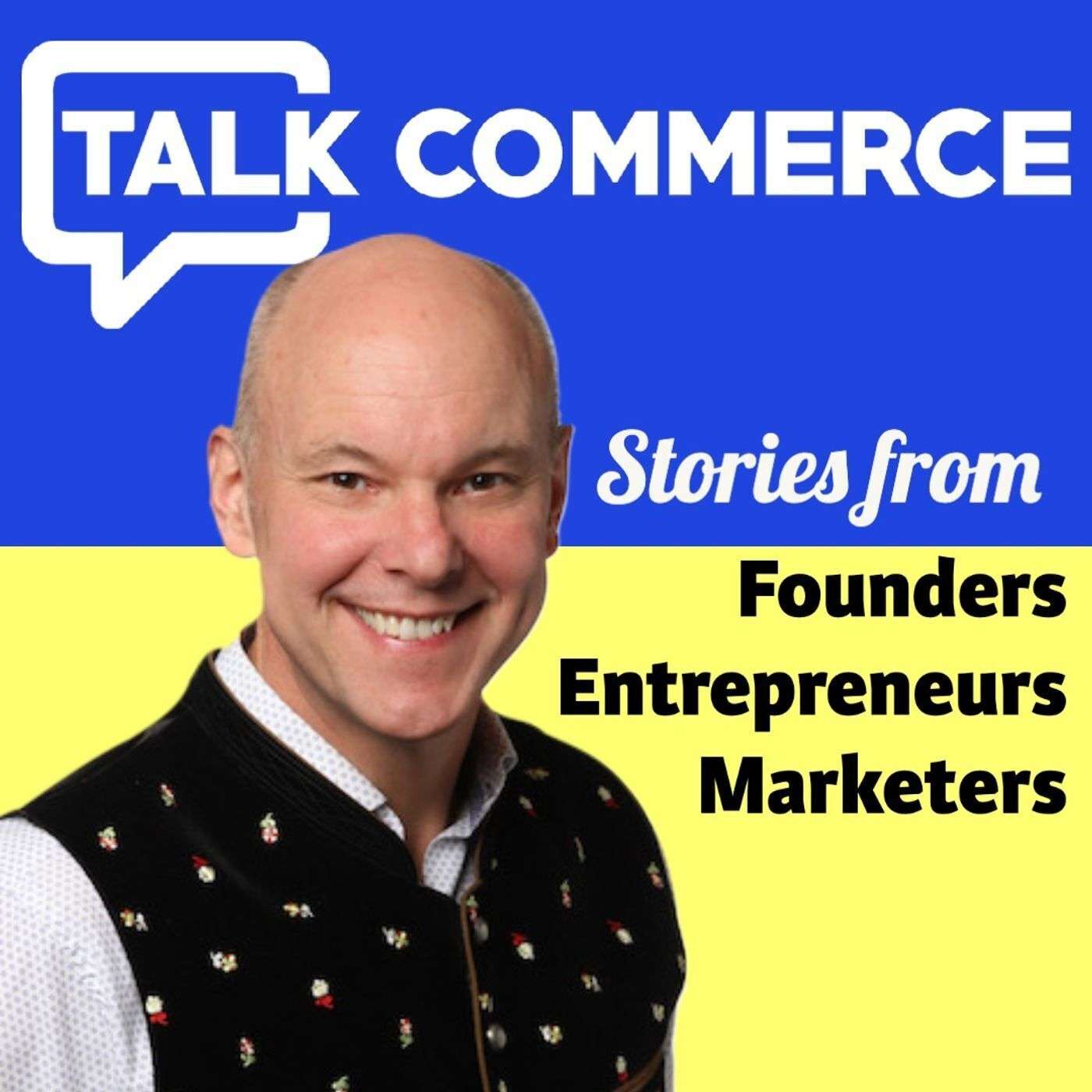
Talk Commerce
Hosted by Brent W. Peterson · EN
If you are seeking new ways to increase your ROI on marketing with your commerce platform, or you may be an entrepreneur who wants to grow your team and be more efficient with your online business.
Talk Commerce with Brent W. Peterson draws stories from merchants, marketers, and entrepreneurs who share their experiences in the trenches to help you learn what works and what may not in your business.
Keep up with the current news on commerce platforms, marketing trends, and what is new in the entrepreneurial world. Episodes drop every Tuesday with the occasional bonus episodes.
You can check out our daily blog post and signup for our newsletter here https://talk-commerce.com
52episodes
Episodes
Newest firstAll episodes
Automating Complex Ecommerce Workflows with Joseph Anderson of Connex Ecommerce
3d ago00:15:52Tap to summarizeJoe Anderson, CEO of Connex eCommerce, shares insights on automating complex workflows in e-commerce, integrating legacy systems, and leveraging AI for smarter operations. Discover how tailored automation solutions can streamline your business processes and stay ahead in a rapidly evolving market.Key topicsComplex workflows in eCommerceLegacy system integration challengesAI and automation in eCommerceCustomizable data syncing and rulesChapters00:00Introduction to Connex eCommerce01:56The Journey of Automation in eCommerce04:03Challenges in Workflow Automation07:17Specialization vs Generalization in Integration09:54Client Profiles and Complex Workflows10:50The Role of AI in eCommerce Automation12:00Complex B2B Solutions and Client Needs12:53Future Trends in eCommerce and AI
Transcribe →
AI Is Rewiring the eCommerce CFO Role with Matt Putra of eightX
1w ago00:42:57Tap to summarizeMatt Putra, managing partner at 8X, shares insights on leveraging AI in e-commerce, the importance of organizational frameworks like EOS, and strategic financial management for growth and exit readiness.AI's impact on marketing and product developmentUsing EOS to organize and prepare for exitFinancial hygiene and data organization for acquisitionStrategic use of AI in ad creation and testingScaling and managing growth in consumer goodsChapters00:00Introduction and Guest Introduction03:44AI in Product Prototyping and Marketing Acceleration07:10Challenges and Limitations of AI in Content Creation08:49Role of 8X as Fractional CFOs and Data Management11:11Upstream Metrics and Data Organization for Growth13:28Using EOS for Business Operations and Exit Preparation15:35Case Study: Two Large Exits and Preparation Strategies17:55EOS and Strategic Frameworks for Large-Scale Growth20:06Financial Habits for Scaling to 8X and Beyond21:49Monitoring and Optimizing Conversion Funnels23:25The Future of AI in CFO and Financial Roles26:03Governance and Security in AI-Driven Financial Processes28:45Automation, Testing, and Human Oversight in AI Systems32:44Lessons from Metal Recycling and Business Resilience36:36Killing Underperforming SKUs and Product Management39:22Retail Strategies and Entry Points for Brands41:50Trends in Global Trade and Market Expansion44:21The Role of Research Content and AI45:02Soccer in Vancouver and Local Sports Culture46:09Contact and Closing Remarks
Transcribe →
Connecting Data and Creative Assets to Drive Modern Marketing Evolution | Amy Crowther
2w ago00:27:14Tap to summarizeAmy Crowther, President of Incubeta Americas, shares insights on marketing evolution, AI's role in content creation, and strategies for brands to stay relevant in a rapidly changing digital landscape.Key topicsMarketing evolution and AI's impactImportance of brand consistency in AI contentStrategies for connecting data across channelsUnderstanding AI's limitations and opportunitiesOrganizational change management in marketingChapters00:00Introduction to Amy Crowther and Incubeta02:42The Role of AI in Marketing05:34Navigating AI Content and Brand Identity08:01The Importance of Strategy in AI Marketing10:53Understanding Consumer Behavior and AI13:41The Future of Zero Click Commerce16:19Adapting to New Metrics in Marketing19:11The Role of Agencies in AI Integration21:48Looking Ahead: Trends and Opportunities in Marketing24:21Closing Thoughts and Contact Information
Transcribe →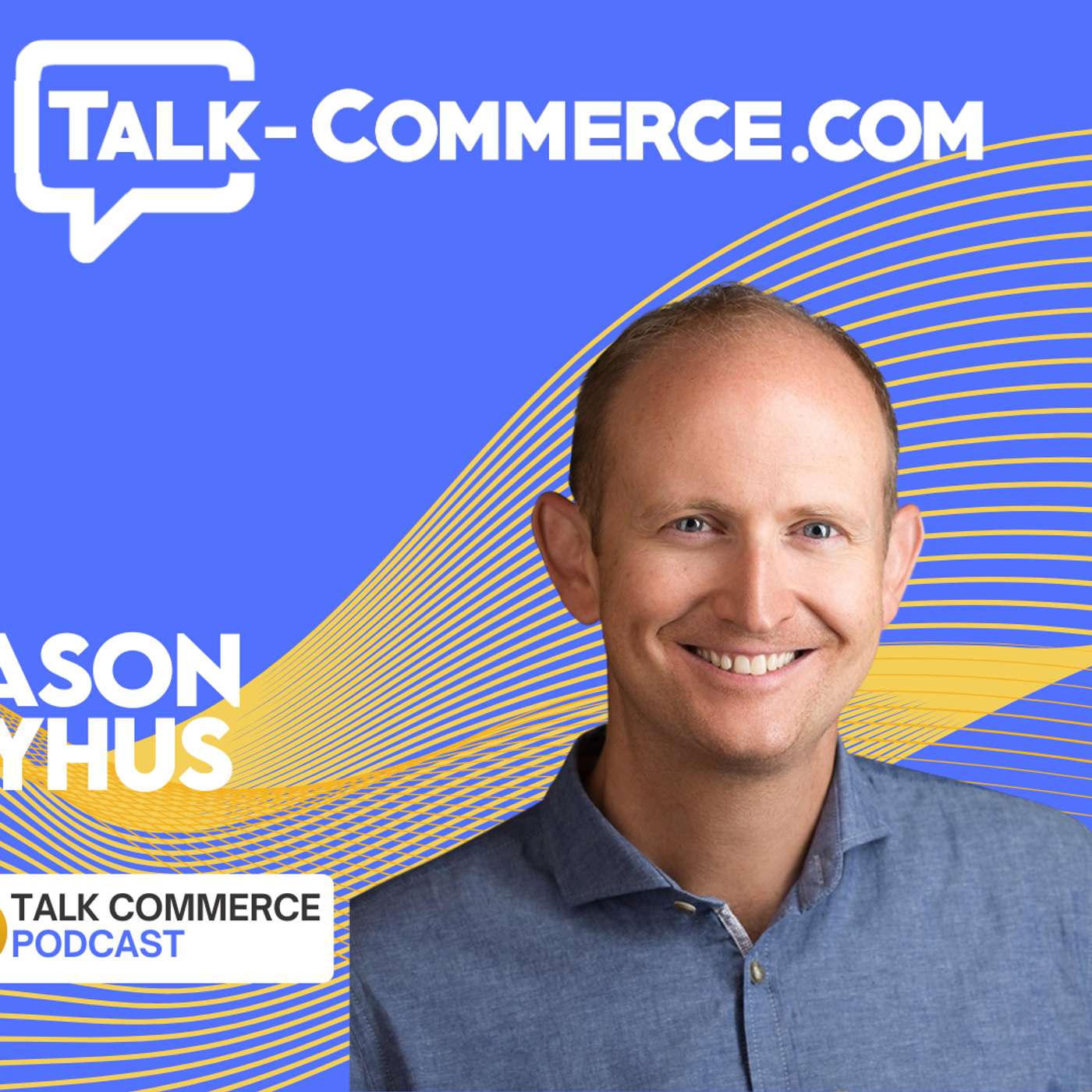
Maximizing Agility and Control in B2B Commerce with Shopware | Jason Nyhus
3w ago00:23:35Tap to summarizeBrent Peterson interviews Jason Nyhus, General Manager at Shopware, about the latest trends in B2B commerce, platform flexibility, and the future of digital experiences. They explore the challenges and opportunities in regulated industries, the importance of adaptable platforms, and innovative features like live shopping. Key topicsB2B market growth and trendsPlatform flexibility and customizationRegulated industry challenges and complianceImpact of private equity on technology choicesFuture of digital customer experiencesRole of AI and agentic systems in commerceIntegration and extension of e-commerce platformsRisks of platform lock-in and cobbling appsThe evolution of B2C and B2B convergenceChapters00:00 Introduction to B2B E-Commerce Dynamics01:47 Insights from the B2B Report05:27 Navigating Private Equity Expectations07:19 Understanding Regulated Industries12:02 The Complexity of B2B Commerce16:23 The Future of B2B Experiences20:50 Shopware Innovations and Future Directions ResourcesGet the Shopware B2B Report here: https://contentcucumber.com/b2b-reportShopware Official Website - https://www.shopware.comContent Cucumber - B2B Report - https://contentcucumber.comShopware Intelligence - https://www.shopware.com/en/shopware-intelligence/Shopware Payments - https://www.shopware.com/en/shopware-payments/Vibe Coding - https://vibecoding.comGuest linksLinkedIn - https://www.linkedin.com/in/jasonnyhusTwitter - https://twitter.com/jasonnyhus
Transcribe →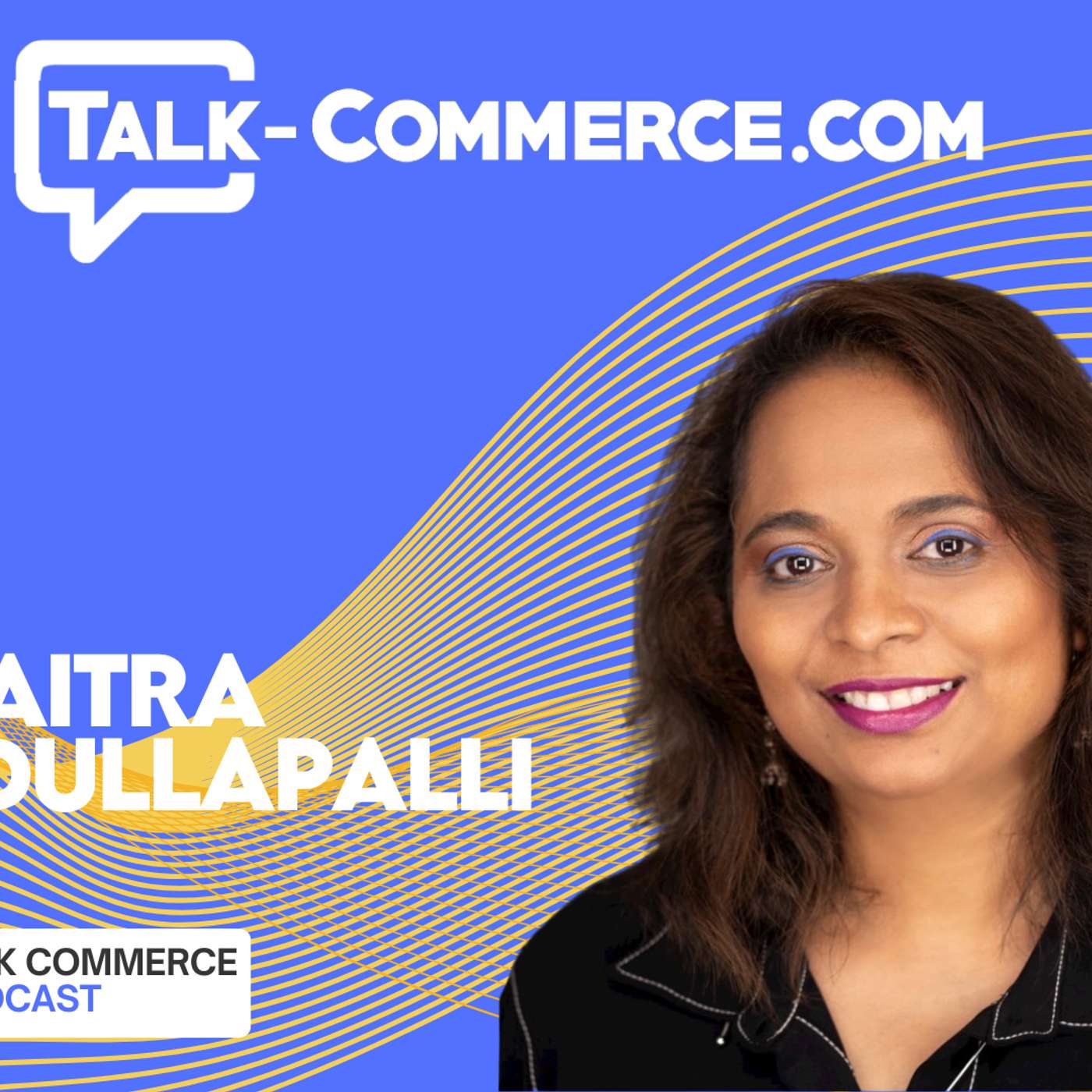
The Next Trillion Dollar Commerce Opportunity Is Local with Chaitra Vedullapalli
Jun 3000:22:50Tap to summarizeChaitra Vedullapalli from Women in Cloud discusses the future of local commerce, the impact of AI, and the importance of adaptive leadership in the economic landscape. Chaitra discusses a topic that should be on every business leader's radar: the shift toward local commerce and how AI, community partnerships, and economic access are reshaping the way we buy, sell, and connect. Key TakeawaysWomen in Cloud's mission and accomplishmentsThe shift towards local commerce and trust-buildingThe role of AI in personalization and scalabilityEcosystem orchestration and powered marketplacesResponsible AI use and human element in technologyChapters00:00Introduction to Chaitra and Her Mission02:36Women in Cloud: Empowering Women in the AI Economy05:16The Next Trillion Dollar Opportunity: Local Commerce08:06Community Powered Marketplaces and Economic Engagement10:58The Role of AI in Local Commerce13:59Human Element in AI and Commerce16:39Hot Takes on Current Trends and Future Opportunities22:13Closing Thoughts and Call to ActionConnect with Chaitra and Women in Cloudhttps://www.linkedin.com/in/chaitrav/ https://in.linkedin.com/company/women-in-cloud
Transcribe →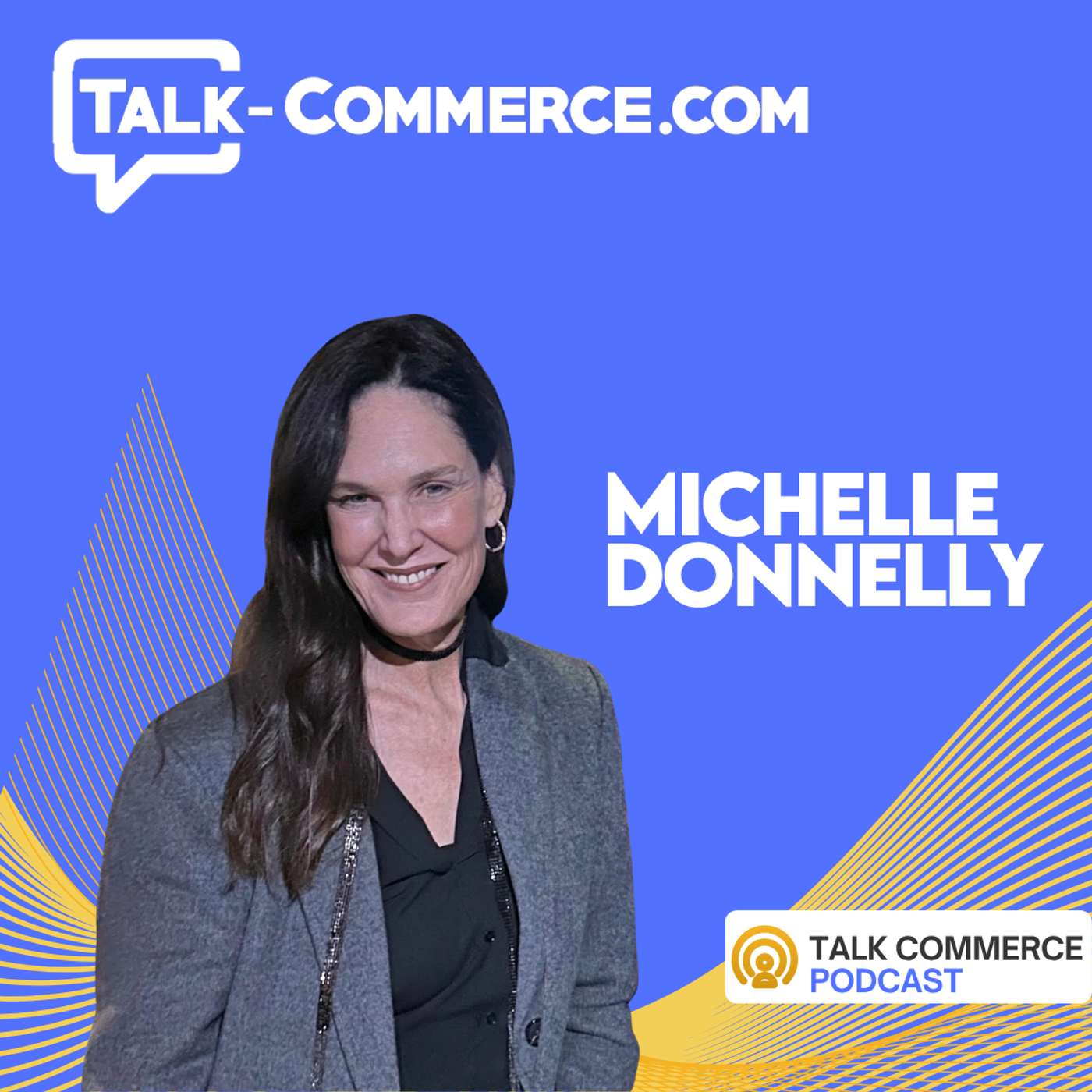
AI is Merging Customer Support and Sales Into One Powerful Experience with Michelle Donnelly
Jun 2300:28:40Tap to summarizeBrent Peterson sits down with Michelle Donnelly, Chief Revenue Officer at Crescendo, to explore how AI-native customer experience solutions are transforming the way brands interact with their customers. The conversation covers everything from autonomous digital agents to the critical role humans still play in customer support. Michelle brings a wealth of experience from her time at Salesforce and the AI chip industry, and she shares fascinating real-world examples of how Crescendo's approach is turning traditional cost centers into profit centers. If you care about customer experience, this episode deserves your full attention.Key TakeawaysAI agents must work seamlessly with human agents. A digital-only approach without a human fallback creates frustrating loops that drive customers away.Customer support is becoming a revenue channel. By combining personalization, memory, and business context, AI agents can turn a simple support interaction into an upsell opportunity.Speed to value matters. Crescendo deploys in under four weeks, a dramatic improvement over traditional SaaS implementations that can take months.Outcome-based pricing changes the game. Rather than selling seats, Crescendo charges based on outcomes, aligning their success with the customer's success.Multimodal interactions let customers choose. Whether through chat, voice, WhatsApp, or email, the customer decides how they want to engage, and the AI adapts accordingly.Quality assurance reveals powerful patterns. Analyzing interactions across the customer base surfaces product issues and opportunities that brands would otherwise miss.Knowledge bases improve over time. The AI learns from every interaction and actually enhances the brand's existing knowledge base rather than relying on static content.Chapters00:00 Introduction to Crescendo and Michelle's Journey03:53 The Role of AI in Customer Experience09:30 Seamless Integration of Digital and Human Agents15:02 Multimodal Customer Interactions18:52 Quality Assurance and Content Relevance22:26 Transforming Customer Support into Profit Centers28:22 Democratizing AI for All BusinessesConnect with Michelle on LinkedIn:https://www.linkedin.com/in/michelledonnelly/https://www.linkedin.com/company/crescendocx/
Transcribe →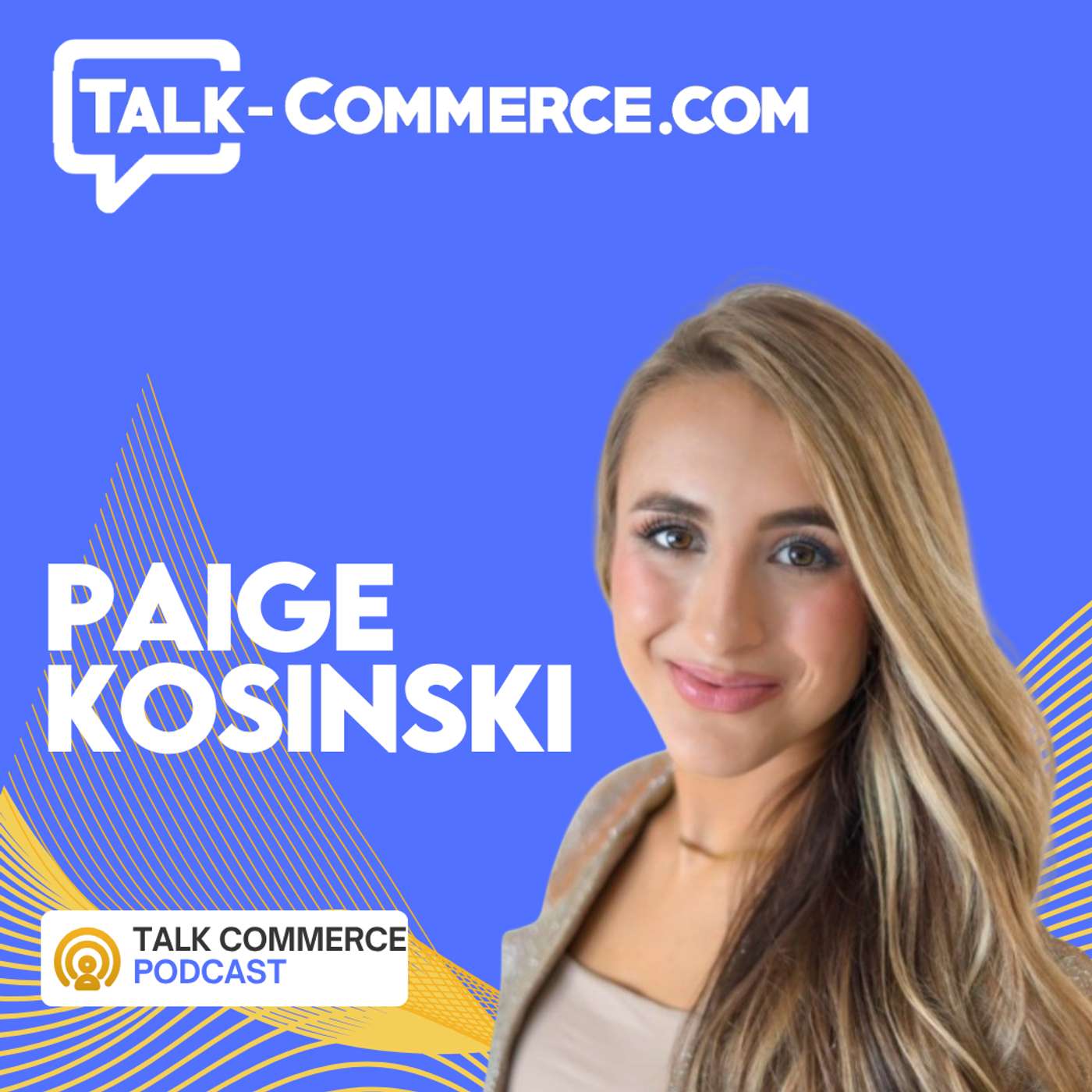
Influencer Management Bridges Creativity and Commerce with Paige Kosinski
Jun 1600:19:41Tap to summarizeBrent is joined by Paige Kosinski, co-founder of Odyssey Entertainment Group, an influencer talent management company that has grown from a boutique operation into a mid-size powerhouse. The conversation covers the evolution of the creator economy, the art of matching talent with brands, and the practical steps aspiring creators need to take to build sustainable careers. Whether you are a merchant looking to leverage influencer marketing or a creator hoping to monetize your platform, this episode delivers real-world guidance from someone who lives and breathes this space every single day.Key TakeawaysConsistency beats follower count. Algorithms reward creators who show up regularly, and brands now prioritize engaged communities over raw follower numbers.Start with one clear focus. Creators should establish expertise in a single area before expanding into lifestyle content. That focus gives audiences a reason to stick around.Brand partnerships drive the bulk of creator revenue. Beyond one-off deals, long-term collaborations with aligned brands create stability for both the creator and the company.AI-generated content can backfire. Audiences are quick to spot avatar-driven or AI-produced material, and brands are even adding contract clauses to limit AI use in creative deliverables.The creator economy welcomes every generation. Gen X influencers are thriving on social platforms, proving that audience-building has no age requirement.Personal branding comes first. Monetization follows naturally when a creator invests in building a genuine, recognizable brand with clear content pillars.Cross-platform presence matters. Successful creators post across TikTok, Instagram, YouTube, Facebook, LinkedIn, and Pinterest depending on where their audience lives.Chapters00:00 Introduction to Odyssey Entertainment Group01:53 The Evolution of Influencer Management05:11 Matching Influencers with Brands09:03 The Importance of Community and Niche10:07 Engaging Older Audiences11:11 Navigating Different Platforms12:39 Building a Personal Brand13:31 Public Speaking and Influencer Opportunities14:33 The Role of AI in Content Creation17:21 Getting Started as an Influencer18:55 Closing Thoughts and Promotions ResourcesOdyssey Entertainment Group - https://www.odysseyentertainmentgroup.comErica Ver - PianyandHoney - https://www.instagram.com/pianyandhoneyWall Blush Modern Manor Collection - https://wallblush.com/collections/modern-manor
Transcribe →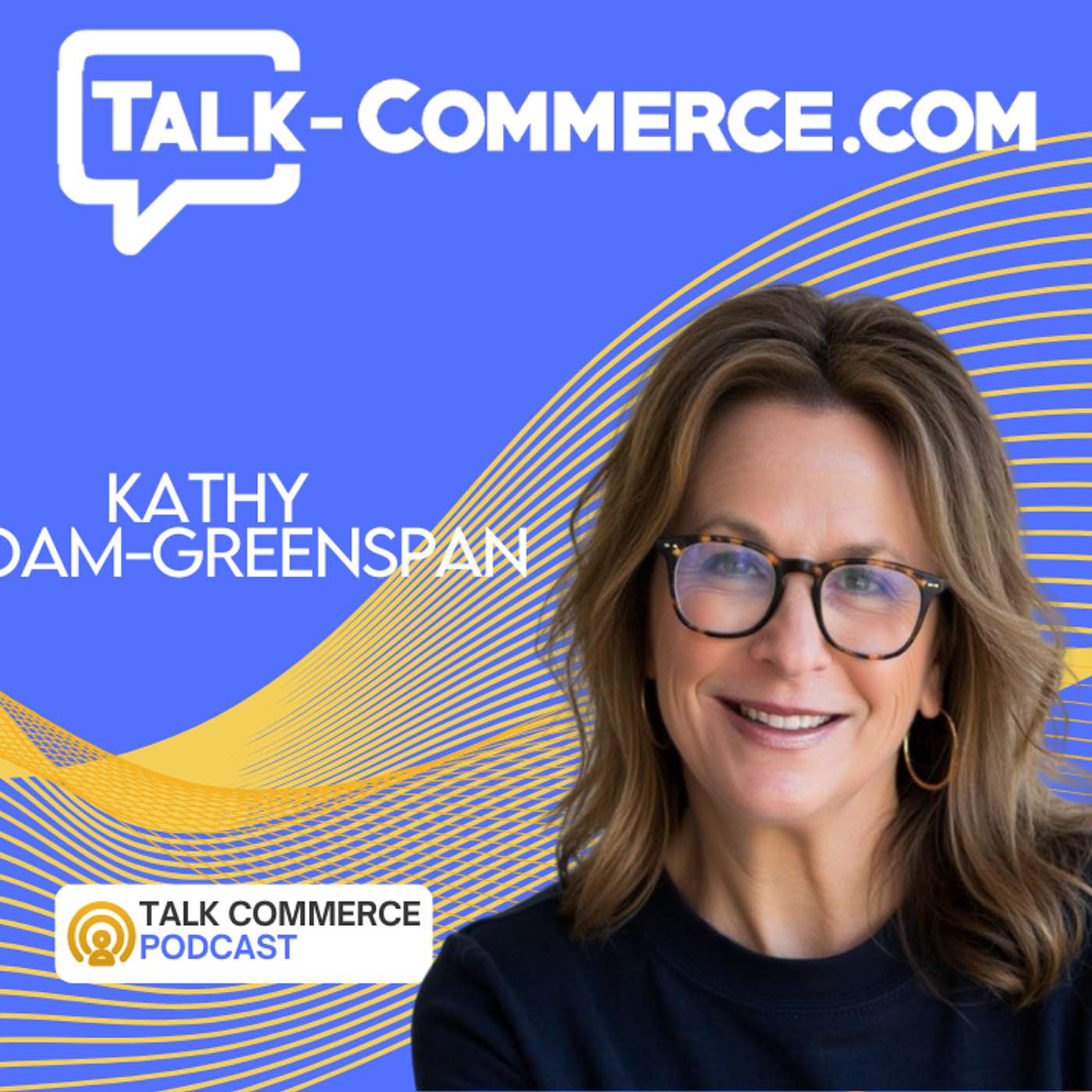
B2B Marketers Are Under Pressure and the C-Suite Needs to Pay Attention
Jun 900:21:48Tap to summarizeKathy Floam-Greenspan, founder of Palm Marketing, shares insights from her recent survey on B2B marketing challenges, the impact of AI, and strategies for maintaining focus in a rapidly changing environment.TakeawaysExpectations are outpacing staffing and budgets in B2B marketing.Only 29% of marketers are confident in proving ROI with current tools.AI impacts strategy but is not a magic solution; human touch remains essential.Maintaining focus and a quarterly plan is key to marketing success.The full "Marketing Under Pressure" report is available for download athttps://pomagency.com/marketing-under-pressure-b2b-leaders/Learn more at https://pomagency.comChapters00:00 Introduction to Cathy Floan-Greenspan and Palm Marketing02:45 The Evolution of B2B Marketing and Survey Insights05:30 Challenges in B2B Marketing: Resource Gaps and ROI08:03 The Role of AI in Marketing Strategies10:57 The Importance of Focus in Marketing13:45 Navigating Change in B2B Leadership16:29 The Wake-Up Call for C-Suite Executives19:06 Final Thoughts and Resources for Marketers
Transcribe →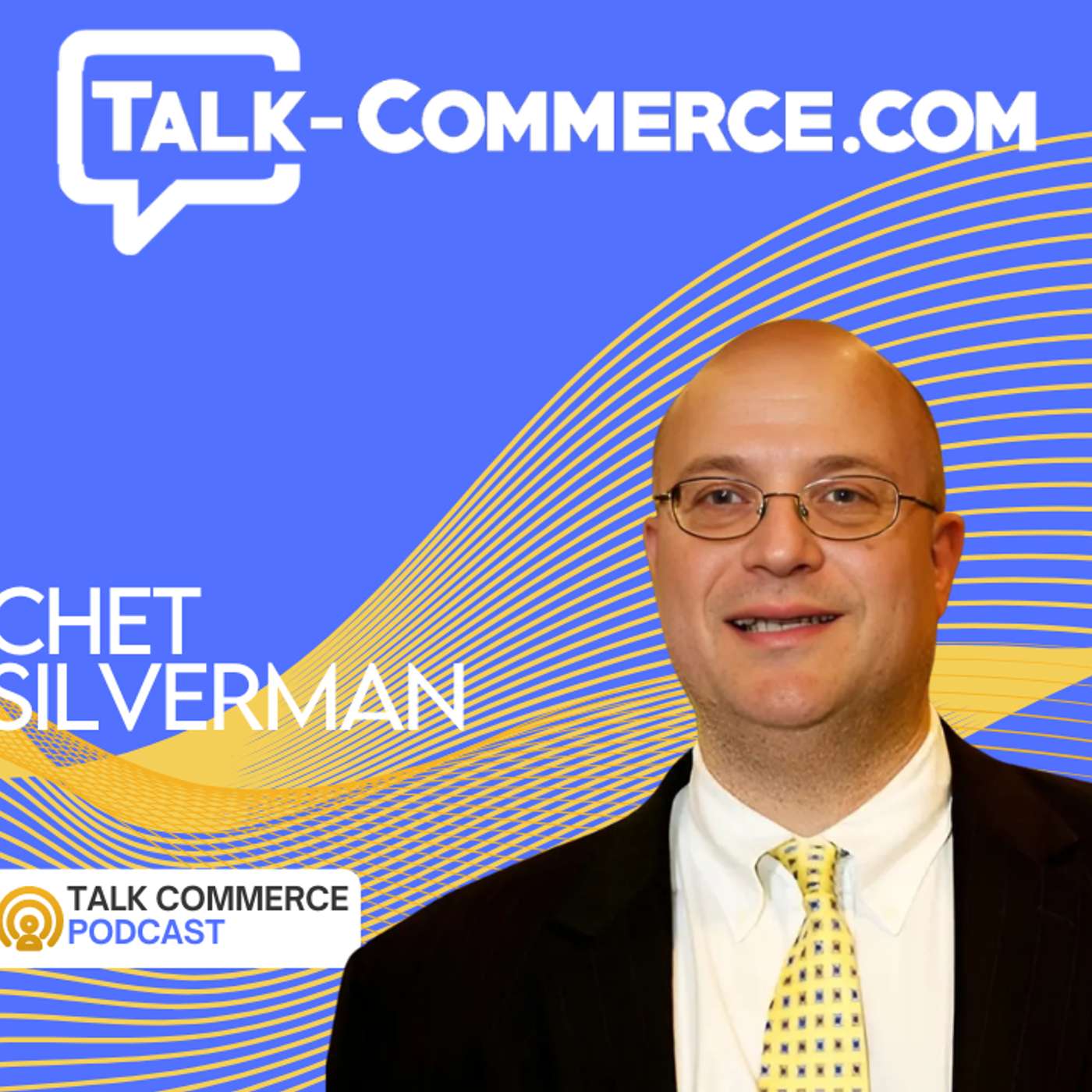
eTail Built a 25-Year Legacy in E-Commerce Events | Chet Silverman
Jun 800:11:02Tap to summarizeBrent Peterson sits down with Chet Silverman, aka Mr. eTail, the Director of Sponsorships at eTail. With 25 years in the e-commerce conference space, Chet shares stories from the early dot-com crash days, how he convinced Google to exhibit before they were a household name, and why conferences remain the best way to connect with retail executives in a post-COVID world. He also breaks down the current AI startup boom and predicts where the technology is heading.Chapters00:00 - Meet Mr. eTail: Chet's origin story and joining eTail after the dot-com bust01:05 - The evolution of e-commerce technology over 25 years01:59 - Cold-calling Google and convincing them to sponsor eTail Boston03:07 - The rise and fall of hot tech categories: CRM, mobile shopping, social commerce03:56 - Watching companies grow up at eTail, from startups to acquisitions05:12 - The AI explosion and why it will follow the mobile shopping pattern06:15 - Why companies should sponsor eTail and how COVID changed B2B sales07:23 - Quality vs. quantity: the 50/50 retailer-to-vendor ratio07:56 - Strategic timing: Palm Springs in February, Boston in August09:08 - eTail as a community and kicking off the e-commerce conference seasonKey TakeawayseTail maintains a rare 50/50 ratio of retailers to solution providersCOVID made conferences essential since decision-makers now work from homeAI will eventually become a standard feature from every retail tech vendor, not a standalone categoryeTail actively supports startups by offering free passes to help them enter the ecosystemPalm Springs kicks off the e-commerce season; Boston is the last stop before holiday lockdownGuest InfoChet Silverman - Director of Sponsorships, eTailKnown as Mr. eTail | 25 years in e-commerce eventsThis has been produced in cooperation with Content Cucumberhttps://www.contentcucumber.com/Follow Talk Commerce on your favorite platform:YouTube: https://www.youtube.com/@talkcommerceBluesky: https://bsky.app/profile/talkcommerce.bsky.socialApple Podcasts: https://podcasts.apple.com/us/podcast/talk-commerce/id1561204656Spotify: https://open.spotify.com/show/7Alx6N7ERrPEXIBb41FZ1nTwitter: @talkingcommerceLinkedIn: https://www.linkedin.com/company/talk-commerceFacebook: https://www.facebook.com/talkingcommerceWebsite: https://talk-commerce.com/
Transcribe →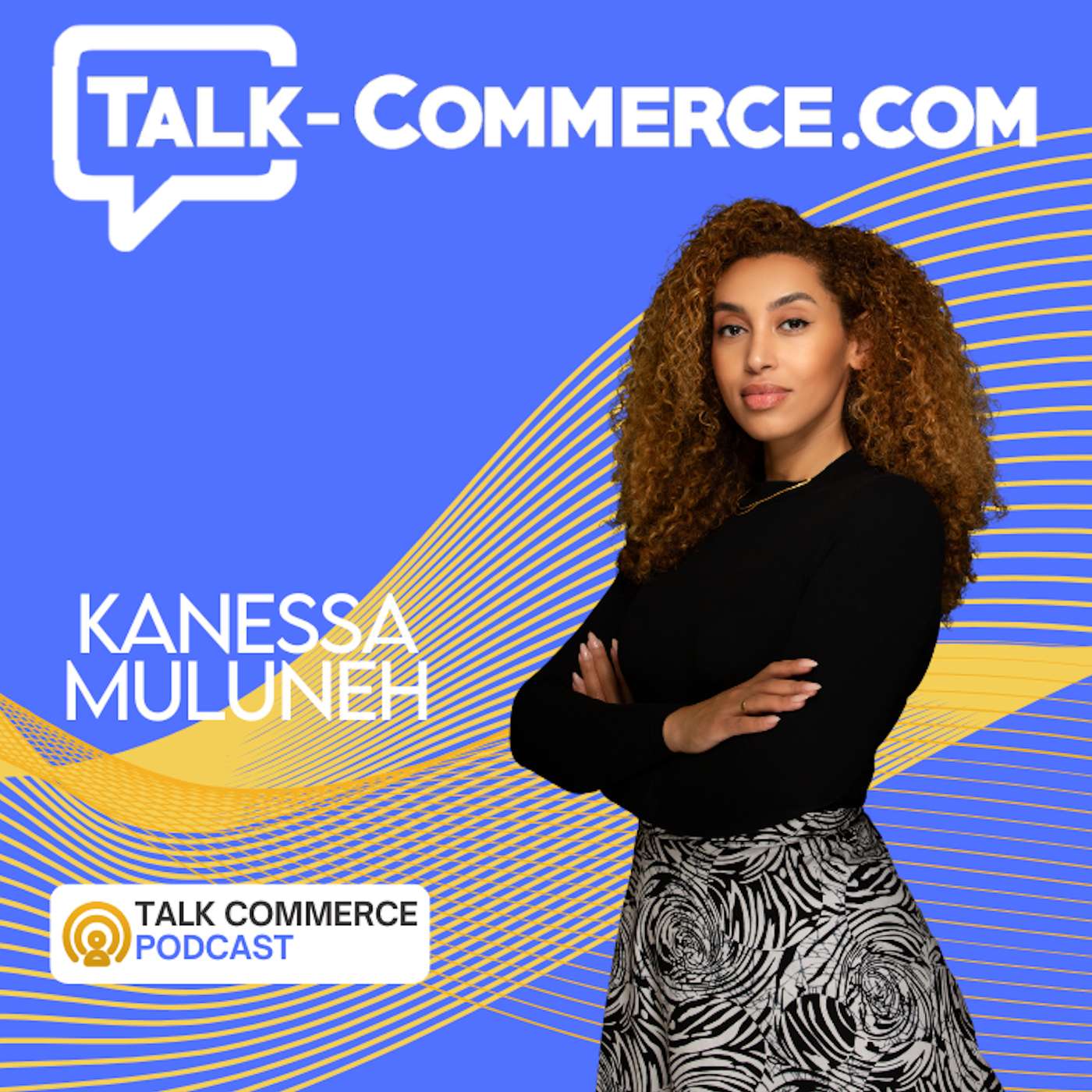
Africa's Investment Future Depends on Its Diaspora with Kanessa Muluneh
Jun 200:23:18Tap to summarizeBrent Peterson sits down with Kanessa Muluneh, the founder of Nyle Investment Group, to discuss what it really takes to build businesses and invest across the African continent. From navigating trust issues and cultural differences to launching a gaming company and a vitamin brand, this conversation covers the rewards and realities of emerging market investment. Whether you're a business owner exploring international expansion or a member of the diaspora considering a return to your roots, this episode delivers practical wisdom you won't find in a textbook.Key TakeawaysAfrica offers significant ROI, but requires serious due diligence. Kanessa stresses that the returns on investment across African markets can be substantial, yet the risks are equally real. Working with the wrong professionals or skipping proper vetting can lead to financial loss.PR and marketing expertise can transform small businesses. Kanessa's first investment involved trading her marketing skills for equity in a small plumbing company. That trade turned into a thriving business and sparked her career as an investor.The diaspora plays a critical role in Africa's economic growth. Nyle focuses on investing across the continent while encouraging Africans abroad to do the same, because many diaspora members have spent years building knowledge and seeing how strong economic systems work.Trust and local representation matter, but they can work both ways. In several African markets, consumers distrust locally made products by default, which creates a frustrating barrier for entrepreneurs building high-quality goods on the continent.Cultural intelligence is non-negotiable for market entry. Understanding how business gets done in a specific region requires more than speaking the language. It requires grasping negotiation styles, social dynamics, and local expectations.About Kanessa MulunehKanessa Muluneh is an Ethiopian-born, Netherlands-raised serial entrepreneur and investor currently based in Dubai. She has launched six businesses, selling four of them for a combined sum of over US$9.5 million. After building and scaling ventures across Europe, Muluneh returned to African markets with fluency in Western systems and an on-the-ground understanding of how business operates on the continent. That perspective now anchors Nyle, a pan-African investment firm connecting diaspora capital to scalable African businesses. She is also the founder of Mulu, a family lifestyle brand spanning more than 15 countries, and she shifted from medical studies to business early in her career, evenChapters:0:00 Introduction and Meet Kanessa Muluneh0:45 From Medical School to Building Businesses1:24 The Free Joke Project2:35 How Kanessa Started Investing in Africa5:00 Business Mistakes and Lessons Learned6:13 Why Africa's ROI Is Worth the Risk7:18 Selling Into India and Asian Markets8:35 Negotiation Culture and Pricing Psychology10:10 Selling Services Into Developing Countries11:14 Local Representation and Trust Issues13:21 Building a Vitamin Brand for Africa14:15 Rise of Fearless and the Gaming Industry17:50 Cultural Differences in Business Communication20:21 Bridging Cultural Gaps as a Diaspora Investor22:30 Ethiopia as an Investment Market24:40 Shameless Plug and Final Advice26:00 How to Connect with KanessaConnect with Kanessa on LinkedIn: https://www.linkedin.com/in/kanessa-muluneh-297984b2/Follow Kanessa on Instagram: https://www.instagram.com/kanessamuluneh/orhttps://www.instagram.com/europeanhabesha/This has been produced in cooperation with Content Cucumberhttps://www.contentcucumber.com/Follow Talk Commerce on your favorite platform:YouTube: https://www.youtube.com/@talkcommerceBluesky: https://bsky.app/profile/talkcommerce.bsky.socialApple Podcasts: https://podcasts.apple.com/us/podcast/talk-commerce/id1561204656Spotify: https://open.spotify.com/show/7Alx6N7ERrPEXIBb41FZ1nTwitter: @talkingcommerceLinkedIn: https://www.linkedin.com/company/talk-commerceFacebook: https://www.facebook.com/talkingcommerceWebsite: https://talk-commerce.com/
Transcribe →