Podcast
TechInnovation
Hosted by Roadkill · ZH
A dialogue for those seeking clarity amid the noise of China’s transformation. We connect global perspective with local insight — to pinpoint real opportunities within China, decode the forces shaping new industries, and uncover the investment logic behind them.
Join the wave of China's tech advancement. Feel the pulse of the times, and define your own future alongside the nation's next-generation tech force.
Be part of China's Next-Gen tech wave!
10episodes
Episodes
Newest firstAll episodes
Why Cheaper Solar Panels Still Don’t Mean Profits
Jan 2700:59:39Tap to summarizeSolar panel costs dropped more than 80 percent over the last decade. Shipments grew more than 10x.Yet many manufacturers still struggled, and the industry saw major losses.In this episode of Tech Innovation Deep Talk, we sit down with the President of CSI Solar to unpack what is really driving the cycle.We coverWhy rapid capacity expansion created a supply glutWhy grid limits and curtailment are slowing demand growth in many regionsWhy policy and currency risks reshape emerging market project economicsThe cost breakdown shift that surprised us mostmodules can be under 10 percent of total EPC cost once storage is includedWhy solar is increasingly a solar plus storage storyWhat consolidation may look like over the next 2 to 3 yearsHow a global operating model and local teams change execution in energy infrastructureWhy AI data centers could become an unexpected driver of storage demandThis is not a hype episode. Just a clearer way to understand where the industry is heading.#Solar #EnergyStorage #RenewableEnergy #CleanTech #Grid #Batteries #Infrastructure #Manufacturing #GlobalSupplyChain #TechInnovation前往小宇宙评论区与主播互动
Transcribe →How One Company Found Advantage in Emerging Markets
Jan 2600:01:32Tap to summarizeMargins in emerging markets are now higher than in China. But winning there takes more than low prices.In this episode, we look at how a Chinese medtech firm deployed its lab automation system in one of Southeast Romania’s largest hospitals—and helped cut lab operating costs by 34%.Not through subsidies. Not through discounts. But by streamlining workflows, consolidating testing platforms, and delivering measurable operational value.This isn’t just a case study. It’s a signal:In markets under pressure, companies that lead with innovation—not price—are starting to win.What drives success across markets is universal: Innovation that customers feel in their bottom line.#CNQQ #Rayliant #China NextGen tech wave #EmergingMarkets #MedTech #HealthTech #Automation #DeepTech #GlobalTrends #Investing前往小宇宙评论区与主播互动
Transcribe →How a Company Survived 30 Years of Global Competition
Jan 2600:01:12Tap to summarizeWhen people talk about “China’s innovation,” it often centers on policy or subsidies. But here’s a different story.This company chose a slower, harder path:• Investing 10% of its revenue into R&D every year—consistently, for over three decades• Entering the UK market in 2000, the US in 2004, and going public in 2006• Competing in the high-end market where most Chinese firms don't even enterIt didn’t win by being cheaper or louder.It stayed alive by being better—globally.This clip reflects not just a business strategy, but a mindset shift: Long-term R&D, international learning, and climbing the value chain through products, not narratives.#CNQQ #Rayliant #China NextGen tech wave #TechInnovation #GlobalTrends #Investing #SupplyChain #DeepTech #Manufacturing前往小宇宙评论区与主播互动
Transcribe →How China’s R&D-Driven Firms Are Expanding Globally with AI
Jan 2500:01:27Tap to summarizeIn this episode of Tech Innovation Deep Talk, we examine how some of China’s most R&D-intensive companies are scaling their innovations globally.Rather than talking about dominance or disruption, we focus on long-term growth logic:• 10% of revenue invested into R&D every year• 50%+ of revenue already from international markets• Emerging markets expected to drive fastest future growth• AI and large language models are transforming even traditional hardware businesses into software-style platformsThis isn’t just about new products — it’s about new revenue models, new market structures, and how AI reshapes capital equipment into recurring-value businesses.If you’re tracking global industrial trends, this is a case worth watching.#CNQQ #Rayliant #ChinaNextGenTechWave #TechInnovation #GlobalStrategy #EmergingMarkets #AIinIndustry #Investing前往小宇宙评论区与主播互动
Transcribe →China’s Healthcare Innovation Is Reshaping Global Biotech
Jan 2500:00:53Tap to summarizeThe global pharmaceutical and healthcare landscape is changing faster than many expected.China is now the world’s second largest healthcare market, valued at over one trillion US dollars. But the real shift isn’t about demand. It’s about capability.In the first half of 2025 alone, Chinese biotech transactions accounted for 44 percent of global deal volume. This signals something deeper than market expansion.We are seeing a transition from manufacturing to innovation.From producing for global markets to developing original therapies that compete internationally.This episode looks at China’s healthcare sector from an overseas observer’s perspective. Not as a story of national growth, but as a case study in how innovation ecosystems evolve, how capital flows follow capability, and where future healthcare breakthroughs may come from.Understanding these shifts matters for investors, researchers, and anyone watching the next generation of global technology.#CNQQ #Rayliant #ChinaNextGenTechWave #Healthcare #Biotech #GlobalHealthcare #TechInnovation #Investing前往小宇宙评论区与主播互动
Transcribe →How Mindray is Shaping the Future of Global Healthcare
Jan 900:37:34Tap to summarize 前往小宇宙评论区与主播互动
Transcribe →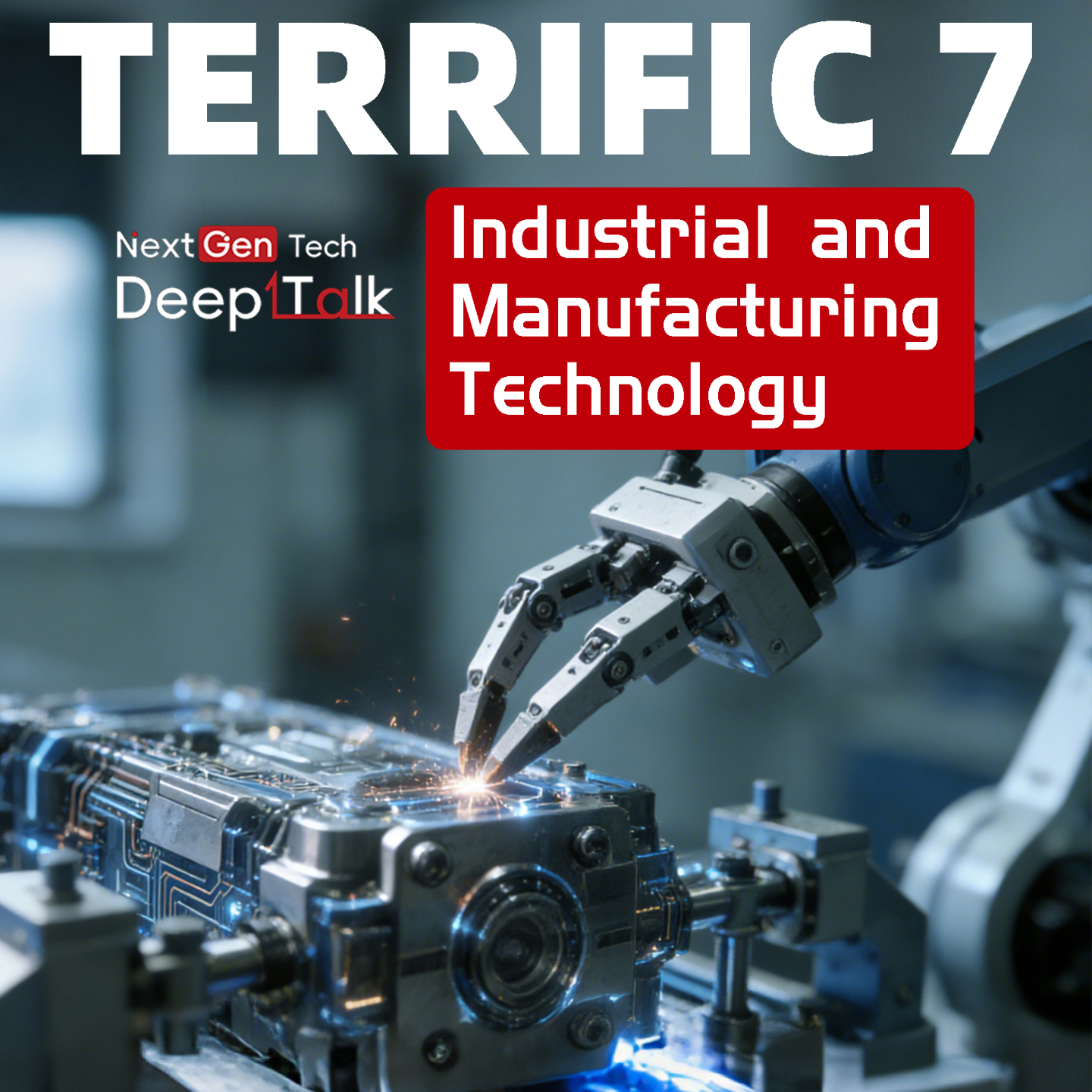
Global Manufacturing: From China's Factory to World's Lab
Dec 2400:04:00Tap to summarizeFor 15 years, China has been the world’s largest manufacturing economy. But what’s really changing is how things are built. No longer just the world’s factory, China is now leading innovation across multiple industries.In this episode of Tech Innovation Deep Talk, we dive into the massive transformation happening in China’s manufacturing sector and its global impact. From aerospace to high-speed rail to green manufacturing, China is shifting from cost-driven production to intelligent, scalable systems that learn and adapt.Key insights include:• How China’s aerospace and high-speed rail sectors are rewriting global standards• The role of AI, automation, and industrial systems in next-gen manufacturing• Why China’s green manufacturing initiatives are leading the global transition to clean tech• The shift from traditional manufacturing to a data-driven, innovation ecosystemAs global supply chains evolve, China is not just participating—it’s shaping the future of industry.Are you ready for what’s next#CNQQ #Rayliant #China NextGen tech wave #TechInnovation #Investing #AI #Automation #GreenManufacturing #GlobalTrends #Sustainability前往小宇宙评论区与主播互动
Transcribe →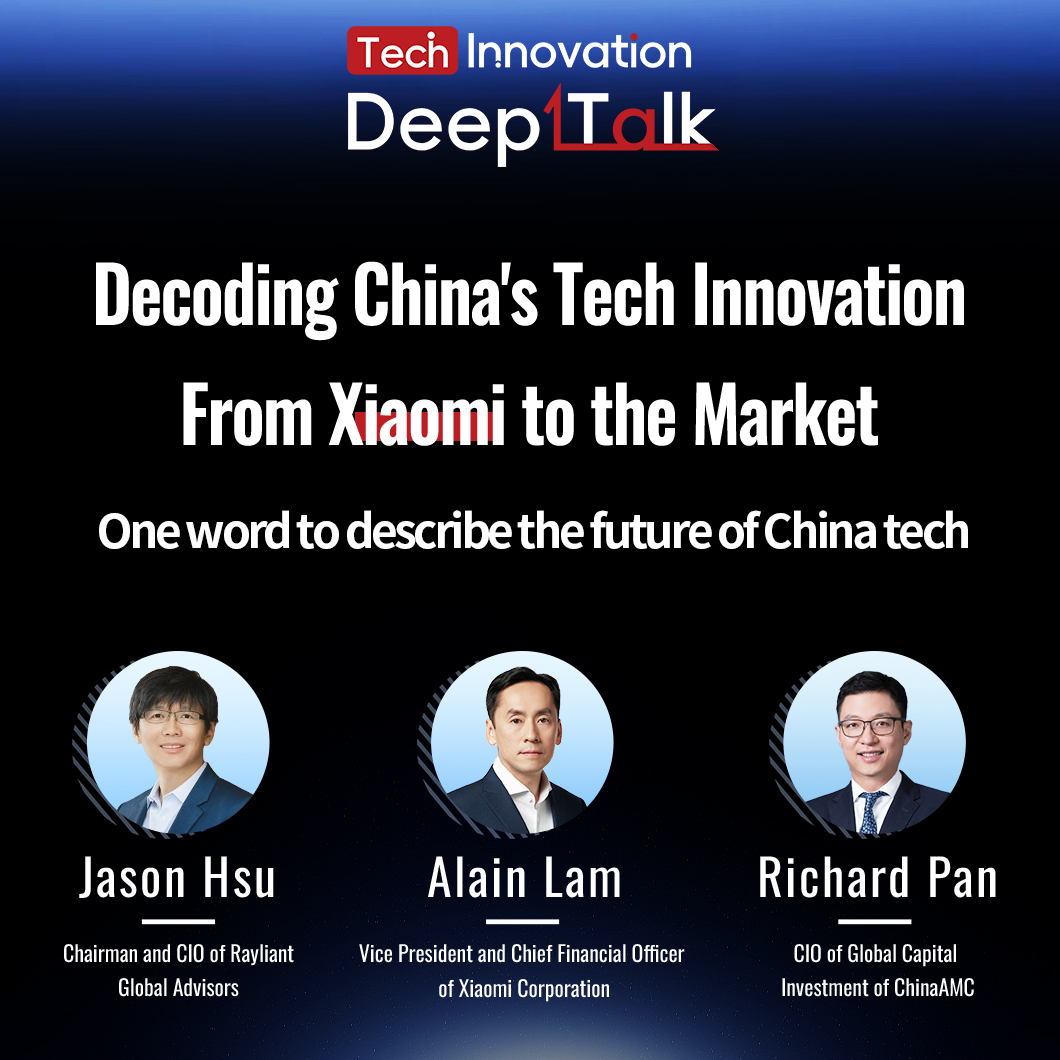
Xiaomi's $30 Billion R&D Bet on AI and In-House Innovation
Dec 1900:01:00Tap to summarizeXiaomi is doubling down on its future with a projected $30 billion in R&D investment this year alone, focusing on AI, operating systems, and chipsets. But here’s the twist: they’re not building for the global market—they’re building for themselves.In this episode of Tech Innovation Deep Talk, we dive into Xiaomi’s long-term strategy and the investment in technology that powers everything from smartphones to electric vehicles.Key insights include:• Xiaomi’s plan to invest over RMB 200 billion in R&D over the next five years• How Xiaomi’s AI and operating systems power smartphones, IoT, and EVs• Why Xiaomi is focusing on in-house development of AI and chipsets instead of selling large language models to external customersThis isn’t just about products—it’s about creating a self-sustaining tech ecosystem.#CNQQ #Rayliant #China NextGen tech wave #Xiaomi #AI #TechInnovation #Investing #FutureTech #R&D #EV #IoT前往小宇宙评论区与主播互动
Transcribe →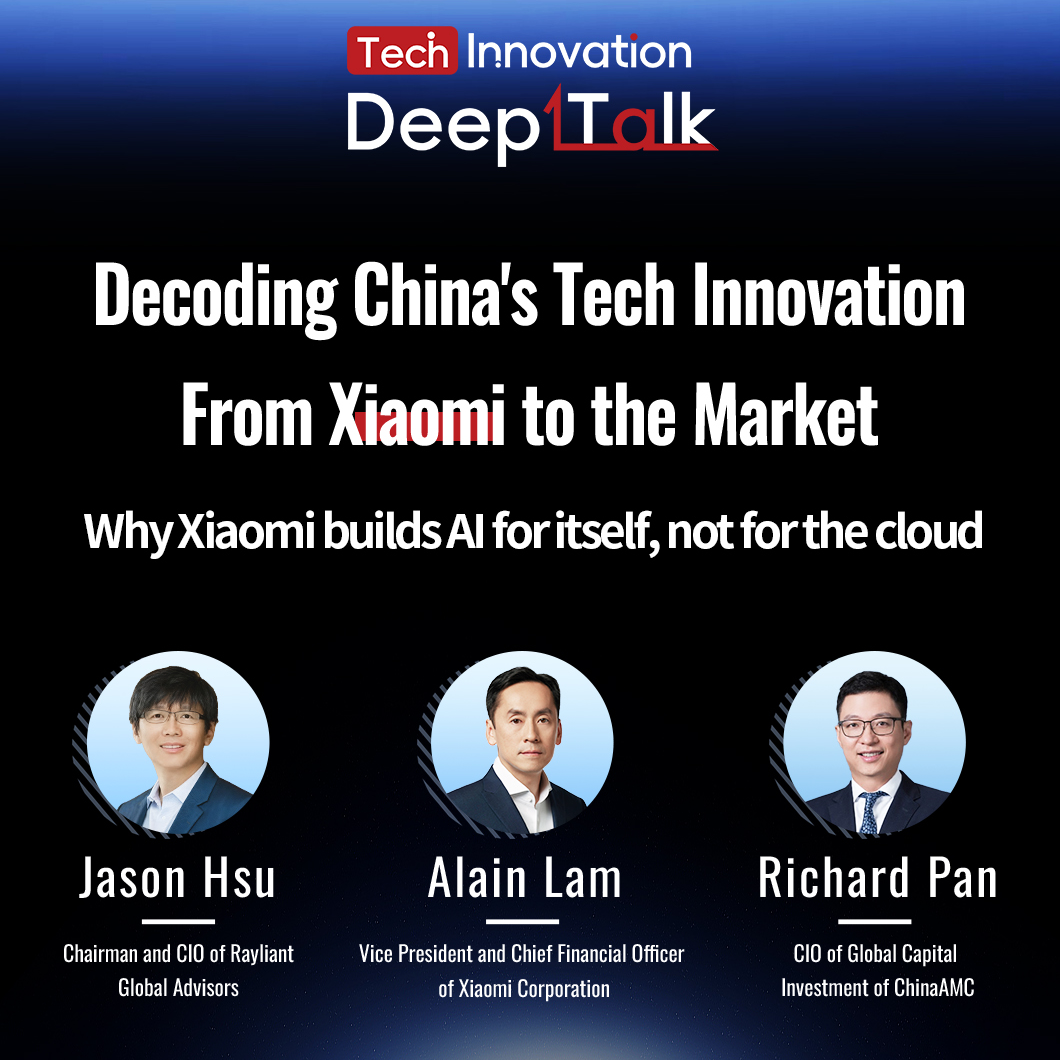
Xiaomi’s $30 Billion R&D Bet on AI
Dec 1800:01:36Tap to summarizeXiaomi isn’t just focused on expanding its product lineup; it’s investing heavily in R&D, with a projected $30 billion in spending this year alone. But what makes their strategy stand out is their focus on building AI, operating systems, and chipsets for in-house use—not just selling large language models to external customers.In this episode of Tech Innovation Deep Talk, we dive into Xiaomi's long-term strategy to dominate in AI and IoT, where they’re investing, and how this internal development will fuel their future growth.Key insights include:• Xiaomi’s plan to invest over RMB 200 billion in R&D over the next five years• How their AI systems and operating systems power everything from smartphones to EVs• Why Xiaomi is developing AI and chips specifically for their own ecosystem, not for the broader marketThis isn’t just about building products—it’s about creating a tech ecosystem that thrives on internal innovation and long-term investment.#CNQQ #Rayliant #China NextGen tech wave #Xiaomi #AI #TechInnovation #Investing #FutureTech #R&D #EV #IoT前往小宇宙评论区与主播互动
Transcribe →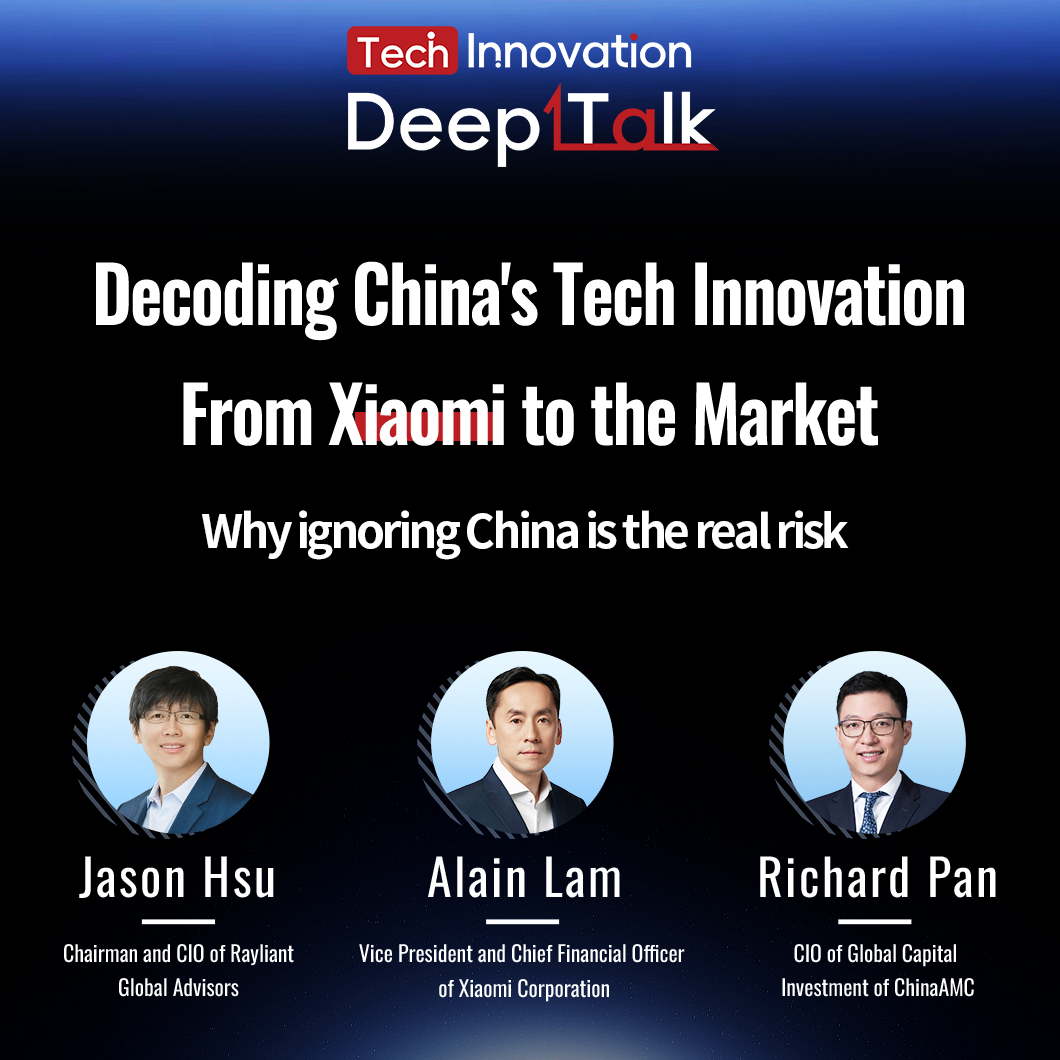
Why Some Investors Are Reopening The China Tech Question Now
Dec 1500:02:04Tap to summarizeA few years ago, many global investors put China in the “uninvestable” box.In this Tech Innovation Deep Talk clip, the conversation explains why that framing is being challenged again.Key ideas in this segmentChina shifting from value chain manufacturing to innovation competition in a winner takes all tech raceWhat it means if parts of the China market become less reachable through US brands and more reachable through local leadersWhy the valuation gap matters if you are allocating to AI and growth assetsThis is not a cheerleading story. It is a portfolio question about access, competition, and pricing.#CNQQ #Rayliant #China NextGen tech wave #ChinaTech #Investing #ETFs #GlobalInvesting #AI #GrowthStocks前往小宇宙评论区与主播互动
Transcribe →