← Techstination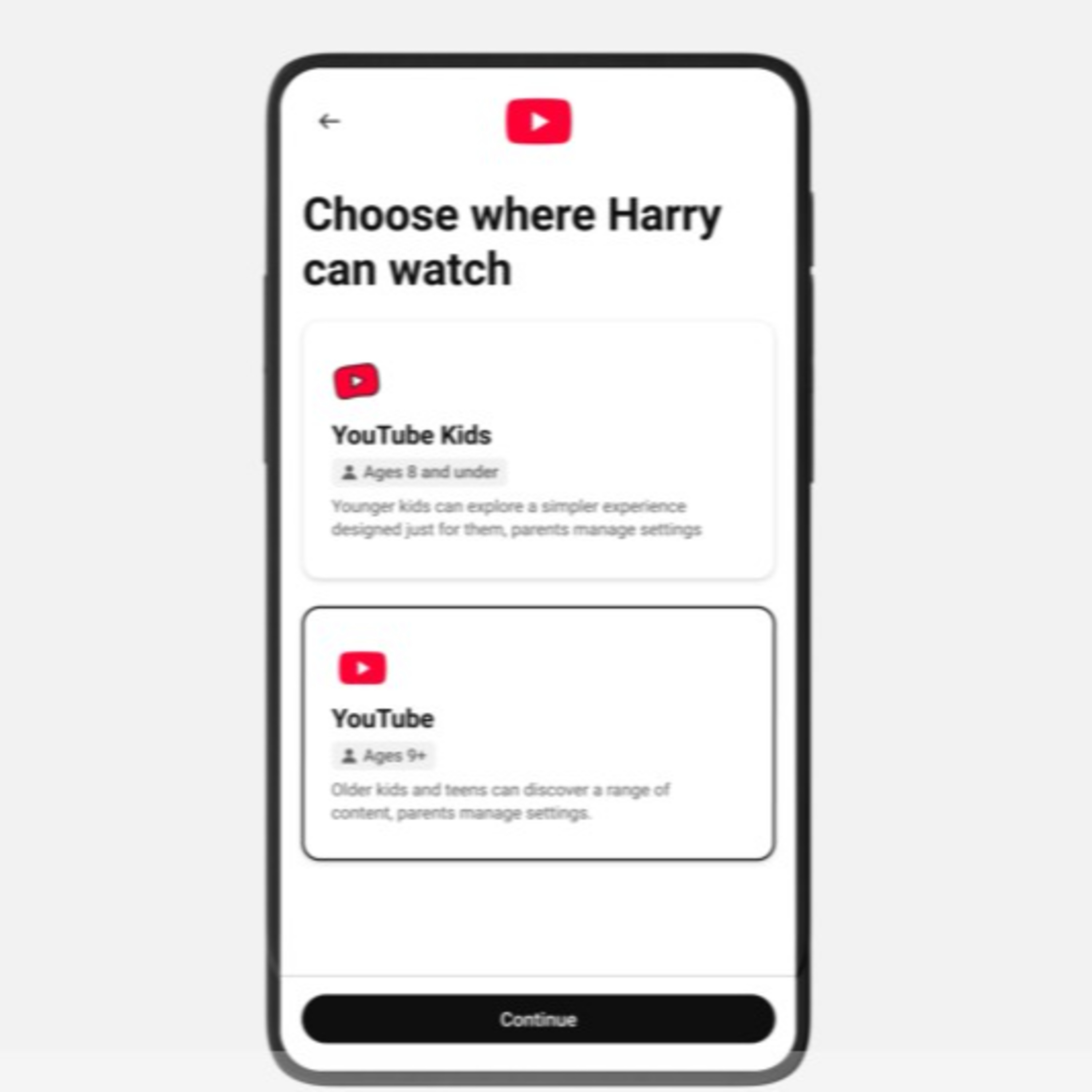
Techstination
Techstination interview: Safer Intertnet Day sees new parental control tools from YouTube
Loading summary
Transcript28 lines
- [00:00]
A
Foreign.
- [00:11]
B
Initiative from YouTube designed to help families. Welcome back to Textination. I'm Fred Fishkin. Joining us is Dr. Garth Graham, global head of YouTube Health. Thanks for being with us, Dr. Graham.
- [00:24]
A
Thanks for having me, friend.
- [00:26]
B
A lot of us may not have known that there was a YouTube health. Tell us about that.
- [00:32]
A
Well, you know, millions of people go online looking up for health information every day. It turns out that millions of people go to YouTube looking up health information every day. And so the goal of our team is to make sure that people get high quality, good health information on our platform.
- [00:53]
B
And you've got a pretty terrific background. Give us a little snippet of it.
- [00:58]
A
Oh, you know, I'm a cardiologist and bring in academics and you know, private practice and, you know, a lot of different parts of healthcare. And now, you know, working to again, you know, bring quality health information at scale across our platform at YouTube.
- [01:20]
B
And what is Safer Internet Day?
- [01:22]
A
Yeah, and safer Internet day is a day, you know, around, around the world really, where people really emphasize this idea of what are some of the things we can do to make the Internet safer. And particularly, Fred, from our perspective, one of the things we talk about is how to keep kids safe in the digital world, not from the digital world because so many of our teens and young people are digital first natives. And so, you know, how do we as parents or grandparents, you know, help our kids navigate within the digital world? Again, like I said, not from the digital world.
- [02:04]
B
It's interesting, the phrase digital natives. I guess people are living. Living online.
- [02:11]
A
Yeah, exactly, exactly. And again, you know, for young folks, they're coming up in an age and time where digital first is also, the digital tools are the ones they go to first and the ones they're most comfortable with. The most comfortable with. So again, how do you have them have a safe, positive online experience?
- [02:35]
B
And YouTube is doing something, introducing some new features. Give us the overview.
- [02:41]
A
So we're doing a number of things to allow parents to have their kids have a safer experience. So one is we're giving more tools for parents to set boundaries so parent can limit the amount of short form video that their kid is getting from the shorts feed, which is a short form video on YouTube. We are allowing parents to again, set, take a break time and bedtime reminders for their kids. And we have always at YouTube allowed parents to select the age appropriate experience for their kids. So whether the kid is 9 to 13, within the parental supervisor council, you would click into that or 13 plus or even YouTube kids for younger audiences. So just all about having that overall safe experience.
- [03:37]
B
How easy is it for kids to especially, I guess, middle school and up, outsmart the bad? Because they will.
- [03:47]
A
I live with a middle schooler who just happens to be my son. So, you know, I understand a lot of the challenges that parents have with this. So, you know, for YouTube, when you go into these supervised settings, you know, the parents have control over those settings and then that drives what again, my middle schooler and you know, other teenagers would see through that. So, so, you know, we as we as parents set that and then, you know, then that's the experience that they have overall on the platform. And so it's really important for parents to have kids sign up and have these linked teen accounts so that we can give the teens all the protections that come with those teenage teens accounts.
- [04:46]
B
And of course, YouTube isn't the only platform out there we're all on, including young people.
- [04:54]
A
That's right.
- [04:54]
B
What are your biggest concerns as a parent and in your position? What are your biggest concerns about the impact of what kids are seeing, spending time with today?
- [05:05]
A
Yeah, you know, when I look at particularly my kids experience, Fred, I look at it that there's a whole world for them there. Right. So, you know, there's. My son is deeply involved in algebra and math and math clubs and all of these things that he's able to get additional information from experts that we would never even interact with in real life through the power of video. There's a lot of positives in terms of free, high quality information. But then, Fred, as you just articulated, we have to also understand what the challenges are. How do we protect our kids from mature content, you know, information that is not age appropriate. That's why these age appropriate experiences are particularly important as well as how do we keep them safe and understand broadly across different platforms and across, you know, how to utilize their phone, et cetera. How do they protect themselves so that they don't, they don't open the door to any safe or dangerous practices.
- [06:11]
B
So it's not just the mature content, it's some of the hate that's out there, right?
- [06:17]
A
Yes. Yeah, yeah, exactly. So. So all the different components of things that would not be appropriate, Fred. For an age appropriate experience. And Fred, the other thing too is, you know, so my younger son who is in elementary school or my daughter who is in, you know, second grade, you know, those are all different developmental milestones. So one of the things we've learned from working with experts in this is you want to give kids again an age appropriate experience. And as they get older, allow them to explore within the context of a safer environment. And so that's how you try to link all of these things across, again, just across different age groups.
- [07:02]
B
So for more info and to take advantage of some of the tools, where should people go?
- [07:07]
A
Yep. So there's a blog we published today at blogyoutube.com which again, just kind of emphasizes this idea of setting boundaries. How do you do that? And then this concept of age appropriate experiences.
- [07:24]
B
And in general, I guess the advice would be parents need to be involved.
- [07:31]
A
Yeah, I mean, we have the platform, have to continue to do what we do to help protect kids and empower parents. And I think the advice would be to parents is, you know, you have these tools that are there to help your kids have that safer experience.
- [07:47]
B
Dr. Garth Graham, thank you so much for spending time with us.
- [07:50]
A
Okay, thanks for having me, Fred.
- [08:00]
B
The Haven 10,000 lantern is a smartly designed, beautiful solar light that you will love indoors or out. It is waterproof with up to 1200 lumens of brightness. That's a lot of light. And the base becomes a flashlight at the push of a button. The power comes from a built in lithium ion battery recharged by the sun. The solar panel is built in or USB C. The battery can even recharge your phone. Did we mention how durable it is, how it folds down and can run for up to 120 hours on a charge? But the real power of the Haven Lantern comes from the people behind it and their mission to provide this quality lighting to those in the world who need it most, including in disaster emergencies. Your purchase helps to fund those efforts. And if you use the code textination20, you'll get it at a 20% discount. That's textination20@havenlantern.com create your haven.