
Podcast
TED-Ed: Lessons Worth Sharing
Hosted by TED · EN
TED-Ed's commitment to creating lessons worth sharing is an extension of TED's mission of spreading great ideas. Within TED-Ed's growing library of TED-Ed animations, you will find carefully curated educational videos, many of which represent collaborations between talented educators and animators nominated through the TED-Ed website (ed.ted.com).
20episodes
Episodes
Newest firstAll episodes

Why is cotton in everything? | Michael R. Stiff
Jan 24, 202000:04:33Tap to summarizeCenturies ago, the Inca developed ingenuous suits of armor that could protect warriors from even the fiercest physical attacks. These hardy structures were made not from iron or steel, but rather something unexpectedly soft: cotton. Today cotton is used to make everything from fabric, to currency, diapers and fishing nets. Michael Stiff explores the science of what makes cotton so versatile. [Directed by WOW-HOW Studio, narrated by Addison Anderson].
Transcribe →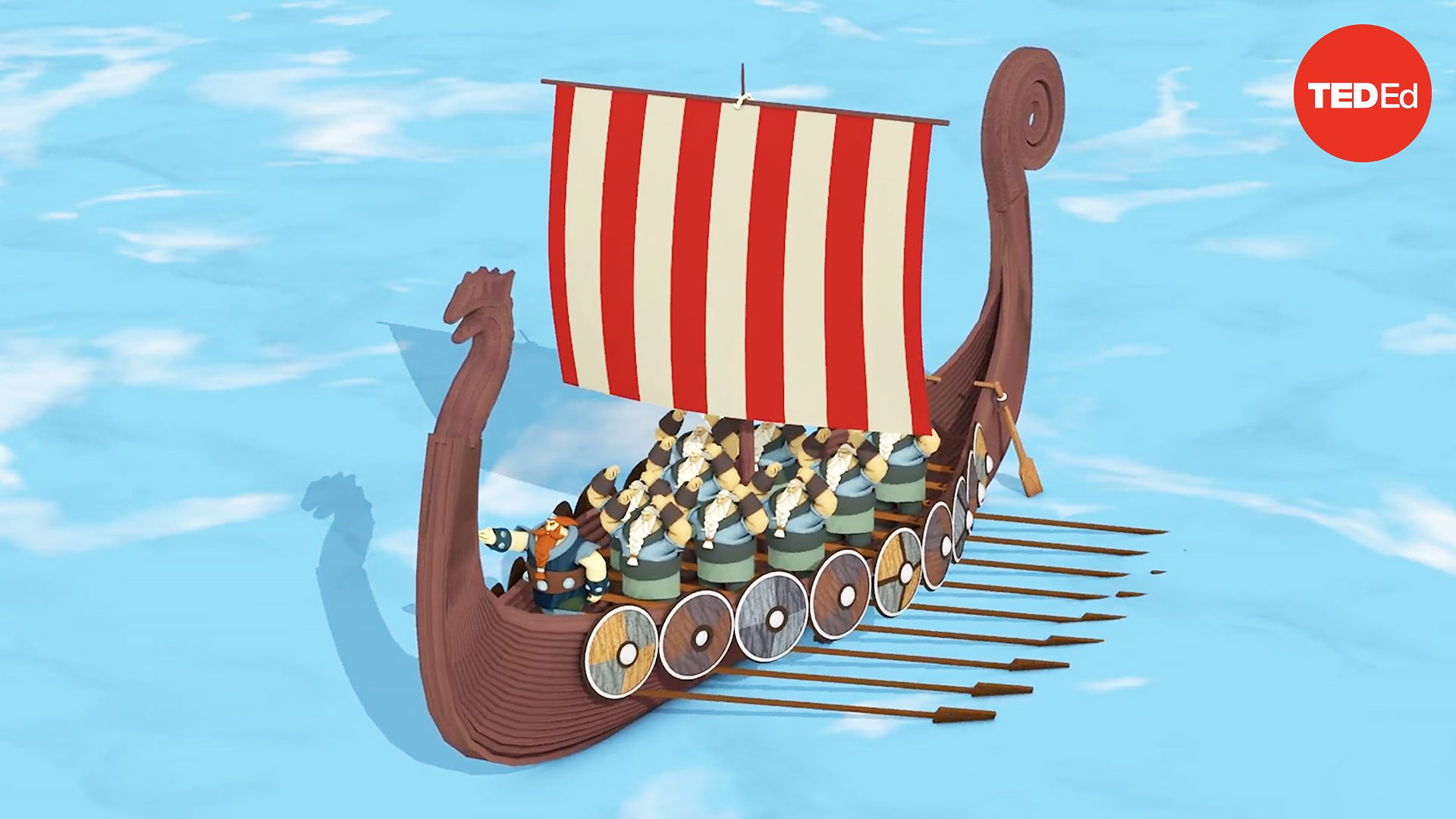
What was so special about Viking ships? | Jan Bill
Jan 21, 202000:04:30Tap to summarizeAs the Roman Empire flourished, Scandinavians had small settlements and no central government. Yet by the 11th century, they had spread far from Scandinavia, gaining control of trade routes throughout Europe, conquering kingdoms as far as Africa, and building outposts in North America. What was the secret to their success? Jan Bill dives into the history of the formidable Viking longship. [Directed by TOTEM Studio, narrated by Addison Anderson, music by Julián André and Blas Cernicchiaro].
Transcribe →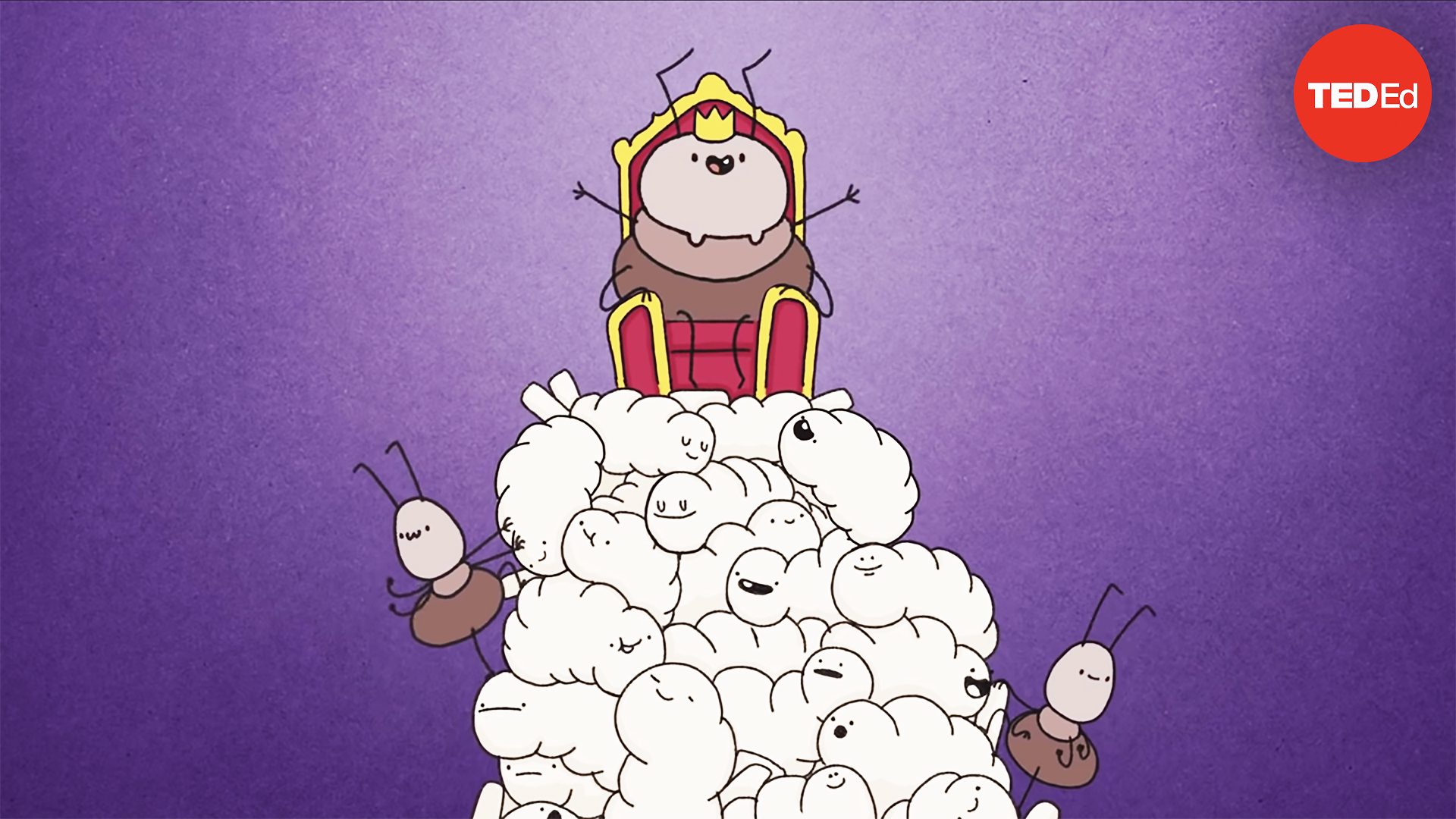
Mating frenzies, sperm hoards, and brood raids: The life of a fire ant queen | Walter R. Tschinkel
Jan 16, 202000:04:59Tap to summarizeIn the spring, just after a heavy rainfall, male and female fire ants swarm the skies for a day of romance, known as the nuptial flight. Thousands of reproduction-capable ants take part in a mating frenzy, and for one successfully mated female, her work is only beginning. Walter R. Tschinkel details how the new queen builds a colony and protects it from neighboring ant armies. [Directed by Lisa Vertudaches, narrated by Addison Anderson, music by Phil Brookes].
Transcribe →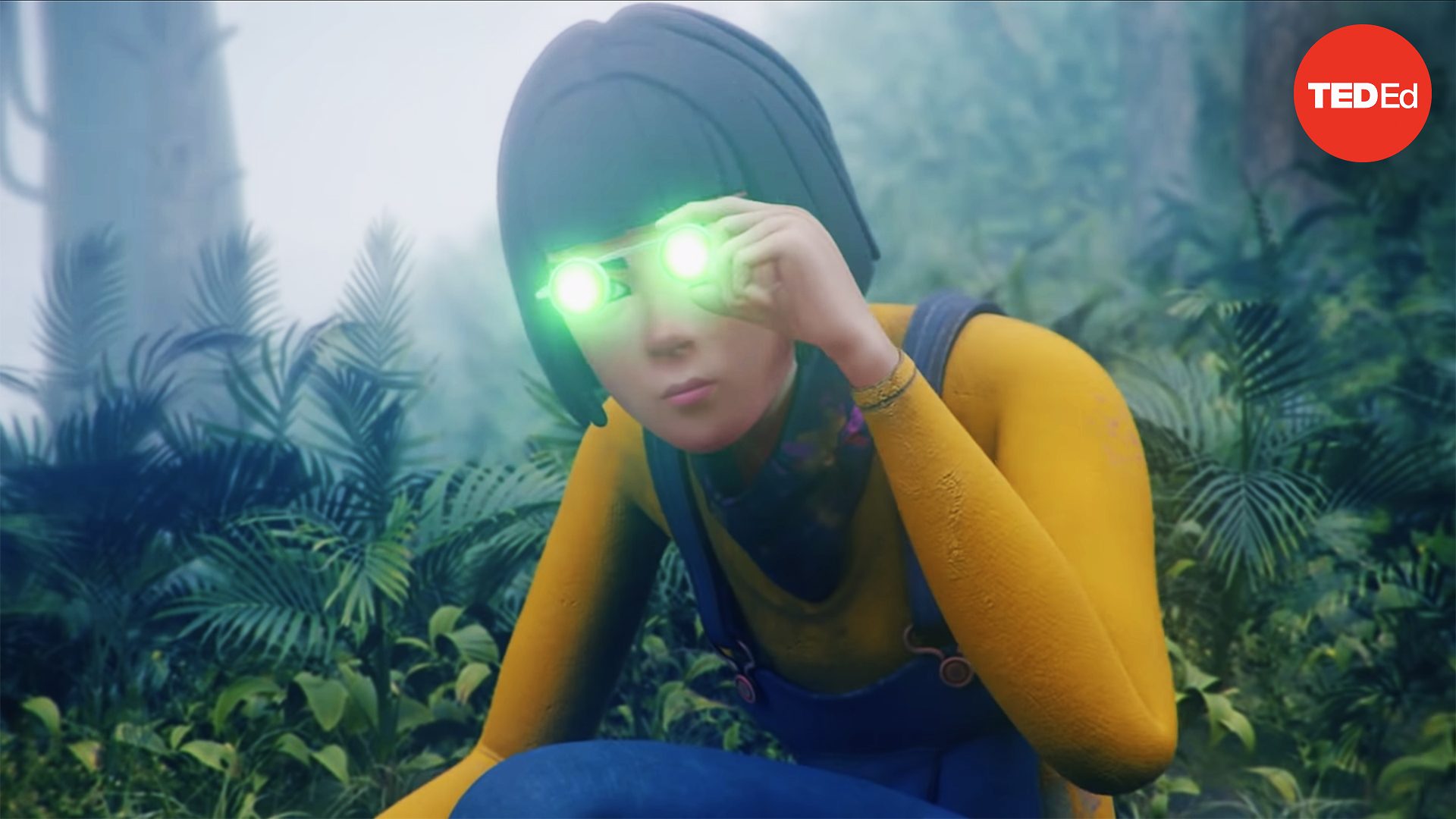
The Artists | Think Like A Coder, Ep 5 | Alex Rosenthal
Jan 13, 202000:06:25Tap to summarizeThis is episode 5 of our animated series "Think Like A Coder." This 10-episode narrative follows a girl, Ethic, and her robot companion, Hedge, as they attempt to save the world. The two embark on a quest to collect three artifacts and must solve their way through a series of programming puzzles. [Directed by Kozmonot Animation Studio, narrated by Addison Anderson].
Transcribe →
Can you solve the dragon jousting riddle? | Alex Gendler
Jan 10, 202000:04:23Tap to summarizeAfter years of war, the world's kingdoms have come to an agreement. Every five years, teams representing the elves, goblins, and treefolk will compete in a grand tournament of dragon jousting. You have the important job of recording the scores for the inaugural tournament. But, you overslept and the games are already underway. Can you figure out the real score of each match? Alex Gendler shows how. [Directed by Artrake Studio, narrated by Addison Anderson].
Transcribe →
The mysterious life and death of Rasputin | Eden Girma
Jan 8, 202000:04:52Tap to summarizeOn a night in 1916, Russian aristocrats set a plot of assassination into motion. If all went as planned, a man would be dead by morning, though others had already tried and failed. The monarchy was on the brink of collapse, and they believed this man was the single cause of it all. Who was he, and why was he to blame for the fate of an empire? Eden Girma explores the life of the notorious Rasputin. [Directed by Hype CG, narrated by Addison Anderson, music by Gabriel Maia].
Transcribe →
Could a breathalyzer detect cancer? | Julian Burschka
Jan 6, 202000:04:17Tap to summarizeHow is it that a breathalyzer can measure the alcohol content in someone's blood, hours after they had their last drink, based on their breath alone? And could we use this same technology to detect disease by analyzing a person's breath, without having to use more invasive diagnostic tools like biopsies, blood draws, and radiation? Julian Burschka details the complicated process. [Directed by Cabong Studios, narrated by Addison Anderson, music by Matheus Wittmann].
Transcribe →
A brief history of alcohol | Rod Phillips
Jan 2, 202000:04:56Tap to summarizeNobody knows exactly when humans began to create fermented beverages. The earliest known evidence comes from 7,000 BCE in China, where residue in clay pots has revealed that people were making an alcoholic beverage from fermented rice, millet, grapes, and honey. So how did alcohol come to fuel global trade and exploration? Roderick Phillips explores the evolution of alcohol. [Directed by Anton Bogaty, narrated by Addison Anderson].
Transcribe →
Why should you read "Lord of the Flies" by William Golding? | Jill Dash
Dec 12, 201900:04:25Tap to summarizeAfter witnessing the atrocities of his fellow man in World War II, William Golding was losing his faith in humanity. Later, during the Cold War, as superpowers began threatening one another with nuclear annihilation, he was forced to interrogate the very roots of human nature and violence. These musings would inspire his first novel: "Lord of the Flies." Jill Dash dives into the timeless satire. [Directed by Lucy Animation Studio / Silvia Prietov, narrated by Addison Anderson, music by Stephen LaRosa].
Transcribe →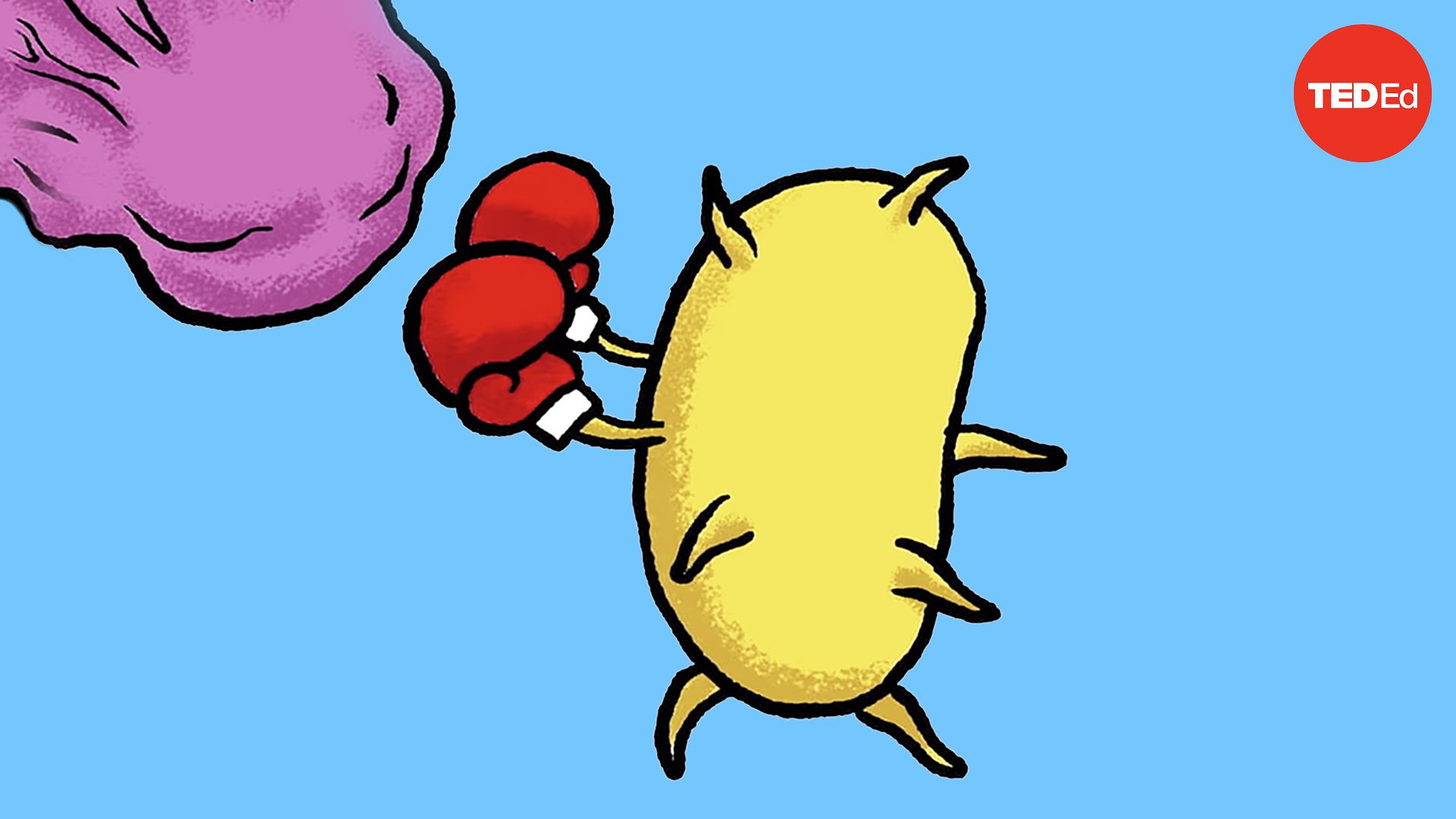
Hacking bacteria to fight cancer | Tal Danino
Dec 11, 201900:04:51Tap to summarizeIn 1884, an unlucky patient who had a rapidly growing cancer in his neck came down with an unrelated bacterial skin infection. As he recovered from the infection, the cancer surprisingly began to recede. The infection had stimulated the patient's immune system. Today, synthetic biologists program bacteria to safely deliver drugs directly to tumors. How is this possible? Tal Danino investigates. [Directed by Chris Bishop, narrated by Addison Anderson].
Transcribe →