Podcast
TED Talks
Hosted by TED · EN
Every weekday, TED Talks Daily brings you the latest talks in audio. Join host and journalist Elise Hu for thought-provoking ideas on every subject imaginable — from Artificial Intelligence to Zoology, and everything in between — given by the world's leading thinkers and creators. With TED Talks Daily, find some space in your day to change your perspectives, ignite your curiosity, and learn something new.
10episodes
Episodes
Newest firstAll episodes
How your childhood toys tell your life story | Chris Byrne
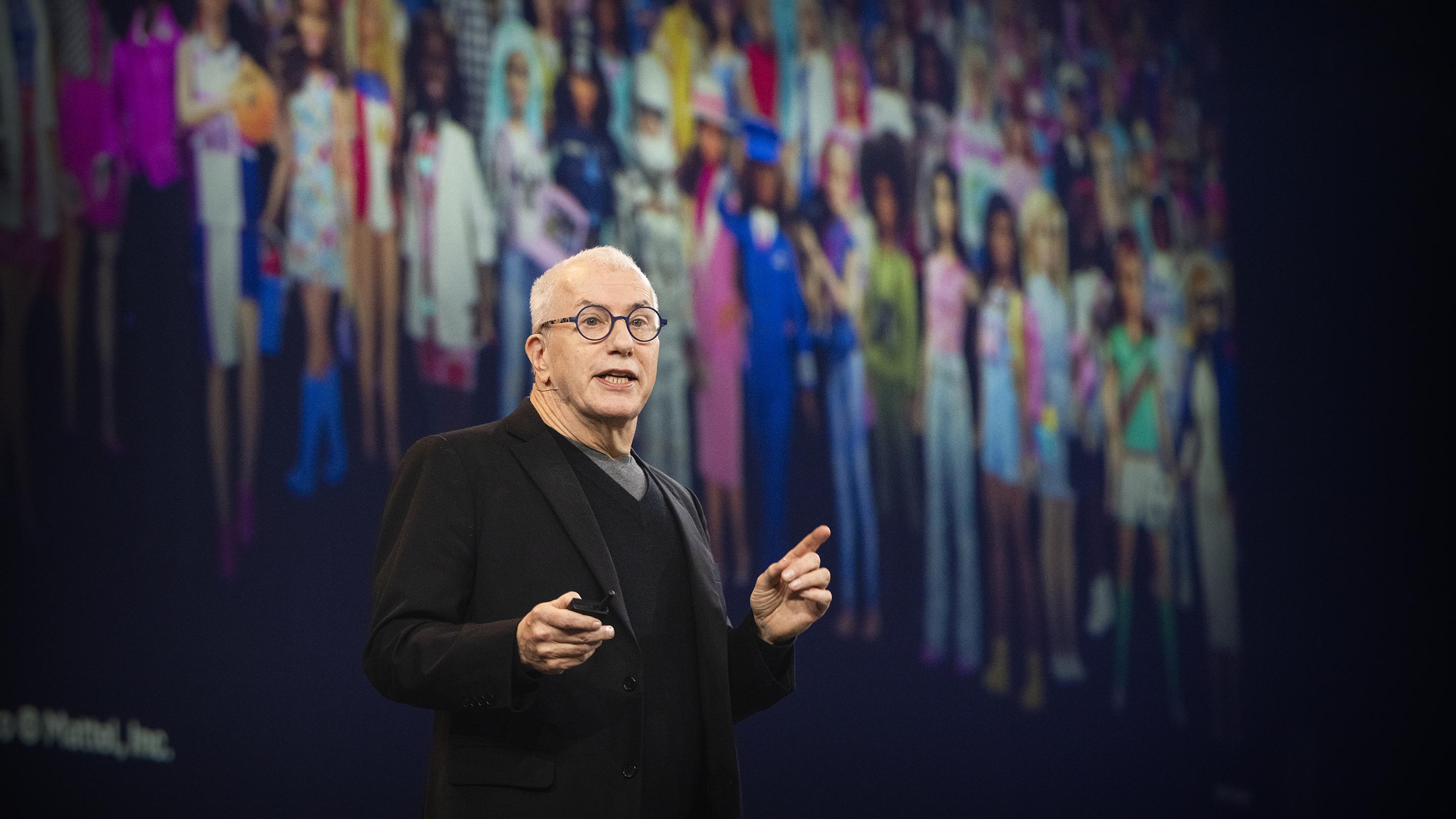
Dec 9, 202400:12:21Tap to summarizeWhat was your favorite toy when you were a kid? Your answer might reveal more about you than you expect, says toy historian Chris Byrne. From Matchbox cars and Barbie to Rubik's Cube and Squishmallows, he explores how playthings reflect cultural values and influence who you become as an adult.
Transcribe →
Sunday Pick: A Healthier You: A 5-step guide to better doctor visits | TED Health
Dec 8, 202400:12:09Tap to summarizeEach Sunday, TED shares an episode of another podcast we think you'll love, handpicked for you… by us. This week on TED Health, Dr. Shoshana Ungerleider is taking you on a special journey to embrace your healthiest self. Join her and experts from across the healthcare space for our “A Healthier You” series, where we dive deeper into ideas and knowledge that could change the way you think about health — from your heart to your brain to your gut.Up first: how to advocate for yourself. The doctor’s office can be an intimidating place, and it can leave patients confused or worried. But it doesn’t have to be like that! In this episode, Shoshana shares how she’s navigated a recent medical experience and breaks down some key strategies to use at the doctor’s office to get the care you need — and deserve.
Transcribe →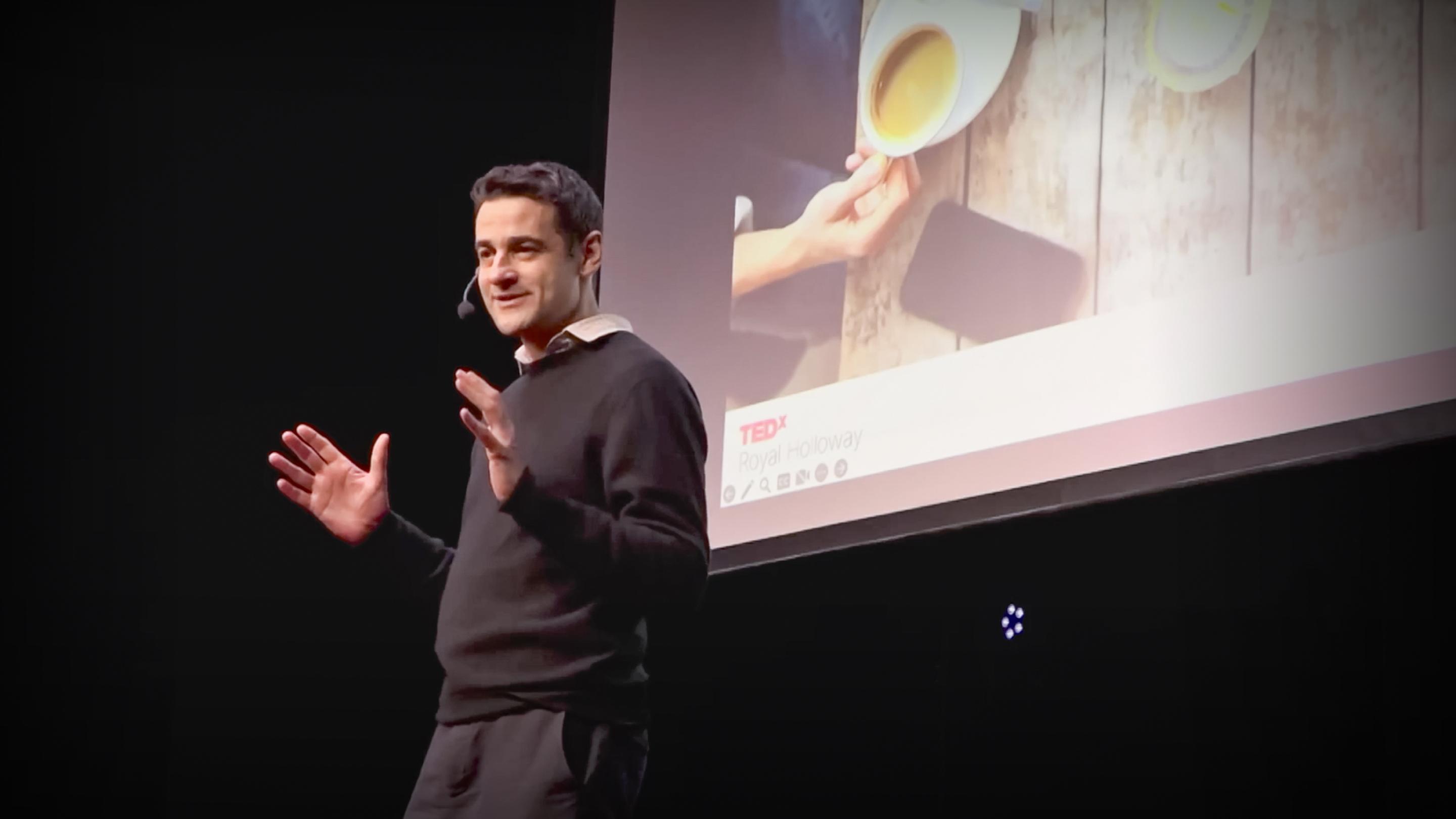
The trick to powerful public speaking | Lawrence Bernstein
Dec 7, 202400:15:55Tap to summarizeWhy do so many of us get nervous when public speaking? Communication expert Lawrence Bernstein says the key to dealing with the pressure is as simple as having a casual chat. He introduces the "coffee shop test" as a way to help you overcome nerves, connect with your audience and deliver a message that truly resonates.
Transcribe →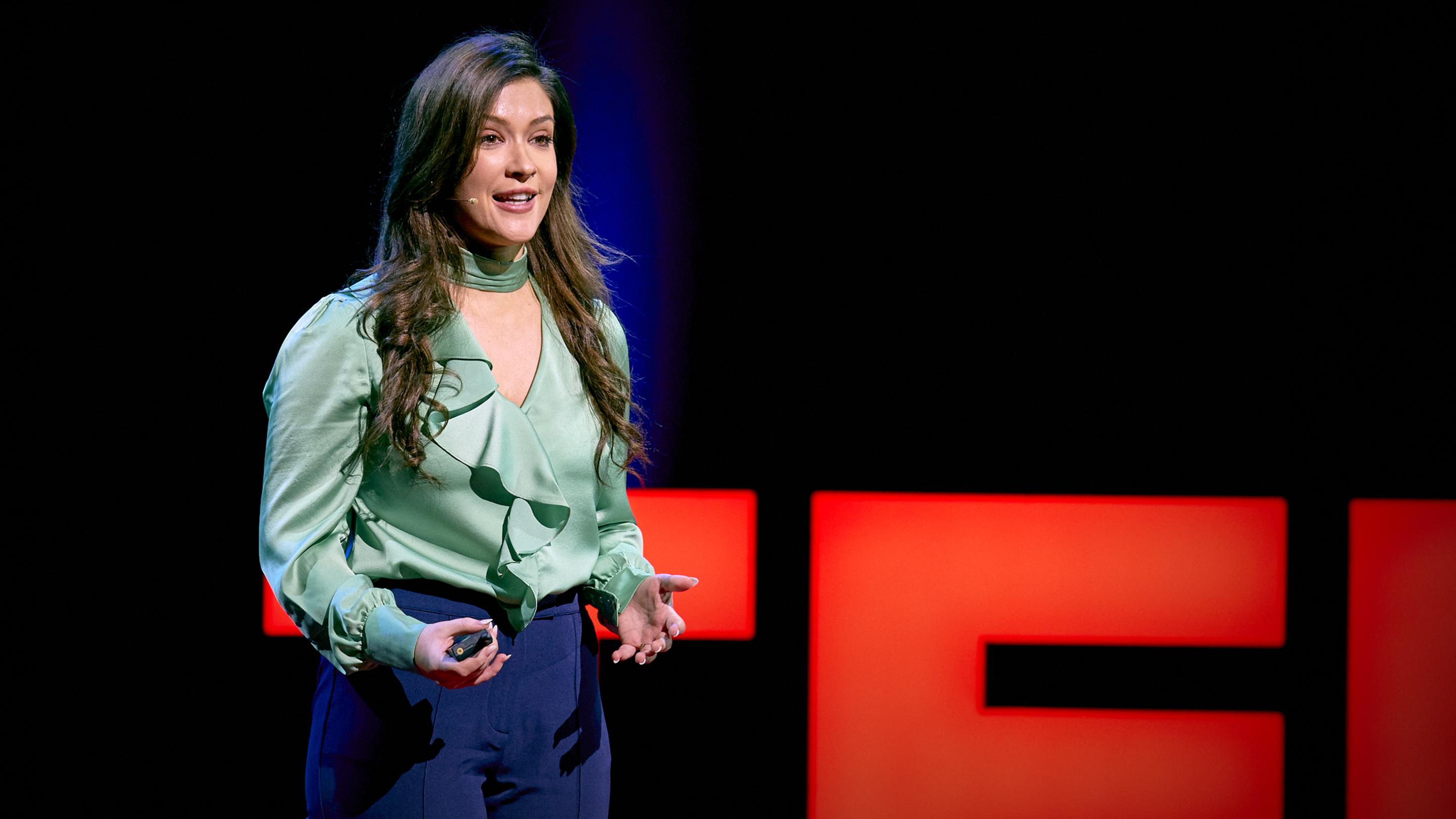
How a deepfake almost ruined my political career | Cara Hunter
Dec 6, 202400:14:48Tap to summarizeA nightmare scenario happened to politician Cara Hunter: just weeks before her election, she became the victim of a deepfake scam that threatened to upend her life and career. In a fearless talk, she explores AI's potential to undermine truth and democracy — and offers a path forward to harness this powerful technology as a force for good. (This talk contains mature language.)
Transcribe →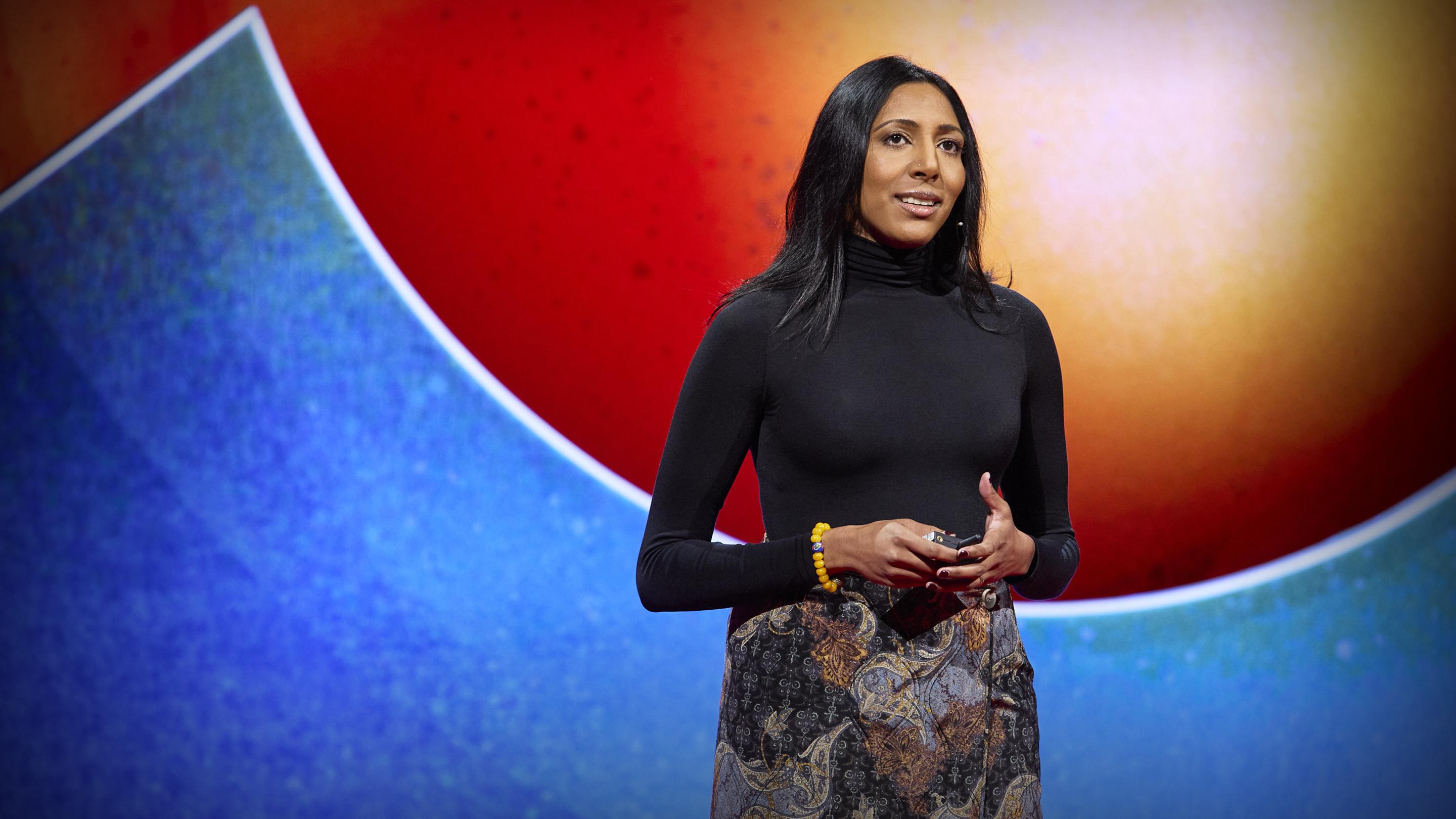
The real-world danger of online myths | Vidhya Ramalingam
Dec 5, 202400:15:32Tap to summarizeHow do we protect ourselves from being misled online? Counter-terrorism expert Vidhya Ramalingam reveals how disinformation is being weaponized to justify violence — increasingly against climate scientists — and introduces a powerful tool called "prebunking": a proactive approach that empowers people to recognize and reject manipulative messages before they take root.
Transcribe →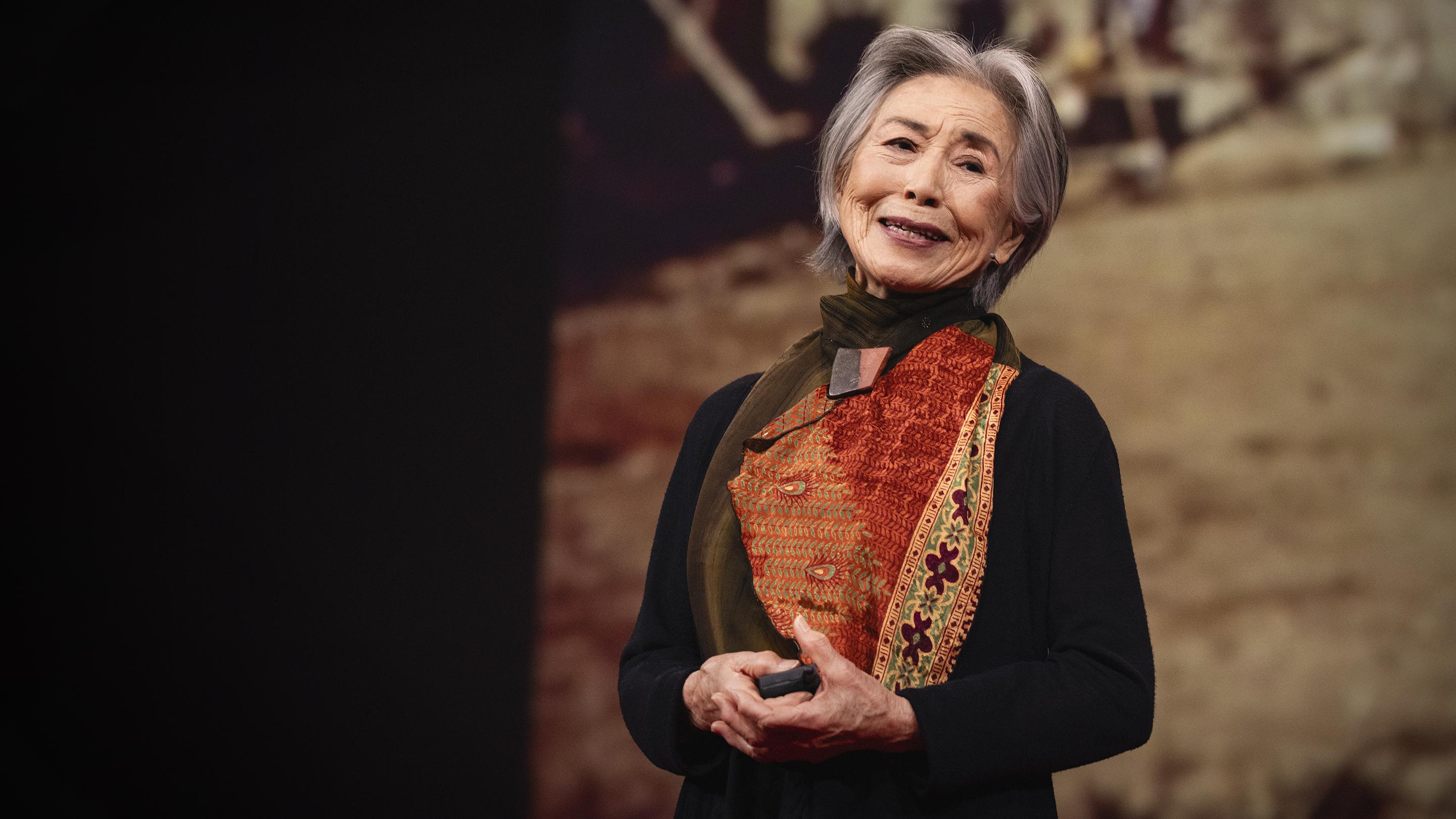
How art transforms brokenness into beauty | Lily Yeh
Dec 4, 202400:14:23Tap to summarizeLily Yeh calls herself a barefoot artist: she travels the world with a suitcase full of art supplies, working with whoever wants to join her. In an inspiring talk, she shares the fruits of her collaborative art projects that bring color, community and beauty to public spaces often seen as “broken."
Transcribe →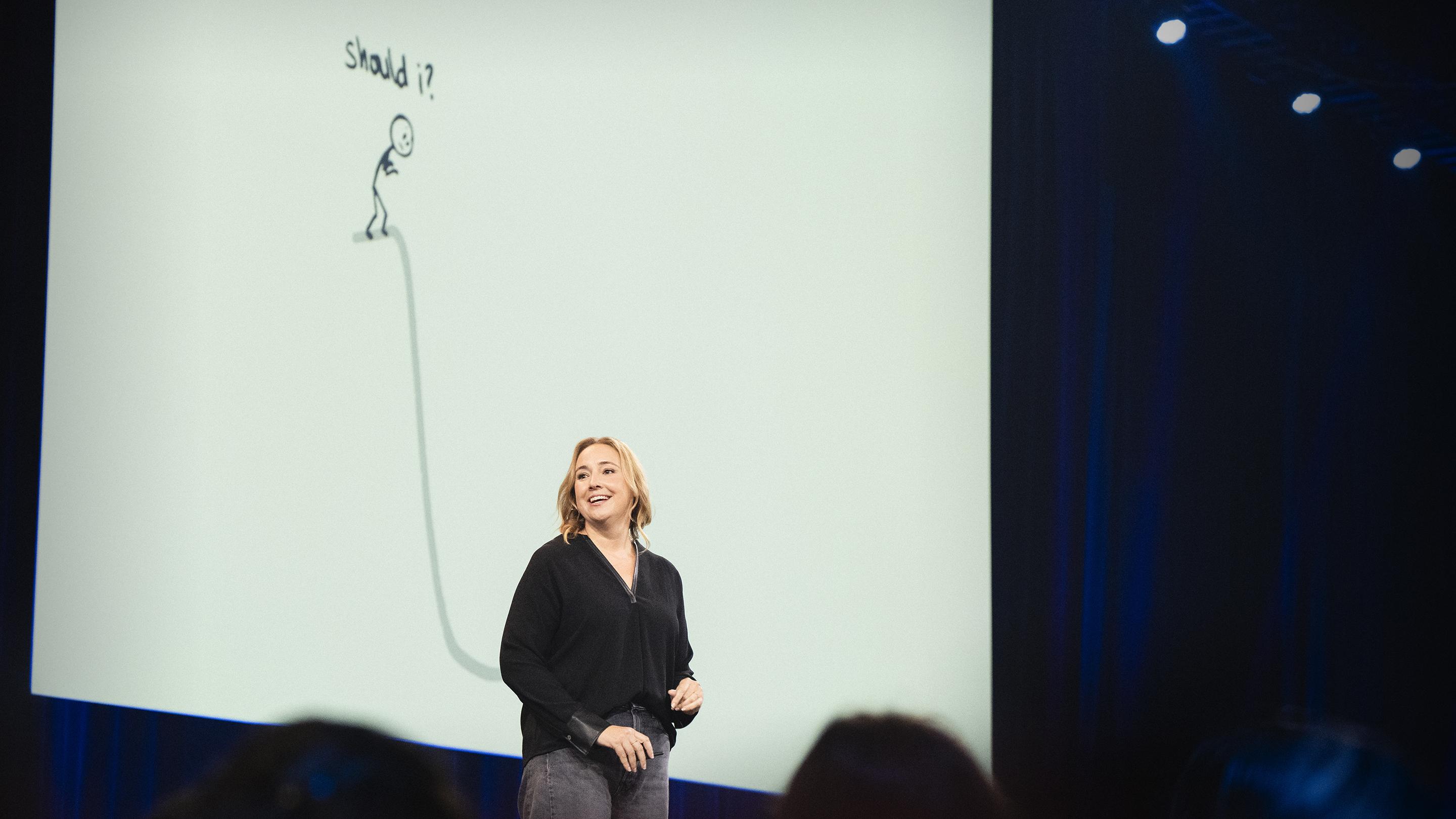
Forget the corporate ladder — winners take risks | Molly Graham
Dec 3, 202400:10:56Tap to summarizeSuccess in your career looks different for everyone — but no matter your industry, you'll need to take risks. Company and community builder Molly Graham shares three key skills to learn before jumping off the metaphorical cliff, outlining a path off the corporate ladder and into true professional and personal growth.
Transcribe →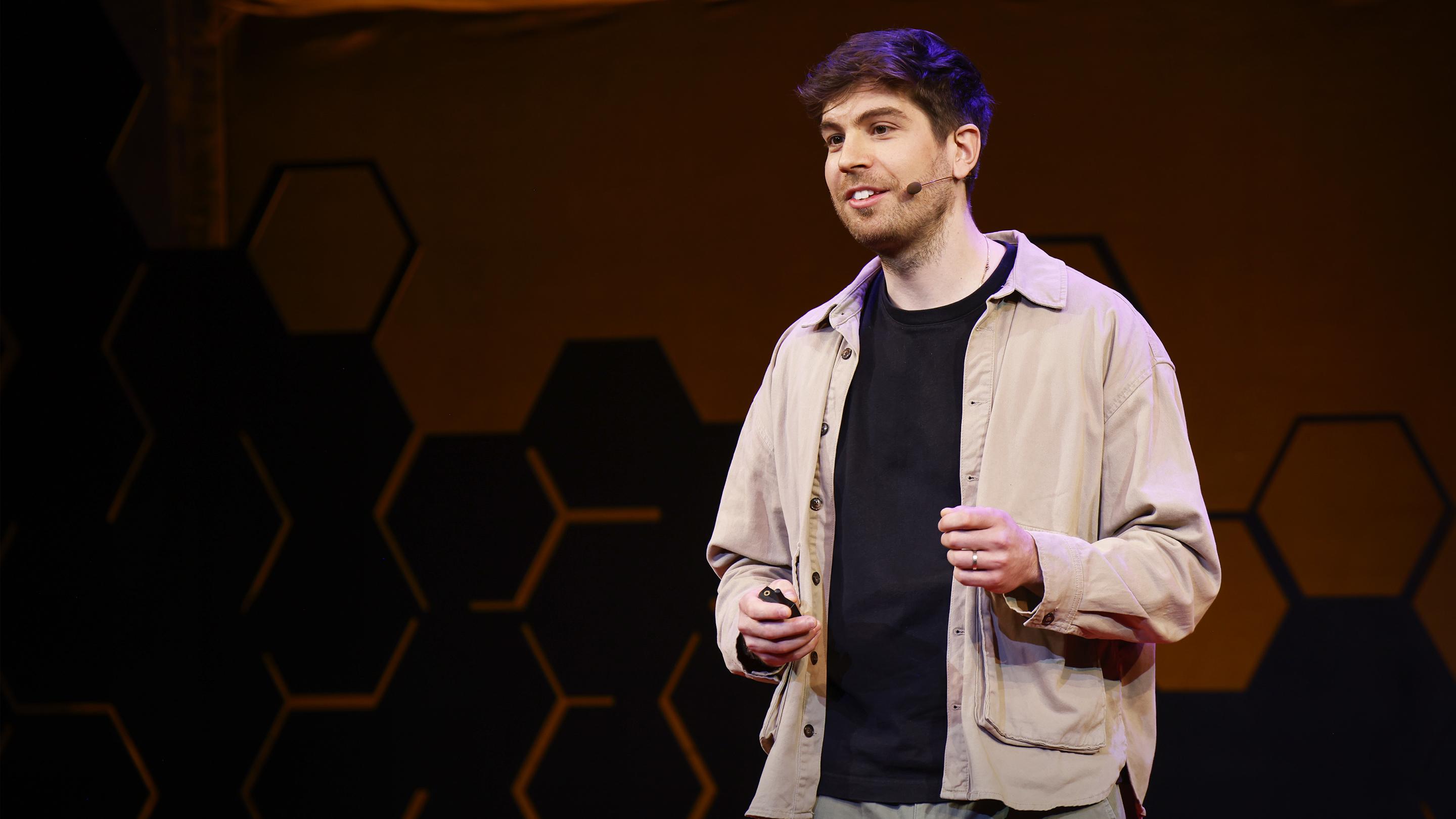
How AI is saving billions of years of human research time | Max Jaderberg
Dec 2, 202400:18:02Tap to summarizeCan AI compress the yearslong research time of a PhD into seconds? Research scientist Max Jaderberg explores how “AI analogs” simulate real-world lab work with staggering speed and scale, unlocking new insights on protein folding and drug discovery. Drawing on his experience working on Isomorphic Labs' and Google DeepMind's AlphaFold 3 — an AI model for predicting the structure of molecules — Jaderberg explains how this new technology frees up researchers' time and resources to better understand the real, messy world and tackle the next frontiers of science, medicine and more.
Transcribe →
Sunday Pick: How many friends do I need?
Dec 1, 202400:20:24Tap to summarizeEach Sunday, TED shares an episode of another podcast we think you'll love, handpicked for you… by us. How many relationships should we maintain, and what are the different kinds of friendships we need anyway? In this episode of Am I Normal?, a podcast from the TED Audio Collective, data scientist Mona Chalabi asks evolutionary psychologist Robin Dunbar what he's learned from been studying social relationships for 50 years. Then, Mona maps out her own relationships against the averages -- and invites you to do the same.You can find the full text transcript along with studies cited in this episode at go.ted.com/AIN2. Special thanks to guest Robin Dunbar for lending his expertise.
Transcribe →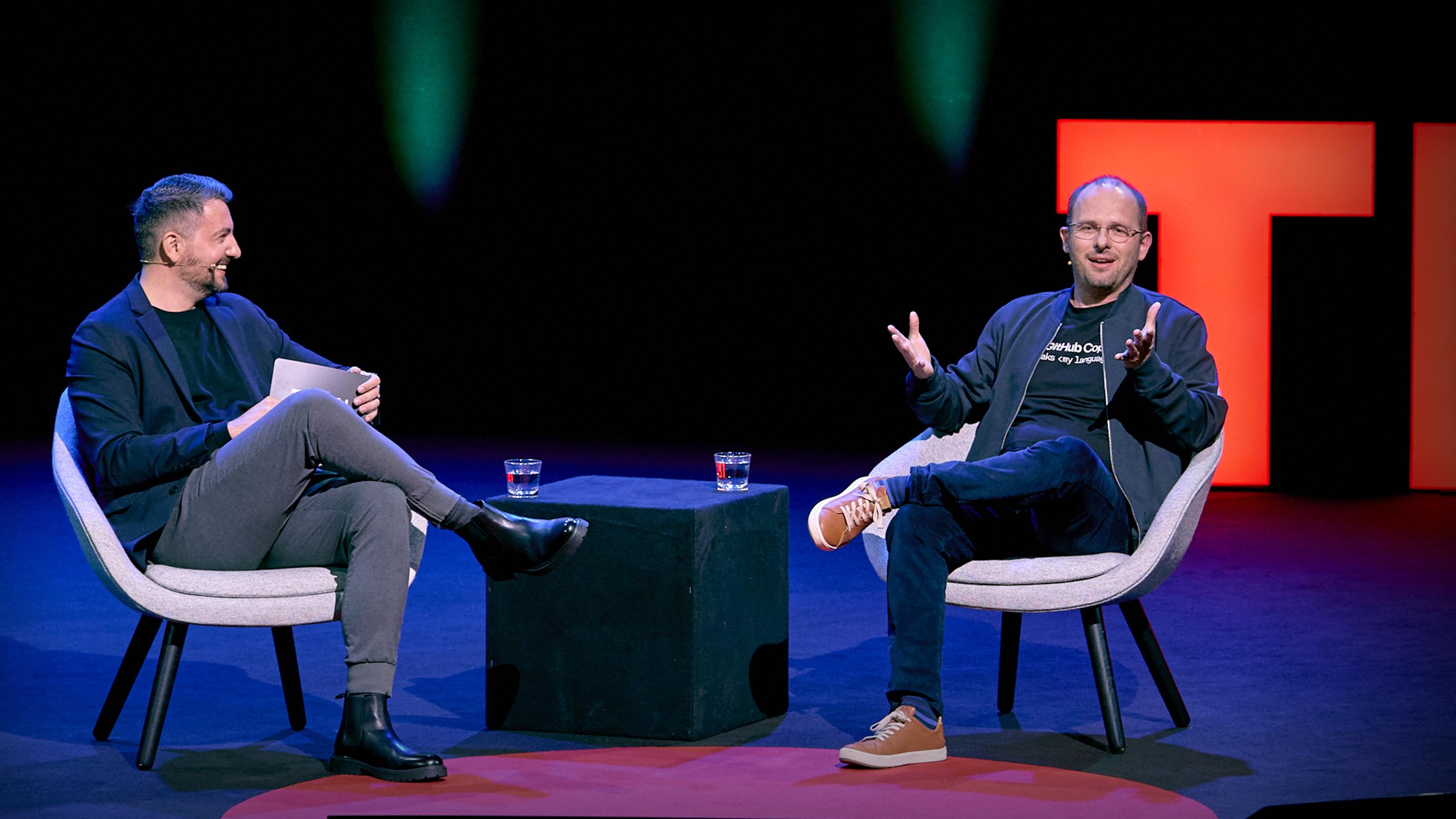
Can Europe win the age of AI? | Thomas Dohmke
Nov 30, 202400:20:53Tap to summarizeGitHub CEO Thomas Dohmke discusses Europe's readiness to lead the next era of AI innovation, examining how the continent's tech ecosystems stack up against those in the US. In conversation with TEDAI Vienna co-curator Vlad Gozman, Dohmke explains the three key shifts that will help Europe thrive in the age of AI — and shows how GitHub's initiatives can empower anyone to build new ideas around the world.
Transcribe →