
Podcast
TED Talks Science and Medicine
Hosted by TED · EN
Some of the world's greatest scientists, doctors and medical researchers share their discoveries and visions onstage at the TED conference, TEDx events and partner events around the world. You can also download these and many other videos free on TED.com, with an interactive English transcript and subtitles in up to 80 languages. TED is a nonprofit devoted to Ideas Worth Spreading.
30episodes
Episodes
Newest firstAll episodes
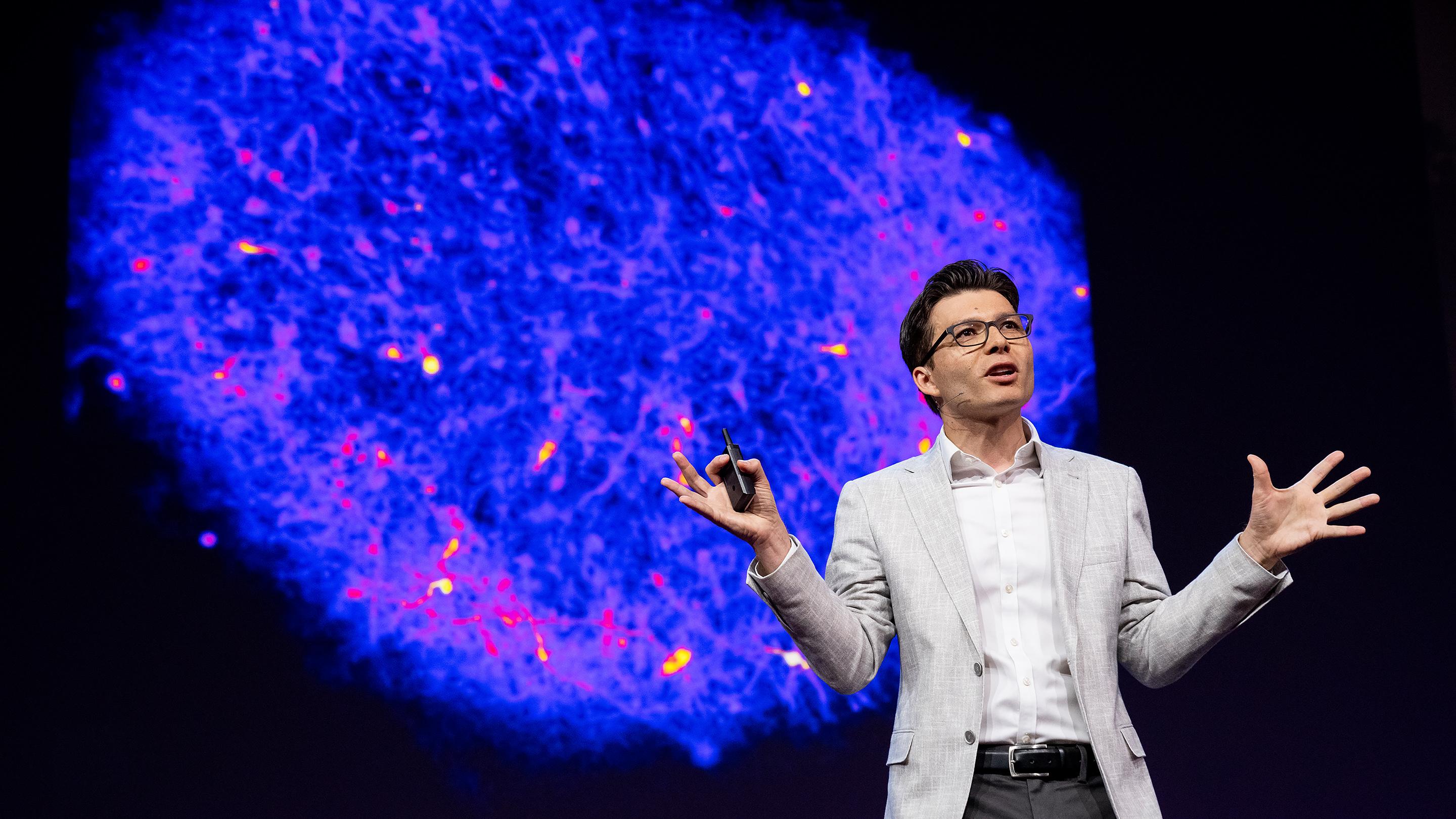
How we're reverse engineering the human brain in the lab | Sergiu P. Pasca
Aug 24, 202200:12:31Tap to summarizeNeuroscientist Sergiu P. Pasca has made it his life's work to understand how the human brain builds itself -- and what makes it susceptible to disease. In a mind-blowing talk laden with breakthrough science, he shows how his team figured out how to grow "organoids" and what they call brain "assembloids" -- self-organizing clumps of neural tissue derived from stem cells that have shown the ability to form circuits -- and explains how these miniature parts of the nervous system are bringing us closer to demystifying the brain.
Transcribe →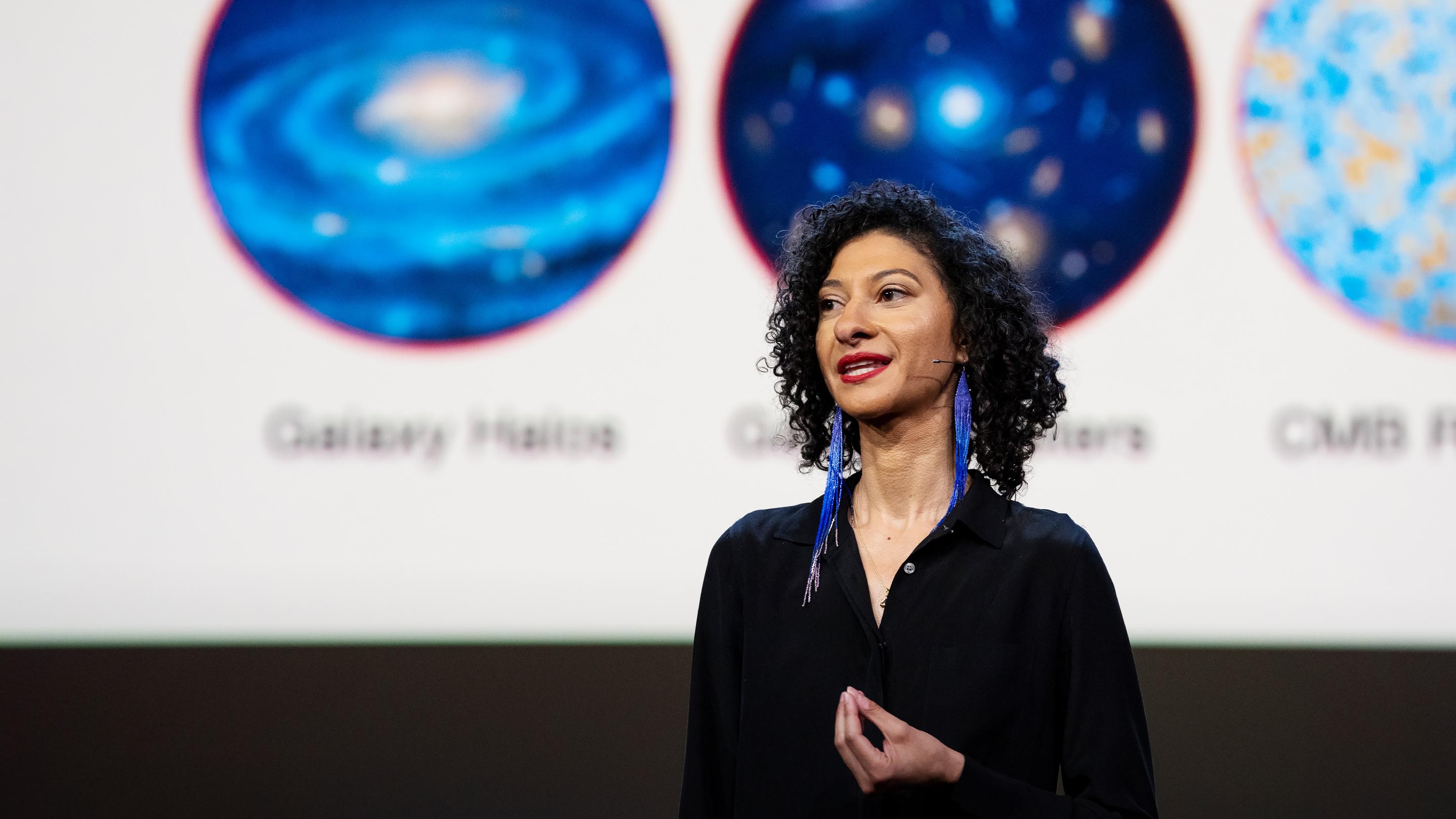
The search for the invisible matter that shapes the universe | Chanda Prescod-Weinstein
Jul 11, 202200:14:52Tap to summarizeThe universe that we know, with its luminous stars and orbiting planets, is largely made up of elements we can't actually see -- like dark energy and dark matter -- and therefore don't fully understand. Theoretical physicist Chanda Prescod-Weinstein takes us inside the search for this cosmos-shaping invisible matter and explains how, with the help of a new generation of telescopes, we could be closer to demystifying it than ever before. "The universe is more queer and fantastical than it looks to the naked eye," she says. (If you want to hear more from Prescod-Weinstein, check out her episode on "The TED Interview" podcast.)
Transcribe →
The brain science (and benefits) of ASMR | Craig Richard
Jun 7, 202200:11:44Tap to summarizeA curious, quiet revolution of sound has taken over the internet. Physiologist Craig Richard explains the soothing brain science of Autonomous Sensory Meridian Response (ASMR), tracking its rise in popularity and why this fascinating phenomenon is so relaxing to millions of people around the world.
Transcribe →
Humanity's search for cosmic truth and poetic beauty | Maria Popova
May 23, 202200:07:15Tap to summarizeLinking together the histories of Henrietta Swan Leavitt, Edwin Hubble and Tracy K. Smith, poet and thinker Maria Popova crafts an astonishing story of how humanity came to see the edge of the observable universe. (Followed by an animated excerpt of "My God, It's Full of Stars," by Tracy K. Smith)
Transcribe →
How mRNA medicine will change the world | Melissa J. Moore
Apr 27, 202200:18:00Tap to summarizeThe secret behind medicine that uses messenger RNA (or mRNA) is that it "teaches" our bodies how to fight diseases on our own, leading to groundbreaking treatments for COVID-19 and, potentially one day, cancer, the flu and other ailments that have haunted humanity for millennia. RNA researcher Melissa J. Moore -- Moderna's chief scientific officer and one of the many people responsible for the rapid creation and deployment of their COVID-19 vaccine -- takes us down to the molecular level, unraveling how mRNA helps our bodies' proteins maintain health, prevent disease and correct errors in our genetic code. "We have entered an entirely new era of medicine," Moore says.
Transcribe →
We can make COVID-19 the last pandemic | Bill Gates
Apr 22, 202200:14:43Tap to summarizeBuilding a pandemic-free future won't be easy, but Bill Gates believes that we have the tools and strategies to make it possible -- now we just have to fund them. In this forward-looking talk, he proposes a multi-specialty Global Epidemic Response and Mobilization (GERM) team that would detect potential outbreaks and stop them from becoming pandemics. By investing in disease monitoring, research and development as well as improved health systems, Gates believes we can "create a world where everyone has a chance to live a healthy and productive life -- a life free from the fear of the next COVID-19."
Transcribe →
5 promising factors propelling climate action | Gabriel Kra
Apr 6, 202200:11:26Tap to summarizeGiven the scale of the challenge, the conversation around climate change is often tinged with doom and gloom. But climate tech investor Gabriel Kra thinks we need to reframe the crisis as a source of tremendous opportunity. He offers five big reasons to be optimistic about climate -- starting with the fact that many of the world's best minds are focused and working on building a clean future for all.
Transcribe →
The deep sea's medicinal secrets | Sam Afoullouss
Mar 17, 202200:13:10Tap to summarizeUnder the sea, untold wonders await in the form of untapped medicinal potential. Chemist Sam Afoullouss dives into the science behind natural remedies, explaining why the ocean's great (and still largely unexplored) biodiversity is ideal for deriving and inspiring future treatments -- if we protect its waters and the marine life within them.
Transcribe →
What seaweed and cow burps have to do with climate change | Ermias Kebreab
Mar 3, 202200:09:01Tap to summarizeScientists have long known that cows are a huge source of the greenhouse gas methane, contributing up to four percent of emissions globally. But could there be a way to make cattle less -- ahem -- gassy? Animal scientist Ermias Kebreab talks through an ingenious solution to reduce methane-rich cow burps by feeding cattle something growing below the surface of the ocean: seaweed.
Transcribe →
The problem of vaccine spoilage -- and a smart sensor to help | Nithya Ramanathan
Nov 3, 2021Tap to summarizeRefrigerators do much more than store your groceries -- they're also vital to preserving and distributing vaccines. Illustrating the realities of (and threats to) global vaccine supply chains, technologist and TED Fellow Nithya Ramanathan describes how smart sensors placed in fridges that store medical supplies can provide crucial, real-time data and ensure people get the life-saving care they need.
Transcribe →