
Podcast
TEDTalks تعليم
Hosted by TED · EN
كيف يجب أن تبدو مدارس المستقبل؟ كيف يتعلم الدماغ؟ يشارك بعض من أعظم المربين والباحثين وقادة المجتمعات المحلية في العالم قصصهم ورؤاهم على الخشبة في مؤتمرات تيد وأنشطة تيد إكس والأنشطة الشريكة حول العالم. يمكنكم كذلك تحميل هذه الفيديوهات وفيديوهات أخرى مجانا على TED.com، مع النص الكامل التفاعلي بالإنجليزية وملفات ترجمة لحوالي 80 لغة. تيد منظمة غير ربحية مكرسة للأفكار التي تستحق النشر.
10episodes
Episodes
Newest firstAll episodes

What I learned from spending 31 days underwater | Fabien Cousteau
Oct 23, 201400:10:38Tap to summarizeIn 1963, Jacques Cousteau lived for 30 days in an underwater laboratory positioned on the floor of the Red Sea, and set a world record in the process. This summer, his grandson Fabien Cousteau broke that record. Cousteau the younger lived for 31 days aboard the Aquarius, an underwater research laboratory nine miles off the coast of Florida. In a charming talk he brings his wondrous adventure to life.
Transcribe →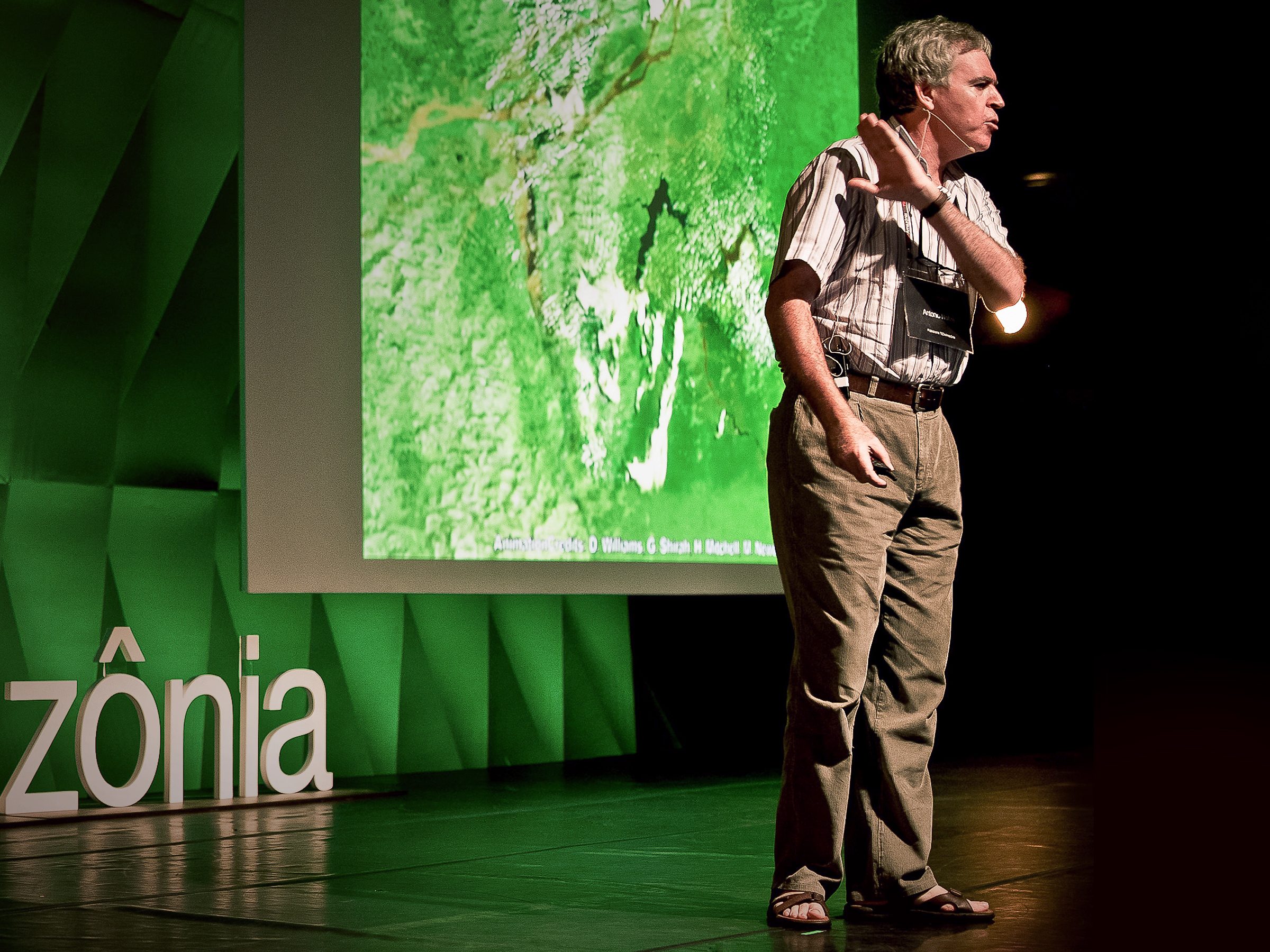
The magic of the Amazon: A river that flows invisibly all around us | Antonio Donato Nobre
Sep 19, 201400:21:25Tap to summarizeThe Amazon River is like a heart, pumping water from the seas through it, and up into the atmosphere through 600 billion trees, which act like lungs. Clouds form, rain falls and the forest thrives. In a lyrical talk, Antonio Donato Nobre talks us through the interconnected systems of this region, and how they provide environmental services to the entire world. A parable for the extraordinary symphony that is nature.
Transcribe →
How not to be ignorant about the world | Hans and Ola Rosling
Sep 11, 201400:18:55Tap to summarizeHow much do you know about the world? Hans Rosling, with his famous charts of global population, health and income data (and an extra-extra-long pointer), demonstrates that you have a high statistical chance of being quite wrong about what you think you know. Play along with his audience quiz — then, from Hans’ son Ola, learn 4 ways to quickly get less ignorant.
Transcribe →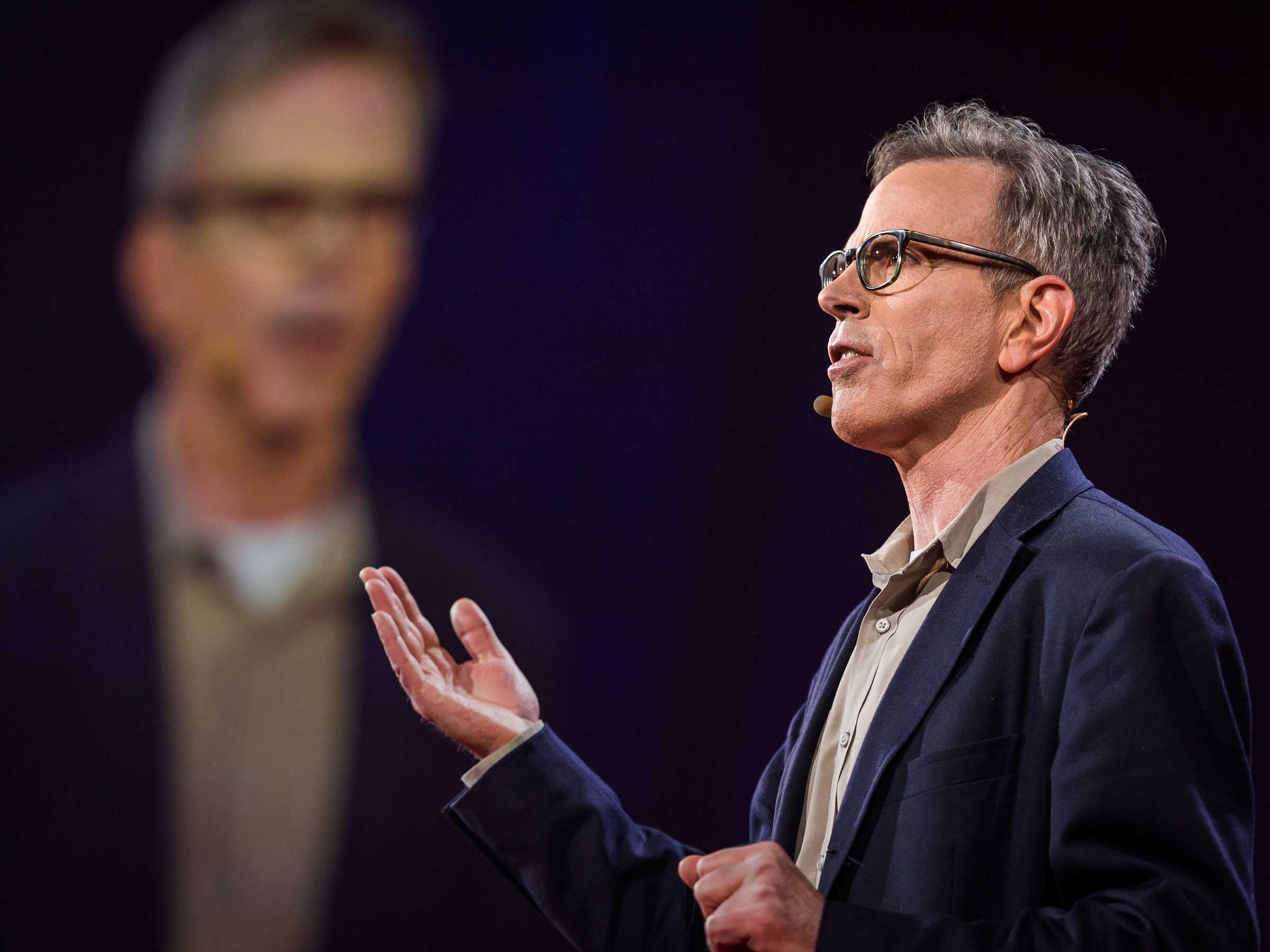
Why does the universe exist? | Jim Holt
Sep 2, 201400:17:07Tap to summarizeWhy is there something instead of nothing? In other words: Why does the universe exist (and why are we in it)? Philosopher and writer Jim Holt follows this question toward three possible answers. Or four. Or none.
Transcribe →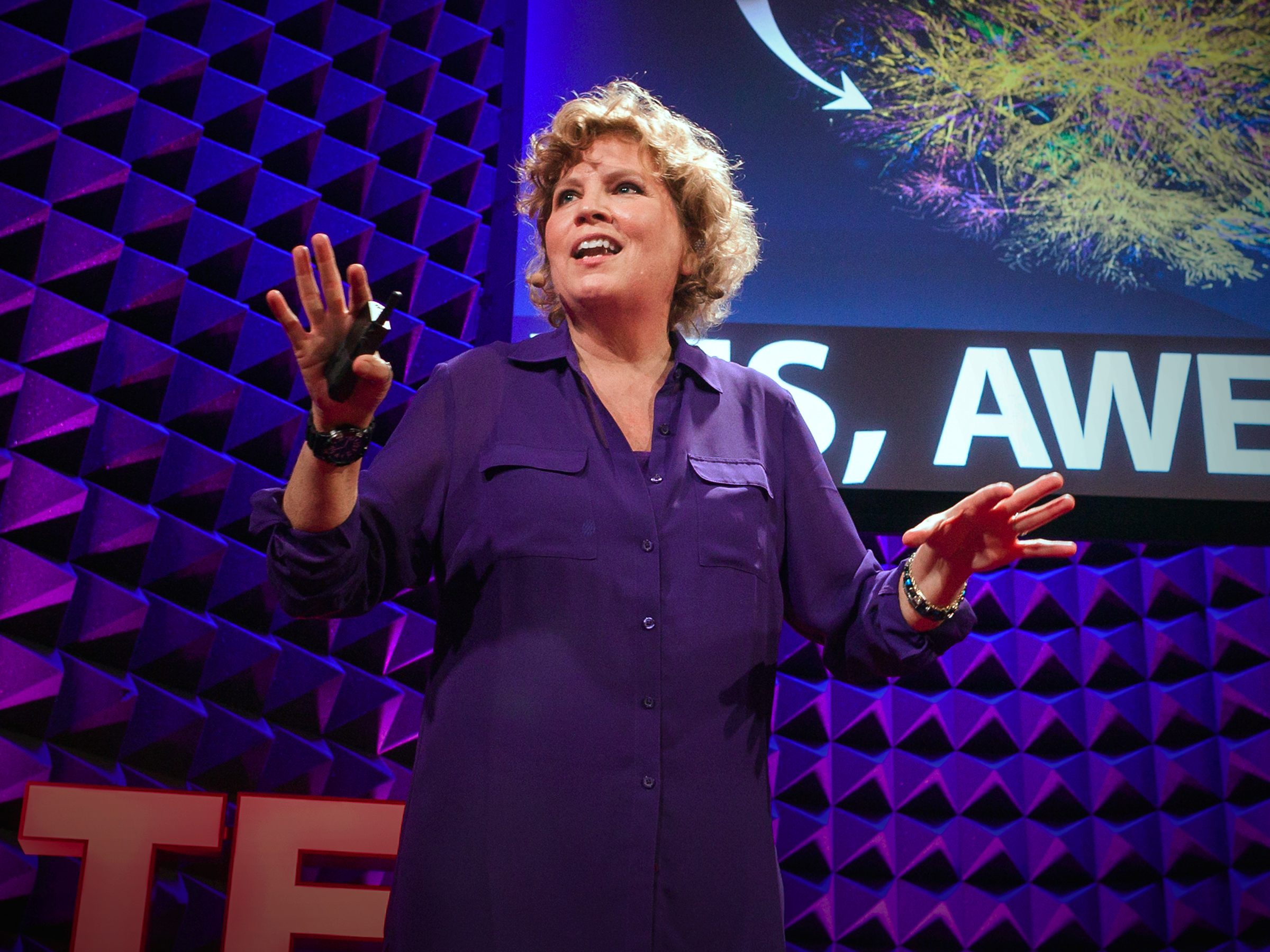
Please, please, people. Let's put the 'awe' back in 'awesome' | Jill Shargaa
Aug 29, 201400:06:04Tap to summarizeWhich of the following is awesome: your lunch or the Great Pyramid of Giza? Comedian Jill Shargaa sounds a hilarious call for us to save the word "awesome" for things that truly inspire awe.
Transcribe →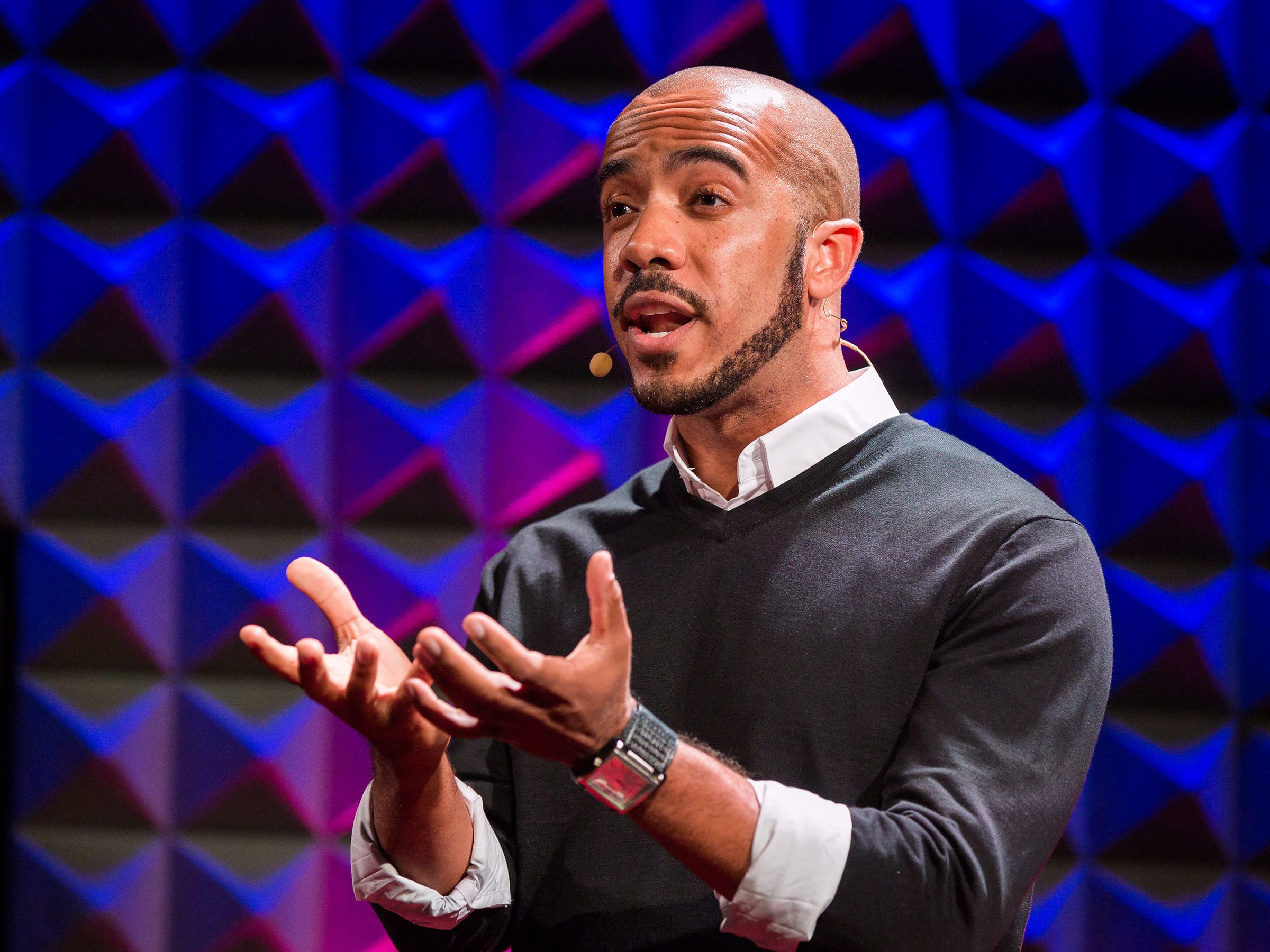
The danger of silence | Clint Smith
Aug 15, 201400:04:09Tap to summarize"We spend so much time listening to the things people are saying that we rarely pay attention to the things they don't," says poet and teacher Clint Smith. A short, powerful piece from the heart, about finding the courage to speak up against ignorance and injustice.
Transcribe →
Why I live in mortal dread of public speaking | Megan Washington
Aug 8, 201400:12:48Tap to summarizeMegan Washington is one of Australia's premier singer/songwriters. And, since childhood, she has had a stutter. In this bold and personal talk, she reveals how she copes with this speech impediment—from avoiding the letter combination “st” to tricking her brain by changing her words at the last minute to, yes, singing the things she has to say rather than speaking them.
Transcribe →
An ultra-low-cost college degree | Shai Reshef
Aug 4, 201400:10:38Tap to summarizeAt the online University of the People, anyone with a high school diploma can take classes toward a degree in business administration or computer science — without standard tuition fees (though exams cost money). Founder Shai Reshef hopes that higher education is changing "from being a privilege for the few to a basic right, affordable and accessible for all."
Transcribe →
What makes a word "real"? | Anne Curzan
Jun 17, 201400:16:59Tap to summarizeOne could argue that slang words like ‘hangry,’ ‘defriend’ and ‘adorkable’ fill crucial meaning gaps in the English language, even if they don't appear in the dictionary. After all, who actually decides which words make it into those pages? Language historian Anne Curzan gives a charming look at the humans behind dictionaries, and the choices they make.
Transcribe →
What ants teach us about the brain, cancer and the Internet | Deborah Gordon
May 13, 201400:13:55Tap to summarizeEcologist Deborah Gordon studies ants wherever she can find them -- in the desert, in the tropics, in her kitchen ... In this fascinating talk, she explains her obsession with insects most of us would happily swat away without a second thought. She argues that ant life provides a useful model for learning about many other topics, including disease, technology and the human brain.
Transcribe →