← The 47 Morning Update with Ben Ferguson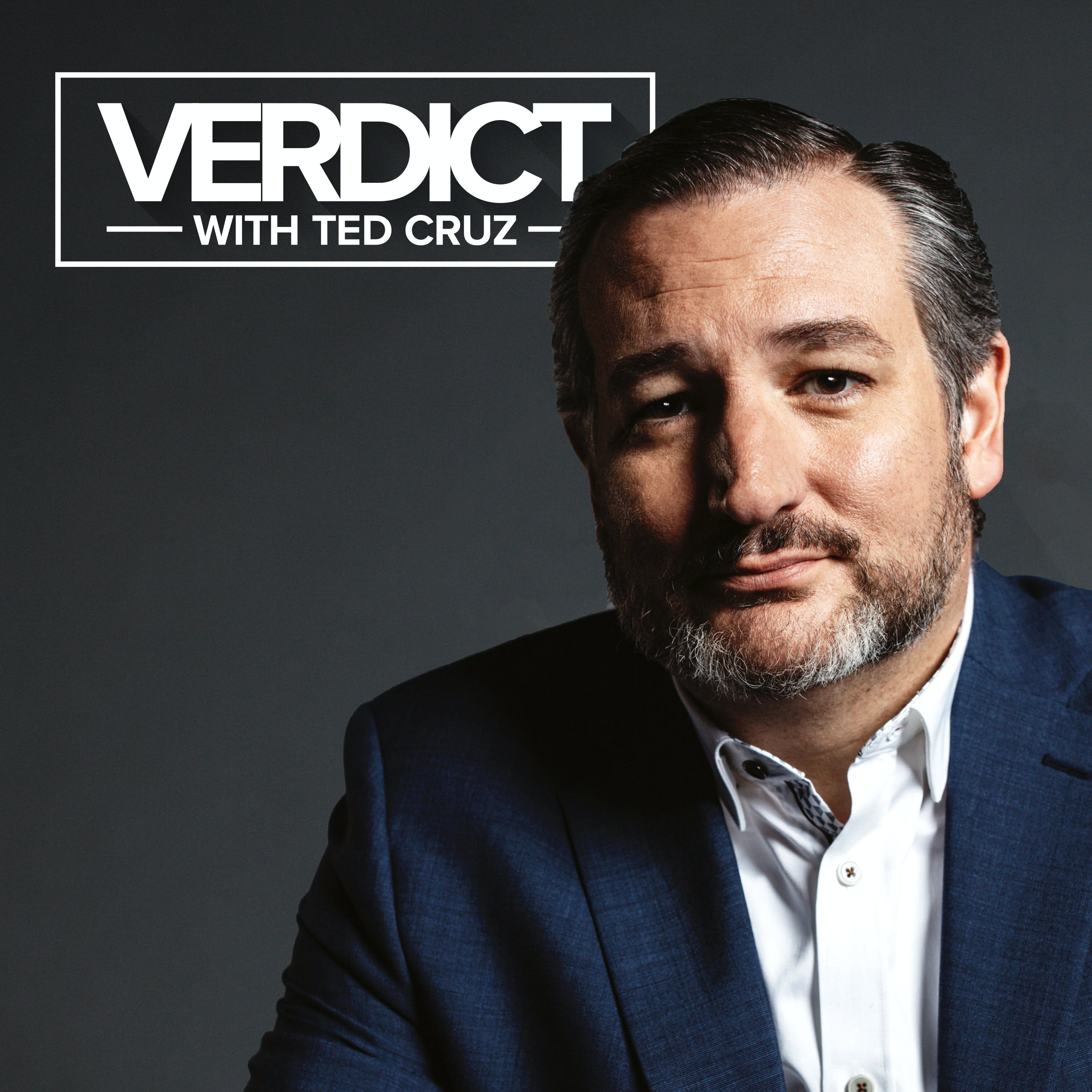
The 47 Morning Update with Ben Ferguson
Behind the Gates with White House Chief of Staff Mark Meadows
00:34:24
Loading summary
Transcript96 lines
- [00:00]
Michael Knowles
The White House Chief of Staff has traditionally been known as the gatekeeper. Well, we have gone behind the gates with Mark Meadows live from the White House. This is Verdict with Ted Cruz. Welcome back to Verdict with Ted Cruz. I'm Michael Knowles. Little change of scenery today. Joined as always by the Senator and Mark Meadows. Great to be with you, Mr. Meadows. I'm noticing now it is 7:00 here. This is probably the earliest you have gotten off work since you've taken on this job.
- [00:34]
Mark Meadows
Well, as soon as we get off work, I'll let you know whether that's the case or not.
- [00:38]
Michael Knowles
Fair enough.
- [00:39]
Mark Meadows
Obviously, it's a 247 kind of. Kind of job, but our nation is in a critical time where we've got to actually make sure that people like Ted and I work together on behalf of all the freedom loving, forgotten men and women in this country. And really, the impact is well beyond this, as Ted and I have articulated a number of times.
- [01:04]
Michael Knowles
Well, because I know Senator, you and Mr. Meadows go back a lot farther than just you taking this job as the White House Chief of Staff.
- [01:12]
Mark Meadows
Yeah, he actually would talk to me before I actually was the Chief of Staff, you know, so I could count them on one hand. But.
- [01:20]
Ted Cruz
Well, Mark and I go back a long time. We were actually both elected to Congress on the same day, November 2012. We showed up here, January 2013, looked around and said, what the hell are we doing here? And it was. Barack Obama had just been reelected. It was a messed up time, but one of the things we found were both brand new is there were really only a handful of people willing to stand up and fight for anything. And so we became fast friends. We became fast friends fighting against Obamacare, where we're standing up going, wait a second, we got elected to fight this damn thing. And too many Republicans just wanted to give in. And it's interesting, in Washington, like anywhere else, courage is contagious. So before he was Chief of staff, Mark led the Freedom Caucus of the House. And Mark may be helpful. Look, the folks that watch and listen to this podcast are a savvy, educated group. But explain to folks what the Freedom Caucus is and why it. Why it matters.
- [02:22]
Mark Meadows
Well, I can tell you you're right. We came in together. And what I found, Michael, was is that most members of Congress on both the Senate side and the House side actually had the backbone of a banana. You know, had great shape until it was peeled back and it got real mushy. Ted Cruz was not one of those. And immediately we formed this friendship. But what I found was is unlike Ted, who was willing to stand on courage and I might add, a great personal cost where, you know, if you stand for the people back home, you don't get invited to dinners in Washington, D.C. and it's a real cost. There's not a benefit package of being a real true conservative. But that being said, I think what I saw was what Ted was able to do in the Senate. I said, well, we've got to create that same kind of leverage over in the House. And the problem is the key number in the house was 2:18. We had the majority. And I said, well, gosh, you know, if a few of the conservatives would stay together, we could actually make some policy differences because they would need our vote to be able to do it. And Obamacare was the first fight. We made Ted an honorary member of the Freedom Caucus. He was welcome in our meeting anytime. But it was all about leverage. And for us, it was about making sure that we didn't just go along to get along, but we. We actually stood for something. And one of the amendments on the Obamacare was what I call the. The Cruz Freedom Amendment. It was all about making sure that people had choices, because I think this.
- [03:57]
Michael Knowles
Is actually pretty important. The House Freedom Caucus, especially when it first came around, was the. The real deal. You know, these are the real conservatives. Some people are a little bit less conservative. They talk a good game, maybe they don't vote that way. And the Freedom Caucus really stood for something. So the very fact that the White House chief of staff is a Freedom Caucus guy, I mean, that does tell you something. And I know that this Obamacare fight, it didn't just end in 2009 or 2013, or it kept going on and on. And I know you two worked on that together.
- [04:27]
Ted Cruz
Well, and it was interesting. You Fast forward to 2017, President Trump's been elected, and there's an energy, a real passion to take on the Washington swamp. And you remember the first thing that came up was Obamacare repeal. And first White House chief of staff was Reince Priebus. Reince is a good guy, but Reince was very, very close with Paul Ryan, the Speaker of the House. They're both from Wisconsin. And if you remember, the first draft of Obamacare repeal in the House was terrible. It was drafted by insurance company lobbyists, and it was garbage. But when it was drafted, you remember early on, House leadership was trying to really weaponize the president, to attack the Freedom Caucus, to attack conservatives. And, you know, you go back to the first few months where the President was blasting them. And I still Remember spring of 2017, Mark is in the House, he's leading the Freedom Caucus. I'm in the Senate. And we both go to Mar a Lago.
- [05:27]
Mark Meadows
That's right.
- [05:28]
Ted Cruz
And basically just drop in on the President unannounced. We basically called over and said, Mr. President, we need to see you.
- [05:34]
Mark Meadows
That's exactly right.
- [05:35]
Michael Knowles
You're saying that's how urgent this was. This wasn't some pre scheduled White House meeting. You go down to the President's beach.
- [05:40]
Ted Cruz
Resort in Florida and we sat there and said, listen, if you go down the road of this House bill, insurance premiums will go up.
- [05:48]
Mark Meadows
And yeah, did you hear what he just said? Insurance premiums go up. I mean, that's, I mean, yeah, it.
- [05:54]
Ted Cruz
Just, it, it was crazy. Now, the insurance lobbyists loved it. They want premiums to go up. But, but we're both saying, listen, the people who elected you, who elected us, they don't want us jacking up premiums. And it was a really important. It started to shift that bill away from that first version and it ended up getting significantly better.
- [06:13]
Michael Knowles
Yeah, I've never heard that story before, but something I've noticed just on these shows is you hear so much about how personal relationships and these sort of unplanned moments can really shift the path of policy in the country.
- [06:27]
Mark Meadows
Well, it does, but I think the other thing is the interesting thing. So Ted goes, come on, I'm going over to see the President. You need to come with me. We need to talk to him about Obamacare. And I'm going, okay, well, you got an appointment? No, no, we're going. I mean, and so, so you get this and you go, okay, we're going to drop in on the President of the United States and talk policy on a Saturday.
- [06:46]
Ted Cruz
By the way, we literally ubered over. I mean, it was kind of. And you're sitting there going, it's a miracle Secret Service didn't shoot us. And we're like, no, we're actually in Congress. They're like, I don't know about that.
- [06:56]
Michael Knowles
It's a likely story, but.
- [06:58]
Mark Meadows
But it's all about one relationships. You're exactly right, Michael. But the other part of that is, is about tenacity. It's making sure you're tenacious about what you know is good for the American people and you're willing to fight that fight. And Ted obviously has not only a career of doing that, but when you look for profiles and courage, you know, it's got his picture right there. And so for us in the Freedom Caucus, we just said, we want to give you a partner in the House. And it came, you know, at great personal costs. I mean, there were times when, well, we missed a few dinners as well, let's put it that way.
- [07:37]
Michael Knowles
A few cocktail party invitations. You know, something that I notice, you obviously had this very public role before in Congress running the Freedom Caucus. Senator used to have a very public role, but Your job now, Mr. Meadows, is a little bit more of a behind the scenes job. Could you maybe take us behind the scenes a little bit into what that day looks like?
- [07:56]
Mark Meadows
Well, obviously they've got cameras rolling here, so I don't know that it'll be too much behind the scenes. But I will say this. You know, since I've come over and we're almost at day 85 on this job I've done no press. So it's, it's. It is a behind the scenes. So to bring everybody behind the scenes. I think that the real key is, I see the job is to serve the President of the United States, who serves the American people, but it's also to make sure that every good idea that is in the Senate gets the visibility with the President of the United States in a nanosecond. And so one of the things that people don't realize is that I can get a phone call from Senator Cruz or Senator Blunt or Lindsey Graham, and they're saying, you know, listen, we've. We've got this, this issue. We need you to take care of it. Sometimes it's just as simple as we've got some constituents that have raised this concern. We want to make sure the President of the United States knows about it. And Ted. Ted can vouch for this. It's a phone call. And within minutes, the President of the United States is weighing in on that particular issue. It's nothing like anything I've ever seen. And it's trying to be the gatekeeper behind the scenes that maybe is not as much of a gatekeeper is their megaphone within the West Wing. And so senators have better access, I think, to this president than historically has been the case. I think that's a good thing. The closer the President is to the American people, the more he hears from the people of Texas through Ted, or the people of South Carolina through Tim Scott or Lindsey Graham or whichever senator it might be, the better off it is. But it's also the power of the executive branch. When I was in Congress, I was saying, boy, all I wanted to do is make sure that Congress was empowered. But it's a little bit different role now. But if we work hand in glove, I think what we can do. This president is willing to do things that most presidents are not willing to do and take political risk. You know, we have an embassy that in. In Jerusalem. It's something that Ted and I share passionately together. That would. It's been promised before, you know, and it never happened.
- [10:18]
Ted Cruz
Both Republican and Democratic presidents have broken that promise.
- [10:21]
Mark Meadows
They have.
- [10:22]
Ted Cruz
Trump is the first one to follow through on.
- [10:24]
Michael Knowles
I have to make a confession. When President Trump, when he was running and he said, I'm gonna move the embassy in Israel to Jerusalem, I just didn't believe him. I said, that's the sort of thing people say, but then they don't actually do it. And I think a lot of people in Washington thought that. And then when it actually happened, everybody was so surprised.
- [10:40]
Ted Cruz
One thing that's really unusual in this administration is the kind of lead person on Israel policy has been the US Ambassador to Israel, David Friedman, who's a great guy. He's become a close friend. And it's unusual. I don't know of any instance where an ambassador has had that kind of influence. And it's because the president knows and trusts him. And David is passionately committed to strengthening the US Israel relationship. But I worked very closely with David after the president made the announcement, because, look, the nature of Washington, the swamp. The State Department, Foggy Bottom did not want this to happen. So here's how they would normally kill it. They would just slow roll it. We need to study for a year the feasibility. We need to do a security assessment. We need to do this and that. And their plan. It was clear what their plan was gonna be. Delay it four years. They were hoping Trump loses reelection, and then the next. The Democrat who comes in will cancel the announcement.
- [11:32]
Michael Knowles
Right.
- [11:33]
Ted Cruz
And what the Trump administration did, and David was the point person, I said, david, the only way this happens is if you open the damn embassy. You don't announce it.
- [11:41]
Mark Meadows
Right.
- [11:41]
Ted Cruz
You open it. And they found a facility that was a consular facility in Jerusalem, and within a year opened the damn thing. I've never seen anything like it. There hasn't been tenacity. And the bureaucracy at State was shocked.
- [11:57]
Michael Knowles
Yeah, But.
- [11:57]
Ted Cruz
But that behind the scene, like the urgency of understanding.
- [12:02]
Mark Meadows
Oh, and so true. And you talk about behind the scenes. So one story that I don't think is out there is so the State Department pushing back, you know, continuing to push back. I think they gave a list of the pros and cons. And so there were A whole long list of all these cons, zero pros for. Yeah, no, no, I'm telling you that. And so that's something that doesn' so it literally was. You got all these reasons not to do it and no reasons to do it. And yet this president stayed true to his campaign promise. But it takes the encouragement. Sometimes it's a phone call from Ted Cruz in the middle of the night saying, golly, it's the right thing to do. And that affirmation makes a big difference.
- [12:48]
Michael Knowles
Well, what you said earlier is very interesting to me, this idea that the chief of staff is the gatekeeper. But the flip side is it means you're the megaphone for good ideas. You're the megaphone for ideas that you're hearing from people like this.
- [13:01]
Ted Cruz
Let me give a real time example. So Mark's been in office a couple of months. Yeah. You remember a couple of months ago, the president was meeting with CEOs, a bunch of big oil companies. And I was really worried that at the time, and when the meeting was initially announced, it was just the CEOs of the giant companies things. And so I called Mark and I.
- [13:20]
Mark Meadows
Said, I forgot about this.
- [13:21]
Ted Cruz
This is a real problem because the way energy works, there are a bunch of small independent producers, a lot of guys in Texas that aren't the, you know, giant super majors that have the GDP of a country, but they're the innovators. They're the ones that drive the domestic production. And. And early on, they were not on the meeting invite list. And so I called Mark, said, look, this is a real problem. We need to make sure we've got an independent producer. There's Mark not only got it done, but said, look, you need to be there. And I got on a plane the next day. In fact, it was funny, when I walked in, there were a couple other senators there. They said, what the hell are you doing here?
- [13:54]
Michael Knowles
I said, well, funny you should ask.
- [13:58]
Ted Cruz
And it was because Mark said, come to the meeting. And at that meeting, you wanna talk about real action. We pressed a couple of things. Remember, price of oil was collapsing, millions of jobs were in jeopardy. And two things came out of that meeting. Number one, the president leaned in hard against the Saudis and the Russians and got them to back off their economic warfare against the U.S. right? But number two, the president directed. I suggested to the President there was a real problem of capital being cut off from energy.
- [14:25]
Mark Meadows
Right.
- [14:26]
Ted Cruz
And I suggested to the president, if you would, you would instruct the Secretary of Energy, Dan Buriet, who was there, and Secretary of the Treasury Steven Mnuchin, to make sure that Wall street doesn't discriminate against energy and bankrupt every US Energy producer. And the president right there said, do it. He looked at Dan and said, make it happen. And that made a real, real difference in terms of capital being available and literally saving millions of jobs in this country.
- [14:55]
Mark Meadows
Yeah. And so in less than 48 hours, a phone call from a senator, the Chief of Staff, and he's sitting in the Cabinet Room of the White House with another invited guest who was not on the list, advocating for what is important to the people back home in Texas. And so that happens a lot. The other thing that I. That is critical is you've got this massive bureaucracy with agencies, and you think, oh, there's a Republican administration, so you. But there is the swamp that continues to go on, whether it's a Democrat or Republican in the Oval Office.
- [15:30]
Michael Knowles
The elected people come and go, but.
- [15:32]
Mark Meadows
They just kind of wait them out. It's exactly what Ted was saying. They wait them out. And so one of the great things is that if Ted or one of his colleagues, they're getting the stiff arm, I call it the legislative Heisman. If they're getting that, that it's real easy for me to pick up and say, you know, why am I getting this phone call from this senator on you not responding to their phone call? Oh, well, we were busy. Well, I. I was busy, too, and I took his call. I mean, why aren't you taking. And so sometimes it's just making them aware that there's somebody else willing to.
- [16:06]
Michael Knowles
Hold them accountable and two branches there. I mean, this is actually something, Senator, I know you've talked a lot about is you've been talking now for years about social media censorship, censorship of conservatives. Well, just recently, we got out of the executive branch this executive order on social media censorship. We still don't know a whole lot about that. At least I don't know a lot about that. Maybe could you tell us a little bit about how that came to be?
- [16:27]
Mark Meadows
Well, I think Ted and I know that as conservatives, sometimes our conservative voice doesn't reach the audience as quickly or as effectively as it is normally intended.
- [16:38]
Michael Knowles
It's a diplomatic way to put it.
- [16:40]
Mark Meadows
Yeah. Well, I can tell you I was one of the few members of Congress back when I was in Congress that was actually shadow banned by Twitter. And so we ought to put that out on a tweet and see if they take that down. They'll say it wasn't shadow banned, that we were, but it Only happened to be four conservative members of Congress. Myself, Matt Gaetz, Devin Nunes and Jim Jordan.
- [16:58]
Ted Cruz
So you're saying AOC didn't fall into that?
- [17:01]
Mark Meadows
She didn't make it into that. So one of the things that's important is that we need to make sure that the free press is really the free press and it's not censored. And what Twitter has done, probably more so than some of the other social media platforms, but YouTube is doing it as well, is they come in and they start to actually monitor content. And so it's not this free, open, what I call the wild, wild west of social media. That's the way. And as freedom loving individuals, we want the free market to work. But when the free market starts to get monopolized by content police, then it's important for us to step in. So we did an EO that actually has the potential of taking away their protection from litigation. So if we can't fix it, or if Congress can't fix it, let the trial attorneys fix it. It'll happen real quick.
- [17:57]
Ted Cruz
Unleashing the trial attorneys is a really powerful weapon. And I gotta say, this is an issue where White House leadership was so needed. And it's so important because you and I have talked about this before. One of the challenges on the issue of big tech censorship is all the federal agencies are siloed. And it's a hard issue where the antitrust division at the Department of Justice doesn't quite fit into what they think they want to do. The ftc, it doesn't quite fit in. What do they want to do? The fcc. Everyone is sort of looking at their own slice of the problem. And the President's executive order on this was important to say, damn it, this matters. I think it's the biggest threat to democracy in the whole country. But we needed the President and the White House to lead to get the rest of the executive focused on protecting free speech altogether.
- [18:44]
Michael Knowles
Right.
- [18:45]
Mark Meadows
Well, the interesting thing, and so I always try to give you a little bit of a backstory that no one else knows. So that EO as it relates to Section 230, we started putting it around for a little bit of comment on a very limited basis. All of a sudden this proposed EO shows up in the New York Times and. And it really was fed to the New York Times by a federal worker that didn't agree with this administration, or at least it appears that they didn't. And they didn't agree with the eo. And so they took it and fed it to outside Sources. And I'm glad to say that we were able to track that person down. They no longer work for the federal government.
- [19:28]
Michael Knowles
I'm glad to, because that's.
- [19:31]
Ted Cruz
Let me ask a question here. That's a great. I hadn't heard that story. And that's a great story. Let me take it a slightly different direction. So the job Mark has now, I think may well be the hardest job in all of Washington. So Mark is chief of staff as a cabinet member, but he's charged with basically wrestling alligators all day long and trying to get some semblance of order and decision making process in this. And you look at some of the chiefs of staff that have come before, they have been, you know, you've had Howard Baker was a Senate majority leader. You've had John Sununu, who was a governor. I mean, you've had Major, major. And I think one of the greatest chiefs of staff ever was James Baker.
- [20:13]
Mark Meadows
Right.
- [20:13]
Ted Cruz
And there's a legendary discussion. So Baker was Reagan's chief of staff and the head of OMB was David Stockman. And Stockman had done an interview in the Atlantic crapping all over the President. It was a terrible interview, basically saying the President's economics is all wrong. It was a horrible interview. And there's a great story of Baker calling Stockman in and Stockman was gonna go meet with Reagan and Baker is quoted and I'm gonna keep this PG rated.
- [20:41]
Michael Knowles
So I'm not gonna quote what Baker.
- [20:44]
Ted Cruz
Said, but you can go look it up. Baker said, david, you're having lunch with the President and the menu is humble blanken pie. And when you walk out of that room, you're sorry, Blankety blank, blank. Better be dragging on the ground. And look, Stockman was not, shall we say, timid or shy. And you've gotta be enough of a principal, enough of a leader, strong enough to stand up to cabinet members, to stand up to congressional leadership, to stand up to whoever. And I got to say, I'm thrilled Mark is in this job. Yeah. So all of that is a setup to just, just ask a question. What is a day in the life of a chief of staff? Just, you know, a typical day. Like, like what do you do each day?
- [21:34]
Mark Meadows
You know, that's, that's interesting. My wife asked me that question. I said nothing. I met with nobody. So she may tune in just to figure out exactly what, you know. It starts normally pretty. I'll normally come in around 7:15. I get my daily briefing, which is an intel briefing at 7:30. That will scare anybody of all the threats that we get. It goes from there. We have a 15 minute meeting on what we call our senior meeting on the comms of the day. So we'll look at what stories are out there. We go from there to a number of policy meetings. All of this is happening before, before 11 o'clock. So you try to get in a full day's work before 11:00. And as we look at that, the big thing then becomes, all right, what are we going to do with the policy and the calendar? Because all you have is a full day and it is always full. There's always more to do than what you could ever fit in. And so are we advancing it. And the big thing that you're saying, Ted, is we start to put timeframes on. If we've got this policy, when is the president going to be able to make a decision on it? Because he doesn't care about the rhetoric. Now. He does like creative chaos. So if you want to come in so normally in the afternoon, you have at least one creative chaos moment where you have a whole bunch of people come in from the West Wing, they're arguing back and forth. And he will purposefully, he would look at you, Michael, and say, well, what do you think? Knowing that you have an opposing view from Ted? And then he'll go, well, Ted, don't you disagree with that? And then sit back and watch you fight. Once you fight and you've been in.
- [23:20]
Ted Cruz
Those meetings many times.
- [23:22]
Mark Meadows
And so, you know, so a lot of times what will happen is, is those will continue on. Then around 5 o'clock or so you're normally getting back to some of the emails and so forth that you have, trying to set up the follow up. Because I've got a I try to make sure that I'm calling everybody back before I go to bed. Now that somebody sometimes that means that I'm calling them back at 11:30 at night from bed. Well, so I'll normally get home between 8 and 9:30 and you're doing all your emails because a lot of times you have your phone and it goes in a secure setting because you're actually in a skiff. So you're getting secure phone calls throughout the day. You'll talk to cabinet members. You mentioned cabinet members. So I'll normally have four or five calls with different cabinet members every day. Sometimes it's those candid conversations where you said, you said what and who thought that that was a good idea. But in that I think the real key it's all about results and the key with results is that if you produce, you start to restore the confidence that comes back. And it's why people hate politicians. You know, I used to say that members of Congress had an approval rating lower than a cockroach, and that's saying something. And I didn't know it was quite that high. But as we look at this, it's about making sure that we work with the national security team, the Mike Pompeos and et cetera. You know, I think probably the biggest thing is for Ted and I, fighting for Freedom is a 24 7, 365 day a year job. And it is calling. It's a calling. And whether I'm here tomorrow or gone tomorrow, you got to give it your utmost while you're there. The President comes under unbelievable attacks. And what it's doing is preparing him to make the best decisions. He's a quick decision maker. And just like when he called out to Ted, he says, ted, I want to make sure that gets done. That's a good idea. And he expects it to get done. And you think he will forget? He never forgets.
- [25:45]
Michael Knowles
He doesn't forget.
- [25:45]
Mark Meadows
He never forgets.
- [25:46]
Michael Knowles
You know, it's very interesting on this point of the unexpected and chaos. I don't know if our microphones are able to pick it up, but right now we're here at the White House. Outside, you can hear the protests that have been raging for weeks. We know there have been riots around the country, cities burning down. What is the opinion here in Washington and in the White House on these protests?
- [26:08]
Ted Cruz
You can hear real time, they're outside screaming. We've obviously seen horrific violence. We've seen rioting. We've seen police officers murdered. And it all started with a grotesque act of police brutality of George Floyd. What happened to him was wrong. It is exactly the right thing that the officers who did that are being prosecuted, and that's the way the system's supposed to operate. But I got to tell you, Mark was talking about the challenges any president faces, but particularly this president faces in this very polarized and divided time. Last week, last Thursday night, Heidi and I are doing date night in Houston. We're heading home from the restaurant. The President calls me on my cell phone, which happens, he does pretty regularly.
- [26:54]
Mark Meadows
Regularly.
- [26:55]
Ted Cruz
And we talked about a couple of things, but I told him, I said, Mr. President, Heidi's here. You mind if I put you on speaker? And so he chatted with Heidi. But it was interesting. Heidi said, she said, Mr. President, it is really, really important for you to speak out to the racial injustice in this country and for you to speak for unity. And she was really heartfelt and emotional about it. Said she, Heidi said, look, I can't think of anything more important for you to do. It was interesting. Afterwards, I told her, I said, heidi, he actually has, and he has repeatedly. And you haven't heard it because the media won't cover it. So when he stands up and says don't commit rioting and burn churches down and murder police officers, they'll cover that, sort of. But when he speaks out and says what happened to George Floyd was wrong and racist and bigoted and the officers who did that need to be prosecuted, they don't cover that part of it. And that's got to be frustrating.
- [27:54]
Mark Meadows
Well, it is frustrating. He gave an unbelievable speech. When we saw SpaceX, Elon Musk, Musk rocket go, go in into orbit. And he gave a great speech. And the first part of that speech was literally about what you were talking about. Didn't get covered. I mean, in fact, you, you said, well, he gave a great speech and no one could find it. They couldn't see it. It wasn't, you know, cnn, msnbc, none of them covered it.
- [28:21]
Michael Knowles
Even I, who I am living this stuff. I'm a political junkie.
- [28:24]
Mark Meadows
You see it.
- [28:24]
Michael Knowles
I didn't see it.
- [28:25]
Mark Meadows
Yeah. And so. So you have all of that and.
- [28:27]
Ted Cruz
Throw social media censorship on top of that.
- [28:29]
Michael Knowles
That's right.
- [28:30]
Mark Meadows
Well, and that's the, the EO on the social media platforms is so key because it is the workaround. The very fact that people are viewing this right now or hearing this is a critical thing that we have to preserve and protect. But I say the other aspect of that is this. When you look at what this president faces, it is the voice of millions of people across this country that actually get to him, that he sees it in real time. He hears about it from senators who are constantly calling out another story that no one knows about. So we have a church that was burning. I'm getting text messages, and everybody's saying the President has got to do something. Washington, D.C. literally was burning Lafayette Park. It was a Sunday night. I'm on the phone with the President of the United States after midnight, and he says, you know, Mark, we've got to get control of it. So what happens is the next morning we put things in motion with Attorney General Barr and bring in National Guard troops and all of that to actually say that we're going to restore law and order. And you know what happened? We restored law and order. Now It's. But that wasn't the first midnight call. The first midnight call was in Minneapolis where he calls the governor of Minnesota and says, Governor. And I was on the phone with General Milley, with the President. The president calls the governor of Minnesota, says, listen, I'm watching in real time what's happening in your cities there in Minnesota. He says, yeah, the police have abandoned things. He says, we're going to send the National Guard. We'll help you. And that was a president at almost 1am talking to a governor in Minnesota. Nobody ever sees that. Nobody even knows that. That's a. Than the three of us that on the phone call.
- [30:27]
Michael Knowles
Right. Well, this. So we have to get to a couple mailbag questions.
- [30:30]
Mark Meadows
Okay.
- [30:30]
Michael Knowles
I think the audience will kill us if we don't do it. The first question is directly about your job, Mr. Meadows. What is the least expected thing that you found about your job when you started it?
- [30:45]
Mark Meadows
You know, I thought I had it all figured out the minute I got here. And it's kind of like a minor league player getting called up to the big leagues. The pitches are faster, they do brush back pitches. I thought I had had everything said and done to me in Congress that could have been said or done, and that was not the case. And so I think probably the biggest thing was that the other big surprise is how much the President wants to hear from the American people. I knew he wanted to hear from Ted and I, but he really, he keeps saying, well, what are the American people saying? What are they wanting? And that was the, it was really eye opening.
- [31:28]
Michael Knowles
Well, the next question is for both of you. This question came in. We're in an election year. If all the protests and all the craziness that we've been seeing didn't remind us of that, we're in an election year. Assuming everything goes well, what's priority number one? Looking ahead into 2020, 2021, 2022, restart.
- [31:47]
Ted Cruz
The economy and bring back jobs.
- [31:49]
Mark Meadows
Amen.
- [31:49]
Ted Cruz
Three, four months ago, we had booming economic growth. We had the lowest unemployment in 50 years. And by the way, you want to talk, you want to talk racial equality? We had the lowest African American unemployment ever recorded. Now tragically, that got derailed by a global pandemic from Wuhan, China that ended up. We had a lockdown across the country and we destroyed 40 million jobs. And coming out of that is not going to be easy. Easy. But I'll tell you this. If, if God forbid we go down a socialist road of, of the far left jacking up taxes, destroying small businesses that's going to kill jobs. And by the way, if they follow through on their promise to abolish police departments, a whole lot more people are going to die. And so I. My top priority, and I think yours and the President's is get. Get this economy moving back and bring back jobs.
- [32:46]
Mark Meadows
It has to be. I mean, that's the number one priority. It's also the thing that the President is best at.
- [32:51]
Michael Knowles
Right?
- [32:51]
Mark Meadows
He's already done it. He can do it again. He's already starting to do it again. And then along with that is preserving freedoms. I think we're getting to a place where we see defund the police, we see, you know, abolish ice. We see what so many on the left are wanting to do is basically say we don't want any rules, but more importantly, we don't want anybody to even enforce the rules that should be enforced. And so we need to make sure that we preserve freedom, but also understand that we need to uphold the rule of law. But certainly the economy is number one.
- [33:25]
Michael Knowles
Because we are a nation of law, not a nation of men, though there are men that need to help us maintain those laws and maintain those freedoms.
- [33:32]
Ted Cruz
And women.
- [33:33]
Michael Knowles
And women. And women. I know, I know. We're going to be canceled. We are certainly going to be censored for that. But we have taken enough of your time, Mr. Meadows. I'm sure you've got another several hours of work to do. So thank you so much for being here.
- [33:44]
Mark Meadows
Thank you. It's been great to be with you.
- [33:46]
Michael Knowles
And Senator, we'll see you on the next episode. I'm Michael Knowles. This is Verdict with Ted Cruz.
- [34:02]
Unknown
This episode of Verdict with Ted Cruz is being brought to you by Jobs, Freedom and Security Pack, a political action committee dedicated to supporting conservative causes, organizations and candidates across the country. In 2022, jobs, freedom and Security PAC plans to donate to conservative candidates running for Congress and help the Republican Party across the nation.