Podcast
The Aboard Podcast
Hosted by Aboard · EN
Talking about AI doesn’t have to feel like the end of the world.
Join Rich Ziade, Paul Ford, and their guests as they discuss how AI is changing software development, business strategy—and everything else. New episodes every Tuesday.
36episodes
Episodes
Newest firstAll episodes
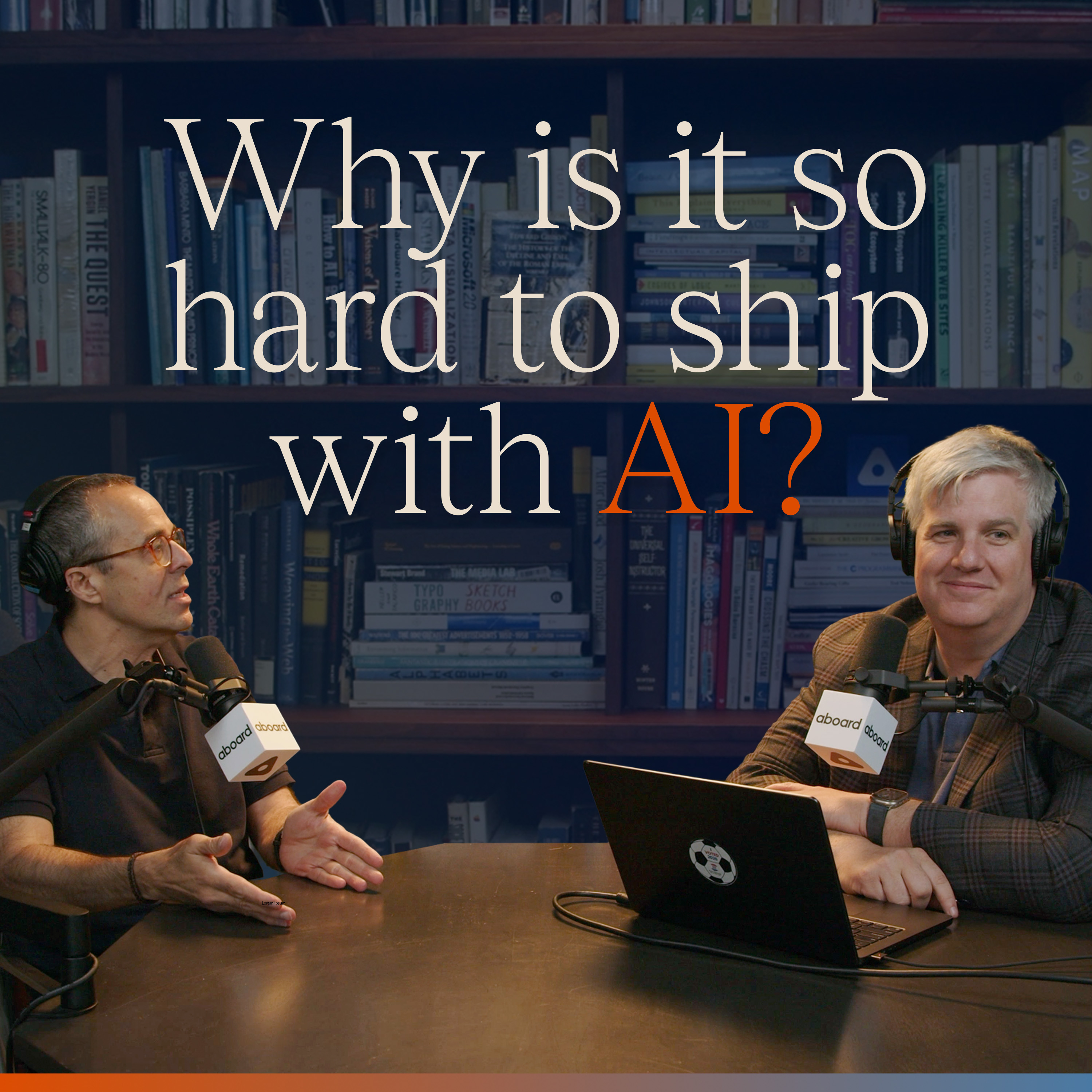
Why Is It So Hard To Ship With AI?
5d ago00:30:34Tap to summarizeAI has radically changed the way software is built—so why aren’t we seeing a glut of cool new products as a result? On this week’s episode, Paul and Rich browse recent app-related headlines and product announcements, searching for anything that isn’t AI-infrastructure related: What are people actually building on top of LLMs these days? (Spoiler: Not much.) They then attempt to diagnose what’s going on here, invoking a variety of metaphors for building product with AI, from mirages in the desert to wearing a set of beer goggles.
Transcribe →
Tricia Wang: Verification and Trust in the AI Era
2w ago00:47:57Tap to summarize“Verification cannot belong to the verified.” On this week’s episode, Paul is solo in the host chair as he sits down with longtime tech researcher Tricia Wang, the co-founder and CEO of the Advanced AI Society. Verifying AI, she explains, is far more complicated than simply dealing with hallucinations; in a world where AI is operating at a massive scale, how can we trust the outputs—or the people controlling the models? “Where does accountability lie?” she asks. “How do we agree to this thing?” Plus: A long exploration of the art of chicken sexing. (Yes, this relates to AI!)
Transcribe →
Karp Carping: Decoding Palantir's Whole Deal
3w ago00:26:47Tap to summarizeIt might sound like he’s ranting, but the Palantir chief is zeroing in on the truth of our AI moment. On this week’s episode, Paul and Rich break down Alex Karp’s recent appearance on CNBC, in which he discussed Palantir’s position within the ever-expanding world of the AI giants. Orgs might be using OpenAI and Anthropic’s tokens, but Palantir’s position exposes, in Rich’s words, “the gap between transactions and relationships.” Finally, Paul asks Rich to run the new, imaginary consulting practice at Anthropic and obliterate Palantir. Can he do it? Does he have what it takes?
Transcribe →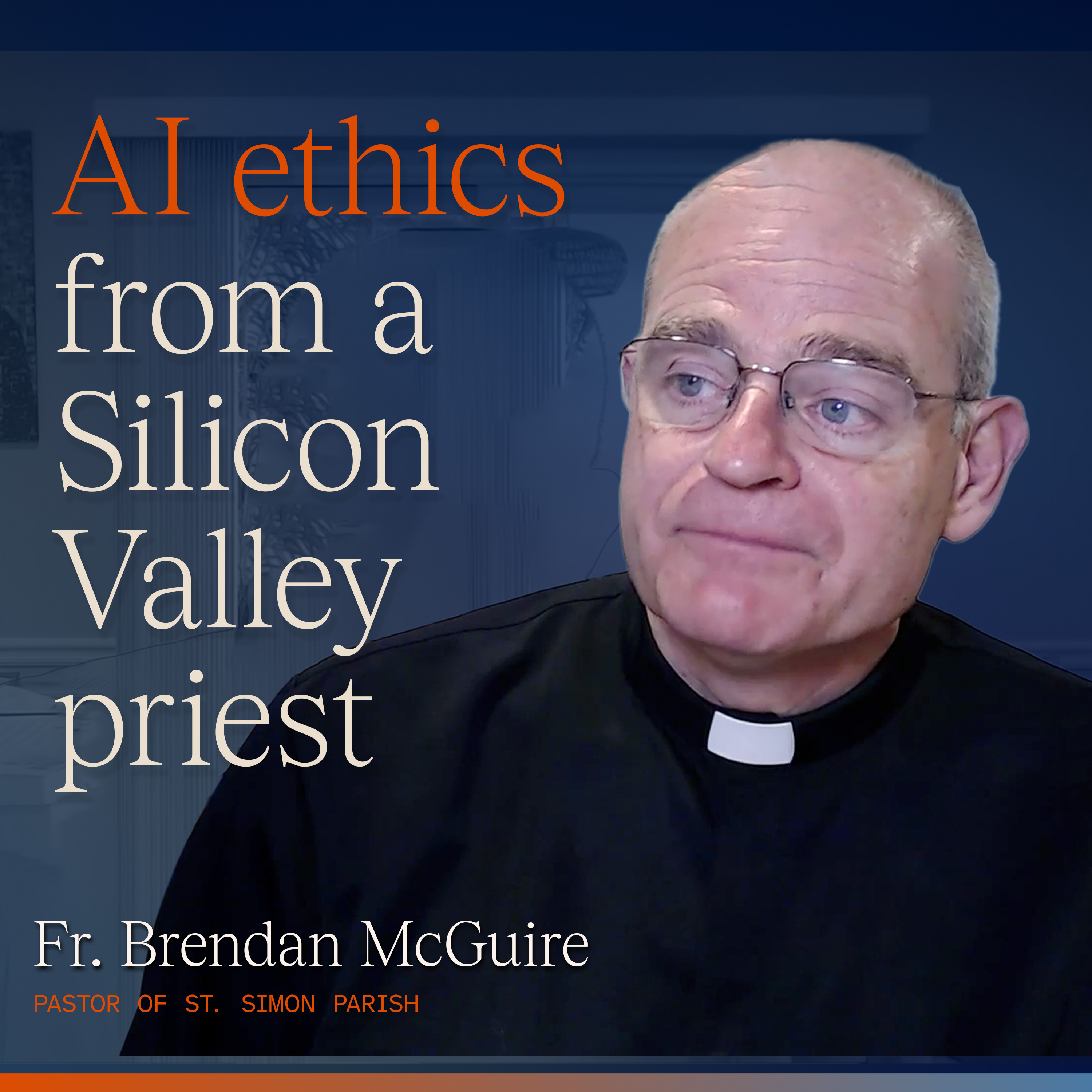
Father Brendan McGuire: Bringing AI to Church
4w ago00:46:23Tap to summarizeHow is Silicon Valley engaging with ethics and religion today—and how is the Catholic Church responding to AI? On this week’s episode, Paul and Rich welcome on Father Brendan McGuire, a former engineer and current Catholic priest who serves at St. Simon Parish in Los Altos, California, aka the heart of Silicon Valley. He discusses his long work speaking between the tech industry and the Church, as an advisor to Anthropic as well as an early commenter on Pope Leo’s recent encyclical on AI, “Magnifica Humanitas.” (Don’t worry, Paul asks the question on everyone’s lips: In what file format does a pope distribute early copies of an encyclical?)
Transcribe →
AI Unicorns Don’t Exist
Jul 1400:32:13Tap to summarizeSilicon Valley “disruption” is at odds with the way software creation actually works—and that’s a problem. On this week’s podcast, Paul and Rich discuss Rich’s recent Aboard newsletter installment, “Maybe the Valley Could Listen a Little.” about how the dream of an “AI unicorn” who can use these tools to build a product all by themselves is a total fantasy. AI companies are promising revolutionary transformation across industries, but are they mostly just plastering over fundamental issues in processes and systems?
Transcribe →
John Herrman: The Declawing of OpenClaw
Jul 700:52:03Tap to summarizeOpenClaw sprung up overnight—and seemed to fade just as quickly. What does that suggest about AI more broadly? On this week’s podcast, Paul and Rich are joined in the studio by New York Magazine tech reporter John Herrman, whose long career covering all corners of the industry has, like the rest of his peers, recently shifted to all AI, all the time. They discuss his piece for the magazine on OpenClaw—titled “My Adventures With ‘The AI That Actually Does Things’”—before pulling back the lens to look at AI on a whole. Plus: They take a brief diversion into the story John wrote immediately after his OpenClaw reporting, “The Mystery of 'Human Meat' for Sale on Temu.”
Transcribe →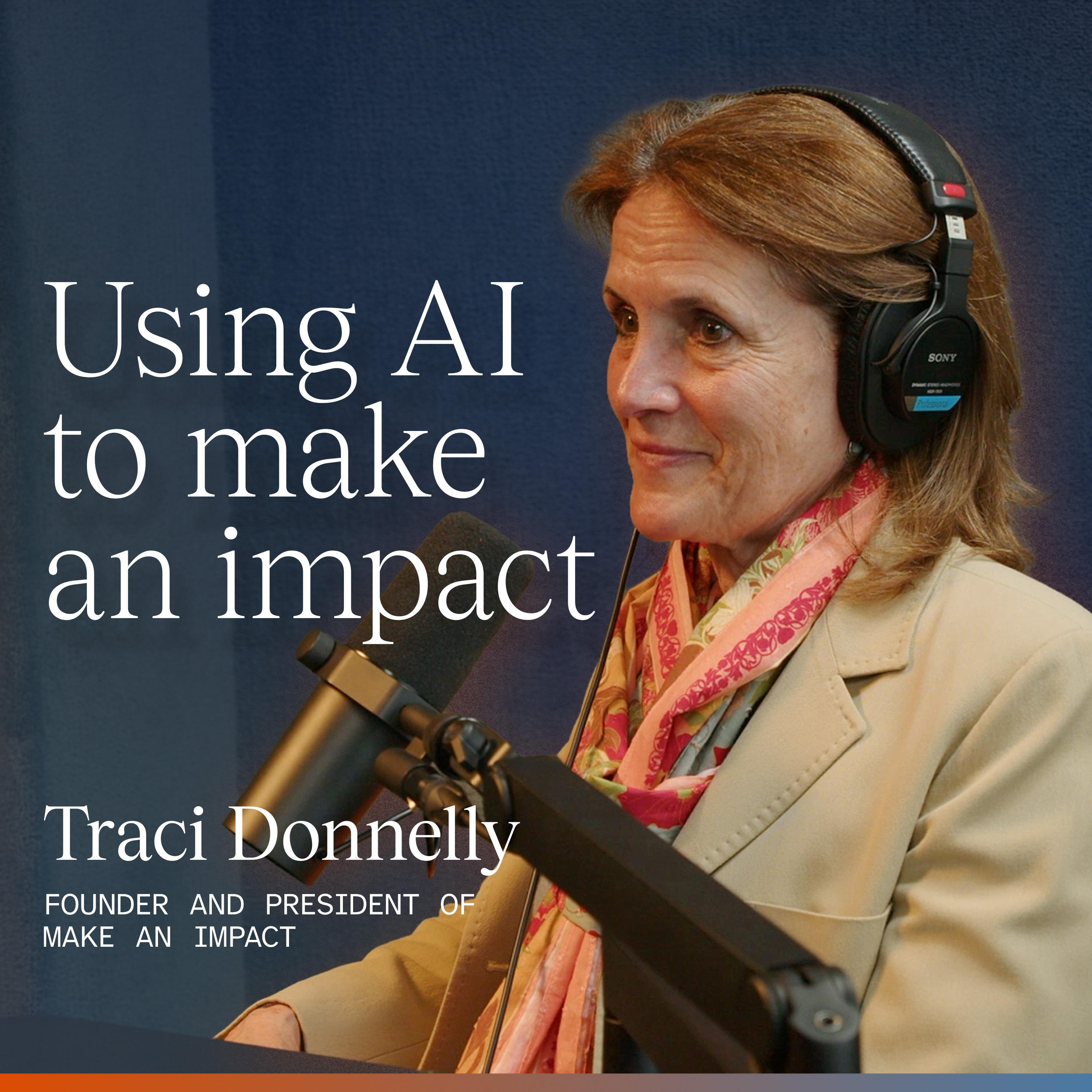
Traci Donnelly: Using AI to Make an Impact
Jun 2300:46:00Tap to summarizeHow should nonprofits actually be using AI? On this week’s episode, Paul and Rich are joined in the studio by Traci Donnelly, the CEO of The Child Center of NY and the founder and president of Make An Impact—and a client of Aboard. After discussing these orgs’ missions, they dive into AI: Traci’s early embrace of the technology, how these tools can transform work in the sector, and the importance of not allowing human-to-human interactions to be supplanted by bots.
Transcribe →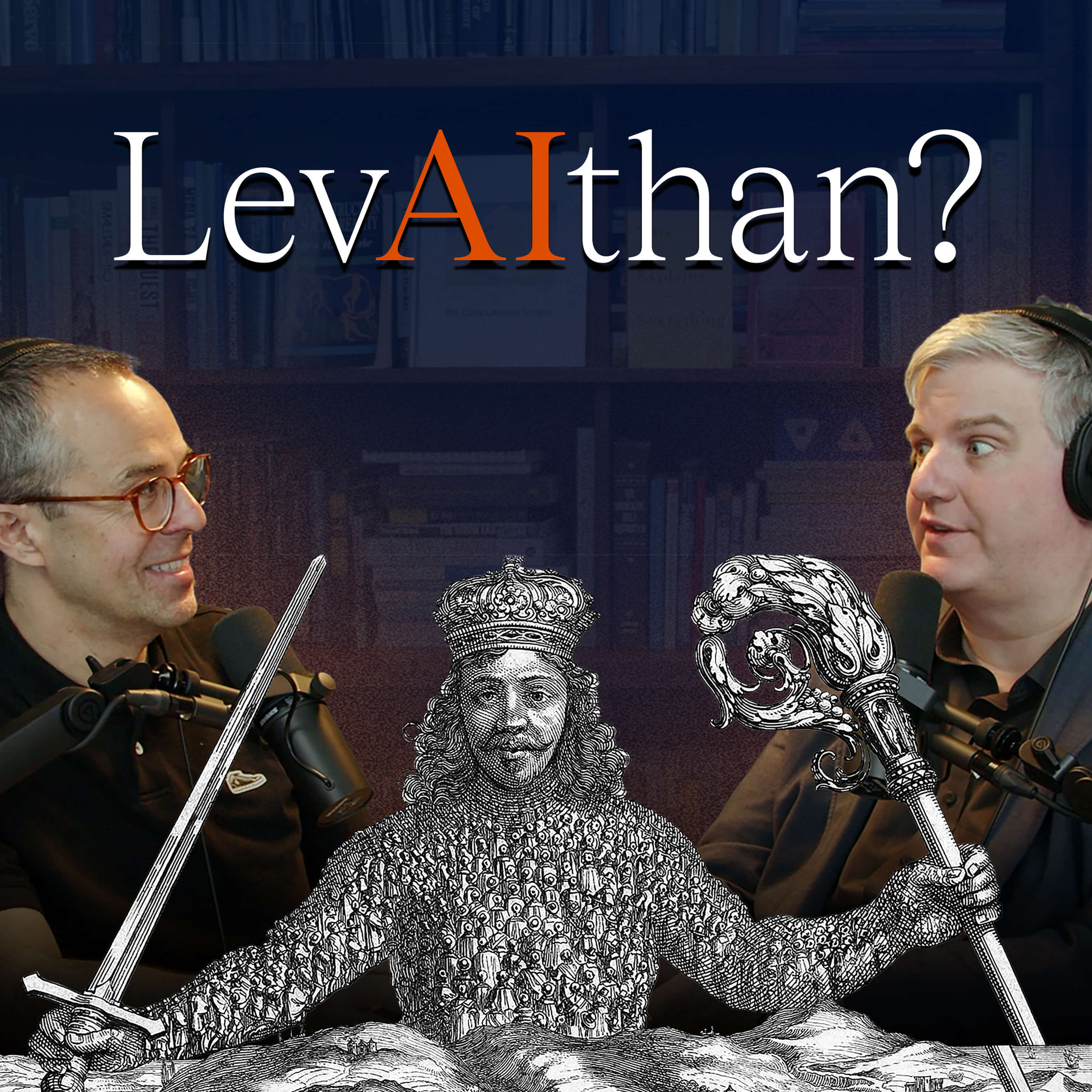
LevAIthan? A Hobbesian Look at AI
Jun 1600:36:30Tap to summarizeIs the AI era destined to make our software lives nasty, brutish, and short? On this week’s podcast, Rich brings Paul the framing of “Hobbesian AI,” specifically from 17th century English philosopher Thomas Hobbes’s greatest work, Leviathan. Humans need some kind of order, Hobbes argued in the wake of the English Civil War, otherwise they will destroy each other. How can these lessons be applied to our decidedly order-less AI moment?
Transcribe →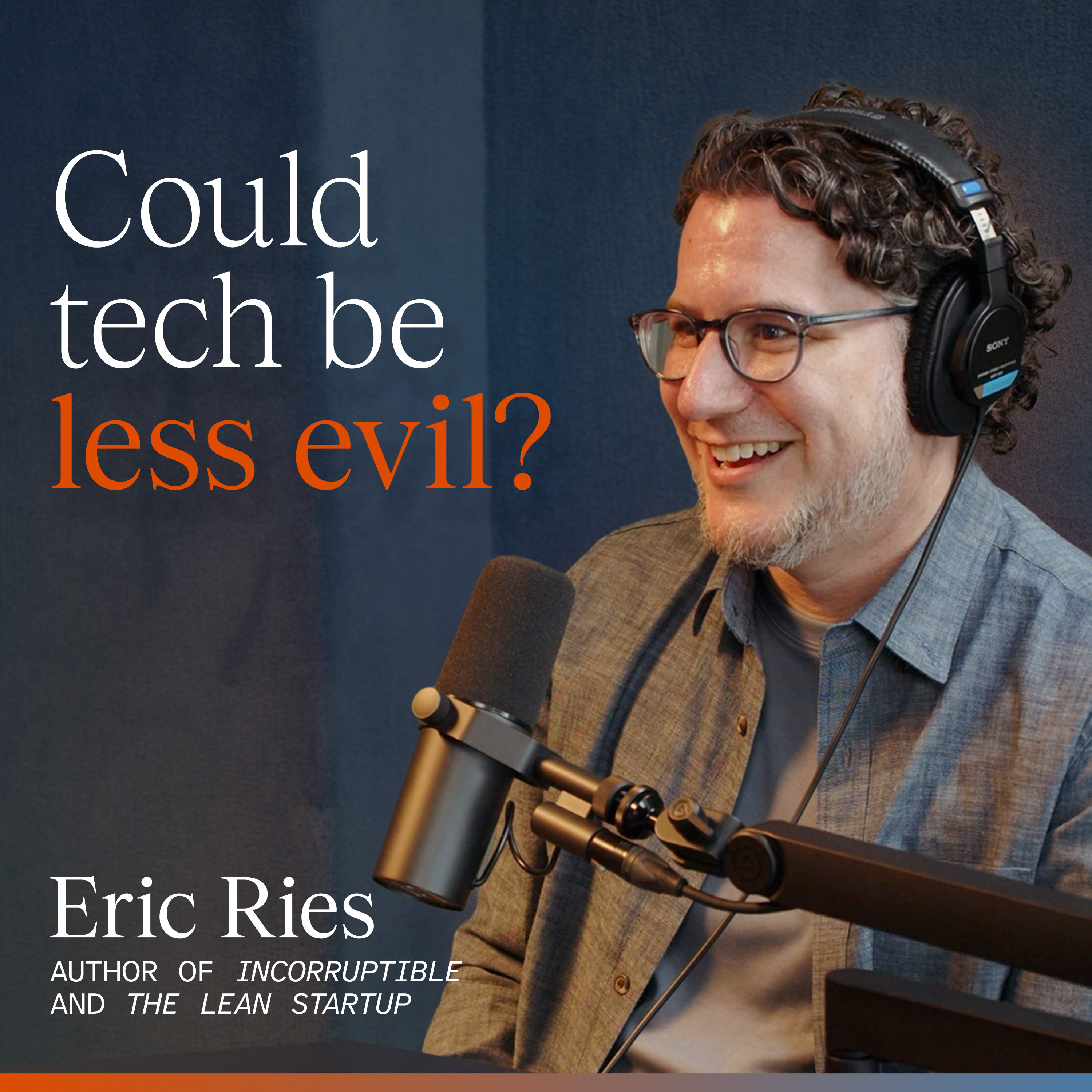
Eric Ries: Lean Startup to Tech Ethicist
Jun 900:56:08Tap to summarizeIs it possible to build an incorruptible company in our current system? On this week’s podcast, Paul and Rich are joined in the studio by Eric Ries, the author of the 2011 bestseller The Lean Startup, to discuss his latest book, Incorruptible: Why Good Companies Go Bad... and How Great Companies Stay Great. After they discuss his tech origins and the legacy of The Lean Startup within the industry, they dive into Incorruptible, which offers a blueprint for companies to continually fuel growth while still acting in the public good.
Transcribe →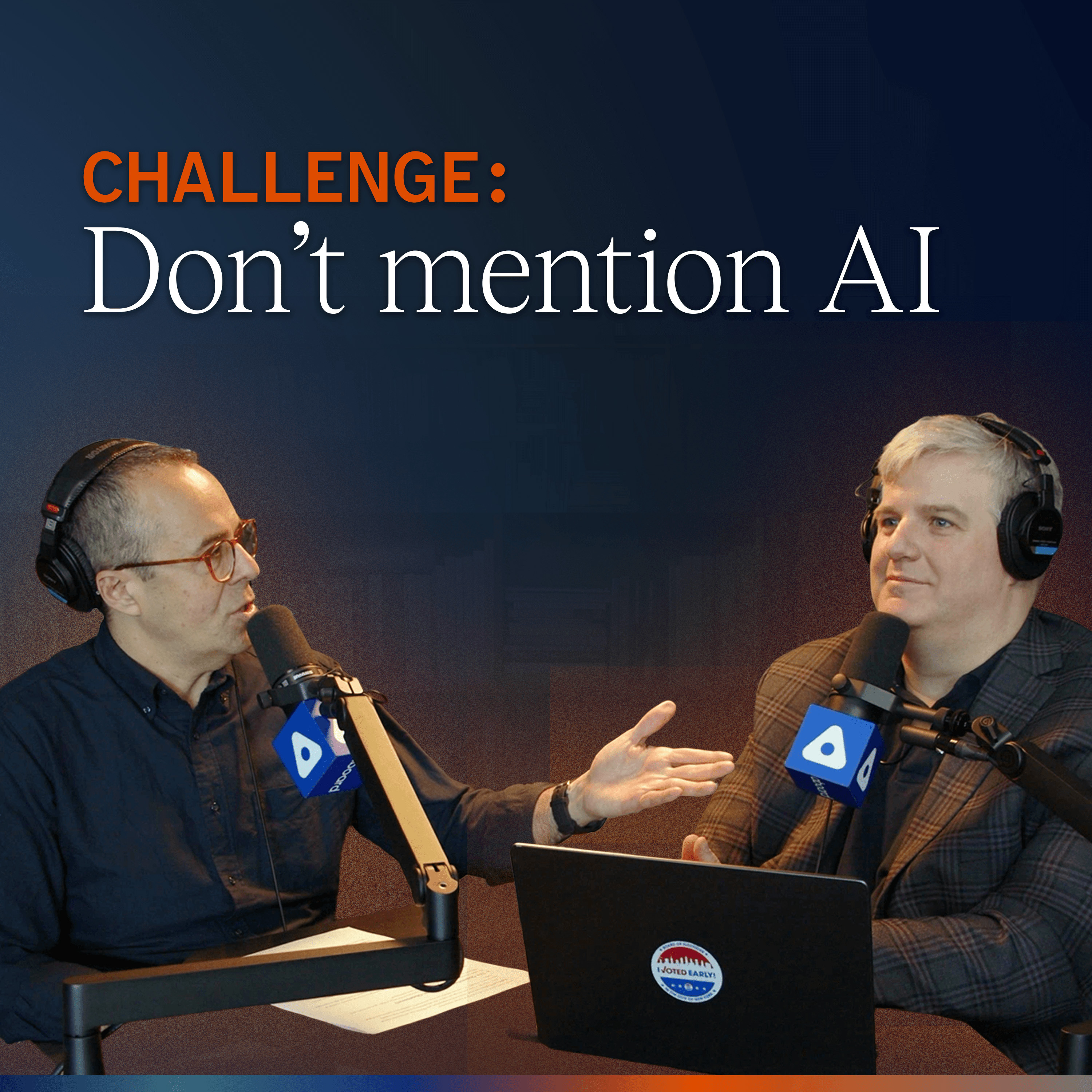
Challenge: Don’t Mention AI
Jun 200:31:07Tap to summarizeCan two people who host a podcast subtitled “software in the age of AI” go half an hour without bringing up the term? On this week’s episode, Paul and Rich attempt to talk about something—anything—tech-related that isn’t AI. Topics discussed include the new Ferrari, the rise of sports gambling apps, youthful rebellions past and present, and the wonder that is the Virtual OS Museum. Do they make it through without mentioning LLMs? You’ll have to listen.
Transcribe →