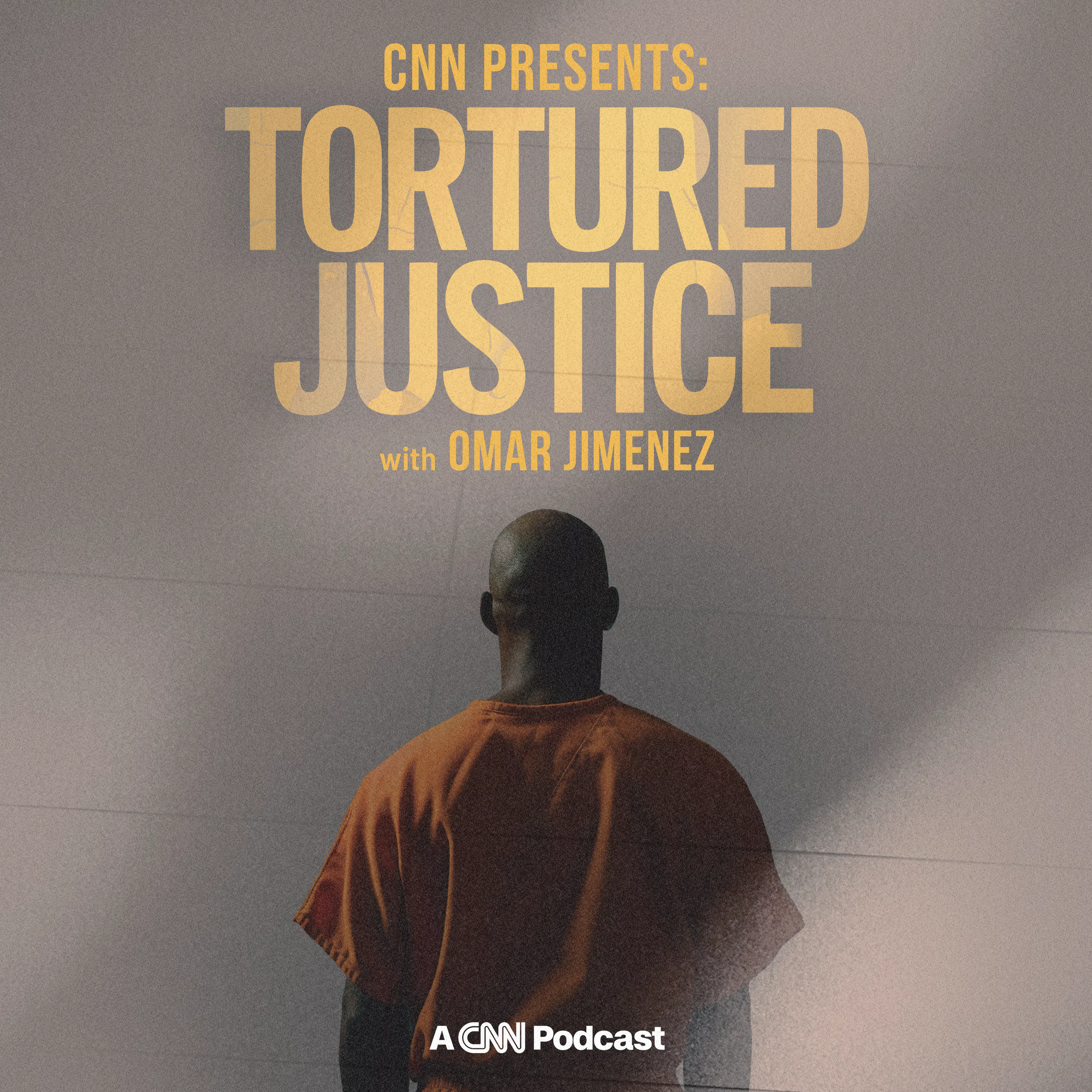
Podcast Summary: CNN Presents – Coming Soon: Tortured Justice
Release Date: September 10, 2025
Host: CNN Podcasts
Featured Journalist: Omar Jimenez
Episode Focus: Preview of "Tortured Justice" – The True Story of James Gibson and Police Torture in Chicago
Episode Overview
This preview episode introduces the new season of "CNN Presents," focusing on the case of James Gibson, a man tortured by Chicago police and wrongfully imprisoned for 30 years. Through the reporting of Omar Jimenez, the series promises to uncover the history, human cost, and systemic failures surrounding wrongful convictions at the hands of a notorious police unit nicknamed "The Midnight Crew." The episode sets up key themes: state violence, injustice, survival, and the elusive question of true justice.
Key Discussion Points & Insights
1. James Gibson’s Story: The Catalyst
-
Arrest and Torture:
- James Gibson returns home for the holidays in December 1989, only to be arrested near his mother’s house for suspicion of a double murder ([00:02]–[00:20]).
- He is beaten, denied food and water for days by police, and his life is irreversibly altered.
- Quote:
"I came home on a Christmas break. This was supposed to been a couple of days, you know what I mean? And it took 30 years." — James Gibson ([00:33])
-
Personal Toll:
- Gibson lost three decades of his life due to wrongful conviction and torture.
- Quote:
"I lost everything. So how do you replace that? 29 years, four months and seven days. I can't get that back from." — James Gibson ([01:49])
2. The Pattern of Police Torture: The Midnight Crew and John Burge
-
The Systemic Element:
- Gibson’s experience wasn’t unique; it was part of a systematic campaign of torture and wrongful convictions orchestrated by commander John Burge and his unit.
- The "Midnight Crew" refers to a group of Southside detectives known for targeting black men.
-
Growing Recognition and Documentation:
- Activists and lawyers documented the rising toll:
"We kept a running tab of how many cases of police torture that were being uncovered. And it was going from 15...Melvin Jones, Darryl Cannon, Madison Hobley to, you know, 40 to 60."
— Commentator ([01:18]) - Quote:
"I don't need to write fiction. I have the truth here." — Commentator ([01:36])
- Numerous victims are named: David Bates, Leroy Orange, Ronald Kitchen, Derek King, adding weight and scope to the issue ([01:33]).
- Activists and lawyers documented the rising toll:
-
The “Open Secret”:
- The reality of police torture was widely known by communities and authorities, but little was done.
- Quote:
"The open secret is something that people know. It's just that we also know that nothing is going to be done about it." — Narration ([01:41])
- Gibson offers damning reflection:
"The people who were in a position to stop it didn't. And that was a conscious decision." — James Gibson ([01:49])
3. The Search for Justice
- The podcast poses complex questions about justice and accountability.
- Central Premise:
- "Once the truth is out, what does justice look like?"
— Omar Jimenez ([02:04])
- "Once the truth is out, what does justice look like?"
- The episode promises to investigate whether true accountability or reparations are possible given the magnitude of wrongful suffering.
Notable Quotes & Memorable Moments
- “I can't get that back from.”
— James Gibson on losing nearly 30 years of life ([01:49]) - "I don't need to write fiction. I have the truth here."
— Investigative voice on the staggering reality versus imagination ([01:36]) - "The people who were in a position to stop it didn't. And that was a conscious decision."
— James Gibson ([01:49]) - "The open secret is something that people know. It's just that we also know that nothing is going to be done about it."
— Narrator ([01:41])
Important Timestamps
- 00:02–00:20: James Gibson describes returning to Chicago before his arrest.
- 00:20–00:48: Gibson details the onset of police brutality and the life-altering consequences.
- 00:48–01:06: Introduction of John Burge and "The Midnight Crew."
- 01:18–01:36: Documentation of torture cases grows; the truth’s overwhelming gravity.
- 01:41–01:49: The concept of the “open secret” and systemic inertia.
- 01:49–02:04: Gibson’s lament, personal loss, and the call for justice.
- 02:04–End: Omar Jimenez pitches the full series and its central theme.
Tone & Storytelling Style
The episode is stark, direct, and anchored in lived experience. Voices of survivors and investigators convey exhaustion, outrage, and grim clarity about the enormity of the injustice. There is no sensationalism—just a sober presentation of facts and an open invitation to confront uncomfortable truths.
Summary
This launch teaser for "Tortured Justice" sets a gripping stage for a deep dive into one of Chicago’s darkest police abuse scandals. With Omar Jimenez as guide, the series promises careful reporting, survivor testimony, and an urgent question: What does justice mean after decades of sanctioned cruelty? Audiences can expect a powerful exploration of personal and systemic trauma and resilience, beginning September 17, 2025.
