
Podcast
The Adaptors
Hosted by Flora Lichtman and SoundVision Productions · EN
A podcast about life on Earth during a weird time: now. We visit people who are thinking about the future and figuring out how we will adapt to a changing planet. Hosted by Science Friday alum Flora Lichtman, produced by Freakonomics Radio/The Atlantic alum Katherine Wells.
10episodes
Episodes
Newest firstAll episodes

Assisting Evolution
Dec 17, 201500:14:38Tap to summarizeGrist reporter Amelia Urry visits an Australian lab, where scientists are trying to grow coral that can survive in the future. And a farewell from Flora and Katherine.
Transcribe →
Imagine Earthships [video]
Dec 3, 201500:07:02Tap to summarizeOutside of Taos, NM, you'll find a community of people living in off-grid homes made of garbage. We visited them.
Transcribe →
There's a Weird Vibe on the Bus
Nov 19, 201500:14:37Tap to summarizeMichael Reynolds builds off-grid homes out of garbage. Meet the Earthship.
Transcribe →
REBROADCAST: Yak Life
Nov 5, 201500:08:36Tap to summarizeWild yaks live on the roof of the world, a frosty high-elevation plateau north of the Himalayas. Conservation biologist Joel Berger, of the University of Montana and the Wildlife Conservation Society, wanted to find out how climate change might affect yaks, so he paid them a visit.
Transcribe →
He Bought the Water
Oct 22, 201500:13:59Tap to summarizeReporter Ryan Bradley follows up on his quest to buy water.
Transcribe →
Spore Power
Oct 8, 201500:07:06Tap to summarizeWhen you hear "renewable energy," you think solar and wind. But what about spores? Columbia University's Ozgur Sahin explains.
Transcribe →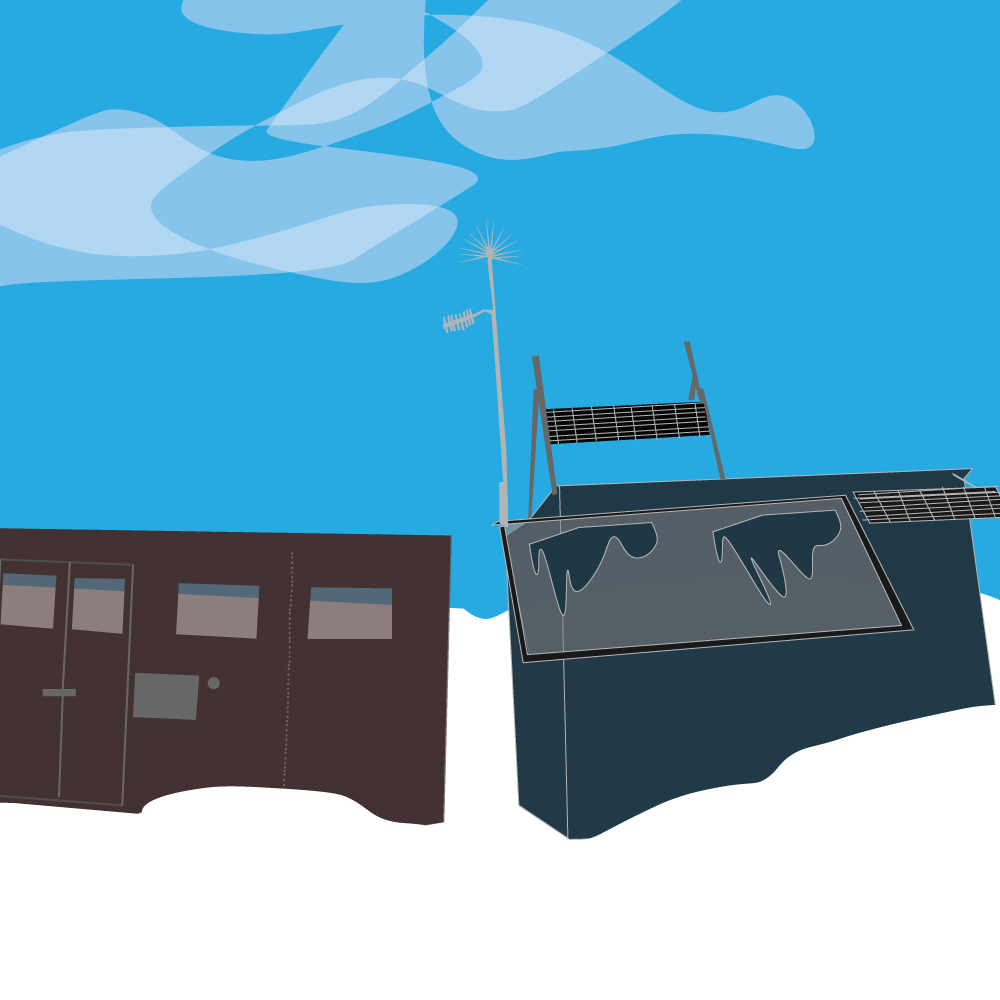
How We Measure the Earth Breathing
Sep 24, 201500:13:24Tap to summarizeWhat do Algerian monks have to do with 400 parts per million? Reporter Jeff Delviscio investigates how we measure CO2 in the atmosphere.
Transcribe →
Dogs in the Forest
Sep 10, 201500:06:29Tap to summarizeDogs evolved in response to environmental changes tens of millions of years ago. Can that tell us anything about how animals might adapt to climate change today?
Transcribe →
Born in the Anthropocene
Aug 27, 201500:11:24Tap to summarizeJeremy and Charlie, 11 year old students, are worried about climate change. They say it's because their generation will be the one to bear the brunt of its effects.
Transcribe →
Fixing the Sky
Aug 13, 201500:16:37Tap to summarizeHistorian James Fleming talks about the surprising history of weather control and what past failures can tell us about today's geoengineering proposals.
Transcribe →