← The Africa Health Ventures Podcast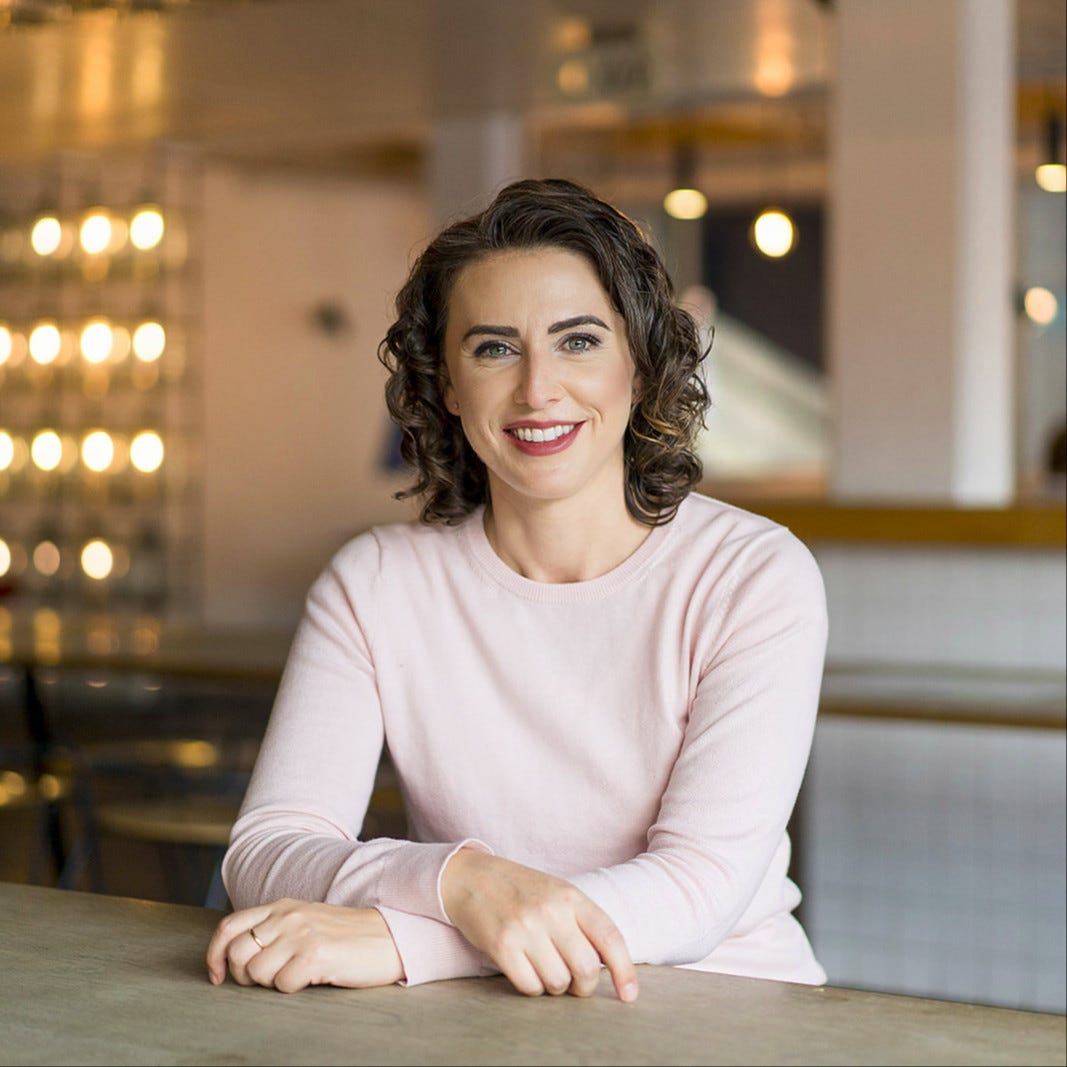
Loading summary
Transcript110 lines
- [00:02]
A
We had been $250,000 organization and then very quickly Gates foundation gave us a couple million dollars to set up these polio emergency operations centers, which was like a huge step up. And we went from 20 employees to 100 employees within a couple months. And so we had to scale super fast in order to make that happen. I held these interviews, I did group interviews because I didn't have enough time to even do individual interviews and spot. I just was hiring people like within 20 minutes, like. And so I had.
- [00:36]
B
You're listening to Aid Evolved and I'm your host, Rowena Luke. This is a podcast about the people trying to find a better way to do good. Today I am thrilled to be speaking with Evelyn Castle. Evelyn is a woman who just doesn't know when to stop. I first crossed paths with her because of her work founding and running E Health Africa, based out of Kano, Nigeria. It is now one of the biggest digital health implementers in Nigeria and has a growing footprint elsewhere in Africa as well. But that's only the start of Evelyn's story. She's founded multiple social ventures including EHA Clinics, a private healthcare organization providing quality care in Nigeria, and EHA Impact Ventures, supporting female owned technology startups in Africa. Today we'll talk about what it was like to drop out of college in California to move to Nigeria. How in a single year the revenue of eHealth Africa grew by 10 times to millions of dollars and the massive hiring frenzy that needed to happen so that they could deliver on that work. Towards the end of our chat, we talk about the events that drove her to expand her horizon even beyond the aid sector. We begin with her humble origins.
- [01:53]
A
So I grew up in Orange county in California, a fairly conservative part of the country. And honestly, like the number one thing that I wanted to do when I was in high school was just to get out of Orange County. But I mean, luckily like I've always had a pretty supportive family. My parents started and ran a computer store when I was growing up. So I always. Yeah, so I've always kind of like been close to technology and then it was also great getting to watch my parents run a company and to, you know, get to be part of that. I mean, like me and my sister would go to the office after school and you know, hang out with my dad or my mom. I remember like, you know, they would have us like help with like, like put like stickers on mail, you know, mail that has to go out and stuff like that. So it was kind of like a family business in A lot of ways.
- [02:40]
C
Nothing beats child labor.
- [02:42]
A
Yeah, exactly.
- [02:44]
C
And it sounds like your background was both on the technology side as well as the entrepreneurialism. Exactly. They started their own computer business. That's awesome.
- [02:51]
A
Yeah. And so then, even though I wanted to get out of Orange County, I mean, that was an interesting place to grow up. And then, you know, for college, I ended up going to Santa Cruz, which was a little bit more in line with kind of who I am, which is a little bit more socially, you know, conscious.
- [03:06]
C
You must have loved Santa Cruz. The environment, the atmosphere, being in college with a bunch of other young, forward thinking people.
- [03:12]
A
Yeah, it was an amazing university to choose to go to.
- [03:16]
C
Awesome. But did you, I thought you, you dropped out of Santa Cruz, is that, is that right?
- [03:22]
A
Yep, I did three years, wasted a lot of my parents money and dropped out.
- [03:27]
C
Let's talk about that. What happened?
- [03:29]
A
I. So my summer after my sophomore year, my second year, I went to Nigeria for the first time for like a three month internship.
- [03:39]
C
And that was your first time in Africa?
- [03:40]
A
That was my first time out of the country, yeah. Whoa. What?
- [03:45]
C
Talk about an inter. Talk about diving in on the tea band, man.
- [03:48]
A
Yeah.
- [03:49]
C
Have any idea what you're getting yourself into?
- [03:50]
A
Not a clue. And I, I look back and like, again, this is why I say, you know, do do things when you're young and stupid. Because if I knew what I was getting myself into, I don't know if I would have, you know, done it. At the time, nobody prepared me. I just, like I said, I just really had this desire to kind of like get out and see what else was out there. So when the opportunity, you know, presented itself. And granted, I did a lot to make that opportunity happen, you know, but as soon as I had the chance, I just jumped on it and was like, yeah, let's go, let's, let's see how this, this turns out.
- [04:21]
C
What was that opportunity and what did you do to make it come about?
- [04:24]
A
So I was part of this class that was offered at UC Santa Cruz, basically about like social innovation in the world. And part of like one of the outputs of the class was to come up with what an internship would look like for you to try to put together, fundraise and then go do.
- [04:42]
C
And so that sounds like the most useful class I've heard of recently.
- [04:45]
A
Yeah, it was incredibly innovative. I mean, like, I don't think that, that a lot of other universities have it.
- [04:51]
C
No, not at all.
- [04:52]
A
No. And so, you know, right at that time, like E Health and M Health was, was just Starting at the time I really wanted to be a doctor, but then with my background in technology I thought this was like a really cool thing to do and people seem to be willing to pay for me to go do it. So, so I got some fundraising and, and went to Nigeria for the first time.
- [05:12]
C
You Nigeria for three months and you didn't come back?
- [05:16]
A
So I did come back after three months and so actually so I knew Adam, my co founder at the university. He was part of the same group that I was with at, you know, this class and he was also in Nigeria at the same time working with another group on kind of like election, like election data and things like that. And so when we got to Nigeria and sorry, my co founders background is in like technology and information systems. So I was working at this clinic using kind of like E Health and M Health tools and I have a base of technology but I wasn't quite good enough to kind of set up the electronic medical record system that we wanted to try out. So we started working on that together almost from the beginning. And after three months of kind of setting up this tool called OpenMrs, which is, you know, one of these kind of open source technology tools for health records, once we kind of got that set up and running, we just were really excited about the opportunity and what we felt like technology could do in healthcare. So when we got back to the university the next year, I ended up doing another year of college while I was fundraising, while Adam and I were developing out a business model and trying to find money to send us back. And then we ended up going, yeah, the year after that.
- [06:41]
C
Wow, what a story. And clearly you guys did your homework because Open Mrs. Is as we know now it's a digital good, it's widely adopted, it's one of the most commonly used tools at the clinic level for patient management. So you had a good start in choosing the right tool and seeing how it was actually going to play out in Nigeria. But I think a lot of students in your shoes, you go, you do this three month thing, you come back, you write a report for a class and then you graduate. How did, what was it that inspired you to say, I'm going to go back, I'm going back to California and then fundraise and try to get something going. That must have been a pretty pivotal decision point in your life.
- [07:15]
A
It definitely was. And you know, I really encourage anybody when they have the opportunity to go out and do something like this, to go do it. Because I just feel like when you get out of The US and you go and you see, you know, the type of environment that you're working in. You know, you just get so motivated and realize kind of what's important in life and, you know, where you should be spending your time and what you should focus on. And, you know, once I got to Nigeria and I just. It was just kind of like an overwhelming feeling of like, this is where I should be. You know, this is what's important. And, you know, I need to be here right now.
- [07:50]
C
Really? Really. That's it. Sorry. I'm going to the passwords. I thought, really? Wow. Wow. That's amazing.
- [07:59]
A
Wow.
- [08:01]
C
You just decided.
- [08:03]
A
Yeah, more or less.
- [08:08]
C
I'm so impressed. I mean, Evelyn, I think you can imagine where I'm coming from. I think I had a. Maybe a similar experience when I was in grad school where I went to Ghana, and I thought I had this great opportunity. I need to push this forward. But I didn't have it in me to move to Ghana. And so much respect for you for doing that. I think that makes a real difference to the kind of organization that ehealth Africa is and the other ventures that you've started as well. So, so, so bravo to you for making that leap. I think the other thing that I find remarkable about the approach that you've taken is that you weren't. You weren't afraid to completely change course from where you were, from where you're headed, and you were going to do it in Nigeria for the benefit of others. Like, for me, even though I've worked, you know, in various different countries in sub Saharan Africa, Nigeria is a particular beast. You know, it's a lot. It's a huge population, lots of different states. It's. It's no small country to get started in. But you went and you did it. What was that first year like after you moved?
- [09:05]
A
It was hard.
- [09:07]
C
Yeah, no kidding. That would be hard for me now, I mean, so many years later.
- [09:12]
A
It was definitely hard. And I mean, looking back, you know, it's. I'm really happy that we got through it because that first year was by far the hardest. You know, I think that we were able to raise, like, I think we raised about $15,000. And then Adam, fortunately, from the university, had like a. Had a 401k setup that he emptied, which was maybe like an extra, like 30,000. And that's what we moved to Nigeria on. And so we really, you know, we're on, like, a really tight budget.
- [09:43]
C
Yeah. For the non Americans in our audience, the 401k is your retirement fund?
- [09:47]
A
Yes.
- [09:48]
C
So Adam basically just gave up on retiring. I was like, whatever. I guess I don't, I guess he's not going to retire now.
- [09:53]
A
Fortunately he has, he has another one now, so. But yeah, I mean it was really, it was really hard financially to get going. And Nigeria is not cheap. You know, for like one thing that I will say though is, is that Nigeria when we came 12 years ago is not the Nigeria it is today. The safety aspect of the country was much, much better when we started and so it allowed us to do things much cheaper back then. You know, it wasn't. So you didn't have to have personal security. You know, you could take public transport. Yeah, it just, it was, it was much safer to get around and now it would have, it would, there would be a lot more challenges about trying to start what we're doing or what we did in Nigeria now.
- [10:34]
C
I appreciate you making those comments for the other wide eyed idealists out there, sort of setting the ground for how to do it so safely. Evelyn, you say it was a hard year or a hard couple years when you were getting started. How did this scrimping and the saving affect you personally? What were some of the tense moments in those first years when you were setting up E Health Africa that stick in your mind?
- [10:58]
A
It wasn't too terrible with the scrimping and the saving. I would say that that's always kind of been the mentality of my family. We've always been people who are not like lavish spenders. And so, you know, so like when we got to, when we got our first contract, we had, we made a little bit of money off of it and we bought our first washing machine for our clothes. And that was like the coolest thing ever because, you know, I never bought a washing machine before and it was like, you know, it was just so nice. And, and even like from that same job, we got to buy a car from that contract and that was such a game changer for us because, you know, that meant that I could start traveling to different states to, to meet with partners and to do work because, you know, prior to that I was using motorcycle taxis to get everywhere or you know, or having to basically borrow cars from friends who thought that we were crazy but, you know, were willing to help us. And so, yeah, I mean, just being
- [12:03]
C
able friends probably still think you're crazy.
- [12:05]
A
Yes, that's true. But we did have actually a lot of support in those early days of, you know, kind of like it was a much smaller kind of community up in kano, in the north, people were incredibly supportive of us. People helped where they could. You know, people, you know, like the small things, like, you know, letting us borrow their cars or buying us dinner. Just the small things kind of helped us through that.
- [12:30]
C
Yeah, yeah. Having the warmth of the community welcoming you, I think it makes a big difference in any city that you move to. And it's great that you found that space. When you landed. What was the point in which you were able to. And forgive me for asking this, but, like, having been that young, idealistic student, what was the point in which you felt like people started to take you seriously? You know, they. They realized, oh, you're here for real. This is a real organization. It's going to happen. This is not just some, you know, one or two year project like mine was. What was that moment for you?
- [12:59]
A
You know, I think it's. Again, it's also, like, interesting looking back at some of this, because I think at the time we presented ourselves very professionally. And I think that from the beginning, a lot of people really took us very seriously, you know, to the point where, you know, we got these contracts and people had faith in what we were doing. And, you know, at the time, I thought these people were. I couldn't believe that these people were, you know, giving us these contracts to do these things. I don't think that I almost even really understood, you know, who I was or kind of, you know, understood who I was as a leader, honestly, until like my late 20s. So after, you know, like eight years of doing this job. But, you know, I look back at some of the early stuff that we did, and we were incredibly professional with our proposals and how we kind of put ourselves together and what we were trying to do. So I think that that happened fairly early in the career.
- [13:56]
C
That's amazing. And I guess to some extent, all businesses start with a small group of extremely dedicated people that are willing to bust their ass and work super hard. And that's what you and Adam were doing in Nigeria at the time. Looking at ehealth Africa today, I mean, it's a force to be reckoned with. You know, like, I keep on bumping into ehealth Africa people in various venues that I go to, and it's. I understand it's hundreds of people. You're working on all sorts of large national scale programs and such. How did you transform it, you know, from a small group of students to what it is today?
- [14:33]
A
So the we. I kind of like, break up students. Yeah, exactly. Dropouts.
- [14:38]
C
Well, even better. Small Group of dropouts.
- [14:43]
A
I look at like E Health Africa in a lot of ways as like these kind of like phases of the organization. So we kind of had like our, our startup phase where we were doing these, where we were like really learning the field, learning Nigeria and we had some, some really fun projects but like smaller projects with group like with some of the universities open misses, kind of like more local NGOs where we got to kind of just play around with technology, got to learn and build kind of like our reputation in the field in Nigeria and like leaders in tech. And then we got approached by the Gates foundation to start working on polio. And to me that's kind of, that was kind of like our second wave of an organization where we got asked kind of initially to set up these emergency operations centers for polio. And this, we had been, you know, a $250,000 organization. And then very quickly Gates foundation gave us a couple million dollars to set up these polio emergency operations centers, which was like a huge step up. And we went from 20 employees to a hundred employees within a couple months. And so that's. Yeah, it's crazy.
- [15:55]
C
Oh my God.
- [15:56]
A
And so we had to scale super fast in order to make that happen.
- [16:00]
C
Wow, that's insane. I mean that's like very few organizations have scaled that much that quickly. That must have been chaotic.
- [16:09]
A
It was. I remember I was at the Kano Polio Emergency Operations center and we had just gotten our next contract with for polio was to set up this tracking system for vaccinators. And we kind of, we joke about like our contact at the Gates foundation because it felt like during those polio years he just kind of like kept throwing the most ridiculous like tasks at us just to see like if we could do it or not. You know, we would think that like, okay, this is, you know, this is a crazy thing to do and I want you to do it in like a month. And we were just like, wait, what? Like how is that humanly possible?
- [16:46]
C
Like what, what's a task like that, that he threw your way?
- [16:49]
A
So, so setting up this vaccinator tracking project, for example, there was a large company that had this project before us and they weren't very happy with the, the rollout of, of this project. And understandably like the, the group that was doing it wasn't on the ground. They didn't understand what it was going to take to implement a large scale project. So in, you know, across eight states in northern Nigeria. So they asked us to do it and kind of like One funny story is, so the group that had it before us, the budget was about $20 million to do this. Our contact at the Gates foundation came to us and asked us how much it would take us to do it for. And we, like, Adam and I stayed up, like, all night kind of, like, crunching the numbers and, like, you know, doing the budget. And we're like, we think we can do it for 2 million. And so we gave this budget.
- [17:40]
C
I bet they said yes to that.
- [17:41]
A
Well, so funny. So we gave this budget to our contact, and he comes back and he's like, I'm really disappointed in you guys. I really thought, you know, what, knew what you were doing. There's no way that this company was charging us 20 million. And you say, you can do it for two. And so, like, we were, like, really upset. Like, oh, we really messed this up. Like, I don't know what to do. So we looked at the budget again, and, like, we just doubled everything and then resubmitted it because we're like, I actually think this is how much I can do it for. And so then. So then they were like, okay, this seems more reasonable. $4 million. Like, okay, go for it. Let's see, you know, if you can do it for four. And the funny thing is, is we actually ended up doing it for two. And. Yeah. And then we're obviously able to do other stuff with the. The rest of the money.
- [18:31]
C
Well, that's really funny.
- [18:32]
A
Yeah. But one of the other kind of ridiculous aspects of that was we had to do. I think it was like, 20 local government areas in one month was the timeline that he was asking us to get set up for and for others,
- [18:49]
C
reference a local government area. It's like a county.
- [18:52]
A
Is that right? Yeah. So it's under the state, so it goes national, and then there's state states, and then under the state is the lga, the local government area. Right. And so he wanted us to deploy this. This technology, this tracking technology, and 20 LGAs, you know, in a month. And so that's insane. I held these interviews. I think I started. I did group interviews because I didn't have enough time to even do individual interviews. And. And on the spot, I just was hiring people, like, within 20 minutes. Like. And so I had. One of the things that they were going to have to do was they had to stand up and read a map, so. And explain a map to. To kind of like a group of, like, the. The local vaccinator managers. And so that's a good idea.
- [19:37]
C
That's Brilliant. Actually, that's. Wow, that's a good idea. Because some people really struggle with that. You know, it's very practical. Like they're going to do it on the job. It's like, like a real window into a very specific skill that they're going to need to have in order to do the job.
- [19:48]
A
That's brilliant. So I made them stand up. If they could read the map and present it effectively, I was just like, you're hired. Let's go.
- [19:57]
C
Oh, man. Did the organization that emerge from that growth, how different from it was it than what it was before?
- [20:06]
A
So I think when we started the organization, we thought that the majority of the work that we were going to do was really around, like, using technology and like the application of technology. And even though that's like a cornerstone or like a key aspect of what we do, I would say probably the most value that we bring to our projects and the thing that we didn't necessarily know was going to be one of the hardest things to do was really the operations around implementing those technology tools.
- [20:34]
C
Interesting.
- [20:34]
A
Yeah. And so we do a lot of, like, logistics and an infrastructure building just so that these, these technology tools have. Have a system that they can actually be implemented into. And then the kind of like the training around those tools, the continued management and support, and then like the utilization of those of the data that those tools collect.
- [20:57]
C
Gotcha. I mean, that makes a lot of sense, and that feels like the natural evolution towards the scale that you're talking about, particularly given where you are in Nigeria, with a close understanding of the kinds of programs that you're being engaged to do. It makes sense that you would naturally grow to that aspect of it coming as you were to create this organization. I'm curious also, Evelyn, whether whether there's anything that you felt held you back, you know, being a foreigner, being a woman, you know, the various different kinds of baggage that we all carry with us as humans. But as a. As a technology founder with yehealth Africa in Nigeria, were there examples where those attributes kind of where other people would hold them against you?
- [21:42]
A
So I think, you know, being a foreigner was a definite advantage, you know, looking at, at what we were able to accomplish. You know, it's frustrating in a lot of ways now because I see a lot of these really amazing Nigerian entrepreneurs who, you know, are more educated than me, you know, have a better idea of the local ecosystem, have better business models than, you know, necessarily we had at the time, and who are not given the same types of opportunities that we were given because of the fact that we were foreigners. So, you know, interesting. Yeah, that was a huge advantage for us, especially in the technology space. You know, being a foreigner was. Was an advantage. And then the fact that there just weren't that many foreigners up in the north working, so everybody kind of knew us at the time.
- [22:34]
C
Huh. Did you find that, that bias, did it exist among foreigners in Nigeria or was it also like for Nigerians in Nigeria, you had some certain privilege because you were a foreigner?
- [22:45]
A
Yes, all around. And I mean, we still see it today too. I mean, if you look at like the amount of like investment that's coming into the country for startups, the amount of money going to actual African founders is, you know, it's like, it's something ridiculous compared to the foreigners that come into Africa and then startup companies and look for investment funding. The majority of it goes to foreigners, not to African founders.
- [23:07]
C
Yeah, no, I definitely, I've definitely heard that as well. Evelyn, listening to the story of ehealth Africa, it sounds like a rocket to success. And I would think that you would just keep on doing that forever. I know that you've done not just ehealth Africa and you've done work in other spaces, moving into creating these private sector clinics with EHA clinics and then also impact investing. What happened around ehealth Africa that might. That made you start to think of different approaches to impact.
- [23:41]
A
So actually the story of why we founded EHA clinics is we at the time we had about. I think we had about 700 employees at this time because we were doing a ton of work then. Sorry, this was just in Nigeria, we had about 700 employees. And, and we as an employer provide health insurance to our employees plus their family. So it's, you know, their spouse and then up to two kids. You know, everybody gets insured. And we, through the course of the year, I think we had. We had three different employees pass away from. Oh no, very ridiculous reasons. None of them were necessarily even really healthcare reasons. They were either because of poor availability of like the actual health insurance. So one of them was there were the health facility in Kano was having a fight with the insurance company. So when our staff got there, they said, we're not accepting this insurance. You have to go someplace else. And we were arguing with them, you know, just take our patient, we'll pay you later. But you know, we're saying, no, you have to pay money now. And the people who were there were the family members and they didn't have the money to pay right away. And so this is only a couple hours of conversation. If, you know, if we had known earlier, I would have just given the money. You know, it's such a stupid thing to be fighting over. But, you know, within those two hours, that employee, you know, got to a critical state and, you know, ended up passing away.
- [25:07]
C
That's awful. That's. That is ridiculous. I can't believe that that kind of a dispute would lead to such a result for your employees. That's terrible.
- [25:14]
A
Yeah, exactly. And then there was another case where, again, you know, it was just. It was poor diagnosis from the medical facility that did take our insurance that ended up, you know, the doctor prescribes the wrong medication, and then that medication ended up just killing the person pretty quickly.
- [25:32]
C
Oh, my God. And I can imagine for you, because you've created this organization, E Health Africa, and there's so much out there in the world that you're trying to change. But, like, at least for your staff, your team, you know, like these 700 people that are under your care, you have a certain responsibility to them. So seeing that kind of inefficiency or that kind of ridiculousness in the health system must have been galvanizing for you.
- [25:55]
A
Exactly. And, you know, it was just incredibly upsetting. And you realize, like, there's. This is a huge country, it's a rich country, and is, you know, there's no reason that these things should be happening. And so the idea behind EHA Clinics was actually just originally, you know, we want a safe clinic for our staff to go to where we can provide them with proper care. Um, we can hire good doctors. We can make sure that, like, you know, we have medications and, you know, the recent diagnostic tools and lab tests, you know, that we can provide to our employees.
- [26:31]
C
Yeah, that makes so much sense.
- [26:33]
A
But then, like, as. As soon as we started building it, I don't even think we had it open yet. And we started having people coming to us saying, well, can we, like, sign up as members? Like, what? You know, what can we do? Can we come if there's an emergency? How could, you know, how can we participate? And, you know, a lot of this came from our reputation in Kano just as the ngo, because, you know, we've always had this huge focus on quality. People know that when we do something, you know, it always looks really nice, it's well packaged. You know, we are very attentive to details. And so people were already kind of coming to us saying, you know, how can we. How can we leverage off of, like, what you guys are building? And so fairly Quickly we decided to spin it off into its own entity and then look at, and that's a private, a for profit entity to, to provide quality care. And one of the big like aspects of that was making sure that it was like a reasonable cost so that it's not just for, you know, the super elite Nigerians, it's, you know, for the middle to upper class can afford it because it still is a for profit, you know, like, you know, you can't run these types of things, you know, at a loss. Like that's not how the world works. But if you're still, you know, providing quality care to a large percent of the population, I mean that's still, you know, something that needs to be focused on and not everything has to be focused on the poorest of the poor.
- [27:58]
C
Yeah, absolutely, absolutely. And I like that. I can see your entrepreneurialism shining through there. You know, like you started ehealth Africa not because you had a particular background in tech, although your family did obviously. But you did it anyways as a, as a, as a college dropout. And then later on in your life you saw another opportunity to actually run a health clinic. I know, I know for me personally as a technologist, I would have been intimidated by that. But you weren't. You're like, okay, you know, we can do this better. We know we could do this better than the health system options that are available. Let's do this. And so I love that you dived in on that opportunity and I'm sure your staff appreciate it too.
- [28:34]
A
I hope so.
- [28:35]
C
And then after EHA clinics currently, I think this is quite recent, you've been looking in the impact investing space.
- [28:43]
A
So after a decade working in the NGO field, we have had these wonderful opportunities to work on emergency responses and see kind of like the impact of aid and emergency response. I mean, working on the polio campaigns were a highlight of my career. Getting to participate in the Ebola response is something that, you know, I think none of us that, that did it will ever forget. I mean it was, it was really rewarding experience and you know, sad but, but rewarding at the same time. And so, you know, there are these really great experience, experiences around working in aid that, that I have. But at the same time there were were definitely some big frustrations around how the aid world kind of fluctuates with donor, what's the right word?
- [29:33]
C
So many words to fill that gap,
- [29:36]
A
you know, like whatever is interesting at the time. And so donors can kind of like change what they want to fund and what the focus is, and we saw quite a few projects that we thought were incredibly impactful and successful that ended up ending because the donors changed what they were interested in supporting or even just ways where, where donor money ended up coming into the sector and kind of wiping out the private sector and things that were actually working and more sustainable and then the donor intervention having a negative impact in that. And so we wanted to start looking at, you know, how could we support the private sector in ways to improve the, the health system in a more sustainable way that, you know, if there's a business model behind it, it can, it can run without aid involved and it can run for a longer, you know, a longer period of time.
- [30:34]
C
Nice. That's super exciting. What are some of your hopes or predictions? Maybe predictions is a bit too strong hopes for EHA Impact Ventures.
- [30:43]
A
So one of the really cool things about impact investing is that it lines up very well with a lot of our values around kind of like the NGO world about like, you know, it's, you have to, you have to measure impact if you want to say that you're having an impact. And you need to have like results frameworks and say, you know, what you want to actually get out of this investment and, you know, what are, you know, who are you trying to target, who are the beneficiaries and all of that. And so, you know, it's kind of like this M and E framework that we've learned how to do in the aid world that then you just kind of change how you go about doing that, you know, in the impact investing world. But the, the model around counting and looking at, at impact is still the same. So we're still looking kind of trying to decide out exactly what all of our metrics are going to be. But, you know, our major focus area is going to be on investing in women entrepreneurs. So looking at, you know, counting the number of jobs that are created, the number of women that are, you know, impacted, so choosing what those metrics are and then measuring against them is going to help us to know, you know, whether we're having the type of impact that, that we want to have or not.
- [31:55]
C
How did you decide to focus specifically on women entrepreneurs?
- [31:59]
A
So it kind of, it's mostly just because that's where the biggest need is. To be completely honest, if you look at the statistics, I think it's like 2.8% of all venture capital goes to women globally, which is like absolutely outrageous. And then in.
- [32:14]
C
That's insane.
- [32:15]
A
Yeah. And then in Africa, it's even less, you Know, it's, you know, and there they're even not even looking at just women. They're looking at just having a woman as a co found. And we know from our aid experience though, that like, when you invest in women, they then take that money and invest in their children's education, they invest in healthcare, they invest in their community. They, you know, they invest back into what's gonna end up really lifting their communities out of poverty, you know, and really improving. Yeah, improving their communities. And so, you know, even though, yes, it's investing in corporations, we're still looking at saying, how can that have a sustainable generational impact on the lives of everyday Africans or everyday Nigerians? And we think that investing in women companies is really the way to do that.
- [33:07]
C
Nice. Well, I mean, I'm personally a huge fan of the cause. I think it's a great venture that you've set up and I wish you the best of success. Evelyn, just a few last questions to wrap up our show. We'll switch over to our Rapid Fire segment at this time. First question for you is if you have any advice for young professionals, people who are thinking of working in aid and possibly using tech for good or even outside of aid, actually.
- [33:29]
A
Yeah, And I think that that's kind of my point is I think that like, a lot of this tech for good is really moving out of like the aid world or the NGO sector and growing more into, you know, the for profit world or like the B corp world. And so, you know, I really just encourage young professionals to take as many risks as possible while you can, you know, take a leave of absence from college, you know, go join that cool startup in Africa or like start your own tech company. You know, there's, you're just at such a great opportunity in your life to take these risks and, you know, you'll never, you're never gonna do it if you don't do it now. So I, I really encourage you, like, whatever you're passionate about, like, just go for it.
- [34:08]
C
That's awesome. You should give a TED Talk on this. I do like women. Studies have shown that, you know, women are socialized to avoid risk taking, to be nurturing, blah, blah, blah. And that's part of what holds us back as founders and CEOs. And so it's great to see an example like yours, Evelyn, where you've taken that risk and it's played out as well as it has.
- [34:27]
A
Well, and I do tell people, like, I would never do it. I wouldn't. I would. There's no way I would do it now, like so. Which is why I say do it in your 20s, you know, do it right away. Because I think everybody, when you get older, you're just less risk averse or more risk averse.
- [34:43]
C
I'll remove that part. No, I'm kidding, I'm kidding. We'll keep that in. Evelyn, do you have any requests for donors or policymakers who might be listening to this podcast?
- [34:52]
A
I think the number one thing that I would ask from donors is really to look at the local market before you start implementing anything. So before you purchase supplies, is there a local vendor that you could purchase from instead of purchasing from outside? If you're looking at different services, can you find that locally? If you can't find it in the country that you're looking in it, could you invest in a local business that could provide that for you? Because I do really think that like the key to sustainability is to build the local economy. And if we are taking this money that is supposed to be used for aid and continuing to give it to companies, you know, in other countries, you know, we're just losing this huge opportunity for kind of like multitudes of impact.
- [35:39]
C
Yeah, I could not, could not agree more with you, Evelyn, on that one. Could you highlight a common implementation mistake that you see from others in the digital health space?
- [35:48]
A
So my number one thing is think about sustainability from the beginning. I don't think that you should go into suggesting any sort of technology solution without knowing exactly what's going to happen to that technology at the end of the funding of the project. And saying that your sustainability solution is transitioning to government is not a sustainability strategy. You know, like there has to be something. Yeah. Surprising. There has to be something more tangible than that because it's this, this fake idea that government's going to be able to, you know, take on everything when your funding ends is, is not a realistic goal and it's just setting yourself up for failure and, and honestly it ends up looking bad, you know, on you. So I would say don't do a project unless there's some sort of sustainability strategy at the end.
- [36:41]
C
Nice. Would you like to offer a kudos or shout out to another mover shaker in this field?
- [36:46]
A
So there's a group in Abuja run by the founder Khalil Halilu and the group is called the Cans, like C A N S. It's here in Abuja and it's an eco friendly tech hub. But they've done a really awesome job with kind of like thinking through every aspect of the, the business. So the infrastructure itself is built out of these shipping containers. So it's super eco friendly. They have like a green roof. It integrates with like, you know, the nature in this, this park area. Solar powered. But then on top of that, they've built like this really great business model to support the local tech entrepreneurs. You know, they have of course, like the co working space, but then they also do like these innovative tech solutions to, you know, four companies in Nigeria. So I just think it's like this really, really well thought through business model. Yeah. So I think they're doing a really cool job.
- [37:43]
C
That's awesome. I'll have to check that out. Last question, Evelyn, Just for fun, if you could recommend a book, a blog or a podcast that you've been enjoying personally.
- [37:51]
A
So I think other people listen to this, but one of the podcasts that I always come back to is Armchair Expert by Dax Shepard. It's always like funny, but he always has like the best guests on and you know, even sometimes in, you know, in our space of like, you know, aid, aid workers and, or, you know, public figures, he has those people on and I think that like, coming from him, the discussion is always really interesting.
- [38:15]
C
Nice, great suggestion. Evelyn, thank you so much for being on the show today. It's been lovely talking to you.
- [38:20]
A
Yeah, thank you so much. This was great.
- [38:23]
B
I just love how Evelyn was able to take her life into her own hands when she made that fateful decision to move to Nigeria and the crazy roller coaster ride that ensued. And I love the fact that she's now creating that opportunity for other women in Nigeria through her work with EHA Impact Ventures. If you'd like to track her work in impact investing, you can check out their website at EHA Ventures.
- [38:49]
C
Do you have any other questions or tips for Evelyn?
- [38:51]
B
Let us know on Twitter D Evolved or via email odcast@8involve.com. Catch you next time.