Podcast
The Argument
Hosted by The Argument · EN
Has affirmative action gone too far? Should we abolish internet anonymity? Is liberal hypocrisy worth defending?
Welcome to The Argument, a weekly podcast from Jerusalem Demsas and Matthew Yglesias, where two friends argue about politics, policy, and whatever else is on their minds.
This is a debate show for people who want the nitty-gritty without the typical screaming matches or softball interviews. Each week, one host argues a distinctive point of view — armed with facts and research, not just pundit bluster — and then Matthew and Jerusalem hash it out.
New episodes post every Thursday.
You can find The Argument on Substack, YouTube, and wherever you get your podcasts.
10episodes
Episodes
Newest firstAll episodes

What AOC and Bernie Sanders get wrong about the oligarchy
2w ago01:09:32Tap to summarizeBernie Sanders and Alexandria Ocasio-Cortez have been packing arenas on their "Fighting Oligarchy" tour, but Matt Yglesias doesn't think the oligarchy is real. Jerusalem Demsas is more sympathetic: donors really do get access that regular people can't, and the discomfort with that is about democracy, not policy outcomes. But the discourse frustrates her too, since "the oligarchy" shifts from a cabal of billionaires to the entire top 10 percent, depending on the argument. They also get into why the study Bernie cites doesn't show what he thinks it shows, how the Republican donor class spent a fortune failing to stop Trump, Mark Zuckerberg's gold-chain era, and the self-interested class that actually has captured American government: homeowners.Plus a peer review of a paper showing that immigration lowers mortality among the elderly, and what AI does to that argument.(00:00) Is the oligarchy real?(03:22) What donors actually buy: access and face time(12:52) Mark Zuckerberg, the most destructive billionaire(17:30) Citizens United and the money-buys-elections theory(21:51) Tom Steyer and the billionaires who lose(27:18) The real cabal: homeowners(34:29) The study Bernie cites (and what it actually shows)(41:04) Why small-d democracy is underrated(43:17) Money, media, and public reasoning(53:05) Peer review: Does immigration help the elderly live longer?Support the Show: Get a full transcript, show notes, and an ad-free version: TheArgumentMag.com New episodes every Thursday—subscribe so you never miss a debate!The Argument is produced by Justin Zuckerman, fact-checked by Eli Richman, with music by Breakmaster Cylinder and art by Ben Tousley.
Transcribe →
Was Jane Jacobs the first NIMBY?
3w ago01:26:05Tap to summarizeFor this month's book club, Jerusalem Demsas and Matt Yglesias read The Death and Life of Great American Cities, the 1961 classic that changed how everyone thinks about neighborhoods. Rereading it as YIMBYs, they find a book that's right about what makes a street feel alive and wrong about almost everything that followed: Jacobs's push to devolve power to the neighborhood level became the veto that now blocks new housing everywhere. They also get into why Jacobs ignored the economics of cities, what Austin gets right that Greenwich Village lost, and the one place Jerusalem agrees with Jacobs completely: city parks are overrated.Plus a peer review of a new paper on how the typewriter transformed women's economic lives.(00:00) Rereading the most famous book about cities(06:00) Greenwich Village, gay bars, and what made her neighborhood special(15:23) Jacobs's four principles: mixed uses, old buildings, density, and small blocks(23:17) The blind spot: cities are economic engines(27:47) How Jacobs's victory became the NIMBY veto(36:03) Height limits and what Americans actually want(44:40) The zoning contradiction at the heart of the book(46:18) It's the people, not the buildings(49:58) Montreal, Berlin, and why isn't everyone moving to Philadelphia?(55:21) What would Jane Jacobs think of Austin?(01:01:15) The case against city parks(01:16:41) Peer review: How the typewriter changed women's livesSupport the Show: Get a full transcript, show notes, and an ad-free version: TheArgumentMag.com New episodes every Thursday—subscribe so you never miss a debate!The Argument is produced by Justin Zuckerman, fact-checked by Eli Richman, with music by Breakmaster Cylinder and art by Ben Tousley.
Transcribe →
Is assimilation racist?
4w ago01:12:19Tap to summarizeShould immigrants have to assimilate? Jerusalem Demsas and Matt Yglesias take on the growing idea that immigrants shouldn't have to assimilate to belong in America. Jerusalem, the daughter of immigrants, disagrees, and makes the case that assimilation is not only good for the country but that immigrants largely self-select for liking America. The conversation turns to patriotism, and why Jerusalem thinks the left has ceded the American flag to the right by defining the country entirely by its worst chapters. Plus a peer review of a buzzy new paper claiming the iPhone is responsible for a significant decline in birth rates, and why they both think the number is too wild to be true.(00:00) Should immigrants have to assimilate?(08:24) Why Europe's assimilation panic doesn't fit America(14:21) Assimilate to what? The liberal democracy line(22:59) The "emerging Democratic majority" own-goal(30:39) Cultivating "Americanness" and bilingual education(39:09) Teaching the norms: the Germany shower story(45:14) Why America beats Europe at assimilation(50:10) Reclaiming patriotism for the left(57:05) Don't Tread on Me and bringing back the Pledge(01:01:20) Peer Review: Is the iPhone birth control?Support the Show: Get a full transcript, show notes, and an ad-free version: TheArgumentMag.com New episodes every Thursday—subscribe so you never miss a debate!The Argument is produced by Justin Zuckerman, fact-checked by Eli Richman, with music by Breakmaster Cylinder and art by Ben Tousley.
Transcribe →
The Biden legacy: A ranking of failures
Jun 2501:18:53Tap to summarizeThe Bidens are back in the news, thanks to Jill Biden’s new book and Joe’s apparent difficulties raising money for his presidential library. So Jerusalem Demsas and Matthew Yglesias do the thing the party keeps avoiding: they rank the worst parts of Joe Biden's presidency, from the economy and inflation to immigration, Israel and Gaza, the Kamala Harris pick, and the decision to run for reelection at all. Plus a peer review of a new paper on why marriage is collapsing for non-college Americans, and why it isn't the girlbosses.(0:00) Why Democrats are distancing from Joe Biden(7:25) Kamala Harris: could Democrats have replaced her in 2024?(15:00) Biden's cabinet and the identity politics trap(25:00) Bidenomics: how Elizabeth Warren's staffers took over(35:14) Biden's border crisis: why the White House ignored it(45:00) Israel-Gaza: the war splitting the Democratic Party(55:00) Why Israel dominates every political conversation(01:05:00) How grievance against Obama shaped Biden's White House(01:10:25) Peer review: why marriage rates are collapsing in AmericaSupport the Show: Get a full transcript, show notes, and an ad-free version: TheArgumentMag.com New episodes every Thursday—subscribe so you never miss a debate!The Argument is produced by Justin Zuckerman, fact-checked by Eli Richman, with music by Breakmaster Cylinder and art by Ben Tousley.
Transcribe →
Andrew Tate, Dan Bilzerian, and the death of romance
Jun 1801:04:05Tap to summarizeIs online dating advice actually making it harder to find love? This week, Jerusalem Demsas and Matthew Yglesias wade into the world of online dating advice, from the manosphere influencers coaching men to treat women as opponents to the female-coded content teaching women to read every date as a minefield. Jerusalem and Matt find themselves split on what it's actually doing to us. Is this tactical advice a useful nudge for people who'd otherwise never take a risk, or a trap of stereotypes that flattens individuals and increases neuroticism? And in a world where the old tracks to marriage have disappeared, what's left to help people actually connect?Plus: research on the economics of fracking and what the shale revolution did for the Obama era.(00:00) The problem with modern dating advice(06:27) Judging Andrew Tate and Dan Bilzerian(10:16) Psychological dating games and the Neil Strauss era(18:53) Female-coded dating advice(30:10) Risk vs. reward in dating(36:47) Gender stereotypes in modern romance(46:52) What's the point of a relationship?(51:07) Peer Review: The economics of frackinPeer review: “How Much Has Shale Gas Saved U.S. Consumers?" paper by Lucas W. Davis calculating how much natural gas customers have saved annually, between 2007 and 2025, as a result of the fracking boom: https://www.nber.org/papers/w35245Support the Show: Get a full transcript, show notes, and an ad-free version: TheArgumentMag.com New episodes every Thursday—subscribe so you never miss a debate!The Argument is produced by Justin Zuckerman, fact-checked by Eli Richman, with music by Breakmaster Cylinder and art by Ben Tousley.
Transcribe →
How environmentalists lost the plot
Jun 1101:12:33Tap to summarizeIs modern environmentalism anti-progress?This week, Jerusalem Demsas and Matthew Yglesias read Rachel Carson's Silent Spring – the book that launched the modern environmental movement. Jerusalem and Matt find themselves surprised by what's actually in it. Is it a visionary scientific critique or a romantic backlash against modernity? And did Carson's legacy help or hurt the cause she championed?Plus: new research on whether leaving the workforce accelerates cognitive decline and what that means for an AI-driven future.(0:00) Why Silent Spring Still Matters Today (10:13) The Myth of the "Natural Balance" (15:12) The genius of the screwworm program(20:10) Rachel Carson vs. Big Chemical Industry (29:13) Environmentalism and Global Economic Growth (40:15) Ecomodernism: Can Science Save Nature? (49:31) The Rise of the "Vetocracy" in Policy (59:43) Peer review: Does Working Keep Your Brain Sharp? Peer review: "Does Employment Slow Cognitive Decline? Evidence from Labor Market Shocks" — Kouchekinia, Neumark & Bruckner (NBER): https://www.nber.org/papers/w35117Support the Show: Get a full transcript, show notes, and an ad-free version: TheArgumentMag.com New episodes every Thursday—subscribe so you never miss a debate!The Argument is produced by Justin Zuckerman, fact-checked by Eli Richman, with music by Breakmaster Cylinder and art by Ben Tousley.
Transcribe →
Do we need to build God to cure cancer?
Jun 400:58:24Tap to summarizeAI companies keep promising it will cure cancer. But what does that actually mean — and would an AI capable of doing it be one we'd want to live alongside? Jerusalem Demsas and Kelsey Piper debated the question live in San Francisco, in front of a crowd of researchers, investors, and skeptics who had plenty to say about it. One of them is going to be very wrong. Listen and judge for yourself.(0:00) Is the AI trade-off worth it? (3:54) Are small wins good enough? (10:27) What would it mean for AI to cure cancer? (15:22) AlphaFold: Speeding up the chemistry of life (16:40) Did ChatGPT cure a dog's cancer? (31:10) Anthropic and the "Build God" strategy (34:38) Audience Q&A(43:50) Jerusalem and Kelsey respondSupport the Show: Get a full transcript, show notes, and an ad-free version: TheArgumentMag.com New episodes every Thursday—subscribe so you never miss a debate!The Argument is produced by Justin Zuckerman, fact-checked by Eli Richman, with music by Breakmaster Cylinder and art by Ben Tousley.
Transcribe →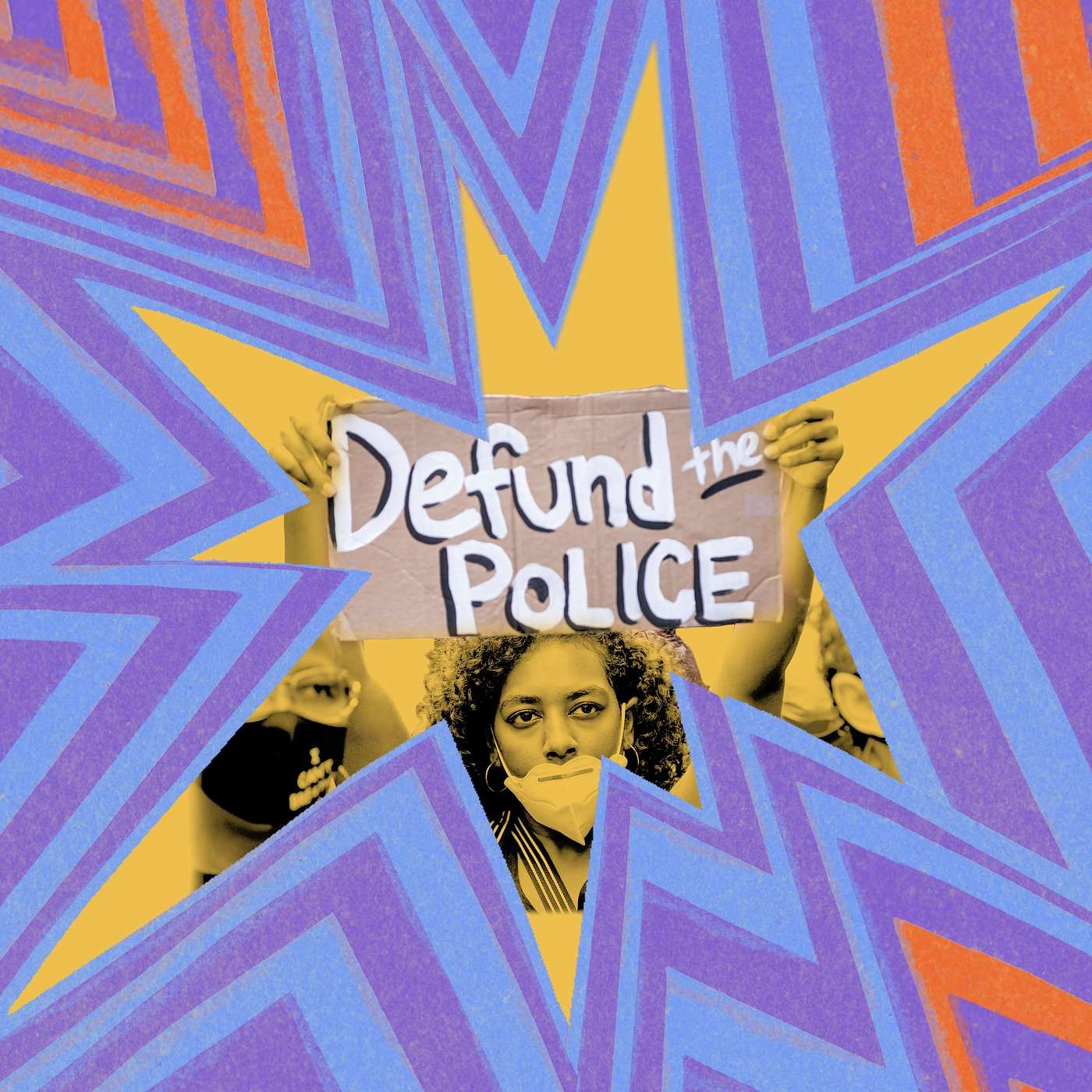
Why is crime falling everywhere?
May 2800:53:59Tap to summarizeAmerica is on track for its lowest homicide year since 1900, but nobody seems to be celebrating. Matt Yglesias and Jerusalem Demsas debate why crime has dropped so dramatically and what caused the pandemic-era highs in the first place. Were the George Floyd and BLM protests to blame for the increase in crime? Were cops holding back because they felt disrespected? Or was it pandemic-era disruptions that caused the chaos?Together, they explore what it means for democratic accountability when officers can retreat from their duties, why police union reform remains the third rail of criminal justice policy, and why crime is falling across the country regardless of conservative or progressive leadership.(0:00) The shocking 2025 crime drop(5:24) Criminal justice reform & the "Ferguson effect"(10:02) The George Floyd protests as an authentic democratic reaction(13:04) Debating the root causes of crime during COVID-19(23:49) The dire need for police union reform(29:52) Why nobody wants to be a police officer anymore(34:26) How much power do progressives actually have?(42:51) Peer review: Do violent movies prevent crime?Support the Show: Get a full transcript, show notes, and an ad-free version: TheArgumentMag.com New episodes every Thursday—subscribe so you never miss a debate!The Argument is produced by Justin Zuckerman, fact-checked by Eli Richman, with music by Breakmaster Cylinder and art by Ben Tousley.
Transcribe →
Why Democrats and Republicans want you to pay $50,000 for a car
May 2100:57:34Tap to summarizeThis week on The Argument, Jerusalem Demsas and Matthew Yglesias debate the tariffs on Chinese electric vehicles. Jerusalem argues that Americans should have access to cheaper, climate-friendly cars, while Matt says industrial policy requires a more cautious approach.They dive into the failure of Trump’s tariffs, what serious industrial policy looks like, and how the climate activists are once again missing the mark.(0:00) The BYD car that can jump over potholes(4:07) Climate activists miss the mark(11:46) Setting the stage for war with China(20:13) Protecting nonunion electric vehicles(27:50) Let Jerusalem buy a cheap Chinese EV(35:13) Matt Yglesias’s trade solutions(41:20) Comparing today to 1980s Japan auto policy(46:10) Peer review: The effects of school phone bansSupport the Show: Get a full transcript, show notes, and an ad-free version: TheArgumentMag.com New episodes every Thursday—subscribe so you never miss a debate!The Argument is produced by Justin Zuckerman, fact-checked by Eli Richman, with music by Breakmaster Cylinder and art by Ben Tousley.
Transcribe →
Did Joe Biden really kill Spirit Airlines?
May 1401:08:42Tap to summarizeSpirit Airlines is dead and the right, true to form, is blaming Joe Biden. The immediate cause of Spirit's demise is pretty clear: the war with Iran spiked jet fuel costs, and the already-battered airline couldn't absorb the hit to its bottom line. Last we checked, Joe Biden didn't start any wars with Iran. In this episode, Matthew Yglesias and Jerusalem Demsas break down what really happened with Spirit Airlines, the weird history of aviation policy in the U.S., and the conspiracy by some progressives to reduce competition in the space. (0:00) Spirit Airlines is dead(7:07) The blocked JetBlue merger(14:54) 1960s airline nostalgia(21:12) Matt’s tinfoil hat theory(26:29) Pre-Carter airline monopolies(35:26) The dawn of deregulation(47:17) Anti-monopolists want less competition(54:19) America’s protectionist policies(58:22) Peer review: Marriage and gender-coded purchasesSupport the Show: Get a full transcript, show notes, and an ad-free version: TheArgumentMag.com New episodes every Thursday—subscribe so you never miss a debate!The Argument is produced by Justin Zuckerman, fact-checked by Eli Richman, with music by Breakmaster Cylinder and art by Ben Tousley.
Transcribe →