Loading summary
Transcript27 lines
- [00:02]
A
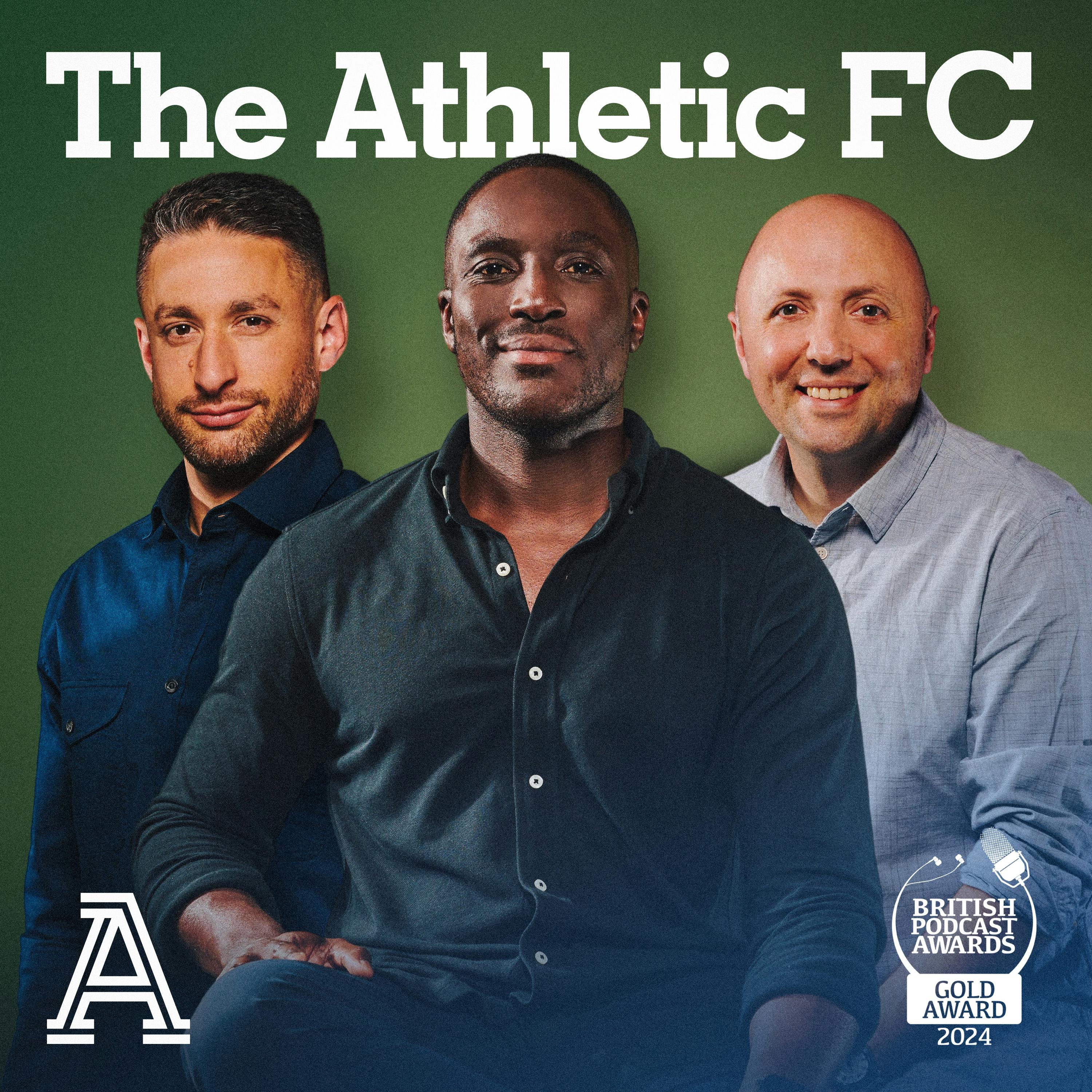
The Athletic fc. Welcome to the Athletic FC podcast with me, Ayo Akimolere. The Premier League currently and historically has seen a wide range of ownership models, from local businessmen to sovereign wealth funds. But what exactly makes a good owner? All right, here with us today, we've got Matt Slater. We've also got Andy Mitton as well, a regular on our Talk of the Devils podcast. Right, Matt, set the scene for us. Give us a sense of the different ownership models that currently exist in the Premier League. Off the top of my head, I'm thinking Tony Bloom at Brighton. The Saudi investment fund at Newcastle United.
- [00:44]
B
Good start. Well, I know I was thinking about doing a really short pod and saying what makes a really good loner? They've got to be bloody loaded and spend all their money on my football team. End of pod. If you read social media, that appears to be the criteria for good ownership. But anyway, what have we got in the Premier League at the moment? Well, about half of them, almost exactly half of them, 10 of them are owned either by US billionaires or combinations of US billionaires and or US funds. So they're owned by very rich Americans. Then we've got about four clubs, Brentford, Brighton, Spursdale, West Ham, who are mainly controlled by, if you like, old fashioned old school local Brits, wealthy Brits. We've got a couple, Forest and Sunderland, who are owned by rich Europeans. We've got one still from the China Wave Wolves hanging on in there. Two owned by big Gulf entities, Saudi Arabia and Abu Dhabi. They own Newcastle and Manchester City. And then there's one that I'm going to put in a little group of its own. Andy, which one? It's your club. Because they to me are a bit of a hybrid. Right? Yes, they are like the classic archetypal American billionaire club, but they also own a big minority stake, significant minority stake by a very, very rich British billionaire who at the moment has a sort of disproportionately large say over things, thanks to the sort of unique nature of the deal he did with the Glazers. You know, he has, he says, you know, final say over football matters. And I think one of the great big debates about Manchester United at the moment is what is, you know, where does that end? You know, stadium. Who's making the call there? You know, I'd like to hear Andy's view on that one. So I think Man United, as in so many conversations, are in a kind of group of one.
- [02:47]
A
Yeah, I mean, what do we call Man United, Andy? It's been really interesting having this conversation about club ownership, but also fundamentally what makes a good owner. So Manchester United are this hybrid of a club with technically 2ish owners. Where do they sit in the scale of being good owners?
- [03:05]
C
Well, I've done United We Stand the fanzine since 1989 and I would say that most Manchester United fans have not liked the owners decision makers for the entirety, which you might find odd, but I can back it up with all the receipts, even when they were winning the treble. And I think there's a. There's a couple of reasons for that. The decision makers who've often been the owners have got to make the decisions, like putting ticket prices up. Maybe there's an element of fans thinking that they can do better, they have to make the unpopular decisions. And I've seen Manchester United go from being privately owned to being a PLC. And when it went to being a PLC in 1991, the share offering, the uptake was so low that Manchester United was valued at 42 million pounds and had to be underwritten. And so many times fans have looked back and gone, we had our chance there, we missed our chance. But I remember the sentiment around it was that we can't afford to buy shares and go to Rotterdam for the Cup Winners cup final in the same same month. So again, blaming the people who've decided to make it public. In 98B, Sky B tried to buy Manchester United. The fans protested and then the early noughties. You saw Manchester United being so successful financially and on the pitch that they became increasingly attractive. So by 2003, 2004, I was asking the chief executive, David Gill, about a family called the Glazers in the United States. And he was assuring me that they were heavily invested into sports and he had no issue with them. The fans had a very different view. There were significant protests and the Glazers ended up taking control in 05, courtesy of a highly leveraged buyout, which was controversial then and it is now. And United have been operating under the cloud, and that's what it is of the Glazer ownership for over. Over two decades. And then in 20, 23, 24, they went to market basically because Manchester United were losing money. Nobody was sure how that was going to look. And how it ended up looking was Sir Jim Ratcliffe and Ineos taking a significant share in the club, but not a controlling share. But crucially, they were allowed to run the club. And I sensed that the Glazers were like, okay, well, we've had a go at it. We're not Popular, you have a go at it. And from Ineos perspective, it was like, we can do this better than you. So you have the current ownership model starting to become unpopular. But there was a desperation that things were going to change under Jim Ratcliffe, that when in November 24, Ratcliffe walked onto the pitch at Old Trafford and presented Bruno Fernandes with an Award for 250 appearances, he was applauded. And I'm like, this isn't normal. This is absolutely not normal. And this will change because something will happen where the fans turn against it was always going to happen. And I also think a lot of fans will never be happy. They use their football club as an emotional crutch. My father was moaning in Barcelona the day after winning the Treble. He would never, ever have been happy with Manchester United. And there are a lot of fans like that. That is their default reaction.
- [06:24]
A
Okay, well, let's move on because we've got a lot to cover. Let's break this down into a few sections. Firstly, I mean, you've touched on a little bit there, Andy. Let's talk about investment. Matt, when it comes to investing in your club, how important is that in outlining what makes a good owner?
- [06:40]
B
Yeah, like investments. Investments, everything. Otherwise, what's the point? I mean, you could buy something and just. Just sit on it, okay, like some property or a gold mine or a tobacco company. Very passive investment. You sort of think, well, that's not going out of fashion. That's a bit boring, isn't it? Is that we're into sport. I mean, some. Clearly this idea of this sport's become this asset class and we should just think about it in the same way we think about government bonds or shares. So clearly some people are doing that. And it certainly makes sense more in the US sports model, where clubs, sports teams make money, they sort of don't lose money, right, because they share revenue, they share talent, there's no relegation, they're closed systems. But, okay, if we just think about what we talk about, right, so open system, the Premier League, a pyramid, Very, very competitive. Not just competitive domestically, but competitive internationally. So, you know, there are big, powerful rivals here in the country, but they're also, when you go play in Europe, so it's a very complicated place. So what is the point unless you're going to invest? And this is where I sort of break it down now in my first sort of slight glib answer. Most fans seem to think investment means in the team. Buy me more players, Right? It's part of the soap opera of the sport. It's hope, isn't it? That's important. The hope piece is important. Gets you through the summer, sells season tickets, gets the sponsors excited. But equally, it's more than hope, right? It's, you know, it's, we need, we need to invest in the team, right? Players get old, they move on, no one's standing still. We do need to, you know, we need competition for places, all that stuff, right? So it's real, you do have to invest in the team. But so often the conversation comes around, well, they're not investing enough or they're not investing on the player that I wanted at the time I wanted them. I would though, say, while that is important, it's the other types of investment that are more medium term, more long term, that will either sustain you going forward or raise your status within the game. So big capital expenditure, stuff like your stadium, Is your stadium the right size? Is it up to date? Does it have really good wi fi? Does it have the right hospitality sections? Does it have a nice loos, nice food and bev? Because our tastes have changed, you know, what we expect when we go to live entertainment. Sport has changed for the better, I would argue. I mean, not, not, you know, there's swings, there's pros and cons, right? But I think generally speaking, from where we were in the 80s and 90s to where we are now is better. But then also it's things like the training ground, good scouting, good health, good, good hr, investing in people. So, you know, there is so much to it that, to go back to your question, yes, investment is essential. Otherwise you are just sitting there sort of as an absentee landlord, kind of counting the money. What are you doing with this thing that I, the fan, care so much about? So, yeah, short answer, absolutely crucial. Then it's like where you're allocating your resources, you know, is it the first team? Is that all that I care about? Are you making my experience when I go to the game better? Maybe I'm not a matchday going fan, right. You know, know, in this day and age, so much of the conversation, so much of what we deal with is, is, is people who aren't going to match days, you know, they're not, they're not season ticket holders. Are my touch points with the club good? You know, is the social media good? Is the, you know, do we have a TV channel? You know, is the, is the merch good? All that stuff. It's, it's, it's, it's the whole thing. And yes, you have to invest in it.
- [10:12]
A
And Matt's just basically outlines just what makes a good owner. And it's not just about buying players fundamentally, but you look at somewhere like Everton for something we spoke about on this pod quite a few times. Fahad Mashiri invested a lot at Everton, but didn't quite seem to work out. We've talked about French clubs where, you know, they've invested heavily into the club, but doesn't seem to work out. Just because you pump money in doesn't necessarily mean the result is going to be great.
- [10:40]
C
I've seen it happen. And Moshiri is probably the most extreme example where fans are constantly pleading more investment, more money. Okay, here you are. Here you are with a new stadium and it doesn't work for them. I saw it at Derby county with Mel Morris, very popular. He put a lot of money in. He was a very wealthy individual. He tried to get them into the Premier League. He came as close as you can get. They had average crowds of 32,33,000. Some of their executives moved on to the biggest clubs in England. They were doing a really good job, but they still failed. They didn't reach the promised land of the Premier League. And then his popularity with fans declined because fans always want to see progress and it is impossible for all clubs to progress and go up all of the time. Some clubs have to finish bottom of the league and I've seen it in non league as well. I think it's a real issue in non league where you'll get a wealthy benefactor who pumps money in. And every league they go up, it doubles or triples in terms of what you need to be paying players. And when they pull the rug or walk away for whatever reason, it can often leave a club in limbo. So we talk about fit and proper people and I've seen many bad examples of that. And I was writing about Berry. I was up there in 2019. There are a lot of individuals in football are absolutely not fit and proper, but it happens right through the pyramid. You can be at level eight and you can find unscrupulous people being involved in football. So why are they attracted to football? They might make the money in an industry that's considered pretty boring. But if you're involved in the local football club, then you're a person of significant interest in the town. You have cued us. People want to hear what you want to say. And football clubs have long been attractive to wealthy people domestically. But what's happened in the Premier League and even the Championship, is it's become international and I'm sat here now at Hull City, which is a successful club, the owners from Turkey, and a lot of money has been spent in this league and a lot of football clubs in this league are losing a lot of money. So if you want to see, is it a substantial model football, Is it sustainable? It often isn't. So many clubs chase the dream and at Manchester United they were profitable. It was an outlier. But even Manchester United became unprofitable, started losing £90 million per season, and that's why they needed a change in the ownership model.
- [13:09]
B
This is the Athletic FC podcast with IO Akimolere.
- [13:17]
A
All right, let's move on. What about success? Because, you know, I often think about a team like Manchester United and how successful they have been. But then we've also seen this weird period where behind the scenes things don't look as great as what we've seen on the field for time. And I would say post Alex Ferguson, a lot of that has been a lot more evident. Andy, can success mask a dysfunctional club?
- [13:42]
C
Yes, it can, because success is the only barometer of what a successful club looks like for a lot of football clubs. You can see how the mood is set within a football club if the team have won at the weekend. I see it and it frustrates me because at a club like Manchester United it is so turbulent and there's extreme overreactions according to every win or defeat. And that's partly because it becomes global. You've got different demographics of different fans wanting different things, but they all want win, win, wins. And I don't think that social media helps in terms of fan reaction because it encourages extreme reaction. And I don't think any tech giant wants balance and context when you can get lots of yelling and shouting. But I think success is judged by where you finish in the league. And silverware. For some clubs, success is survival. I think that the aims of clubs depends on where they are season to season. I'm at Hull City today. I spoke to some people who said at the start of this season the aim was for a top 10 finish. They're now fifth in the league. So now the aim is to get into the playoffs. So what is success can change on a month to month basis.
- [14:52]
A
Where do we put FSG on this as ownership for Liverpool? Two Premier League titles, Matt, Champions League during their time as well.
- [15:02]
B
They bought the club in 2010, so they've been around a long time. So that means we've got a lot of like, data to look at. If you like. They've won everything, FA Cups, League cups, Club World Cup, Super Cups. So you know they, they've kind of. Okay, they've ticked a lot of boxes there. They're not universally loved. I mean look, no one's going to university love another football team's ownership are they? But even within their own fan base they haven't got everything right. They've been missteps for sure. So quite early on they to introduce a £77 matchday ticket. They got that wrong. There was another misstep I suppose where whilst I could understand what they were trying to do they tried to sort of copyright Liverpool. They were very worried about kind of fake merch being sold but they kind of, that was a bit clumsy. They were also involved with project Big Picture which again didn't land well. I could kind of see elements of it but the sort of secretive nature of it wasn't great. They were in cahoots with Andy's club and United and then of course the big one, you know, European Super League, you know they were very much on the wrong side of that one. So in that 16 year period where they get plenty right so they, they've won stuff. They found their guy Klopp, right. You know he wasn't the first guy they hired but they, they got him in the building and they backed him. They won plenty of stuff. They could have won more but for a kind of you know generational successful team in terms of man city, lots of near misses, a couple of runners ups in the Champions League as well. I think the very sensitively done and bear in mind how hard it is to build stuff, you know pretty good job in terms of timing and budget redevelopment of Anfield. Big tick there. That also I think was a real commitment to the, the area of Anfield training ground. You know they've kind of, they've moved haven't they to Kirkby. That's you know again sort of state of the art, you know. So they've, they have made the capital expenditure stuff. They've definitely kind of raised Liverpool's profile. It's kind of socials, it's, it's, it's, it's merch. They've got a lot of like kind of decisions like that kind of commercial decisions. Right. They found a good manager, they backed him in the transfer market. But are they perfect? And I suppose it goes back to Andy's answer, you know that, that, that kind of they've just won the treble and someone's still unhappy. I don't Know, if they were hungover, obviously it was your dad. Right? Yes, you know, but. But, you know, equally, fans are. Fans are, you know, I. You know, the number of times kind of like Liverpool, FSG seemed to be learning from its mistakes and seemed to be kind of really close. And then all I would read was negativity around, well, why have, you know, why haven't we spent 300 million this summer? FSG out. I mean, FSG out as a hashtag was. Was. It was a thing for a very long, you know, at least a year or so. And of course now they've spent a load of money in the transfer market and, you know, that hasn't quite worked yet, but, you know, so, yeah, I find vet FSG kind of fascinating, to be honest, because when they came in, we were so used to having either a local Mr. Big or just a Mr. Big from somewhere that it was very much around John W Henry, if you go back to the reporting of it, and for quite a few years, it was him. He's the principal owner, he's the guy that we can understand. We need a face and a name. But FSG are a syndicate. There's like 30 people involved. You know, John W Henry is one of many. You know, there's all sorts of people in that syndicate now. I mean, it's on their website. But we don't talk about Jimmy Iovine, do we, like record producer. Or we talk a little bit about LeBron James from time to time. But Maverick Carter is, you know, his agents in there, as are, you know, 15 other wealthy Americans who own chunks, as are two relatively large US sports funds, Arctos and Redbird. Redbird, who won AC Milan, by the way. So FSG is a really kind of complicated beast that for a lot of its lifetime, or certainly our experience of it in this country, we've treated as. Well, just to simplify it, because it's complicated. It's John W. Henry.
- [19:11]
A
Yeah. I do wonder as well, following on for something Matt's just said. Can a charismatic manager, I. E. Jurgen Klopp, for instance, deflect away from what's going on in the background with the ownership, Andy? Because let's face it, at this point we're looking at Liverpool as a team and everyone's saying, how on earth does Arnold Slot get something out of this team? But the big conversation as well is how have they recruited so badly in certain positions on the field?
- [19:37]
C
You're asking a Manchester United man about Liverpool. So, yeah, I was obviously delighted to be sent to Madrid as a journalist to watch Liverpool lift the European cup in 2019 and then back to Paris a couple of years later where I found myself reporting on how the crowd mistreatment and doing it properly. I think you've got to do stuff like that. And Liverpool fans that was outrageous what went on in Paris. I think Matt's answer is really good. There's a couple of points I'd, I'd add to it. Liverpool were playing catch up because in the 1990s they failed to expand Anfield whereas Manchester United and others aggressively expanded the capacity. Liverpool didn't. So there's an element of catch up. They've been smartly run, far smarter than Manchester United. I've seen little glimpses. I know individuals who work there who I respect and I remember being on the pre season tour in America in 2018 Man United against Liverpool playing in in Michigan and Liverpool were just miles ahead in terms of their local community engagement in terms of acknowledging the fans who traveled over from Liverpool, the different demographics within their fan base, their recruitment of footballers, Jurgen Klopp was clearly transformational for them. So it has been very, very well run. But Matt's point about FSG out is really interesting. It shows that some fans are not far away at all from turning against whoever is in charge. It was really interesting to me a couple of years ago to see some Liverpool fans who I don't think had ever been to Anfield trying to organise a protest march outside Anfield against the owners and they couldn't get any real life traction. And that showed to me the disconnect between social media anger and real life sensibilities. And I think the fans inside the stadiums tend to be more sensible, tend to be more balanced than some of the extremities that you, you get online. But even Liverpool which by most measures has been a hugely successful football club, they have misstep, they have made mistakes, Matt's highlighted them all are only ever a month away from some of their own fans turning on them.
- [21:55]
B
You're listening to the Athletic FC podcast with Ayo Akamwale.
- [21:59]
A
Do you know what Matt? Andy brings me nicely onto something. It is fans, it is the relationship with the fans and understanding those fans as well. So let's start on one of the more positive ones. Let's talk about Tony Bloom, Matthew Benham, Brighton, Brentford respectively. How important is it that I guess these are their clubs?
- [22:21]
B
Yeah, I think it's very important. It's about for me authenticity and credibility. Right, so those, those two, no one disputes that they are fans of their clubs. Now, a lot of owners, particularly as you go further down the pyramid, would say the same, you know, I am a fan. There is a fan in the board. There's often a kind of, you know, people say, well, you need fans on the board. Well, sometimes the owners will go, I'm a fan, you know, don't forget me. And I think in Bloom and Benham's case, emphatically so, you know, Bloom has put so much money into Brighton and he's done a lot of it in terms of that kind of more medium, long term capital expenditure investment, but also kind of like the scouting, the data, the analysis, the structures that make Brighton Brighton. Right. It's usp. It's so much wrapped up with Bloom and I think everyone believes when he says he's a Brighton fan, right? Yes, you are Benham. Similar, right, perhaps not to the same size of check, so quantity. You know, he's been a more modest investor. He's been quite consistent, you know, for a long, long time. Before he kind of took proper control. He was just lending the supporters trust money very quietly. He didn't want publicity, you know, and his involvement in the club has grown. And of course Brentford have moved, they've moved to this fantastic new stadium for them. It's a good size again, on budget, pretty much on time. Just getting these projects done. I don't think anyone should underestimate that, building a new football stadium in London, you know, wow, well done. So, you know, huge kudos to those two guys and I think the fact that they are fans massively helps them. It gives them credibility, it buys them time. If they had a few missteps, if they got relegated, I just don't see anyone getting upset with those two people. They've got so much right, they have so much credit in the bank. Just as an interesting contrast, you know, we mentioned to Jim Radcliffe at the start, you know, he of course in some ways was meant to be that guy for Manchester United. And I think the problem he has is this credibility authenticity issue. Yes, we know his backstory. Yes, we believe he's from Failsworth or whatever it is, you know, self made guy, you know. Yes, we can sort of see that he, you know, went to Man United as a kid and all that, but I'm not sure and I this is just a neutral outsider here, so maybe Andy will disagree. I'm not sure. I really believe that he is the great big Man United fan. He says he is because we know, right, when he was in London, you know, he went to Chelsea, we know before he bought Man United, he was making overtures to Barcelona. We know that he bought Nice. We know that he's done loads of other stuff and he's sort of come back to Manchester United kind of late in the day, having not been around. Yeah, he says things like, cantona was my favorite player. And you know, there's some bits that are, oh, right, okay. So maybe you are a big Man United fan, but I don't know, I just not sure I believe it in the same way that I absolutely believe Matthew Benham is a Brentford fan.
- [25:21]
C
You're talking along the right lines here with Sir Jim Ratcliffe. Because when I've interviewed him, I said, what was your first Manchester United game? And he didn't know. And if you're a football fan of any club, you absolutely know what your first game was. And I feel that sometimes fans can be too judgmental. You know, where were you at Duke? LA? Prague? Away in 1985? You're not a proper fan if you were there. But I think in the case of Jim Ratcliffe, his fan kudos has been overplayed. I know some very, very wealthy people who've gone to United for 20, 30, 40 years who've never seen him at a game. And the Chelsea stuff obviously doesn't aid your credentials as a Manchester United fan. He grew up in Manchester. He does have a very impressive background story. I think that stands him in good stead. Having had 20 years of U.S. ownership. I don't think that would be judged positively by Manchester United fans. So you're thinking, this guy's a local guy, he's made a lot of money, he's not a young kid anymore. Is he going to want to leave a legacy? Is his involvement of Manchester United going to be him returning Manchester United to greatest again? Which plays back into the factors such, such as ego. And I don't think it matters massively that he wasn't a home and away Manchester United fan. It helps. There are people who work at every football club who are not fans at that club, as long as they are good professionals and they're honest. I know some people who've worked at United over years and they might have supported Aberdeen or Southampton and they're still really, really good at the job. So being a fan, it can help. But be careful that you don't overplay your credentials as a fan. I think with Sir Jim Ratcliffe, if he does redevelop Old Trafford or build a new stadium, which is what he wants to do if Manchester United return to preeminence then he will be judged as a success. But you can misstep every single week if you're not careful. And there's been several examples where he has made mistakes.
- [27:35]
A
Yeah. Someone who might not be deemed as a fan was Mike Ashley at Newcastle. Andy. And I know you have very strong feelings about that ownership, but, you know, from the outside looking in an ownership that really pulled fans apart. I mean, some of the scenes at St. James's park, the banners, the big chants, it was not a great atmosphere towards the end of the tenure, was it?
- [27:58]
C
So the first time I went there under Ashley was for a game against Sunderland and he was in his honeymoon period where he'd bought his new toy, he'd bought a new shirt, he stood on the terraces, he had a pie, he had a pine, he had a. And the Geordies wanted to believe in this saviour because they'd had a rough previous ownership and they welcomed him in. But because the team didn't improve, because they were not successful, you're using up that bank of credit all the time. So Matt's quite rightly pointing out the huge bank of credit at Brighton or Brentford, but that's because traditionally these have not been teams who've played in the Premier League. Newcastle United are a giant of a football club. They should be at the top end of the Premier League. My uncle managed them in the 1950s and they were the best supported team in England and he couldn't bring them a league title. And when he went there, he sought the advice of Sir Matt Busby, should I take the Newcastle United job? And he said, they'll have 30,000 there to watch the kits dry. And of course it's an exaggeration, but it showed how big they were. And Mike Ashley went from being the most popular man in the room to being Persona non grata. And part of that is on the fickleness of fans. But also don't take advantage of the loyalty of football fans. Football fans are not stupid. One of the greatest virtues of football fans is their loyalty. They fill the stadium every week and yes, some can change the tune and players go from hero to zeros, but there is a bedrock of loyalty that should not be taken advantage of. And I've seen so many chances come into football and talk a good story. Action usually speaks louder than words. And Newcastle United, then they move on to being owned by a state. And it's not a model I'd like, I wouldn't like with my football club. And there's been a lot of Criticism of Newcastle United and Newcastle United fans for turning a blind eye. And I remember an example saying Would you sell your absolute soul if it meant one League Cup? Newcastle United fans and fans are put into an awkward position. I always had this idealized image of a fan ownership. I always thought that Barcelona was the perfect model. And I went from thinking no sponsor on a shirt owned by the people and buying into it all. And then I've probably been to two or three hundred Barcelona games in my life working as a journalist. I'm not a fan of Barcelona. I can respect the football. I can interview the players. And I've completely changed my opinion because unfortunately I like elements of that ownership. I like the fact that the Socios do own it. That an unscrupulous owner cannot buy it. That it is rooted in the people and its community. But unfortunately you can still have an unscrupulous club president who can promise like a politician a load of things that are going to happen. I'm going to bring these shiny new footballers in. If you vote for me and football fans and this is a weakness of football fans. They buy the lie, they buy the vision. They vote for the person to come in and that president might come in and he might deliver. But that might leave the football club in a worse place than what they were in beforehand. So I have serious doubts about the socio model. And I love the idea and the romanticism of fan owned clubs. But then I've seen some of them where the fans end up squabbling with each other. That is not a panacea either. I've seen FC United. What they've done is incredible. They've built a stadium and they've got a functioning football club. Ask fans of FC United what is success. I suppose just exist. Just offering affordable football at three o' clock on a Saturday and not becoming subservient to needing sponsors. That is probably success for them. But even within a fan base you'll be going not happy with that left back. With that right back. We should be pushing for promotion here. You're never ever going to keep all fans happy.
- [31:52]
A
Yeah. And that's a really good way to sort of wrap this up. Matt, in terms of fan ownership. Andy's has spoken about the Socios at Barcelona. I'm also thinking of the model perhaps 50 plus one they have in in the Bundesliga. And where do you lie with that? Especially the juggernaut that is the Premier League. It's a corporate exercise fundamentally.
- [32:12]
B
Yeah. I think. I think Andy's right. He's outlined nicely Some of the pros and cons of, of those models. Look, 20, 25 years ago there was quite a lot of people that were really interested in fan ownership, you know, high up the pyramid, right? This idea that the 50 plus one model, the social model was the goal that all right, thinking fans should want. And there was a big scheme at Arsenal around buying shares. You know, it would often come up around Man United or Newcastle or Liverpool, these big clubs with very kind of organized fan bases. You know, could we do something? Could we get this over the line? And it never happened. There was an organization actually set up to kind of help that called Supporters Direct and they made the weather for a time. Certainly in terms of kind of like the engaged fans, you know, the kind of fanzine culture, it never happened that it's gone away mainly because just the sums involved are just too big and no one really is talking about it now. And in fact I'd say the kind of realities on the ground have just changed. So you know, as, as we're talking right now, AFC Wimbledon, who are probably the most, one of the most famous examples of a fan owned club in this country right now, are actually just changing their constitution. They still want to remain fan owned at the moment. The, the trust there controls about 85% of the voting shares. They're going to go to FIF 50.001. So kind of a version of 50/1 because they want to get a big minority investor in because they're saying we're in League one, we're losing money, we don't want to take on debt because we are, you know, regular fans, we're you know, run by our trust. This is hard. How are we going to do this? How are we going to get back to where Wimbledon were in the 90s? You know what, we can barely really afford championship football at this rate. So, so I think that's, that's just evidence. And you know, another fan owned club, Exeter, have been through financial difficulties of late as well. So the, the sort of kind of, a lot of the kind of noise, the kind of vibe around fan ownership has, has definitely dissipated. I still think there's a place for it further down the pyramid and I still think there's a place for fans owning stakes and having kind of skin in the game actually, you know, not just window dressing in terms of seats on board. But I, I just, I never's a long time. But I'd be amazed if we had a fan ownership in the Premier League. I would be astounded and my final point on this would be right now Barca and Real are talking about selling stakes. And the last one, of course, 50 plus one for a very long time was the model. How's that worked for the Bundesliga in terms of its competitive balance because they have a giant 50 plus one suiting Bayern really, really nicely. Who's going to take on Bayern with their enormous sort of head starts, their kind of guaranteed entry into the Champions League? You know, the commercial might, you know, they, you know, Audi and Adidas, isn't it, they own stakes in there and you know, so everyone else is a distant second. It would take something like a revolution like Abramovich or Golf Money to change that. I'm not advocating, I'm not necessarily advocating that. I'm just saying the 50 plus 1 model has cons and drawbacks too.
- [35:18]
A
Yeah, you're spot on. And I think the dream would be to have more fans active within clubs, Map But I think the reality as we are talking about competitiveness is, is a grim one that I don't think will ever really surface, especially in the Premier League. But let's leave it there. Jeds, Andy, Matt, appreciate your time and also thank you guys for joining us as well. We'll catch you next time.
- [35:41]
B
You've been listening Listening to the Athletic FC Podcast. The producers were Guy Clark, Mike Stavroo and Jay Beal with editing by Paul Iliff and Nick Thompson. The executive producer is Ady Moorhead. To listen to other great athletic podcasts for free, including our dedicated club shows, search for the Athletic wherever you get your podcasts. You'll also find us on YouTube at the Athletic FC Podcast so make sure you subscribe. The Athletic FC Podcast is an Athletic
- [36:04]
A
Media Company production
- [36:07]
C
sat.