Podcast
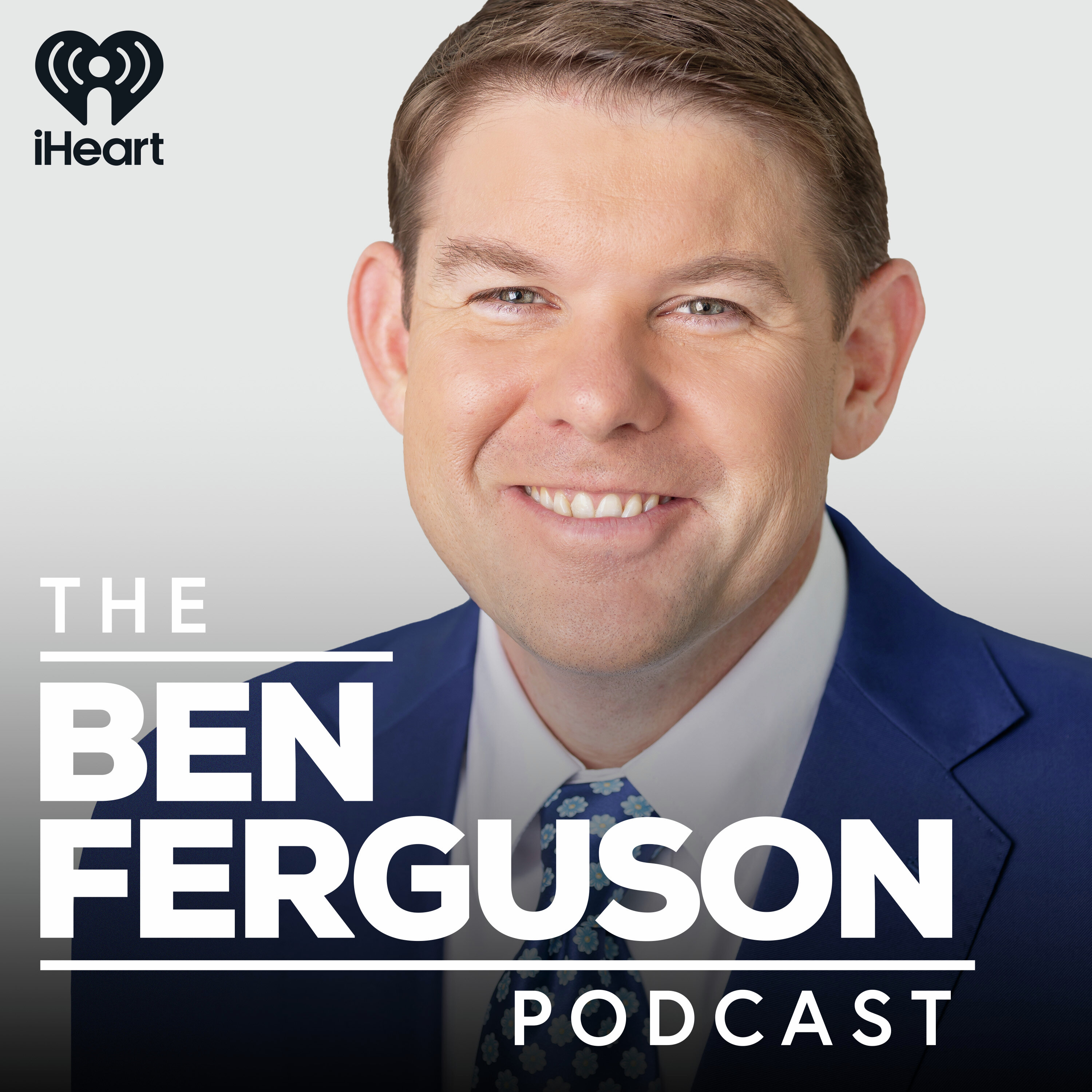
The Ben Ferguson Podcast
Hosted by iHeartPodcasts · EN
If you hate the liberal media but love the 47th President, than this is the podcast for you. Ben Ferguson brings you the commentary on the news that the biased media will not cover.
282episodes
Episodes
Newest firstAll episodes

The Fallout From COVID Just Hit Another Level
Yesterday00:27:07Tap to summarizeIn this episode of the Ben Ferguson podcast Senator Ted Cruz and Ben Ferguson examine emails released by Senators Ron Johnson and Rand Paul, discuss claims surrounding miscarriage data and COVID vaccine recommendations, and debate whether federal health officials, pharmaceutical companies, and major media organizations were sufficiently transparent with the American people. They also explore the long-term impact of pandemic-era messaging on public confidence in science and public institutions. Newly released emails involving Anthony Fauci have reignited debate over COVID-19 vaccine guidance for pregnant women and whether federal health officials were fully transparent about potential risks. The controversy is fueling renewed questions about public trust, accountability, and how public health decisions were communicated during the pandemic. Senator Ted Cruz argues that emerging disclosures raise serious concerns about how officials handled uncertainty surrounding the COVID response. Ben Ferguson contends that many Americans who trusted government recommendations now feel misled, particularly families affected by pregnancy complications during that period. Topics Covered: Fauci emails and questions about COVID-era transparency Claims regarding pregnancy risks and vaccine guidance Public trust in health agencies, experts, and the media Debate over censorship, misinformation, and pandemic policies Please Hit Subscribe to this podcast Right Now. Also Please Subscribe to the 47 Morning Update with Ben Ferguson and Verdict with Ted Cruz Wherever You get You're Podcasts. And don't forget to follow the show on Social Media so you never miss a moment! Thanks for Listening X: https://x.com/benfergusonshowSee omnystudio.com/listener for privacy information.
Transcribe →
New Bombshell COVID Allegations What They Said Publicly vs. What They Knew Privately
Yesterday00:25:53Tap to summarizeIn this episode of the Ben Ferguson podcast Senator Ted Cruz and Ben Ferguson examine emails released by Senators Ron Johnson and Rand Paul, discuss claims surrounding miscarriage data and COVID vaccine recommendations, and debate whether federal health officials, pharmaceutical companies, and major media organizations were sufficiently transparent with the American people. They also explore the long-term impact of pandemic-era messaging on public confidence in science and public institutions. Newly released emails involving Anthony Fauci have reignited debate over COVID-19 vaccine guidance for pregnant women and whether federal health officials were fully transparent about potential risks. The controversy is fueling renewed questions about public trust, accountability, and how public health decisions were communicated during the pandemic. Senator Ted Cruz argues that emerging disclosures raise serious concerns about how officials handled uncertainty surrounding the COVID response. Ben Ferguson contends that many Americans who trusted government recommendations now feel misled, particularly families affected by pregnancy complications during that period. Topics Covered: Fauci emails and questions about COVID-era transparency Claims regarding pregnancy risks and vaccine guidance Public trust in health agencies, experts, and the media Debate over censorship, misinformation, and pandemic policies Please Hit Subscribe to this podcast Right Now. Also Please Subscribe to the The Ben Ferguson Show Podcast and Verdict with Ted Cruz Wherever You get You're Podcasts. And don't forget to follow the show on Social Media so you never miss a moment! Thanks for Listening X: https://x.com/benfergusonshowSee omnystudio.com/listener for privacy information.
Transcribe →
Bombshell Data: Fauci Covered up that Covid Vaccine Produced 82% Miscarriage Rate, plus El-Sayed Hates Football & AOC Runs away from Woke
Yesterday00:34:05Tap to summarizeIn this episode of Verdict with Ted Cruz, Senator Ted Cruz and Ben Ferguson examine emails released by Senators Ron Johnson and Rand Paul, discuss claims surrounding miscarriage data and COVID vaccine recommendations, and debate whether federal health officials, pharmaceutical companies, and major media organizations were sufficiently transparent with the American people. They also explore the long-term impact of pandemic-era messaging on public confidence in science and public institutions. In the second half of the episode, the conversation turns to Michigan Senate candidate Abdul El-Sayed, cultural debates surrounding masculinity and football, and Alexandria Ocasio-Cortez's efforts to redefine her political image ahead of potential future national ambitions. Newly released emails involving Anthony Fauci have reignited debate over COVID-19 vaccine guidance for pregnant women and whether federal health officials were fully transparent about potential risks. The controversy is fueling renewed questions about public trust, accountability, and how public health decisions were communicated during the pandemic. Senator Ted Cruz argues that emerging disclosures raise serious concerns about how officials handled uncertainty surrounding the COVID response. Ben Ferguson contends that many Americans who trusted government recommendations now feel misled, particularly families affected by pregnancy complications during that period. Topics Covered: Fauci emails and questions about COVID-era transparency Claims regarding pregnancy risks and vaccine guidance Public trust in health agencies, experts, and the media Debate over censorship, misinformation, and pandemic policies Abdul El-Sayed's comments on football and masculinity Alexandria Ocasio-Cortez's political positioning and 2028 speculation Please Hit Subscribe to this podcast Right Now. Also Please Subscribe to the 47 Morning Update with Ben Ferguson and The Ben Ferguson Show Podcast Wherever You get You're Podcasts. And don't forget to follow the show on Social Media so you never miss a moment! Thanks for Listening YouTube: https://www.youtube.com/@VerdictwithTedCruz/ Facebook: https://www.facebook.com/verdictwithtedcruz X: https://x.com/tedcruz X: https://x.com/benfergusonshowSee omnystudio.com/listener for privacy information.
Transcribe →
The Fauci Files 'Vaccines were Dangerous to Pregnant Women' What Did he Know and When?
2d ago00:28:46Tap to summarizeNewly released text messages from Dr. Anthony Fauci are fueling a new debate over COVID-19 vaccine guidance for pregnant women, government transparency, and whether public health officials fully disclosed their concerns during the pandemic. Senators Ron Johnson and Rand Paul have highlighted communications they say raise questions about what officials knew regarding potential vaccine-related risks and when those concerns were discussed internally. The release has reignited arguments over public trust, public health messaging, and accountability. In this episode of Verdict with Ted Cruz, Senator Ted Cruz and Ben Ferguson examine reports surrounding newly released Fauci text messages, the allegations raised by Sen. Ron Johnson and Sen. Rand Paul, and the broader implications for confidence in public health institutions. They discuss claims about internal discussions regarding pregnancy and vaccination, the political fallout from those revelations, and whether Americans can trust future public health warnings. The conversation also shifts to a reported Iranian threat against President Donald Trump and the extraordinary security measures allegedly taken following a NATO summit, including the use of decoy aircraft and covert transportation methods designed to protect the president. Topics Covered: Newly released Fauci text messages and internal COVID-era communications Sen. Ron Johnson and Sen. Rand Paul's ongoing oversight efforts Public health transparency and trust in government institutions Debate over COVID-19 vaccine guidance for pregnant women Reported Iranian assassination threats against President Trump Air Force One decoy operations and presidential security measures Please Hit Subscribe to this podcast Right Now. Also Please Subscribe to the 47 Morning Update with Ben Ferguson and Verdict with Ted Cruz Wherever You get You're Podcasts. And don't forget to follow the show on Social Media so you never miss a moment! Thanks for Listening X: https://x.com/benfergusonshowSee omnystudio.com/listener for privacy information.
Transcribe →
Presidential Disappearing Act that Left Reporters Stunned Amid an Iranian Assassination Threat
2d ago00:10:42Tap to summarizeA reported Iranian assassination threat against Donald Trump led to an extraordinary security operation following a NATO summit in Turkey, according to new reporting discussed in this episode. The account describes a complex deception involving multiple aircraft, a decoy Air Force One, and an effort to conceal the president’s actual movements from potential adversaries.The story has sparked debate over presidential security, government secrecy, and the seriousness of threats directed at the commander in chief. The hosts argue that the operation demonstrates the extent of the risks facing the president and highlights the challenges involved in protecting national leaders from foreign threats. In this episode Ben examines reporting from the Washington Post describing how security officials allegedly moved Donald Trump from a publicly observed aircraft to a separate military jet using an airport catering truck as part of a broader deception plan. They discuss the reported Iranian threat, media reaction to the operation, the role of secrecy in presidential protection, and the broader national security implications raised by the incident. Topics Covered: Reported Iranian assassination threat against Donald Trump Security operation following the NATO summit in Turkey Use of a decoy Air Force One aircraft and alternate transport methods Reporting from the Washington Post and coverage by CNN Debate over secrecy, deception, and presidential security protocols Broader concerns about Iran and U.S. national security The Bottom Line: Ben Ferguson argues that the reported operation demonstrates how seriously U.S. security officials viewed the threat environment surrounding Donald Trump and defends the use of secrecy and deception as necessary tools for presidential protectionPlease Hit Subscribe to this podcast Right Now. Also Please Subscribe to the The Ben Ferguson Show Podcast and Verdict with Ted Cruz Wherever You get You're Podcasts. And don't forget to follow the show on Social Media so you never miss a moment! Thanks for Listening X: https://x.com/benfergusonshowSee omnystudio.com/listener for privacy information.
Transcribe →
Caught Off Script—DSA Leaders Face the Facts on Israel & Healthcare
3d ago00:26:04Tap to summarizeThe Democratic Socialists of America is facing new scrutiny over two defining issues: government-run healthcare and its stance on Israel. A series of interviews involving DSA leadership has reignited debate over taxation, Medicare for All, and whether the organization’s foreign policy positions reflect a broader shift inside the progressive movement. Questions about how to fund expansive government programs, what “taxing the rich” actually means, and whether private health insurance should be eliminated have become central to the political conversation. At the same time, comments from DSA leaders regarding Israel, Palestine, and the aftermath of the October 7 attacks have fueled intense controversy among critics and supporters alike. In this episode Ben examines statements from Democratic Socialist leaders on wealth taxation, healthcare policy, and Israel. We discuss the political rise of progressive candidates, the Medicare for All debate, criticism of socialized medicine, and ongoing disputes over comments related to Hamas, October 7, and the future direction of the Democratic Party. The conversation also explores remarks from progressive figures including Alexandria Ocasio-Cortez and reactions to controversial statements from activists and political allies. Topics Covered: • Democratic Socialists of America and calls to “tax the rich” • Medicare for All and the debate over government-run healthcare • Criticism of private insurance elimination proposals • DSA positions on Israel, Palestine, and a one-state solution • Controversy surrounding comments about the October 7 attacks • Alexandria Ocasio-Cortez, progressive politics, and the Democratic Party’s future Please Hit Subscribe to this podcast Right Now. Also Please Subscribe to the 47 Morning Update with Ben Ferguson and Verdict with Ted Cruz Wherever You get You're Podcasts. And don't forget to follow the show on Social Media so you never miss a moment! Thanks for Listening X: https://x.com/benfergusonshowSee omnystudio.com/listener for privacy information.
Transcribe →
WNBA Faces Firestorm After Men's Draft Declarations Rock Women’s Basketball
3d ago00:19:35Tap to summarizeThe WNBA’s eligibility policies are drawing renewed scrutiny after former NBA players publicly announced plans to declare for future WNBA drafts as a challenge to the league’s rules on transgender participation. The debate has also pulled in comments from President Donald Trump and Senator Ted Cruz, turning a sports issue into a broader cultural and political fight. At the center of the controversy are public statements from Royce White and Enes Kanter Freedom, both of whom argue that current eligibility standards should be applied consistently. Their announcements have intensified ongoing discussions about transgender athletes, fairness in women’s sports, and how professional leagues define participation rules. In this episode of Verdict with Ted Cruz, Senator Ted Cruz and Ben Ferguson discuss the escalating debate surrounding the WNBA’s transgender-athlete policies, reactions from prominent political and sports figures, and what they argue are the broader implications for women’s sports. They also examine the Senate confirmation of Todd Blanche as U.S. Attorney General, the criticism surrounding his nomination, and why supporters view his confirmation as a significant victory for the Trump administration. Topics Covered: Royce White announces plans to declare for the 2027 WNBA Draft Enes Kanter Freedom challenges current WNBA eligibility standards President Donald Trump comments on transgender participation in women’s sports Senator Ted Cruz discusses fairness and competition in women’s athletics Senate confirmation of Todd Blanche as U.S. Attorney General Debate over qualifications, DOJ experience, and political opposition to Blanche’s nomination Please Hit Subscribe to this podcast Right Now. Also Please Subscribe to the The Ben Ferguson Show Podcast and Verdict with Ted Cruz Wherever You get You're Podcasts. And don't forget to follow the show on Social Media so you never miss a moment! Thanks for Listening X: https://x.com/benfergusonshowSee omnystudio.com/listener for privacy information.
Transcribe →
Barbarians at the Gate—the Deranged plans of the Marxists Taking over the Dems, plus What’s the “W” Stand for in WNBA?
3d ago00:36:47Tap to summarizeIn this episode of Verdict with Ted Cruz, Senator Ted Cruz and Ben Ferguson analyze the rise of democratic socialism within Democratic politics, debate anti-Israel activism on the left, examine comments from AOC and other progressive figures, and discuss the growing controversy over gender eligibility rules in women’s sports and the WNBA. The Democratic Socialists of America (DSA) and their growing influence inside the Democratic Party take center stage in this episode, alongside a heated debate over gender eligibility in women’s sports. Senator Ted Cruz and Ben Ferguson examine comments from a DSA leader on taxation, socialism, Israel, and the future direction of the political left. They discuss a recent interview with a DSA co-chair, focusing on the organization’s views on wealth, capitalism, and Israel. Cruz argues that the movement’s policies reflect a broader ideological shift within progressive politics and raises concerns about the DSA’s stance on the Israeli-Palestinian conflict. The conversation then turns to Representative Alexandria Ocasio-Cortez, progressive media figures, and the struggle for influence among younger voters inside the modern Democratic coalition. Cruz and Ferguson debate whether increasingly radical political rhetoric is becoming mainstream within parts of the left. The second half of the episode focuses on women’s sports and a new controversy involving former NBA players publicly declaring interest in WNBA eligibility under current gender identity policies. The hosts discuss fairness in competition, reactions from sports leaders, comments from President Donald Trump, and the broader national debate surrounding transgender participation in athletics. Topics Covered: Democratic Socialists of America (DSA) and its policy agenda Taxation, socialism, and critiques of capitalism Israel, Hamas, and debate over a one-state solution Alexandria Ocasio-Cortez and progressive political coalitions WNBA eligibility rules and transgender athlete controversies Clay Travis, Enes Freedom, and fairness in women’s sports The Bottom Line: Senator Cruz argues that the DSA represents a growing ideological force within the Democratic Party and contends that its positions on capitalism and Israel are increasingly influential. He and Ferguson also argue that women’s sports organizations will face mounting pressure to clarify eligibility standards as the transgender athlete debate continues. Please Hit Subscribe to this podcast Right Now. Also Please Subscribe to the 47 Morning Update with Ben Ferguson and The Ben Ferguson Show Podcast Wherever You get You're Podcasts. And don't forget to follow the show on Social Media so you never miss a moment! Thanks for Listening YouTube: https://www.youtube.com/@VerdictwithTedCruz/ Facebook: https://www.facebook.com/verdictwithtedcruz X: https://x.com/tedcruz X: https://x.com/benfergusonshowSee omnystudio.com/listener for privacy information.
Transcribe →
Liberal AGs were Ready & Set to Sue plus Democrats Skip Terror Hearing on CAIR
4d ago00:29:21Tap to summarizeA newly reported document has reignited the debate over lawfare, election mandates, and the role of state attorneys general in challenging presidential power. According to reporting discussed in this episode, nearly two dozen Democratic attorneys general began coordinating legal strategies against a potential second Trump administration months before the 2024 election took place. Senator Ted Cruz argues that the effort raises fundamental questions about democratic accountability, while supporters of the lawsuits maintain that states have a responsibility to challenge federal actions they believe violate the law. The episode examines where constitutional oversight ends and organized political resistance begins. In this episode Ben discusses reporting that Democratic attorney generals coordinated potential litigation against Donald Trump before the 2024 election, the wave of lawsuits filed against the administration since January 2025, and the broader political fight over lawfare and executive authority. They also examine a Senate hearing on the Muslim Brotherhood that was boycotted by Democratic members of the subcommittee, review testimony presented at the hearing, and discuss concerns raised about political organizations, campaign donations, and national security issues. Topics Covered: Reporting on the Project for Federal Accountability and pre-election legal planning Lawsuits filed by Democratic attorneys general against the Trump administration The debate over constitutional oversight versus political lawfare Senate hearing focused on the Muslim Brotherhood and national security concerns Democratic boycott of the Judiciary Subcommittee hearing chaired by Ted Cruz Testimony regarding CARE, the Holy Land Foundation case, and related organizations Please Hit Subscribe to this podcast Right Now. Also Please Subscribe to the 47 Morning Update with Ben Ferguson and Verdict with Ted Cruz Wherever You get You're Podcasts. And don't forget to follow the show on Social Media so you never miss a moment! Thanks for Listening X: https://x.com/benfergusonshowSee omnystudio.com/listener for privacy information.
Transcribe →
Democratic Establishment Routed in MI & SAVE Act Popular, Washington Stalls
5d ago00:37:53Tap to summarizeSupport for the SAVE Act remains strong in new polling, but the legislation has stalled in the Senate despite Republican control of the chamber. The bill would require proof of U.S. citizenship to register to vote in federal elections, and its supporters argue that broad public backing makes the delay increasingly difficult to explain.At the same time, a major Democratic Senate primary in Michigan is fueling debate about the future direction of the Democratic Party. Abdul El-Sayed's victory over establishment-backed candidate Haley Stevens is presented as evidence of growing influence from the party's progressive and democratic socialist wing. The episode also examines ongoing tensions with Iran, including statements from Donald Trump about diplomacy, military options, and negotiations involving regional allies in the Middle East. In this episode of Verdict with Ted Cruz, Senator Ted Cruz and Ben Ferguson discuss new polling on the SAVE Act, why the bill remains stalled in the Senate, the political implications of Abdul El-Sayed's Michigan primary victory, what it signals about the Democratic Party's internal ideological struggle, and Donald Trump's latest comments regarding negotiations with Iran and the possibility of military action if diplomatic efforts fail. Topics Covered: New polling showing continued support for the SAVE Act and proof-of-citizenship voting requirements Senate gridlock and debate over advancing election integrity legislation Abdul El-Sayed's Michigan Democratic Senate primary victory over Haley Stevens The growing influence of progressive and democratic socialist factions within the Democratic Party Reactions from Democratic leaders and political analysts following the Michigan results Donald Trump's comments on Iran, diplomacy, and potential military action Please Hit Subscribe to this podcast Right Now. Also Please Subscribe to the 47 Morning Update with Ben Ferguson and Verdict with Ted Cruz Wherever You get You're Podcasts. And don't forget to follow the show on Social Media so you never miss a moment! Thanks for Listening X: https://x.com/benfergusonshowSee omnystudio.com/listener for privacy information.
Transcribe →