← THE Bitcoin Podcast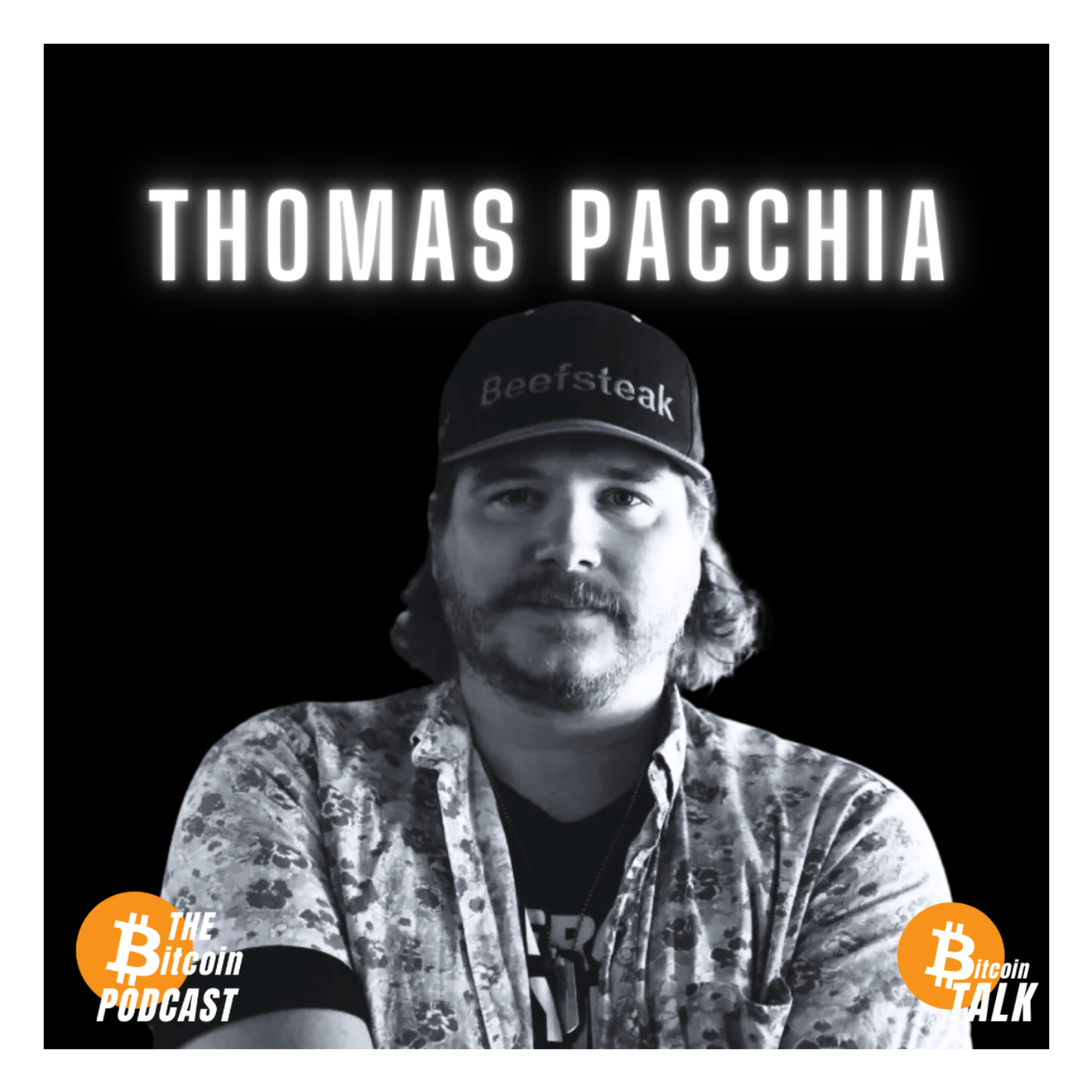
THE Bitcoin Podcast
Selling Donald Trump Burgers for Bitcoin - Thomas Pacchia of PubKey (THE Bitcoin Podcast)
01:06:34
Loading summary
Transcript93 lines
- [00:00]
Thomas Pacquiao
I think the Democrats have a major opportunity right now to actually figure out why the Republicans benefited so greatly by engaging with the community. And it wasn't just Trump. Right. Two of the best politicians in the country on bitcoin have done really deep dives, and that's Senator Lummis and Senator Cruz. Senator Cruz and Lummis are both coming from states where energy plays a significant role in their industries within that state. So they had a bit of an advantage where they could come in through the mining industry and start to grok some of the concepts and the power and potential here. But what I hope happens is the Democrats decide that they're not going to simply vilify the thing and they're going to learn about the thing and how it can benefit. You know, this is something that can be really beneficial to all Americans, American businesses and America on a geopolitical stage. And, you know, I think that this was a real warning shot to everybody in Washington that they should pay attention to this because, you know, bitcoiners are certainly paying attention.
- [01:03]
Walker
Greetings and salutations, my fellow plebs. My name is Walker and this is the bitcoin podcast. The bitcoin time chain is 874444 and the value of one bitcoin is still one bitcoin. Today's episode is Bitcoin Talk, where I talk with my guest about bitcoin and whatever else comes up today. That guest is Thomas Pacquiao. Thomas is a bitcoin entrepreneur who you may know as the founder and co owner of Pub Key, a bitcoin bar in New York City where President Donald Trump paid for burgers with bitcoin. Thomas tells the whole story of how Trump ended up in his bar paying in bitcoin. But we also get into the changing bitcoin culture, media and political perspectives around bitcoin and all the bad takes we've seen recently from the legacy media Pub Key as a community hub and third place for bitcoiners, the logistics of running a bitcoin business and the ridiculous New York bit license, plus the issues it causes and a whole lot more.
- [02:06]
Unnamed Co-Host
Thomas is an awesome dude and I know you are going to love this conversation.
- [02:10]
Walker
Before we dive in, do me a favor and subscribe to the bitcoin podcast wherever you're watching or listening. But I personally recommend you listen on Fountain fm because not only can you send bitcoin to your favorite podcasters to give value for value, but you can earn bitcoin just for listening to podcasts. Check out bitcoin podcast.net for episodes and additional resources. Head to the Show Notes to grab discount links for my sponsor Bitbox or go directly to bitbox Swiss Walker and use the promo code Walker. Send an email to helloitcoinpodcast.net if you have feedback or if you're interested in sponsoring the bitcoin podcast. And if you find this show valuable, consider giving it a zap on Noster or a boost on Fountain. I truly appreciate it. Without further ado, let's get into this bitcoin talk. Talk with Thomas Pakia.
- [03:04]
Unnamed Co-Host
To what you were saying right before. I would like to see bitcoin only. Population growth versus versus gen pop. Like what are we. Are we have declining birth rates globally. But what about the bitcoiner birth rate? It feels like it's, it's a bit of an outlier. I don't know.
- [03:22]
Thomas Pacquiao
Yeah, I agree. I mean, every bitcoin conference is. What do they call it, the kid village or whatever. Yeah, it's growing every single year. I believe that's Emily Bailey, so David Bailey's wife. I think that that's her project every year at the conference. And I think it's awesome turning these things into more of a family affair. Amanda with the bitcoin Ski Summit in Jackson Hole, you know, lots of people just bring their kids, put them in ski school, you know, do the conference. It's a beautiful thing.
- [03:57]
Unnamed Co-Host
It's a great way to do it. And I mean, I think it's also like, it fits right in there with the bitcoiner ethos. It's like bitcoiners don't want to just necessarily be like, have that usual, you know, corporate conference circuit of spending a bunch of time away from your family and your kids. It's like, no, you want to bring them into it. And if you got a bunch of other bitcoiner kids that are all glowing orange eyed, future psychopathic hodlers of last resort. What a beautiful thing to bring them together. And like that's, it's a pretty cool thing to be a kid at one of these conferences where it's like you're going to look back as an adult and be like, oh, wow. Yeah, like I was there. I don't know. It's a pretty kind of a, kind of a magical and surreal thing. I love it. I'm all for as much kid integration at conferences as possible.
- [04:43]
Thomas Pacquiao
Look, and like, at this point, like most of my best friends, closest friends over the years in bitcoin have, you know, relatively big families. Right? Like there, there are, you know, Bitcoin babies popping out every. Every couple of weeks, it seems like. And it's. It's really cool. And, like, that's an easy way to start to. To expose your kids, bring them to a conference. I know, like Mike Germano, for example, his kids made all those bracelets for. For the bitcoin conference. It's just a cool way to start to, you know, introduce and expose them to what is a really awesome community. I mean, you know, building families like, you know, bitcoin as an asset and sort of the way that you think about it over generations only makes sense if you have generations. So it's a really cool thing to see, you know, really start to gain a lot of steam. But to more bitcoin babies. Right? That's the. That's the true. That's the true growth of the community.
- [05:49]
Unnamed Co-Host
Amen. Yeah. Generational wealth doesn't mean much if you don't have generations to pass that wealth down to. You know, it's kind of. Kind of loses the point a little bit, but, man, it's. Speaking of the ski summit of Jackson Hole, I think that was where we.
- [06:07]
Walker
Met in person, maybe for the first time.
- [06:10]
Unnamed Co-Host
Does that sound right? It feels right, yeah.
- [06:13]
Thomas Pacquiao
Yeah. That was two years ago, I believe. I didn't. I didn't get to make the third installation. Right. She's. We're coming up on the fourth Jackson ski summit. I made the first two, but, you know, this year we just had our third kid.
- [06:30]
Unnamed Co-Host
Congratulations.
- [06:31]
Thomas Pacquiao
Too close. Thank you, thank you, thank you. And it was too close. It was, you know, too much chaos, so we missed that one. But we hope to attend the fourth installation in what, March? February. March. Like that? Yeah.
- [06:46]
Unnamed Co-Host
Amanda crushes it with that. That was a. That was a great vibe for a conference. What is it, like, Chatham House rules? Is that what it is, too, where it's like, you know, you don't film, you don't record. Like, what's said there kind of stays there. And I think that people feel, especially if you're somebody who's a nim and you want to stay that way. Like, I remember seeing her, like, some guy was filming in the side, and she was like, I want to see you. Delete that. Like, show me your phone. Delete that right now. I was like, she's not messing around. I like this. I like that.
- [07:17]
Thomas Pacquiao
She's great. She pulls off a great event. I love how she incorporates lots of, you know, activities and wellness. And it's. It's really, you know, bitcoin is sort of a. The engine of it, but it bleeds into a lot of bitcoin adjacent talks and activities, which is just fantastic. I mean, you know, I think it, it might get to the point sooner rather than later where, you know, we're no longer talking about the thing. Right. We're talking about other things and the thing is still there. But like, you know, it's not like people really talk about the Internet anymore. And I think we're reaching a point where, like, you know, when, when people say every company is going to be a bitcoin company, I think that's true. You know, every, every company is effectively an Internet company in one, one way, you know, shape or form. And as we accelerate towards that, it's, it's really, you know, the bitcoin adjacent stuff and how bitcoin can help facilitate certain aspects of a business or lifestyle or whatever pushes bitcoin into the background. And I, I think we're starting to see that in certain. Like that's certainly true at pub key. Right? PubKey is, you know, I, I always bristle a little bit when some news organization calls us the bitcoin themed bar because it's not plastered with the, you know, bitcoin logos and honey badgers and all this, all this propaganda. Like we have a little bit of that, but it's more of a like insider Easter egg. Like if, you know, you know, that's going to get picked up. And you know, we do a lot of stuff with bitcoin at Pub Key. We host the events, we accept bitcoin. But outside of that, for 80% of our customers, they don't even know it's a bitcoin bar. They're not a bitcoiner. And that was really the goal for Pub Key. And I see that getting expressed elsewhere more than ever. Like Peter McCormick's club, right? Not possible without bitcoin. But bitcoin is not the point of that club. It facilitated the entire project, the entire dream, which is incredible. I absolutely love Real Bedford. But you know, it's not a bitcoin themed soccer club. Right? Football club, whatever.
- [09:31]
Unnamed Co-Host
Yeah, it's okay. We're Americans. We can call it soccer and get away with it for a little while. Peter, Peter might take issue with that, but, and I will, I will admit football makes more sense for soccer than it does for American football, but we're just going to have to leave that one be. But no, I think that's a, it's a great point. It's like, you know, the idea of like, okay, you don't just have Conferences that are like, this is a money conference, you know, and, like, what is bitcoin? Like, it's. It's just, you know, it's money, right? Like, it happens to be the best money, but it's just money. And at a certain point, it's like. I think, as you said, the focus around a lot of these conferences is sort of changing to be. Incorporate more health and wellness and lifestyle and everything else. Yeah, you can still have the technical.
- [10:13]
Walker
Deep dives and all of that.
- [10:14]
Unnamed Co-Host
And there's great conferences specifically geared towards that, like tab comp, for example, where it's like, no, we're here. We're here to get down and dirty in the nitty gritty of technical stuff. And, like, you come here if you want to talk about that. But, yeah, if you want.
- [10:29]
Thomas Pacquiao
If you want the shit scared out of you, you go to tab conf. Just talk about all the things that are wrong and broken.
- [10:36]
Unnamed Co-Host
But it's also. I've only done one tab conf. Carl and I emceed it a couple of years ago when we were on a pretty intense conference circuit. And it was. I mean, it was awesome because, like, first of all, you feel really dumb, you know, just with some of this. Like, it's like, you think you know a lot about bitcoin. It's like, you don't know compared to the folks in this room, and they're talking about things that are like 50,000ft over my head. But it's like, you know, just like, nod along and try to learn something, try to pay attention. But, yeah, to your point, it's like, you know, you get Matt Corallo out there being like, here's why everything is fucked. But also, it's okay. And you come out of it kind of like, I need. I need a drink after this.
- [11:16]
Thomas Pacquiao
Totally. Totally. We had Peter. We had Peter Todd, Peter Nakamoto at Pub Key, I don't know, a couple weeks ago, maybe a month ago. And that was kind of. That conversation. I ended our conversation with, like, you know, what's. What's. Do we have another block wars in the near future? What. What do you think is the biggest problem right now? And it's sobering for sure. Like, when you. When you start to get into what the. You know, best in class bitcoin devs and engineers are thinking about. Like, it's. There's a lot of work to do. This is still a young protocol, young technology, and the bugs are there, and the challenges are, you know, some identified and some unknown. But those are fun conversations. It's stuff that, you know, I hope more people take interest in and look at.
- [12:09]
Unnamed Co-Host
Yeah, you guys have been doing like a pretty impressive circuit of guests or, you know, like small, small events. But also like, folks can check it out online on your YouTube as well. Like, it's all available there. But I want to get into this a little bit. So as I was saying before this, Carl and I have not yet made it to pub Key. Going to try to come in the spring here because we need to make the. Need to make the pilgrimage. Been too long since we've been in New York. But can we back up a little bit? Like, for folks who don't know, who are you? How did you get here today to be, you know, maybe a lot of times or for a lot of folks, the first time they might have become aware of you and maybe of Pub key was seeing it on national television with our now president elect Donald Trump paying for burgers with bitcoin, which was just kind of like a wildly surreal moment, probably especially so for you. But like, how did, how did you get here? How did this all come to be?
- [13:07]
Thomas Pacquiao
So in a previous life, I went to law school. I was a swap and derivative lawyer before bitcoin. I first read about bitcoin towards the end of 2011. I think it was one of the first bitcoin obituaries was in Wired magazine in November of 2011. Price had crashed from 30 to 3 bucks. And they did this retrospective really about some of the characters in the community at the time. And I had just, I was in an airport, I went to law school in the Netherlands. And I just happened to pick up a Wired magazine that was one of the articles. And it was mind blowing. And by the time I got to my apartment, the price had recovered from like, I don't know, three to five bucks, something like that. I didn't buy at the time, still kicked myself, as, you know, most people do the first time they hear about bitcoin. Just go buy some, doesn't matter what time. And then I, I was, you know, at a law firm and in house counsel at a bank for a little bit. Hated my job. Like, never really wanted to be a lawyer despite, like going through that process. It wasn't like my calling or anything. And I stuck with the bitcoin, you know, mind worm, mind virus. And I made the jump in like late 2012, early 2013 to start doing more in the space, you know, mostly education, right? Onboarding some nonprofits and talking to, you know, some financial service companies about bitcoin. And still in my like learning phase of the journey. I guess everybody still is. I sell them. But made the jump full time in 2013. I was at a startup, Digital Asset holdings in 2015, which you know, was a bitcoin company that became aggressively. Not like it was one of the first blockchain, not bitcoin companies. So that was probably the most education that I got in my early journey because I was working with the devs and engineers there, sort of drafting some of the first literature on why it was about blockchain and not bitcoin. At that point I was like, this is kind of bullshit, right? So irreconcilable differences materialized with between me and the startup, which led to my involuntary departure, which I'm kind of proud about now. And then I joined fidelity end of 15. It was at Fidelity until I left in 17 to start a fund. So I helped them develop all of their early bitcoin projects. Fidelity Charitable accepting bitcoin, the mining operation that they had as a proof of concept, which has grown over the years. But the bulk of my work there was on Fidelity Digital Asset Services infrastructure. So that the custody and exchange side of things for, you know, the institution to start actually buying and holding bitcoin securely internally at first, but now they do a lot of stuff. I ran a fund, you know, myself and a friend from business school and a bitcoin core developer, Eric Moscow, that quickly became a mining focused fund, which is where I've spent most of my time. And I'm still involved with that. I'm on the board of Stronghold Digital Mining, a public miner out of western Pennsylvania. I'm an advisor to Luxor. But in early Covid a couple of things sort of started to hit home. One, I love dive bars. I've always loved dive bars. Being from New York, they're special and they went under it. They got hit really hard. In Covid, a lot of them are mom and pop, family owned. They don't necessarily own the building. So the ability for them to absorb a hit that Covid threw at them was low, right? Really limited. And then the other thing, the bitcoin community, which used to be super robust in New York City with bit devs and Matt and Marty living in New York. The scene in New York pre Covid was very strong and people left and you can't blame them. But Miami, Boston, Nashville were far more attractive places for, you know, bitcoiners. So, you know, my wife and I started talking about this concept for pub key to help resuscitate the bitcoin community here in New York. Our favorite dive bar a couple blocks from where we used to live here in the, in Greenwich Village had gone under. And they were just sort of like exploratory conversations. Where does this make sense? And looking back, I don't even know how we really got started. I think it was just one foot in front of the other. And then, you know, now we're here. So it's been a journey.
- [17:48]
Unnamed Co-Host
And it's wild, you know, on the Fidelity piece, I think a lot of people don't realize how ahead of the.
- [17:54]
Walker
Game Fidelity was as a huge player.
- [17:56]
Unnamed Co-Host
In the tradfi space. But then who was like very, very early on to getting into bitcoin and kind of groking it, you know, far ahead of where any of the their other, you know, institutional peers were. So I just think that's like a. It's a pretty, pretty wild, wild jump there. And now they look, you know, quite like geniuses for being so ahead of the game in that, you know.
- [18:21]
Thomas Pacquiao
Yeah, look. And it came from the top. Abby. Abby Johnson got it early and was excited about it. And, you know, it took a long time for any organization of that size. It takes a really long time to like turn the Titanic, basically. So, you know, it was, it was, you know, a real struggle in the early days because when you have somebody at the top that is excited about something that's new, you have lots of people throughout the organization that want to participate in the success of this thing. But, you know, there were many years where nobody wanted to be responsible for the failure of this thing. So you have this weird dynamic that you would have at any big, you know, company. And I'm sure there are lots and lots of companies that are grappling with this now. But Fidelity went through those growing pains starting in 15, right, 2015, you know, maybe a little bit in 2014 is where this started to coalesce. And it's a, it's an incredible organization. They stuck with this and they went hard after it. Once, you know, you started to get buy in from like legal risk compliance to like go and, and, you know, test and break things, it really started to click throughout the organization. And yeah, they have, they have a massive start. Like if you look at how their ETF is. So how many ETFs launched? It was like nine, 10, maybe a dozen or so. Yeah, it's really just Blackrock and Fidelity now. Right? Like, they're the, they're the two. And for Fidelity to compete with Blackrock, you know, at that level is pretty impressive.
- [19:56]
Unnamed Co-Host
Wasn't I heard a story that Abby Johnson was like, mining bitcoin in her office in the early days. Is that true or is that just like a piece of folklore?
- [20:05]
Thomas Pacquiao
There was a. There was a miner on her desk for a very long time. The time I had seen it, it didn't look plugged into me, but, you know, there was. There was an ASIC on her desk for a very long time. I don't know if it's still there.
- [20:19]
Unnamed Co-Host
The miner was there. Whether or not it was hashing remains to be seen, but at least it was on her desk.
- [20:24]
Thomas Pacquiao
Maybe a little space heater, right? Like a hand warmer.
- [20:27]
Unnamed Co-Host
Hey, I mean, you know, if you. If you're not mining bitcoin, you're wasting energy, right? Like, you. You might may as well get that heat and those sats at the same time. But I. I love that and it is pretty impressive to see. I mean, anyone who can stand toe to toe with Blackrock, obviously, that takes. That takes a lot because they're the, you know, they're. They're the. The biggest kid in the schoolyard by far for sure. So. Okay, so pub key just kind of happens. Springs a little bit out of your love for dive bars, which I share as well. And you know, let's say right place, shitty time with COVID and realizing, okay, we need to kind of reinvigorate this New York scene. And then fast forward though, a couple of years and you've all of a sudden got the president elect of the United States in your bar. I mean, packed wall to wall. I don't know how many people you had in there probably, I'm sure within your fire code. But like, it was. It was a lot, A lot of folks in.
- [21:26]
Thomas Pacquiao
We were at capacity, so we can, we can. I think our far code is like 115, which we only have one exit at the front. The. The entire space can host probably closer to like 150, 160. It's going to get packed. But we were definitely in the 100 to 120 range. Especially when you factor in like, Secret service staff press. It was a full house. It was a very, very stressful and intense day.
- [21:55]
Unnamed Co-Host
Can you. I don't know if, like, can you share actually, like, how that happened? Like, did you.
- [22:01]
Walker
Did you approach their team?
- [22:03]
Unnamed Co-Host
Was it like, was David Bailey involved with that too? Because he'd already been, you know, in communication with them. Like, how. How did that actually happen to where you've got Donald Trump in your bar paying for Burgers with bitcoin. Because that's still. It's still just like, wild. Like, I was looking at the pictures again. I'm like, this is what a trip, man.
- [22:20]
Thomas Pacquiao
It's surreal. It looks like. It looks like AI, you know, generated photos. No. So it wasn't with David. David was in the room. David's a good friend. I love Bitcoin magazine and all the work that David and Amanda Fabiano did with getting the Trump campaign, you know, up to speed and, you know, demonstrating sort of the, like, power and impact that the community can have. But we reached out to everybody back in. This was before the mining roundtable, before the conference. It's like March, April maybe. And there was a very, very, like, succinct pitch where it's like, listen, if you have time to stop by, think of this as an ice cream parlor or a donut shop or a diner. You can meet the community. However, if you make a. If you make a payment in bitcoin, right? If you buy some stuff for, for the patrons that are there and you pay for it in bitcoin, you're going to own social media for at least a couple of days. And some of the conversations didn't go anywhere, right? So we reached out to Biden, Harris, rfk, jd, Vance, Vivek, a bunch of them. Trump's team is so dialed in and media savvy that that, like, you know, 20 minutes of your time is going to own social media for three days. They were like, okay, what's going on here? So that got us a phone call. And I was like, listen, I understand pub key is a bit perplexing. Like, just hear me out. And, you know, a lot of shit happened between the assassination attempts, the bitcoin conference, the debate, Biden drops out, now it's Harris. And we were like, eh, you know, good idea. We shot our shot, like, probably not going to happen. And then, you know, after a couple of months of the conversation sort of stalling, we just figured it was dead. We never really got any traction with the Harris campaign. You know, it's unfortunate. I wish we did. I think she should have paid us a visit, to be honest, but that didn't go anywhere. And then the Trump team reached out end of August, and they were like, all right, we're interested. Like, you know, how would this work? So I wrote a very quick. I responded in like 10 minutes. I did like a full run of show for them. And then it went quiet. We had launched brunch and it was the season opener. I'm a Giants fan, so take pity upon me. It was a season opener for the New York Giants, and we didn't know what we were going to do for the do with the girls that Sunday. And it was like, pub key just launched brunch. Let's take a nice long walk up there. We'll watch a little bit of the Giants game, and then we'll get out of there. Three people pop in asking about a birthday party. And, you know, I just start talking to them. My. My kids are there, and they're asking some pretty specific questions. They want to know if there is an entrance or exit in the kitchen, if she wants to do this ostentatious, like, obnoxious birthday entrance and stuff like that. Didn't think much of it, but nice little conversation. I was like, here's my details. You know, contact me anytime. Like, you know, we'll host your birthday party. Didn't hear from them or the campaign until they're like, all right, we're in. We'll meet you at Pub Q on Thursday. Same three people walk in, right? And they were checking us out undercover. They're like, I'm really sorry. I hate lying to people, but we had to come check you out. My middle daughter, Raya, on the way out, grabbed her favorite hat, which was from Samson. It was the make bitcoin great again hat, the red one. And she said, you know, I just. I just want you to know that your daughter sealed the deal here. Like, we knew we were in the right place when I saw your daughter wearing that hat, which was pretty funny. And then from Thursday, we had six or six days or so, and it was five hours a day with Secret Service every single day, at least five hours. Canine units, counter sniper, cybersecurity, the works. Super fucking cool experience. They were amazing. NYPD was awesome to work with. They were really excited about it. And, yeah, we got it done, man.
- [26:22]
Walker
What?
- [26:22]
Unnamed Co-Host
That is just like a trip. I mean, first of all, I've got the make bitcoin great Again hat chilling on the desk over there. It's slightly out of reach, but what a great hat. Great to know your daughter sealed the deal on that.
- [26:36]
Thomas Pacquiao
It was the first thing that he signed. So he came in, he made the transaction, and then he talked to the press. And we were making our way to the middle of the bar, and we had some stuff out for him to sign, a bunch of, like, pub key swag, some menus. But the first thing that, you know, I had him sign was, was Raya's hat. And she's pissed now because she can't wear it. We're like, no, no, no, that hat's retired. You can't wear that one. It's very special now, but for a three year old to understand that somewhere.
- [27:03]
Unnamed Co-Host
Yeah, like that's going to be preserved, man.
- [27:06]
Thomas Pacquiao
Yeah.
- [27:06]
Unnamed Co-Host
I mean it really. And your pitch was pretty honest because they really did own social media for several days after that. I mean, I think it was, I mean it's a pretty monumental thing to see again at that point, candidate, but now, you know, president and of course former president, the whole time paying for burgers with bitcoin. And like at this, you know, I saw in the press like it was like crypto themed bar and I was like, okay, well at least say bitcoin themed for Christ's sake. Like, you know, it's a, it's, it's a, we're working on it. Yeah, but you know, you can't blame them. So many years of having bad information. Well, I guess I can blame the press a little bit because even now you see like, I mean you've probably seen a lot of this stuff, whether it was Chris Hayes or whomever at MSNPC being like the, you know, this is a bailout and a massive heist and all of this fear mongering around the bitcoin strategic reserve and it's, this is a digression, but it's just, it's somewhat sad to see because the Democrats and Democratic legacy media are like only hurting themselves with this kind of messaging. You know what I mean? Like, bitcoin's not hard as they're hurting.
- [28:22]
Thomas Pacquiao
Their constituents as well.
- [28:23]
Unnamed Co-Host
Yeah, yeah, yeah.
- [28:25]
Thomas Pacquiao
I mean, just think about how many family offices or individuals didn't, didn't take the time to learn about bitcoin or do their own research. Because Paul Krugman, the chief economist for the paper of record, is saying that this is garbage and it's going to, and it's going to flame out and it's a bubble and all that stuff. I mean a lot of people look to these experts to shortcut the work that they should be doing on their own and it is destructive. Like, you know, for Chris Hayes to come out and say that stuff after all these years, it's, it's not even, it's not even laziness. It's like there's, it's, it's hard to discount entirely maliciousness embedded therein. So it takes some time, right? Like all these organizations used to be like this, right? Like Izzy, what, what's her name from the ft. You know, she was a big hater for a long time on bitcoin and the more she covered it, the more she learned. And it got to the point where she's like, I was wrong. Like this is interesting. So not everybody has the humility to do that. So I think she's kind of special in that regard. But yeah, eventually they'll retire and move on just like Krugman did. And you know, it's going to be harder to get people to sign onto these false narratives. You know, the more Bitcoin just is printing a block every 10 minutes or so.
- [29:45]
Walker
Bitcoin doesn't care what its fiat price is, it just keeps producing blocks every 10 minutes. But as the fiat value of your stack grows, there's never been a better time to go to bitbox swiss/walker and use the promo code walker for 5% off the easy to use Bitcoin only Bitbox O2 hardware wallet. Then get your bitcoin off the exchange and into your own self custody. Again, Bitcoin is ripping, which is great.
- [30:13]
Unnamed Co-Host
And your stack will soon be worth a heck of a lot more in.
- [30:16]
Walker
Fiat value than it is today. So again, now is the perfect time to make sure you have your security locked down tight with Bitbox Plus. And I cannot emphasize this enough, the Bitbox 02 is easy as hell to use. Whether you're brand new to bitcoin, it's your first time sending up a hardware wallet, so you're a little bit nervous or you are a well seasoned psychopath. It is bitcoin only and again fully open source. You can head to their GitHub and verify that for yourself if you want. There's no need to trust me or bitbox. When you go to Bitbox Swiss Walker and use the promo code walker, not only do you get 5% off a great piece of open source hardware, but you also help support this podcast. So thank you.
- [30:59]
Unnamed Co-Host
And just the more information that's out there. Like you couldn't totally blame somebody for having some really idiotic takes on bitcoin. Let's say a decade ago, right when when you had to dig a little bit more to find really solid educational information.
- [31:14]
Walker
But now there is just such a wealth of it out there from so many different sources.
- [31:18]
Unnamed Co-Host
I mean you've got literally like BlackRock putting out reports on bitcoin. You know, there's no excuse for being uninformed anymore. The only excuse is, well, I didn't take the time to look into this and it's clear, you know A lot of these folks in the legacy media, they're getting their, you know, they're getting their script, they're getting their talking points and they're, they're running with it and they're finding whatever anti Trump spin they can to put on it. And it's, you know, I was, I rewatched an interview that you had right after Trump came in and I think it was with, with Fox and, and they, they asked something about, you know, basically they were trying to kind of politicize it a little bit. And you said, you know, bitcoin is a protocol by nature, it is apolitical. And I thought that, that like, you just, you nipped it right in the bud with that. And I, I think that's important because again, the more politicization there is of bitcoin, like bitcoin doesn't care. It's going to keep doing its thing. And as you said, you're only going to end up hurting the people that you are trying to inform about this or hopefully trying to inform for Ms. NBC, npc. I don't know how many viewers they have left, but it can't be that many. But I feel for those people. But I guess if you're still watching MSNBC in a like, non, like you're not looking for the humor in it, which is like when I watch their programs, that's why I'm watching it because I'm like, this is funny to me, like how ridiculous this is. But I guess some people still watch it.
- [32:43]
Walker
Seriously.
- [32:44]
Unnamed Co-Host
And for those people, I would say, boy, you need to get out more. This is not reality.
- [32:51]
Thomas Pacquiao
Yeah, look, echo chambers are real. We have echo chambers here in bitcoin as well. Right. People have to be a little bit more engaged and do the work and not listen to experts, do your own research as an important meme or trope or whatever. And it's really the best thing an individual can do. And again, this, this sort of ties into what we were talking about earlier in terms of, you know, these bitcoin adjacent things, right? Like the seed oil and tallow stuff. The bitcoiners, I think are elevating some of these issues because, you know, as, as a cohort, as a community, these are people that are very curious and dive deep into issues to figure out what's going on. So I think that, that makes this, this community really special in that regard. But you know, legacy media is not going to be a shortcut. It's not a beneficial shortcut for people, you know, anymore. There are, there are alternatives. And there is a wealth of information at everybody's fingertips. But you got to do it right? You got to take that, that step and do that, that work to figure out what's going on. And yeah, like, you know, we did get hit by multiple angles that tried to make this a partisan thing. You know, Pub Key got labeled temporarily, I think, a Trump or a MAGA bar. You know, Bloomberg, the night of the election, Bloomberg was here and you know, the synopsis of that story were like, you know, some people wore red hats to a bar and it's just like, the fuck is this news? Like this silliness. But, you know, we've hosted Democrats, right? We didn't endorse anybody from pubkey. You know, my personal politics are personal and should be irrelevant to other people. But from Pub Key's perspective, we've hosted Democrats, we've done fundraisers for Democrats. We had a Trump visit, right? He paid us to be here. It wasn't an endorsement, but it takes time. People want to. People want easy answers. You know, it's a charged environment and people want to be upset and validated for their upset. So we'll battle through that and just, you know, trying to stay on brand and authentic with, you know, this is a bitcoin thing, right? And, you know, American politics affect bitcoiners, Americans, American businesses. It does. It is going to play an increasing role on a geopolitical stage as well. So, you know, there's stuff that bitcoiners have to say about that. But the politic, politicization and partisanship coming to bitcoin is, is really should be approached with caution from both sides. And I think the Democrats have a major opportunity right now to actually figure out why the Republicans benefited so greatly by engaging with the community. And it wasn't just Trump, right? Like one of the two of the best politicians in the country on bitcoin have, have done really deep dives, and that's Senator Lummis and Senator Cruz. Senator Cruz and Lummis are both coming from states where energy plays a significant role in their, you know, industries within that state. So they had a bit of an advantage where they could, you know, come in through the mining industry and start to grok some of the concepts and the power and potential here. But what I hope happens is, you know, the Democrats decide that they're not going to simply vilify the thing and they're going to learn about the thing and how it can benefit. You know, New York state is one of the largest, you know, mining states in the country, and it has been for a very long time. You know, before the China ban and before the rush to Texas, you know, New York State had a lot of mining activity. So, you know, this is something that could be really beneficial to all Americans, American businesses and America on a geopolitical stage. And, you know, I think that this was a real warning shot to everybody in Washington that they should pay attention to this, because, you know, bitcoiners are certainly paying attention.
- [37:04]
Unnamed Co-Host
And it's also interesting with bitcoiners because it is a. Not only is it a group that is incredibly passionate, that is incredibly motivated to speak on behalf of this thing that we care a heck of a lot about, which is bitcoin and everything that comes with it, but the economic energy that this group possesses is growing exponentially. You know, and the memetic. The memetic energy that this group possesses as well is a force to be reckoned with. Like, bitcoiners are damn good at memeing. You know, we.
- [37:39]
Walker
We meme things into existence.
- [37:40]
Unnamed Co-Host
That's a beautiful thing. And I think terminally online. Exactly, exactly. While also remembering to touch grass when possible, of course. But it's. It's. It's such an interesting thing to me because, again, like, you're only. You know, like, bitcoin doesn't need politicians, but politicians do need bitcoin. And those that have realized that, like Senator Lummis, Senator Cruz, they're benefiting from that. Like, this is very obvious, and. But not just they. Their states are benefiting from that. Like, this is not just like some. You know, how the media would portray it as, like, these. These crypto. Crypto trillionaires, crypto bajillionaires who are coming in here and with all their dirty money, and they want to bail out. And it's like, what? No, Nobody in bitcoin wants to bail out. Nobody. There's nothing to bail out.
- [38:30]
Thomas Pacquiao
Like, what an ignorant term for. That was Chris Hayes, right?
- [38:34]
Unnamed Co-Host
Yeah, that was Chris Hayes.
- [38:36]
Thomas Pacquiao
Yeah. That just smacks of ignorance. Like, you know, the most basic. The most basic history lesson in bitcoin was, you know, its genesis around the bailouts, right around the global financial crisis. It was almost too perfect that he used that word, because it's just. It's obscene.
- [38:59]
Unnamed Co-Host
Yeah, yeah, it's. I mean, that is like. To use that word specifically is like.
- [39:04]
Walker
Oh, okay, so you haven't even done.
- [39:06]
Unnamed Co-Host
Like, you haven't even begun to come close to scratching the surface. Like, not even, like, five minutes. Like, okay, but that's fine. That's what we've come to expect from the legacy media. Right. But, you know, this is also the beautiful thing, is that now any two, you know, miscreants with microphones can become the media. Right. And you guys. I know. So, yeah, Pub Key is a dive bar. Right. But Pub Key is also a bit of a, I mean, I would say kind of a media house.
- [39:35]
Walker
Right.
- [39:36]
Unnamed Co-Host
You guys have record recording stuff set up.
- [39:38]
Walker
Can you.
- [39:38]
Unnamed Co-Host
Can you talk about that a little bit and just why that was something that you guys wanted to pursue? Because you could have just done just. Okay, we're going to make a, you know, a bar. We're going to accept bitcoin. It's going to be kind of the DNA of this. But you went a little bit further than that. You said, okay, we want to make this a space that's not just for gathering but also for creation, Right?
- [39:58]
Thomas Pacquiao
Yeah, yeah, that's exactly right. It's Pubkey bar and media house. I'm upstairs. I'm in the parlor now. We have our podcast, you know, set up up here. It's a little bit of like a co working space, like lounge and downstairs. Tonight we're hosting, you know, our weekly programming, our bitcoin programming. We turn it into a comedy club for nerds, right? And they come out and they see the guests. Tonight we have Nick Carter. We're going to be talking about operation choke point 2.0, but we host the free and open to the public bitcoin programming at least once a week, oftentimes, especially since Trump. We've had two or three a week and it's always packed downstairs. And the goal is to keep it free and open to the public as long as it makes business sense to do so. And, you know, we've had great sponsors and supporters come in. So we do a monthly recurring series with the Human Rights Foundation. We do an institutional series with Galaxy. We do a ton of stuff with Gemini. Foundation devices is coming up hosting sort of their, you know, hardware security 101. How do I get off zero and hold my own coins? We cover the entire ecosystem, right. We have a recurring mining series, a recurring lightning series. We've hosted bit devs, you know, many times. You know, they also have a home up at chaincode Labs, which is fantastic. But whenever they want to do stuff here, we're happy to have them. And, you know, it's a blend of education and entertainment. Right. We want to keep this stuff fun and accessible. We go deep on technical topics at times, but it's a bar chat and we encourage people to interrupt. I don't know that word that you just used. Could you explain what that is? And they're fantastic, right? Like, you know, it throws a completely different look and vibe. And, you know, the idea behind that. Going into this, we knew hospitality is a terrible business, particularly in New York City. Very, very difficult. But by combining it with some of the media elements and having, you know, the community come in and support what we're doing, that really takes the boot off the neck of the hospitality side of the business and allows it to find its own organic and authentic footing. And when you open a place, most, you know, hospitality ventures, they don't have that right. They have pressure to make the nut straight out of the gate every week. It's a grind. But when you're able to relieve some of that pressure and anxiety, you have a much better atmosphere. People are happier. They're happy to work at Pub Key. And that really resonates, you know, to the customers. And it's reflected in, you know, the menu on the bar side menu. And it allows everybody to do. To be happier and put more passion and happiness into the product that we're delivering. So it's really a flywheel between the media house and the hospitality side of things. And we wanted to create something that, you know, the bitcoin community globally could engage with even if they're not in New York or even if they're not, you know, we'll be expanding soon. Even if they're not able to get to one of the locations, they can pipe in virtually. And we've been tinkering with lots of different ways to express this, but we always want to create, you know, some shots, some elements of being in the room where it feels like you're, you know, at a table with, you know, a burger and a pint, you know, watching, I don't know, Peter Todd and Pete Rizzo passive aggressively battle one another.
- [43:45]
Unnamed Co-Host
Man, I love it. I mean, I think it's. It comes down to this idea, and this is something that I was talking with when Away Slice came in the show, and also shout out to Away Slice, because he's the one who was like, you got to have Thomas on asap. And so thank you, Away Slice, for helping to make this happen. But we. We were talking about that idea of the, you know, the third place. And I know that's. That's a. A concept you're intimately familiar with. And, you know, beef steak is very much. And, you know, rocking the. Rocking the hat, too. Beef steak is kind of a Location agnostic third place. Right. It's, it's a roving third place, but it's, you know, that's what it is. But you have set up a brick and mortar third place. It's, you know, it's, it's not work, it's not home. It's, it's something else. And it's a place where people can come together and get together and have a different kind of experience. And I think that like in our always online, you know, hyper Internet culture, those places have kind of fallen by the wayside a little bit. Especially since COVID Very much so. We've seen that. And so like, is, is that kind of part of the, you know, you're talking about expanding this too and like keeping that same. I mean, I guess like in a franchise type model or like you guys are going to just open these up yourselves or like, is that kind of the goal to like expand that third place for bitcoiners but for anyone else, just as far as you can?
- [45:05]
Thomas Pacquiao
Yeah, for sure. I think it's critically important to get people back in person and comfortable in these settings, whether they're churches or parks or bars or restaurants. It's kind of sad. You can still see, you know, the younger generations like Gen Z, they behave differently when they, when they first come in, right? They don't know where to put their hands or how to talk to the bartender. Like, you know, for the first, like the initial contact is still a bit, a bit strained, it's getting better. But when we first opened that was, that was noticeable. You know, Gen X just comes in and it's like, give me all the alcohol. Um, but you know, Gen Z is a little bit different. Um, so, but yeah, it's, it's the sense of community. And that really came from, you know, the conferences, the conference. The experience that you have at a bitcoin conference is very different than Twitter, Reddit. It's extremely different than anything you would read in a newspaper or see on, you know, MSNBC or cnn. And right, there are four days. It's a chaotic four days where you travel to Miami or Nashville or wherever and you have this, this great experience. But that community, the concept with Pub Key is like, you know, this is, this is a passionate and big enough community where, you know, something that is available year round every seven days a week, you know, could really, could really thrive with the support of the ecosystem. And I referenced before, only 20% are Bitcoiners that come through here largely around the bitcoin programming stuff. But 80%, it's just a normal tavern. If we can start to get some of those people in the 80%, like, having a conversation, getting interested, like, you know, coming to one of our meetups, that's a big win. And we don't do it. Like, it's not like Jehovah Witness, like knocking on doors, like, have you heard of the Church of Satoshi? If they ask the first question, like, what are those nerds talking about in the back? Where they go and they sit in on an HRF thing or something like that, or they see somebody pay their tab using bitcoin at the bar, that first point of contact where if they ask the first question, the quality of the conversation is light years better than if you start with, you know, have you heard of bitcoin? Or do you want to talk about bitcoin? It's mostly like, no, like, this is crazy. But, yeah, I, you know, we are going to open up locations. We'll do the next few. The Vincovoss, Vincovas Capital Management led our round for expansion. You know, they're big supporters. They love what we're building. We're very happy to have their support. And, you know, now, you know, we're going to get. We're still a small team. We're expanding both, you know, our capabilities with the team. And it's going to be hard to open up these next few, but I think we can do it. I think it's going to be really good. And I think that the community is excited to see us. We get pinged by people all over the world. Open a pub key in Tokyo, open a pub key in Brussels, and that is special, but it also comes with a lot of anxiety and responsibility. We want to bring a pub key to every city for sure. How we get from the one location here in New York to multiple locations to something like a franchise model, it's going to take some time. And we got to make sure that we, you know, protect the mothership, protect, you know, the team and our investors and supporters and everything. But that's the plan. We'll get these. We'll get these out to new locations as soon as we can.
- [48:46]
Unnamed Co-Host
I love it. I'm curious too. Like, logistically, you guys, are you.
- [48:52]
Walker
What are you running for your POS.
- [48:54]
Unnamed Co-Host
There at pub key?
- [48:56]
Thomas Pacquiao
Yep. So we use toast on, like, the normal hospitality side. Toast is Toast was created for hospitality, food and beverage programs. So that actually works quite well. On the bitcoin side, we have a couple of providers, so Zeus, Zaprite, Voltage is our Backend, like node and everything. We had to tinker with some things to make it regulatorily compliant. The bitlicense here in New York creates some anxiety around lightning transactions, so we're more of a cul de sac. We don't do outbound transactions on our lightning node. So we effectively are not a routing node. We're sort of a one way in. But that's a separate point of sale. And we launched it a couple of months after we opened the very first. One of the first articles that we had from Bloomberg. You know, their, their headline was, you know, bitcoin bar opens in New York City, but you can't pay your tab using bitcoin. That was two weeks before we launched. And from an operations perspective, we really had to get that right. Because if, if, like the bar staff, for example, is having trouble with the bitcoin payments, then they can grow resentful of that. Right. It could take more time. Customers are waiting for drinks. It's a bad customer experience. So making sure that we got it as seamless as possible and huge shout out to Zeus and Evan Kalutas, who really, you know, architected the entire thing, making it as easy as possible for us to train new people. And hospitality has a lot of turnover. Right. So every new bartender that comes in, we have to teach that person how to use, you know, the, the, the, the bitcoin point of sale. And it's pretty quick, but it's, it, it is definitely another thing when you're training somebody up. This is how this business operates. Oh, by the way, you know, we accept bitcoin payments and it's not through the toast terminal that you're familiar with. It's this new thing. There's always, you know, a little bit of a, you know, operations dance that we have to go through with that. But we, it's exceedingly rare for us to have a failed transaction. It's almost always on the client side. It's not that the customer's wrong, but it's usually on their node is not spooled up or something like that. And it's been a great experience. Right. We endeavor to hold all the bitcoin that we receive. There are times when we need to sell a little bit for overhead and operating expenses. But we've gotten to a point where that is absolutely minimized and we're looking forward to rolling out. You know, we do a bunch on NOSTR as well. You know, we're trying to use that to its, you know, maximum capabilities. We really want to find ways to Embed different products, services and technologies across Bitcoin Lightning Nostr into the operating businesses as much as possible. So it's kind of like what we were saying earlier, right? Like everyone's a bitcoin company, like everyone's an Internet company, but we want this technology. But these cool projects like Wave Lake and you know, lots of, lots of things. We want to be able to embed those in the operating company as much as possible.
- [52:08]
Unnamed Co-Host
I think that's awesome. And the fact that you guys were very, I mean, I think you're the. There's probably maybe another bar on Noster, but you guys were the first ones that I was aware of on there from, for quite a while now. And I think that that's great. Like that you're looking at different ways to leverage these protocols. You know, both the, you know, the monetary layer for Bitcoin, but also the social layer for Noster. Like it's a beautiful thing, you know. And you know, you mentioned the, the BIT license too. Can you, can you talk about that a little bit? Because maybe people who are newer may not know as much about that. This rather, let's say oppressive bit of New York legislation and just how that actually affects you as a business. Even though you're, you're not running a Money transmitter business, you're running a bar, but this is still like bleeds over into you guys trying to run your day to day operations.
- [53:03]
Thomas Pacquiao
Yeah, it creates anxiety for us for sure. So the BitLicense 2015, something like that. So money service businesses are required to get at least two licenses. There's the Money Transmitter and the msb, the Money service business. One's at a federal level, one's at a state level. So you have both of those in New York State. They launched the BIT license, which is really a copy paste of these laws with additional requirements for anybody that's interacting with bitcoin, digital assets, cryptocurrency, you know, all that stuff. There is a carve out for companies that accept it as payment for goods and services. So Pub Key, for example, doesn't need a BIT license, but it is an oppressive, you know, piece of legislative regulation from the New York Department of Financial Services that has caused a lot of bitcoin companies to, you know, pull out of New York or never go to New York in the first place. It is hitting lightning companies pretty hard right now, but we don't really know why. Right. Like those are private conversations between the company and the NYDFs, but they haven't released much publicly about lightning in Particular, it takes years to acquire a bit license if you have the money to apply for it, right? And this is a massive, massive compliance spend to even get to the point where you can, you know, file and then sit on your hands for a couple of years. It's atrocious. I think that, you know, we, we would like to make progress in, you know, either fundamentally changing large swaths of the bit license or destroying it entirely. I think Pub Key is a good, like, beachhead to have that conversation to reach out to the policy makers, to the regulators and chip away at it. It sucks, frankly. It was created by a guy named Ben Losky who inexplicably is at NYDIG now. He's the head of regulatory affairs at nydig, which I think is kind of funny. But anybody that gets a bit license quite enjoys it, right? Because this is the same game of regulatory moats that, that protect large companies from innovative startups. So, you know, I think everybody should be vocal about this being sort of completely antithetical to, you know, the ethos of bitcoin and, you know, where we can make progress with it. We should continue to drive at that hard, right? And, you know, we'll see if we can make some strides. The elections turned out pretty well, I think, for bitcoiners. There was a lot of anxiety. So the New York Department of Financial Services and the DOJ was fighting for a couple of years for who was going to have the next super bad version, the next bad iteration of the bit license. And because they were fighting, it actually stalled the progress out a little bit because they didn't get it done, because they couldn't figure out who was going to get the new budget to cover this thing. So maybe that, that like, you know, where they locked horns, you know, could play to bitcoin's favor. But, you know, I hope that all bitcoin companies are sort of united in, you know, trying to get rid of this thing.
- [56:29]
Unnamed Co-Host
The, the guy who like drafted the bit license, didn't he afterwards also start like before being at nydig, didn't he start like a consulting company specifically to like help people navigate this process? Which is just like, come on, man. Like, this is like, I live in Chicago and this is like the way things are done in Chicago. It's like politicians write super oppressive laws and then their family also has a law firm that specializes in how you get around those specific laws. And it's just gross because it's like, this is just like, this is the worst kind of like regulatory Corruption, you can imagine, like, it's literally pay to play. The people that are writing the laws are profiting from helping the biggest players get around the exact laws that they wrote. And it's just like, it's, it's just so in your face. It's like, how, how, how do you, how do you think this is okay? Like, how do you think you can get away with this? But then they do get away with it and like, nothing ever happens and they, they keep making money hand over fist and they screw over small businesses and it just like, God, that makes my blood boil. Like, it's like, I don't know.
- [57:39]
Thomas Pacquiao
So Lawsky. Lawsky left. I believe one of his first clients was Ripple Ripple Labs after he put the bit license in. His deputy at the nydfs, Dana Syracuse, is now a partner at law firm in Seattle. I'm blanking on the name Perkins Qui. I think he's at Perkins and yeah, like, you know, super lucrative career, you know, figuring out how to advise clients on, you know, navigating the mess of, you know, regulation that they set up. This is not a new playbook. Right. It's not exclusive to these guys. But it is something that I think deserves a little bit more air time so that more bitcoiners are aware of, you know, what happens here. Again, there's absolutely no reason why the bit license should exist. Everything that it purports to protect against is already covered by existing regulation. The money transmitter, MTL and MSBs, this is just a third prong. And the only thing it does is stifle innovation and ultimately hurt consumers. It means less choice. Right. It's just Coinbase. And the exchanges that have it, or, you know, I believe Paxos, it, Bit, Gemini, Fidelity and a couple of others, they went a different route, which is a special purpose chartered trust, which is effectively a New York state bank that, that's carved out from the bit license because they're under a different charter. But other exchanges have to go and get the bit license and other businesses have to do the same. So it hurts New Yorkers and it hurts innovation and it's just a really insidious piece of regulation that doesn't really benefit anybody.
- [59:30]
Unnamed Co-Host
And, well, I hope that there's some common sense that can eventually prevail on this. Thomas, I want to be conscious of your time too, because I know you did have a hard stop. So we can, we can do a, a wrap here if, if you. Because I think we're coming up on. You've got maybe a minute or two.
- [59:50]
Thomas Pacquiao
I got, yeah, I got like, I could go five, five more. Whatever works for you.
- [59:55]
Unnamed Co-Host
Okay, we. Five more and then I'll.
- [59:57]
Thomas Pacquiao
Or we could wrap now. Whatever's easiest.
- [59:58]
Unnamed Co-Host
Well, I, I wanted one more question.
- [60:00]
Walker
Just.
- [60:01]
Unnamed Co-Host
Best part of running a bar, worst part of running a bar.
- [60:06]
Thomas Pacquiao
The best part are absolutely the people, right? The people that come in and they come in for the bitcoin programming there. People are really appreciative of having this space to go and, you know, meet people. I think every, every bitcoiner has had a shared experience in friends and family. Not getting it, getting tired of talking about it, getting tired of hearing about it. So having that social outlet, I think is really important for everybody. It doesn't matter if you're into the, you know, the Yankees, Red Sox or, you know, Liverpool like you, everybody sort of has these communities. And I think for bitcoiners, that really was for a long time these conferences or maybe like smaller meetups, technical meetups. But this is purely entertainment education. It's a good bar. And you can go and you can probably fire up a conversation with somebody that's also into that thing you're into. And seeing that happen and hearing people like, you know, whenever, whenever I receive or anybody else on this, on the team receives, you know, a note of appreciation like that, or somebody sends a gift from, you know, somewhere in the world for us to keep going is, you know, really the whole point that that makes it a lot easier to trudge through the hard stuff. The hardest thing. Hospitality is hard. Media is hard. Like, this is a business that's open almost every day of the year. We have neighbors, right? Some of them love us, some of them don't. Like, it's like anything else. It's public facing. I, for a very long time was a very private bitcoiner. This is by far the most public facing thing I've ever done in my bitcoin career. And I'm really enjoying aspects of it. But it's like anything else, right? Hospitality is a very hard business. Nobody would ever do this if it wasn't super fulfilling on the flip side of it. And you know, I think that the, I think my, my time in bitcoin was a really good foundation because I'm used to volatility and I'm used to, you know, sort of sticking to guns and figuring out on my own if this is if there's something here or there's not. And hospitality is very similar. It's volatile. Like there, there are things that pop up and the highs are extremely high. The lows are very low. And, you know, being comfortable with that, that volatility is really critical in this business. But, you know, there have been. There have been long socks. Like the first year that we were open, when we hit summer, summers really slow down for hospitality in New York City. But this was the first summer after Covid where people really traveled and we got clobbered. Absolutely clobbered in our first year, June, July and August, because New York City was absolutely emptied out because it was the first time people really, really got away. And I would go to other, like, restaurants and bars in the neighborhood and like, talk to the bartenders and they're like, oh, honey, this is how it is. And it was just dead. Everywhere was dead. But. And that's another thing that I'll say. I actually talked to one of. One of the founding partners. We call him Jerk. I was talking to Jerk about, about this, and this is true for bitcoin as well. But hospitality is an amazingly special club that I'm very, very, like, proud to be a part of. Now, I'd never done anything in hospitality before, but when you go to other places in the neighborhood and you start talking to bartenders and servers and stuff like that, and it's like, we're at Pub Key over here. Like, I love that place. Like, that's our hospitality hangout. On, like Tuesday after we wrap, you guys are open until 2am we just go there and have burgers and beers and stuff. But it's a very, very cool, loyal, passionate club that actually has a lot of similarities with the bitcoin community. So I'm very grateful for that experience.
- [64:09]
Unnamed Co-Host
I love it, man. I can't wait to check it out. Encourage anybody who wants to go and spend some time in this incredible third place. I'll link both Noster and X for yourself and for the bar in the show notes. Anywhere else you want to send people, I assume, just tell them to come on by and walk in the door, huh?
- [64:30]
Thomas Pacquiao
85 Washington Place. Seven days a week, 2am Most days, 4am On Thursday, Friday, Saturday. I'm usually here only Tuesday, Wednesday, Thursday. I'm not super pub bound over the weekend, but come check us out. Hit up one of our meetups every Thursday. You know, free, open to the public, bitcoin programming. Grab a beer, tip your. Tip your bartender.
- [65:01]
Unnamed Co-Host
I love it, man. Thomas, thanks so much for joining. Thanks to everybody in here in the live stream and looking forward to seeing you in the flesh soon and sharing a beer and one of those famous smash burgers as well.
- [65:13]
Thomas Pacquiao
I can't wait. Can't wait. Thanks for having me.
- [65:23]
Walker
And that's a wrap on this Bitcoin Talk episode of the Bitcoin Podcast. If you are a Bitcoin only company interested in sponsoring the Bitcoin podcast, head to bitcoin podcast.net Sponsor or send an email to hello hello@bitcoin podcast.net if you are enjoying the Bitcoin Podcast and find it valuable, give it a boost on Fountain A five star review wherever you're listening. Or better yet, share this show with your network so more people can learn about bitcoin. Or don't. Bitcoin doesn't care, but I sure do appreciate it. You can grab links in the show notes to watch or list this show wherever you get your podcasts. Or go to bitcoinpodcast.net podcast and you'll also find the links to Follow me and the show on Noster and on X. Bitcoin is scarce. There will only ever be 21 million but Bitcoin podcasts are abundant. So thank you for spending your scarce time to listen to the Bitcoin Podcast. Until next time, stay free.