← The Bobby Bones Show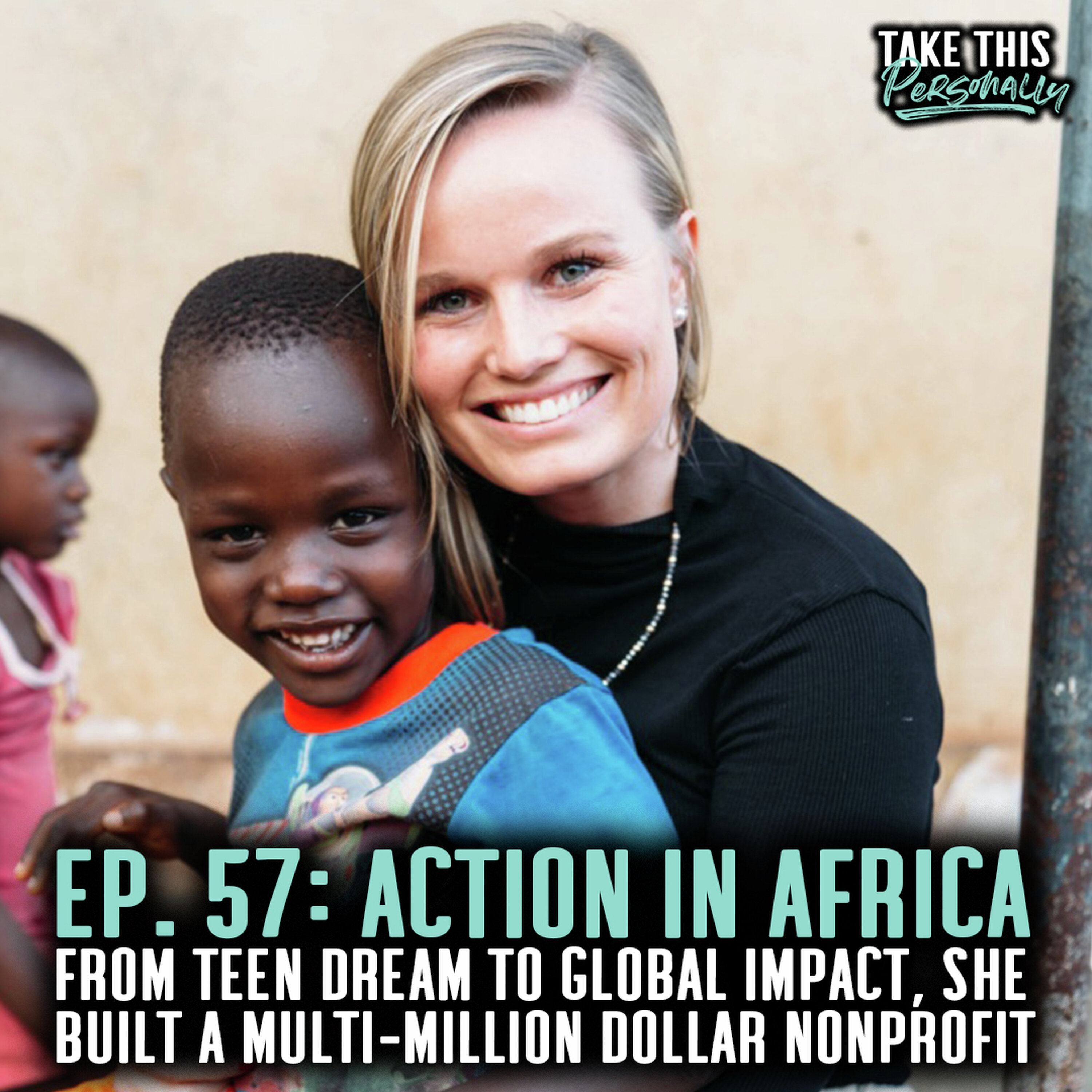
Loading summary
Transcript108 lines
- [00:00]
Sarah Neininger
This is an iHeart podcast.
- [00:06]
Tony Robbins
Lowes knows that no matter your paint project, saving is at the top of your list. That's why when you shop today, you can buy one get one free. Select Valspar and HGTV Home by Sherwin Williams one Coat coverage Interior paints via rebate Shop these deals in store or online today at Lowe's. We help you save. Selection varies by location while supplies last. Discount taken at time of purchase. See Sales Associate for details. Offer valid 821 through 93 homes.com is.
- [00:37]
Sarah Neininger
The only place where you can find specialized neighborhood guides with the in depth insider info home shoppers want very in depth info. Want to know if there's homes for.
- [00:47]
Morgan Kielsman
Sale in the area?
- [00:48]
Sarah Neininger
We've got it.
- [00:49]
Tony Robbins
How long has a home been on the market?
- [00:51]
Sarah Neininger
We'll know it. Average lot size? Uh huh.
- [00:55]
Tony Robbins
Proximity to local parks. Of course. Insight into your neighbor's divorce? We're working on it.
- [01:02]
Sarah Neininger
Homes.com we've done your homework looking to.
- [01:05]
Commercial Narrator
Buy your first car or home? Understanding your FICO score is key to achieving your life goals. Knowing your FICO scores helps you apply for loans with confidence and avoid surprises. With MyFICO you get access to your FICO score credit reports 247 monitoring and alerts on the go. Take the mystery out of your score.
- [01:24]
Morgan Kielsman
And get your FICO score for free today.
- [01:26]
Commercial Narrator
Visit myfico.com free that's myfico.com free and discover the score lenders use most.
- [01:48]
Sarah Neininger
Take this personally with Morgan Kielsman There are.
- [01:54]
Morgan Kielsman
Times I just want to do episodes with awesome people without a series in mind but knowing I want to tell their stories. So last week I had on Nate and Holly sharing their amazing mother and son duo. This week I have Sarah Neininger joining me to share why she founded Action in Africa when she was just in her teens and continues to do the work over a decade later. If you're someone who has ever wanted to do nonprofit work or curious to how it all happens, this is the episode that's gonna get you. She reached out after listening to the podcast and I'm so glad she did. So let's get into Joining me this week is Sarah Neininger. She is the founder and Executive Director of Action in Africa. Sarah, how are you?
- [02:40]
Sarah Neininger
I'm awesome. Thank you so much for having me today.
- [02:43]
Morgan Kielsman
Yeah, it was so cool. You reached out to me on an email and I was like wow, I love what she's doing. This is so new to me. I was learning about it through your email and the stuff that you had sent over and your guys's Instagram page. But I'm so curious. You started this when you were a sophomore in high school. Tell me how.
- [03:02]
Sarah Neininger
Why?
- [03:02]
Morgan Kielsman
What does that look like when it happens?
- [03:05]
Sarah Neininger
Yeah. I will preface this by saying this was never a part of the plan. So it's been a really wonderful, organic journey over the last 18 years. But action Africa started simply as just a school project with a group of other students. My high school history teacher had showed us a film about kids in Africa. And fast forward 18 years, here we are. But out of all of the students.
- [03:32]
Morgan Kielsman
And you guys start this. So you start this in high school, but you're 16, 17 years old at the time, and you're like, yeah, I should do something with this. Or does it pause? You start this in high school, it pauses. And then you get to your adult life and kind of visit it again. What is the transition that happens there?
- [03:52]
Sarah Neininger
Yeah, it has been a part of my life since I was 15. So we started as a group of kids just raising money for already existing organizations doing really interesting different things throughout the continent. And one happened to be based in Uganda. So we had helped them build, I think then it was a widow shelter or a library or something. And my senior year they invited us to Uganda to see the project we had helped fund.
- [04:19]
Morgan Kielsman
So.
- [04:20]
Sarah Neininger
So that would have been 2008. And we are still working in that very community today. The more time we spent there and the more work that we were doing, the more clear we got about our mission and our purpose. And we've since transitioned from funding and supporting other organizations to building our own model of what we think is really impactful, important, meaningful work in a country like Uganda. But it's been many years of refining our model and who we are and what we do. We're really proud that we're celebrating our 10 year anniversary of our current community center right now. So that's been an exciting year in celebration for us and it's really setting the stage for what's to come. But it very much was a school project and raising money for other organizations and learned so much through that process to build what we have today.
- [05:08]
Morgan Kielsman
And you say this wasn't the plan. This was not a part of your. What you envisioned your life looking like. So what made that change? What about all of this in that video that you had in that class that changed the course of your forever?
- [05:25]
Sarah Neininger
Yeah, I'll personally share. I was a student athlete, but I was also a troublemaker and having the time of my life in high school, my parents were Also going through a divorce and my older brother has special needs. And I think at that pivotal moment in my life, I was looking for some purpose and I was looking for something to really sink my teeth into and feel like I could have control over. When the rest of the world and when you're a 15 year old girl feels very chaotic, this felt like something I could kind of wrap my hands around. And then that trip to Uganda was, as you can imagine, really life changing. When you can see and feel the impact that you're making and build it based off of community and building relationships, that really was when the rest became history. When we met the kids and the families and the schools and fell in love with the work that we were doing. So being a teenager, that was a little angsty. This gave me a tremendous amount of purpose and helped me recalibrate my life, which was pretty important at that point in time.
- [06:23]
Morgan Kielsman
I love to hear that. It's always cool to see that somebody's passion started from a place of personal. That's often the case whether it be intentional or not. And it's cool that you found an outlet for things that were going on in your life that allowed you to do something to help others. You could have gone a lot of different routes. I've been reminded of that by, by therapists when I talk about things. They say you could have chose something different. And I don't know if you've ever heard that based on what you just told me, that little excerpt about your life, you could have chose vastly different directions and different paths. What do you feel like kept you on this path to continue helping and then not just taking it from the school, school project in this school community that you created, but then to a full blown position where you now have 30 plus employees. That is a drastic change and a huge shift in what your responsibilities and role looked like from this starting.
- [07:26]
Sarah Neininger
Yeah, I will preface this by saying I, you might feel the same way too, but I feel like I have the best job in the world and I work with the most thoughtful, hardworking individuals and we all really enjoy each other and we laugh a lot and that's just like the icing on the cake is that we get to actually make a difference every single day and that we're having a little bit of fun while doing it. It's the dream. I could have never orchestrated this life myself. And a phrase that I love to share with people is when people are like what's your plan? Or when I was finishing college and deciding about going to grad school or moving to Uganda. I always just said my only plans are to be surprised. And I think that is the theme of my life. It's been nothing but one big surprise. But it doesn't mean that it's not a lot of work and that the days are long and hard and the circumstances with which we work in are oftentimes very devastating and heartbreaking. But I think what keeps me going and doing the work that I do for now 18 years, which is crazy, is the individual impact in the day to day stories that we see of lives being changed. From kids who have severe special needs who are now walking and in school every single day, to moms that are able to put food on the table and educate their own children, to our first group of kids that I met on that trip in 2008 who are in primary school are now graduates of our university scholarship program and three of them are working for us full time. And this is like the good stuff. Now we're really seeing the fruits of our labor come to fruition and that's really what keeps this thing going.
- [09:02]
Morgan Kielsman
You mentioned the heartbreaking and the devastating parts of this. So much of non profit work you are seeing things that a lot of people like to turn away from because it's uncomfortable, it's hard, it's sad. What are some things that maybe you've learned in this process of why you can continue putting yourself through this? And I asked this from a place of someone who constantly on, on a completely different non profit side it's working with animals and it's always how can you do that? I could never give them away, I could never foster. That's a constant theme in general with non profit is how do you do it and how do you deal with the sadness and the experiences that you're going through while you're witnessing honestly some of the harder parts of humanity. Maybe you can speak to that on just different levels. I don't know where it takes you but I would just love your perspective on that.
- [09:56]
Sarah Neininger
We I love that you asked that I'll share on a personal level something that I've been doing recently is I have a folder on the desktop of my monitor that I call caffeine and I have screenshots and pictures and when we got our first million dollar donation I took a picture of it and put it in there. When we redid our board of directors, there's a screenshot of that in there. Or the first university student that we hired from our scholarship program sent me an email when he signed his contract and reminders of the good stuff as just like a daily do dosage of caffeine to fight the good fight. I would like 10 out of 10 recommend for everyone. I look at it regularly. But yeah, I think it goes back to the individual stories again. And also listen, I'm biased in the work that we do, but I think we're remarkably good at what we do. We spent a really long time refining our model and then you see the impact of it. So our entire team in Uganda, for example, is Ugandan and led by the community and they're the representation of the work and they're the ones that bring the proposed ideas of programs and projects and services and then they deliver on them. So when I go to Uganda, which is a couple of times a year, I get to witness the great work that's being happened that's happening on a day to day basis despite sometimes the challenges. And I think you can probably imagine some of the challenges when it comes to a country like Uganda where there's an immense amount of poverty and suffering and for better or for worse, people experience temptation and make poor choices that can be so devastating on a personal level but also an organizational level. And you just have to continue to meet people where they're at and stay the course and fight the good fight. But there's been a number of moments where we probably should have just thrown in the towel and we would have had every reason to do. And I'm so glad that we didn't. But yeah, there were some pretty painful chapters in our organization. But I will say, and I think in everyone's organization, by the way, but coming out the other side of it, we're so much better for those challenges and have learned how to pivot and how to be thinking outside the box and really just committed to the mission. But yeah, there's probably a number of circumstances where we should not be here doing the work that we're doing now. But I'm so glad we are.
- [12:11]
Morgan Kielsman
And there's a reason you are. There's a reason that it happened the way that it was supposed to. And I'm a firm believer in that everything pans out in the way that it's supposed to happen, for better or for worse. And I love that you have a caffeine folder. I think that's a cool serotonin boost when you need it. Pick me up. Yeah.
- [12:30]
Sarah Neininger
Yes, absolutely.
- [12:33]
Morgan Kielsman
And I love that you mentioned this side of things, of there were moments where you should have potentially thrown in the towel and you didn't Is there misconceptions or things over the course of time that you've learned that you've experienced? Maybe it's about the things that are happening in Africa, maybe it's about non profits. But is there just things that you learned along the way where you wish people could also learn the things that you've learned?
- [13:03]
Sarah Neininger
Oh my gosh, Morgan, how much time do you have today?
- [13:06]
Morgan Kielsman
You can walk me down any path you want to go here.
- [13:10]
Sarah Neininger
Oh my gosh. How do you even approach that question? I would like to think that for us at Action Accra, we like to do things differently and rather unconventionally. And sometimes that's unfamiliar and uncomfortable for people. So I've got a couple hills that I would like to die on as far as how I believe my belief systems around non profit work and international development. There's a lot of layers to being a white woman from Aspen, Colorado, working in a country like East Africa and making sure that we have representation of our work. And we talk a lot about what my role is in this organization, what it's not, and how do we make sure it's community led. And there's a lot of pressure around those narratives and conversations. And I find that sometimes I get very insecure about that or in my head about it, and then I'm humbled and reminded that I'm here to do the good work and we have impact to prove it and show it. So just not getting caught up in the noise of things. And I think with non profits, it's so easy to do that. There's a lot of conversations around overhead and what you pay your employees and what your work looks like, and there's just a lot of noise. And so we try really hard as an organization to stick to what we believe in and do things unconventionally and a little bit differently. I am reminded by my team often to what extent and at what expense are we having these hills that we die on. And how can be an opportunity for a conversation and a learning opportunity for people, but not at the expense of donations and the great work that we're doing. But I would say in this season of my leadership and this exciting chapter, I'm learning a lot about just how to speak my truth and how I feel about things and not wavering in that. And so going on podcasts and talking about our work is being a little bit vulnerable in who I am as the leader of this organization.
- [15:03]
Commercial Narrator
This Labor Day, say goodbye to spills, stains and overpriced furniture with washablesofas.com featuring Anabe, the only machine washable sofa inside and out where designer quality meets budget friendly pricing. Sofas start at just $6.99, making it the perfect time to upgrade your space. Anibe's pet friendly stain resistant and interchangeable slipcovers are made with high performance fabric built for real life. You'll love the cloud like comfort of hypoallergenic high resilience foam that never needs fluffing and a durable steel frame that stands the test of time with modular pieces you can rearrange anytime. It's a sofa that adapts to your life. Now through labor day. Get up to 60% off site wide@washablesofas.com Every order comes with a 30 day satisfaction guarantee. If you're not in love, send it back for a full refund. No return shipping, no restocking fees and every penny back. Shop now@washablesofas.com Offers are subject to change and certain restrictions may apply.
- [16:02]
Sarah Neininger
It's so easy for a year to go by and you're in the same place because there's so much going on in the world today.
- [16:09]
Tony Robbins
Hey everybody, it's Tony Robbins. So the real question is how do you really get yourself to be in a place where you truly follow through, where you actually get the results that you really want? Listen, you really need to get yourself a coach. You need a professional who's already got results. You need something outside you, someone that's like what a coach does.
- [16:29]
Sarah Neininger
The most successful people in the world have coaches. If I want to play in that league, I have to model what the successful people do. Period. Our company ended on a 69% revenue growth, which is ridiculous because we're talking about millions of dollars.
- [16:42]
Morgan Kielsman
Tony Robbins results coach will get you to where you want to be in.
- [16:46]
Sarah Neininger
Health, finances, career and beyond.
- [16:49]
Tony Robbins
If you'd like to test out one of my top coaches, we will give you a 30 minute free coaching session. Go to tonyrobbins.com to get started today. That's tonyrobbins.com this is Amy Brown from.
- [17:01]
Amy Brown
Feeling Things with Amy and Kat. We've been made to believe that saying yes is a good thing. But I've realized there's a big difference between doing it intentionally and doing it unintentionally. Isopure protein helps you focus on more of what matters, like feeling your best every day with great tasting nutrition. That's high protein and also low carb if you need that. Isopure fits seamlessly into your lifestyle and that's why I've added it to my daily routine. I use Isopure Unflavored protein in recipes like pasta sauce and guacamole during the week. With 25 grams of ultra filtered protein and 0 carbs plus 20 vitamins and minerals, you can boost nearly any recipe without changing the taste of your favorite foods. I've already restocked four times because because I add the Isopure Unflavored to everything. You can try the Isopure vanilla to blend 25 grams of protein into your smoothies or your oatmeal. Or check out Isopure Clear protein water with 15 grams of protein, which supports hydration with electrolytes and a light berry flavor. Enjoy more of what matters today@isopureprotein.com and get 20% off your order when you use code MINDS20 at checkout.
- [18:14]
Morgan Kielsman
Okay of course I'm now curious and you took me to a few different paths and we will go down them all. But what are these hills that you will die on? Because I think it's a beautiful thing when people have their convictions, because when you have seen and experienced and been in a field long enough, you have the right to die on a hill. There's good in having the passion of certain things. So I see dying on a hill as a good thing. And that's why I would love to know more about the ones that are very close to your heart and what you're very passionate about in this work.
- [18:51]
Sarah Neininger
Oh five I love Sticky stuff. Although my team is probably gonna listen to this and be like, all right, you're never going on a podcast again.
- [18:59]
Morgan Kielsman
Hey, but this is how we change the narrative, right? This is how we do things differently and how we rewrite stories and how we do better is sometimes talking about the hard stuff.
- [19:11]
Sarah Neininger
Yeah, absolutely. And I will say, I do think in the nonprofit industry and the work that I do in particular, there are great, meaningful conversations and shifts and narratives, and we love to see that. But to answer your question, I would say one of the most controversial things is the overhead and salaries of employees. And I can tell you two very specific examples. One of our major donors, years ago, I didn't take a salary for, for probably the first, gosh, I want to say, like 13 years of this. I had expenses covered and whatnot and made this possible. But I had a donor say that they were going to stop giving to us until we paid our employees a livable wage because they view their gifts to us as an investment. And if there's no return on this or guarantee that we're going to be around for years to come. They're just wasting their money. And that was pretty eye opening and revolutionary for us as an organization and caused us to really think through our budget and our fundraising strategy and making sure that people can be compensated here. And I will say that really shifted how we then do our work in Uganda and being able to hire employees here in the United States to help with fundraising and creating some sort of financial stability for our work. It's allowed us to grow our programs in Uganda tenfold. So you see a direct correlation by an increase in our overhead, by the great work and the longevity of our work and meaningful work in a place like Uganda, being able to fairly compensate employees is definitely one of those hills that I want to die on. And, and I will say all of this with a caveat of within reason. We still have an obligation to make sure that we are good stewards of donor dollars. But that does not mean that we should not have the best of the best employees and be able to pay them a livable wage so that they can live a wonderful life just like all of our friends who work in tech or entertainment or for profit spaces.
- [21:00]
Morgan Kielsman
No, it's so important and I do, having worked with several nonprofits in my life, it's finances is such a tricky subject because nonprofits do, they get donor dollars and that's the purpose. But there is such a huge conversation around it. So much so that oftentimes I've said it myself where I can't work non profit, I can't have a living in nonprofit. Do I want to do it? Absolutely. I can't make a livable wage in there because most of them don't because they feel an obligation to support the causes that they're going after. But, but I think there's such a huge loss in that because to your point, these programs that are already doing really good things could do even better things if they have people who don't feel so exhausted, so financially strained that they could spend their time and effort into really investing into something. So I think that's a great hill to die on. I agree with you. And that's coming from someone who's had not even in the side of non profit that you guys are in, but just in working with several different ones over the years. That's a common conversation. It's common, controversial and it's also really hard to watch when you see really good hearted people doing incredible things, not able to care for themselves, not just emotionally and mentally because of what they're doing, but financially. And that is so, so common.
- [22:30]
Sarah Neininger
Yeah. And I think this statistic is, and I actually have it screenshotted in my caffeine folder as a reminder. I think it's something along the lines of 93% of organizations don't make it to the 10 year mark or are less than a million dollars. And to me that's a direct correlation indicator of being able to hire employees and sustain the work that you do. And by the way, this is a comparable conversation Uganda too. I'm not just talking about us, but in really committing to our employees and globally we take great care and hire the best of the best in Uganda as well. And you, I'm biased in all of this, so take it with a grain of salt. But that's why you see us at a $2 million level organization and around for 18 years. And that's because we're investing in our people to do the good work and fight the good fight at a meaningful and long term level.
- [23:16]
Morgan Kielsman
Yeah, absolutely. Hey, I like all your hills, but this is the one that we focus on in that moment. You also mentioned how it's being a white woman from the States and you're working in Africa with primarily a lot of the black community. So what has that experience been like?
- [23:38]
Sarah Neininger
Oh, a learning experience. I'm viscerally aware of where I'm from, what my upbringing looks like and I try to be cognizant of that and the work that I do, but also stick to my truth and that it's allowed me to do the work that I do and be of service to another community. It's funny, I have so much to learn and grow in this space. I'm the first to admit that. But I will also say I from my experience have observed this as a very strong western conversation. And that does not mean that these themes are not deeply rooted in colonialistic roots. I acknowledge that. But these are not conversations that our team in Uganda are having, for example. And that to me is very eye opening and interesting and by the way would carry a whole other weight if our leaders staff in Uganda were like, hey, you're the white girl, what are you doing here? And there's none of that. I think they're tremendously grateful for my leadership and the resources I bring irrelevant of where I'm from and what that looks like. So I think that's another perfect example of where I have an obligation and a duty to be educated about this and I'm responsible to this narrative. But also I'm not to be distracted by it and let it deter me from just day to day doing some really good work.
- [24:50]
Morgan Kielsman
Yeah, that's a really important lesson and one that you wouldn't have gotten had you done a non profit. That's just here. It's a different experience, I also imagine, because Africa, a lot of those countries within it are considered third world. So you're experiencing also just a different overall experience in another country, different economic standards. You have a different level of culture. You just. There's so many bases of which you are different. And I think those are some beautiful lessons that not a lot of people get to learn.
- [25:26]
Sarah Neininger
And I think I've had great grace and like, time to learn some of these lessons and acknowledge, like the ongoing learning in this. Right. I started going to Uganda when I was a teenager and I go multiple times a year. I lived there full time for a little over three years. Like, I'm like, really putting in the work and really a part of the work that we do here. But I've had the opportunity to slowly learn those lessons, which has been helpful.
- [25:54]
Morgan Kielsman
What was that experience like when you lived over there and you're seeing all of this and you're trying to figure out, okay, how do we do this and how do we do it in the best way possible? What was that part like of this story?
- [26:08]
Sarah Neininger
So I, at that point, gosh, okay, so I was in college. I went. So I was running Action Africa in high school and college, going back and forth during holidays. And when I graduated university, there was a moment of, are we really doing this? And what does this look like? Like, it feels like we're halfway in and halfway out and decided to move to Uganda and like, really figure this out and assess. Okay, we're gonna fully commit or we did a good thing and now this isn't working. And I'll tell you, I. My family has never had. Never really been out of the U.S. so this like, Africa thing, my whole life since I was a kid was like, what is. Is Sarah doing? Like, what is happening here? And so I would be going back and forth. And I graduated college and I got into grad school at USC to get my master's in social work. And my whole family was like, yes, she'll be stateside, she'll be home based. Like, we're recalibrating her life. I got in, I went to like, orientation, dropped out, moved to Uganda. So it was a fun little plot twist for the family, but I was like, I'll go to Uganda and like, really give us a noble attempt and See, if this is going to be a thing, I'll go for six months. And naive me like, that's a bit of this like white girl thing. Like, I keep thinking that I know how to fix things or that I've got a solution here and thought I'd go for six months, hire our staff, make a plan, and then come home. And three years later I was like, I'm still here, I need to make a plan. But I will say, to answer your question, those three years were some of the most magical years of my life. I think that right there is even something that makes us a little bit different. That as the founder and executive director, I went there and I fully bought in. And I lived in our community center, which was really fun, very chaotic. Soccer balls, breaking glass into my bedroom window, and always hearing the kids start their PE classes at 6 o' clock in the morning in the front yard. But it was filled with so much joy and creativity and building and hiring. It was just a blast. But I think, like, really helped shape perspective and how we do things and what things look like here at Action Africa. I think it also carried so, so much weight for our team in Uganda. Like really showed that I was bought in and that we were in this together. And like boots on the ground. Not just like, I'm on the US side, they're on the Uganda side. But the collaboration was so fun.
- [28:28]
Morgan Kielsman
Oh yeah. And that's just so hands on and so important of a role when it does come to nonprofit that can make the difference between someone who's just a donor and somebody who's actually a volunteer. That's where the work is. So it's cool that you had that experience and I love hearing that. I do want to hear a little bit more about your parents and how you mentioned that they were like, what is she doing? What is happening? Because I think it's incredible that you chose in most capacities of the sense that it's a more non traditional way of living and being done with college and be like, yeah, no, I'm gonna go here. So what were your parents like in that experience for you? And was that just hard for you as you were doing something that you were paving a new path?
- [29:21]
Sarah Neininger
So I will preface this by saying I have an older brother who has special needs. He was born with cerebral palsy, is very independent and very high functioning, but definitely has his own challenges. And I spent most of the time, my childhood growing up going to physical therapy and speech therapy and all these different programs with and focused on him and that really that experience opened my eyes to other populations that are otherwise sometimes disenfranchised and have a different way of living and need different avenues of support. And I think that really set the foundation for my heart to do the work that I'm doing now. We've got a couple beloved kids in our special needs program that are outside of our wheelhouse of work. But I'm like, I love them. And that I really attribute to my brother and growing up in that kind of household. But I think in having an older brother with special needs, it really forced me at a younger age to become independent and march to my own drum and live my life in a different way. I think my parents are like, wow, Africa's really far. What are you doing? I also don't think they were entirely unsurprised by it. I do think that for a number of years everyone was waiting for me to outgrow this phase. And perhaps there's still a bit of them waiting for that. And I'm like, all right, maybe at the 20 year mark you'll believe me that this is a thing. But I think like, regardless of how unfamiliar it felt to them, I do know that they've just been so proud of this journey and have watched it grow from the ground up. And my dad has been to Uganda now twice with us and my brother actually came in January. We did a big donor trip celebrating the ground, the 10 year anniversary of our current community center and breaking ground on a brand new campus that I'll tell you about later. But having my dad and brother there and seeing it and feeling it was just beyond special. And even the flip side of that, our staff and our kids have heard me talk about my brother for 15 years. And for them to meet him and receive him and love on him was just like, it gives me chills. And again, like, I have the best job in the world. But for my dad, we had kids back when I was in high school that didn't understand the time difference. So they'd call at 3 o' clock in the morning, be like, where's Aunt Sarah? Where's Aunt Sarah? My dad, she's sleeping. And for him to then connect the faces to those kids in Uganda as they're teenagers now, I think many years later they're really starting to get it and understand it. But now they too have experienced it.
- [31:52]
Morgan Kielsman
Oh, I love that so much that your whole family has gotten to now see and witness the things that you created and have building all this time to especially your brother getting to go over there and witness that. I can only imagine that experience. You probably just wanted to bottle it up and be like, I'm gonna keep this feeling forever in this moment, and I'm just gonna keep replaying it.
- [32:15]
Sarah Neininger
I.
- [32:15]
Morgan Kielsman
That would be like, 80 caffeine folders, I would think.
- [32:18]
Sarah Neininger
Yeah. Yeah. I don't even know how to contain that into my folder. But you're exactly right. There are no words to describe that.
- [32:27]
Morgan Kielsman
Oh, that's so special. And I think it's so beautiful to look at your life, and it is. When somebody often takes a different path. There's always questions, there's always doubt, there's uncertainty and a lot of insecurity that gets part of that whole experience. So now that we've heard from the outsider perspective for you, what were those emotions and experiences like as you're going through this, as this whole thing is getting built? And those moments you mentioned where we probably should have thrown in the tab, but we didn't? What were your emotions like, what were the things that you were going through that were really difficult and how did you handle them?
- [33:08]
Sarah Neininger
Oh, I think I would say in this chapter of life that I'm in now has probably been where I felt the most feelings, because I'm in that season of life where all my friends are married, they're all having babies. I have a number of friends that have started cool tech startup companies, and some have failed, some have flourished. And while I'm so proud of the work that we're doing at Action Africa, there is a bit of. It's the same old. Like, I go back home for Christmas and everyone's, oh, back from Africa. And I'm like, no, I live in Denver. But yes, I am still doing the Africa thing. So there is a bit of insecurity of, do people perceive this as a. It's the same thing that I did when I was 15 years old. And I. My team does a great job of helping talk me off that ledge a little bit in reminding and educating people that this is more or less a much bigger deal than it was when I was 15 years old, and that there's a lot to be proud of. And if people still look at it as the cute high school club that Sarah started when she was 15, that's on them and that's their loss, but that what we're doing is remarkable and is something I need to lean into. But I'd be lying if I didn't say that there are things that are easy to compare to being in this season of life that I have missed out on because I've made a choice to commit to my life up until this point in time to the work that we're doing in Uganda. And I would imagine people probably look at my life too and compare it in certain ways and think parts of it are cool or they wish they were a part of it. I think that's just human nature. So those are moments and I've had to miss a lot of things. I'm missing a friend's wedding because I'm in Uganda next next month and baby showers and I feel like I'm having to make a lot of sacrifices to do the work that we do. But I have a good job.
- [34:56]
Morgan Kielsman
I think that's a very real answer and I think I'm lucky that you shared that with me because there are. We really love to make everything look like unicorns and rainbows. And it is. There's this whole part of it that's so beautiful and so significant and important.
- [35:12]
Sarah Neininger
It.
- [35:13]
Morgan Kielsman
But to diminish the fact that you're still human and you still experience real life emotions just because you have a really awesome cool job and might I say really awesome that it started for you at 15 because not a lot of people can say that they've had any version of that kind of consistency in their life. I think that's a beautiful thing. So it's special and important that you were willing to share that because I do think it gets lost in translation a lot. And to sit here and be like, well, she has this massive company, she gets to go to Africa all the time and she loves what she's doing doesn't mean that there aren't parts that you also wish you could have. Because also human nature is to want everything and to have accomplished everything that you thought you should accomplish by this point in your life.
- [36:04]
Sarah Neininger
Yeah, yeah. I think I have an obligation to lead from a place of showing that I'm human and that creates space and allows space for our team on the US side and our team in Uganda to do the same.
- [36:19]
Commercial Narrator
This Labor Day say goodbye to spills, stains and overpriced furniture with washablesofas.com featuring Annabe the only machine washable sofa inside and out where designers quality meets budget friendly pricing. Sofas start at just $6.99 making it the perfect time to upgrade your space. Anibase pet friendly stain resistant and interchangeable slipcovers are made with high performance fabric built for real life. You'll love the cloud like comfort of hypoallergenic high resilience foam that never needs fluffing and a durable steel frame that stands the test of time. With modular pieces you can rearrange anytime time. It's a sofa that adapts to your life. Now through Labor Day, get up to 60% off site wide@washablesofas.com Every order comes with a 30 day satisfaction guarantee. If you're not in love, send it back for a full refund. No return shipping, no restocking fees. Every penny back. Shop now@washablesofas.com Offers are subject to change and certain restrictions may apply.
- [37:18]
Sarah Neininger
So easy for a year to go by and you're in the same place because there's so much going on in the world today.
- [37:25]
Tony Robbins
Hey everybody, it's Tony Robbins. So the real question is, how do you really get yourself to be in a place where you truly follow through, where you actually get the results that you really want? Listen, you really need to get yourself a coach. You need a professional who's already got results. You need something outside you, someone that's like what a coach does.
- [37:45]
Sarah Neininger
The most successful people in the world have coaches. If I want to play in that league, I have to model what the successful people do, period. Our company ended on a 69% revenue growth, which is ridiculous because we're talking about millions of dollars.
- [37:58]
Morgan Kielsman
Tony Robbins results Coach will get you to where you want to be in.
- [38:02]
Sarah Neininger
Health, finances, career and beyond.
- [38:05]
Tony Robbins
If you'd like to test out one of my top coaches, we will give you a 30 minute free coaching session. Go to tonyrobbins.com to get started today. That's tonyrobbins.com this is Amy Brown from.
- [38:17]
Amy Brown
Feeling Things with Amy and Katie. We've been made to believe that saying yes is a good thing. But I've realized there's a big difference between doing it intentionally and doing it unintentionally. Isopure protein helps you focus on more of what matters, like feeling your best every day with great tasting nutrition. That's high protein and also low carb. If you need that. Isopure fits seamlessly into your lifestyle and that's why I've added it to my daily routine. I use Isopure unflavored protein in recipes like pasta sauce and guacamole. During the week, with 25 grams of ultra filtered protein and 0 carbs plus 20 vitamins and minerals, you can boost nearly any recipe without changing the taste of your favorite foods. I've already restocked four times because I add the Isopure unflavored to Everything. You can try the Isopure vanilla to blend 25 grams of protein into your smoothies or your oatmeal. Or check out Isopure Clear protein water with 15 grams of protein, which supports hydration with electrolytes and a light berry flavor. Enjoy more of what matters today@isopure protein.com and get 20 off your order when you use code MINDS20 at checkout.
- [39:29]
Morgan Kielsman
Yes. So I totally get it. I also totally relate. That's also part of this phase of our life. You get to a point where everybody gets married or they're doing. You're like, wait, okay, I feel like I'm getting left behind. But then you're also super successful in something else, and you're like, does that mean they get left behind there? Like, what's the trade off here? And you have a lot of those real human moments where you just kind of look at your life. You're like, okay, I guess this was part of the plan.
- [39:57]
Sarah Neininger
Yeah. And I'm sure you can relate to this. But I think at this stage of life just goes so fast, too. Like, we have a lot of conversations around succession planning and how do we set the organization up for success outside of me. And. And we keep talking about it, but I'm like, oh, my gosh, we're still here. And I'm to blame for that, right? Because I'm energized and excited about our work and what we're. And what more we could do that. I'm like, oh, my gosh, I'm going to be 85 years old here. Yes.
- [40:26]
Morgan Kielsman
I appreciate you really sharing the personal side because I know it's hard. You come on here and you're talking about the professional side of your life, and. But personal plays such a significant role, especially on the nonprofit side. So thank you for sharing all of that. Is there anything else in that capacity in the personal space where, again, you were 15 when this all started and now you're in your 30s, that you learned along the way that you wish you could pass on to younger you.
- [40:53]
Sarah Neininger
I would just remind myself we have a saying, and this is, I'm embarrassed I'm even sharing this with you. But as a family, but now also as a team, that everything works out for Sarah. And I have multiple feelings about that statement, but I will say it's a good reminder that things do work out. And I'm a firm believer that what you put out into the universe, you also attract back to you. A word that I'm really leaning into this year is being Magnetic and trying to create that type of magnetic energy. So I think as a teenager and even honestly in the formative early years of Action Africa, I just was so worried all the time. And that does not mean I'm not worried now or anxious about what the future holds or navigating this personal versus professional chapter of my life. But it all works out and I'm just such a firm believer in that. And I think I can look back on what we've accomplished and what I've accomplished personally within the organization or outside it. That is a testament to that. So I would remind myself to just relax and not be OCD about things and so manic and stress and just trust that, like, it's all gonna work out.
- [42:05]
Morgan Kielsman
So is that also a lesson that Adult U is trying to learn, especially on the personal side of things as well?
- [42:13]
Sarah Neininger
I love that you're throwing that back at me because yes, I need to remind myself of that and I do need to remember that because. And I also, I love this, but also slightly terrifies me. I find that in chapters of my life, I always reflect back on wanting to be into pre in previous chapters. And in doing that, you're missing out and being in the present. So trying to recognize that I'm sure at some point I will figure out my personal life. But once I do that, I do know that I will look back on this chapter that I'm in now being like, those were the glory days. I wish I wasn't fixated on what's to come. So I think like a lesson in all this too is also just being really present. I try to ground myself in gratitude on a regular, consistent, multiple times a day practice because I think that also, like really just sets the stage for how you show up and how things come into your life. But yeah, that's definitely something I should pay more attention to because it will all work out. I do believe that.
- [43:10]
Morgan Kielsman
That it's hard. One of the hardest lessons I think that I still am trying to learn every single day is being present for every single day versus living in the past or thinking to the future. Present living is not an easy accomplishment. It's one that's difficult for nearly every human on this planet. So I don't think you're alone in that. And I know just sitting here with me, you're not alone because I do the same thing of I can look back at so many Hindsight is always 2020. That's my favorite thing to remind myself of, especially when I'm in a moment where I'M contemplating or I feel out of control or I don't think I know what's going to happen next. I'm like, remember, every time you get past a moment, you're always like, hindsight was 20 20, so try and have your hindsight now.
- [43:58]
Sarah Neininger
Yep.
- [43:59]
Morgan Kielsman
So that's really special. Speaking of two personally, what is it being a leadership role now, being in charge of 30 plus you're the founder of this company, like you're an incredibly successful woman. What is that experience like for you? Because I know in a lot of the work that I've done, being a woman in these positions of success is not always the easiest thing.
- [44:29]
Sarah Neininger
Yeah, I have two answers for that because I think often about so a big part of my job now is our fundraising and making sure we have the resources to do the work we do. And I think regularly about if I was a male, if my approach and aggressiveness, for better or for worse, around fundraising would look differently and I'd be more successful. I think about that a lot because I think men show up a little bit more assertive and a little bit more confident, a little bit more bold with their ass. And by the way, maybe that's not the best approach, but I do think about that regularly. If I was a man, how I would show up in the fundraising space. But I think as a leader for our team, both on the US and on the UANDA side, I love being a female founder and a female leader and I think I lean into being full of patience and grace, but also joy. And I've had to learn a lot about professionalizing my leadership, especially a number of our staff that I've known for 12 years, 10 years when I was a kid and my leadership then versus my leadership now as we professionalize as an organization has had to change a little bit. And how do I still keep that joyful youthful Sarah self that showed up many years ago? But also, oh gosh, we're a multimillion dollar organization and I probably should carry myself in a different way sometimes. Perfect example. Like we used to do midday office dance parties or push up contests in the front office and like now we can't do that because we have politicians that like show up or like parents who need to be taking our work seriously. So things like that where I've just had to learn and grow a little bit, but also navigating what my non negotiables are as far as leadership and making sure I can still be joyful and make sure that people at work are doing a great job but also enjoying the work that they're doing and having fun while at it.
- [46:20]
Morgan Kielsman
I've always imagined being in a leadership role and being able to do things that you wish other people were doing. Like you look at other companies and leadership and you go, I don't feel like that's the right way of doing it. Have you gotten to have this cool experience where you get to implement a lot of things in the leadership role to make this company be something that you're proud of?
- [46:46]
Sarah Neininger
Oh, love that. Yes. But I would say that's not isolated to me. I think it's been such a gift to grow this organization alongside the team that I have and it be a real collaborative, not so hierarchical though I'm the founder, executive director, but that we're all in this leadership responsibility together. So that has been such a gift and so fun. Something I've been thinking about a lot lately is everyone has a perspective on how you should be doing things. And like the self help space and the leadership space and the coaching space is just so noisy right now and I find myself falling trapped to that. Like you come across a TikTok video that's here's the best way to lead a board meeting or then here's the best way to show up and be a good boss. And you're like trying to aggressively take all these notes and apply it and it's just too much. And I think even going back to like earlier parts of this conversation of just trusting how you show up and how you lead and like that sometimes being enough and not feeling so overwhelmed by the noise and constant improvement and adaptation to the world that we live in because it can be a lot to digest. But yeah, I would say like it's been fun to build this and build my leadership style alongside the rest of our leaders team.
- [48:03]
Morgan Kielsman
There's so much noise in social media in so many capacities. So I totally get it. You definitely have to just find your approach that works for you and what you feel is best. And we're all human and learning along the way. So it's cool that you've gotten to experience and kind of form your own leadership style over the course of the entire organization. It's also a very unique experience. You are on social media a lot and people do things. You're like, dang, I really have not had a unique life in any capacity.
- [48:32]
Sarah Neininger
But you have. The noise would tell you otherwise though this is true that you're getting it all wrong.
- [48:39]
Morgan Kielsman
This is so action in Africa. Where does it stand right now as an Organization, how can people help or help you guys continue the work that you're doing? What does that look like?
- [48:52]
Sarah Neininger
Yeah. So as I loosely teased, we celebrated our 10 year anniversary in Yovana in January. So celebrating our current community center and 10 years of impact, we feel like we've spent most of those last 10 years really refining our model and our work and paving a way forward to scale our impact and make sure that other communities can have access to the programs and services that we offer. So we recently purchased eight and a half acres of land. We're building an additional campus over the next 3ish years. To put it in perspective for you, our current campus serves about 500 kids a day, similar to like a YMCA or a Boys and girls club, a community center model. So after school programs, music, dance, drama, arts, access to food, medical, nutrition, public libraries, play, etc. And that's on half an acre. And so by buying eight and a half acres, it just helps you put in perspective the scale that's about to come. And the way this model will work is our new campus will be our headquarters and then our current campus we will keep. And it's more or less our first for satellite campus. So creating this blueprint that is replicable and able to scale and impact multiple communities for years to come is our North Star and where we're headed. So we're about to launch a massive capital campaign. So wish me luck as a female fundraiser, but really looking forward to that and being able to take this model and grow it has been a big vision for us. We definitely have a philosophy of this inch wide, but a mile deep. And we've spent years refining the work that we do and now we feel confident and in a place to do that responsibly and ethically. So it's a very exciting chapter for us. I will tell you. We really struggled with the notion of scaling and it took us 10 years to build our team and our model. And I think any good development work takes that level of time and patience. And unfortunately it's not super sexy because people want to know how many schools can you build and how many kids can you feed overnight? And they don't want to see the long haul. But so for us, we were really worried about, so we built this campus, but who's going to run this? And now that our kids are graduating from university, from my humble founders perspective, who better to hire than the accountants and the social workers and the teachers and the doctors and the lawyers that we've educated and have worked with and have Built a loyalty to and with for the last 15 years. So it's a really exciting season. I like giddy about it and I just wanted to build it it. So stay tuned.
- [51:27]
Morgan Kielsman
I'm so excited for you guys because that does sound like a very exciting chapter in an all new one, right? This is an entirely new experience, even in the course of something that's for you been a part of your life for so long. But this is all new and new comes with a lot of fun things. So that sounds so exciting and you guys can check all that out. Just search up Action in Africa. But what I do like to end these episodes on is is it can be a piece of advice. It can be motivation, inspiration or touching on something that maybe we didn't even get to. I give the floor over to you and you end us on something of your choosing.
- [52:04]
Sarah Neininger
Oh, I'd love to end just with a story, if that's okay.
- [52:10]
Morgan Kielsman
I would love that.
- [52:12]
Sarah Neininger
I think it just speaks to the work that we do and how we do it. So when we moved into our community center 10 years ago, there was a beloved kid named Shocky, who I think at the time was about three years old, who lived across the street and has very severe cerebral palsy. And as I shared, my brother has cerebral palsy but is very mobile at this point. Through extensive therapy and support and in meeting Shockey, we built our special needs program and started to work with him and his family on an individual basis. And there was no hope for him to be independent and walking. And now 10 years later, he is. And it gives me chills because it's a humble reminder of the investment that you can make in one human's life and how much of a difference you can make. And my dad always says, like, my dad came and has heard me talk about Shockey for years and saw Shocky walk down the hallway. And my dad, who's a large construction worker, wept and was like, if you did nothing ever again in your life and this is all that you did, it would all be worth it. And I think about that all the time from like my brother's perspective and my family's perspective, also for Shockey and his family and then also the Action Africa staff who have worked so diligently to set this one kid up for success, to be independent and be healthy and to be successful. And we're about to do a video series on him, so keep an eye out for that. But now he's in school full time and wants to be a doctor in the future. And it's just so beyond inspiring. And that's one of thousands of stories that we have from the 18 years that we've been around. And who knows what the next 18 years will have in store. And I'm planning on being surprised about it, but I will tell you. Yeah. If the only thing that ever happened was that Chalky ended up walking, I'll chalk it up as a big old win.
- [54:02]
Morgan Kielsman
Oh, that's such a special story. And I don't think you could have chosen anything else better to end on, so we're not even gonna try. But Sarah, thank you for being here. Shout out where people can find you guys. That way, if they do want to see the series and just see what you guys are up to, they can.
- [54:18]
Sarah Neininger
Yeah. The we are. The name of our organization is Action in Africa, and our website's action in africa.com. you can also find us on TikTok and Instagram and all the fun social platforms up for our newsletter. We often share ways that people can engage and participate. We do anything from trips to Uganda so you can come and experience our work firsthand to contributing to our special education fund, supporting kids like Shocky, or becoming a monthly donor or coming to events that we do in Colorado, New York, Louisiana. So that's where you can find us and what we're up to and how you can engage.
- [54:53]
Morgan Kielsman
Awesome. Thank you so much, Sarah, for being here and for sharing your story.
- [54:56]
Sarah Neininger
Thank you for having me, Morgan. Thank you. It's fun to talk about. I'm so grateful for you to give us the space to share the work that we do and I will separately share with you. I appreciate you asking about me as a human in this because sometimes it's all just about action and the work that we do and it should be. And that's the important stuff. But just female to female, I appreciate the inquiry on who I am as a person irrelevant of this work.
- [55:20]
Morgan Kielsman
Oh, yeah. That's the whole part of the story. The volunteering in the nonprofit is special stuff, but people, humans, that has to start somewhere and that's always with them. So I'm glad. But thank you again. I appreciate it.
- [55:33]
Sarah Neininger
Thanks, Morgan. And come join us in Uganda one of these days.
- [55:37]
Morgan Kielsman
I'm still sitting here impressed by Sarah's tenacity at such a young age and the impact she's continuing to make on the world. You can check out actioninafrica.com if you want to learn more or get involved. Next week, I have Struggle Jennings joining me. For all the rap and country music fans out there. You will love this interview. Interview. I love doing it. I mean I love doing all of them. That's kind of why I do this podcast. So subscribe now so you don't miss it and check out the Instagram at Take this personally. Thanks for being here. I love you. Bye.
- [56:04]
Amy Brown
This is Amy Brown from Feeling Things with Amy and Kat. Isopure protein helps you focus on more of what matters. Like feeling your best every day with great tasting nutrition that's high protein and low carb. It's never been simpler. I use Isopure unflavored protein every day and I have already restored stocked three times since first trying it. Actually I think I've bought it four times now because my daughter took a bag of it to her dad's house. With 25 grams of ultra filtered protein you can add it to things like guacamole, pasta sauce and more. It tastes great on everything. Enjoy more of what matters today@isipyourprotein.com and get 20% off your order when you use code MINDS20 at checkout.
- [56:47]
Sarah Neininger
Every day has a to do list, but adding Enjoy Belvita to your can help you knock out the rest of it. Belvita Breakfast Biscuits are a tasty and convenient breakfast option when paired with low fat yogurt and fruit that provide steady energy all morning while Belvita Energy Snack Bites give you the perfect mid morning refuel. Best part? They both taste great, so make the most out of your morning with a bite of Belvita. Pick up a pack of Belvita at your local store today.
- [57:16]
Tony Robbins
The day begins at the Chase Sapphire Lounge by the club at Boston Logan Airport. You get the clam chowder Mm In San Diego, it's Tostadas New York Espresso Martini. It's 10am why not? It's the quiet before your next flight. The shower that resets your day, the menu that lets you know where you are. This is access to over 1300 airport lounges and every Sapphire lounge by the club. And one card that gets you in Chase Sapphire Reserve the most rewarding card. Learn more@chase.com Sapphire Reserve cards issued by.
- [57:44]
Sarah Neininger
JP Morgan, Chase bank and a member.
- [57:45]
Tony Robbins
FDIC subject to credit approval.
- [57:46]
Sarah Neininger
This is an iHeart podcast.