← The Bobby Bones Show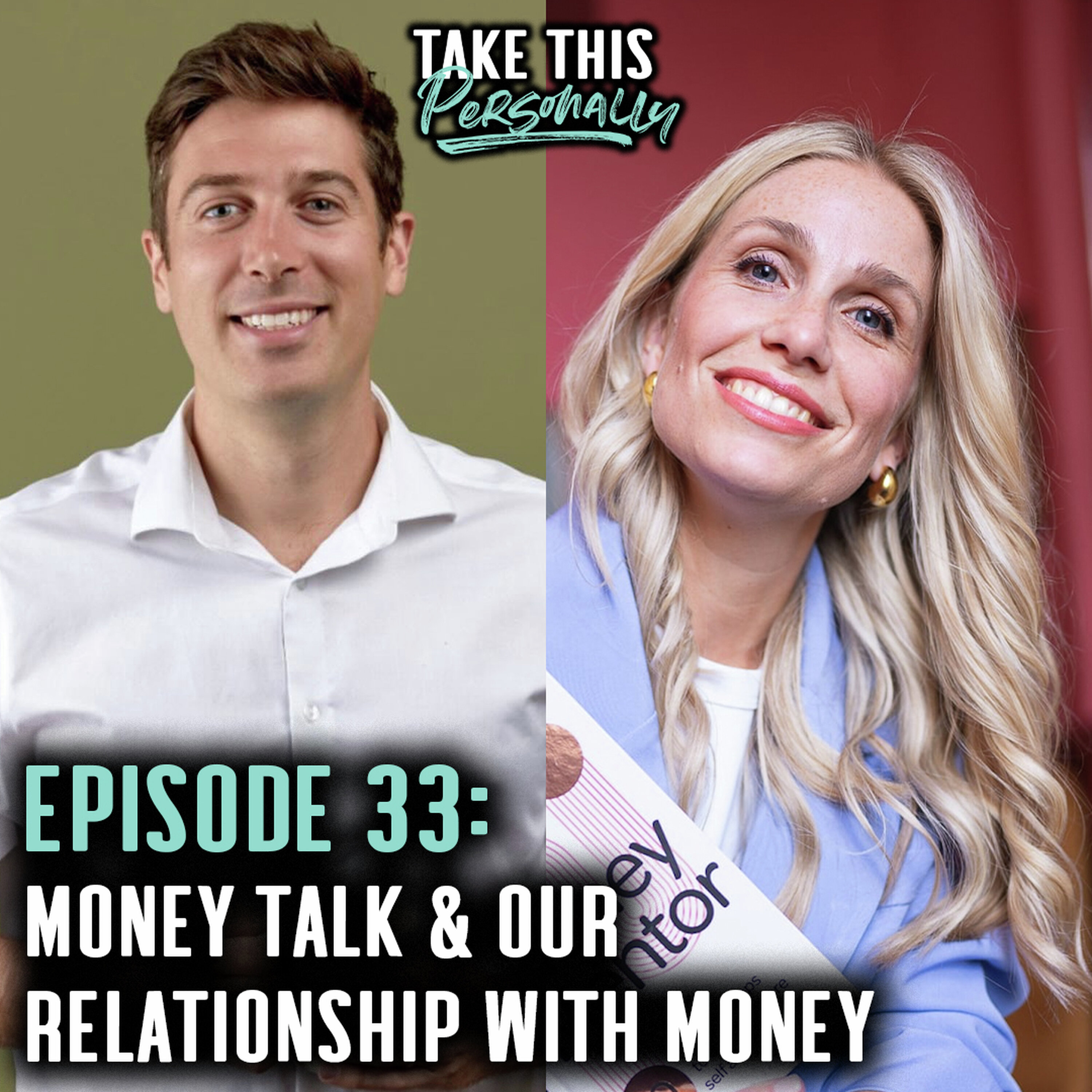
Loading summary
Transcript104 lines
- [00:00]
Ryan Seacrest
Hey, it's Ryan Seacrest for Albertsons and Safeway. It's stock up savings time now through March 25th. Spring in for storewide deals and earn four times the points. Look for in store tags to earn on eligible cleaning items from Charmin, Tide and Downey and dinner essentials from Stouffer's, DiGiorno, Arby's and Violife, plus many more. Then clip the offer in our app for automatic event long savings stack up those rewards to save even more restrictions apply. Visit Albertsons or Safeway.com for more details.
- [00:30]
Anna Brading
Struggling to get out of bed? It might be time for an upgrade. Leesa makes exceptionally comfortable mattresses designed for every body and budget. But what truly sets them apart is their commitment to giving back. Since 2015, they've donated over 41,000 mattresses nationwide. Elevate your sleep and your space with Leesa. Go to Leesa.com for 20% off their award winning mattresses plus an extra $50 off with promo code iHEART. That's L-E-E-S.com, promo code iHEART for an extra $50 off.
- [01:01]
Morgan Huelsman
Every day our world gets a little.
- [01:04]
Daniel Brigham
More connected, but a little further apart. But then there are moments that remind us to be more human.
- [01:14]
Cindy Crawford
Thank you for calling Amica Insurance.
- [01:16]
Daniel Brigham
Hey, I was just in an accident.
- [01:18]
Morgan Huelsman
Don't worry, we'll get you taken care of.
- [01:20]
Daniel Brigham
At Ameca, we understand that looking out for each other isn't new or groundbreaking. Human Amica empathy is our best policy. Take this personally with Morgan Huelsman.
- [01:48]
Anna Brading
Money, money, money, money. I don't even know where that comes from, but I love this saying. This week we are talking all about that M word. Yes, money. No one likes to talk about finances because they're scary, but we're gonna dive into it. First up, I have Anna Brading on, a financial educator and author to talk about the three M's of money, how to save while you're still living your life, and the best of the best big investments to make. We're talking cars, houses, that kind of thing. Then Daniel Brigham is coming on to share his story and how moments in his life led to a difficult relationship with money and how he turned things around and the steps he still takes today to create a better life for himself. I have Anna Brading on with me. I'm really excited. She's a financial education instructor and an author and this topic is so important. So Anna, thank you for being here. How are you?
- [02:47]
Cindy Crawford
I'm doing very well, thank you. I'm in survival Mode in the British winter at the moment. But I will get through it. I'm powering on, and soon it will be spring, so that'll be great.
- [02:57]
Anna Brading
Yes, it will. We're. We're powered over here in the winter, too, so I totally understand. I'm really excited to talk with you about all things finances, because this is one thing that I don't feel like I had a lot of education on growing up. I got really lucky that I had parents who were really smart with their money and they were good at saving and they were good at investing, and they taught that to me. But in schools, it's not something you really learn about. So this is why I have you on. You're going to be our educational teacher today.
- [03:27]
Cindy Crawford
That's my happy place. I'm totally fine with that. Fire away.
- [03:30]
Anna Brading
All right, so here we go. What are some things about money that we should have been taught growing up? As we really started to get into finances and we got our first paycheck and we understood, oh, we're getting paid for the things that we're doing. What are some things that you wish. Maybe if we did get taught in school, they would have taught us there.
- [03:53]
Cindy Crawford
Are so many things and so many angles we can go on in this. And one of the things I like to talk about is the three, what I call the three M's in money. And I think if we zoom out for a second and we just go big picture, okay, let's just take a step backwards and look at the big picture of money and finance. Because there's so much we need to know that we didn't get taught exactly. As you're saying, let's break it down a little bit. So I have, like three M's of money. So I have mindset, manage and multiply. And I think so often what we can do is we come to a crunch point in our lives where we go, oh, it's not working. I feel broke. I feel stressed out about my finances. I've got nothing in my savings account. I've just dipped into it over Christmas. Panic, panic, panic. And then we can go into fix it mode and try and figure stuff out. But I think it's really important to understand this overarching, broad big picture of our finances. And then when these things up, we can zoom in on one of those M's and have a look. Is it a mindset thing going on here? Is it a managed thing of how you're managing your money, or is it a multiply thing of how you're Growing and building your wealth. So those are the kind of. That's the big picture. So the three M's is a really good starting point, I think.
- [05:02]
Anna Brading
I think the mindset is really difficult from people, especially when it comes to saving our money. I think the idea of saving is really great and you're like, yeah, I need to do that, but when it comes down to it, we just don't. So when somebody's trying to save or you're encouraging them to start saving, what are those first steps you're encouraging them to take?
- [05:25]
Cindy Crawford
Yeah, I think let's come back to the mindset thing for a second because I think as you're describing it, there when one of the key ways to know that one of the key signs that you've got a mindset thing going on here is when you're trying to do something and it's just not happening and you're like, I'm trying to go, I'm going to. Trying to get my savings sorted. I'm trying to move forward, but I just keep coming back to this same point, and I think that can be a really key indicator that there's something going on in your inner wiring that's stopping it actually happening. Yeah. I always like to think of mindset stuff as like either a handbrake or an accelerator pedal. So if you want to start saving and you really want to get it going, is it. Is your mindset wired in such a way that actually when you get going, you're just powering that direction, or is it just the break goes on and you just can't get going? But I think you're right to flag savings because I think that can be one of the tough, toughest things. And let's be honest, saving money is not glamorous and it's not sexy. It's not the thing that makes you go, oh, I just can't wait to get. Savings is really exciting. Some stuff we talk about with money is really exciting. It's fun, it's interesting. Maybe you started a little business and it's starting to get going. You've made your first sale. So fun. But when we talk about the quiet discipline of putting a bit of money into a savings account, it's just not as glamorous. So I think it's good to acknowledge that and identify that. So. So what I like to do is I like to really zone in and focus on what is this saving going to achieve for me? What's the outcome? What's the why behind it? Because I think when we dial into the why. When we get that really clear in our focus and in our mind, we can align our emotions, we can align our mindset and it can then just help keep us on track. When it does get a bit boring and it gets a little bit difficult. Those moments where you're standing in, I don't know, equivalent clothes shop is in. In America, but in the uk, we've got. You've got your Zara and you've got your H M. Oh, yeah, we have those two.
- [07:21]
Anna Brading
Those are definitely good.
- [07:23]
Cindy Crawford
You're looking at that amazing outfit and you're thinking, I really want that. But I've got a savings I've committed to saving. But I can. Look, I can just open the app on my phone, I can see the money is there, I can just dip into it. And it's in those moments that you better have a good reason to save, because that's going to bail you out in that. That moment. So what is it? What is it that's motivating you to do it? Is it just because someone's told you to? Or in my case, it was a case of I needed. I knew I needed to build an emergency fund, which we could talk about maybe, if you want, later on. But it was this sort of idea of building up a lump sum. And I knew that if I did that and I completed that, that would then open the door to allow me to start confidently investing. And I knew that investing was the thing I really wanted to get to because then I could start to grow my wealth and I could start to move from a place of being paycheck to paycheck, the who time, and actually start planning for my future and get excited about that. So it was like this. It was almost like this tool really, to get me to where I wanted to actually be. So I think when you know why you're saving, what it's for, you've got clarity on that. That can really help motivate you and keep you going.
- [08:34]
Anna Brading
You mentioned here and talking about being in a Zara or an H and M. Yeah. Why do we have these tendencies to want to overspend? What's happening there, that's in our brain that may help us understand a little bit more why we might be overspending for whatever your vice is.
- [08:51]
Cindy Crawford
Yeah. Obviously there's so many ways to overspend, isn't there? And particularly now we're in a point in time that we've never been in history before, where you can click a button and get the very thing you want Tomorrow or even today, potentially. That's never been the case in the whole of the history of time. That's never been the case. So we are facing challenges of immediate gratification now that we've never had to face before in this way. And so I think it doesn't. You don't have to look very far to see something that you want. And also with the rise of marketing and sales and adverts, social media, it's absolutely bombarding us. We are constantly surrounded by the next cool thing, the next idea, the next cool gadget that we want to get, making you feel like the thing you've got right now isn't good enough anymore. And it's moving at such a pace that I think overspending is so common and so easy to fall into. And I think, to be honest, unless you're very strict, most of us do it. I think I do it from time to time. I'm not perfect. I see the, the flights and I think, oh, I could go and see my friend. Don't have a plan to pay for that. But I'm just going to do it. I'm just going to do it. And I think we've got to be real, though. And I think one of the problems with overspending is because it's like, it's a little bit of escapism, because a lot of us, especially at the moment with the way things have been in recent years post Covid with cost of living crisis and really the rising cost of living going mad, many of us potentially were doing all right before that, and now we're feeling in a position where we feel a little bit trapped and we feel a bit stuck in that maybe in that paycheck to paycheck, what I call the doom loop. Because I just think it is a complete doom loop. And you feel if I just get that thing, it's going to relieve that pressure a little bit, just for a moment. It's going to make me feel like I'm not trapped. It's going to make these circumstances feel a little bit better. And I think we've got to be real about that. But also, we mustn't ignore these feelings of what you actually want. You want to have a fun, exciting, adventurous life. Cool. We all do, I think. And I think one of the things I love to help people do is before they jump into the how and the what and the why of money and managing money and bank accounts and saving pots and all that stuff, I really love to inspire people to stop for a Second, and just say, what is it you really want? What is it deep down, that your circumstances don't even allow you to think about right now? Because you just think, I'll never have that. If you put it down on paper and you get it all out, is it really that far off? If it is, maybe that will help you make some decisions to start moving in that direction. So I think overspending can often be a little bit of a signal to what it is going on under the bonnet and actually what you really want to be doing and having in your life.
- [11:41]
Anna Brading
Oh, hearing you say that, just talking about the deep down, what you really want and writing it out. Because I think the biggest thing with finances in general is we do feel like we want to have everything and we want to have this life. You have this juxtaposition of I want to do and live my life, but also I understand and I need to save and protect myself for the future or for emergency circumstances. We have that. That constantly going on, this internal conflict. When we talk about two mistakes. What are some mistakes that you're seeing people often make, especially in the beginning stages of financial decisions or learning to save or invest?
- [12:21]
Cindy Crawford
Yeah, I think if we go really practical for a second, this is such a quick fix, but it really works. Is especially with saving, I think we tend to think, I used to do this, like, literally all through my 20s. It was bad. You basically get your income come in, and then you go, okay, I'm going to spend what I need to spend and I'm going to be really good this month. Honestly, I'm going to be so good, and then I'm going to save what's left at the end. And I think right there is one of the biggest savings mistakes, because there's this thing, Parkinson's Law. You may have heard of Parkinson's Law, where it's about the time it takes to do a task. It will expand to the time you give it. There's a derivative of that for finance, which kind of goes along the lines of whatever money is available to you to spend, your spending will increase until it's all gone. That's just how it goes. So if you think to yourself, I'm going to be really good with my money this month and I'm just going to spend really carefully, and then by the end of the month, I'm just going to save that bit, what's actually going to happen is you're just going to spend more and then you're going to get to the end of the month. And there's not going to be anything left. And that is me. If I don't plan for that, that is me. And I'm sure many people can relate. So one of the best hacks. It sounds so simple and so almost silly, but it's just put your money aside first. As soon as you get paid. If you plan to save, what is that amount? Automate it to go out of sight into another account before you start spending for the month. Just that act alone of putting it out of sight, out of the way before your spending starts. It's just night and day. It's just such a different approach, but it works. And then when you look at the number in your account, you're living off that amount. You're not living off the total amount. And that'll just help you as you go through your months to pace it out a bit more and work within your means, having already saved. And also, just a side note, spending is way more fun when you've already saved because you're not standing in the shop going, oh, I should be saving. But I, I don't. Just, I really want that thing. You're like, I've saved, we're good, let's spend. Happy days. This is my spending money. So I think it is a, it's a nicer way to go through the month anyway.
- [14:30]
Anna Brading
You're saying things that my dad has hounded into me since I was a kid. He was like, pay yourself first.
- [14:36]
Cindy Crawford
Go on dads.
- [14:38]
Anna Brading
Yes. And this is what I saw on your social media too. I was like, yeah, she gets it. Like you, you do this first and you can take care of the rest later. And something too that he really honed into me very early on, which he wishes he did. We're a circumstance of their mistakes and the things they wish they did. And for him, he wishes he invested in his 401k sooner. And so he said really early on, as soon as you feel comfortable and you feel like you're not surviving paycheck to paycheck, he's I want you to take a little bit out at a time and put it into your 401k. Don't even think about it. Just have it automatically go in there and. And it'll be put away for later use one day and you'll be really glad you did it. And so I've been doing that since maybe I was 25. And it was just a little at first, I think maybe $10 a month. It was not anything, but it was something enough to make me feel okay, I'm contributing. Why is that 401k so important? Because it's really easy to think like future times, don't worry about is so.
- [15:38]
Cindy Crawford
Easy to think like that. I still do that now and I'm getting closer to that bit. I'm much older than you, starting at that age. I wish I'd started that young and I had to play catch up. And I'm still playing catch up because I didn't start young. And it's frustrating. So I wish the same as your dad, I wish people got this early and just did it as a. Like you said exactly like that. A small amount to start with doesn't have to be a lot, but it just gets the habit going. And then as you hopefully as things increase, your income increases. As you get older, you can increase the percentage perhaps that you're saving each month and putting into investments. The important thing, the thing it all comes down to and it's not, this is why it's so important to start young. It's all based on compound interest. Very boring sounding, but there's like this magical force going on behind investing that makes it all work. And it's compound interest. It's a bit of maths that without it the whole thing falls down. The idea is you're earning on your earnings, so you're getting a return on your investments, but then you're getting a return on that return as well. So instead of having a sort of straight line increase, it's a curve upwards. So the longer it goes, the more all the growth happens. So there's crazy stats. I'm gonna, I'm not gonna quote them exactly because I don't want to get them wrong. But Warren Buffett, for example, the majority of his wealth he created after he was about 68, I think it was. And then from that point it's just absolutely rocketed upwards. So he became a millionaire quite young, but then his wealth was increasing, but there was a moment where it just tipped. And that's compound interest. It's a classic example of compound interest. So I think the, the younger you can start, even if you're starting with, the longer you've got for your money to compound. And it really does make a difference. If you've got a spare moment and you want to geek out on this, you can go to the calculator site. There's loads of different calculators online, but calculate site.com or something like that, they've got a compound interest calculator. And I think to visualize it, I wish I could flash up a graph right now. But to visualize with, if I put in, let's say, like your example, 10 pounds or $10 a month for 10 years, what does it do? And if so, let's say you've got a return of, let's say 8% or something, what does it do? Okay, well, 20. Now let's look at 30, let's look at 40. And when you can visualize the difference, that's quite motivating. So I always recommend people have a little look and a play around with those. Even though it's quite geeky, it's worth doing.
- [18:03]
Anna Brading
You speak, you talk about motivating. I had started, I don't know if you guys have Robin Hood over there. It's an investment app, similar stuff. Yeah, yeah. So I had started playing around on that when I finally got to the point where I was like, okay, I'm comfortable, maybe I'll try a little, little investing. I have no idea what I'm doing. You're looking at someone who has zero experience, zero knowledge of the stock market. But I said, I'm going to just start buying some stocks of things that I use and I love because I know I'm using and loving them, which means there's probably other people that are. So that's what we started with. I think I bought Apple and Disney and all these different kind of just things that I use every day, Meta and I was buying stocks in them and I was having so much fun. I was not playing with a lot of money, but I was having so much fun being like, oh, I made $5 today. Now I, I know the stock market is like very volatile and that goes up and down, but the days when it would be up, I'd get so excited watching that experience happen and seeing something happen with my money that I didn't do anything besides just put into an app was really fun. So totally understand that motivating factor. And I do want you to speak on the investing because I, like I said, I am so not an expert. But you have the expertise to tell us like what investments might be right for us, especially starting and as we start to grow.
- [19:26]
Cindy Crawford
Yeah, even you saying that I have some expertise. I am not a financial advisor, I'm a financial educator. So I just to put it out there, I'm not going to tell you exactly what to invest in with your money. That only a financial advisor can do that. But that's the point really is that you don't need to have, you don't need to dedicate your whole life to understanding stocks and shares and the ups and downs of the market to really benefit from investing. And I think my biggest tip would be don't because it's a bit of a vortex investing. You can get sucked in by all the information that's there and the different theories and different ways of investing, different asset classes you can invest in and everyone's got an opinion. But you really need to almost learn quite quickly to drown out the noise and just look at what is a sensible long term strategy for someone like me who's not going to spend 10 hours a day watching the stock market going up and down. I'm not going to do that. I've got things I want to do with my life. So I think just to go, just to be okay with picking sort of broad market index funds, those kinds of things that are capturing lots and lots of different companies rather than even with picking your stocks even in that example. I think investing in what you're interested in is, is a nice idea. But I think at the same time if something happened to Apple and you've got only Apple stock and maybe two others, it's quite a risky play because let's. We don't know the inner workings of Apple. Right. We don't know what conversations are happening right now behind closed doors. There might be some big scandal about come out tomorrow. Let's hope not. But that can happen and it has happened in the past and you have to remember that if all your eggs in one are in one basket, that is quite a risky play. So you want to look at what are less risky strategies but will still get me some potentially good returns on my money. Because you still want your money to grow. Right. So I think taking that approach where you're not just putting all your eggs in one basket is a really good move. There's very simple, boring funds that you can put your money into that are not like all singing or dancing, very exciting. They just follow different markets that are doing well and the best companies in those markets. And that's a less riskier approach than sort of trying to work it all out for yourself.
- [21:48]
Anna Brading
Yes, the funds are super important too. When you look at different funds, can you give us a few examples? Just because I know, like for me when I started learning so much about this, I had, I had no knowledge of anything. So some, maybe some basic ideas of what those funds may look like.
- [22:03]
Cindy Crawford
Sure. I think you can look at different geographies so you can go. So say for example, you would, you were like, I want to invest in us. Okay, there's some great companies in the us, let's be honest, let's see if we can capture some of those. So you've got one that everyone talks about is the s and P500, which is just tracking 500amazing companies in the US that are doing very well. That's all it's doing, it's just following those 500 companies. So that's a really interesting one. That's one that everyone normally quotes when they talk about index funds. But there's other ones like that around the world. There's an equivalent in the UK and then you can get worldwide funds as well. But the thing to do I think would be to find an investing platform that has got a very high emphasis on education and hand holding you through the process. I don't want to speak to specific platforms because it won't apply in different geographies. But in the UK we've got some great platforms now that aren't just dishing you up funds, they're going, okay, here's a few video tutorials on what this is and what you might be investing in if you invest in this. And hey, are you interested in potentially impact funds that are doing good in the world? Okay, let's talk to you about that. And I think I would just really encourage people to do, just do a bit of rabbit hole, just go down a rabbit hole and learn, but do it with a reputable source like a decent investing platform where educating you, they're hand holding you, they're telling you about the risk levels of each different fund. And yeah, I think that's a good route to go.
- [23:39]
Morgan Huelsman
It's tax season and by now I know we're all a bit tired of numbers, but here's an important one you need to hear. $16.5 billion. That's how much money in refunds the IRS flagged for possible identity fraud last year. Here's another 20%. That's the overall increase in identity theft related to tax fraud in 2024 alone. But it's not all grim news. Here's a good number. 100 million. That's how many data points Lifelock monitors every second. If your identity is stolen, LifeLock's US based restoration specialists will fix it, backed by another good number, the million dollar protection plan. In fact, restoration is guaranteed or your money back. Don't face identity theft and financial losses alone. There's strength in numbers with Lifelock identity theft protection for tax season and beyond. Join now and save up to 40% your first year. Call 1-800-LIFELOCK and use promo code iheart or go to lifelock.com iheart for 40% off terms apply.
- [24:40]
Anna Brading
Hi, I'm Cindy Crawford and I'm the founder of Meaningful Beauty. Well, I don't know about you, but like, I never liked being told, oh wow, you look so good for your age. Like, why even bother saying that? Why don't you just say you look great at any age, every age. That's what Meaningful Beauty is all about. We create products that make you feel confident in your skin at the age you are now. Meaningful Beauty. Beautiful skin at every age. Learn more@meaningbeauty.com.
- [25:15]
California Psychics
At California Psychics, we know that when you haven't found love, it feels like everyone else has. Every movie has a love interest. Every song is a love song. Where are all the songs about cats or the joy of early bedtimes? And of course the pda. Looking for love sucks. Thankfully, California Psychics can give you the guidance you need to help you find the one. We connect you with the very best. In fact, 98% of the psychics who apply to work with us don't make the grade. That's why we can guarantee if your reading isn't life changing, it's free. Download the app or connect with us@californiapsychics.com Right now, new customers receive 20 minutes for just $20. So you could be feeling all lovey dovey real soon. Experience the joy of uncertainty. California Psychics.
- [26:16]
Anna Brading
Oh, that's super helpful. I wish again it's living. You learn like you start to understand things a little bit more. And I wish that's something even I had as I was starting to dip my toes in this very shark eating world where I had zero experience what I was doing. On this kind of flip side of investing, we also have debt. There are so many people out there that carry debt unfortunately. And it's something that I feel like holds this storm cloud for people over their head. What are some tips or resources maybe that help for you when you're working with people and they have debt but they want to get out of debt and they want to be on their way to savings or investing?
- [27:00]
Cindy Crawford
Yeah, really good question. It is, it's very. Stormcloud is a very good metaphor for what it feels like with debt. And I think and the way that it can grow and accumulate as well is pretty scary. And I think let's remind ourselves again that we are in a really strange point in time where again you can just put anything on buy now, pay later, just click that button, don't worry about paying for it today, just pay for it tomorrow. It's fine. So easy to take on debt now. So just to get in that position is very easy. And not to mention all the big things that have happened in the last few years that have just thrown curveballs off at us one after the other in life globally. So there's a lot of that. But I think somebody who is wanting to get out of there, I think the first thing to say would just be like, huge, well done, excellent move. Having that shift from I'm going to just have it there, sitting there, growing to I'm going to do something about this now and I'm going to get out of this situation is incredibly brave. It takes effort and it takes courage. And I think you need to know that's a great decision. That is a great decision. To tackle it, to face it, to battle with it, to get out of it is a great thing to do. I think another thing that I often say to people, which I think still is relatively unknown, is there's so many free resources and people that will give you their time for free to help you know what steps to take. So if we're talking significant amounts of debt and you're in a position where it is difficult to pay your bills, you're in a. You're in a tight spot. There are so many amazing charities, resources, organizations around the world that will help you for free. So the whole idea, if you have to do this on your own, you got yourself in this situation, it's your job to get yourself out. That's not necessarily true. I think to be able to walk it through with somebody is a really good move. And there are plenty of places that will do that without charging you anything for their time and expertise as well. And then coming back to what we started with saving, one of the best, I think, motivators for getting out of debt is having that clear goal and that target and setting yourselves, if you can, breaking it down into from now to completely cleared. What are the steps I'm going to take and ticking them off as you go. So a lot of people have their sort of charts they put on the wall. They might have an app that of reminds them of how well they're doing. They're seeing that number come down. That's so good because that's just a good thing to do anyway with savings goals, with investing goals, with business goals, anything. And I think that is a really great motivator. It's just saying if I was to pay that much per month. By this date, I'm going to be debt free. And you do everything you can to stick to that, to pay it down quicker if you can. Very motivating. And that's worked really well for a.
- [29:57]
Anna Brading
Lot of people because you just brought savings back up. It reminded me that I also wanted to talk a little bit more in detail about the dip into savings because we also, a lot of us love to do this. I love to do it. I'll be like, I have savings. I can go on that trip. It's there, I have the money. So how do we make sure we don't keep doing that? Especially in this situation too, when maybe you do have somebody who's in debt and they're trying to save, or you just have somebody in general that's trying to save for an emergency fund. How do we make sure we just don't touch the savings?
- [30:34]
Cindy Crawford
It's great. Yeah, I can relate to that. Okay. I think step number one is, what is that saving there for? What is it doing for you? So coming back to that, giving it a reason to be there. I think many of us grow up with, we don't have a lot of financial education, we don't. But one thing we do know is we should be saving. Like we have this kind of at the back of mine, this little boy who's going, you should be saving. You should be saving. You know what? You should be saving. And so you're out and about and you're trying to spend your money and you're just thinking, I should be saving. But no one ever really tells what to save for. They never really break it down and say, okay, this is this type of saving. There's this type of saving, there's that type of saving. And I think when I got clarity on what is it I actually need to have in my bank account for my current lifestyle right now to make sense and then to move on to other things. And I got those numbers, I was like, oh, great. They just gave me a bunch of targets to hit. I'll do that and then I can move on to the other things. So I think one of those. So taking that time to stop and go, okay, yes, I've got a savings pot, but why is it there? What's it for? So the ones you really want to think about is your emergency fund, which is your three to six month buffer. You build up this, this kind of lump sum of cash. So if anything happens to your income, if anything awful comes your way, let's hope it never does but it can happen. You've got three to six months worth of living expenses. So not all the fun stuff as well. Just what does it cost you to live in a month that's saved up and ready to go if anything happens and you suddenly need to pay out tomorrow? Now you want to keep that out of sight because that needs to be there when the time comes if you have an emergency. So I think so personally, me and my husband, we've built up ours and we transferred it recently into another account. I set up a whole different account. It's got better interest rate, so I can make a little bit of money on that money. But also it's very hard for me to log in because I can't remember my login details. Very. You've got that three step process to go to just to even see what's in there at the moment. And I logged in the other day and I was like, why can I not log in here? And it's all good, it's just, just great security. But that process of having to actually go and find out how to log in is really helpful because it stops me just being able to quickly transfer money out. Really good thing to do. Then you've got your, what I call smug savings, but other people call them sort of sinking funds as well. It's another term I call them smug savings because, okay, I love this idea of firstly, I don't really know what sick, like what's sinking in that scenario. Is it ship, Is it a boat? I don't really, I've never really resonated with that term. So I call them smug savings because what are the things in your life that you know, if that expense came in, you'd feel so smug if you had a pot of cash sitting there ready to go for that thing.
- [33:24]
Anna Brading
Oh, I love this term.
- [33:25]
Cindy Crawford
Yeah, it just makes more sense to me. So imagine Christmas is coming up. If you celebrate Christmas and it can be a bit of a spendy time of year. You get to the 1st of December and you look at your accounts and you've got a pot in there in your bank called Christmas, ready to go for the whole of December to go enjoy yourself. You're gonna feel so good, you're gonna be like, yes, go me. I'm so good at this money stuff. So I think taking a step back and looking at your life as a whole, what are your big expenses that are too big for one month, that you really should be putting money aside towards every month to fund those little pots to make sure whenever that Expense comes in, you've got money ready to go. Outside of those two things, there are some other things like saving for a house deposit and maybe a big expense like a car. But really once you funded those things for your life and for what your numbers are, that's when you can go, cool, I've done it, now I can move on to the other stuff and I could put my money elsewhere. So I think knowing what the things are for helps you to not dip into them and helps you to have that separation between them so it's not just one big giant pot of money that that's fair game for any cool thing that might come up in your life.
- [34:36]
Anna Brading
This is the part where my mom comes in and she was really big on when I started saving and she said, I need you to have specific, different categories because that's going to help you understand what you're saving for, what it looks like and at the end of the day why you're putting it in there. And when I, I adopted my dog, she goes, time to add another emergency fund. You need to have something ready in case something were to happen. And it did really help me just to have categories of things, especially in the beginning. Now I've gotten, It's such a habit that it's just I'm so trained in the brain to do it. But in the beginning it helped me as very young 20 something girl who had no idea what I was doing. It just categorized things so much easier and made it seem very real versus just money going to a different account.
- [35:23]
Cindy Crawford
Absolutely, yeah. The more you can map that out for yourself early on, the better. And like you say, what a wise woman to tell you, don't just get the dog, plan for the dog financially because they dogs are expensive, aren't they? And I think that's wise, that's good wisdom of using your money well so that you don't end up in a spot where you're having to dip into some other savings because you never planned for it. But I do think that whole idea of just mapping it out for yourself, it seems again a silly thing to do. Do I really need to do that? Yeah, you do. Because life's complicated and I find as I'm getting older, I've got three children, as they're getting older, more variables every day it seems, more things. I'm like, what, what else do I need to put on my budget? I had this lovely moment last night that made me chuckle. So in the UK we have this banking system called Monzo. It's like A. I think there's. I think it's in the US but I think it's early days in the US which basically just allows you to split your money in your bank account into different pots. So you can physically move your money into pots inside one account. So it's not.
- [36:24]
Anna Brading
Which is amazing.
- [36:25]
Cindy Crawford
It's incredible. It's literally an absolute game changer. So we've got this. So I teach about these pot systems a lot because for me, it was one of the things that took me from somebody who wasn't saving to somebody who's good at saving. So it really changed things for me. Anyway, me and my husband were sitting there doing our budget last night and we were. We've just moved. We've moved to London. We've changed a lot in the last year. So we're constantly reviewing it at the moment, which is a, A It's not the funnest job in the world, is it? You'd rather be watching TV in the evening. Anyway, we're sitting there and then he just goes. So I always joke about how many pots I got and I think at the time counted, it was about 16 or 17 different pots, different categories.
- [37:02]
Anna Brading
So is that not, though, just the great example of a mom like that? Is that anything that details it?
- [37:08]
Cindy Crawford
Yeah. And he was sitting there last night doing the automations for next month and he just hit the button. It was like, you've exceeded the maximum amount of pots. And I was like, yeah, that sounds about right. That sounds about my life right now. So I was like, oh, can you screenshot that? Because I feel like I need to share that on socials because that's too good. But unfortunately it was gone. Yeah. So I think the more the merrier. Map out your life, look at your situation. And remember, personal finance is called personal finance. It's personal to you. Doesn't need to look like somebody else down the road. It doesn't need to look like how your best friend's doing it. What. What do you need to make your life work? What do you need to have in your emergency fund based on your lifestyle? So make it personal.
- [37:53]
Anna Brading
There's one thing I want to end on here because you, you're giving such great advice and just educationally, this is something that I just so wish that I had in my teens, even in high school, I wish it would have been planted as a seed. I want to end on this one. When we look at buying things, what you talked about, big purchases, houses, cars, getting a dog. What are some things that are a very smart Investment, like as far as personally to do versus looking at this is probably something that might drag you down the later. Maybe it's more credit cards, but could be any number of things.
- [38:29]
Cindy Crawford
Yeah.
- [38:30]
Anna Brading
When you're talking to people, what are those kind of two things on that side of things?
- [38:35]
Cindy Crawford
Oh, such a good question. I think make sure you understand the difference between assets and liabilities. And I don't know, many of your audience probably read the book Rich Dad, Poor dad by Robert Kiyosaki. Excellent book. But he really introduced that whole concept to me of assets and liabilities. And just understanding that one concept alone can massively change the way you spend your money. So in terms of what you've talked about dragging you down in the future, what a great way to put it. Because that's the job of a liability. A liability is something that you buy that then costs you money to have it. So I hate to say it, but even a dog, like, sounds awful, but, like, dogs cost money. Your dog's not going to make you money unless you make them an Instagram dog superstar. And then you start making money that way. But that's okay. Doesn't mean they're wrong. It's not bad to have a dog. It's great to have a dog. But it's just understanding that is going to be something that costs you money later on down the line. And I think being real about that and having a strategy and a plan for that, if that's what you want to do. Because we can't, we can't just say liabilities are bad. Anything that costs money is bad. We need to live super frugal lives and be miserable. That's not the goal here. But I think just understanding how many things in your life have you got that fall under a liability category? Have you got an expensive car that's costing you lots and lots of money each month? If you're thinking about buying a car in the future, how do you want to go about that? Do you want to do it in a way that is going to have a massive monthly expense that if something happens to your income later on, that's going to be a real burden? There's just a lot of just understanding that liability category is really helpful. And then on the flip side, you've got assets which are things that you can buy that do make you money and actually adds to your income. So liabilities, again, not wrong. If you've got to just how much that's going to cost you to keep them and have them, can you actually afford that? And then assets, super cool because go for it. Get your assets going because they actually add to your income and then you've got more room each month in your budget to use and do what you want to do with that money. So assets would be things like investing in a property that you can rent out. It'd be things like we talked about investing, investing in a business so that you can actually one day make an income from that business, but potentially dividends from that business. All kinds of different ways of creating assets. But I don't think we, we really talk enough about assets and how to create assets other than thinking about your one stream of income, which is your job. And then you've got your liability. So I think learning about assets, understanding them is a really good thing to do as well.
- [41:14]
Anna Brading
Oh, you just made that sound so beautifully and just so helpful in the most basic of terms. So I appreciate you for that because it's again, those aren't even terms. I learned when I bought my house that this was an asset and this would be helpful versus me for 5 years paying rent that went no place at all. So I learned as I got older and it's something that I'm continuing to learn, but just hearing you talk about it, I think it's going to be super beneficial for a lot of people. Anna, thank you for being here. Thanks for talking with me and sharing so much of just your knowledge on wealth and understanding and I really appreciate it.
- [41:49]
Cindy Crawford
Thanks for having me.
- [41:58]
Ben Walter
Now I'd like to introduce you to Meaningful Beauty, the famed skincare brand created by iconic supermodel Cindy Crawford. It's her secret to absolutely gorgeous skin. Meaningful Beauty makes powerful and effective skin care simple and it's loved by millions of women. It's formulated for all ages and all skin skin tones and types. And it's designed to work as a complete skin care system, leaving your skin feeling soft, smooth and nourished. I recommend starting with Cindy's full regimen which contains all five of her best selling products including the amazing Youth activating Melon Serum. This next generation serum has the power of melon leaf stem cell technology. It's melon leaf stem cells encapsulated for freshness and released onto the skin to support a visible reduction in the appearance of wrinkles. With thousands of glowing five star reviews, why not give it a try? Subscribe today and you can get the Amazing Meaningful Beauty system for just $49.95. That includes our introductory five piece system, free gifts, free shipping and a 60 day money back guarantee. All that available@meaningfulbeauty.com at California Psychics, we.
- [43:01]
California Psychics
Know that when you haven't found love, it feels like everyone else has. Every movie has a love interest. Every song is a love song. Where are all the songs about cats or the joy of early bedtimes? And of course the pda? Looking for love sucks. Thankfully, California Psychics can give you the guidance you need to help you find the one. We connect you with the very best. In fact, 98% of the psychics who apply to work with us don't make the grade. That's why we can guarantee if your reading isn't life changing, it's free. Download the app or connect with us@californiapsychics.com Right now, new customers receive 20 minutes for just $20, so you could be feeling all lovey dovey real soon. Experience the joy of uncertainty.
- [43:57]
Ryan Seacrest
California Psychics hey, it's Ryan Seacrest for Albertsons and Safeway. It's stock up savings time now through March 25th. Spring in for storewide deals and earn four times the points. Look for in store tags to earn on eligible snacks like Outshine fruit bars and Ritz Crackers or sweet treat favorites like Nestle Drumsticks, Nerds, Gummy Clusters and Lindor Chocolates plus many more. Then clip the offer in our app for automatic event long savings. Stack up those rewards to save even more restrictions apply. Visit Albertsons or Safeway.com for more details.
- [44:28]
Anna Brading
Right now I have on Daniel Brigham. I saw a lot of Daniel's content online sharing his story, his relationship to money and so I wanted to bring him on to talk about some of those experiences. So Hi Daniel, how are you? Thanks for being here.
- [44:40]
Daniel Brigham
Yeah, thanks for having me on. How you doing?
- [44:43]
Anna Brading
I'm good.
- [44:44]
Daniel Brigham
We.
- [44:44]
Anna Brading
We were both talking about how we didn't get much sleep so we might be a little delusional during this episode. But that's okay. Those are the best.
- [44:50]
Daniel Brigham
I'll make it more interesting.
- [44:51]
Anna Brading
It definitely will. I want to kick things off by having you share your story of how you grew up, how you had some drug and alcohol problems that also related to some of the financial problems and how your dad getting sick led you to also making some changes. So if you are up for it, that's where we're going to start.
- [45:12]
Daniel Brigham
Let's do it. What a good way to wake up. I grew up in a super small town in Vermont, which I'm incredibly grateful for. I think it's really shaped who I am. But one of the things that was part of that is I grew up With a single mom in a trailer and a really small town that wasn't like a poor town, there was actually a lot of people there with money. And so my whole life I just felt a little bit discouraged by our financial situation and always thought why did we have to be the ones with no money? And so as a result, as I got older and went to college, I was oftentimes trying to overcompensate for the fact that I didn't want people to think that about me. I wanted people to think that I had money. And I actually became more obsessed with people perceiving that I had money even if I was completely broke, than people that think that I didn't have money and maybe actually start saving money over time. That led to a lot of bad spending decisions, a lot of bad decisions with my budget. And it wasn't, it's funny, I had like around a hundred thousand dollars in debt. And it wasn't until like you just brought up my dad, it wasn't until my dad got sick and I realized I had no money to go and see him. My parents didn't, neither of them had no money. My dad never had a job for more than six months kind of guy. And so I really had to figure out a way if I wanted to be able to go see him before he passed away, to scrap, scrap up some money. And it was a big awakening to just thinking that I had a good job, that I was doing all the right things because I was told to go to college and just get a good job to realize actually I was being a complete bozo with my finances.
- [46:53]
Anna Brading
I'm curious, did you have to heal your relationship with yourself of what you experienced growing up before you could start to look at finances and change that relationship? Or did it all happen at the same time?
- [47:08]
Daniel Brigham
So it actually that stuff happened later on as I was going through that journey. So because when my dad got sick and I realized I had no money, I also, when I made a budget, realized that I was going further into debt every single month and that I wasn't going to be able to even pay for my rent. So the reaction that I had in that moment was more fear based. And there's a good thing that came out of that where I, it really forced me to get better. But it, I don't never was actually processing any of my trauma that I had growing up with money and finances. And it wasn't until I became more stable. Where my wife used to buy these go macro bars and they're like $3. And I would have these knee jerk reactions when she came back with one because I had this trauma around, we're going to run out of money, we're not going to be able to pay rent. All these things that are just completely ridiculous. But it just really triggered me when I felt like we were spending things that weren't part of the budget. And that's when I decided to be like, okay, I'm clearly, this is causing problems in my life. I should go figure this out. But it would. That was years after all those events.
- [48:23]
Anna Brading
Wow. So really, the starting to budget and change your relationship with money really came at that heels of. Of really wanting to see your dad and then shifted and you're just like, okay, this makes more sense for me to go down this path.
- [48:39]
Daniel Brigham
Yeah, pretty much. So it was the combination like that my dad was the catalyst to making the budget because it. I was confused. I, at the time, I was working in tech sales, which I think if most people heard that, they'd say, oh, you make good money doing that. And I was making 50 grand a year at the time, which to me felt like it was good money. But obviously people are aware of the economy. It's not like I was rich or anything. But by going through and being like, okay, why can't I afford to go and pay for a flight to. From Austin to Philadelphia? That didn't make a lot of sense to me. And so when I made the budget, it just really exposed how irresponsible I was being and how that was going to lead to me basically coming to a point where either I could choose to pay rent or I could keep, you know, going out and doing drugs and alcohol and partying and being flashy with the little bit of money that I had. So my dad wasn't necessarily the motivator. I. I wish I could say that he was the motivator to get better with my finances, but it really was just rooted in fear, which I think, unfortunately, if you think about the stick versus the carrot, we all tend to be more motivated by the stick, unfortunately. Unfortunately, than we are by the carrot.
- [49:56]
Anna Brading
Yeah. Were you ever at a moment during all of this that you got so far into a hole and you were like, how do I get out of this?
- [50:06]
Daniel Brigham
Yeah. Yeah. That's how I felt immediately. At the time, I didn't even think that I was going to be able to get rid of all my debt. I had a personal loan with a really high interest rate, and I told myself if I could get rid of that, at least then I could maybe go back to being an idiot. And, like, I could manage the car payment and I could manage my student loans, and I could manage the credit card, but if I got rid of that personal loan, it would make a big impact. And so I did some just really wild things. Like, I sold my blood plasma. I just started working every single day. I signed up for Rover. I signed up for this brand besties thing, which is like brand ambassador work. Like, I just was looking for. If I could work 24 hours a day, I would have at the time. And then as I started doing that, the good thing is when you're working, you're not spending money. So it slowed down my ability to go spend money. But it just made me think, man, I'm doing all this effort to make this money. Maybe I don't want to buy that thing. So it was a slow build where it made me just appreciate the hard work that I was doing. And so then I just didn't want to spend my money. And then when I paid off that loan, that was when I was. I started to think, okay, maybe I could actually pay off my credit card too. And maybe I actually don't need this car. Right. And so I actually swapped it out for a soccer mom van. And slowly but surely it was like, okay, maybe I don't need these fancy clothes. Maybe I actually can just thrift something. Or maybe I don't need to go out to eat all the time. Maybe I can actually just make my own. Like, I used to make this chicken Stew and spend 25 bucks a week on groceries, and I just eat nothing but chicken stew. So I did a lot of weird things, but it was all rooted in the fact that I just started to appreciate my dollar more because I was working so hard.
- [51:57]
Anna Brading
Yeah. And that's a hard lesson to learn. Especially what you talked about, how you grew up in that way. You were never taught that those things. You had to learn them on your own and have those personal experiences, which I think a lot of people can relate to, because everybody has a different relationship with money. And it's all rooted in how we grew up and what we were taught. So can you expand on that a little bit more? Like your experience and your emotions that you would feel, especially looking back on your life, and you're like, why didn't I get to. Like you mentioned, why didn't I get to grow up rich and not have these problems? What was that like for you as you're finally addressing some of those things and those feelings you were having?
- [52:42]
Daniel Brigham
It's interesting. I found that sometimes how much money your parents have nothing to do with the financial principles that they instill in you. Like, sometimes people make a lot of money and they instill those. But it's really interesting. My mom has a learning disability, and my dad was autistic. And so I think for them, one of the things I really had to deal with as I was facing these things was, you don't think about that as a kid. You're like, oh, my parents. Why aren't they like other parents? But as an adult, I started to just really feel for them more and really accept them and say, you know what? I shouldn't have these massive expectations for them. They're humans. It's not that. So no one told them, taught them how to be a parent. And so really a big part of that for me was just accepting my parents for who they are and not holding this grudge against the things that I thought they could have done differently with either progressing their career or holding down a job or even today. My mom makes a lot of bad financial decisions, and it's really hard for me sometimes to not be able to control that because she's her own person. And so I think a lot of the trauma was just really on. On that piece because I want to have a good relationship with my mom, and I want to have a good relationship with my parents. But if I'm, like, resenting them for things that are really not their fault, but maybe they should have taught me that's probably not fair for them. But I think your question was more maybe, like, reacting to other people around me. And that part I still do struggle with a lot. If I'm just being honest with. It's really hard to not have imposter syndrome. You know, my wife and I now are coming up on. On being millionaires, and it's wild to think about that. But there's this voice in my head that still tells me even though I've made it that far, I'm still the. The person that was growing up poor, not worthy, and that people who grew up with parents that had money are better than me, even though maybe they have a bunch of debt. I don't know, maybe I'll eventually be able to figure that out. But it's still something that really is like a battle in my mind.
- [54:55]
Anna Brading
Yeah, there's a few kind of different ways I want to go with this. You mentioned your wife, which I would like to talk about the experiences you had when you met her, especially with as all of this is happening. But I also want to acknowledge that I think as an adult, it's really hard to come to terms with understanding that your parents were also kids, too, at one point, and they had to grow, and they were. The best way I could ever say when I talk to people about parents is your parents are also experiencing life for the first time, too, and. And they do truly the best that they can with what tools and resources they were given. And you have to acknowledge that as an adult, which is a very delicate balance to understanding, okay, this is somebody that I love and care for, but also, they're their own human, and they had all of these reasons, and I can't hold this against them. Now it's my turn to also do better. So I want to recognize that you mentioned that, because I think that's something a lot of people experience, especially when they get older and they look back on their life and they're addressing things that happened when they were kids.
- [56:05]
Daniel Brigham
It's so tough because there's still a part of us that's like our. The teenage version of ourself, that's, okay, mom. Okay, mom. And thinks that way. And it. Actually, I. I noticed it more after my dad passed away where I started to have more conversations, because I was about 24, 25 when he passed away, so I was really just becoming an adult at that phase. And he had been sick for a couple years, and so I didn't really ever feel like I got to know him as an adult. And so I spent time with his sister, and I spent time with my grandmother, just trying to get to know him more because I had realized I developed all these perceptions of him. And as I was going through that journey, that's when I started to realize that, yeah, he was just his own person with his own struggles, his own traumas, his own limitations. And he loved me very much. But he's an imperfect person, like we all are. And it stinks that it took that for me to realize that, but now I try to. When I think about my mom, I really try to appreciate that more.
- [57:14]
Anna Brading
Yeah. And it's probably helpful with you and understanding your relationship with your mom, too. I would imagine so. There was a reason for it, but it is also.
- [57:23]
Daniel Brigham
It's.
- [57:24]
Anna Brading
It truly is hard. And you have. When I say the delicate balance of honoring that, like you feel a certain way because you didn't have certain things, while also honoring that they were their own person and they had their own experiences and they're living life for the first time, too. That's really hard. You're experiencing multiple different emotions in that same span of things happening.
- [57:46]
Daniel Brigham
Oh yeah. Oh yeah, yeah. The biggest challenge that I'll cap it off with, I think that I faced with all that was, and I'm sure other people can relate to this, but my dad got sick and we hadn't talked for over two years because we'd gotten in this big fight and I decided I didn't want a relationship with anymore. Relationship with him anymore. And when he got sick, then I immediately had to throw away this grudge that we didn't ever work through. Right. And I remember when he did pass, I was really struggling with I should be more sad than I am. But at the same time, I didn't have the traditional relationship with my dad. And that's always been a really wonky one too because I think oftentimes we feel pressure from society to have a certain relationship with our parents because that's like the hallmark version of it when in reality our relationships with our parents are super complex and very unique.
- [58:46]
Anna Brading
Yeah, that's a great point. And I know we're talking finances and stuff, but I'm so glad you shared that because it is, it's very unique. And just like with all things in social media, we love to compare ourselves to others in every single way. And seeing people have those experiences while you don't is difficult. And when it's challenging, that's part of it. Now you had also talked about your wife a little bit. What was it like for you? Because you did have this specific relationship to money and I imagine probably at the point where you were looking to meet a partner, you were probably pretty frugal and you were trying to understand what this would look like. So when you start looking for a partner and these all things have happened to you, what was that like?
- [59:28]
Daniel Brigham
I think there's some context here. So for one, my skill set and when it comes to finances, we all need to list lean into what our God given talents are. And one of my biggest skill sets is just being able to network with people and create connections and be really outgoing. When it comes to dating, it turns out that's a really good skill to have. So I want to put that caveat in there because I understand that is just going to result in me probably having a slightly different dating world than other people. But when it came to going past the just meeting somebody and actually developing intimacy, like letting someone actually into your world, I was, I, I actually feel like the reason why I let my wife more into that world I was always very hesitant. My. My dad was sick when I initially met her and passed while we were getting to know each other still. So I was just very guarded at the time in general. But one of the reasons why I chose to let her in was because I felt like there were little things that I started to pick up on that we were aligned on, and finances was one of those things. And so I just felt very confident being who I was. I didn't feel like we needed to have the same financial situation by any means, but I felt like I could share where I was at and I wasn't going to be judged. And I think for anybody, when it comes to dating, you need to be able to talk about those things, because finances might not even be your problem, but you're going to have some problem. And if you can't talk about that with the person you're going to be the most intimate with, like, what a awful relationship. Like, that's one of the major benefits of being in a relationship. And so I hear a lot of men talk about how they want to get their financial poop together. I don't know. They'll say, hey, I want to get my finances together before I get out into the dating pool. And I just don't think that should be a factor. It'd be like, sometimes I feel like it's almost an excuse to not commit to something, or it's an excuse not to get intimate with someone because it's scary and we've all been hurt before, or we just want to keep our independence because we're all a little bit selfish. But I. I just think that if you're. It doesn't matter where you are on the journey. And in fact, if you're struggling, having that partner is going to probably help accelerate that journey. Cause it definitely did for me.
- [61:58]
Anna Brading
Yeah, for sure. And to your point, if you try and make sure everything is perfect before you find someone, before you do anything, before you chase a dream, before you get your finances in check, you're going to be waiting a long time. There's never going to be a perfect time to do anything. It's a perfect time for you that matters. And I like that you address that. Because dating and finances, there's. There's a lot that comes with that. And you have a lot of people who feel this need to provide, especially on the men's side, where they're like, I need to do all these things, and I need to have all my ducks in a row. You can have a lot of ducks in a row and still be good. You don't have to have every single thing figured out that's part of a partnership. But to your point, it is what I see a lot on social media, finances and guys, and dating is a hot topic.
- [62:45]
Daniel Brigham
Yeah. And then it's funny because then you have the guys that are really successful. Right. Maybe they did wait. But then they probably have this fear of, I'm gonna go into the dating pool, and there's that. I. I can't really relate to this because this was never me. But I imagine then they're thinking, well, is this person gonna actually like who I am? Or are they just gonna like all the things maybe that I can provide? And then also, can I even be vulnerable? Because they only know me as this person who's, like, strong and successful. And so if I were to lose everything or if I were to hit this rock bottom moment in my life, would that person stand by me? And one of the amazing parts is I met my wife when I was going through rock bottom. So I have a lot of confidence that unless I did something really stupid, but if bad things happen to me, if a storm came my way, I know my wife would. Would stay with me. And that's really amazing security. And one of the reasons why I have that. I'm not saying the only way to go about it is to do that, but one of the reasons I have that is because I went through that journey with her.
- [63:47]
Anna Brading
One of my therapists told me she always said in the beginning of dating, she's like, honestly, you need to go through one hard moment. It doesn't really matter what it is whether somebody loses a tire and they have to change it on the side of the road or some major kind of moment in somebody's life before you truly start knowing who that person is to truly say I can commit to them. Because you don't, until you've seen someone go through something hard, you don't really know who that person is. And I think there's a lot of truth to that in what you're saying and the experiences you had.
- [64:19]
Daniel Brigham
Yeah, that's so true. And my wife has gone through a lot of hard things too. So on the flip side, I've seen that, and it's true. And I think think vice versa. If your partner goes through something tough, they get to see how you handle it. And if you go through something tough, they get to see how you handle adversity. And I think it's both of those things are equally important.
- [64:41]
Anna Brading
Yeah. And for you when you did meet your wife, how did you bring up the topic of finances and understanding that you guys are on this level? Because finances are a hard thing. People don't love to talk about them, and it's weird to be like, this is how I am. This is how I feel. It may have been a little bit easier for you because it's part of your story, but I'm curious how that went.
- [65:02]
Daniel Brigham
Oh, man. I met my wife like eight years ago, and it's. So we met in San Francisco. I was out there visiting, and then afterwards we were pen pals for a few months because I was going out to San Francisco quite a bit. So I'll admit, in the beginning, no finances were talked about. It was very just like flirty text.
- [65:25]
Anna Brading
It's okay. You gotta. You gotta talk to somebody, get to know him a little bit first before you just drop some bombs.
- [65:30]
Daniel Brigham
Yeah. And then after that, I think it was a little bit.
- [65:34]
Cindy Crawford
We.
- [65:34]
Daniel Brigham
The first time we ever talked on the phone, we ended up talking for three hours. So then you're like, whoa, I have a lot to talk to this person about. So I'm trying to think about when some of the more finance related things, because I definitely felt a little bit nervous because it wasn't an area that I was feeling very confident in myself about what it felt like a blemish. And so I was like, okay, when am I going to reveal this blemish of mine? But then she had a moment where she was vulnerable about some stuff that her parents were going through financially. And it made me feel as though, okay, I can share this with her and she's not gonna judge me. After I started talking to her about it, I almost was like, desperate puppy afterwards. I was like, please don't. I just shared this really vulnerable thing. Don't judge me and run away. So it was this really big wait when I finally did start talking to her about those things. But then we're both incredibly emotional. So as you can imagine, when we fight, it is like, not pretty. But then we have like super quick rebounds. But we decided to just move in together after three months of dating long distance. And so that's when finances really just started. You can't avoid it. Like, we're living together, we're figuring it all out. And the good thing was my wife was a writer, so she was not really making a lot of money. But the bad news was she moved in with me and I got laid off the very next day.
- [67:02]
Anna Brading
Oh, gosh.
- [67:02]
Daniel Brigham
To your point about, like, adversity, like Neither one of us are making any money right when she moves here. And one of those moments where I didn't think about it as much as we were going through it, but afterwards, I thought to myself, man, she could have totally been not down with it. She'd only been there for maybe a month, so she could have decided to just leave, but she stuck it out. And she'll joke about it now and say, I was wondering if this was gonna work. But I think to your point about the adversity piece, it just. Just. It came up really quick. And, yeah, neither of us. I think just neither one of us were judging the other person. Every time that finances came up. I know that's not a great answer for maybe someone that's. Early on how you go about bringing up finances. I will say I lead a group through Dave Ramsey's Financial Peace University. And this past group or whatever, the last group we. That we went through over the nine weeks, I was with a bunch of just single girls, which obviously my wife was crazy about. I just got paired up that way. And so dating would come up a lot with them because they felt like they were doing all these things to improve their finances and how they think about it and their financial literacy. And so they're like, I don't want to date a guy that doesn't care about this as much as me. But the consistent thing that they would say was, I don't care necessarily that he's got everything figured out. I just want to know that we're aligned on how we think about these things. These things. And I just think if you're dating, if you're early in dating, your questioning or the things you ask shouldn't be about how much money they have or how much debt that they have initially. It should just be more about how they think about those things. And you can notice little things, like if you go on a date with a guy and he's driving a $30,000 car and he makes $60,000, I don't know, maybe that's a sign that he's an overspender.
- [68:54]
Anna Brading
Yeah, you gave a lot of tips in there and stuff.
- [68:56]
Cindy Crawford
You.
- [68:56]
Anna Brading
You did great, and you shared a lot of pieces of that. I think something that I noticed from all of it is that you were willing to be vulnerable, even though it was so hard, because you felt you were in a safe space and you felt there was empathy there that you could be that person that you needed to be. And I think that's what everybody's looking for in dating. And when you find that right person, I think these conversations can start to become a little bit easier. And maybe that's also a sign when you meet someone, you're like, this doesn't feel comfortable to talk about. That's probably not the best situation to be in. So there was a lot there that you gave, and I really enjoyed that. One thing I want to make sure to ask you about, too. Some of what you were mentioning in there sounded like budgeting. And as you were changing things. Why is budgeting so important to you? Now? I know you also talk a lot about that in your social content.
- [69:51]
Daniel Brigham
Yeah. I think no matter what stage you're at, that maybe if you're like Elon Musk rich, maybe you don't need to make a budget. But he probably even has a budget himself. I think regardless of what stage you're at, budgets can serve a very different purpose. And I've noticed that there's a perception of restriction or even, hey, I don't need to budget. I'm not broke. Right. Like, people oftentimes maybe associate budgeting with being broke. But when you're in a partnership with somebody, a budget is a written. I wouldn't say contract, but a written contract of how you guys are going to spend your money. Because my wife and I don't talk about your money and my money, we talk about our money whenever we do things. And it doesn't mean that if she goes and buys something for $20, that I'm like, hey, you spent our money. But it means that if we spend a certain amount, like, I think for us it's around, like something that's over 500, we usually will ask each other about it. So it's our money. So if you're in a relationship, but budgeting is a great way to just get alignment with each other and have that conversation. And for us, I don't think that we would talk a lot about how we would spend our money if we weren't sitting down and making a budget. But if you're just someone who is just feeling like you're struggling, a budget is an audit of your situation. Budgets are like going to the doctor when you're sick. You know, you can't figure out how to heal yourself if you don't get a proper diagnosis. Right. If you're like, hey, I'm living paycheck to paycheck, but you never actually go through your expenses or how much money you truly have coming in, I don't know how you can expect to get any better. And so I felt like that was just such a foundational step. And then on top of it, it's. It also. It's a test of your behaviors. So it's one thing to commit to making a budget, but 90% of it is actually sticking to it. And so to me, it feels like if you can just do that part, you couldn't almost know nothing else about finances. But if you're just good at sticking to a budget and living within your means, you're going to be just fine. Because you'll probably figure out a way to start investing over time. You'll probably save up for emergencies. Like all the other stuff is smaller details that can definitely help you accelerate your journey. But if you can't follow a budget, the. I'm like 0 to 1, right? If you can't get to 1, you're never gonna get to all the other things.
- [72:18]
Anna Brading
Baby steps are very important.
- [72:20]
Daniel Brigham
The baby steps.
- [72:22]
Anna Brading
Daniel, I so appreciate you being here and sharing your story. I think it's really important and just how you share and how you talk about these things, these are hard topics and people need to hear these things. Is there anything that we didn't get to that you wanna make sure people here know about anything like that?
- [72:41]
Daniel Brigham
No, not really. I'm pretty new to this game myself and trying to figure out myself online a little bit, I think right now. So I think the one thing that I'll just echo is that zero to one piece, if people are struggling to get from zero to one, that's the stuff that I talk about online, that's the stuff that I write about in my newsletter and all that kind of stuff. But if you're past that, then there's probably way better people than me to get your advice from.
- [73:04]
Anna Brading
I think you're super relatable and what you're doing again is important. So, Daniel, thank you for being here. Thanks for sharing your story and it was really great to talk with you.
- [73:13]
Daniel Brigham
Likewise.
- [73:14]
Anna Brading
I hope you came away from this episode with some new tools and resources while also feeling heard when it comes to maybe your relationship with money. If you liked the episode, please subscribe. It's a huge help. And follow the podcast Instagram at. Take this personally. As always. I'm so happy you're here. I'll talk to you guys next week.
- [73:30]
Ryan Seacrest
Hey, it's Ryan Seacrest for Albertsons and Safeway. It's stock up savings time now through March 25th. Spring in for storewide deals and earn four times the points. Look for in store tags to earn on eligible cleaning items. From Charmin, Tide and Downey, and dinner essentials from Stouffer's, DiGiorno, Arby's and Violife, plus many more. Then clip the offer in our app for automatic event long savings. Stack up those rewards to save even more restrictions apply. Visit Albertsons or Safeway.com for more details.
- [74:00]
Morgan Huelsman
The Unshakables podcast is kicking off Season two with an episode you won't want to miss. Join host Ben Walter, CEO of Chase for Business, as he welcomes a very special Guest, chairman and CEO of JPMorgan Chase Jamie Dimon. Hear about the challenges facing small businesses and some of the oh moments Jamie has overcome. Listen wherever you get your podcasts. Chase Mobile app is available for select mobile devices. Message and data rates may apply. JP Morgan Chase Bank N A Member FDIC Copyright 2025 JP Morgan Chase &.
- [74:35]
Ryan Seacrest
Co. Are you still quoting 30 year old movies? Have you said cool beans in the past 90 days? Do you think Discover isn't widely accepted? If this sounds like you, you're stuck in the past. Discover is accepted at 99% of places that take credit cards nationwide, and every time you make a purchase with your card, you automatically earn cash back. Welcome to the now it pays to Discover. Learn more@discover.com credit card based on the February 2024 Nielsen report.