← The Bobby Bones Show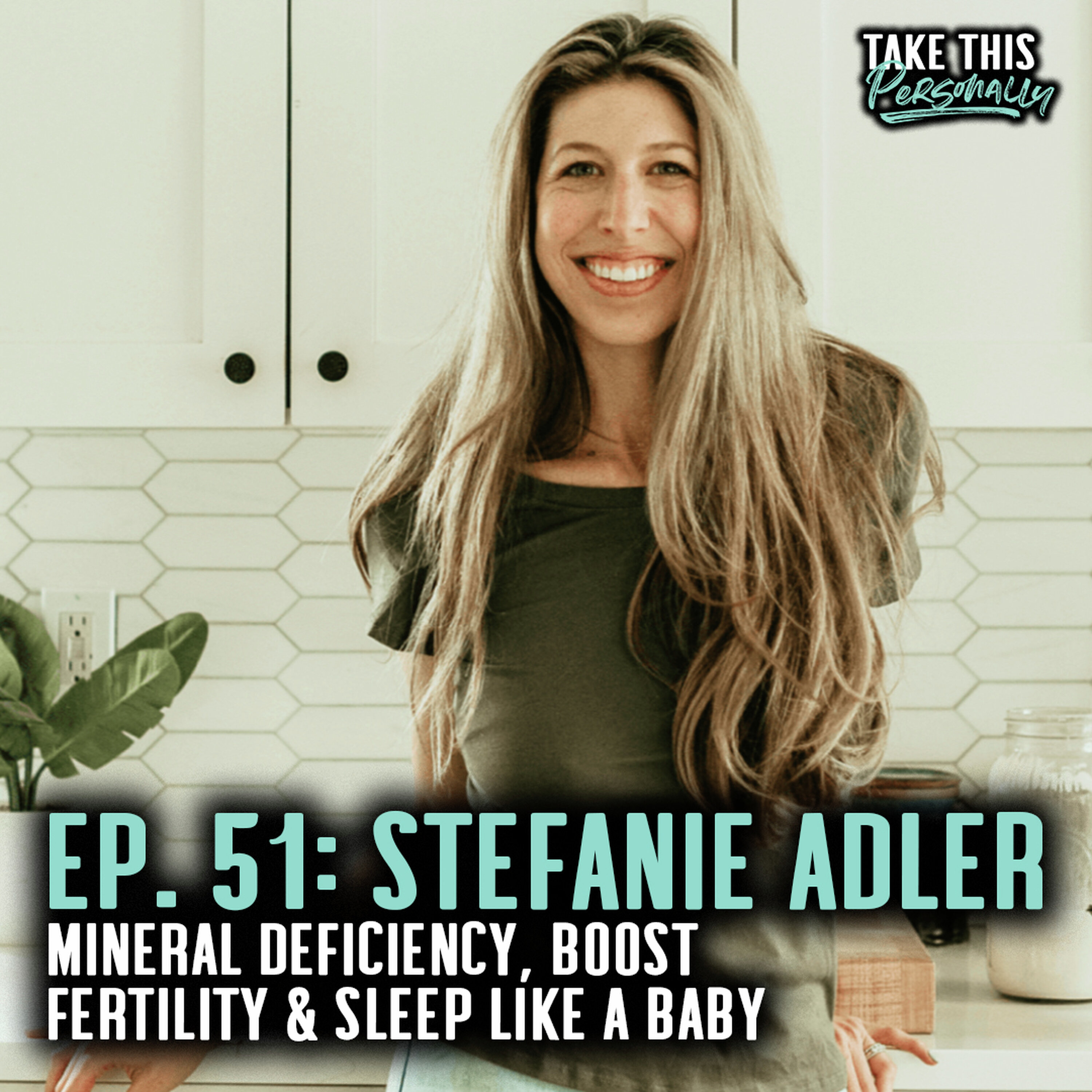
The Bobby Bones Show
MORGAN: The Truth About ‘Healthy’ — Why Everything You’ve Been Told Might Be Wrong
00:41:09
Loading summary
Transcript85 lines
- [00:00]
Morgan Gman
This is an iHeart podcast.
- [00:05]
Stephanie Adler
Gatorade Zero the number one proven electrolyte blend made with zero sugar. Designed to hydrate better than water so you can lose more sweat and push more limits. Gatorade 0 is it in you?
- [00:20]
Tony Robbins
With comprehensive reports on local schools you won't find anywhere else, homes.com is the.
- [00:25]
Morgan Gman
Only place to find the in depth info home shoppers want.
- [00:29]
Tony Robbins
Very in depth info.
- [00:31]
Morgan Gman
Curious about where a school ranks in the state?
- [00:34]
Tony Robbins
Look no further. Percentage of teachers in their first or second year? We've got it. Lowest student teacher ratio?
- [00:40]
Morgan Gman
No problem.
- [00:41]
Tony Robbins
The best cafeteria lunch in the district for your nine year old food blogger.
- [00:45]
Morgan Gman
Would it surprise you if we said yes? Homes.com we've done your homework.
- [00:50]
Tony Robbins
This message is sponsored by Greenlight. With school out, summer is the perfect time to teach our kids real world money skills they'll use forever. Greenlight is a debit card and the number one family finance and safety app used by millions of families. Helping kids learn how to save, invest and spend wisely. Parents can send their kids money and track their spending and saving while kids build money, confidence and skills in fun ways. Start your risk free Greenlight trial today@greenlight.com iheart that's greenlight.com iheart take this personally.
- [01:37]
Stephanie Adler
With Morgan Gman we are officially in season three. How I have done already 51 episodes is wild and amazing. I'm just really happy that this podcast exists. It's been a fun last few weeks with the employees and residents of Abe's Garden talking all about their life story and advice. If you love that episode or any other episode in particular, let me know As I start planning this new season. This week and next, we're getting into some health and wellness but root cause style. Stephanie Adler joins me this week. She is a hormone gut health and fertility practitioner. She helps people get to the root cause of issues and I think that's what we're all looking for these days. So let's go. I'm here right now with Stephanie Adler. She's a functional health practitioner and really focus on helping people find the root cause of so many things and we're going to get into a lot of topics. But Stephanie, I'm really happy to have you here.
- [02:35]
Morgan Gman
Thank you so much, Morgan. I'm so excited to be here with you.
- [02:38]
Stephanie Adler
Yeah, this is going to be fun. Okay. We're going to start like bottom kind of the barrel because gosh, with so much content and things to consume, we are getting constantly so many different understandings of what it means to be healthy. And to eat healthy, but in your expertise. What does that actually mean and what does it look like?
- [02:59]
Morgan Gman
Totally. And I just want to have a lot of sympathy and compassion for anyone who's about to hear what I'm about to say and be like, everything I've been doing my whole life has been wrong, because that's definitely how I felt. And so a little bit of background. I was, like, so into health and wellness and, like, thought that I was doing all the things from reading all the buzzfeed lists and all this and all the Instagram posts. And then I went to school for nutrition, but holistic nutrition. I chose not to go the way of the registered dietitian. Here's FDA's food pyramid recommendations. And it blew my mind because it was so different from what I thought was healthy. I had been, like, a pseudo vegetarian who was a pescatarian, and I was, like, up on my high horse. This is the healthiest thing. Like, butter's the devil. And now I recommend to my clients animal fats and more animal fats. It is so important for every single cell in our body that we have a really healthy cell membrane which is made up of fats. And these animal fats are the best possible kind. So when we're thinking about what is really healthy, the thing that I actually ask people to do is think back to what your great grandparents were eating. Go back to a time before the industrialization of food. Go back to the time before the food lobbies and all of these interests that are driven by money had a say over what was healthy for us. And look towards not even just our great grandparents, but indigenous cultures around the world who had so much health and so much vitality before we brought in Western food and modern food. And when we look to that, we really see what is so deeply nourishing, what makes us most fertile, what helps us have the most energy, and what is overall just, like, for better vitality.
- [04:35]
Stephanie Adler
Oh, wow. And that's. It's funny you say that, because I'm not gonna lie. I am vegetarian. I'm not vegan. I do eat eggs, and I like cheese, and I like Greek yogurt and all of that stuff. But mine's an ethical thing. I was 8 years old when I decided this. I was never like, I'm going vegetarian to be healthy. It was, I love the animals. And then it just stuck. But I'm a very unusual case because I've been doing that since I was 8 years old. My body's so accustomed to that lifestyle now, but I Was I could never do the full vegan. I could never go in that route. So I am probably on your other spectrum of people who are like, wait, what? What did you just say?
- [05:14]
Morgan Gman
And I think that it's an important distinction there. Like, again, when we look at these different indigenous cultures around the world, none of them were fully plant based, but a lot of them weren't eating very much meat or hardly any meat at all. And so we can. As long as you're eating dairy and eggs and like getting those, again, those are really important animal fats, which is what exactly I was talking about, that could totally work for your body and really thrive. I have a group program that I run and it was super funny because for a long time I was attracting all these vegetarians who were having a lot of health problem problems. And it like became like an inside joke inside the program. It was like where vegetarians come to get happy because they would start eating more animal foods. So I get where you're coming from. I used to be there and I think that can still work for people as long as they're doing it super intentionally and eating some animal products.
- [06:01]
Stephanie Adler
Yeah, for sure. I never thought going vegan was ever going to be my option. So I was like, okay, I just gotta find the right way to do this. And it was, it's transitioning and it's understanding because it's also just such a heavy battle to fight. Because to your point, what we're thinking of with our grandparents and back in the day in indigenous cultures, eating meat then wasn't this entire experience of what it is now. And so they don't have this, like, ethical battle. There was truly, like, I don't know the best way to describe it, but there wasn't what there is now with industrialized meat, which is why so many people have an ethical problem with it for sure.
- [06:39]
Morgan Gman
And I came to it a lot from that perspective as well. I won't say, like, when I was initially a vegetarian that it was wholly that, but the. For a lot of my clients, like, I do think I will say to them, like, if your option is Tyson Chicken or no chicken, we maybe should choose no chicken. The beautiful thing is there are so many amazing options. Like where we get all of our meat is a farm 15 minutes from our house. And we go, we see the animals, my son pets them, he chases the little ducks around. Like it's very much the environment that they were supposed to be living in and the best life that they had until the day their life is over. And like, we witness that transition of life. Like, we're able to see and be part of that. And for some people, that's a lot. But I really think that if we're going to be eating meat, it should. We should be able to have that relationship with our food and, like, really understand where it comes from and have a lot of respect for that animal.
- [07:33]
Stephanie Adler
Yes. Which is also why so many people love farmers markets and have those. I am a huge activist for farmer's market. I go and I spend my Saturday mornings there. And I even not eating me, I'm like, this is awesome. This is good food. I know where it's coming from and it just makes me feel really good. So all that to say, I totally understand that experience. I couldn't do it because I, in my brain of the animal lover would be like, no chance. But I'm the way with other things. So I totally see where you're coming from. Now there are a lot of people too, who feel like they're doing all the right things. Right. They feel like they're eating healthy, they're working out, they're moving their body, they're doing the things that they have been told they have to do, but they can't lose weight. Like, what is happening with your body when you feel like you're making the right steps? But maybe there's some things that we're missing.
- [08:22]
Morgan Gman
Totally. And this is a really common thing that I see in my practice. And it's like the most frustrating thing in the world. Right. I. Oh. And usually there's a couple different factors. So the first one is stress. And when I say stress, it doesn't just mean, oh, I'm stressed out about my job or my boyfriend or my finances or whatever it is. The body has sources of internal stress, and then we also have external stress. Right. So at the core of all of these different things that I'm going to say it could be, we really just need to think about the fact that if the body is in a state of stress, it does not think that losing weight is safe. Is it famine? Is there a reason why you are so stressed out that the body is. Oh, I must preserve all resources by any means possible. And a lot of times with exercise, this is something I see all the time. I tell my clients, I want you to stop exercising. Go for walks, go for a nice bike ride with a friend at the beach, whatever. Like, don't be bedridden, but stop doing especially intense workouts. But typically any sort of, like, real exercise. And that, plus there's some of these nutritional changes is when we start to see the weight fly off. And it is so counterintuitive to what everyone has always been taught. But when we're thinking about specifically female bodies, we need to understand that they're super primal and everything we do is based around reproduction. And the body, when it feels stressed, will see exercise as additional stress and thinks that it has to hold on to protect us for any means possible, especially if we were to get pregnant, which is probably also not prioritizing hormones and reproduction if you're that stressed out. But a lot of times it's that extra exercise that tips the scale into too stress to lose weight. Historically, if we think back again to like our ancestors, this is probably more than our great grandparents go a few more generations back. If you were running, what did that mean?
- [10:18]
Stephanie Adler
You were like in survival mode.
- [10:20]
Morgan Gman
Yeah, you were in danger. So like maybe you feel a little bit of an adrenaline high after going for a run, but your body is in a state of a lot of active stress while you're doing that. It thinks you are running from a tiger. It thinks you are running for your life. Similarly, like those experiences of like heavy intensity, our body views it as stress. And so that's the first thing is like a lot of times people are just putting too much stress on an already stressed out body in a stressed out world.
- [10:46]
Stephanie Adler
Okay, and before I want you to go on to these other points, but I would love to know because nobody's ever, everybody always says are you stressed? And nobody's ever detailed it in that way to be like, no, this is actually what that means like how if you're obviously you have external factors and you know how to handle that stress and try and maneuver it. But when your body is stressed, how do you get your body out of stressed state?
- [11:10]
Morgan Gman
Yeah, so it's a great question. It's really the million dollar question. And there's a few different things that I'll typically recommend for people. The first one, it sounds woo, but talking to your body and tell body that you're safe is important. And a big one like truly just taking three deep breaths which can shift you from a sympathetic active stress state to a parasympathetic relaxed state. Three deep breaths and saying to your body, you are safe, you are loved, bring it down. And doing that a few times a day is like one way to really just on a cellular level tell your body, okay, it's okay to calm down and like we don't have to be hyper alert and just slowing down. The second one is figuring out hidden blocks to wellness. And so some of these things might be toxins that we've come into contact with either in our homes or on our bodies or in the greater world, and doing practices that help us detox regularly and support our drainage pathways so our body isn't fighting that intense toxic load all the time, which puts a lot of stress on our bodies. So that's, like, an easy thing that people can start doing at home and paying more attention to. And then another one is figuring out other potential stressors in the body. And this one is a little bit less DIY and would be like, engaging the help of a practitioner where we're looking for things like potentially gut infections or an imbalance of good and bad bacteria in the gut, which are influencing everything from our brains to our metabolism to our immune system. We're potentially looking for things like heavy metals, et cetera. So at minimum, some deep breaths telling yourself that you're safe, and then at maximum, maybe diving a little bit deeper and seeing, okay, like, why is my individual body so stressed if the rest of my life is cool?
- [12:50]
Stephanie Adler
Yes.
- [12:50]
Morgan Gman
Okay.
- [12:51]
Stephanie Adler
I'm glad you detailed that some more, because I do feel like there's a lot of people out there especially. I'm also someone who does hit workouts, and I do feel stressed from that, but. And I've had my fluctuations where I'm like, okay, I'm only gonna do yoga for a while. Let's just calm my body down. And it's moments you go through the roller coaster of life. But I'm so glad you detailed that, because I do think a lot of people probably have internal stress happening, and they just have no idea what's happening and why. Sorry, I made us go on a detour.
- [13:18]
Morgan Gman
Oh, and there's just one. Actually, one other thing I want to add to that, because, look, we could also go. This could be an entire podcast episode of all the stressors. But sometimes also, I find, like, I'll have. There's, like, different archetypes of people that I see. And so there's also oftentimes. And so if someone's listening to this who feels like they're stressed out by, like, everyday things that really shouldn't be that stressful. I'm just, like, the person who's like. Like, if I have one more thing, it's just, like, a lot of times that will also be mineral imbalances. And sometimes people who are taking, like, prenatals or multivitamins or those, like, generic. Let's throw a Lot of things in here at once I find are some of the worst with that because it's causing what we call either calcium gel or copper toxicity or some of these mineral profiles. So if you're someone who you're just like, I really feel like I shouldn't be as stressed as I am. Like when I really look at my life, that's actually something to really start to pay attention to.
- [14:10]
Tony Robbins
Time for a sofa upgrade. Visit washablesofas.com and discover Annabe where designer style meets budget friendly prices. With sofas starting at $699, Annabe brings you the ultimate in furniture innovation with a modular design that allows you to rearrange your space effortlessly. Perfect for both small and large spaces, Anabe is the only machine washable sofa inside and out. Say goodbye to stains and messes with liquid and stain resistant fabrics that make cleaning easy. Liquid simply slides right off. Designed for custom comfort, our high resilience foam lets you choose between a sink in feel or a supportive memory foam blend. Plus our pet friendly stain resistant fabrics ensure your sofa stays beautiful for years. Don't compromise quality for price. Visit washablesofas.com to upgrade your living space today with no risk returns and a 30 day money back guarantee. Get up to 60% off plus free shipping and free returns. Shop now@washablesofas.com Offers are subject to change and certain restrictions may apply.
- [15:10]
Annabe
Gatorade is the number one proven electrolyte blend designed to hydrate better than water so you can lose more sweat and raise your game. Gatorade is it in you? Hey everybody, it's Tony Robbins. The external world, you can't control. We're in a time that feels overwhelming for many people and it's going to more challenging times ahead. But you can develop a resiliency and a strength in you. So this can be the best time of your life. Listen, you really need to get yourself a coach. You need a professional who's already got results. We want to be better as people want to become more, do more, share more, create more, give more. I'm so passionate about coaching because for Time Memorial, that's how the job got done. Where there was lasting change, where there's someone there consistently with you that understands you, knows what you're missing, knows what you want, knows what the challenges are, know what gets in the way, you see results immediately.
- [16:03]
Morgan Gman
Everybody's overall level has gone up.
- [16:06]
Stephanie Adler
You don't work on the symptoms, you.
- [16:07]
Morgan Gman
Work on the issues and it solves the problem.
- [16:11]
Annabe
So here's what I Want to offer you. If you'd like to test out one of my top coaches, we will give you a 30 minute free coaching session.
- [16:17]
Tony Robbins
Go to tonyrobbins.com to get started today. That's tonyrobbins.com.
- [16:24]
Stephanie Adler
Okay, and what exactly is mineral imbalance? Because I did have this to talk about anyway. We're just going into a different way, which is perfect. But what is that? Because I've never heard of that before.
- [16:35]
Morgan Gman
Yeah. And a lot of women have it and it's such a shame to me because it is, in my opinion, the number one hack to thriving in the modern world as a woman. Seriously. So just like any nutrients, like we all have maybe a basic understanding of we need our B vitamins so our hair grows long and we need C so we don't get scurvy. Like, we have their like essential nutrients that we should all be getting all the time. And unfortunately, our modern food system is very deficient in these nutrients. Hence why a lot of people take a lot of supplements. But the problem is when you start taking supplements blindly, right? Like without really an understanding of what your baseline is, we can start to create imbalances in the body. Now, every mineral, really every vitamin, for the sake of this converse and too, but for the sake of this conversation, we're mostly going to be focused on minerals. And every mineral has a CO factor. They almost have a best friend that's another mineral. And their ability to do what they're supposed to do in the body is dependent on this other mineral's ability to do what it's supposed to do in the body. So for example, if you have too much copper, you therefore probably aren't going to have enough zinc. They balance each other, same with vitamin A and calcium or vitamin D and calcium. This is why I see a lot of times people who are taking vitamin D supplements, it really messes up their mineral balance because they're not doing it with the other CO factors. And so it's a little bit like a dance. And when these minerals are in balance and we have them in the appropriate amounts, we feel calm. Our metabolism works really well. Our adrenals, which are our stress system, is like able to show up when we need it to and calm down when we need it to, which is super important. Our fertility is much more vital. Our ability to come back to life postpartum and really feel like we have capacity and patience and all of the qualities we want to be in a mom. All of this is really dependent in what we're seeing in the Minerals. And most of the time people are just not eating mineral rich foods and or taking supplements that are making them out of whack. Wow.
- [18:34]
Stephanie Adler
I had no idea. How do you find out that you do have a mineral imbalance? Because if I had to guess, the typical blood panel that you do at a doctor's office is not going to tell you those things.
- [18:44]
Morgan Gman
No. And that unfortunately it's not because it would be great if it did, but what the blood is, it's the highway system. So if you go to the doctor and you say, hey, can you test my zinc and my magnesium? Sure. And now if you're like really deficient or really high in something like super, super intense, end to the extremes, it might show up in the blood, but a lot of times it'll be dependent on what you ate for dinner last night and what like it's the highway system, it, how, it's how it travels. So the testing that I do inside my practice is a hair mineral test. So what we do is we take a sample of hair, you can do it at home, and you just take a little sample of hair from the nape of your neck almost and you send it into a lab and they analyze it. And what we're able to see is by excretion. So how much your body is letting out of tissue minerals as opposed to blood minerals. Now I know that sounds a little, I'm getting into the like scientific elements of it. But bear with me for just a second. Why this is so valuable is because not only are we able to see approximately a three month snapshot compared to approximately a 36 hour snapshot. Right. So I'm able to see over the course of the past three months what your nutrient status looks like. But I'm also able to see how your body is dealing with stress because we're able to see how much you're pushing out, how much you're utilizing. So much. So like a lot of times I'll see people who come to me and they're like, yeah, my doctor says I'm anemic because on their blood work they don't have enough iron in their blood. But I'll look. And in their minerals they have so in their tissue, they have so much iron in the tissue, which then is telling me it's actually not that you're low in iron, you're just not able to move it and utilize it properly. So it's so much more of an actionable data in terms of what we're getting.
- [20:25]
Stephanie Adler
Wow, this is so interesting. Okay, I Get. I feel like we could keep. I know. I feel like we could keep going down that path, but I'm like, I have so many other things to talk to you about, too, so make sure you go check out Stephanie's stuff if you're, like, really even more curious to go down that path. But I also wanted to talk about I. Because I saw you do an episode of your podcast about this, the Candida infection, and how it could be the cause behind, like, brain fog and sugar cravings and yeast infections. What is this? Like, there's just so many things I found. I'm like, I've never even heard of this before. What's going on?
- [21:02]
Morgan Gman
Yeah, totally. Candida. Oh, gosh. I have a client. She's. I just thought of her because she's been calling her Candida Overgrowth Candace. And, like, she and her husband, like, blame everything on Candace. They're like, oh, Candace. Like, why are you doing this to us? I just want to call it Candace.
- [21:19]
Stephanie Adler
We can call her Candace. I like.
- [21:20]
Morgan Gman
So you have Candace company now, but basically, Candida is a yeast. And now Candida, like, everyone has Candida. It is abundant on our skin. Like, it is, like, it's normal to have some levels of Candida. But what happens in our modern world, even more so, because. And I'm not going to get into this so much, but, like, we just. A crazy thing to think about is we are not only inherited, like, genetics from our parents and from our grandparents, we're inheriting their microbiome. We inherit the makeup of their gut. We start swallowing amniotic fluid when we're in the womb and absorbing our mom's microbiome. And then if we're birthed vaginally, we get exposure there of your birth via C section. You're getting whatever's on those people's hands. So anyways, we're, like, seeing more and more over time as people have had more and more antibiotics. It kills off a section of the gut, and the gut works as a big ecosystem. Okay. And when that ecosystem is in balance, everything has its place. So you have some candida there, but it's kept in check by all these other good microbes that are balancing it out. So what happens is, over time, either in our own bodies are inherited, we're taking more and more antibiotics, we're eating more food that has pesticides on it, which is intended to kill small microorganisms, which is basically what our entire microbiome is. And so we're slowly having a more and more depleted and out of balance ecosystem in the gut, which then you bring in things like sugar and really like refined grain products that feed those opportunistic yeast like Candida, and you end up with this imbalance. And when you have this imbalance. So Candida is one yeast that is well known and researched and we can test for. And so that's why I focus on her. But it could be other yeast that are not Candida, too. Yeast have a mind of their own, and they have their own priorities. And so they will literally take over our system and make you crave sugar, make you crave things that make you have brain fog or fatigue so that you want more sugar, crave the things that are going to feed them. So Candida is not a fun thing to have in overgrowth, but it's all about how do we find the balance. Right. It's not bad in and of itself. It's how it relates to everything else in the body. Okay.
- [23:31]
Stephanie Adler
And before, because you did talk about the womb, and I want to get into the mother conversation, but I'm thinking of all of these things that you can potentially have, right? And I'm sure you felt it when you were studying this. You're like, this is overwhelming. There's so many things. Do I have all of it? What's going on with my body? When somebody comes into you, what are some things they should be evaluating about themselves and their lifestyle to even head down one of these paths, to be like, this is a possibility. Like, what is happening when somebody new comes to you and they're getting diagnosed, for lack of a better term, or they're understanding their root causes? Is it an onion you're peeling back? What does the process look like?
- [24:09]
Morgan Gman
Yeah. To answer the first part of the question before I answer the second part, the only requirement is to have an open mindset and to want to play the game of show me how good this can get. If you were going to play the game of show me how good I can feel in my body, show me how good I could feel in my life and how that's going to transform my relationships, my work, my partnership, whatever it is, that's the only thing, because the rest we can always figure out. And I think it can feel overwhelming when you're hearing it in some of these capacities. But at the end of the day, it's all one thing. Whether it's a gut imbalance, whether it's a mineral imbalance. We've been taught to think about the body as completely separate symptoms. If you go to your general practitioner and say, hey, I have brain fog and my period really hurts and I feel loaded all the time after meals. They're going to send you to a neurologist and to a gastroenterologist and to a. And what was the other thing I said? Endocrinologist. And they're going to all try and fix you separately by giving you a band aid solution. Everything in the body is connected, so the mineral imbalances are related to the gut imbalances. And so we're really healing them with one way. And so what I'm doing is actually, I don't diagnose anything. And what I do is actually radically different than a doctor in the sense that while I'm uncovering root causes, we're not actually treating any one thing. We're giving your body the proper tools, environment, and ingredients that it needs to heal itself, to come back, to balance itself, so that you can become your own self healer. And that is, I think, what is the most empowering thing in today's day and age, where we, like, so often look to authority for everything else. It's like, no, you are the expert of your body, and I'm just helping you uncover roadblocks that have gotten in the way.
- [25:51]
Stephanie Adler
See, and I wanted you to describe it in your way because it is. It's hard sometimes for us to understand because we have been taught this very basic understanding of you go to a doctor, you get a diagnosis, you band aid it, or to your point, you go to all these different varieties of doctors. But there's so much more to our body and understanding our body, of how it all works together. And that's why I wanted you to share a little piece of that in case nobody's heard about it. I want to get into the mom side of this because you became a mom in 2023, which had, I imagine, a big impact on your life. But I want to know. Something you say is that you have a positive postpartum experience, when very often we hear about a lot of postpartum moms that don't. So what are you doing differently that maybe we can give out to the moms out there to have them help?
- [26:41]
Morgan Gman
Yeah. And I could almost cry talking about this because it's something I feel so, so deeply passionate about. I used to go to these, like, new mom. I joined a new moms group in my community for 12 weeks. We, like, sat together and shared things and whatever, and we would go around the room and share how things were going. And it was just like, it hurt so much to hear these women talking about just how much they were struggling. I almost felt like a little uncomfortable being like, I'm doing awesome, because I was like, okay, that was not what we had just been hearing. But it's also important to point that as like a beacon of light, a lighthouse, that this is possible. And so what was I doing? The first thing I was doing is I was doing what was biologically appropriate and normal for me and my baby. And I could teach you all the right nutrition things. I could teach you all of the things to do for mineral balancing and for postpartum, like healing of the tissues, all that stuff. And I will. But the biggest thing that I was doing is going back again to what my great great grandparents were doing of what is normal for me and my baby and my midwife. So I actually gave birth to my son at home. And that was something I knew that I wanted to do since I was like a kid. Like, I went to visit a woman who had a baby in our community with my mom, and when we left, I said, I think I'm gonna have my babies at home. And she laughed at me and was like, yeah, right, you're gonna want the epidural. And I was like, I don't know, I just think I want my babies at home. So my midwife was telling me this story about how she went over her clients houses once and they had the baby in one of those electric rockers. The snoo is what it's called the bassinet. It's $3,000 to rock your baby. And so her client, who had had a baby a few weeks prior, was like, so sad, so depressed. And she said, I don't know what's wrong. He sleeps all day in this thing. He's great, he's easy, but I'm just like, over here and I'm an absolute mess. And my midwife went and she picked the baby up out of the snoo and she put the baby in her client's arms and she said, stop using this thing. Hold your baby for the next two weeks and call me and let me know how you're doing. Gone. Postpartum depression, gone. We are supposed to be close to our babies and holding them constantly. If you're breastfeeding as much as possible, like sleeping with them, being with them. And when we are apart from our babies, even for short periods of time, our body gets anxious and our body gets depressed because that's not what's supposed to to be normal for us. And so that was like one of the things that I really prioritized was we kept the first 40 days, I stayed like in my little cocoon with my baby. My husband was super supportive and I was touching him constantly. And I think that makes a really big difference. So that's the first thing. And then the other one is minerals. I know we talked about that already, but to paint the picture for moms even more, there is a massive mineral transfer that happens during pregnancy. So you have spent, if this is your first baby your entire life, storing like a little squirrel, storing acorns away, storing away these minerals for the big event of getting pregnant and passing those minerals on to your baby. And if we are not deeply replenishing when that mineral transfer happens at birth or before birth, during pregnancy. And then at birth we put out so many resources, right? There's so much adrenaline and so much adrenal output that happens. And then postpartum, you're not sleeping as much. If you're breastfeeding, your body is creating more nutrition for the baby, you will end up so depleted. And that depletion can translate into anything from anxiety, brain fog, insecurities around, am I doing the right thing? It can translate to not feeling like you. Your body comes back to the way it should, whether that's with weight or like actual healing of tissue, all of which impact our mental and physical and emotional health. So really focusing on nutrient dense foods. And a lot of people nowadays, they just order takeout and it's like the absolute worst thing that they could be doing. And I get why they do it, it's hard. But if you really intentionally plan for how to have really nourishing meals, really mineral rich drinks, and how to really support your body, it will totally change your postpartum experience.
- [30:43]
Stephanie Adler
Wow, those are really important things to have and things that I don't think we ever think about because we're so focused on just, just you get pregnant and you're so excited and then you're not really focused on what's to come after. We are never focused as human beings. Like we get to the really exciting moment and then after we're like, okay, whatever happens, happens. So these are huge tools to have that I'm so glad you mentioned. So thank you for those.
- [31:08]
Morgan Gman
Now last thing, like it's never too late. If you didn't prioritize that during pregnancy or in early postpartum, you're a year and a half, two years postpartum and you feel like you're are tanked, it's never too late to get started on these things.
- [31:22]
Stephanie Adler
Oh, I'm glad you said that because there will be, I'm sure, moms out there who are feeling similar to what you're talking about and to know that they can start doing this even a little bit will be a big change.
- [31:33]
Tony Robbins
Time for a sofa upgrade. Visit washablesofas.com and discover Annabe where designer style meets budget friendly prices. With sofas starting at $699, Annabe brings you the ultimate in furniture innovation with a modular design that allows you to rearrange your space effortlessly. Perfect for both small and large spaces, Anibe is the only machine washable sofa inside and out. Say goodbye to stains and messes with liquid and stain resistant fabrics that make cleaning easy. Liquid simply slides right off. Designed for custom comfort, our high resilience foam lets you choose between a sink in feel or a supportive memory foam blend. Plus our pet friendly stain resistant fabrics ensure your sofa stays beautiful for years. Don't compromise quality. For price. Visit washablesofas.com to upgrade your living space today with no risk returns and a 30 day money back guarantee. Get up to 60% off plus free shipping and free returns. Shop now at washablesofas.com Offers are subject to change and certain restrictions may apply.
- [32:33]
Annabe
Gatorade is the number one proven electrolyte blend designed to hydrate better than water so you can lose more sweat and raise your game. Gatorade is it in you.
- [32:48]
Stephanie Adler
It's so easy for a year to go by and you're in the same place because there's so much going on in the world today.
- [32:54]
Annabe
Hey everybody, it's Tony Robbins. So the real question is how do you really get yourself to be in a place where you truly follow through, where you actually get get the results that you really want. Listen, you really need to get yourself a coach. You need a professional who's already got results. You need something outside you. Someone that's like what a coach does.
- [33:15]
Morgan Gman
The most successful people in the world have coaches. If I want to play in that league, I have to model what the successful people do. Period. Our company ended on a 69% revenue growth which is ridiculous because we're talking about millions of dollars.
- [33:28]
Stephanie Adler
Tony Robbins results coach will get get you to where you want to be in health, finances, career and beyond.
- [33:35]
Annabe
If you'd like to test out one of my top coaches, we will give you a 30 minute free coaching session.
- [33:40]
Tony Robbins
Go to tonyrobbins.com to get started today.
- [33:43]
Morgan Gman
That's tonyrobbins.com also on this other side.
- [33:47]
Stephanie Adler
I know we talk postpartum, but on the flip side of having a baby in the postpartum is the biological clock that we hear about and fertility declining as you get older. What's your experience with those two things? Because it's such a big topic, especially for someone like me who's entered her 30s. And gosh, if I have to hear somebody tell me one more time, when are you gonna have kids like you're getting older, I'm probably gonna punch somebody in the face.
- [34:14]
Morgan Gman
Yes, I have a lot of thoughts on this. I'll narrow them down into two really important ones that I think will also really hopefully reassure you as well on a personal level. The first one is, so, yes, people are waiting longer to have kids. Like, the average age of a woman having babies in the western world is going up significantly. However, is that a reason for the declining fertility rate and for people struggling to get pregnant? I don't think it's actually as big of a reason as most doctors in the modern, even media just makes it out to be. And this is why, because historically, even going back 30 years, like not that long, women were starting to have babies earlier, but they also had a lot more kids, including into their late 30s and early 40s. Yes, like to some extent we do see fertility change as we get older, but it shouldn't, it doesn't explain the declining fertility rates in the way that we are seeing them manifest. So it's actually something else happening. And here's my hypothesis that is rooted in some research, but it's hopefully something that we're going to be doing a lot more research in the coming years because I think it's such a big reason. So again, we talked about our modern world being a pretty toxic relatively place to how it's been in years past. Now the body does another weird thing when it's. We talked about that mineral transfer. The body also uses pregnancy as an opportunity to detox things that it can't typically detox very well. So what we'll see is if a 21 year old, for example, gets pregnant, she's had approximately 21 years of accumulating toxins in her body, so she can go on get pregnant easier because she doesn't have all these toxins interfering with her reproductive system. And she's less likely to have a miscarriage because again, one of the things the body will do is it will pass those toxins onto the baby. And if those toxins are enough to kill the fetus, it will. And if it's not, then it's it's probably just going to turn into things like allergies, eczema, asthma, et cetera, when her baby's born. But if we have a 35 year old who's getting pregnant for the first time, that's an additional 14 years. That's, that's more than 50% more time of accumulating toxins. And so what we're actually seeing is not necessarily a crisis of age, but more a crisis of environment and the way that's influencing fertility. So on the positive side of that is there is so much we can do to reduce our toxic exposure and also detox our bodies. I love nothing more than when women come to me and they're like, I want to get pregnant in a year, let's prep for it now. That is like the move because you are able to not only set yourself up for an easier time conceiving when you are ready, but also a healthier pregnancy, a healthier baby, etc. So if you're listening to this and you're on the preconception side, or if you've been struggling with fertility, my questions to you are really to get curious about what you're not seeing. Because really, no, like fertility is actually unexplained. It's just, do we, do the people who are helping you have the right tools and tests to help you figure out what is causing it?
- [37:29]
Stephanie Adler
Oh, I really hope this can help some people out there who have been struggling with that because that is such a, a common thing, especially these days where you just hear people that it's taking people longer and longer to have children. And I totally see even someone who isn't even in the realm of having kids yet. But I've started changing over my household to healthier things and utilizing glassware and stainless steel. And just because it was for me, right, this was like, I transition now and then it means things happening later to hopefully be easier. And I know that's difficult to do though, because we've been so accustomed to this world of cheap things and plastics, the overarching everything that's so environmentally difficult for us. But I do hope some people hear that and have some hope that there's still a possibility if they can make some necessary changes.
- [38:22]
Morgan Gman
Totally. If you're listening to this and you have been feeling frustrated or even hopeless, my statistics are better than the fertility clinics for my, for helping my clients get pregnant. And so many clients have come and been like, my doctor said, I'll never get pregnant without ivf. Or they've gone and done Four or five rounds of IVF with no success and then they get pregnant naturally three months later. Beautiful healthy baby Pregnancy like it is a hundred percent. If only doing the conventional things is what you've been doing. There is always something else to explore. And the other thing too is a lot like this is somewhat related but is the egg quality conversation is we get older. Like people talk about egg quality quite a bit. But just in the same way that like you could be 70 and have two SE. You could have two 70 year olds sitting next to each other. One who didn't smoke cigarettes and who took care of her skin and was like treating her body well and then one who wasn't. And one woman looks 80 and one woman looks 50. Right. Like our we can have a different way of aging and so your fertility can have an age that is different than you. So there are so many things you can do with antioxidants and like putting taking away oxidative stress in the body and adding in more pro like resveratrol for example is an amazing antioxidant that we see improve egg quality directly because of the way that it reverses aging. So there's so much that you can do and just like really encouraging people to dive a little deeper.
- [39:49]
Stephanie Adler
Yes. Which is so much of what I feel functional health is. And when you talk root causes is it's to your point, genuinely being open minded and willing to try a new path that is probably not one that you've heard a lot about or one that you've been deterred from taking. And so I really do appreciate that side of things. I hope it gives some hope out there just to try something new. I know trying new things is hard and doing things that are so vastly different is also hard, but it's helpful and you're a testament to that in so many ways, not just for you, but also with. With clients you've worked with. I also want to know, speaking of this realm of things because hormones also often get looped into this page. Are there any habits that we're doing that are often influencing our hormones or like our hormone behavior or the balance and what's happening in there that we don't realize are are impacting that? Because I have a feeling based on a lot of things you've told me.
- [40:46]
Morgan Gman
There are definitely some people probably have heard a lot about the circadian rhythm. So this is one that I think is so understated. Like people just don't realize how much it impacts our hormones. When I start talking about big hormonal impacts in the 20th century that came on, it was birth control in modern lights, like, seriously, like, light bulbs are like the biggest thing.
- [41:11]
Stephanie Adler
Yeah. As I'm sitting here in front of.
- [41:13]
Morgan Gman
Very bright lights, like we're all doing it and it's one of those things where there's like a couple little easy, easy things that you can do that really go a long way. The first one is getting light early in the morning, like real natural sunlight. Going and opening your window and sticking your head out the window for two or three minutes or going and sitting and having your cup of tea or cup of coffee on your front porch. Or like prioritizing getting the dog out earlier, getting sunshine, which is that blue light, but specifically from the sun on our eyeballs starts to set up our circadian rhythm for the day, which is so connected to our hormone system. So really easy thing that you can do. So if you're someone who just like stays inside for the first couple hours of the day, day, no one's thinking about that. But that is really potentially impacting your hormones. This is another actual just like little thing that I learned recently at a conference. This woman was describing it in such a beautiful way. Thinking again back to like ancestral times. If we were inside, we were hiding. So even though you think that it's like cozy and nice and whatever in your house, like, our bodies thrive on being outside. And so just like the cortisol, the stress, stress hormone impacts all of our other hormones. So spending more time outside in general throughout the day as much as you can, is awesome. So if it's easy enough to like take your tea and drink it outside instead of inside, do it.
- [42:27]
Stephanie Adler
And that's also why I feel like we, when I go and spend outside time outside in the sunshine, I come back and I'm just a happy person. Like your body feels that way when you're outside and connected with nature 100.
- [42:41]
Morgan Gman
It is so important. And yeah, and we're getting like you're breathing it. Like your outdoor air is much cleaner than your indoor air and there's just so much. And then on the circadian rhythm side in the evenings, blue light in the evening. And like we all think of like blue light from our computers. Like, I feel like that's not like a new thing. People are like, oh, yeah, I know I shouldn't be like on my device at night. But it's more than that. It's like your light bulbs. And so switching your light bulbs out to the Edison style bulbs, which was like the original light bulb where it's more yellow and light and less of the ledger and white makes a huge difference. They also have all of these, like, smart light bulbs now that, like, you can switch them to be red in the evening, like just on your phone, which is cool because the red light is amazing. Or you can just be super dorky like me. And I have these, like actual blue light blocking glasses, but they're not the clear ones that are cool. Mine are like orange. They look, they're. I look like I'm just like, wearing these, like, dorky orange glasses. My husband makes so much fun of me and I'm like, I don't care. My hormones are better for it and I sleep so much better. I noticed that there was a couple days last week where my son had misplaced them and I couldn't find them. And I did not sleep nearly as well. So the biggest habit, I would say, is like, you're alighting and there's a couple really easy fixes. And then you don't worry about it. If you're at someone else's house having a good time at night, like, who cares? You're enjoying your Life. But if 80% of the time just normal days in and days out, you're getting sunshine in the morning and red light at night, it'll be really helpful. Helpful.
- [44:08]
Stephanie Adler
And you can also be like me because she did say make the lights not be led. And I put little Christmas lights on one of my trees and it's the warm lighting. And that's all I ever have on at night. It makes it cozy. That's all I leave on. And it's always like, perfect. And I do feel like I sleep better when I utilize that.
- [44:25]
Morgan Gman
That's amazing. I'm so happy to do that. And also like candle lighting. I actually have a friend who has three kids and she did this experiment where once it became dark outside, especially in the winter when it was earlier, they only used candles at night. Night, which is like a commitment to just set that up. She said they noticed that their kids weren't hyper at night anymore. That, like, they enjoyed dinner so much more. Everything was so much calmer. And it's that same idea. So get your vibes on and be cozy with it for sure.
- [44:52]
Stephanie Adler
See, this is perfect. You can go red light, you can go glasses, you can go Christmas lights, candles. It can still be fun even though you're helping and changing your body. Okay, Stephanie, I feel like I could talk to you all day about all of these things and your knowledge. I love to end on Whether it be just a very big piece of advice, maybe something we didn't touch on or something motivational you want to leave us on. But I like to end our episodes on something fun and informational, motivational, inspirational, whatever you want.
- [45:21]
Morgan Gman
Oh my God, this is so fun and it's so open ended that I'm like, where can I go? Let's see. I think what I want to share is that you like every person listening to this. Yes, your body is super unique, but it is not rocket science to get it to function optimally. And so often I think that we've been just like fed this story that things are normal. Painful periods, not having energy, acne, whatever the things are, right, the things that make us not feel perfect in our bodies when we need to recognize that common is not normal just because it's common, it's not normal. And you don't have to settle for common. Like you don't have to be common, you get to be special. And so like really, if you are stuck in feeling like, oh, I have all of these common things and I know they're not normal, follow that calling because so much awaits for you on the other side.
- [46:22]
Stephanie Adler
Oh, see this is a perfect thing to end on as in an inspirational, motivational and informative. This is important. Thank you Stephanie for being here. I really appreciate it.
- [46:32]
Morgan Gman
Thanks for having me, Morgan. This was super fun.
- [46:34]
Stephanie Adler
If you love this episode and want to connect with Stephanie, you can go to at Stephanie Adler Wellness with an F in Stephanie on instagram or stephanyadler.com Again with that F in Stephanie. Thanks for being here. I'm always happy to share fun new people with you guys and expose us all to some good life lessons and information. So I will talk with you guys next week. Love you.
- [46:56]
Morgan Gman
Bye.
- [46:57]
Stephanie Adler
Gatorade Zero the number one proven electrolyte blend made with zero sugar, designed to hydrate better than water so you can lose more sweat and push more limits. Gatorade Zero is it in you?
- [47:12]
Tony Robbins
Every business has an ambition. PayPal Open is the platform designed to help you grow into yours with business loans so you can expand and access to hundreds of millions of PayPal customers worldwide. And your customers can pay all the ways they want with PayPal, Venmo, pay later and all major cards so you can focus on scaling up when it's time to get growing. There's one platform for all business PayPal open grow today at paypalopen.com loans subject to approval in available locations.
- [47:42]
Morgan Gman
Hey, it's me, your heart.
- [47:44]
Tony Robbins
Mind if I pick the next song.
- [47:46]
Morgan Gman
Listen, even though we're eating better, people who've had one heart attack are at higher risk of another. But Repatha Evolocumab plus a statin lowers LDL C, our bad cholesterol and our heart attack risk. So let's talk to our doctor about Repatha.
- [48:00]
Tony Robbins
Do not take Repatha if you're allergic to it. Serious allergic reactions can occur. Get medical help right away if you have trouble breathing or swallowing swelling of the face, lips, tongue, throat or arms. Common side effects include runny nose, sore throat, common cold symptoms flu or flu like symptoms back pain, high blood sugar and redness pain or bruising at the injection site. View the important safety information in our banner. Listen to your heart Ask your doctor about Repatha.
- [48:27]
Morgan Gman
This is an I Heart podcast.