← The Bobby Bones Show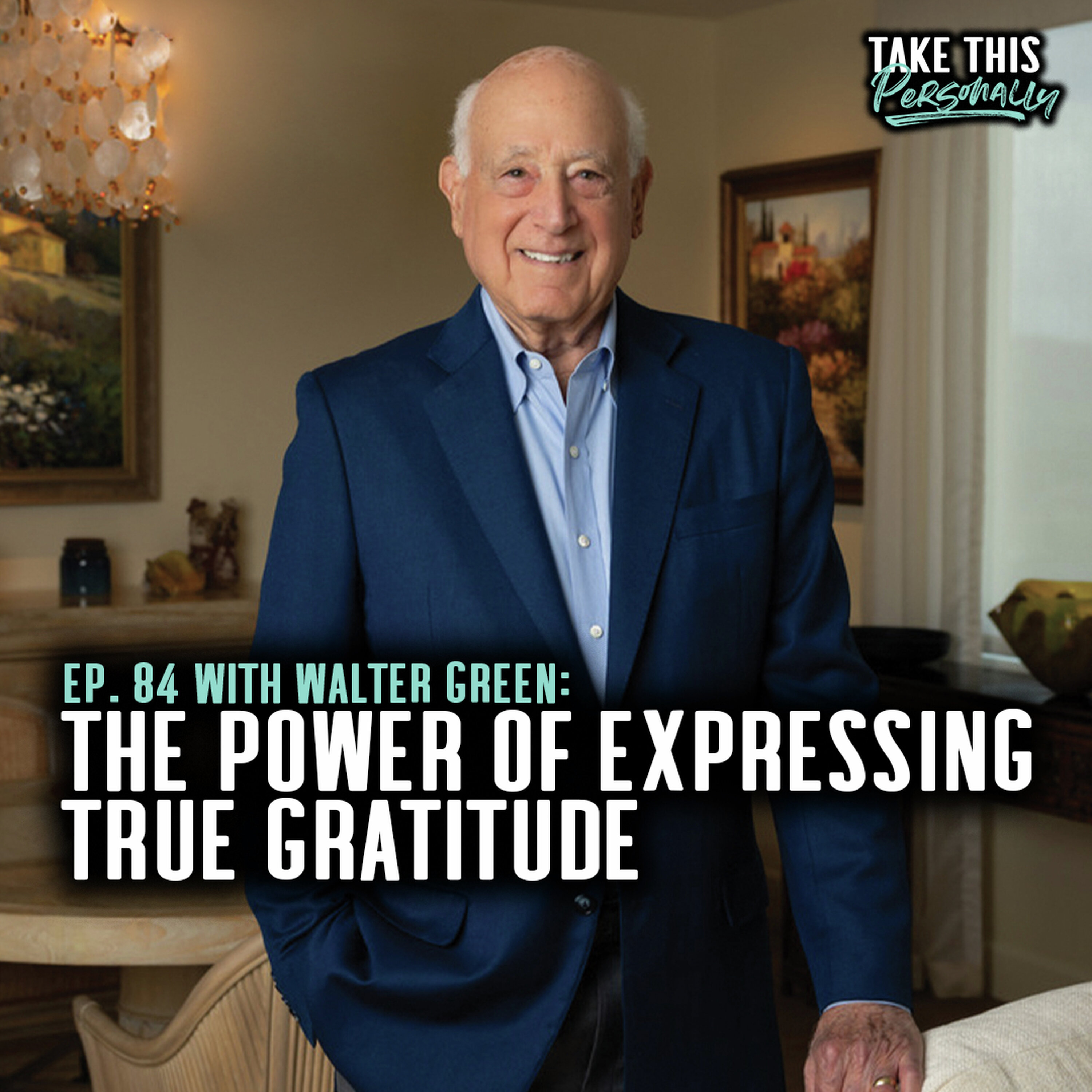
The Bobby Bones Show
TAKE THIS PERSONALLY: The 10-Minute Hack That Could Change Your Life Forever
00:40:34
Loading summary
Transcript100 lines
- [00:00]
Commercial Announcer
This is an iHeart podcast.
- [00:02]
Walter Green
Guaranteed Human Ryan Reynolds here from Mint Mobile. I don't know if you knew this, but anyone can get the same Premium Wireless for $15 a month plan that I've been enjoying. It's not just for celebrities. So do like I did and have one of your assistant's assistants switch you to Mint Mobile today. I'm told it's super easy to do@mintmobile.com
- [00:22]
Morgan Kman
Switch upfront payment of $45 for 3 month plan equivalent to $15 per month Required intro rate first 3 months only, then full price plan. Opt feeful terms@mintmobile.com thy ticket lady jennifer of Coolidge.
- [00:38]
Commercial Announcer
Well many thanks good sir. Here is my Discover card. They accept Discover at Renaissance fairs? Yeah they do here. Discover is accepted at the places I love to shop. Geth with the times. With the times. You're playing the loot. Yeah, and it sounds pretty good right?
- [00:58]
Sponsor Voice
Discover is accepted at 99% of places
- [01:00]
Walter Green
that take credit cards nationwide based on the February 2025 Nielsen report.
- [01:05]
Commercial Announcer
They say if you want to go fast, go alone, but if you want to go far, go together. At Amica Insurance we know what matters most to you and we work even harder to protect it. Together as a mutual insurance company, we're built for our customers and prioritize your needs. Amica Empathy is our best policy. Visit amica.and get a quote today.
- [01:35]
Sponsor Voice
Support for the show comes from Public, the investing platform for those who take it seriously. On public, you can build a multi asset portfolio of stocks, bonds, options, crypto and now generated assets which allow you to turn any idea into an investable index. With AI, it all starts with your prompt. From renewable energy companies with high free cash flow to semiconductor suppliers growing revenue over 20% year over year, you can literally type any prompt and put the AI to work. It screens thousands of stocks, builds a one of a kind index and lets you back test it against the S&P 500. Then you can invest in a few clicks. Generated assets are like ETFs with infinite possibilities, completely customizable and based on your thesis, not someone else's. Go to public.com podcast and earn an uncapped 1% bonus when you transfer your portfolio. That's public.com podcast paid for by Public Investing Brokerage Services by Open to the Public Investing Inc. Member FINRA and SIPC Advisory Services by Public Advisors llc. SEC Registered Advisor Generated Assets is an interactive analysis tool. Output is for informational purposes only and is not an investment recommendation or advice. Complete disclosures available at Public Disclosures.
- [02:48]
Commercial Announcer
Take this personally With Morgan Kman.
- [02:54]
Morgan Kman
It's the start of a new series, one that I hope helps us all become not only better humans, but also the truest versions of ourselves. This week we're focused on the say it now movement, why it's important, and how it can greatly impact our lives. The best part, it's something you can do starting right after you finish this episode. Let's get into it. I'm joined this week by Walter Green. He is the say It Now Movement founder. He's a lecturer at Wharton, and he's an author and has just done a whole lot of things with his life, which I'm excited to get into. Walter, how are you?
- [03:33]
Walter Green
Great. So it's a pleasure being with you.
- [03:36]
Morgan Kman
Thanks for joining me. I'm excited to talk to you about a lot of things, but I want to start first. You went from a CEO and chairman for 25 years to now focused on this movement and investing time in it. So tell me, why the switch and what all happened there?
- [03:54]
Walter Green
Yeah. Well, that you kind of compressed 25 years pretty quickly. Yeah. I had been working since I was 13. Long story. My father died when he was 53 from a heart attack. So I thought, I'm 58 and 59, and maybe I should think about other things that I might want to do with my life. And so I sold my company at age 59. And really, the last chapter, I described life in three chapters. One was finding myself. The second was in my business career, making something of myself. And then the third chapter is becoming who I've probably always wanted to be. So I really love this chapter. It's. Yeah, they're about almost three decades at length. So they're long chapters.
- [04:44]
Morgan Kman
Oh, yeah, there is. But I want to know what categorizes them into each chapter. How old were you and when did you start this last chapter? Kind of give me some of those details of the three life chapters as you named them.
- [04:57]
Walter Green
Yeah. So the first one was kind of like 1 to age 29, and then the next one was 29 to 58, and the last one was 58 to 87. They really are very distinct and very different. Some challenging, some hard work, and some a lot of joy. And I would say the last third has been filled with enormous amount of meaning, even though I got great satisfaction in my business career as well.
- [05:27]
Morgan Kman
I would like to know, because you mentioned that this is your potentially your best chapter yet that you've been in, is that partially because of creating the movement that you did and what you're passionate about now. Is that a part to that story?
- [05:43]
Walter Green
Sure, it's a part of the story, but I would say the last chapter. I've really spent almost all my time on serving others, whether it's through nonprofits or mentoring or my men's groups, or ultimately discovering this rather remarkable aspect of my life that I hadn't fully appreciated, which led to this founding of the movement. And it would be less incanded if I didn't say I've been rather excited about the impact of the movement. But it had a lot of other things other than just the creation of the movement. But I would say in the last 17 years it was the intensified effort to create awareness about what that was
- [06:35]
Morgan Kman
and tell me about this movement. So the say it now movement is very much, I would imagine, inspired from some things that you went through in your life. You mentioned the passing of your dad. Is that a part to that story as well?
- [06:48]
Walter Green
Yeah, so there's several parts I would say. First, I really didn't. We moved to, I think it was 13 different cities by the time I was 18. So I never really had any friends. I missed them but didn't have any. So that made an impact on me. Wow, must be nice to have them. The second one was getting a call when I was a freshman at school that I needed to come home and my father had died that day. So that was another impact that really life is unpredictable. He was in his early 50s and that was another big deal. I then really began to make some friends later on when I was in my mid-30s. And so by the time I was 50, I wanted to celebrate them. So I brought them together for my 50th birthday. There were five guys. So I invited my close family and we had 17 people spend a whole weekend in New York. And the first part of that weekend was for me to pay tribute to each one and what they had meant to me in my life. And that was the first time I got chills just now. This is 37 years ago. Just the joyfulness of acknowledging people who had been important to me and also that it was gratifying to them as well. But that was really the first wake up call to the power of expressing gratitude to people who shaped our lives. I'm not talking about incidental nice things. I'm talking about about people who've really made a difference in our life. And if any of your listeners are self made, they should let me know because I haven't met anybody yet. So my guess is maybe they had a little Help along the way by somebody. I then was touched by some funerals of rather remarkable people. There was a Tim Russert who was moderator or Meet the Press. I think that made a enormous impact on me. There must have been 1500 people at his funeral. The tributes paid to him were unbelievable. Unbelievable. And yet when the funeral was over, I had a bittersweet feeling. I'm thinking, I don't think Tim ever heard this. Yeah.
- [09:09]
Morgan Kman
And you mentioned bringing up your birthday that you decided to celebrate these friends of yours. That obviously became very important to you, especially given what you say about your childhood and not getting to really create friendships and have those type of relationships. It's very rare that people will often take a moment of celebration. That's for them to then turn around and say, hey, I want to celebrate the people who mean a lot to me. So tell me about that. Behind, behind the idea.
- [09:39]
Walter Green
Yeah. It was all part of this realization that our culture waits for people to die and then we stand up and we work so hard at paying tribute to them. It really seemed rather, rather strange. And I came to the conclusion I didn't want that to be part of my life. Maybe that was custom, made no sense to me. And so I decided for my 70th birthday that I would ask my wife for a gift to be able to travel around the United States and abroad to sit down with everybody who'd been important in my life, everybody who was still alive, that is, and to sit down and tell them what they had meant to me. And that was a profound experience. And that just magnified the obviousness. Morgan, I can tell you this idea is not only simple, but it's powerful. And I thought, really the years after I wrote the book called this Is the Moment, How One Man's Year Long Journey Captured the Power of Extraordinary Gratitude, where I told everybody about this idea I had that I took a year off. What I said in the last third of the book was, hey, listen now. Think about your lives. Think about somebody who's been important in your life and tried to inspire them. And that was 17 years ago. I've always expected someone to say, father, there's this movement or that movement, and they've been doing this for you. Guess what? It's been silent. I've never heard anybody awaken people to the importance of expressing gratitude for specific things that shape their life. Many people do it at celebrations of life and many people do it at funerals. I am hopeful that the people listening today will join this really what's become now a global Movement where we cross 15 million expressions of gratitude in the last four years when I decided to make it a global movement. It's unlikely that any of us will ever regret what we've said. Very true, but highly unlikely we will regret what we kept to ourselves.
- [12:05]
Morgan Kman
You say that in talking about funerals, and I really think about a lot of the funerals that I've been to and how many people do stand at that podium and they admit and say, I wish I would have said this more in person, or I wish that they had known how I felt. Or I wish the last time I talked to him I said, I love you. And it was a funeral when I was really young. I very much remember going to a funeral of a classmate. I was very young and middle school, maybe late elementary school, and a kid had committed suicide and our whole school went to the funeral. And I remember one of his parents saying, please make sure every time you hang up the phone or you stop talking to me, somebody, that the last thing you say is, I love you every time. And that really instilled something in me. The experience of what was happening in that moment. And just, of course, the loss of someone way too young and these parents going through that grief. And to this day, every time I end a conversation with somebody that I care about, that I is deeply involved in my life, whether it's a partner, a friend, my parents, I always say I love you. And that has always really mattered to me that I say those things. Even if I hang up actually and don't say it, I'll call back and say, hey, I love you, by the way, just in case you forgot. And I have a feeling that's a lot of what you're speaking to here, is that you don't ever have to go saying, I wish I would have said this.
- [13:45]
Walter Green
Yeah. And the secret sauce in this case is in addition to the expression of affection, my specific request is that you enrich the expression with some acknowledgment. I'm not saying every phone call you're going to do this, but periodically you stay current and that you make sure everybody who's impacted your life understands the impact they had on your life. That's it. That's staying current. And the more specific you are, the more powerful the gift. And here's the thing, Morgan. You do this podcast. I assume one reason is because you want to make a difference. Very much so matter, right?
- [14:34]
Morgan Kman
Yeah. I want people to feel connected. I want people to feel seen, and I very much want them to feel like this podcast helped them in one way or another. Which is a big reason why I had you on today because I felt like this was important.
- [14:49]
Commercial Announcer
Hi, I'm Cindy Crawford and I'm the founder of Meaningful Beauty. Well, I don't know about you, but like, I never liked being told, oh wow, you look so good for your age. Like, why even bother saying that? Why don't you just say you look great at any age, every age. That's what Meaningful Beauty is all about. We create products that make you feel confident in your skin at the age you are now. Meaningful Beauty. Beautiful skin at every age. Learn more@meaningfulbeauty.com. At Amica Insurance we know it's not just about where you're going, but who you go with. That's why we work even harder to protect what matters most. And as a mutual insurance company, we're built for our customers and prioritize your needs. Amica Empathy is our best policy. Visit amica.com and get a quote today.
- [15:54]
Sponsor Voice
Support for the show comes from Public, the investing platform for those who take it seriously. On Public you can build a multi asset portfolio of stocks, bonds, options, crypto and now generated assets which allow you to turn any idea into an investable index with AI. It all starts with your prompt. From renewable energy companies with high free cash flow to semiconductor suppliers growing revenue over 20% year over year, you can literally type any prompt and put the AI to work. It screens thousands of stocks, builds a one of a kind index and lets you back test it against the S&P 500. Then you can invest in a few clicks. Generated assets are like ETFs with infinite possibilities, completely customizable and based on your thesis, not someone else's. Go to public.com podcast and earn an uncapped 1% bonus when you transfer your portfolio. That's public.com podcast paid for by Public Investing Brokerage Services by Open to the Public Investing Inc. Member FINRA and SIPC Advisory Services by Public Advisors llc. SEC Registered Advisor Generated Assets is an interactive analysis tool. Output is for informational purposes only and is not an investment recommendation or advice. Complete disclosures available@public.com disclosures let's talk about modern home shopping.
- [16:57]
Redfin Advertiser
It's sort of become a fun side hobby, right scrolling listings at night dreaming about kitchens you've never seen or or backyards you haven't even stepped foot in. All from the comfort of pretty much anywhere. Redfin knows a lot of people like you want to own but are stuck in this browsing mode loop. That's where Redfin Flips the script with listings that update within minutes and tours you can book right from the Redfin app, you can see your dream home the moment it appears. Now, liking a listing is easy, but actually landing it, that's where Redfin comes in. Redfin has over 2200 agents with local expertise. And Redfin agents close twice as many deals as other agents. That means they want to help you win, not just window shop. Redfin is built to help you go from just looking to wait. This could actually be home. So become the newest neighbor on the block. Visit redfin.com to start finding and start owning.
- [17:54]
Walter Green
That's redfin.com let's just begin with the simplicity of it. Number one, I've already established that there's unlikely anyone listening that's done it all by themselves. So most of them have had parents that contributed. Maybe grandparents, maybe teachers, maybe there's a coach, maybe there's a friend. But most likely, somewhere along the line, somebody has made a difference in your life. Now, here's the other thing. They probably do not appreciate the difference they made in your life. Now here's the problem or the opportunity. They made a difference. They don't fully appreciate it. So who has the gift? The person who was a beneficiary. So you can keep the gift in your closet and never give it to anybody. Just leave it there and then feel the regret, oh my gosh, I should have given that gift. Or just take a moment right now while we're on this podcast. People think, who is it? What happens if something unexpectedly happened to that person tomorrow? How would we feel? So we have the unique position to validate that a person's life mattered. Maybe you can say to yourself, I'm pretty special and I've done some nice things in the world. But the reality is the validation comes from others. Now, if they don't express it, it's a gift that's never given. And the one thing we want to die with is knowing that our life mattered. No more complicated than that. We can get into the variety of ways you could do it, but we're carrying with us the greatest gift that we could give to people we care about. In addition to saying, I love you and I care about you, it is.
- [20:13]
Morgan Kman
It's more detailed than that. And it's why it's such an important conversation. Because it feels weird that even me just saying, hey, I love you after every phone call is. Is seemingly difficult for people to understand. That's a necessity. But then taking it the step further of what you're doing with the say it now movement to say, hey, I really want you to show appreciation for the people in your life and do it as often as you can. Why do you feel like to people that seems like just such this foreign concept. Why have we been ingrained to go our whole lives with never saying anything or saying the things that we feel?
- [20:55]
Walter Green
Custom is pretty strong. Yeah, custom is powerful. That's the way it's been done. People watch how it's been done. And since it's not customary, it may feel a little awkward. But it doesn't take long to get over that.
- [21:20]
Morgan Kman
That's true. If you've never given a random compliment before just to anybody. It's funny. Some of my friends and I will do it to each other. Be like, hey, we're talking about a memory, or we share a moment in time and both of us leave that with smiles on our faces. You never leave a moment like that with sadness or with anger. It's almost always when gratitude is expressed. Gratitude is what leaves with you.
- [21:47]
Walter Green
Yes. And you talked about that tragic situation of the person who took his life. I think you mentioned in the middle school. And we have a real issue in this world now where there's a lot of loneliness. There's a lot of people who don't really feel they make much difference. And most likely the people who take their lives, I would say one element is that it didn't think their lives mattered. That's not the only reason, but it's a compelling reason. I'll never forget this story. Very early on, after my book came out, I got an email from a young girl. I don't know how old she was. I'm just assuming maybe 20s or 30s. And she said that she was considering ending her life, which was amazing because she wrote it in an email to literally a stranger. I was an author, but I was a stranger. And she said she had been abused when she was younger from family members, and she could never deal with that and the implications to her. She happened to pick up my book, I don't know what it was doing in a Philippine library after it was released. And she read it and she realized there are people who have mattered in my life. She wrote me, I don't know, maybe a decade later and said she'd moved to Scandinavia and she had been married and her life has gone on. But at that moment, she didn't really feel her life mattered. We have a lot of adversarial relationships these days. Everything seems to be we they. But gratitude is a solidifying force. It brings you closer to people that you're already close to, but it adds a dimension to the relationship. I had a story. I love this story. A fellow called me. He said, well, I'm not sure how to do it. I said, it doesn't really matter if it's in person and it's a little difficult. Why don't you just drop a note to the person? Oh, okay. Now, I hardly knew this person. About three weeks later, he wrote me. He said, I'd love to tell you what the experience was like. Now people marvel at how much it means to the person doing it. You always think, oh, I'm going to express gratitude to the person so they'll feel wonderful. Guess what? You probably feel more wonderful. In any case, he came back. He said, WALTER, I wrote 17 letters. And now at that point, I had never known anybody write 17 letters. So I wrote 17 letters. He said, one was to my sister, who I hadn't spoken to in a year. Our relationship had been fractured. But when I thought about it, I realized, you know what? She was very important to me during stage of my life. And we haven't talked, but I never forgot. Once I reminded myself of her importance to me, I just wrote her a letter and told her what it meant. And he said, rekindled that relationship.
- [25:01]
Morgan Kman
Oh, see, and that's what gratitude does. That's what the power of gratitude is. It's not just belonging and the one who's giving the gratitude, but you're also receiving the gratitude on a level when you're giving it. And that's such a huge part to that story. And that's why I feel like gratitude is such a powerful. I want to call it energy, and that's probably not the right word, but it's such a powerful feeling to give gratitude and to receive it that it can change our lives in a lot of ways, which is also what I think you're really. The movement is around that and how much it impacts your life. When you talk about these very huge milestones in your life, your 50th and your 70th, and how you did things in a way that was like seemingly giving back to the people who were important to you, but you were also gaining in those experiences big time. What lessons did you learn when you went and did those things? Because maybe it will inspire some people to do something similar or something of their own. That's this kind of big milestone to. To show gratitude.
- [26:12]
Walter Green
My hope is that there are. First of all, I want to make this really simple when you talk about gratitude, a lot of books written gratitude journals and this and that, this idea is really, I promise you, simple. So I'm going to tell you how I did it, because somebody else may say, you know what? I can do that. I definitely could do that. So I wrote the question, what difference did this person make in my life? So remind, this is when I went on my journey, before I went on the journey to visit anybody, I asked myself, here we are, legal pad. What difference did this person make in my life? And I put bullet points about specific contributions to my life that became the basis of what I communicated. Now, I did it in person, but you could easily take that and convert it to a letter. So let's be really clear. Number one, it's probably not hard to think of somebody, probably more than one person right now. Just think of somebody, hold that person, and then just spend a few minutes thinking about what difference did that person make in my life? Capture it. Then you can decide whether you want to go visit him and tell him you want to send it to him in a note that he or she can reread and enjoy for many years, which I've done many times. You can send a little video for a few minutes. Remember, it's not just I love you. Thank you. It's specific as to what difference that person made in your life. And here's a secret. It's free. I have nothing to sell. There is no product here. And it doesn't take a long time. It can take less than a half an hour. So it's quick. It's free. It'll enrich your life. It'll enrich the relationship. All we have to do is get you on the bike, get you riding. Maybe you've never ridden before. We're going to have you get on the bike, and after you do it a couple times, it becomes the way you live. Now, Morgan, this is my dream for the movement. The program, the concept that we've talked about today is now being taught in 83,000 schools around the globe in 85 countries. The reason is these kids are going to learn how it works as a child and still it early unlearn. Oh, my God. That's where I do it. I do it at funerals. Oh, really? I shouldn't do it at a funeral? How about teaching them? That's the way it is. And my hope is in the long run that we live more intentionally. And it's the way we live. You don't have to say to yourself, oh, I think I need to do it. That's just the way you live. That's the way you live. So I recognize I'm getting down ahead, but we've had over 15 million people try it already. Yeah, it works. I promise you it works. And I have nothing to sell.
- [29:34]
Morgan Kman
But the idea you talk about, just in general, the state of the world that we're in. And sometimes we get lost from the most basic things that can help us. We stray and we get distracted. And I know personally that I. Being impacted by technology and the hustle and bustle of life and the things that we've all been so ingrained into over time. Right. And that's what we're in right now, is the state of the world we've created. But when you really get back to it, the basic things are what all of us need to make our lives feel better and more enriched. Gratitude feels like on the same basis of, hey, get out and touch some grass, go take a walk, get out there. Like, pretty basic, but it's so important. And sometimes the basics are what we need to be reminded of, and that's why it's important. It's important to have a conversation around it, much as it's important to have a movement around it.
- [30:35]
Walter Green
Yeah, you're right.
- [30:39]
Morgan Kman
I do too want to talk about as well, something that also, I feel like is in your realm of things and experience that parasocial relationships are something that's very much happening. Do you know what I'm talking about when I mean parasocial relationships?
- [30:55]
Walter Green
Parasocial, yes.
- [30:57]
Morgan Kman
So when people basically, through a screen, through a phone, through a computer, feel like they have a relationship with someone they've never met before.
- [31:06]
Walter Green
Okay.
- [31:07]
Morgan Kman
And so there's a lot of people out there who. A celebrity passes away and they feel insane grief and sadness and just things that they didn't feel like they should feel over the loss of someone that they didn't really know. But I feel like there's a connection between feeling that way and this thought of never having said the way we feel. Am I wrong in that I never
- [31:34]
Walter Green
thought about it, actually? So let me just think about that for a moment. I think what's central to both of what we're talking about is the importance of connection. If we don't have one, we might make it with someone we don't even know just because we need it. And that's that loneliness I was telling you about. And I personally think this is a powerful treatment for mental health. So you won't have to have these as you describe them. Artificial disconnects that you make real, that you actually have people you'll see in school or in work tomorrow that have no idea of how they've meant to you. And maybe their need for these artificial connections will be reduced if they had some real ones. And this is one way of developing it. There are other ways, but this is a pretty powerful way to do it. To let people know that what they mean to you is really significant. Fills a. An emotion that's critical for all of us.
- [33:02]
Morgan Kman
Yeah. And you're right. The parasocial relationships are created out of this desire to have community and connect. And it's also difficult because I think there's also a lot of people out there who don't feel seen and heard by certain communities, which really was what this podcast was born out of, is just hoping to consistently share stories where everybody, no matter their scope of life, can feel a connection with one guest or another and feel that feeling. But it is something that's missing. And if you look at our communities now, connection is missing. I often share how my neighborhood, we all talk to each other. I still talk to my neighbors. I know who they are. We help each other when things are happening in the neighborhood. And that's actually rare. I thought that was pretty normal, but that's rare. And so you're seeing people just lack community and connection. And I do think that's where parasocial relationships can be born out of. And to your point, if we express gratitude before it's too late, maybe we could have the connection and community that we've been looking for.
- [34:15]
Walter Green
Yeah. It's no question that it's central to your desire for people to be seen. That if the way people know that they're seen is because people let them know that they see them, and by definition, they're being seen.
- [34:36]
Morgan Kman
Yeah.
- [34:36]
Walter Green
Yeah. What a wonderful way to be seen is to be appreciated and to know that you matter. Yeah.
- [34:42]
Morgan Kman
There's a very popular phrase right now, too, that you just reminded me of. It. It's to be seen is to be loved. Truly seen. Somebody to truly see all parts of you. And it's so powerful. And you mentioned the mental health aspect, and I would love to hear more of your thoughts on the mental health side of this, because gratitude is such a powerful factor, and it's why gratitude journals were born. And in hopes to create a more grateful space in which you live in, in which your mind keeps its space. And what you're doing with that say it now movement can have an impact on the mental health crisis. That we're facing right now.
- [35:26]
Walter Green
Yeah, one of the reasons people feel emotionally depleted is they don't really feel connections. They don't. And even I don't want to disparage gratitude journals, but in many ways you're talking to yourself. The expression of gratitude to somebody who's been important to you, by definition must include somebody else. It is, by definition a connection. It's a way to deepen a connection. It's a way to rebuild a broken connection. That's a way to be mentally healthier. No more than that.
- [36:15]
Commercial Announcer
Hi, I'm Cindy Crawford and I'm the founder of Meaningful Beauty. Well, I don't know about you, but like, I never liked being told, oh wow, you look so good for your age. Like, why even bother saying that? Why don't you just say you look great at any age, every age. That's what Meaningful Beauty is all about. We create products that make you feel confident in your skin at the age you are now. Meaningful Beauty. Beautiful skin at every age. Learn more@meaningfulbeauty.com. At Amica Insurance your time and peace of mind matter. Bundle your auto and home coverage with us and enjoy savings that make life a little easier. As a mutual insurance company, we're built for our customers. We prioritize your needs and are here for you when you need us. Amica Empathy is our best policy. Visit amica.com and get a quote today.
- [37:20]
Sponsor Voice
Support for the show comes from Public, the investing platform for those who take it seriously. On Public, you can build a multi asset portfolio of stocks, bonds, options, crypto and now generated assets which allow you to turn any idea into an investable index. With AI, it all starts with your prompt. From renewable energy companies with high free cash flow to semiconductor suppliers growing revenue over 20% year over year, you can literally type any prompt and put the AI to work. It screens thousands of stocks, builds a one of a kind index and lets you back test it against the S&P 500. Then you can invest in a few clicks. Generated assets are like ETFs with infinite possibilities, completely customizable and based on your thesis, not someone else's. Go to public.com podcast and earn an uncapped 1% bonus when you transfer your portfolio. That's public.com podcast paid for by Public Investing Brokerage Services by Open to the Public Investing Inc. Member FINRA and SIPC Advisory Services by Public Advisors llc. SEC Registered Advisor Generated Assets is an interactive analysis tool. Output is for informational purposes only and is not an investment recommendation or advice. Complete disclosures available@public.com disclosures let's talk about modern home shopping.
- [38:23]
Redfin Advertiser
It's sort of become a fun side hobby, right? Scrolling listings at night, dreaming about kitchens you've never seen or backyards you haven't even stepped foot in. All from the comfort of pretty much anywhere. Redfin knows a lot of people like you want to own but are stuck in this browsing mode loop. That's where Redfin flips the script. With listings that update within minutes and tours you can book right from the Redfin app, you can see your dream home the moment it appears. Now, liking a listing is easy, but actually landing it, that's where Redfin comes in. Redfin has over 2200 agents with local expertise, and Redfin agents close twice as many deals as other agents. That means they want to help you win, not just window shop. Redfin is built to help you go from just looking to wait. This could actually be home. So become the newest neighbor on the block. Visit redfin.com to start finding and start owning. That's redfin.com do you feel like too.
- [39:23]
Morgan Kman
Because you've obviously lived multiple lives at this point. Now you're in your third childhood, long one for sure.
- [39:29]
Walter Green
Yeah.
- [39:30]
Morgan Kman
You've had so many. And do you feel like as you got older, the gratitude and stuff became so much more important as you got older or when did that moment in your life really hit that you said, okay, this is important that I pay attention to this and this feeling.
- [39:50]
Walter Green
I think there are two different kinds. There's several arenas for gratitude. One are the blessings we have in our life. We have beds to sleep in. We have hot and cold water instantly goes on. We have generally the ability to feed ourselves. And so there are generally speaking, it's a safe country and we have a lot to be grateful for, a lot to be grateful for. And I think I know this to be true, actually. I think when people don't have something, they feel it more deeply than those that have it. And so I think it goes back if I grew up with a bunch of friends and always had friends and always felt connected and always felt important, it maybe wouldn't occurred to me when it did, but I didn't. So I said, oh my, I really wish I had them. And then when I acted on it, which I described when I was 50 and then again when I'm 70, I really feel I struck gold in terms of emotional health. I think I struck gold. And the purpose of being on your podcast is to share that richness with just hope a few people act on it. I don't want people to say, oh man, really, that's a good idea. Or if they read my book, that's a good book. No, no, no, no, no, no, no, no. I want to know that you've thought about that one person and you haven't just thought about that person, you actually thought about the contribution of that one person. That's not enough. You're now going to figure out, how do I do it? And I love the story. When I was lecturing at a business school and these are business school students in their, I don't know, late 20s. And I, it was a two hour class. So I actually had them go through in the class, think about somebody. And I gave them 10 minutes in the class to put down specifics of why that person came to mind. I said, listen, I'm not your professor, but I'm going to ask you for your homework to go and express that person to that person one way or the other. I think it was the next day, couldn't have been more than two days. I get this note from the one of the young ladies in the class. She said, I and incidentally, people do tell me their stories. There's no income in this room. This is all psychic income. When I hear these stories. So she wrote me and she said, you wouldn't believe it. I went home, I live with my dad. She still is living at home. She's in her late 20s and her dad works late until 9 o' clock at night. So she said when he came home, this is just unbelievable. She said, dad, I'd like you to sit down on the couch. She said, why? So I want to tell you something. What do you want to tell me? I want to tell you how I feel about you. She said, he said, I know how you feel about me. We live together. No, Dad, I actually want to sit down. And she took out her pad and reviewed the specific contributions that her father had made in their life. And they were both in tears before she got halfway through the list. And she lives with that man she had been living. So sometimes the relationships can be very close and still lack that very special gift.
- [43:18]
Morgan Kman
Now I need to hear too, because you sparked something in me. And you've been married. You mentioned your wife. How long have you been married for?
- [43:24]
Walter Green
I've been married. I am married.
- [43:27]
Commercial Announcer
Okay, you're married.
- [43:28]
Morgan Kman
How long have you been married to your woman?
- [43:30]
Walter Green
62 wonderful years.
- [43:32]
Morgan Kman
Incredible. Okay, so when you had this huge idea and the feeling of gratitude and you wanted to create this, I'm curious how gratitude impacts your relationship and has it helped it? Is there ways that you guys express gratitude to each other that maybe could help the rest of us have 62 wonderful years of marriage?
- [43:55]
Walter Green
There's more to marriage, as we all know, than the expression of gratitude. However, if you don't do it, you've missed a gigantic opportunity. And I would say long before we called it, say it now. We've been thoughtful about letting the other person know, but even saying that, when I went on my 70th journey, I sat down with my wife and went through the same experience with her that I did the other 43 people, it was just as meaningful to me. It was meaningful to her. And even though we're been married a long time, there are an awful lot of things that you could be deeply grateful for. I would say everything that's been important in our marriage or important in my life. 62 years we were married, so that's a good part of my life. My wife's either thought of an idea or been fully supportive of the idea. Now, what a gift is that? What a gift is that? To go when I'm 83 years old and decide to create a global movement, to spend a ton of time and some resources on this. She said, if it's important to you, I'll support you.
- [45:16]
Morgan Kman
Yeah, she sounds like a very special lady.
- [45:19]
Walter Green
She's the best. Yeah, she's the best.
- [45:22]
Morgan Kman
I love that. And, Walter, you've given us so many reasons to go out and do this. So I'm going to encourage everyone. I like to always end on something, and we will here in a second. But I'm going to encourage everybody to do this, at least with one person today, to go and express gratitude to that person in a very meaningful and intentional way. And report back. Let us know how you feel. We want to know, because I bet it was amazing and now you just have. It's the trickle effect, right? You do it one time and you're like, oh, I love that feeling. I gotta keep doing it, Energizer Bunny. Let's hope that's what happens. But I do like to end my podcast episodes with a piece of advice or motivation or maybe something that's heavy on your heart that we didn't get to talk about. It's whatever you want it to be. So pass the floor over to you and you end us on something.
- [46:14]
Walter Green
Walter, I want to cut a little bit more slack to your listeners and say, I'd like you to think about this person today. I'd like you to think about their contributions today or tomorrow. And I'd like to act on it in the next very few days. In other words, be thoughtful about it, be specific about it. And I don't really need to do much convincing after the person does the first one. And so I think if we can inspire just the first one, they'll be motivated to continue the practice. And I don't know if you remember Pay It Forward. It was a movie where you can't always do something for the person who did something to you. And so now we say, hey, listen, that was so nice. I'm going to pay it forward. I want say it now to be as commonplace as Pay it forward. We've got 15 million people that expressed it to 15. That's 30 million people that have been involved. I'd like several hundred million people. And I want it to be the way we live. I want it to be a conscious, intentional. Life is one that doesn't let it go by without acknowledging something of significance. I'm not talking about just opening the door or baking a cake or whatever. I'm talking about road changers. We all have road changers. So my hope is that none of us lose a road changer from this day forward without having told them how important they are to us.
- [47:59]
Morgan Kman
That's the perfect thing to end on because you just encouraged all of us to make a difference in our lives. And I think that's all what we need and deserve right now. So thank you for that.
- [48:10]
Walter Green
You're welcome.
- [48:11]
Morgan Kman
Thank you for what you're doing. I think the say It now movement is 15 million people. I think we can get the whole world.
- [48:18]
Walter Green
Yeah, let's try. And they can go to say it now. Just sayitnow.org nothing to sell there. It just gives you some guidance and help if you need a little bit more guidance and help. And you can also watch a TED Talk and documentary and other things that are on there. But most importantly, I want to inspire that person to enrich their life and to enrich the life of somebody who's been very important to them.
- [48:44]
Morgan Kman
Yes. Thank you so much, Walter. You're awesome and very inspiring, and I love your story. So thank you for being here.
- [48:50]
Walter Green
Thank you for being doing what you're doing so that story gets to be told. Appreciate it.
- [48:56]
Morgan Kman
Walter Green took a concept that should be widely acknowledged and put into action, although it often isn't, and he's trying to change that with the say it now movement. I hope his story inspires you to have some important conversations with the people who have impacted you. And no, not tomorrow or next week, but right now. Yes, now. That's the whole concept. We're continuing this series next week with Danni Morrell, who truly knows how to help you awaken the best version of yourself. It's a fun one. Subscribe for me if you will, and I'll yap with you guys next time.
- [49:24]
Sponsor Voice
I'm U.S. transportation Secretary Sean Duffy.
- [49:28]
Walter Green
The Sound of a Seatbelt it's one
- [49:31]
Sponsor Voice
of the most important sounds in our car.
- [49:33]
Walter Green
It means everyone is ready and everyone is safe. The more our kids see us put on our seatbelts, the more natural it is for them to put theirs on, too. Make it a priority.
- [49:46]
Sponsor Voice
Buckle up every time. Hear the sound.
- [49:49]
Walter Green
Make it a habit paid for by
- [49:52]
Morgan Kman
NHTSA when your schedule sounds like this. Are you kidding me? An oil change is the last thing
- [50:04]
Commercial Announcer
you have time for.
- [50:05]
Walter Green
So drive into Take five and let
- [50:06]
Morgan Kman
our techs change your oil.
- [50:07]
Walter Green
Check your tires, top off your fluids,
- [50:09]
Commercial Announcer
and have you back on the road pit stop fast. All while you stay in your car.
- [50:13]
Morgan Kman
No putting your entire schedule on hold. No upsells, no problem.
- [50:16]
Commercial Announcer
So you can get back to your to do list or not.
- [50:19]
Morgan Kman
Find your nearest shop@take5.com take5 the stay
- [50:22]
Commercial Announcer
in your car 10 minute oil change
- [50:24]
Morgan Kman
sometimes all we want is more of the same. Like another round of golf played from a channel with 24. 7 coverage.
- [50:31]
Commercial Announcer
Another look at the garden and the
- [50:33]
Morgan Kman
deer as they pick their way through it.
- [50:35]
Commercial Announcer
Another Taco Tuesday followed by a Whatever's
- [50:37]
Morgan Kman
in the fridge Wednesday. And to get more of the same,
- [50:39]
Commercial Announcer
all we need is a little help with adaptable care plans from qualified compassionate
- [50:44]
Morgan Kman
caregivers matched to your family's needs.
- [50:46]
Commercial Announcer
Home Instead can help you and your passion stay home no matter what's on your horizon.
- [50:51]
Morgan Kman
Visit home instead online for a better what's next?
- [50:55]
Redfin Advertiser
There's a difference between liking a house and actually getting it. Redfin is built to make up that difference and close the gap between finding and owning the home for you. Redfin agents close twice as many deals as other agents, so when you find a home you love, you're not a step behind when it comes to making an offer. That means less watching great homes disappear and more focus on the one you'll call home. Redfin helps turn saved listings into real addresses. Get started@redfin.com own the dream this is an Iheart podcast.
- [51:27]
Commercial Announcer
Guaranteed human.