← The Breakfast Club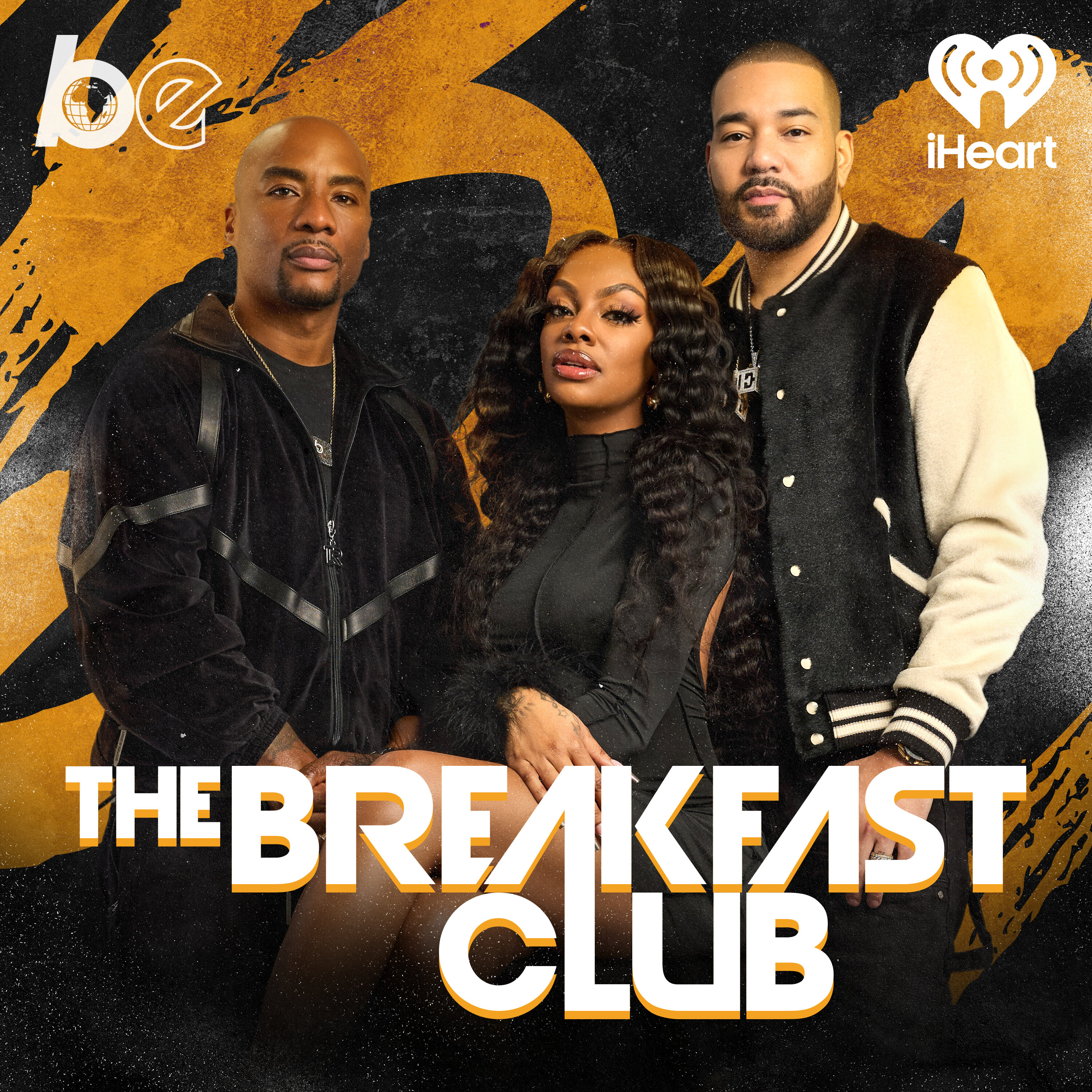
The Breakfast Club
INTERVIEW: Shaka Senghor Reveals Life's "Hidden Prisons", Finding Freedom, Forgiveness + More
00:42:33
Loading summary
Transcript175 lines
- [00:00]
Hunter
This is an iHeart podcast.
- [00:05]
Michael F. Florio
Stop settling for weak sound. It's time to level up your game and bring the boom. Hit the town with the ultra durable LG X Boom portable speaker and enjoy vibrant sound wherever you go. Elevate your listening experience to new heights because let's be real, your music deserves it. The future of sound is now with LG X Boom and for a limited time save 25%@LG.com with code Fall25.
- [00:31]
WashablesOfAs.com Announcer
Bring the Boom XBoom time for a sofa upgrade. Visit WashablesOfAs.com and discover Annabe where designer style meets budget friendly prices. With sofas starting at $699, Annabe brings you the ultimate in furniture innovation with a modular design that allows you to rearrange your space effortlessly. Perfect for both small and large spaces, Anabe is the only machine washable sofa inside and out. Say goodbye to stains and messes with liquid and stain resistant fabrics that that make cleaning easy. Liquid simply slides right off. Designed for custom comfort, our high resilience foam lets you choose between a sink in feel or a supportive memory foam blend. Plus our pet friendly stain resistant fabrics ensure your sofa stays beautiful for years. Don't compromise quality for price. Visit washablesofas.com to upgrade your living space today with no risk returns and a 30 day money back guarantee. Get up to 60% off plus free shipping and free returns shipping shop now@washablesofas.com offers are subject to change and certain restrictions may apply.
- [01:35]
Hunter
Short on time, but big on true crime. On a recent episode of the podcast Hunting for Answers, I highlighted the story of 19 year old Lachey Dungey. But she never knocked on that door. She never made it inside. And that text message would be the last time anyone would ever hear from her. Listen to Hunting for Answers from the Black Effect Podcast Network on the iHeartRadio app app podcasts or wherever you get your podcasts.
- [02:07]
Charlamagne Tha God
I'm Marcus Grant.
- [02:09]
Michael F. Florio
And I'm Michael F. Florio and together we host the NFL Fantasy Football Podcast.
- [02:14]
Charlamagne Tha God
Ready to dominate your fantasy league this season?
- [02:17]
Michael F. Florio
Then you need the NFL Fantasy Football Podcast. Your ultimate source for player news, draft tips and winning strategies.
- [02:24]
Charlamagne Tha God
Whether you're a rookie manager or a.
- [02:25]
Michael F. Florio
Fantasy vet, we've got the insight to help you crush your opponents.
- [02:29]
Charlamagne Tha God
Listen to the NFL Fantasy Football podcast on the iHeartRadio app, Apple Podcasts or wherever you get your podcasts. Hold up.
- [02:40]
DJ Envy
Every day I wake up. Wake your ass up. The Breakfast Club.
- [02:45]
Charlamagne's Co-host (Charlemagne or another Breakfast Club host)
Morning everybody. It's DJ Envy. Just hilarious. Charlemagne, the guy we are The Breakfast Club. We got a special guest in the building.
- [02:52]
DJ Envy
Yes, indeed.
- [02:53]
Charlamagne's Co-host (Charlemagne or another Breakfast Club host)
Shaka Sengor.
- [02:54]
DJ Envy
Welcome back, brother.
- [02:54]
Charlamagne Tha God
How you feeling, man? I'm blessed. I'm blessed. Thank y' all so much for having me back.
- [02:58]
DJ Envy
Chaka just put out an amazing new body of work, man. A new book, how to Be Free, A proven guide to escaping life's hidden prisons. Man, what. What is a hidden prison?
- [03:09]
Charlamagne Tha God
It's the things that you don't see that standing away of you living the best life for yourself, right? So when I thought about this, this big idea and created this kind of blueprint to help people live the life that they're fully capable of and fully deserving of, I recognize that we all had these hidden prisons. You know, self doubt, negative self talk. You know, that's one of the big things that kind of stand in the way. But it's also things like anger, grief, shame, things from our childhood that really doesn't allow us to show up fully and authentically in our full potential.
- [03:42]
Charlamagne's Co-host (Charlemagne or another Breakfast Club host)
You know, I wanted to. I know you got the book out, but there's a lot that's been going on, and I figured you would be the right person to ask some questions about. So everything going on in Atlanta, it seems like people. I wouldn't say, glorify the street and glorify things that happen in the street. And I feel like sometimes people don't know how to get out of it. Right? You see what happened in Atlanta. Everybody's a snitch. This person's a rat. When do you get to an age or when do you tell those youngins that says, hey, it's not worth it? We see what's happening, but it seems like they don't learn their lesson. So what do you tell one of those little young brothers out there?
- [04:15]
DJ Envy
Cause that's. That's a prison. That's not hidden, but they in it.
- [04:19]
Charlamagne Tha God
But I think one of the things with our. With our culture specifically, like hip hop culture, is we've kind of intermingled the idea that these guys are really street guys and really they artists, they kids who are trying to figure out how to make money using the talent, but also using the stories from a background that society has sold us on as being like, the way to show up in the world, right? Like the only way we can make it. And what I tell the young people is that it's made way more money in legitimate enterprise. And like, I was pretty decent with street street sales, but I can tell you, I wake make way more money in legitimate enterprise and the accessibility to it now is something we see. I mean, like, you can take a phone and build a whole career, right? And so I think we have to separate, like, what's really the streets from, like, what's music culture and these kids pretending to be street guys. Because it's kind of ridiculous. If you think about it. It's. If you're making all this money in music, then why are you going backwards? Because there's not many guys that's really financially successful coming for the streets. Like, and I mean, you talk to any other guys that actually are, you know, recognized from being in that environment, they tell you most guys don't make real money in the streets. Most guys are basically minimum wage, you know, workers. So if you're making all this legitimate money in music, why would you kind of try to intermingle that with this identity that's not real?
- [05:39]
DJ Envy
Man, that's a great point. And what do you say to people who act like the streets is an industry? And what I mean by that is you'll have folks that'll say things to you like, well, who determines what's legal and illegal? Or who determines what's right and what's wrong? Because they'll say, there's people out here that make money selling alcohol. There's people that's out here that's making money selling marijuana. Now, I'm like, that's not the same. Like, Discretes is not a real industry.
- [06:02]
Charlamagne Tha God
Yeah, no, I mean, it's. It's a kind of dispersed industry, right? It's like anything goes. But when you, when you look at how, you know, for example, the marijuana industry, right, how that's evolved to become legitimate enterprise, right? Like, that's where we should be focusing. How do we change laws and policies to work to our advantage instead of being, you know, victimized by these policies and then somebody else reaps all the benefits. And so, you know, I'm always telling, telling, you know, the young people that I mentor is really think about how do you get ownership in whatever it is you're interested in. Like, that's. I've been in Silicon Valley for three years, which actually was one of the inspirations for writing this book, because I work with people that's like ultra wealthy, and yet I see them have kind of like some of the same prisons that, you know, I see people in the neighborhood. I've seen people who was actually in real prison have that same kind of mental blocks that doesn't allow them to show up authentically, even though it looks like they got all the trappings of success, they still not happy and fulfilled. So that's. To me, it's more like, how do you get an equity? But also how are you creating like the mental equity to really live the life that you want to live?
- [07:07]
Charlamagne's Co-host (Charlemagne or another Breakfast Club host)
I got one more question with that. Is there a code when it comes to the street, in your opinion? We had a conversation about code. Is there a code, Is there a code that you're supposed to follow or is it just it's illegal activity, you know what I mean? Or is there something that the guidelines that should be followed?
- [07:23]
Charlamagne Tha God
I mean, I grew up in the era of like crack cocaine, so I can't speak to if there's codes. No, I haven't been in the streets in like 30 something years. I'm 53 years old, man. Successful businessman. I'm an entrepreneur. I got a kid, I got investments. But I do, you know, I mean, I still do a lot of work with people in prison and in the neighborhoods and, you know, I kind of know that, you know, the codes are really your personal values, right? Everybody can say that they're real until them handcuffs go on, until you in that interrogation room and you're really facing a life sentence. And that's what we don't talk about, is how many different ways you can end up serving life without actually even really doing anything meaningful. Just by associations, right? You know, when you're talking about those RICO charges, a lot of these guys not making real money, they just around and then you get swooped up. And the way the feds play is they gonna load up everything they can charge you with, and then most likely you'll plead out, which is like 95% of people do. But yeah, I don't. I stay out the streets every. I'm out here just being a grown married man.
- [08:27]
Charlamagne's Co-host (Charlemagne or another Breakfast Club host)
We try to tell these youngers that to stay out the streets.
- [08:30]
Charlamagne Tha God
Absolutely.
- [08:30]
Charlamagne's Co-host (Charlemagne or another Breakfast Club host)
You know what I mean? It ain't worth it. And any little bit of money you were going to make or any little bit of clout you were going to make ain't like worth the 10 life sentences. Two life sentences or one life sentence, you know, I mean, it ain't worth it. Missing your family life, your kids, it ain't worth it, man.
- [08:44]
Charlamagne Tha God
You know, the 19 years in prison that I serve, I watched life go by. You know, I came home, my younger siblings were adults. My nephews and nieces didn't even know me. You know, they had to get to know me. And so you can't, you can't replace those years you know, there's nothing you can do to get that time back. And this is what I can tell you for sure about, about prison life is the toughest break under those circumstances. Everybody, when they, when they hit that pillow at night, they're wishing that they would have made different life choices, you know what I mean? So I wouldn't wish that on anybody. And I try to discourage guys. I think one of the things I will say that I'm proud of, that I'm starting to see in our culture is more interest being, you know, placed on actually the legitimate financial investments. You know, I think about what the young brother's doing with earn your leisure. You know, I think about wallow and some of the brothers I've been able to interact with. And I'm like, yo, that's, that's a move right there. Because it's still cool at the end of the day. If it's really about making money, investments is a way to make a, make a lot of money, you know, and that's the freedom that I even talk about in the book is like financial freedom, you know, how are you taking advantage of these opportunities that's really right in front of you? And, and my, you know, my philosophy is simple. I came from 19 years in prison, seven years in solitary confinement, to becoming really, really successful not only as an author, but also as an investor. So my philosophy is like, if I can do it, coming from those circumstances, what excuse you got? You know what I mean? So I tell my mentees, you got to take every excuse off the table because I've done all the hard work for you. And that's, you know, that's what I've done in this book is like, here's a framework and a blueprint for you to literally live the freest life possible.
- [10:22]
DJ Envy
One of the biggest hidden prisoners I see is people, you know, being defined by their past mistakes or not knowing how to let go of their past mistakes. So how do you keep from being defined by your past mistakes when the system is sometimes even your own people want to keep you stuck there?
- [10:37]
Charlamagne Tha God
Man, I stay out the comments section. It's brutal out there, man. No, but, but, but really it's a lot of self affirming care, right? It's like negative self talk is one of the biggest self imposed prisons I found where even successful people are doubting themselves or, you know, dealing with imposter syndrome. Like, why do I, why am I in this room? Do I really belong in this room? And so for me, you know, the way that I'VE kind of mapped my life out is really through writing it down. Like journalists, one of the greatest hacks in life is, like, when you see it, you can be super clear on, hey, here's who I actually am, not who they say I am. I get judged all the time. Like, why are you able to do some of these things? You, you know, you went to prison. I went to prison for a homicide. You know, it's one of the most regrettable acts in my life, and it's something I could never undo, which is why I'm so conscious about talking to the young guys about the decisions that they make. And I've also lived 15 years of freedom where I've been able to create, you know, a lot of value for communities that I'm in. I've invested in community in a real way, and so I've done way more good than I've done bad. But the reality is, people are going to bring that up, you know, they're going to judge you for that. And so that's why that self talk is so important. And journaling and really writing it down and getting super clear about who you are really is what makes the world of difference.
- [11:56]
Charlamagne's Co-host (Charlemagne or another Breakfast Club host)
Let me ask you a question. What's. What's free to you? Right. And the reason I asked that is some people look at free as financial freedom.
- [12:03]
Charlamagne Tha God
Right.
- [12:04]
Charlamagne's Co-host (Charlemagne or another Breakfast Club host)
One of my biggest things for myself was making sure my kids were free. And when I mean free, I mean, this life is short. Try to set them up where they can do what they want to do just to be happy. Right. If my daughter wanted to do hair for the rest of her life, absolutely. Whatever made her happy. It ain't about the mansions, the cars, and all that that we think that some people idolize, some people don't. But what's free to you? Cause I always felt just living a free life and being happy is free to me.
- [12:29]
Charlamagne Tha God
Yeah. It's really having complete agency and autonomy over my time and how I spend it and who I spend it with, and being able to wake up and every day and say that I'm intentional about the way I live my life, that I'm unburdened by anything that does not coincide with my core values. Right. And so, you know, I'm an artist, so I want to wake up and be able to create, you know, I want to be able to spend time with people that I actually value and care about in a meaningful way. And, like, being able to create space for myself and create a lifestyle that really allows me to have the Agency. That's like the ultimate freedom, right? But then I, you know, I drill down into, like, what is financial freedom? You know, that's really recognizing that my money actually works for me instead of me working for money. What does freedom look like with love? Right? It's being able to show up authentically with my family, being vulnerable, being open, you know, not playing this. Kind of put this mask on as a dad or as a husband, and being able to show up in that way, man, it's the. It's the most incredible sense of freedom. And then you know, the. The socially, you know, one of the things that. That this would be the first place that I share this on, because it was shared recently, Oprah talked about me putting in for my pardon, and she asked me what would that mean if I got my pardon. And I said it to mean that I'm, you know, now I'm back included in tribe because there are barriers when you have a felony on your life, you know, and it's been, you know, you know, I caught this felony in 1991, and it still impacts my life, my wife's life, my son's life. And unfortunately, we just learned that they didn't give me that pardon. And so I had to reimagine, like, what this freedom looked like to be unburdened by a system. And really what it looks like to.
- [14:08]
Charlamagne's Co-host (Charlemagne or another Breakfast Club host)
Me, it was a presidential pardon.
- [14:10]
Charlamagne Tha God
Well, it wouldn't have been president and governor, because my case was state, so Governor Whitmer in Michigan, and they shot it down after 15 years. And I'm talking about. And come on, Grant, what I. What I would see in 15 years is, like, unparalleled for somebody who was formerly incarcerated. But it was one of those moments, right, where I had to go back to my own book, the own. My own framework of, like, okay, how do you navigate that disappointment, you know, without it spiraling, Right? Because it's infuriating when you think about, I've done all this work in the world, and I'm still told that it's not enough. You know what I mean?
- [14:46]
Charlamagne's Co-host (Charlemagne or another Breakfast Club host)
How does that make you feel? Cause, you know, not that it's, you know, that you deserve it or you earn it, but you did so much for your city, right? You changed. You've talked about your change. You accepted what happened. Like, you've been a man and said, this is what it was, but you've made it your life to make sure that you changed and you give back. And that for them to turn you down, what does that do to You?
- [15:09]
Charlamagne Tha God
Yeah. I mean, it was a moment, man. You know, I remember my wife and I, we were, you know, she had brought the mail in and she handed me the mail, and we both kind of excited, like, all right, well, what's gonna happen? Right? And I opened up and it was just like the way they shot me down, it wasn't even no clarity as to why. Right. It was just like, you've been denied reapply in two years. And in my mind, I'm like, okay, what do I accomplish in two years that I haven't accomplished in 15, right. And so it's that thing of like, that reminder that comes back over and over. You're not worthy to be fully included. And so what I did is I actually literally went to the playbook that I've outlined in how to Be Free. And I went back and I journaled. I was like, how do I really feel about this? What does this really mean for my life and what is my plan moving forward? Because initially I was like, man, I'm not applying back in two years. Like, why would I do that? I've accomplished so much. I mean, I've been Grammy nominated album with Nas, Emmy winning film with Ava DuVernay, New York Times bestseller, Fellow at MIT, Fellow at Virginia Tech, Kellogg, like, you name it.
- [16:16]
DJ Envy
Your community work.
- [16:17]
Charlamagne Tha God
Community work. You know what I'm saying? And so I'm like, what more do they want from me? And it was like, through that process of writing it down was like, you know, at the end of the day, I'm gonna show up. In the spirit of gratitude for all.
- [16:30]
Charlamagne's Co-host (Charlemagne or another Breakfast Club host)
Of it, have you talked to the governor? Have y' all spoke at all?
- [16:33]
Charlamagne Tha God
I've never spoke to the governor. Cause it goes through a whole parole board, pardon board. I spoke to the Lieutenant Governor. I actually know the Lieutenant Governor.
- [16:40]
DJ Envy
Isn't he running? He's running for governor.
- [16:42]
Charlamagne Tha God
He's probably running for governor. So. Gilgamesh.
- [16:45]
DJ Envy
Gilgamesh, yeah.
- [16:47]
Charlamagne Tha God
And so, you know, it's. It's one of those things where you just kind of go back to like, what is my role in this? Right. And for me, it's coming back to a spirit of gratitude. My life is blessed. I'm blessed. Even the things that challenge me betters me. And so that's how I so as to approach it.
- [17:04]
DJ Envy
You know, we pay attention to stuff like that. Governor Shapiro suit. The governor Joshua, he pardoned Wallow.
- [17:08]
Charlamagne Tha God
Yeah.
- [17:09]
DJ Envy
You know, in Pennsylvania. So, you know, Governor Whitman, I hope, you know, culture pays attention to stuff like that.
- [17:14]
Charlamagne Tha God
That's real.
- [17:14]
DJ Envy
You know, one of the other hidden prisons, man, that I. Well, I want to ask you about hidden prisons. Can freedom be obtained if you are physically free but you still battling things within yourself? That's why I love that you did this guide to being a hidden prison. Because I wonder that when you're, you're out physically. Yeah, but can it truly be attained if you're still battling things within yourself?
- [17:35]
Charlamagne Tha God
Well, here's one of the things that I shared in the book that I think blew people mind is that I realized I was incarcerated before I was ever in a prison cell, like mentally. I bought into a narrative that my life can only have two outcomes, dead or in prison before 21. And I ended up living that narrative. But I was also free before they ever let me out. Because I took the time to really start to do the hard work, right. Of asking that question and how did I end up here, right? Like how did I end up serving out my most promising years in a cell? Like I wanted to be a doctor and an artist and I ended up getting caught up in the street culture when I was 14 years old and dealt with all the things that came with that. And so when I was in, actually in physical prison, I started to kind of write my way out journaling. I got free before they ever let me out. And so the reason I wrote this book is working in Silicon Valley and working in the community, I started to see a consistent trend of people really who were like stuck. You know, sometime it was grief. Sometimes they couldn't get over the loss of a job, the loss of a loved one. Sometimes it was shame. You know, Silicon Valley is a very aggressive environment, right. It's like, it's hard. You got to be a real hustler to survive in that environment. And I would see people just get broken from being shamed when they didn't execute on a project. And so I started to see these consistent patterns. Anger and the inability to forgive, which is something that I think really is a hidden prison for a lot of people where you get stuck in this thing of like I'm going to hold on to like not forgiving this person, meanwhile that person out somewhere frolicking and you, you get upset every time you think of it and you just can't move on with your life. And then there's also like these well intended prisons, right? Helicopter parenting. Have you see that parent who's just like, I'm going to do all the things for my child, I'm a hover over them. And. And then your child doesn't Build up resilience. They don't build up any agency, they don't build up any capabilities, right? And even in love life, right, it's like, we broke up, but we're gonna remain friends. And then you wonder why you can never find a husband or a wife, because you're trapped in these old narratives. And so there's a lot of people that's out here that stuck in the old story.
- [19:45]
Charlamagne's Co-host (Charlemagne or another Breakfast Club host)
Talk about the forgiveness freedom, right? Yeah, that was a tough one for me for a long time, right? I held things, right? Yeah. And, you know, I was. I was talking to somebody recently, and then I didn't hold them for forgiveness or non forgiveness. I held them for revenge, right? Because I felt like I needed that. That lick back. I needed that eye for eye, that.
- [20:05]
Charlamagne Tha God
Tooth for two, right?
- [20:06]
Charlamagne's Co-host (Charlemagne or another Breakfast Club host)
So that's one of the most difficult for people. So break that down.
- [20:09]
Charlamagne Tha God
As far as the forgiveness freedom, that's a great one. So. So, interesting enough, a couple of years ago, I got a letter from the guy who shot me when I was 17 years old. This exchange, our beef, it was, you know, 30 seconds, right? Pulled up on the block, we had words exchanged. He shot me. I never saw this guy's face. Shot me three times. I get this letter, and he's like, yo, I'm the guy who shot you. I apologize at the time. He's still in prison right now. I got mad respect in there, you know what I'm saying? Like, I can literally call and shoot somebody some money on their books, take care of, dude. I felt that old anger come up.
- [20:47]
Charlamagne's Co-host (Charlemagne or another Breakfast Club host)
For a hot second.
- [20:48]
Charlamagne Tha God
For a hot second. And I literally said, well, what do you preach? You preach that people are worthy of second chances. Like, you got to be a man of your word. You got to honor that, right? And so I had to sit with that. And I realized that the anger was rooted in I never saw this guy's face. So I looked him up on the computer, saw his face, and I made peace with that, and I started writing him a letter. And then I was like, you know what? I don't owe him that. I can forget. His brother moved on. But instead, I actually wrote a letter to my mother because we were in a space of healing, and I was getting to a space of realizing I thought I had forgiven her, but I was holding on to something. And so that letter allowed me to release that and get to a space where, man, my mother and our relationship has evolved to the point where I feel like the parent, you know what I'm saying? In trying to Protect the little girl that got hurt, that turned her into a hurt woman and a hurt mother. And that was the beauty of forgiveness, is like, I forgave this guy. I had to let it go. I could have, you know, been back in that old energy. And I'm like, man, that don't feel good in my spirit. You know what I mean? Because I've said to people, like, you aren't your worst moment. And like, that guy, whatever moment he was in when he shot me, I was in a similar moment when I shot somebody else.
- [22:04]
Charlamagne's Co-host (Charlemagne or another Breakfast Club host)
But would you feel different if he didn't apologize? If he didn't come out and say, I'm sorry, Would you feel differently and not say, you know what? I needed that apology? You know what I mean? Would it make you feel different? Would you still forgive the same way if he didn't apologize and you found out who it was?
- [22:23]
Charlamagne Tha God
Yeah, I would. Because I have the wisdom now to understand that oftentimes people are operating out of a spirit of hope that has nothing to do with me. You know what I mean? Yeah. I mean, like, a lot of times we're holding on to things with people that we aren't even really thinking about. How did they arrive at that? Right. Like, you know, I talk about in the book, my brother was murdered in July of 2021. And I remember sitting in my family's living room, and I'm, you know, I'm coming home. I'm like, let me come home and help bury my brother. Let me be a support for my dad, my mom. And then I had this moment where I was watching my stepmom, and she's heartbroken. This is her baby boy that's been murdered. And I felt guilty. You know what I mean? So I was caught between this world of trying to grieve for my brother. You feel guilty because I made somebody else's family feel like that. You know what I mean? And so I was sitting there, like, stuck with this.
- [23:16]
Charlamagne's Co-host (Charlemagne or another Breakfast Club host)
There's something special about folks who come through without being asked. Like your coworker surprising you with your favorite coffee just because. Or your friend handing you the aux cord the moment you get into the car. No debate, no fight, just positive vibes. That kind of love. It just hits different. And that's exactly the energy. AT&T is on with their new guarantee. If there's ever a network interruption, AT&T will proactively credit you for a full day of service. No calls, no emails, no jumping through hoops. It's just handled. It's like the universe saying I got you. Except this time it's not the stars aligning, it's your network. And let's be real, that connection is everything. Whether you're holding down the group chat, checking in on your parents scrolling TikTok your network's gotta come through and if there's a problem, AT&T is on the case. No stress, no drama, just real backup when it counts. Credit for Fiber downtime lasting 20 minutes or more or wireless downtime lasting 60 minutes or more caused by a single incident impacting 10 or more towers. Restrictions and exclusions apply. See att.com guarantee for full details. AT and T Connecting changes everything.
- [24:27]
Michael F. Florio
Stop settling for weak sound. It's time to level up your game and bring the boom. Hit the town with the ultra durable LG X Boom portable speaker and enjoy vibrant sound wherever you go. Elevate your listening experience to new heights because let's be real, your music deserves it. The future of sound is now with LG XBoom and for a limited time save 25% at LG.com with code fall25 bring the boom x Boom.
- [24:57]
WashablesOfAs.com Announcer
There's nothing like sinking into luxury. @washablesofas.com you'll find the Anabe Sofa which combines ultimate comfort and design at an affordable price. And get this, it's the only sofa that's fully machine washable from top to bottom. Starting at only $699. The stain resistant performance fabric slipcovers and cloud like frame duvet can go straight into your wash. Perfect for anyone with kids, pets or anyone who loves an easy to clean spotless sofa. With a modular design and changeable slipcovers, you can customize your sofa to fit any space and style. Whether you need a single chair, loveseat or a luxuriously large sectional, Annabe has you covered. Visit washablesofas.com to upgrade your home. Right now you can shop up to 60% off storewide with a 30 day money back guarantee. Shop now@washablesofas.com Add a little to your life. Offers are subject to change and certain restrictions may apply.
- [25:57]
Hunter
I'm Hunter, host of Hunting for Answers on the Black Effect Podcast Network. Join me every weekday as I share bite sized stories of missing and murdered Black women and girls in America. There are several ways we can all do better at protecting Black women. My contribution is shining a light on our missing sisters and amplifying their disregarded stories. Stories like Tameka Anderson. As she drove toward Galvez, she was in contact with several people talking on the phone as she made her way to what should have been a routine transaction. But Tameka never bought the car and she never returned home that day. One podcast, one mission. Save our girls. Join the search as we explore the chilling cases of missing and murdered black women and girls. Listen to Hunting for Answers every weekday on the Black Effect Podcast Network, iHeartRadio app, Apple Podcasts, or wherever you get your podcasts.
- [26:59]
Charlamagne Tha God
Energy. And so when I look at somebody who's done something that's harmful, like I can't like just judge them solely based on that without looking within. And when I look within, I realized that the decision I made as a 19 year old kid came from a space of hurt, PTSD, all the things. So whether he would apologize or not, I have to realize that, that he was probably similar. You know, he probably came through gun trauma and gun violence and there was something inside him that was broken, you know what I mean? That had nothing to do with me. That's how me and my mother was able to hear. My mother, she started to open up to me, man, about the things that happened in her life and it all made sense. You understood, you know what I mean? I understood that she was sexually assaulted as a kid, she was abused as a teenager, you know what I mean? And so once I recognize that I have to see that in anybody that I have conflict with that something inside of them is dictating the behavior in the same way that it happened with me, you know what I mean? So, you know, that's how I get to that deep forgiveness. And that's one of the things about the book that you, you, as you begin to read through it, not only are you getting these powerful stories, but you're really getting like, here's a. How to unlock that door and let yourself out. Because when you don't forgive, the other person isn't suffering. Like you're, you're trapped in that cage, right? And so I wanted to make sure that people had the keys to let themselves out.
- [28:22]
DJ Envy
Are you ever shocked by the amount of people that want to keep you in, in, in, in that box that, that box of. Oh yeah, he murdered somebody when he was 19 years old. Because I saw the comments on Joe Rogan. But then on the flip side, yeah, yo, you, your, your redeeming quality was that moment. It was the fact you went to prison. I was at Rikers with you. Yes, I see the connection that you have, you know, with these inmates. You tell that story and they automatically, you can, you can see them like, oh, I can relate to what that Brother went through. Like, they look at you as a beacon of hope, you know, somebody who paid their debt to society and made it so. You ever shocked how people want to keep you in that box?
- [28:59]
Charlamagne Tha God
I'm not, I'm never really shocked because I know that oftentimes people are operating out of their own hurt, you know what I mean? And like, they're hop. They. We live in a snap judgment society. Like, people can look at you and make a decision in a split second without actually really getting to know you. You know, that's one of the things I was super happy when we went into Rikers island is the work that you're doing in the world, I think is some of the most incredible and meaningful work ever. You know, this mental health piece is so important to our culture. And prison is where it's really needed at, you know what I mean? And for you to be able to bear witness to that in that testimony, you see that people aren't in there like, yo, let me get out and wild out. They're really looking for help. That's right. And they're really hurt. And so, you know, that that balances out for me, you know, I mean, to go in there, man, and pour into people and like, those are my people, that's my tribe, you know what I'm saying? But to go in there and to pour into them and have them pour into me, like, that balances out all the negativity, you know what I mean? And what I always think about, you know, I'm thinking about them people in the comments. You know, sometimes I'm kind of petty in my thoughts, you know what I'm saying? I'm like, here this person is trying to troll me and I might have just flew in on a pj. I'm good. You know what I'm saying? I'm great, man. My wife might have just went out and had an amazing dinner. My son might have accomplished something brilliant. Like, life is good. And like, that's where I think sometimes we get lost at, especially with like, you know, all the digital content is we forget we're living a real life. We're really present in the moment. And again, that's another practice that I have is mindfulness is like, it doesn't mean that you don't hear the things. I just bring myself back to my real moments. Where am I really at in life? You know what I mean? Am I stuck in. In 1991 because that's where they want to be, or am I actually present? You know, am I out Here pruning my plants. You know what I'm saying? Am I out here doing whatever it is at home that brings me joy, you know, Am I sitting out in the garage just reading a book and enjoying life while these people are miserable? You know what I mean? So I don't give too much.
- [30:57]
Charlamagne's Co-host (Charlemagne or another Breakfast Club host)
But you do understand people's mindset sometimes, right? Absolutely.
- [31:01]
Charlamagne Tha God
Absolutely.
- [31:01]
Charlamagne's Co-host (Charlemagne or another Breakfast Club host)
I remember the first time when I heard your story, and I remember the first time you came on the Breakfast Club, reading the comments, and the first thing people would say was, well, why him?
- [31:10]
Charlamagne Tha God
Right? Right.
- [31:11]
Charlamagne's Co-host (Charlemagne or another Breakfast Club host)
He just did this. Why is he on Oprah? Why is he on a Breakfast Club? This is not fair. Because people are so used to people doing things and not changing. They see the. Like you said, they see the negative side of things, but they don't see the other side of it. Right? And sometimes I feel like. And this is why sometimes I have a problem with sometimes people at the church that do foul stuff or they talk about the stuff that they shouldn't do, and then you see them doing the thing like, we're not all human. Like we all don't make mistakes.
- [31:35]
Charlamagne Tha God
Right.
- [31:36]
Charlamagne's Co-host (Charlemagne or another Breakfast Club host)
But it's always. I always say, is apology is fine, but it's the change behavior that shows everything.
- [31:41]
Charlamagne Tha God
Absolutely.
- [31:42]
Charlamagne's Co-host (Charlemagne or another Breakfast Club host)
And we've seen your journey from that change behavior. So I'm sure you understand why people's first knowledge of first mind frame is this, that, and the other. Right. You have to.
- [31:49]
Charlamagne Tha God
Yeah, no, absolutely. You know, and I think about how we arrive at our conclusions right. As we see the end product. So they see me here, you know, they don't see the work that it took for me to get here. They see me on Oprah, and I realize I came home, I was Lily hustling books out the trunk of my car. Like, a lot of people be like, they got it out the mud. Me and my brother, we always talk about we got it from beneath the mud. You know, I used to set up tables in gentlemen's clubs, you know what I'm saying? To be like, yo, buy these books. Right? And I've got rejected so many times. I mean, I've tried to get employment. The felony came up, like, you name a rejection, I've got it. Right? And so they don't see that part of the journey. But also understand, right. People feel like, you know, you've done something bad in life. You don't deserve any good to happen to you, you know, but it's.
- [32:36]
Charlamagne's Co-host (Charlemagne or another Breakfast Club host)
I hate when they try to define you for that.
- [32:38]
Charlamagne Tha God
Yeah.
- [32:38]
Charlamagne's Co-host (Charlemagne or another Breakfast Club host)
They try to make that your person.
- [32:40]
DJ Envy
And it's hypocritical because, you know, I'm not gonna name names, but we've got rappers who've done that and rap about it and haven't shown any change at all. And they still get welcomed everywhere.
- [32:50]
Charlamagne Tha God
Yeah.
- [32:51]
DJ Envy
And celebrated.
- [32:52]
Charlamagne Tha God
Absolutely. And I think that's one of the things in our culture, like we pick and choose what we. What we celebrate. And what I always just try to tell people is like, understand as long as you wake up breathing, you're on a journey. You know what I mean? And where you start doesn't mean this is where you have to end. That's the amazing thing that people will really get out of the book is that, look, I started in the worst of environments with the worst of circumstances, and mentally I began to break free from that and started to think about what is the life possibilities. Like I was telling the brothers and sisters in prison yesterday, I wrote down, when I was in solitary confinement, I didn't even know if I was getting out of prison. I was like, but if I ever get out, here's all the things that I want to manifest in my life. And I still had those journals right now in my garage that I wrote down everything that I wanted to accomplish. You know what I mean? And so I did that because life really is a journey. And as long as you wake up breathing, you got opportunity, and it's really up to you to seize that opportunity. And so that's what I've done. I've seized the opportunity, and I just keep growing and keep building and keep evolving and. And keep being just curious about life.
- [33:59]
DJ Envy
You know, one of the things that kept coming up yesterday, even at Rikers, was. Was the. The topic of grief.
- [34:04]
Charlamagne Tha God
Yeah.
- [34:05]
DJ Envy
And, man, grief is one of those hidden prisons that it's almost like, you know, you get in trouble back in the day, you end up doing a weekend. You know, you had a good week, you was at work, but you might get locked up for the weekend.
- [34:18]
Charlamagne Tha God
Yeah.
- [34:18]
DJ Envy
You knew some of those guys that was. Had to go in on the weekend, come back.
- [34:22]
Charlamagne Tha God
Right.
- [34:22]
DJ Envy
That's what it feels like with grief. So how. How do you get out of that hidden prison of grief?
- [34:26]
Charlamagne Tha God
Yeah, you know, that's when I actually start with grief. Cause I think it's the toughest prison for anybody to get out, because can't nobody could just come to you and be like, charlamagne, stop grieving. Like, that'd be mean or cruel. Right. And all grief isn't the same. Right. Like, you know, when I think about My brother's death, I think about that differently from my grandmother who just got older and she passed and she transitioned. Sad miss Granny missed the things my brother. That was traumatic. You know what I mean?
- [34:51]
Charlamagne's Co-host (Charlemagne or another Breakfast Club host)
Grandma's more understandable.
- [34:52]
Charlamagne Tha God
Yeah, it's more understandable. Right. And so those different type of grief, you can go back to work after two weeks after, you know, grandma passed. Somebody in your family is murdered or tragically lost. That's more difficult. Right. What I arrived at for myself is gratitude. You know, how do I. How am I thankful for the time that I spent with my brother? How am I thankful for. My brother's name is Shiraz. I always want to shout him out. His name is. How do I honor what he meant to our family, you know, my siblings and I, and. And that's what allows me to heal. But here's the thing. Like in the book, even the way that we designed the book, there's a door in this part where it's about digging deeper. And the reason I created the open doors, because sometimes you go in and out of these things. If you live life long enough, you're going to grieve more than once. Right. And it's not always death. Sometimes it's an employment loss, it's a love loss. It's losing a friend, friendships that end. And to me, it's always about gratitude. You know, what am I thankful for in this experience? And it doesn't take away, like, the longing to. For those moments or missing my brother. It just allows me to reframe that his life wasn't the moment it ended. It was all of the things that came before that. And I got a chance to appreciate that and spend time with him and, you know, and love on. This was my only little brother, you know, this was my baby brother. And all the time we got a chance to share, you know, I wanted to be able to honor that, you know, through a spirit of gratitude.
- [36:20]
DJ Envy
And so you talk about that in the book. So it's like, whenever that grief comes up, just be grateful for the time you did spend.
- [36:25]
Charlamagne Tha God
Yeah, absolutely.
- [36:27]
DJ Envy
Grieving that they're not here anymore.
- [36:28]
Charlamagne Tha God
Yeah. Yeah. Like, what part of that, you know, I go back to, like, my brother. Like, I have a younger sister named Bootsy, and her and Marley, she's the baby girl. He was the baby boy. And they have a special relationship. Right. They talk smack to each other all the time. So on those tough, tough days, I think about the way that them two used to joke, you know what I mean? And that brings me my spirit A sense of peace, you know, and that's, and that's, you know, in the book, I also talk about, we had this beautiful puppy that, you know, a negligent trainer left the gate open and got ran over, you know, and it was like, it was heartbreaking, you know. And I also talk about my younger son Sekou, being diagnosed with type 1 diabetes and seeing his young life change. So there's that type of grief, right? And like, now we have to manage and navigate life through that lens, which is, you know, it's wild as a parent, you know. Cause you think about your kid, accomplished something, the first thing you do, oh, let's go grab ice cream, you know, so we had to start thinking differently about all these moments. But again, just leaning into gratitude that he's the type of kid that's like, I'm gonna fight this thing and I'm gonna stand up, you know, to my own body and like that. Watching him, that gives me a sense of like, man, I'm thankful that we've emboldened his spirit so that he can, you know, he can rise to the occasion, you know.
- [37:44]
DJ Envy
In part three of the book, you talk about embracing freedom and you break it down in the separate chapters. I'm just going to name all the chapters, but I want you to tell me which one of those is the most important for finding and embracing freedom. So you have hope and composure.
- [37:58]
Charlamagne Tha God
Yeah.
- [37:58]
DJ Envy
You have love, you have joy, you have success, you have facing down fear, becoming unstoppable fear. Finding true freedom. Which one of those is most important?
- [38:08]
Charlamagne Tha God
Oh, I'm Charlamagne. You gotta read all of em. You know what I mean? But I would say the thing that I found the most interesting was joy. Especially like, as a man, we don't often give ourselves permission to fully give in to the idea that we can experience joy and happiness and that it doesn't make you soft or weak or lame or whatever, that it's actually dope and amazing, you know. And so I think joy really kind of undergirds like what it means to love, you know, to, you know. One of the things that, that is great to me is like my, my son and my wife, they have similar energy. They're like excitable and like, you know, they get turned up like, you know, for anything. And I always watch that and I was just like, man, that's an amazing orientation around life, you know, and even though I don't have that type of energy, like, my mindset is more like, how do I show up in joy with them? And then how do I show up in joy in my own life? And it was a difficult thing. I didn't even realize. Like, my reaction to things that are joyful is. Was initially resistance. You know, I got invited on a incredible trip, go to Italy, yacht, for like 13 days. And my instinct was like, feeling, figuring out ways why I shouldn't go on this trip. And that's when I realized it was attached to something deeper. This. This inability to really just give myself permission to let go. And once I identified that, I was like, oh, I'm not standing in my own way anymore. I'm showing up. You name the. You name the shing ding, I'm going to it. You know what I'm saying? And I'm gonna enjoy it. I'm gonna be present in it. Like that, to me, is like the ultimate freedom.
- [39:46]
DJ Envy
Yeah, I was glad you used that term, joy, because I've been saying in this area that we're in right now, black people have to create safe spaces for us to just simply experience joy.
- [39:58]
Charlamagne Tha God
Absolutely, absolutely. Yeah. Because that's, that's the thing, like, so much of, like, where we at culturally, we're in survival mode, you know? And once you step out of survival and get into thriving, you realize that, that joy is like one of the greatest components of what it means to live a life that. Where you're thriving at when you're in that survival mode, it's hard to appreciate anything. You know what I mean? It's like we. We celebrate, but are we fully present in that celebration? You know? And that's what I really wanted to offer. It's like, here's how you, like, not only. Not only experience joy, but be a joy hunter, you know? So I have this part in the book where I talk about how do you seek it out, how do you go and find it, how do you go and. And. And experience and be curious about life in such a way where you're like, oh, that actually was joyful, you know, so when I'm. When I'm out, different cities, different times, I'm like, what would bring me joy in terms of experience? Like, my. One of my favorite things is I like to collect first edition paperback books written by block authors. So when I go into a city, I'm like, where's the used bookstore at? And I'm telling you, like, I'd be hyped up. Like, I'm about to go get the latest mixtape, you know what I'm saying? Because that brings me joy, that sense of fulfillment of like, seeing these Pages that somebody has written. I mean, I'm a writer, so that, that's like my joy hunting. I'm like out on a mission.
- [41:15]
DJ Envy
You know, it's wild as you're saying that, I'm watching your wife smile in the background. So like she felt. She feels that she knows the joy you feel from that and it resonates with her.
- [41:24]
Charlamagne Tha God
Yeah, because I've drug her on some missions, hey, let's go to this bookstore and I'll be turned up, but she be with it. You know what I mean?
- [41:31]
DJ Envy
Do you feel like trauma is the root of all hidden prisons?
- [41:34]
Charlamagne Tha God
I think trauma is one of the core anchoring pieces of the hidden prisons. You know, a lot of how we see our lives has been shaped by our childhood. And there's like big trauma and small trauma. Right. But I think it's really shaped by just negative experiences because some don't quite rise to the level of trauma, but they do rise to the level of like making you think about something in a way that's unpleasant. And I think that's where a lot of the negative self talk comes from. It's like, you know, you're in an environment, somebody's like, oh, you can't accomplish that. And now you've adopted that's not necessarily trauma, it's just negative input. But now it has you questioning whether you can accomplish a thing or not. Right. And so I think there's like the kind of big trauma and then there's like this kind of small negative inputs.
- [42:24]
DJ Envy
How do we use your new book, how to be Free, to shift from telling young people, especially young brothers, to do better, to actually creating healing spaces that deal with that trauma.
- [42:37]
Charlamagne Tha God
That's a great question. I think we saw a lot of that yesterday when we was at Riker. So one of the things that I've done with this book is I started the largest book club in prisons. So we gave the book away to 1300 prisons to about a million people who are incarcerated. Because I want to make sure that they had access to this information in this framework so that they can live the most free life possible, even though their circumstances doesn't look. Look free. And I think what we do is we start study groups. You know, we start to really have these deep conversations. And like, it was mind blowing to see how the people who are incarcerated leaned into this book specifically. They had questions, they had thoughts, they had all these things because we did create a real framework within the book for them to kind of, you know, guide the conversation. And it was amazing. You Know what I'm saying? To really see how that played out. And I would love to do that out here where we started to connect the dots. And, you know, especially in our culture where it's like, you know, it's wild. Sometimes when I think about rap and all the things that they're rapping about, I'm like, I really live that life. And. But I may not be the person that they see as being accessible because I'm not over indexing on my past. I'm like, listen, I'm living a whole different life, and I want to bring you to this part of it, not that old life. You know what I mean? But I think this is a book opportunity that, you know, I would love to see more brothers and sisters in the culture and, like, starting study groups and think tanks around this framework, because it really is one of those problems, and we don't have nothing like it in our culture. Right. Like, you know, when I was. When I was set out to write this particular book, I really was like, man, I thought about the books that helped me in my life while I was incarcerated as a man, Think of the Secret Man Search for Meaning, all these books. And I didn't see any book that was authored by somebody who really had live the experience that I had lived. And so I was like, oh, it's up to me to create that. And that's how we ended up with this book. And shout out to my brother Ben Horowitz, who actually encouraged me to write a lesson book which was really powerful and impactful.
- [44:38]
DJ Envy
Is the desire to be accepted a hidden prison?
- [44:41]
Charlamagne Tha God
Oh, absolutely. Yeah. I think it's one of the. One of the biggest hidden prisons is that we're. And it's really. Who are you trying to be accepted by? And what do you think that they have that you don't have inside yourself? And I think when you. When you begin to strengthen your sense of who you are as a human being, then you would draw to you what you need, but you won't go out seeking acceptance from any and everybody.
- [45:05]
Charlamagne's Co-host (Charlemagne or another Breakfast Club host)
Right. Well, the book is out right now.
- [45:08]
DJ Envy
And thank you for inviting me to Rikers yesterday, man. Shaka was clowning me because I took security to Rikers.
- [45:13]
Charlamagne Tha God
Security envy. He took a security. Security personnel in an environment.
- [45:18]
DJ Envy
I didn't think about it.
- [45:19]
Charlamagne Tha God
8,000, yo. It was wild.
- [45:21]
DJ Envy
I don't practice bad habits.
- [45:22]
Charlamagne's Co-host (Charlemagne or another Breakfast Club host)
Was that weird?
- [45:24]
Charlamagne Tha God
I was laughing the whole way as I was thinking about what is going to happen when this security walk in. And it's like, literally hundreds of officers that are armed and I'm like, charlamagne, you rolling in here with me, man. What are you doing?
- [45:36]
DJ Envy
I ain't even think about it.
- [45:37]
Charlamagne Tha God
You good in any hood, in any prison hood when you rolling with me.
- [45:40]
DJ Envy
I understand that. I didn't think I done practice bad habits, you know what I'm saying?
- [45:44]
Charlamagne Tha God
That's right.
- [45:45]
DJ Envy
But that was stupid, right?
- [45:47]
Charlamagne's Co-host (Charlemagne or another Breakfast Club host)
And then he took his firearm when.
- [45:49]
DJ Envy
He came in, and, you know, he used to be a cop. So I was like, yo, you ever wanted to be a CEO at Rikers? He was like, hell, hell, no. Jesus Christ.
- [45:57]
Charlamagne Tha God
He also.
- [45:57]
Charlamagne's Co-host (Charlemagne or another Breakfast Club host)
He's also doing your wealth expo.
- [45:59]
DJ Envy
Yeah, no, not this year.
- [46:02]
Charlamagne Tha God
Book tour this year. I'mma miss it, man. That. That's. I've done it a couple of years, man. It's one of the best, Best experience. So I really encourage everybody to go check it out. And. And we're going to do one on Rikers Island.
- [46:13]
DJ Envy
We're going to definitely do one on Rikers Island.
- [46:15]
Charlamagne Tha God
Yeah, we're going to make that happen.
- [46:16]
DJ Envy
But, you know, I'm glad you did bring that up, though, because even though Shaka's not doing it this year, the years he's done it, it was such an important. It was so important to have you there as well as Wallow. Because to your point, every year that we did it, there was always people there who had either just got out of prison or got people who are in prison right now. And we don't understand how that impacts their mentor, especially brothers that just came home, like, they're still. They're still institutionalized.
- [46:42]
Charlamagne Tha God
Yeah.
- [46:42]
DJ Envy
And there were people, like, literally saying, yo, y' all need to add this component to the mental Health Expo, because those are the people that are dealing with it.
- [46:49]
Charlamagne Tha God
Absolutely. Absolutely. And I'll definitely be there next year. I'm so sad to be missing this one, but I'm super excited to be out on tour with the book and celebrating, man. It's book number three, man. So this is. It's actually surreal, you know? And, you know, you've written books. You know how hard it is to get a book, book, book out in the world. So where did Oprah cook?
- [47:10]
DJ Envy
You was with her a few weeks ago, man. Saw y' all holding hands. You had your hair braided all nice and neat backwards, man.
- [47:17]
Charlamagne Tha God
You know? You know, the wild thing about the relationship with Oprah is we're generally friends, man. And, like, when I first wrote my book, I don't know if I told you the story, Envy, but I wrote my first book in solitary, and I Was like, yo, anybody want to read this book? And the guy was like, man, this ain't Oprah. Don't nobody want to read that shit. And I was like, damn. I was like, that was cold. But then I wrote it down as a goal, opened and read three of my books, and invited me to her home multiple times and said that you.
- [47:42]
DJ Envy
Were her greatest interview ever. Imagine Oprah Winfrey saying that about you. This is my greatest interview ever.
- [47:48]
Charlamagne Tha God
Yeah.
- [47:49]
Charlamagne's Co-host (Charlemagne or another Breakfast Club host)
Wow.
- [47:49]
Charlamagne Tha God
Yeah. And then we became real friends, man. So that's. That's my girl. And I shout her out all the time, and she always reaches out. She. I'm sure she'll be like, congrats on pub day. Shocker. You know? So she's genuinely. She's who she says she is. I love it.
- [48:02]
DJ Envy
What? She cooked, though? What did y'.
- [48:04]
Charlamagne Tha God
All. Oh, she didn't cook. We didn't eat. We didn't eat.
- [48:05]
DJ Envy
Okay, okay, okay.
- [48:08]
Charlamagne Tha God
No tequila that time. We was working. It was great. Hungry man.
- [48:11]
DJ Envy
You know what I'm saying? She likes Casa Dragones.
- [48:13]
Charlamagne Tha God
No, she actually sent me a few bottles, though. She upped my game on the tequilas years ago. She asked me what my favorite was. I told her, she was like, eh, let me send you something. And she sent me three bottles with my name on it.
- [48:27]
DJ Envy
I bet you it was Cassidy Dragones.
- [48:28]
Charlamagne Tha God
Absolutely. And I drunk all three of them.
- [48:30]
DJ Envy
Okay, Jesus.
- [48:31]
Charlamagne Tha God
All right. Not at the same time, man.
- [48:33]
DJ Envy
I figured that.
- [48:34]
Charlamagne's Co-host (Charlemagne or another Breakfast Club host)
Well, pick up the book. How to be free. Ishaka Suma.
- [48:36]
DJ Envy
Proven guide to escaping life's hidden prison. Don't forget that part. That's the.
- [48:40]
Charlamagne Tha God
Everybody got a hidden prison.
- [48:42]
Charlamagne's Co-host (Charlemagne or another Breakfast Club host)
That's right.
- [48:42]
Charlamagne Tha God
For every hidden prison, there's a door. And this book is the key.
- [48:45]
Charlamagne's Co-host (Charlemagne or another Breakfast Club host)
It's the Breakfast Club. Good morning.
- [48:46]
Charlamagne Tha God
Hold up.
- [48:48]
DJ Envy
Every day I wake up. Wake your ass up. The Breakfast Club. Y' all finished or y' all done?
- [48:55]
Michael F. Florio
Stop settling for weak sound. It's time to level up your game and bring the boom. Hit the town with the ultra durable LG XBoom portable speaker and enjoy vibrant sound wherever you go. Elevate your listening experience to new heights because, let's be real, your music deserves it. The future of sound is now with LG XBoom. And for a limited time, save 25%@LG.com with code Fall25. Bring the Boom XBoom.
- [49:25]
WashablesOfAs.com Announcer
Time for a sofa upgrade. Visit WashablesOfAs.com and discover Annabe. Where designer style meets budget. Budget friendly prices. With sofas starting at $699. Annabe brings you the ultimate in furniture innovation with a modular design that allows you to rearrange your space effortlessly. Perfect for both small and large spaces, Anibe is the only machine washable sofa inside and out. Say goodbye to stains and messes with liquid and stain resistant fabrics that make cleaning easy. Liquid simply slides right off. Designed for custom comfort, our high pressure resilience foam lets you choose between a sink in feel or a supportive memory foam blend. Plus our pet friendly stain resistant fabrics ensure your sofa stays beautiful for years. Don't compromise quality for price. Visit washablesofas.com to upgrade your living space today with no risk returns and a 30 day money back guarantee. Get up to 60% off plus free shipping and free returns. Shop now@washablesofas.com Authority are subject to change and certain restrictions may apply.
- [50:25]
Hunter
Short on time, but big on true crime On a recent episode of the podcast Hunting for Answers, I highlighted the story of 19 year old Lachey Dungey. But she never knocked on that door. She never made it inside, and that text message would be the last time anyone would ever hear from her. Listen to Hunting for Answers from the Black Effect Podcast Network on the iHeartRadio app, Apple Podcasts or wherever you get your podcasts.
- [50:57]
Charlamagne Tha God
I'm Marcus Grant.
- [50:58]
Michael F. Florio
And I'm Michael F. Florio and together we host the NFL Fantasy Football Podcast.
- [51:04]
Charlamagne Tha God
Ready to dominate your fantasy league this season?
- [51:06]
Michael F. Florio
Then you need the NFL Fantasy Football Podcast, your ultimate source for player news, draft tips and winning strategies.
- [51:13]
Charlamagne Tha God
Whether you're a rookie manager or a.
- [51:15]
Michael F. Florio
Fantasy vet, we've got the insight to help you crush your opponents.
- [51:19]
Charlamagne Tha God
Listen to the NFL Fantasy Football podcast on the iHeartRadio app, Apple Podcasts or wherever you get your podcasts.
- [51:28]
Hunter
This is an iHeart podcast.