Loading summary
Transcript117 lines
- [00:00]
Rocket Money Advertiser
Five years ago, I was paying $65 a month for my subscriptions. Today, those Same subscriptions cost $111, and I don't even use half of them anymore. That's why now I use Rocket Money to manage my subscriptions for me. The app gives you a list of all your subscriptions and reminds you of upcoming payments so you're not hit with any surprise charges. On top of that, it also sends you alerts when subscription prices go up, so you always know the price you're paying. If you decide you no longer want a subscription, you can cancel it right from the app. No customer service needed. And the best part is, Rocket Money even reaches out and tries to get you refunded for some of the money you lost. On average, people that cancel their subscriptions with rocket money save $378 a year. And overall, Rocket Money has saved its members $880 million in canceled subscriptions. Stop wasting money on things you don't use. Go to rocketmoney.com cancel to get started, that's rocketmoney.com cancel rocketmoney.com cancel.
- [01:13]
Tim Miller
Hello, and welcome to the Bulwark Podcast. I'm your host, Tim Miller. Delighted to welcome to the show. A former Deputy Assistant to the President and Senior Director for European and Russian affairs on the U.S. national Security Council during part of Trump's first term. She's also a National Intelligence Officer for Russia and Eurasia at the US National Intelligence Council. Currently a Senior Fellow in Foreign Policy at Brookings. Her books include her memoir, There's Nothing for your Finding opportunity in the 21st century. It's Fiona Hill. How you doing?
- [01:42]
Fiona Hill
I'm doing all right. Thanks, Tim. Great to be with you.
- [01:44]
Tim Miller
I've been kind of a little bit of a Fiona Hill fan girl for, like, six years now, you know, not. Not fully. So I'm not fully briefed on your whole story. And so I thought in 2018 and 19, in this period in Trump 1.0, these kind of characters emerged into our lives because people had to pay attention to things that normal people didn't pay attention to, like what happened on national security briefing calls between Eastern European countries and presidential advisors. And so for a lot of those people, they kind of like. Like you, they emerge from the ethereum. Like, how did you find yourself testifying in Donald Trump's first impeachment? I guess could you give us, like, a little life story that landed you in that place?
- [02:28]
Fiona Hill
Yeah, I certainly asked myself that, you know, many times. I'm also glad to say that you came out we came out the ether rather than the primordial swamp which everybody else, you know, kind of has sort of accused us all of doing. I mean, look, I mean, you know, I started off life in a rather unexpected place. I mean, some of the people listening to this will know. You know, I started off northern England, daughter of a coal miner or a nursed, wild coal miner because all the mines closed down. My dad became a hospital porter. My mother, you know, was a midwife in, you know, one of those early batches of midwives trained by the National Health Service. That kind of call the midwife from the beach.
- [03:00]
Tim Miller
That makes you feel like you're 300 years old to say that your mother was a midwife.
- [03:03]
Fiona Hill
I just turned 60, so, I mean, and actually looking great for 60. Well, thank you very much. When I look back at, you know, the little few pictures of my childhood, it certainly seems like it was in the 19th century, let alone the 20th. You know, it was like a totally world away from this. But the whole point was, you know, thanks. Expansion of education in the U.K. you know, I get the education my parents never did. It's, it's actually a great American story actually for people of my age and America as well. I get, you know, kind of funding to go to, to school, to university. I decide to study Russian because it's the peak of the Cold War and like many other people of my generation, you know, I was obsessed with the, the risks of nuclear Armageddon and thought, you know, we die in a ditch listening to sirens as, you know, various places were blown up in an exchange between the US and the Soviet Union. I dec. Study Russian, I get a scholarship to study Russian and then, you know, cut. Long story short, I end up getting a scholarship to the United States and you know, amazingly, to. To Harvard to study in what was then the Soviet Union program. And as soon as I duly got a master's in Soviet studies, the Soviet Union went up and left on me, collapsing into multiple parts. And I decided I'd study history.
- [04:14]
Tim Miller
Not great news for your career, but good for the world. Okay.
- [04:17]
Fiona Hill
You know, the ash heap of, of history. So I thought, well, history. And I've had a bit of, you know, retrain quickly retail, you know, and my dad had gone from being a mind hospital polter. I didn't quite make the same transition, but I, you know, studied history. I ended up, you know, doing lots of various things around at Harvard. I get a job with Graham Allison. The famous, you know, Kennedy School of Government professor is still going strong into his 80s and writing all kinds of things. I mean, somebody who, you know, many of our listeners are very familiar with. And it's, you know, working with Graham as, you know, one of his many assistants. You know, I end up into the world of public policy and, you know, end up variously getting, you know, when I graduated with everything and finished working with him, jobs down in Washington, D.C. and it's all about timing because I spent all of this time looking at the, you know, what had happened after the collapse of the Soviet Union to all the different constituent parts. Why wasn't it moving in the directions that we anticipated? And I start getting, you know, kind of a bit of an obsession back in 2000, 2000, as I'd landed at the Brookings Institution as a, as a fellow. Then with a colleague, Clifford Gaddy, who was, you know, pretty well known expert on Russia and the Russian economy, we started getting a bit of a fixation on Vladimir Putin, who's still with us. Of course, this is in 2000. And so for the last 25 years, I've been, one way or another, you know, trying to figure out what makes Vladimir Putin tick. And it was because of that and you know, various other forays lent being loaned out by Brookings, the National Intelligence Council, writing a book about Putin to try to figure out who is this guy, why is he still here? Why is he likely to be here? To infinity and beyond that. I ended up getting asked to join the Trump administration. It was literally through connections that I'd made being loaned out to the government at a much earlier period in the 2000s, at the end of Bush and leading into Obama, and from people who'd read the book. That's as fast as I could do it for you, though.
- [06:15]
Tim Miller
Okay, that was pretty good. That's pretty fast. I had two follow ups. One is you didn't mention the key part of your lore, which is that a boy set fire to your hair when you were a child and you put the fire out with your bare hands. Is that what you do?
- [06:27]
Fiona Hill
Well, actually, the other little boy next to me put the fire out with his bare hands as I was going, what's happened? Is my hair on fire? So, I mean, it's kind of one of those stories as you need friends looking out for you. That guy who did that, Stuart Crumbie, was most recently a steward on British Airways. So you can just kind of be sure that he'd look out for you in an emergency.
- [06:46]
Tim Miller
Really? You've kept touch with him the whole time, the boy that.
- [06:49]
Fiona Hill
Well, yeah, I mean, when somebody saves you from having literally your whole head on fire, you tend to keep an eye on them. You never know when you might need them.
- [06:57]
Tim Miller
My other question was going into the Trump administration, the first time at all. I just was kind of wondering your mindset on that, because at some level, I think certain people rationalize is what my book is about, rationalize going in because we need good people. And if I'm working over in the Treasury Department, it's better to have a good person there than a bad person. You went in as a Russia expert, and so even at the beginning, you knew that was going to be a hot spot with Trump, given what had happened in the election and going into the election. And so I was just curious what your mindset was on going in the first time.
- [07:31]
Fiona Hill
Well, that's definitely a hair on fire moment and related question, my friend Stu. You know, it's actually, I mean, there was a number of people that I knew that were still, you know, in the government, professional, you know, analyst, experts, some people who'd gone in to the National Security Council as well, none of whom were partisan or political. That's sort of when I was approached, first of all, which was backed by Katie McFarland and, you know, weirdly, General Flynn and also General Kellogg. I mean, yeah, it's a kind of.
- [08:01]
Tim Miller
General Flynn approached you.
- [08:03]
Fiona Hill
I'd worked with him in the previous, you know, iterations of General Flynn.
- [08:08]
Tim Miller
Do you keep in touch with him still?
- [08:10]
Fiona Hill
I do not, no.
- [08:11]
Tim Miller
He's doing kind of like a Christian nationalist tour through the country.
- [08:15]
Fiona Hill
He is completely transformed from the person that I met when I was in the national intelligence camps. He was in the office of the Chairman of the Joint Chiefs of Staff, which was Admiral Mullen at the time. And, you know, we were actually working, you know, in lockstep with a crisis in Georgia when the Russians invaded Georgia. You know, can we even remember all of these things that have happened, you know, back in August of 2008? And he remembered me as being just a, you know, straightforward straight shooter. And I kind of was having a hard time, to be honest, reconciling, you know, the, the person that he kind of had appeared to be during the campaign, but with the person that he was. But there was a lot of people I'd worked with then in the chairman's office and people who worked with him that he, that he'd brought on board. And they were all, you know, pretty sensible people. So I, look, I will say that I actually thought national security was going to win out if they'd asked me, you know, then, you know, there was probably a chance that they were going to do something serious to try to deal with Russian interference. And, you know, I shouldn't just sit there, you know, basically lobbing criticisms from the, you know, the sidelines. If I really, you know, meant, you know, to try to have some kind of impact, then at least should. At least should try. And I did get some really good advice from one of my colleagues at Brookings at the time. One of my colleagues, Martin Indick, you know, who you will, you know, obviously remember as former assistant secretary for the near east, former ambassador to Israel, who was, you know, my boss for a while at Brookings. And he said to me, look, you can go in and do this as long as you're part of the solution. As soon as you think of being part of the problem, you've got to leave. That was pretty good advice. I took in a box. I didn't have a resignation letter ready, but I took in a box that I could just throw all my stuff in and just leave. If things got pretty crazy, and they got crazy fairly fast, that is good.
- [10:04]
Tim Miller
Advice with one caveat, which is that there's a human nature element to it, which is that a surprising number of people, I think, went in with that intuition and then didn't leave. I remember talking to Reince Priebus about this, who's my boss, and he ends up going to be the chief of staff. And I sent him an email that said, basically, the most important thing you're gonna have to do if you go in there is say no.
- [10:27]
Fiona Hill
Yeah, exactly.
- [10:28]
Tim Miller
You're gonna be able to say no a lot. And if he crosses the line, you're gonna have to be able to give him a final no. And he kind of nodded his head at me and said, yeah, yeah, yeah. And obviously he didn't. He ends up getting left on the tarmac by Donald Trump with him insulting him on Twitter, never having stopped anything. Right. And so it is. It's tough. You are in there with all these people. You know, you kind of get. You get wrapped up in the team, and you get wrapped up in group think. And I don't know. Why do you think it was? There's so few Fionas, I guess, is the question.
- [10:56]
Fiona Hill
Well, I would say that I wasn't in that team with those guys, you know, rent people and people like that. They never really gave me the time of day. And it was really at that kind of, you know, lower working level where, as I said, I did know a lot of the people. And some of them I'd work with, you know, in other settings. And look, I also had a lot of reminders from people, you know, who I respected, who, you know, were pretty adamant I shouldn't do this, and they were pretty angry with me for doing it, you know, and I took that on board. It wasn't that I disregarded it and decided not to, because I felt at the time that it was an important thing to do. And I'd really thought about it, and I talked to a lot of people. And it wasn't that, you know, kind of the people who said I should do it outweigh the others. It's just that, you know, in that particular context of what the Russians had been up to and, you know, the danger of that moment, you know, why then had I bothered? Started studying Russian, you know, back in the 1980s, you know, kind of when there was the risk of nuclear Armageddon, and I'd learned all this stuff about Vladimir Putin, and I just had to think that perhaps I might be able to nudge things kind of away from the precipice, if not in kind of a better direction. And, of course, the idea that I might sit down with Trump and be able to tell him anything was dispelled on day one, because the whole idea that Katie McFarland and General Kellogg had actually laid out to me and not really General Flynn, I mean, to be honest, I had, like, two phone calls of a couple of minutes each with him, you know, in which he just, you know, was. He didn't really impart anything of anything. And then he'd gone before I'd even had even started. But their idea was that I would be able to sit down with Trump and just have a plan, you know, discussion as an ordinary, you know, kind of, you know, person, you know, written a book and did all these different things and just sort of tell him, you know, what Putin was like. But of course, he didn't want to hear, because his first look at me was like, who are you? Ordinary person who's done absolutely nothing. What the hell do you know? And, you know, and then he actually literally said, and I've got Rex, who's working on Russian, Rex being Rex Tillerson, you know, who, you know, obviously didn't get much of a chance to, you know, advise him and impart any knowledge either. Despite having been the CEO of one of the world's greatest in terms of size and, you know, valuation companies, and having done billion dollar deals with Putin, he didn't really want to Know what he had to say either.
- [13:07]
Tim Miller
Yeah, that was during the period. It's important to contextualize that. A lot of people. I was pretty skeptical, but a lot of people were like, trump will get in there and it'll change. The weight of the office will fall on his shoulders, and he'll be serious, and he'll want to hear from people who know more than him. And that didn't turn out to be for people who don't remember. I do just want to play a little clip from your testimony in that first impeachment and kind of ask you about how some of that is reverberating still today. So let's listen to some from your.
- [13:34]
Fiona Hill
Testimony based on questions and statements I have heard. Some of you on this committee appear to believe that Russia and its security services did not conduct a campaign against our country and that perhaps somehow, for some reason, Ukraine did. This is a fictional narrative that has been perpetrated and propagated by the Russian security services themselves. The unfortunate truth is that Russia was the foreign power that systematically attacked our democratic institutions in 2016. This is the public conclusion of our intelligence agencies confirmed in bipartisan congressional reports. It is beyond dispute. Even if some of the underlying details must remain classified, the impact of the successful 2016 Russian campaign remains evident today. Our nation is being torn apart.
- [14:23]
Tim Miller
It is in dispute still seven years on, right?
- [14:27]
Fiona Hill
Yeah. Or newly in dispute.
- [14:29]
Tim Miller
Yeah, newly in dispute. Current president and his secretary of state, who was part of the bipartisan group that said at the time that they had interfered. It seems like the success of that operation was beyond the Russians wildest dreams. And I do wonder how you think all of that kind of reverberates today and looks today and how much that they're still engaging in.
- [14:49]
Fiona Hill
Yeah, look, when you think about the Russians and you look at the history of Russian interference and Soviet interference before that. Nick, even imperial Russia, they always succeed when things are moving in the direction that they're already traveling in. You know, you have all these expressions about useful idiots, fellow travelers. You know, they've come down in the law of, you know, Russian interference and public operations. And they really succeed where somebody else wants to do just exactly what it is that they want them to do. And, you know, we have a president in Donald Trump who wants to use propaganda himself, who, you know, has the same interests as Putin and the Russians do, and the Soviets did before, about breaking up the Western alliance, about, you know, basically taking America off in a different direction and of, you know, kind of breaking down United States democracy for his own interests. And it was a very similar worldview of might makes right. And, you know, the, the strong do, you know, what they, what they must and, you know, what they can, and, you know, the weak are always going to suffer. I mean, this is, for Putin and for the Russians, this was just an incredibly fertile ground. And, you know, Donald Trump didn't want to rein in any of their nefarious activity because he wanted to conduct the same nefarious activity himself. But he's doing all of this in parallel. And I think, you know, what became very clear to me as well, you know, during that whole series of testimonies leading up to the impeachment and then the impeachment trial itself, that there was, you know, this whole parallel universe that was, you know, there alongside the, you know, seeming formalization and formality of state affairs, US To Russia, in which there was just a whole cast of characters around President Trump and his entourage who were just doing something entirely different. And you might remember that I actually did say something along those lines of, you know, domestic political errands.
- [16:40]
Tim Miller
Yeah.
- [16:41]
Fiona Hill
You know, that Gordon Sunderland, the former US Ambassadors, the European Union was engaging in. Well, now it's all domestic political errands. And that parallel set of people, the operators around Trump, they're the people who are in charge. And Marco Rubio is just a fig leaf. He's kind of the stand in for the state. He's running two jobs at the same time as national security advisor and Secretary of State. But everything else is just is a crony, a close crony of Trump doing basically the president's bidding. And so that's kind of even more so playing in Putin's favor because that's the kind of environment that he loves to operate in. So Putin is the operative in the Kremlin, and all of the United States is operating in a similar way of backdoor deals, business transactions, all kinds of nefarious activities, and all uncompromising information and hardball tactics. And this is just a world in which Vladimir Putin flourishes, seems even more successful now than he did before, when there were actually constraints and restraints within the US System.
- [17:55]
Tim Miller
Yeah, I want to get back to the Rubio and Witkoff and how they're doing the dealings now. But just a couple more things. In the first place, round, is your assessment that when Russia started that interference campaign, was it always with the end goal of wanting Trump to win, or was it of the goal of trying to divide us and Trump ended up being the right vessel for that?
- [18:14]
Fiona Hill
I think it's really the Latter. But the idea that Trump could win, obviously, I don't think they fully thought that this was going to happen, but they'd be delighted if that was the outcome as they were popping champagne cocks and all the rest of it. But their ultimate goal, I think, was just to bring us down to size, just to slow chaos. Well, you know, they've really succeeded in that. And just to show everybody else that the US Was no better than them or any other country, that just the US Was just full of hypocrisy and hubris and that, you know, the United States need to be brought down to size and wow. I mean, you know, game over.
- [18:49]
Tim Miller
Yeah, they've succeeded. That's over. There's success. Right. Russia could collapse itself. I mean, they're weak in so many other ways, militarily and economically. But getting the American people to just basically accept the Russian frame of America, that it is no different than these other countries, that it just acts in its own interests, that it's corruptible.
- [19:09]
Fiona Hill
I mean, it's just a success beyond their wildest dreams, really. And again, it's not really their success. They're just taking advantage of, you know, our own failings. And, you know, I remember just a couple of meetings with, when I did get into government, with the Russian ambassador at the time, Ambassador Antonov, where he just relate back to me when we do these, you know, equivalents of day marshes about all the things that they've done in terms of interference. And he'd say things, well, did we invent that? Did we invent this? Did we do this? Did we do that? It was all about things that Americans had done. And you had to say, well, no, you didn't, actually. You can't blame Russia for everything.
- [19:45]
Tim Miller
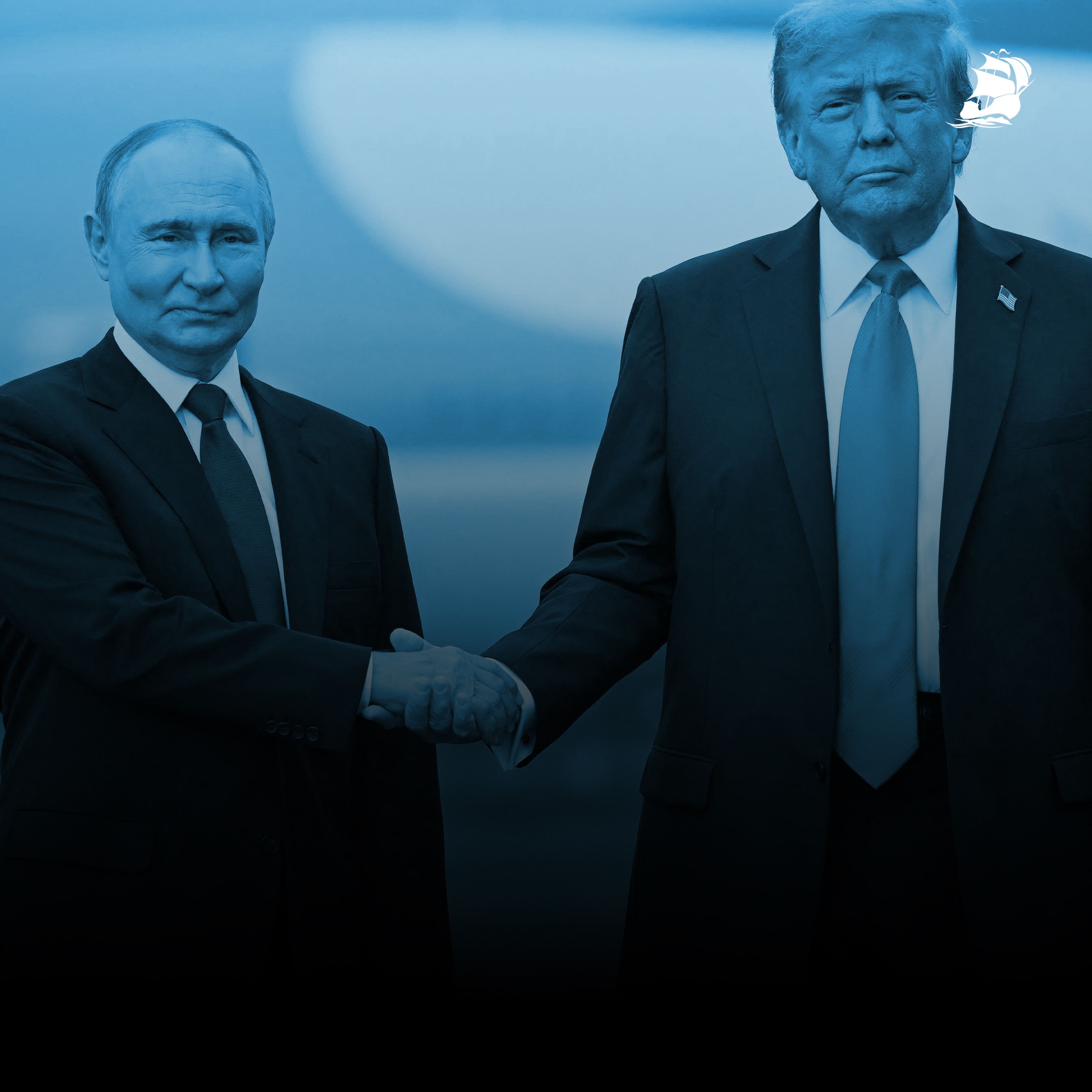
Yeah, right. They had the long list. He had the ledger, kind of like Trump has the ledger of all the. All the people that have aggrieved him over the years. All right, y', all, here's the thing about New year's resolutions. Nearly 80% fail by February. Now, the good news, though, that's great news for us here in New Orleans, right, Because we don't do New Year's resolutions because you go immediately into Mardi Gras season, and then you start your post Mardi Gras resolution. So ours don't fail until, like, March or April, which is pretty nice. But the reason for that is not that people lack willpower. It's because they're not getting any positive feedback, they're not giving any data. And real, lasting change happens when you understand what's actually happening with your body. And you can do that with our sponsor, Function. Function is the only health platform that gives you access to over 160 biomarkers covering everything from hormones to metabolism to heart health to inflammation, stress markers and toxins. You can even add MRI and chest CT imaging, and it's all tracked in one secure place over time. It's a kind of comprehensive view of your health that most people never get access to. It's something that I'm looking forward to getting access to because I'm not sure if I've made the healthiest choices over the last year. I don't know if working 90 hours a week and then also going out and drinking on the weekends is the preferred choice for being healthy in middle age and also eating southern Louisiana food. I don't think that's what Michelle Obama recommended, but I'm not sure I'm feeling okay. But it'd be nice to see what's happening on the inside. And so I'm excited to turn to our friends at Function. And if you're wondering what's happening on the inside, you should as well own your health for 365 bucks a year. That's a dollar a day. Learn more and join using my link. Visit www.functionhealth.com thebullwerk or use gift code thebullwerk25 for a $25 credit towards your membership. One other thing I was curious to ask you about from that first term is you were there for that Helsinki meeting. One of the big mysteries for me remains that the private Trump and Putin meeting that happened on the side of Helsinki and the limits of the, you know, the translator and other people not being invited. Do you still to this day have any sense of what exactly happened there?
- [22:05]
Fiona Hill
Helsinki? Absolutely. Because a lot of people have conflated what happened at Helsinki with what happened in one of the first encounters between Trump and Putin at the G20 meeting in time. Remember, we all do, right. In a bit, the sequencing of all of this in Hamburg, where he took the translator's notes. And you know what you've got to think about is the translators notes are for themselves in shorthand because they're doing this consecutive translation fast in real time, you know, so it's just a kind of their own, you know, memories. But in that meeting you had Rex Tillerson who was taking notes and Rex Tillerson put his notes in his inside pocket. Trump didn't take his notes and Rex Tillerson related to the rest of us, you know what happened. But Then there's an episode later where Trump goes to dinner in Hamburg and he doesn't take his own translator. And Melania is sitting. The first lady is sitting next to Putin. Of course, Trump makes his way over, can't resist, you know, kind of coming to talk to Putin. And then it's all on the Russian translator. And, you know, we only know what happened then from what we could get related to as buying Melania stuff, which is, you know, there. But it wasn't a very big interaction. It's all, you know, there in cameras, you know, sort of trying to lip read, you know, looking at cameras. He was, what's going on? But at Helsinki, the translator, you know, because we. We'd already been forewarned, is forearmed, you know, made sure that her notes were not taken away. And you've got to kind of remember that these translators are all pretty highly skilled. And in the case of the translator Helsinki, who was now, you know, retired, she'd had more meetings with Putin and other, you know, US Leaders of different. Different levels of the government than anybody else. I mean, she knew Putin inside out, the way he talks and everything. And she basically came out and did a full brief of what had been discussed inside.
- [23:58]
Tim Miller
That's interesting. Those things always create lore, because there's this question that kind of hangs over all this, which is like, is it possible that Trump could just be this pliable and this enamored by Putin and this easily flattered, like. Or is there something else happening? And. Right. And so I do think it's like those meetings, things that carries, like, is there something. Is there another deal happening we don't know about?
- [24:22]
Fiona Hill
And I was the dni, the Director of National Intelligence and former Ambassador to Germany, all kinds of things. I mean, that's the way that he put it. The whole time, he couldn't believe that Trump could be just so pliable that it had to be something else, you know, because it's just. It seems inconceivable, to quote the Princess Bride, inconceivable, you know, that he could possibly be in that easily manipulated frame. But I think he's in that easily manipulated frame. And Putin has been trained for his whole career in the kgb, you know, to basically manipulate people. He was a recruiter, you know, somebody ran assets. And, you know, he's always looking for people's vulnerabilities. And Trump is particularly susceptible to flattery. And as we all know, if he gets insulted, he goes, no. You know, so Putin is always extraordinarily careful, you know, to make sure that in any way that he might mock or make fun of Trump doesn't literally, you know, translate, either in his body language or his language, Trump himself. And he frequently insults him, but just in these kind of clever, sneaky kind of ways that anyone who's in that frame understands. But it doesn't really kind of translate, you know, kind of across the cultural dividend or in a way that Trump would see it. And he's just always, you know, seemingly flattering him, nudging him, egging him on. He's egging him on about Greenland, he's egging him on about this, he's egging him on about that. And he's just extraordinary good. And I saw him do that in Helsinki at the lunch when he just basically deliberately, the very end, where I thought, God, we got through that lunch without any, you know, major problem there, he starts to introduce, you know, kind of a question about U.S. domestic politics and sentence Trump off on a rant about Elizabeth Warren and Joe Biden and, you know, anybody who looked like they might be a potential challenger for him in a future presidential election.
- [26:15]
Rocket Money Advertiser
Let's do the 60 Second Savings Challenge. Step one, download Rocket Money. Step two, link your accounts and see every subscription you're paying for. Tap one you don't use and cancel it. That's money back every month. Step three, create a financial goal. $50 every paycheck. Or let the app automatically move small amounts of cash. When you can afford it. In a week, you'll forget you set it up. In a month, you'll see real dollars piling up. In a year, you'll be shocked at how much money you've saved. Upload an Internet or phone bill and let Rocket Money try to lower it. You only pay if they find you savings. On average, Rocket Money members can save up to $740 a year when using all the app's premium features. Users love the app with over 186,000 five star ratings. Make saving money the resolution you actually keep. Start the 60 second savings challenge@rocketmoney.com cancel. That's rocketmoney.com cancel. Rocketmoney.com cancel.
- [27:17]
Tim Miller
So this takes us to kind of the last thing from the first term that bridges us to the news of the day and of the week, which is something you've been talking about in other interviews recently, which was in, I think, one of those conversations you mentioned with the ambassador to Russia and then just kind of analyzing other public statements. There was some discussion back then about a Venezuela for Ukraine swap, and I'M wondering how serious you think that was, and if you do think that there's any element of that at play in what we've seen in Trump's actions over the last month.
- [27:49]
Fiona Hill
Well, first of all, it was one of these where they make it clear that if you bite on this, this could go somewhere. But it was kind of framed more in very heavy, obvious hints, you know, framing, you know, discussions of Ukraine in the context of Venezuela and the US Interest in this, talking about the Monroe Doctrine, talking about US Interests historically in the Western Hemisphere, and then in the same breath, you know, without almost pausing, talking about their own interests in their own sphere. There were articles in, you know, Russian press, you know, often in English, you know, so that they were intended there, you know, for not audience meetings with, you know, think tankers. I mean, I wouldn't say it was a full on full court press, but it was, you know, definitely meant to entice. And again, it would be like these recruiting exercises. If you bite, you know, want to know more, you know, kind of then they'll take it further.
- [28:39]
Tim Miller
Yeah.
- [28:40]
Fiona Hill
And so I, you know, was kind of basically instructed to go and turn it off because of that particular time, certainly the people who are managing Venezuela. And, you know, this was, remember in that first instance, there was the Coalition Provisional Government of Juan Guaido. I mean, everyone's talking about him now, poor man. And the whole idea that there would be an effort to try to get Maduro to leave, go to Costa Rica or, you know, God knows where and, you know, just leave the scene. And Russians, you know, initially, you know, were just observing all of this, but then they got wind, or they thought they'd got wind of some effort perhaps to do something like we've just seen, but anywhere to of an idea of a US invasion that were deeply suspicious, you know, given the United States propensity in the past, you know, to move into Cuba and, you know, everywhere else. And so they moved in, a group of guys, you know, says, I'll prop the Duro up. And, you know, that's kind of when, you know, also they picked up again on a little bit more of, you know, that's our zone. This is your zone. You know, this could be resolved. And I was supposed to basically go to talk to them with others. Of course, I wasn't there just on my own to try to disentangle. You know, Venezuela and Ukraine said they've got nothing to do with each other. But now we have Trump himself making all these kinds of connections, and he's got Greenland in the mix, which did come up the first time around, but not with the Russians at all.
- [30:00]
Tim Miller
Yeah, talk to us about that, how Greenland came up the first time around.
- [30:03]
Fiona Hill
Well, Greenland seems to have come up with him in a discussion with Ron Lauder, Estee Lauder Perfume and Rare Earths.
- [30:11]
Tim Miller
It's a, it's an interesting portfolio.
- [30:13]
Fiona Hill
Well, I did have a kind of an insane moment. Is there something in the moss that's a great, you know, for face or something, you know, mud baths or, you know, saying precious minerals you could use, you know, in cosmetics. You know, I was, I was, you know, kind of flummoxed. And it was Ambassador Bolton who's also spoken about it, John Bolton, who, you know, was the person who Trump cornered and basically said he wanted to buy Greenland. You know, how exactly the conversation came up with Ron Lauder, I honestly couldn't tell you, but there was, you know, discussions at the time that China was expressing interest in mineral rights in places like Greenland and Iceland and Svalbard in Norway, which hopefully is not on Trump's agenda. Though he seems to have got Greenland's Iceland bundled up several times in his speech at Davos, which is worrying for the Icelanders as well.
- [31:01]
Tim Miller
And, you know, he said that Iceland said that he was their daddy. Yeah, I don't think that's right.
- [31:07]
Fiona Hill
No, I don't think so. You know, there are small populations in these places. And he does have answers that could have been Vikings. I don't know.
- [31:13]
Tim Miller
I don't think he meant it.
- [31:14]
Fiona Hill
Maybe had a common daddy, you know, somewhere way back, you know, at the time of Eric the Red or, you know, you know, kind of remember, the Vikings were the first, actually. Not just to get to, you know, kind of all kind of other points, you know, of the world, but also to get to North America. You know, we have, you know, all of these Viking forest, and that's of course, first Europeans, because we have the Inuit and other first peoples, you know, elsewhere.
- [31:38]
Tim Miller
Sure.
- [31:38]
Fiona Hill
You know, keep getting ignored in all of this. You know, Trump basically at that point, just first formulating the idea that he'd like to have Greenland, which of course we then went through, you know, in a, in a memo. And I, I didn't finish it off because I actually left because I could see that I was about to become part of the problem, not the solution. Getting back to Martin Index warning, you know, I left in the Gell of 2019 before all these other things start to unravel. But when we had a draft of the memo, they just went through you know, all the kind of history of the United States and Greenland, the rights of the United States had under the 1951 Security Treaty. All of the things that people are reading about now, you know, were kind of prefigured there. But you know, the other point was Greenland wasn't for sale and the Greenlander people are not for sale either. But there was then still that discussion about the possibility of Greenland's independence and you know, these ideas of free association, shared sovereignty, all these kinds of things were all sort of circulating around.
- [32:31]
Tim Miller
So you also came out of this from a security expert, pov. And so just almost taking away the partisan element of this and the stupidity of the ham handedness of how Trump is going about it. Is there anything to the argument about valuing Greenland for national security purposes?
- [32:50]
Fiona Hill
Well, yes, but it's already dealt with NATO and with the Security Treaty. I mean, the United States itself drew down its forces there in Greenland, you know, from thousands to a couple of hundred. And one of the reasons that, you know, kind of there was so much interest there was because the United States has really been neglecting it, potential interest. And even the Icelanders and the Greenlanders, you know, had also been signaling to the US to be more involved. Not like this, but, you know, could they.
- [33:17]
Tim Miller
But what is the worry? I guess I can't even grasp what the concern is.
- [33:20]
Fiona Hill
Well, I think that that's the point because the concern is that maybe somewhere down the line, Russia or China may want to get hold of Greenland. The Danes turned off any of these, you know, interests by China in acquiring mineral rights, concessions and licenses. Same in Svalbard. The Norwegians did that. Iceland, you know, kind of didn't like the idea of, you know, large numbers of, you know, Chinese appearing to want to build golf courses or invest in pots and things. You know, it became a bit overwhelming. And although, you know, there is always Russian activity in the Arctic, I mean, it's their backyard. Russia is an Arctic and subarctic power. Of course they're there. And World War II, we were really concerned about the Green and Iceland UK gap. There's not been any sign of a Chinese ship in the vicinity of Greenland for more than a decade.
- [34:07]
Tim Miller
And also Russia, I hear you on Russia being in the Arctic, but they invaded Ukraine four years ago now and have made it like 40 miles. There's a lot of steps between there. There are all the other Baltic and Nordic countries.
- [34:20]
Fiona Hill
Yeah. And now we've actually probably making security in the Arctic, you know, even less reliable because, you know, this was already covered by NATO and the United States, just to be clear, when he talks about the Golden Dome as well, beyond minerals. And, you know, of course, there's a lot of business interest in the minerals, of course, but they're also unminable, you know, for, you know, the kind of the near term, because there's no infrastructure there in the United States, you know, might have concessions or licenses, but they haven't been able to turn these into, you know, actual mining activities. There are lots of British and Canadian companies there, but some of them have sold out because of, you know, the difficulties of actually, you know, bringing any mines into fruition. They've got all kinds of rules and regulations. Ecological environment, for good reason, very fragile, you know, ecosystems that are there, you know. But the. But the whole, you know, kind of point there is also from the anti ballistic missile warning defenses. The United States also needs the UK and Norway there. The UK is actually a massive communications hub and has, you know, kind of major radar installations that the United States and the UK operate together, and so does Norway.
- [35:23]
Tim Miller
Yeah.
- [35:23]
Fiona Hill
So, you know, you kind of alienate everybody else. Trump always says the U.S. does 100% of NATO or, you know, 80% of NATO, 70% of NATO. But there's pretty critical parts of the contributions of other NATO members that are really going to cause problems for the United States down the road if they were not there. And, I mean, that's kind of part of the problem there. The whole security of Greenland has been in a pretty fine balance with all of these other players. And you've got Iceland, the United Kingdom, Norway, and other Nordic and Scandinavian countries. Now you're just pretty much alienating them all.
- [36:02]
Rocket Money Advertiser
I didn't realize I was wasting $415 a month until I downloaded Rocket Money. I thought I had my finances under control. App laid out all my spending and categorized it for me. Takeout shopping and unused subscriptions were quietly draining my account, and as a result, my savings took a backseat. But Rocket Money doesn't just tell you what you're wasting money on. It takes action to save you money. First, the app looks at your income and monthly expenses and calculates how much you can safely spend each day to stay under budget. Rocket Money also fines and cancels unwanted subscriptions for you and even negotiates better rates on your bills so you have more money in your pocket. On average, Rocket Money members can save up to $740 a year when using all the app's premium features. Users love the app. With over 186,000 five star ratings. It's time to simplify your finances and take control of your Money. Go to RocketMoney.com Cancel to get started. That's RocketMoney.com Cancel RocketMoney.com Cancel.
- [37:04]
Tim Miller
So we're taping this Wednesday afternoon. Right as we're getting on, we have our first. I don't even know if you want to call it good news because it's so ridiculous. It makes me feel like my job is so stupid sometimes. But Trump has backed down. It's like all of this conflagration, all this ridiculousness for nothing, apparently. But here's his post. He wrote this based on a very productive meeting I've had with Secretary General of NATO. We have formed the framework of a future deal with respect to Greenland. The solution, if consummated.
- [37:36]
Fiona Hill
Consummated, yuck.
- [37:37]
Tim Miller
Will be a great one for the United States and all NATO nations. Based on this understanding, I will not be imposing tariffs. Additional discussions are to be held concerning the Golden Dome. Blah, blah, blah. Steve Wyckoff's going to be involved. Whatever this deal is could have just been done without menacing all of these people. And I do think that the way he's gone about it is going to create real consequences. But anyway, what's your reaction to that? That back down?
- [38:04]
Fiona Hill
Well, there will be consequences. I mean, I think, you know, what people have been trying to do is find him an off ramp.
- [38:09]
Tim Miller
Yeah.
- [38:09]
Fiona Hill
You know, the whole time to, you know, back off from this because this was about. And it still is about. And it could come back again. Trump alone, he wants Greenland because it's so big. You know, we all talk about the Mercator Mercasa projections. And, you know, with Greenland, I mean, I think, you know, Trump's thinking is that the United States would be the biggest country in the world while you had in Canada and the United States as dirt in Greenland. Absolutely. You know, bigger than Russia, etc. Etc. But he's thinking all the time about size. I mean, these ridiculous, you know, pictures of him with Vance and Rubio standing behind him planting a flag on Greenland. Members of Congress and, you know, videos apparently cutting up cakes with Greenland on. You know, they've been thinking that this is all funny and that, you know, they can do this without any cost. And, you know, because Trump, you know, for him, this is like, you know, basically the ultimate prize. Literally, as he said to the Norwegian prime minister, if I can't have the Nobel Peace Prize and I want Greenland. And he says it in his speech in Davos, I want Greenland. I mean, this is so absurd. It wants it for his own prestige and aggrandizement. And yet the United States already has Greenland in the sense of all the things we've talked about in terms of ensuring US Security, having access to mineral resources when, if they are necessary and available with necessary investment in infrastructure. And all what he's done here has alienated everybody because it's made Europe feel that not only are they under attack from the eastern flank from Russia, but they're under attack from the north by their greatest friend and ally. And Denmark, as we all know, has been, probably, out of all those NATO allies, the most dedicated to its relationship with United States. Most of, you know, the. The Danish products that Americans buy are actually manufactured, creating American jobs in the United States. Exactly what, you know, Trump has asked for, including, you know, a zic, you know, and all the things that everybody's kind of talking about all the time, they're made in the United States. Denmark has, you know, supported the United States in all kinds of, you know, operations and military operations and, you know, the den and many of the things that they've done in their own policies, the kinds of things that the United States is always talking about in immigration and security, et cetera, et cetera. And now the Danes are so angry with the United States for not constraining, you know, what Trump has been saying that I'm not sure, you know, how this comes back again. And he's, you know, basically frightened the bejesus out of the Greenlanders, who are basically saying, look, we're people. We're not for sale here. Do you want to enslave us? I mean, this is creating a pretty nasty set of reverberations for the United States here, there, and everywhere to the everywhere.
- [40:49]
Tim Miller
I think that's what I wanted to play next. Mark Carney's speech over in Davos was pretty noteworthy because the way he is talking about this decoupling, this rupture with the United States basically makes it seem like this is something they're going forward on. This Trump taco on this doesn't really change the underlining point of Carney's argument about the way that the world is changing now. And so I want to play just about a minute of the Carney speech, because I think it's pretty significant. Let's listen to that.
- [41:22]
Rocket Money Advertiser
And American hegemony, in particular, helped provide public goods, open sea lanes, a stable financial system, collective security, and support for frameworks for resolving disputes. So we placed the sign in the window. We participated in the rituals, and we largely Avoided calling out the gaps between rhetoric and reality. This bargain no longer works. Let me be direct. We are in the midst of a rupture, not a transition. Over the past two decades, a series of crises in finance, health, energy and geopolitics and have laid bare the risks of extreme global integration. But more recently, great powers have begun using economic integration as weapons, tariffs as leverage, financial infrastructure as coercion, supply chains as vulnerabilities to be exploited. You cannot live within the lie of mutual benefit through integration when integration becomes the source of your subordination.
- [42:29]
Tim Miller
Well, that is remarkable.
- [42:30]
Fiona Hill
It is remarkable. And, you know, that's kind of a speech if they would have dared make it. But, you know, former, you know, vassal states of the Soviet Union or, you know, neighbors of Russia would make if they wanted, and that's coming from Canada, you know, which along with Denmark, the closest you know, possible, you know, in the UK as well, of course, you know, closest possible friend and ally of the United States. And 80% of Canadian trade, the bulk of the population, all intertwined with the United States. And Mark Carney is saying, no, not anymore. And he means, obviously means it.
- [43:08]
Tim Miller
He obviously means it. And it also feels like at some level it's repairable, that it means they're going to make this change no matter what we've demonstrated ourselves, we being the United States, to be too unreliable for them to continue in the same framework that they've continued in. And I was listening to your conversation with David Frum, where you're talking about how that's true economically, but also militarily and how you were kind of saying that going forward, you'll see surprising countries start to build up militarily, because I feel like they have to. I think you'd mentioned Finland and Turkey and some others. So how do you see all of that playing out in the next little bit?
- [43:44]
Fiona Hill
Yeah, look, I see a real tragedy here for the United States. Trump and others are absolutely right that NATO basically was too much and dependent on the United States, was being carried by the United States, no question about it. And it was Barack Obama, you know, in 2014, who insisted on the 2% of GDP spending, not Trump. But, you know, nobody did anything really in that interim. And even before that, you know, we go back to Kennedy, Johnson, you know, you name it, past presidents, going back to the 60s, there was a whole debate about, you know, Europe needing to do more. As Europe recovered from World War II, it needed a step up in terms of its commitments to its own defense. And they've been wanting in that, but the United States has also prospered. That so called arsenal of democracy that was kind of built up in the Midwest and elsewhere and built up more recently by the Northrop Grummans and Lockheed Martins Andurils and all the kind of newer companies, Palantir, you name them, by selling products, services as well, well as, you know, military equipment and state of the art, you know, technology to. You've got it. Other NATO members and now other NATO members are thinking, wow, okay, you know, we also depend on you. They're going to start leveraging this and you know, yes, we need, you know, to build up our military, but maybe we don't want to be buying America. There's already been a backlash. I was just in the uk, you know, a week ago, you know, questions about why did we make all these agreements with the United States? I mean, yes, we need, you know, these, this bridge to, you know, get, you know, more weaponry from United States to build things up. But they're using it as leverage, as Carney is saying here. You know, they're bullying us. You know, you've got, you know, basically Elon Musk who wants to sell more Starlink and all these other, you know, people interfering in UK and other European politics, trying to support, you know, subversive populists, many of whom frankly are child molesters and you know, all kind, honestly and you know, other, you know, kind of rapists, you know, the Tate brothers, Tommy Robinson, you know, people who are so far off, you know, the right that they're, you know, off the abyss and they're actively doing this and you're kind of thinking to yourself, you know, if you're sitting in some of these places, is this what I want? You know, and you know, do we want our own, you know, kind of governance would be basically the now the vassal states of populist white supremacist politics in the United States? We don't think so. So you're getting a lot of people starting to really say, what is it here that we're dealing with? I mean, I'm channeling here things that I've been hearing. I mean, I didn't hear a single person say anything positive about what was happening in the United States. In my recent trip to the uk, you know, a place that's normally pretty supportive. And I'm not saying that this is in London. I mean, I'm in the, you know, the areas where, you know, people are fed up themselves and.
- [46:31]
Tim Miller
But yeah, I mean, Ukraine has some problems of their own.
- [46:33]
Fiona Hill
Yeah, these are such A positive view of the United States. And it's, you know, so soured now and this desire to, you know, basically get away from these dependencies. And, you know, what we do have to worry about is nuclear proliferation because, you know, everybody knows that in the past, you know, we've had South Korea, not just South Africa, Turkey, you know, other countries, Japan, you know, all kind of questions Sweden, Sweden, and think about Sweden, who've all thought about, you know, getting nuclear weapons. And as I said, you've got all these countries now thinking about, well, you know, maybe we should have a European nuclear weapon. And it's not just the, you know, the British system that seems too dependent on the US or the French. That's just for the French. You know, how do we, you know, kind of basically create all kinds of systems so we reduce our dependencies on the United States, which is. Reduce their ability to leverage us, you know, by access to the US Market or just to kind of bully us and try to ruin our economies.
- [47:26]
Tim Miller
That's rational that they're looking into all of that. And on the economic side, it's like, look, there will be pain in the short term, and obviously the economy is not great right now in the UK and some of these other places, but the idea that Australia, Canada, Western Europe, UK couldn't bound together and do a lot of what we're talking about, when we're talking about China over the past 10 years to decouple, do things to get themselves out of being, having to rely upon us, like, that feels rational. And it feels rational because as you say, like, I don't think, you know, in the first term they could look at this and say this was an outlier. You know, the Americans did something crazy and that'll happen. But, you know, now you look at Trump and it's like the person that comes after Trump is that, are they going to be any different? Are they going to be, you know, are you using the same tactics?
- [48:11]
Fiona Hill
Well, also, if it's, you know, Jody Vance, to be frank, and he's supported by the tech bros. People are really kind of. I mean, that was part of the discussion at Davos. You know, in other settings, do people really, you know, eight. There were 8 billion people on the planet and there are eight, you know, kind of tech bros probably that's a bit of a. I'm just using that as a kind of, you know, reference point here. But, you know, this is. I mean, should everybody be enthralled to them? Could they only buy their products and then, you know, have to be, you know, basically manipulated by them and bullied, you know, kind of. And JD Vance is supported by them. I've heard that over and over again, kind of, what's with all these. And again, a threshold kind of from the same kind of background. What are they trying to do here?
- [48:51]
Tim Miller
Yeah. And again, Chidi Vance won't have some of the same megalomania, narcissism issues that Trump has, and maybe slightly less erratic, but on a lot of their issues, these countries, he's more extreme, he's more isolationist, he's less willing to deal.
- [49:04]
Fiona Hill
People have described it exactly right, because they say, well, he's the real deal. He's very clever, he's very disciplined. But, you know, he seems to be, you know, very much wanting to kind of make everywhere else in, you know, the US Populist, you know, nationalist, nativist image. And look, this is, again, I'm saying this not from a political perspective, just telling you what people are saying.
- [49:25]
Tim Miller
Sure.
- [49:25]
Fiona Hill
Because it's more complicated in Europe than it appears from the United States. I mean, you might think. I mean, you don't think this, but they might think that all of the problems are the same. But, you know, Europe has got. And European countries individually have very complicated histories. And, you know, the United Kingdom, for example, isn't a nation state. It's a state of nations. And they seem to have missed that. There are already, you know, kind of recognized, you know, peoples of the British Isles, Scots, Irish, English, Welsh, and travelers and all kinds of other people, you know, don't have this, you know, singular identity that they're trying to push for, you know, for example, the number one.
- [50:03]
Rocket Money Advertiser
Resolution for people last year was to save more money, but nearly half gave up by February. Don't let that be you. Download Rocket Money to reach your financial goals this year. Track your spending, cut waste, and automate savings in one simple app. Rocket Money shows you all your expenses and categorizes them so you know exactly where your money's going and where you're overspending. From there, the app cuts waste by canceling your unused subscriptions and lowering your bills. No customer service needed. With that money freed up, the app will automatically set some cash aside for your goals. Whether it's an emergency fund, paying off debt, or saving for vacation, Rocket Money's got you covered. Users love the app, with over 186,000 five star ratings. And on average, users can save up to $740 a year when using all the app's premium features, make saving money a priority. This year go to rocketmoney.com cancel to get started. That's rocketmoney.com cancel rocketmoney.com cancel there's one other element.
- [51:04]
Tim Miller
I don't know if you've been following this, and I haven't been following as closely as I should. So it's okay if you're in the same boat because it's hard with the Trump you're always trying to navigate. Is this a real thing that he's doing? Is this a work? Is it a scam? Is it just some post? And I'm feeling that way about this board of peace you've been following this, the Gaza Board of Peace that he's creating. And it was alarming to me when it was just related to the rebuilding of Gaza. But over the past week or two, it seemed like the remit for this has expanded quite a bit. He said he invited Putin to be on. Lukashenko has said that he would be on. I'm blanking the leader of Kazakhstan. I'd see these other countries that are in the Putin orbit. This is relevant to our previous conversation about what is rational for Canada and Europe and others to do, because it feels like he's trying to put together a counterweight group that the US Is also part of with his authoritarian buddies. I don't know, maybe that's overreacting. I don't know. What do you think?
- [52:02]
Fiona Hill
Well, also a cash payment scheme. I mean, where's this cash going? I mean, I was reading, you know, something that, I mean, I tried to read the charter, but then there's this idea. You pay what, a billion in cash? Or, I mean, is this a joke? And where does it go? Does it get invested in Donald Trump meme coins or in cryptocurrency? Because, I mean, I heard recently from a colleague, you know, who looks into these things that North Korea, you know, has made a mint, you know, from basically siphoning off cryptocurrency. You know, so is it going off to North Korea or is Kim Jong Un going to be investing it in hair products or, you know, all kinds of other kinds of things. Whatever that man does, you know, with his money or, you know, nuclear, nuclear weapons, I don't even know whether to make jokes about it or, you know, to just lament yet again, you know, again, the destruction of anything that could be sensibly approached as a basis for reinvigorating the international system. This is not, I think, what anybody, you know, might have had in mind. It just seems like another Donald Trump. Enriched myself quickly.
- [53:01]
Tim Miller
Scheme because the Greenland stuff, the Venezuela stuff, that came up in the first term, I don't remember kind of a Legion of Doom style plot in the first term. But that's.
- [53:12]
Fiona Hill
It's becoming more and more like we're in the Marvel universe. You know, it's called Marvel Comics. I mean, it's. So many people are making fun of this, memes going around. You know, the Internet, I think, you know, the, the collective wisdom of the Internet seems to have got this a little bit more than foreign policy. Know the analysts. This is just a bloody joke.
- [53:32]
Tim Miller
Speaking of bloody jokes, I want to close where we started with Ukraine and get back to present day situation there and the negotiations you referenced how there are these things that come down through Russian history about how they do their operations. One such thing is the useful idiot. And we do seem to have a candidate for that in Steve Witkoff, who has been the point man for the negotiations in Ukraine and Russia. And I'm just wondering how you read what's been happening there and what his role is and how they manipulate him and how maybe that compares to the kind of dealings you saw in the first administration.
- [54:14]
Fiona Hill
I think it seems to compare quite well with what we saw in the, you know, the previous administration when he had Rudy Giuliani and all kinds of people running off, you know, all over the place, doing all kinds of things. I mean, they're not wrong in that, you know, there were a lot of limitations. Old style diplomacy, having a pattern breaker in the form of Trump could be pretty useful thinking outside the box.
- [54:36]
Tim Miller
I'm sorry, a pattern breaker?
- [54:37]
Fiona Hill
Yeah.
- [54:38]
Tim Miller
Okay, sorry, I got confused. I thought you said patent breaker. And I was like, I got as well. But yes, a pattern breaker. Right. So the old style of diplomacy with Right. Russia wasn't working. You know, we tried all these kind.
- [54:49]
Fiona Hill
Of stale methods and kind of, you know, trying to sort of, you know, be inventive about this. Not the conventional wisdom.
- [54:56]
Tim Miller
Sure.
- [54:56]
Fiona Hill
You know, he addressed a lot of the problems that you could see there. But, you know, the way that Russians operate and that Putin operates, I mean, he is very, very good at just being extraordinary patient and figuring out all kinds of angles, the manipulation of people. You know, they needed to have some insight into this. I mean, you should not go into a meeting with Vladimir Putin without someone taking notes, without them taking note of what he's doing, what he's saying and why he's saying it without your own interpreter and without any kind of preparation. I mean, even if you want to have a fresh set of ideas and a Fresh thinking about this because you're just laying yourself up and to be manipulated.
- [55:34]
Tim Miller
So they just have a Russian interpreter.
- [55:36]
Fiona Hill
Yeah, A lot of these meetings, he was just going in with the Russians interpreter, and God knows what he thought he was hearing. And I think that, you know, from what I've heard, the Russians were pretty frustrated by this as well.
- [55:48]
Tim Miller
Why? It feels like they're getting everything they want.
- [55:50]
Fiona Hill
Yes, but they didn't get any follow up. I mean, you might get everything you want in the moment of, you know, somebody, you know, buying your whole shtick, basically. But then what happens when he comes home and then can't remember exactly what they've said or gets it all confused, which seems to be, you know, the pattern is in some cases, and then nothing happens because these things are not implementable. And you've got this kind of, you know, ridiculous, you know, you go to talk to Putin here and then you talk to somebody else here, and then you go over and have to talk to Zinsky here and then everybody else over there. There's not a coordination of, there's no there there in the process. And people will complain about that the first time around. People like Erdogan, for example, I remember this is, you know, the, the President of Turkey, he would talk to Trump about his bad advisors because his guys would have discussions with the advisors who tried to take things back to Trump and Trump would just ignore it. Or Trump, he would ambush Trump with a phone call, you know, while he was on the golf course. Of course, Trump's got no one with him, but Erdogan's got a whole phalanx of people all around him taking careful note and wanting to have follow up. And as I mentioned, you'd have the ambassador of Russia would come in with this long sheet of things that he wanted to follow up on. I'd say, well, I don't know. I mean, was this discussed with President Trump? Because Trump doesn't tell anybody kind of about his conversations.
- [57:08]
Tim Miller
I feel like we're in Groundhog Day with the Ukraine and Russia situation, right, where we just kind of go through the same cycle over and over again of Trump playing footsie with Putin and getting mad and getting pulled back, reigned back in and then doing it again. Do you see any off ramp? And it's such a tragic situation we're in right now. And the Russian casualties are off the charts. Ukraine, it's the worst winter of the war. Regular Ukrainians are freezing or dying and like living in tents. If Zelensky called you, what would you even say? At this point, could be a possible off ramp for this situation, or is there just not one?
- [57:46]
Fiona Hill
I'm incredibly sorry, and this is shameful about the US Position here, but many people have been saying to the Ukrainians all along that you've got to really, you know, work with Europeans at this point. I mean, the problem is, of course, as everybody's going to immediately identify, is that, you know, the, the US Military equipment is still necessary, you know, for Ukraine. Europeans are purchasing that now, but, you know, the US has still got kind of leverage there, and in terms of arms sale, and the Ukrainians have been incredibly innovative and, you know, have really been pulling out all the stops themselves, you know, but ultimately, the United States has really let them down. And, you know, if the war is lost, I think that's on the U.S. it's certainly not on. And also on Europeans, you know, kind of not acting quick enough and, you know, not from, you know, building up, because it's not been for the want of the Ukrainians, you know, fighting back to, you know, really defend themselves. I mean, it's, again, it's remarkable, you know, where we are in this conflict. You know, you yourself have said that, you know, despite the fact it seems that the, you know, the Russians have made huge progress. You know, they really haven't, in the larger scheme of things. It's supposed to be a small special military operation, small in duration, and it's now gone on longer than the Soviet Union was fighting Nazi Germany in World War II with colossal casualties, as you've said, on the Russian side, not just on the Ukrainian side.
- [59:13]
Tim Miller
It'd be like if we invaded Mexico four years ago and had gotten to Cancun. You know, it's like, not that great. You would think we could do better.
- [59:20]
Fiona Hill
Well, that's actually reasonably far because, you know, what's going on? I don't know. It depends on where we started, you know, exactly. But anyway, it's just, it's. I mean, the problem here is that this could have gone in a different direction had there been a unified approach to this. But, you know, Trump has been desperately trying to get rid of it all the time. He wanted to have his on separate relationship with Putin. He's never wanted anything to do with this. He's wanted to sit down with Putin to do arms control agreements, all kinds of things. And the tragedy of all of this is he's probably made the world even more insecure than it was before.
- [59:57]
Tim Miller
In retrospect, real politics. Should he have just done the drug deal? Should Zelensky have just given him shit on Hunter Biden. Now that we know who we are.
- [60:07]
Fiona Hill
He didn't really have any. I mean, that was the whole thing. That was also a fabrication. But that's kind of what Trump blames him for. He blames him for the phone call that it was Trump's phone call, basically. Personally, I mean, I'd never thought they should have had that phone call. And I left recommending there was no phone call scheduled. I had no idea that that was how it was going to go, but I didn't think it was going to be a good phone call anyway because Trump was so antagonistic towards Zelensky, the Ukrainians, and he remains antagonistic towards them.
- [60:39]
Tim Miller
What a, What a rough world we're in. Fiona Hill.
- [60:44]
Fiona Hill
But I do think, though, just to be very clear here, and you are called the bulwark.
- [60:48]
Tim Miller
We are the bulwark.
- [60:49]
Fiona Hill
There is the ability to do things.
- [60:51]
Tim Miller
Let's do it. Leave us what we had. Sarah McBride left us with an uplift at the end. Why don't you give us a little speech, too? We could use it.
- [60:56]
Fiona Hill
I think Mark Carney's laid it out there. I mean, he's basically telling everybody to time to rally, time to get real. You know, time to do something. And, you know, here's a ways forward. You know, there's all kinds of ways in which people are stepping up right now to just say, look, you know, we need to do something different. We do need members of Congress to get their act together. And on the Republican side, absolutely. You know, it can't just be, you know, people on the streets of Minnesota or, you know, anybody else, you know, trying to just say, this is, this is wrong. I mean, we have to, you know, use every platform as Mark Carney has just done, you know, that we possibly can have in Davos. But we have to actually take some action. And I think, you know, at the state level, mayors, governors, and, you know, anybody who can and has a platform and an ability to act, so they've got to do that. Because I personally think America is better than this. You know, I came here in 1989 as the. I was literally, you know, in my first month in the United States. The building wall came down my first couple of months, and I saw think that ability to do things better is there, and it's certainly here in America, but it's not there if we all are enthralled to one guy who's clearly lost the plot.
- [62:02]
Tim Miller
Amen to that. Fiona Hill. Thank you so much for the time today. I really appreciate you very much, and let's stay in touch. All right?
- [62:07]
Fiona Hill
Yeah. Thanks a lot.
- [62:08]
Tim Miller
Thank you, everybody else. We'll be back tomorrow for another edition of the podcast. See y' all then. Peace. The Borg Podcast is produced by Katie Cooper with audio engineering and editing by Jason Brown.