Loading summary
Transcript144 lines
- [00:00]
Wright Thompson
Five years ago, I was paying $65 a month for my subscriptions. Today, those Same subscriptions cost $111 and I don't even use half of them anymore. That's why now I use Rocket Money to manage my subscriptions for me. The app gives you a list of all your subscriptions and reminds you of upcoming payments so you're not hit with any surprise charges. On top of that, it also sends you alerts when subscription prices go up, so you always know the price you're paying. If you decide you no longer want a subscription, you can cancel it right from the app. No customer service needed. And the best part is, Rocket Money even reaches out and tries to get you refunded for some of the money you lost. On average, people that cancel their subscriptions with rocket money save $378 a year. And overall, Rocket Money has saved its members $880 million in canceled subscriptions. Stop wasting money on things you don't use. Go to RocketMoney.com Cancel to get started, that's RocketMoney.com Cancel RocketMoney.com Cancel hey everybody.
- [01:00]
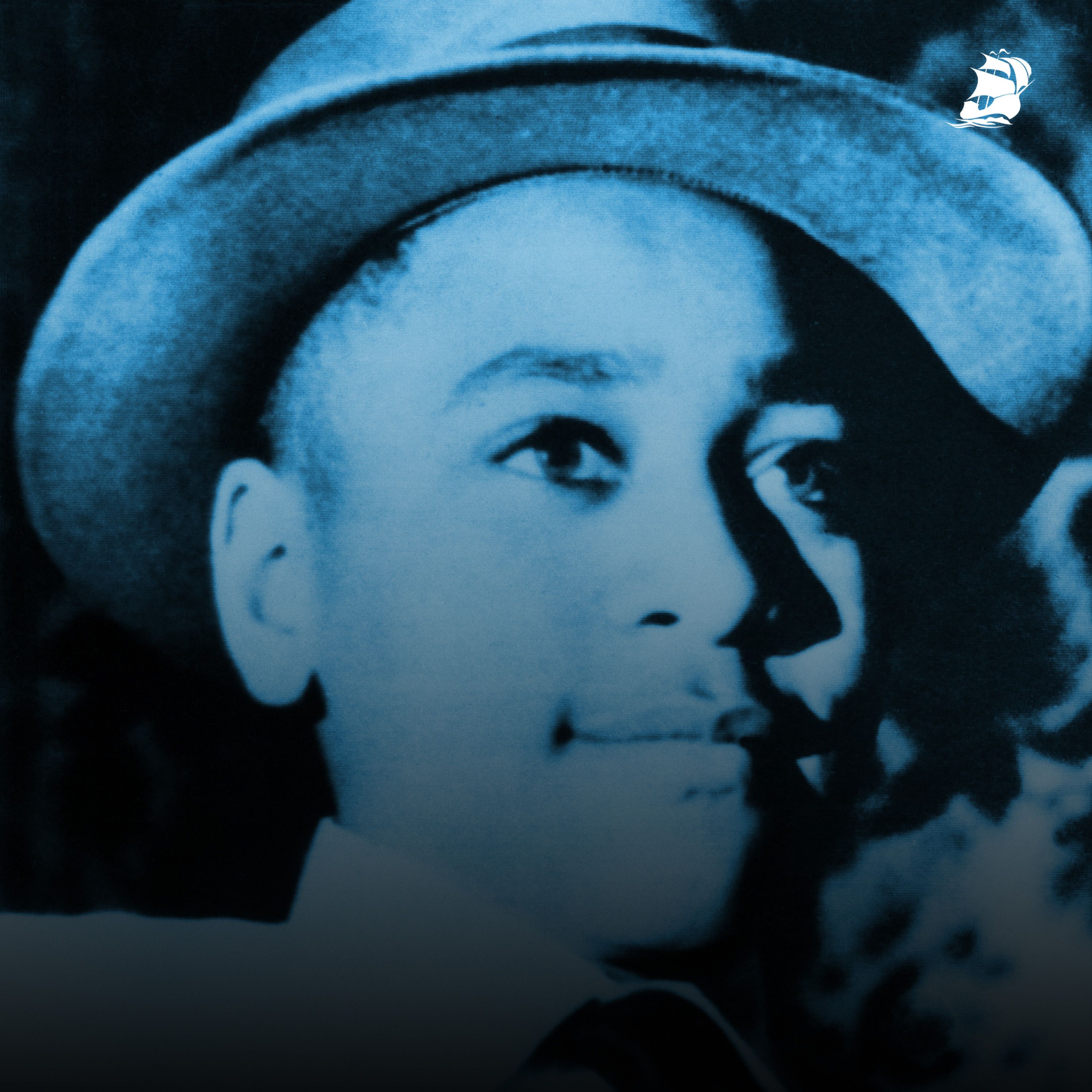
Tim Miller
It'S Tim Miller from the Bulwark. So excited to bring our guest for today to you here in a minute. Ray Thompson is a guy I've been reading about for a long time and one of my favorite books the past couple years is his book the Barn, about basically the 30ish square miles around the barn where Emmett Till was murdered. It's an area that he grew up in and still lives in Mississippi. And I thought that would be just a really interesting conversation for the Martin Luther King holiday weekend. And also, as you'll see, there's just a ton of echoes and lessons from that period that I think are resonating right now. He also just tells a wonderful story about his mother that I think is going to give a lot of you some laughter and comfort and steel you to keep getting in those Facebook comments section wars. So stick around for all that. Wright is great. I wanted to do a quick news thing at the top because there's just so much happening. And so here's like a little brief news potpourri and Tim's hot takes and then we'll get you to write. The first thing is Maria Karina Machado went to the White House yesterday to give Donald Trump the medal, her Nobel Peace Prize medal. Gotta say, it feels like this is a little too little too late for Maria Machado. I mean, Donald Trump likes trophies, but things are already moving down the tracks as far as him garnishing, confiscating, stealing the oil from Venezuela and putting it in a bank account in Qatar and letting the communist Chavistas still run the country. So Donald Trump doesn't really seem to care a lot about freedom and the other things that Machado was talking about. I think maybe she was hoping that he would care about the trophy so much. But I think Donald Trump's kind of the person that says, hey, great, thank you, I appreciate the trophy. I'm going to keep it. I'm going to put it in my trophy room and then not do anything for you. That's. That'd be kind of my assessment of Donald Trump's character. I do have to mention that she gave him the medal in this, kind of framed it. So it sort of looked like somebody ran to Michael's like an hour before the event and had the medal framed next to, you know, some parchment paper with the President, Donald Trump and the people of the United States. It's pretty janky. You know, it kind of looks like, you know, the type of thing that you give out to, you know, kids for their awards at the end of a soccer season. If you're going to try to go the whole way here and, and make a big deal out of giving the medal, I might have done some better framing. You know, I use uptown frames here in New Orleans. They would have taken care of, they would have taken care of Maria Machado a lot better on that. It would have looked a plus. The other thing that's worth noting on this is the Norwegian Nobel Committee says Trump can have the trophy, but once a Nobel Prize is announced, it cannot be revoked, shared or transferred to others. The decision is final and stands for all time. A medal can change owners, but the title of a Nobel Peace Prize laureate cannot. So a little cheeky tweet from the Nobel Committee yesterday. You know, it feels like we're pretty cooked here for in this situation, like, this is the kind of diplomacy that we're doing. And, you know, as I mentioned, this all comes in the context of, like, Donald Trump's warmongering and saber rattling of our own allies in Greenland. But also, JVL wrote in his newsletter yesterday, you guys should go check that out. About this, this Qatar bank account that I'm mentioning, Trump is continuing to look for ways to create other funding sources inside the executive branch so it doesn't have to go through Congress. It's pretty ominous, particularly as we get to this next topic as you look ahead to how he might behave after the midterms. Presuming the Democrats take control of Congress, and I would assume, if the Democrats had any balls. Stop. Stop. Funding Donald Trump's various reigns of terror over in Minnesota, the behavior of the ICE and CBP agents continued, and the courage of the protesters there continued. We talked about that a lot yesterday, and it's been really kind of inspiring seeing how many people are getting out in the streets of that frigid Minnesota winter to speak out against this. And I think they should be warned by one thing, that there's evidence now, even internally among President Trump's team, that they recognize that this is hurting them from a popularity standpoint. This is out of Axios. Our old friend Mark Caputo is reporting on this. Private Trump polling showed support for his immigration policies falling. Those results reflected what we've seen in the public polling. But it's interesting to see that they're confirming that with what they're seeing on the internals. One of these Trump advisors told Caputo, I wouldn't say he's concerned about the policy. Duh. He wants deportations. He wants mass deportations. What he doesn't want is what people are seeing. He doesn't like the way it looks. It looks bad. So he's expressed some discomfort at that. Here's the thing. Trump doesn't. We all went through this in the first term. This was the whole Jivanka stuff. There's always, like, Trump would do something. The images on the cable news would be bad. Jivanka would go into him and say, this looks bad for you, and then kind of leak to the New York Times that they objected to the unpopular thing. And people would say, thank goodness we have Jared and Ivanka in there. This is kind of a version of that. We haven't seen a lot of that in this term, but that's kind of what's happening. And one of the only things that has saved us from even a worse catastrophe than the living catastrophe we are experiencing is that Trump, you know, he is a. He's a TV person, he's a tabloid person. He doesn't like the bad images. He never really has. You know, I think there are other. I think Stephen Miller likes him. Right? Like, you can imagine a different type of despot that kind of wants this, you know, wants to see liberals crying on tv. I think Trump likes that, like, a little bit up to a point, Right. And. And then he tacos. He gets a little weak need. And it'll be interesting to kind of see how that plays out here. He doesn't have a lot of Options, though, besides admitting that he's wrong. And this is a big David from point on the tariffs, that's also true about this. Trump might not like the images, but what he doesn't like more is admitting that he's wrong. And this is what mass deportations look like. There's no way to do it in a softer, gentler way. Toothpaste already out of the tube on all that. And it's hard to imagine him on his own accord being like, we're going to unmask these people and we're going to get rid of little Hitler, Greg Bevino and all this sort of stuff. It's kind of hard to imagine him doing that. And so I'm not sure what he can do to fix really the policy change. And I know something the Democrats can do is push on the gas on this. Anybody who listens to this knows I'm wrong. It was just yesterday, two days ago, talking about how wrong I was about Havana Syndrome, happy to admit when I'm wrong. The one thing I've been on since day one of this administration is that these immigration tactics are not popular and we should fight on that turf. And a lot of Democrats have been hesitant to do so. And increasingly we're seeing more and more who aren't. I was at a function with some elected Democrats and then candidates last night, and I was pretty encouraged on this point. I was chewing people's ear off on it, as you might imagine. And so increasingly, I think they are coming out of their shell on this. There have been some really great examples of Democrats who are pushing on this. But it does seem like there's still some hesitancy in various places, particularly in the funding fight coming up. Bill Kristol was out yesterday basically saying, where is Amy Klobuchar and Tina Smith, senators from Minnesota, making this a cornerstone of the fighter on the upcoming budget conversations in the Senate. So we'll see how that goes. But I just think that if the White House is admitting, and basically how these stories come to pass is that there's somebody in the White House that sees the polls, sees it's a disaster and is leaking about it. So the people talk about it. So hopefully Trump backs off. That's why this story is out. It's not like the polls got left on the printer or something at the White House and Marc Caputo found them. Somebody in the White House is unhappy end and is trying to get them to back off. And so the fact that that is happening from inside the House, so to speak, is telling and the Democrats shouldn't let up on it. One last thing. I do kind of want to laugh. Can we laugh at these fucking little authoritarian thugs? Was it Susan Glass, where we were talking about this saying throughout the story is the same throughout the 1930s, just about how hackish and embarrassing and clownish the authoritarians were. I kind of feel like we need sort of a segment on that. I don't know, maybe put in the comments if you have some suggestions on what, like a. What a brand for. That could be like, maybe like an award, like a weekly award for the most clownish attempt at authoritarianism. For this week, I want to shout out Trisha McLaughlin. Trisha is the spokesperson for the DHS who has just been kind of unimaginably machine, like in her willingness to defend the worst of the worst actions of this administration. And she's putting herself out there and not caveating it, not even like really spinning it. Carolyn Levitt, you can tell that when things get ugly, she at least tries to spin it or backtrack or push it off to other people. Trisha is just leaning in and, and just advancing absurd lies about ice's actions, defending the most heinous actions of the ICE officers. And she's been out a lot on Fox over the past week. And this was a clip that caught my eye where yesterday on Hannity, she was talking about the protesters and the danger that is coming from the protesters and how the administration plans to crack down on them. And I gotta tell you, you're gonna be shocked when you hear what these protesters were doing that is going to demand the full force of the federal government. What other acts of violence have they been committing against these agents? Sean, your viewers can see that that car was driving, pouring hot cold water on the ground so that it would freeze the ground in front of our federal law enforcement vehicles so that they would potentially slide, crash, and potentially kill them. That is a federal crime that your viewers are seeing there. That is a federal crime. That is a federal crime in Minnesota. Pouring cold water on the ground. That's what the party of freedom wants to tell the citizens this week, that if they pour cold water on the ground around an ICE agent, they might get bullied, all right? They might get pushed around, thrown to the ice, have the knee of the agents affixed to their neck. They might be detained even if they're a US Citizen. That's what these guys have planned. So, you know, because they can't. And we've seen the videos. I mean, there's some pretty funny videos if you haven't seen them of the ice agents walking around Minnesota and just eating shit on the ice left and right just like full yard sale like style face planting on the ice. I've seen several of those. You know, these guys aren't trained at all. They certainly might not be trained for winter conditions. A little preview of how the Greenland invasion would look like. And so because we're not going to actually do the work to train them and make sure they act responsibly when they eat shit on the ice, the administration has to find a boogie ban and they're going to say that it's I guess the antifa domestic terrorists pouring cold water on the ground. It's causing them to slip and fall and who knows, maybe kill themselves. Maybe kill themselves thanks to the cold water spilling. So that's Tricia. I encourage the people out there in Minnesota to be peaceful and you know, but nothing wrong with grabbing yourself a subway sandwich and getting the full value meal and kind of dumping that ice on the ground when you're done with your iced tea. It's just you might want to have a hoagie in hand just in case. All right, up next is Wright Thompson. I was really just tickled to have him on the pod. His book is wonderful. So do stick around for that. Have a wonderful bout this again Junior day weekend. We, we will be back on Monday with maybe a slightly abridged version of the podcast with Bill Kristol. So but don't worry, we'll be back. There's too much happening to take a day off. So we'll see you all on Monday. Enjoy. Wright Thompson, Peace. He is a senior writer for espn. He formerly worked at the Kansas City Star at the Times Jacune here in New Orleans. He's the author of several bestselling books including Pappyland which my father in law is reading right now. It's about the storied whiskey distillery. Most recently he wrote the Barn, the secret history of a murder in Mississippi. It's Wright Thompson. Welcome to the show. Wright. How you doing man?
- [14:11]
Wright Thompson
Man, I'm great. Thanks so much for having me.
- [14:13]
Tim Miller
Glad to have you. It was good to see at the Sugar Bowl. Been wanting to have you on the pod. The Barn was, I've been recommending it baby. It was one of the best books I've read in the last couple and I am going to want to get into that with you in depth. But first for listeners who aren't like true south super fans, you know, and are like who the hell is this Guy on a politics podcast. Can you give us a little who's right, Thompson? And what might you have to say about our political moment?
- [14:37]
Wright Thompson
Well, it's interesting. I mean, I am what's interesting to me. I'm from Clarksdale, Mississippi, and grew up a family of farmers, which I'm sure we'll get into later, because my whole family still farms. My father was a professional political fundraiser, among other things. His trick, because he was. He could really code switch because he looked great in a seersucker suit, but was very, very liberal. And so his whole thing was raising money for liberal Democrats in the Deep South. And, like, that was the thing he could do. I was the only person in my class who didn't vote for Ronald Reagan in the mock elections we had. And I used to ask him, I was like, why do we ever vote for anybody who wins? I was like, where did you get your polit? And he was like, I just hate bullies. I grew up around this stuff.
- [15:28]
Tim Miller
In Mississippi, your writing has been mostly in sports writing and profiles, and you've done a bunch of just amazing profiles. But I probably had read some of your stuff, not noticing the byline. But the first time, I was like, no, who the fuck wrote this? Was a series 0 freeze film called Ghosts of Mississippi, and it referenced your dad. So we'll start with that. This is how it started when I was 5 or 6, because my dad's political activism in the Mississippi Delta, local white supremacists burned a cross in our front yard. My parents had wake me or let me sleep. They chose sleep. And you then go into the story of basically the 1962 Ole Miss football team and just an exceptionally good football team and that season and how it intersected with James Meredith desegregating the school. Just talk about that story a little bit. Then I have a couple questions for you.
- [16:15]
Wright Thompson
Well, I mean, it's called a riot in the way that all racial violence in the south is now referred to as a riot. It's just a code for strong people were killing defenseless people, and we need a new word for it. But basically what happened is the governor of Mississippi had cut a deal to allow James Meredith to enroll. He cut a deal with John F. Kennedy and Robert Kennedy. And then he goes down to the Ole Miss football game that weekend in Jackson. And he got such cheers from the crowd when he talked about, I love Mississippi. I love her customs. He was talking about segregation, and he got so sort of drunk on the power. So the governor called the Kennedys and said, the deal was off. They sent in U.S. marshals. There were students and non students who attacked the marshals. Like guy almost bled out in the main building. They were snipers set up on the Confederate statue on campus, shooting at the U.S. marshals. And finally they brought in the military police in the 82nd and 101st Airborne who, you know, literally fixed bayonets, who cleared the campus. And James Meredith was enrolled. And it's interesting because that's the only undefeated season in Ole Miss football history. And you know, these things happen simultaneously and you know, you go on that campus now and like your people died. So when you talk about Ghost of Mississippi and Ghost of Ole Miss, I mean they're everywhere.
- [17:47]
Tim Miller
The competitors said she's still there now and Meredith too.
- [17:49]
Wright Thompson
You know, I mean, look, I don't want to be one of those people who says like one of the great myths is that it was all outside agitators. And that's, you know, obviously not true. But a lot of those people are still alive.
- [18:02]
Tim Miller
A lot of people that were agitating against James Marius. Yeah, it's not that long ago.
- [18:07]
Wright Thompson
It's not that long ago. A lot of those people are still alive.
- [18:10]
Tim Miller
I do want to just talk about the football part of that just really quick though because your point that says Governor. Governor Barnett, Ross Barnett, that's there. And it is kind of crazy to think that like he changed his mind on school integration based on the response of the crowd at a football game, at a halftime speech at a football game against Kentucky.
- [18:30]
Wright Thompson
I mean this is an odd thing to say, especially on the political podcast, but I just sort of think that politics self select for the worst of us. And like not the best of us, the absolute worst of us, our side, their side, your side, my side, they all suck. And like Ross Barnett didn't have any principles. He was kind of like a civil rights pioneer lawyer until he lost an election and decided he was never gonna lose an election again. If you want a great political deep dive, just go on newspapers.com and read Mississippi Governor's election media coverage from the UPI and the AP through the 50s and 60s. Cuz they said crazy shit on the stump. I mean like, you know, we'll get into the Emmett Till thing. But people forget that there was a incredibly hard fought primary entirely about Brown versus Board in 1955 in a governor's election. And these people said wild shit from the stump. And that election was on a Tuesday and on a Wednesday, Emmett Till and his cousins and friends went to that store and money and so, like, Mississippi has such a history of hack politicians saying crazy shit to. To get votes without really understanding the forces they're playing with.
- [19:50]
Tim Miller
The Barnett history is so important, though. Like, the fact that he was a civil rights attorney is important because it's more like I recognize that, like, these villains, like most everybody has, you know, demons and angels within them. You know, it was like, who was I talking to? It was Blitzer last week. Or you talked about Oscar Romero, who's like, now, I think a lot of people see him in El Salvador. He was like the inverse story of Barnett, right? He was not like a leftist human rights figure at all. He was an institutionalist conservative priest who just kind of rose to the moment. This is kind of what we learn from these stories.
- [20:26]
Wright Thompson
One of the real problems with the sort of discourse around all this stuff, especially from the American left, is that you want everybody to be pure and nobody is pure. We all have all of this in us. I mean, it's not to get Catholic on you, but it's like, this is.
- [20:44]
Tim Miller
A safe space for getting Cathol.
- [20:46]
Wright Thompson
Everybody has sinners in them, and everybody is trying for their better angels to win. And, you know, I have been kind to people. I've been really mean to people. It was interesting. I watched that George Clooney movie J. Kelly the other night and was just thinking, like, you know, shit, I've done some people dirty and have been done dirty. So that thing you're talking about, like, we have to sort of get to a place where everybody understands that we all have light and dark and are all capable of things and that a mob is always wrong. The mob is what's wrong.
- [21:23]
Tim Miller
This episode is brought to you by IQ Bar, our exclusive snack, hydration and coffee sponsor. Our IQ Bar protein bars, IQ Mix hydration mixes and IQ Joe Mushroom coffees are the delicious, low sugar brain and body fuel you need to win your day. New Year means a clean slate. We've done this a few times for most of y'. All. Okay, not in New Orleans. In New Orleans, it's like Lent means a clean slate. But for most of the country, the New Year means a clean slate. And so it's time to transform that holiday, you know, overeating that holiday lethargy into fuel and power your day with some IQ Bar. The Ultimate Sampler Pack is a great way to try all the IQ Bar products and flavors. You get nine IQ Bars, eight IQ Mix sticks and four IQ Joe sticks. With the Ultimate Sampler Pack, you can maximize your brain and body's potential with the whole deal, the protein bars, the hydration mixes, and the mushroom coffees. I don't know if you're into the hydration mixes at all. I don't know if y' all have started that, but I gotta tell you, it's really delightful. We didn't have this when I was growing up. You know, the only thing you had, tang, I guess you took that kind of orange space stuff and put it into water and stirred it up and, you know, you had a sweet children's drink. But this is really. We got an adult version of this now with the hydration mixes. Yankee mix. Little hydration packets are wonderful. If you're a little hungover in the morning or you just, I don't know, you feel like you're a little tired, you're a little lethargic, you pour the hydration mix into the water, stir it up, get some ice in there, a lot of ice. You know, get it nice and cold. It's fucking nice. Okay. I've been hydration mixing myself pretty hardcore this January and so something I'd recommend you give a shout as well. And right now, Iqbar is offering our podcast listeners 20% off all Iqbar products, including the ultimate sampler pack, plus free shipping. To get 20% off, text bulwark to 64,000. Text bulwark to 64,000. That's bulwark to 64,000. Message and data rates may apply. See terms for details. I want to talk about the book, the Barn. The scope of it is really remarkable. So you grew up 23 miles away from the barn where Matt Till was murdered. As you referenced a couple minutes ago. The book is about basically the 36 square miles around the barn. When I got it, I was kind of like, okay, that's a fun conceit. I'm going to learn about the civil rights and the Delta, which is. Which I wanted to learn about, which is why I got it. And then you get to chapter four or something. All of a sudden you're talking about the Indians in 1400 or some shit. I mean, you really go far back to talk this little plot of land and how it got us to Emmett Till and how it got us to now so talk about why he did it like that. And the conceit of the book.
- [24:11]
Wright Thompson
In 1785, Thomas Jefferson came up with this thing called the Land Ordinance Act. And it sounds simple now, but it dropped a grid over all of America and it basically turned this sort of wild American frontier essentially into government backed securities. It was this huge gold rush. People were buying this land on maps and they'd never seen any of it. And so the grid numbers became very important. So the grid number where Emmett Till was killed is Township 22 north, Range 4 west, measured from the Choctaw meridian. And when you start looking at all of the people in and out of that square of land, and especially all of the money in and out of that square of land, you understand, first of all, that Mississippi has never really been governed for the benefit of Mississippians. I mean, it was a colony of Manchester, Liverpool and London for a very, very long time until the price of cotton collapsed. And since then, it's essentially been award of the United States government. A lot of the sort of, like, anti government stuff that is very much tied into Brown v. Board of Education. It's very much tied into Truman desegregating the army. There had never been a confederate flag in an ole Miss football game until Truman desegregated the army in 1948. I mean, that's when it stopped. And it feels like a lot of the sort of anti government stuff is in the knowledge that without the federal government, there wouldn't be a state of Mississippi because the state existed for a commodity that no longer really exists like it did. I mean, so I grew up there, and I didn't realize the degree to which cotton was oil until 1933, when DuPont invented nylon and Mississippi was Saudi Arabia.
- [25:54]
Tim Miller
Everybody that's growing up around the Matilda barn is growing up in a declining power center. Right?
- [26:02]
Wright Thompson
The most irrationally arrogant people in the world are the people in charge of the bottom rung on a commodity chain because they think they have power, but they have none. If you grew up in the Mississippi Delta, it's like you grew up around a failed experiment and you can't quite figure out what happened here. The degree to which Emmett Till was murdered for his optimism and for trying to test boundaries in a place that felt more and more closed in on itself. I mean, those things aren't unrelated. And so, like, the heartbreaking thing about the history of the book, because you're right, it does start off and you think it's just going to be like an academic exercise. And what it ends up being is a history of the United States of America told in 36 square miles. And the number of times in which one decision going the other way could have averted everything that happened in the state of Mississippi is incredible. I mean, I love to talk about, was it the panic of 1837? All the Southern states defaulted on all of their bonds and all of their loans from the international capital market and all the other states paid their money back, but Mississippi didn't. And if you go read all the reasons they invented culture war reasons for just not wanting to pay the money back. And the problem, of course, is that after the Civil War, when everything is wrecked and people need to go borrow money to rebuild, Alabama has great credit. So they have a steel industry, and Mississippi has no credit to the point that in the 1930s, the country of Monaco was still suing the state of Mississippi, trying to get its money back from a century earlier. And so the degree to which Mississippians today are prisoners of political decisions and policy decisions that were made 100 years before their parents were born. One of the reasons the water doesn't work in Jackson, Mississippi, is that Mississippi didn't pay its bills in 1837.
- [27:55]
Tim Miller
You're going to be in the upper echelon of fellow Mississippians who have read and familiarized yourself with all this stuff even before you started writing the Bar. But one of the things you write about is how you. I think it was after you graduated high school. I forget if you said high school or college. You didn't know who Emmett Till was. Like, you hadn't heard the story.
- [28:13]
Wright Thompson
No, I'd never heard the name Tim. I mean, it's as embarrassing as that is to say. It's just the truth.
- [28:19]
Tim Miller
He gets killed in this barn 23 miles from your house. And the thing that strikes me when I first reading the book, I was like, oh, my God, I can feel the chill right now just thinking about it is you go to where the barn is, which is really close to you, where you grew up, and it's still there. And a dentist lives in the house. He still lives there with the barn. And he has his. Just his random detritus who's in the barn, and he's got his grill outside of it. It's crazy to think about. And when he bought the house, he didn't know that Emmett Till had died there. And that is crazy.
- [28:56]
Wright Thompson
I don't understand this, especially Southern, modern, urgent to not want to tell these stories. Because, like, if I'm just going to be real blunt, I mean, like, my family was farming not far from there in 1955. I still own that land. So I don't really understand how hearing this history has hurt me in any way. My children are going to own that land. I don't understand the reticence of saying, this is what happened here. It is just a weird line to draw in the sand. I'M not being persecuted. My life is in no way negatively affected by standing up and saying, this is the truth of what happened here. A child was tortured to death. Why can't we all confront it? I don't understand the cultural insecurity that leads. And maybe this is just being a landowner in Mississippi, you know what I mean? Maybe I'm disconnected from other people's insecurity, but I don't understand why anyone would feel so insecure that they wouldn't want this history taught and wouldn't trumpet it. Because, by the way, shit isn't great, but you read the history of 1955, it's a lot better. You know, Like, I actually find great comfort in reading about how horrible it was. I just don't understand why people don't want every single person to know that history. I don't get it.
- [30:20]
Tim Miller
It goes against people's nature in a couple of ways. Some of it is embarrassment and shame, of course, and people tie themselves to their ancestors. Like, if they did this bad thing, if they looked the other way when this, you know, little black boy got killed in the barn, then does that say something about me or my kids? So there's that. That's one element of it. Another element is just like nostalgia. You want to have positive views. And it wasn't just his dentist. One of the other parts of the book that I was like, what was. Archie Manning grew up three miles from this house.
- [30:51]
Wright Thompson
Yeah, 100%. And by the way, like, I love nostalgia, even though I know it's dangerous.
- [30:55]
Tim Miller
Yeah.
- [30:56]
Wright Thompson
I don't understand why multiple things can't be true at the same time, you know? And, like, my defense of Archie is that because of the nature of his father's suicide, that Archie isn't from anywhere. That Archie is from his own pain. And so when he talks with such nostalgia about Drew, I don't think. I really don't. I don't think he's talking about, you know, boy, I wish I lived in Jim Crow. Drew, Mississippi again?
- [31:20]
Tim Miller
No, I don't think so either. It's just crazy, though, to think that because you read that, it's like, oh, he lived three miles away from where Emmett Till was killed. And it's like, oh, it was just Mayberry wild. Wasn't Mayberry, actually. It was like your neighbors, like, kidnapped a little boy and murdered him because of his skin color.
- [31:36]
Wright Thompson
And, you know, you go out to that barn, and the thing I think about is, I mean, you've been out in the country. Like, sound really carries.
- [31:44]
Tim Miller
Oh, yeah.
- [31:45]
Wright Thompson
And there used to be lots of houses out there. This guy named Michael Murphy, who was an architect, he was with a group called Mass Design. They designed the Eji Memorial in Montgomery. But he taught a class at Georgia Tech in the architecture school. And I was, like, a jurist for, like, their final projects because it was all about what to do with the barn. And one person, I wish I could remember her name, to give her her flowers. She basically figured out how far screams carried and how far the sound of a gunshot carried. And she found out where every single house was in 1955. And then drew two circles, basically, to indict all the people who could have heard the screaming or heard the gunshot. And, like, to me, I wish I'd have thought of that in the book, honestly. But I saw that, and my first thought was. I had two thoughts. My first thought was, fuck. And my second thought was, that's really smart. But the idea that there were a lot of people out there, I mean, the witness is a guy named Willie Reed, who. You read about it in the book. And the thing that kills me is that Willie Reed, he has to leave Mississippi. He has to walk six miles to get to a highway where he's picked up in the middle of the night in a car driven by the naacp. The guy driving the car, by the way, was Medgar Evers. Drives him to the airport, he flies to Chicago. He changes his name. He works at the Jackson Park Hospital. He marries this woman. They are together, I think, for 12 years before she finds out that he had this other life. And then in the early 2000s, the FBI calls him and said, we're going to reopen this case and you're going to have to go through your testimony again. Can you come to Mississippi? And he didn't want to do it, but he did it.
- [33:28]
Tim Miller
And.
- [33:29]
Wright Thompson
And the FBI agent, Dale Killinger, drives him from Tunica, where he was staying, over to the barn. And, like, the thing that really shakes me is, I mean, the Mississippi Delta wasn't urban, but there were people everywhere because you used to have a family every 25 acres. So, you know, if you were farming 10,000 acres, that's 400 families. And so, you know, which is a couple of 12 to 1500 people. And now you can farm that land with 18 people. And that's just because the tractors can't turn themselves around. I mean, we're 10 years away from farming that with four people. So Willie Reed shows back up at this barn, or Willie Lewis, that was his new name, he shows up at this Barn. And the house where he grew up is gone. The house where his brother lived is gone. Every single piece of evidence that he or anyone he ever knew in the first 18 years of his life had ever existed at all had been completely wiped clean.
- [34:24]
Tim Miller
And.
- [34:25]
Wright Thompson
Except that barn was still there. And the FBI agent said it really, like. Like he lost his balance. Almost like just the cosmic weight of it and like, it's not ancient history, man. You know, when I started doing this, there were probably 12 people left alive who knew Emmett Till. And now they're probably eight. I mean, they're dying in front of me. But there are people who really knew him.
- [34:46]
Tim Miller
He had. Wheeler Parker is another person.
- [34:48]
Wright Thompson
Wheeler Parker, who's a Church of God in Christ minister in suburban Chicago, was Emmett Till's cousin. He was his best friend and next door neighbor. He rode the train south with him in 55, rode the train home alone. The kidnappers pointed the gun in his face first. He's the last living eyewitness to the kidnapping. I went with him to the African American History Museum. They let us in before it opened, and we went down and he went in and sort of paid his respects at the Emmett Till exhibit. And then he walked out of there and like, he couldn't even talk, man. He was just making noises. And when he could finally talk again, the first thing he said was, we can't let people forget. I would love somebody to explain to me what the difference is. I mean, I obviously know what I think. I don't think there is one. But I would love for someone to try to explain to me what they see as the difference between critical race theory and just black history. Like, what's the difference? It feels like there's very much a war on black history going on, which is a war on American history. And I don't really understand what the problem is with teaching about Emmett Till.
- [35:56]
Tim Miller
I think that representing the Chris Rufo of the worldview, I think that a lot of these situations, what these people do is they take a kernel of something that is true, which is they take an example of overreach in how your critical race theory ties race into everything, which is absurd.
- [36:14]
Wright Thompson
Which is, you know, they're not wrong about that. That's absurd.
- [36:17]
Tim Miller
Right. You know, and so. And so then you end up with these things where you're separating out kids by race. Again, they're kind of back into liberal segregation. But then the pernicious part is I think they take a critique of something that. Like, where there is a true, legitimate critique and say, okay, now, everything about black history is actually critical race theory. And the only reason they want to teach you this is because they want you to hate your. And hate your ancestors. And. And so now we've got to hide all this, and that's where we get into trouble.
- [36:47]
Wright Thompson
And what I would say to him is, only someone who already hates themselves could be convinced to hate themselves by just learning about some history. I love my family. I used to think there were good people and bad people around these issues, and now I sort of understand that they're just brave people and cowards. And, you know, I have family members who were brave. I have family members who were cowards. We all have brave people and cowards in. In us. You know, I have two young kids. Before I had kids, I was liable to say a lot crazier on the Internet than I am now because, like, I don't want them to have to deal with it at school. Like, I absolutely censor myself. So, like, is that cowardice? Probably. And I think we all have all of those urges within us. I think we get into real trouble when we, you know, our side's good and their side's bad.
- [37:37]
Tim Miller
I was listening to a different interview you did with my buddy Ryan Holiday, who was on the show about a month or two ago, and you gave this anecdote to him that I feel like I would be denying my audience if we did not repeat it. And that is about your mother and this question of how, of, like, of, you know, what is important to share. Where is the line between cowardice and courage and recklessness? And what you were talking about is how she's like a Facebook poster now. I don't know if that's still. This video. Is this is from a year ago?
- [38:05]
Wright Thompson
Yeah. She does it constantly. And, I mean, she's incredibly brave. She's also incredibly smart. So it's fun to watch idiots try to argue with her and just get owned. And that doesn't mean she's right and they're wrong, although I think she is. It just means she's better at this than they are, and they just run chin first into fucking haymakers.
- [38:24]
Tim Miller
You asked her why she was doing it, though. What did she tell you?
- [38:28]
Wright Thompson
And so I asked her one time. I was like. I was a little worried. I was like, everybody knows where you live. And I was like, what are you doing? And she said, I was silent the last time this happened, and I didn't really understand what was going on. And I just told myself that if it ever happened again, I was not going to be silent because silence is complicity. Silence is approval. The vast, silent, self interested sort of American landscape is why anything bad happens at all. And like, she lived through it in the Mississippi Delta in the 1960s. And I'm really proud of that, honestly. And like, she just refuses to go gently into that good night.
- [39:14]
Tim Miller
One of the reasons I loved it is because I think it will resonate with some of our listeners and with me because, you know, it's my job. I got to do this. I'm paid to do this. But sometimes I've got people in my life who are maybe posting a little bit more than is probably healthy. But at some level, I know it comes from a good place. And so when I was hearing you tell that story about her, it's like for the first time where I was like, there is nobility in Facebook posting. Actually, there's some nobility in posting and in having 100 different Instagram stories in a row with your favorite reels showing all the different views of what happened during a good in Minnesota. Like, there is some nobility in it because the alternative is silence. And we saw and she saw what happens when there's silence in the face of this type of evil.
- [40:05]
Wright Thompson
And she's a lot braver than I am, frankly. She was in my head when I was thinking about the barn because I just was like, whatever happens, it's just gonna be true. This is what happened here, and this is who we are, and this is what we did, and this is why we did it. And I mean, a lot of that was just watching her. Just utter fearlessness.
- [40:29]
Tim Miller
All right, y', all, at this point, we can shop for groceries, furniture, and even cars from your house. So why is blind shopping still stuck in this stone age? Well, it's not anymore with our friends at Three Day Blinds. It's 2026. Are your blinds still from 2006? I've seen some pictures. Okay, some of you guys got those 2006 blinds. There's a better way to upgrade to buy blinds, shades, shutters, and drapery. It's called three Day Blinds. They're the leading manufacturer of high quality custom window treatments in the US and right now, if you use my URL3dayblinds.com TheBullwerk they're running a buy one, get one 50% off deal. If you're like me, you're not very handy. Diy. This is maybe outside your wheelhouse. You know, measuring the blinds is hard enough for me. Installing. Installing. This is ridiculous. The Expert team at 3 Day Blinds handles that for you. They do all the heavy lifting. They design, they measure, they install. So you can just sit back, relax, and leave it to the pros. Right now, get quality window treatments that fit your budget. With 3 Day Blinds, head to 3dayblinds.com thebullwerk for their buy one, get one 50% off deal on custom blinds, shades, shutters and drapery for a free no charge, no obligation consultation. Just head to 3dayblinds.com the bulwark one last time. That's buy one, get 50% off when you head to the number 3d a y dash.com thebullwork I wanna go back to just in the book, because this stuff does relate, right? The silence is part of the reason why the dentist who lived at that house didn't know that Tilla had been killed at the barn that he had just purchased. And so I'm just wondering, you know, what other kind of lessons you had from that.
- [42:11]
Wright Thompson
Well, you know, if there's tremendous silence. I went in the Omers library and the famous look magazine where the killers confessed is in the library, but the confession is torn out. If you go to the Delta State Library in Cleveland, Mississippi, they have the Matlock magazine in there, but the confession is torn out. When the FBI got to the courthouse in Tallahatchie county in 2000, because they were thinking about reopening the case, they went and got the file. The file was empty. There wasn't a single trial transcript. And in any official storage facility anywhere in the United States, they had to go find one in private hands on the Gulf coast of Mississippi. I mean, the erasure of this started almost immediately. It was incredibly intentional. It was driven by the press offices of Jim Eastland and John Stennis. I mean, this was a unbelievably sophisticated operation. And so, you know, when you talk about how come the dentist, who I really like, how come he doesn't know? It's because every single authority figure in his life from the time he was born, every coach, every preacher, every scoutmaster, every aunt, every uncle, every person he went hunting with, everybody in his life told him that this had nothing to do with him. One of the reasons, obviously, that people are so against the teaching of any sort of black history in Mississippi at a certain political persuasion, is because Mississippi has been doing critical race theory for a very long time.
- [43:38]
Tim Miller
This white? Yeah. White, yeah.
- [43:40]
Wright Thompson
Let me read you something real quick. I could find this very quickly on my phone. So the textbook that's being taught at my old high school, this is the only Mention of Emmett Till in the entire book.
- [43:50]
Tim Miller
Current day.
- [43:51]
Wright Thompson
Current day. This is what's being taught. In 1955, J.P. coleman, the attorney general from Choctaw county, was elected governor in Mississippi's first general election. After the Brown v. Board of Education education decision, Coleman promised to keep the schools segregated. He proved to be a moderating force during a very difficult time. Just after. Oh, just wait. Just after the election, Emmett Till, a young black man from Chicago, allegedly made a pass at a white woman at a rural store. Two men kidnapped him, beat him, killed him, and threw his body in the Tallahatchie river, even though it was a lot more than two, the coverage of the trial and acquittal of his accused murderers, who later admitted their guilt in an article. And a national. National magazine painted a poor picture of Mississippi and its white citizens. Those are the right answers on the test today. And so.
- [44:39]
Tim Miller
That is fucking insane.
- [44:40]
Wright Thompson
Yeah, dude.
- [44:41]
Tim Miller
Like, this is today.
- [44:42]
Wright Thompson
That's today.
- [44:43]
Tim Miller
And so the governor that was doing segregation was a moderating force. Emmett Till was a young man. Yeah, a young man. What grade would he have been in there? He would have been or something.
- [44:54]
Wright Thompson
Eighth grade, seventh grade, by the way.
- [44:57]
Tim Miller
He.
- [44:57]
Wright Thompson
He had just turned 14, and he was at, like, that real specific age. Like, he liked books. His mother, at his birthday party, she and her friends were laughing because they overheard him and his friends playing spin the bottle. And so he was at that really specific age of young boyhood where you maybe might be sort of interested in kissing a girl, but you still like Spider Man. Yeah, that's who he was. And the textbook says he was a young black man.
- [45:26]
Tim Miller
Young black man whistled and.
- [45:28]
Wright Thompson
Yeah, and, like, it's just. That's infuriating to me because we hadn't even really started to teach the real history of Mississippi. And so the fact that there's a backlash against the idea that something that isn't happening might one day happen is. It's insane, and it's embarrassing because it is rooted in, like, such insecurity that I don't think we as Mississippians should feel. It's just weak sauce. It just makes us look awful.
- [45:57]
Tim Miller
Yeah. Mississippi loves talking about history. Like, you know, who likes talking about history more than, like, you know, old Southern dads? You know, Southern dads love talking about history, dude.
- [46:09]
Wright Thompson
I love it. And so, like, you know, all of it. I tell my daughter she wants a funny story at bedtime, and so I tell her stories about Bentonia, where my dad grew up, and Shelby, where my mom grew up, just about funny stories from their Childhood out in the country. And, like, my daughter just looks at me like, these are fairy tales. And I'm like, every one of these things is true, man.
- [46:30]
Tim Miller
I want to take us to present day because there's been a couple of things you've been saying. It's just been inside because I have Trump derangement syndrome. Every second answer, you've said something that made me want to be. Like, there's some echoes here with Donald Trump, but I've held it for this long in the podcast. And so before we get to Trump. And there are just so many anecdotes that were crazy in the book where you're learning, is there one you just want to share with folks just as you're doing this research where you're like, this could not have possibly been real. And. And you realize that it was.
- [46:57]
Wright Thompson
So the barn was owned by a guy named Leslie Milam, who was J.W. milam and Roy Bryant's brother.
- [47:04]
Tim Miller
Who are the killers? For people that don't know who are the killers?
- [47:07]
Wright Thompson
Yeah. I was stunned to find out that Roy Bryant and this is how inbred this is. Roy Bryant and J.W. milam have the same mother, have different fathers, but have the same. I believe paternal grandfathers. Like, this is like, wild.
- [47:27]
Tim Miller
Same mother, different fathers, same paternal grandfathers.
- [47:31]
Wright Thompson
Wild stuff. So Leslie Milam was never charged. The reason the killers made up this whole fake story in look magazine was cause they didn't want to indict him or didn't want to, like, point the finger at him. And on his deathbed, his wife called their preacher, Macklin Hubble in Cleveland, Mississippi, and said, leslie would like to see you. He drives out to this house on this road on the outskirts of Cleveland, Mississippi, like going toward Dockery. The dead ends into a cotton field. There's no shade. It's just hot. And the preacher goes in, and Leslie Milam is stretched out on a couch in the front room. And he's there because he wants to confess to his preacher that he was one of the people who killed Emmett Till. And I talked to the preacher just before he died. He was an incredible man. It was his late, late 90s. So he sat there and he prayed with him, and then he left. And the preacher said he had such a bad taste in his mouth because he felt like the guy was trying to lawyer his way to heaven. Like, it didn't feel sincere, but he's like, it's not my place. I like preachers who understand they're not God. You know what I mean? Because it's more and more rare. And then he drove out to the store in money and just to sort of sit there with himself and think about it. And I was at what would have been Emmett Till's 80th birthday party that his family and friends threw in Chicago, and they invited. And I'm in this room. It's unbelievable. And this old woman stands up, and it was his aunt, and she's tiny and frail and beautiful. Looks like a bird almost. And she stands up, and she says in this really soft voice where everybody has to sort of lean in. And she said, I wasn't there the night he died, but I was there the morning he was born. You just realize that, yes, this is a crime that happened to a race of people. It is a crime that happened to a country. There's a reason that people don't know this, but if you know, whether it's Fruitvale Station or Trayvon Martin or whatever it is, whenever someone is killed, their phone will ring, and it'll be somebody from the Emmett Till family privately, just being like, we know something about your future that you don't know yet. And so they've done a very good job of that. But it's also a crime that happened to a family, and in many ways, it's still happening to them. And so I don't think I fully appreciate that. It's stupid in hindsight not to. There is a storage unit somewhere in Chicago right now that his family keeps paying the monthly bill on, and it was Mamie Till's storage unit. And in it is Emmett Till's toy train.
- [50:10]
Tim Miller
Man, that's tough.
- [50:12]
Wright Thompson
Yeah, it's really something. And, like, if you want to know whether you're a monster, ask yourself the question, am I comfortable with that story being told in my children's classroom? And if the answer is no, then you need to go to church.
- [50:27]
Tim Miller
Man, I didn't realize I was wasting $415 a month until I downloaded Rocket Money. I thought I had my finances under control until the app laid out all my spending and categorized it for me. Takeout shopping and unused subscriptions were quietly draining my account, and as a result, my savings took a backseat. But Rocket Money doesn't just tell you what you're wasting money on. It takes action to save you money. First, the app looks at your income and monthly expenses and calculates how much you can safely spend each day to stay under budget. Rocket Money also fines and cancels unwanted subscriptions for you and even negotiates better rates on your bills so you have more money in your pocket. On average, Rocket Money members can save up to $740 a year when using all the app's premium features. Users love the app with over 186,000 five star ratings. It's time to simplify your finances and take control of your Money. Go to RocketMoney.com Cancel to get started. That's RocketMoney.com Cancel RocketMoney.com Cancel well, that takes us to a couple of the present day things I wanted to talk about. And the two, I think direct elements of the story that are relevant for now is they relate One, as you alluded to at the top, this murder happens the day after an election. Doesn't seem like that's an accident given all the rhetoric that you're talking about.
- [51:47]
Wright Thompson
No.
- [51:48]
Tim Miller
And we have the situation now where there is political violence happening in the wake of some rhetoric happening from the president. And just particularly using the example of January 6th, I mean, you have this whole thing repeating over again, right. Where this violence that happens that day and Brian Sicknick dies and Ashley Babbitt dies, for that matter, one of the writers. And that happens only because of the political rhetoric. And we now have the people in power trying to just rewrite it and change it and erase it. And they've made that change already at the Smithsonian in D.C. and he's putting it in the White House where they have little plaques that tell a different story. And maybe he's doing it in a more hackneyed way than the lost cause guys did, but it's the same deal.
- [52:38]
Wright Thompson
Well, that's just the only relief is that like if these folks do what they were doing, this is really dangerous. Yeah. Like this is so absurd that like this isn't going to stick. You know, I mean, the history book I just read you, that's dangerous.
- [52:52]
Tim Miller
Yeah.
- [52:53]
Wright Thompson
Because it's written in a measured way, even though the idea isn't measured. I mean, the political violence is scary. And everybody, everybody in one of those offices should sort of tone it down. Every politician knows how to run a populist campaign. They just have all chosen not to for a very long time. What you don't want to end up is in America where you have 80% of us just trying to raise our kids. And then on both extremes, you have the American versions of the IRA for the next hundred years and the political violence, even if we tamp it down, even if we sort of get out of this moment and find some sort of radical center to return to the lesson from 1955 and Emmett Till is that once unleashed, political violence cannot be controlled. And it has a very, very, very, very, very long tail. And so the scary thing is that what's being unleashed now, even if like our better angels emerge and everybody is like, shit, we gotta like, all of us, like, hey, we got too crazy. The algorithms ran our lives. We have to like put our sabers down and figure out how to be neighbors again. Something has been unleashed that we have no idea how it's going to ultimately manifest. And it just feels like, let's slip the dogs of war. Like something terrible has been unleashed.
- [54:24]
Tim Miller
I'm worried about the apologia for political violence across the board. I also though, just in this moment, like this specific element, the state element of it is different. I mean, they killed the woman. And maybe this is probably more analogous to the Emmett till situation than January 6th.
- [54:38]
Wright Thompson
But you just look at that guy who Shotter, and he's just such a. Excuse my French. He's just a pussy. Do you know what I mean?
- [54:45]
Tim Miller
You don't think that the guys working for Bull Connor were pussies?
- [54:48]
Wright Thompson
No, but of course they were. And like, that's the thing. Like, I'm just like this guy. Like, what's this guy gonna do in five years?
- [54:57]
Tim Miller
Yeah, I guess that's right. But I bet the rewriting of it like this idea and they have out today that he has internal bleeding and like. You know what I mean? Like the, like all of that.
- [55:06]
Wright Thompson
But here's the thing. The American people know, most people know that's insane. And like one of the things, the lies are getting more and more. The less people who believe them. And so in some ways it's almost a sign of the sort of death rattle of something. Right? I mean, am I just being hopeful and naive?
- [55:26]
Tim Miller
I love it. I wasn't expecting you. Yeah, I think you might be a little hopeful and naive. Yeah, I think that there is definitely backlash to it some. But I think that what we've learned is that there's a lot of people in the country that have a taste for this kind of thing or want to excuse it and want to see the people that they don't like suffer, you know?
- [55:47]
Wright Thompson
And also it's not like these ICE guys are like X Green Berets or Ex Delta.
- [55:51]
Tim Miller
No.
- [55:51]
Wright Thompson
You know what I mean? Like, it's just a bunch of fobbits who got a 511 tactical fucking gift card and are like, do you know what I mean? I'm like, yeah, bro, I could shop at nine line two, you douchebag. It's just that it's just cosplay. And so like I sort of feel like people see through it, right, that like this is clearly cosplay. Like if you want to be in the army, you can go join the army. You know, they just flew into Venezuela and like whatever we think about that, that was some badass shit.
- [56:23]
Tim Miller
Like those dudes are legit. Like, and so they weren't scared of a 37 year old lady in a Honda pilot.
- [56:28]
Wright Thompson
That's what I'm saying. Like the dudes who flew in like blacked out helicopters, green eyed boys rolling into Venezuela, they aren't shooting 37 year old mothers in the face. And so like I have a fundamental belief that like a core American tenet is we don't like bullies, even if we're in this weird thing right now. We don't like cowards, we don't like people who attack women and children. And like these guys are un American. And I feel like most Americans know it. Nobody is going to call those Delta guys. Whether you agree with the mission or not, no one is going to call them un American. I think everybody thinks these guys are just un American. I mean, maybe I'm totally wrong about that.
- [57:10]
Tim Miller
No, look, I hope you're right. It's good. That's why you're on. You know, I get in my little bubble. This is related. The definition of Americanism is related to one other thing I wanted to ask you about. Have you seen this new en vogue thing about being a heritage American? Have you seen this?
- [57:21]
Wright Thompson
I don't know what that is.
- [57:22]
Tim Miller
Okay, great. It's better that you don't know. It's this popular thing on the right right now that is emerging on the new right. Kind of the younger MAGA folks where they feel like people that have been here longer deserve more rights. Basically, heritage Americans are in some ways in a superior cast. If your people came over on the Mayflower than people that came over more recently and that that should be honored.
- [57:49]
Wright Thompson
That's absurd. My mother's family was on the third boat after the Mayflower. Literally. And the idea, yeah, and the idea that I should have more rights than Marco Rubio is not insane. Do you know what I mean? That's insane.
- [58:02]
Tim Miller
Don't you think there is something to it? The reason why I wanted to ask you about it is one of the slogans of the South. Talking about the Confederacy is heritage, not hate.
- [58:10]
Wright Thompson
Oh, Jesus.
- [58:11]
Tim Miller
That word has power in people. It was interesting to see that echo pop up among young maga. Tpusa types.
- [58:20]
Wright Thompson
Well, it's interesting because we are very much. We're all tribal people. The American tribe has been under assault from the right and the left for 30 years. I don't like that. What about ISM and this side, that side? But this is true. Both sides have been attacking different, fundamental foundational elements of the American tribe for the last 30, 40 years. And they killed the American tribe. And people were very tribal. And if you don't give them a tribe, they're gonna find one. And so some of all this, like the lack of logic through these various groups just feels like people flailing around for tribes in the absence of one. I've never heard of heritage American, but it's sort of. But it feels like that's just. You know what I mean? It's just people like, sorry that I.
- [59:04]
Tim Miller
Had to expose you to that.
- [59:05]
Wright Thompson
Well, you know, it's also like anybody who is a heritage American isn't going to call themselves one. You know what I'm saying? I don't know, man. Like, live and let live, dude. I don't like, people are crazy. I didn't even realize I was wasting 415amonth until I downloaded Rocket Money. I thought I had my finances under control until the app laid out all my spending and categorized it for me. Takeout shopping and unused subscriptions were quietly draining my account, and as a result, my savings took a back seat. But Rocket Money doesn't just tell you what you're wasting money on. It takes action to save you money. First, the app looks at your income and monthly expenses and calculates how much you can safely spend each day to stay under budget. Rocket Money also finds and cancels unwanted subscriptions for you and even negotiates better rates on your bills so you have more money in your pocket. On average, Rocket Money members can save up to $740 a year when using all the app's premium features. Users love the app with over 186,000 five star ratings. It's time to simplify your finances and take control of your Money. Go to RocketMoney.com Cancel to get started. That's RocketMoney.com Cancel RocketMoney.com Cancel.
- [60:18]
Tim Miller
The other thing that's relevant now, we mentioned the start. You're still doing farming. The tariffs are both hurting us personally in different ways. You from a farm perspective, me from a Mardi Gras perspect. The throws a lot of plastic tchotchkes. Coming from China is the thing that brings the youth joy. You know, outsiders think of Mardi Gras, they think about like Bourbon street.
- [60:38]
Wright Thompson
You gotta have the ladder on beads. Throw me something, mister.
- [60:41]
Tim Miller
No. Mardi Gras is families uptown with a ladder and kids Christmas morning level joy as they grab stuff that costs 15 cents to make out of the air. And that brings my child and my friend's children's great joy. And it's gonna be down this year, the throw, the costum, much like you can't, you can't fucking import random bullshit from China anymore because of these terrorists. So the farming and Mardi Gras is hurting.
- [61:06]
Wright Thompson
Well, it's the two most important things in the world, by the way. Like, I rode Rex probably like 15 years ago and spent like $1200 on throws. I can't imagine what they cost now.
- [61:15]
Tim Miller
I mean, yeah, three grand at least.
- [61:18]
Wright Thompson
That's fucking insane. The tariffs are incredibly bad for farmers. I mean, by the way, anybody who deals with commodity markets knows that, that tariffs are terrible on commodity markets. So like, any farmer who didn't know this was coming, frankly, should just have to give me their farm. You know, it's like, I can't help you, man. But it's killed us on a couple of levels. One, we have lots of rice right now sitting in storage that we can't sell at any price. All of the stuff about China's going to buy American soybeans, that's just a lie. They bought 5% of what they bought last year. Those are the real numbers. And so nobody's buying soybeans. The other thing is that the incredible investments in Brazilian agricultural infrastructure have brought Brazil up to growing industrial crops. So that has driven the price down of cotton, soybeans, rice and corn. I think the day Obama left office, the three industrial sized cotton crops in the world were China, India and the United States. And now it's China, India, Brazil and the United States. And so having all of these massive industrial sized crops brought online directly because of tariff threats the first time, I mean, it's Taco, he always chickens out. But the damage has been done. If we elected an entire new government tomorrow, I mean, I don't know how long it would take to get those markets back. And the prices aren't coming back for a long time. I mean, this is like a real existential threat for the American farmer. And I don't think that government payments are going to get it done.
- [62:56]
Tim Miller
I knew your farm buddy is going oopsie at this point.
- [62:59]
Wright Thompson
Yeah, yeah, a lot of people are going oopsie because I think they just sort of thought that like, people just want to own the libs. And like, sort of thought that, like, this was all talk and nothing was going to happen. And, like, people are going to lose their family farms. I mean, there are people who aren't going to be able to get a crop loan that's coming up pretty soon. And land values are going to go down and it's really bad. And I don't know how long this is going to take to come back. Somebody's got to go over and try to kiss China's ass to buy these soybeans. I don't really see that happening. So I don't really know what's going to happen except that the American farmer is in existential trouble. And anybody who tells you anything other than that is lying.
- [63:47]
Tim Miller
Right. We're going to end with two audience questions on topics of interest to you.
- [63:50]
Wright Thompson
All right?
- [63:51]
Tim Miller
One is on SEC college towns.
- [63:53]
Wright Thompson
Okay?
- [63:53]
Tim Miller
They would like for you to power rank them. They want a power ranking. The people want to write Thompson power ranking of SEC college towns.
- [64:00]
Wright Thompson
Okay.
- [64:00]
Tim Miller
On a football Saturday. On a football Saturday. You know, don't rank. You know, Baton Rouge in November, Wednesday, you know, against. Against Athens. All right, that's not fair.
- [64:10]
Wright Thompson
So. All right. The best place to see a sporting event in the world. And I have seen them everywhere from India, Pakistan and India to, you know, whatever, is absolutely Saturday night at Death Valley in Baton Rouge. I mean, like, you know, it kills me to say it, especially now. Like, honestly.
- [64:29]
Tim Miller
Yeah, I'm sure.
- [64:30]
Wright Thompson
But it's just true, man. You go hang out with Big Ragu and you know, you get some sauce pecan the parking lot and you go in. Or those folks that start drinking at Fred's and mamu at like 8:30 in the morning and that place closes at 2:30.
- [64:44]
Tim Miller
And the grandmas are drinking. Dude, the college kids are drinking in every. In every.
- [64:48]
Wright Thompson
That's right. Yeah.
- [64:49]
Tim Miller
The difference is that the grandmas in Tiger Stadium are blackout drunk saying, sttdb.
- [64:55]
Wright Thompson
Yeah, yeah. Yes. Yeah, play neck. You know, you got. The grandmas are doing somebody's Baptist.
- [65:01]
Tim Miller
That's the difference.
- [65:01]
Wright Thompson
You got somebody's Baptist grandma on a stripper pole and you're like, holy shit. You know, like the evil twins got her stripping. But, you know, so I would say game day. I would say Baton Rouge. I would say Oxford. I would say. I mean, this pains me to say it, but Tuscaloosa is great on game day. My favorite SEC college town is Athens. You know, I got to get my panic on.
- [65:25]
Tim Miller
And the least favorite is Starkville.
- [65:27]
Wright Thompson
Is it? Starkville is It. Yeah, it's probably. Well, I hate to say that, but yeah, it's probably Startville.
- [65:35]
Tim Miller
Do we count Columbia? Columbia is okay. Columbia, Missouri.
- [65:37]
Wright Thompson
It's not really a college town. I mean, it's sort of like. Is Lexington a college town? Yeah, I guess it is. I like Lexington.
- [65:43]
Tim Miller
Auburn. You want to make Auburn. You just say Auburn is the worst so you don't have to hurt your Starkville friends.
- [65:48]
Wright Thompson
Auburn's pretty bad. Somebody should do a story about the effect of real estate investment trust on American college towns with Auburn as ground zero. Because, like, all of the mom and pop stuff is now, like, chains. It's all private equity. The town has been really, really changed for the worst.
- [66:04]
Tim Miller
Sucks.
- [66:04]
Wright Thompson
Although there is a graduate hotel there that has, like. That's very cool. So we'll see about that. I think Starkville's, you know, restaurant. Tyler. I don't know. I like Starkville.
- [66:15]
Tim Miller
This wasn't my question, though. But if you're doing restaurants, can we have a favorite? Do you have a meal, an Oxford meal for people?
- [66:22]
Wright Thompson
Yeah. My Oxford meal would be a cheeseburger and Handy Andy or a Muffaletta up at the bar at the City Grocery. Go up there and see those guys. That's a good bar. I mean, it's like one of the great bars in America.
- [66:34]
Tim Miller
This is the last thing you mentioned. Your love of Panic and Athens, your love jam bands broadly. We lost Bob Weir this week. Do you have a Bob Weir story? You've got. You've had to spend some time with him over the years now.
- [66:44]
Wright Thompson
I heard a story recently about him cutting his feet up. He was playing tennis barefoot on mushrooms, which makes me smile, like down in Mexico or somewhere. I think he really fucked his feet up. I spent a little time sort of inside the Thunderdome because I did that. I made a documentary with Mickey Hart, and they were all really nice, and they were like people's grandpas. And they kept faith with each other in a really beautiful way. I mean, that much money, that many years, that many drugs, that much ego. Like, I love that thing Bruce Springsteen said when he inducted the East Tree Band into the Rock and Roll hall of Fame. And he said, to stay together, you have to be accepting of your friends fallibilities and they of yours. And you hurt each other in big and small ways. And just this idea that these guys made it through this together and never lost faith with each other, that's just the best of humanity. I mean, in addition to the fact that I love the music and I love going to the shows and all that, but these guys, the fact that they never turned on each other through all of this and suffered all this loss together, that was really moving. And I remember so clearly when Jerry Garcia died, because it felt like the end of youth. And I think that Bob's death is symbolic too, just in a very different way. Because I think those of us who've spent an irrational amount of time and money traveling around the country for, you know, longer than I care to admit, I think that makes us stop and ask questions about our own mortality. And, you know, I got to know his wife a little, and, you know, his daughters were always around. I don't think people realize the degree to which the Grateful Dead enterprise is still very much a mom and pop thing. I mean, Mickey Hart's longtime assistant was introduced to him in, like, 1967 by Jerry Garcia. Like, all the same people are there. I mean, this is real mom and pop, and it's very much like a big, weird family. And so there are a lot of broken hearts out there right now. I mean, I don't love the grief junkie thing on the Internet, you know what I mean? Like, if your name is extra of.
- [68:53]
Tim Miller
Me with this famous person.
- [68:54]
Wright Thompson
No, by the way, well, that's so funny. My joke was, like, every in the world who ever had their picture with Bob Weir is posted in the last 48 hours. And like, if your name is not Natasha Monet or Chloe or Mickey or Billy or Bruce Hornsby or John Mayer, Jeff Ottil or Jay, maybe you should shut the fuck up and let the family mourn. But, like, in typical, I guess, narcissist journalist fashion, I mean, my whole thoughts were like, what does this say about me? Mainly that I'm old. But like, you know what, he was lovely and his family was lovely and his wife, they were very nice to me and my girls. And anyway, they always say, don't meet your heroes, you know, and like, I'm not entirely sure what I would have done if Mickey Hart and Bob Weir had been just dicks. And so it's a bummer. And I really feel for. For his family because, you know, the guy was mystic in that way. And so there's an awful big Bob Weir sized hole in the lives of his family now. And they have to figure out now how to live with the absence of him while simultaneously living with his myth and his ghost. And I imagine that grieving process is not going to be easy. And I just have, like, nothing but love and respect for Natasha Monet and Chloe weird they have some rough months coming and just kind of makes me. Anyway, it just makes me sad for them.
- [70:30]
Tim Miller
I want to give them a little audio podcast hug. That's great. I'm glad I asked that. We'll leave it there. That's right, Thompson. He's mystical in his way. The book is called the Barn Secret History of a Murder in Mississippi. Holler at me next time you're in town. All right, brother.
- [70:44]
Wright Thompson
All right, man.
- [70:48]
Tim Miller
South Going down South Going down South. The board podcast is produced by Katie Cooper with audio engineering and editing by Jason Brown.